_1745823981883.webp)

Seawater Reverse Osmosis Pretreatment: Why It Matters
When operating a seawater reverse osmosis desalination plant, the difference between smooth performance and costly downtime often hinges on a single factor: pretreatment. Effective pretreatment is the protective shield that stands between raw ocean water and sensitive RO membranes. Without it, contaminants such as suspended solids, organic matter, and scaling minerals rapidly foul membranes, escalating energy costs and slashing equipment lifespan. For technical managers, procurement officers, and facility owners evaluating desalination investments, understanding pretreatment isn't optional—it's foundational to achieving reliable, cost-efficient freshwater production.
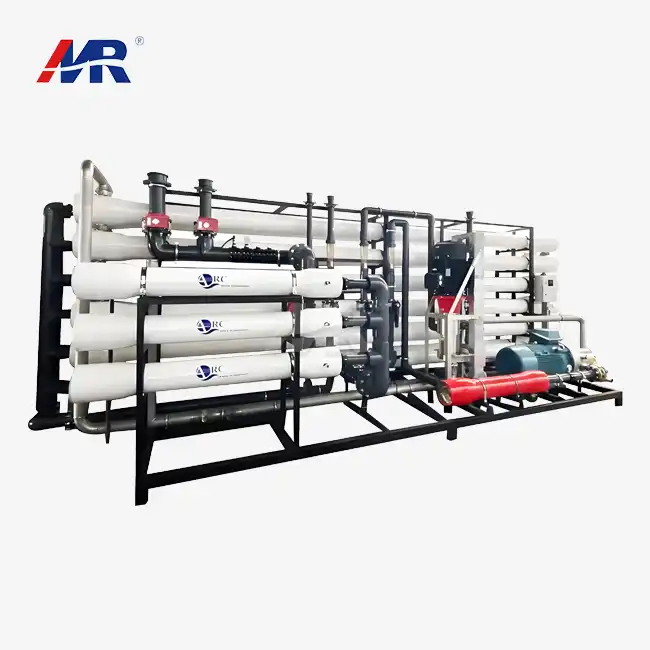
Understanding the Role of Pretreatment in Seawater Reverse Osmosis
There is a lot more in seawater than just dissolved salts. Living things, small particles, colloidal silica, and mineral-forming ions are all things that can damage membrane integrity. Before the water gets to the high-pressure RO step, these threats are removed in a planned way during pretreatment.
Why Pretreatment Directly Impacts System Reliability
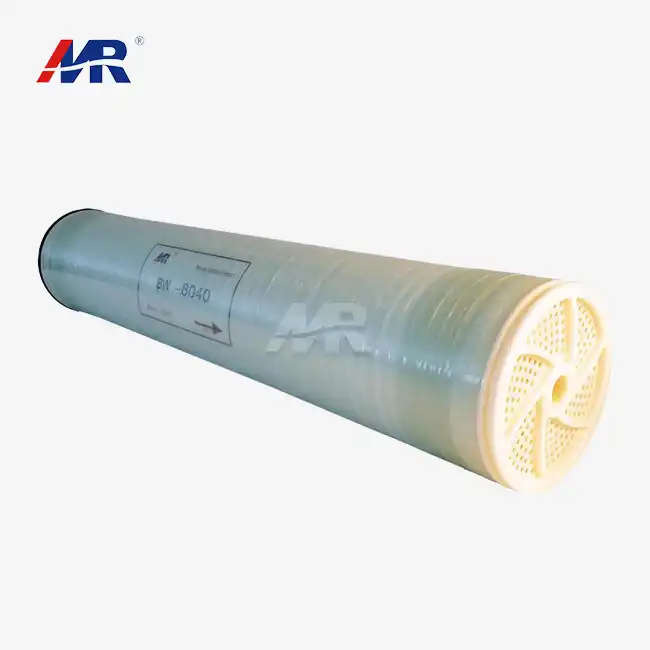
ro membranes work under very high pressure, usually 55 to 80 bar, which forces water molecules through tiny holes while preventing salts from passing through. Even very small amounts of particles in the fluid or bacterial colonies can build up on the sides of membranes and stop water flow. This process, called fouling, lowers the system's output and causes managers to raise the pump pressure, which uses more energy. Studies show that facilities that don't do enough pretreatment have 40% shorter membrane replacement cycles than systems that do enough prep.
Key Contaminants Removed During Pretreatment
Ocean water contains many types of contaminants, and each one needs a specific way to be removed. Sand, silt, and algae are examples of suspended solids that can physically block pipes. Biofilms are made by microorganisms and are hard to clean off with normal methods. When scaling ions like calcium, magnesium, barium, and strontium get concentrated during the RO process, they form hard mineral deposits. More fouling is made when organic compounds from dead marine life break down. Through tiered filters and chemical preparation, effective pretreatment deals with all of these threats at the same time.
Financial Consequences of Skipping Proper Pretreatment
Skipping thorough prep won't save you any money, believe it or not. Facilities that don't put enough money into this stage have to replace the membrane every two to three years instead of every five to seven years, as usual. When membranes get dirty, they need higher working pressures, which means more energy is used (20–35%). Unplanned maintenance shutdowns mess up production plans. This is especially bad for clients in the pharmaceutical, electronics, and food processing industries, where problems with water quality can cause costly production delays.
Core Components and Technologies in SWRO Pretreatment
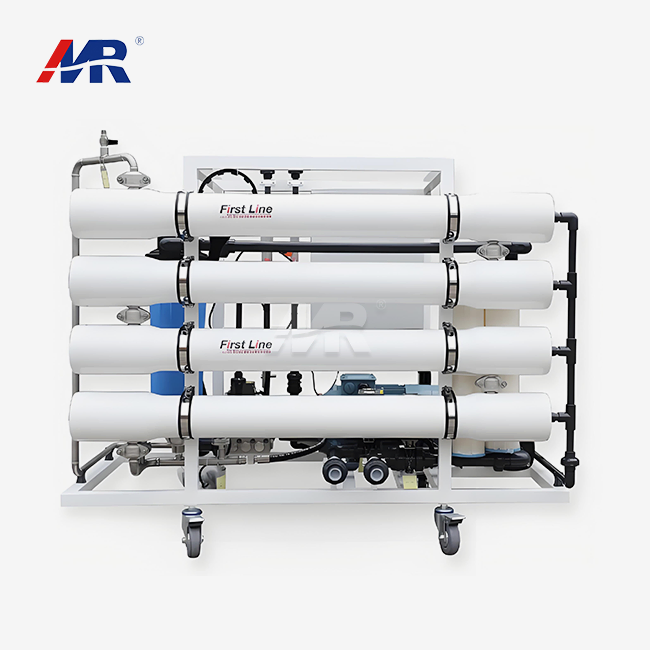
Modern pretreatment systems use a mix of old-fashioned mechanical filters, cutting-edge membrane technologies, and exact chemical doses. Choosing the right mix relies on the features of the feedwater, the amount of capacity needed, and the budget for running the business. Selecting the right seawater reverse osmosis configuration is essential for long-term operational success.
Conventional Mechanical Filtration Methods
Multimedia filters, which use layers of sand, anthracite, and garnet to catch particles as small as 10 to 20 microns, are still the mainstay of basic treatment. These filters are good at handling high flow rates, but they need to be backwashed, and their media needs to be replaced on a frequent basis. Dual media filters let more water flow more quickly and are good for big city installations. Cartridge filters, which catch particles as small as 5 microns, do polishing filtration before RO membranes.
Advanced Membrane Pretreatment Technologies
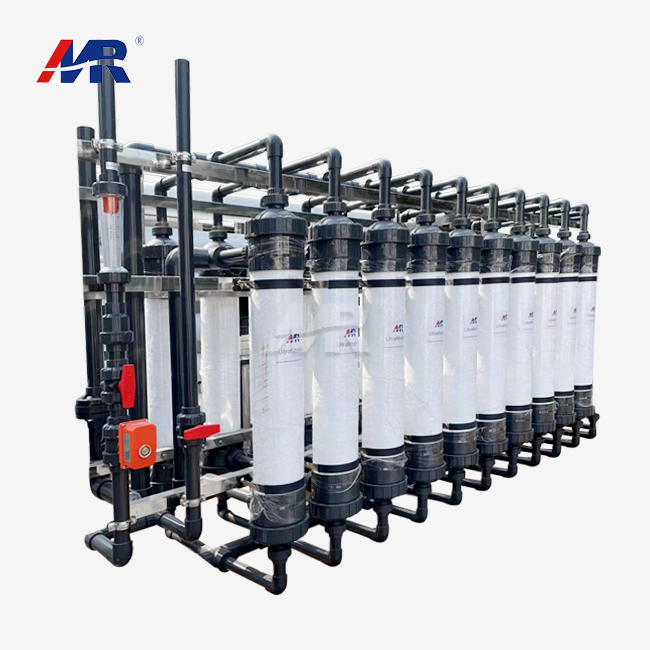
The best pretreatment systems right now are ultrafiltration and microfiltration systems. uf membranes with pores between 0.01 and 0.1 microns can get rid of almost all bacteria, viruses, and solids in suspension without using chemicals to coagulate them. These systems regularly make Silt Density Index values that are very low, usually below 3. This meets the strict standards for RO feedwater. MF systems work with lower pressures than UF systems, so they use less energy to clean feedwater that is less cloudy. Both methods make it possible for higher RO recovery rates and much longer membrane service lives.
Chemical Conditioning and Dosing Systems
Chemical tuning is still needed even after physical filtering. By stopping crystals from forming, antiscalant chemicals stop minerals from precipitating on membrane surfaces. Biocides stop germs from growing in pipes and equipment used for cleaning. Changing the pH by adding acid is the best way to keep the membrane from scaling and make it work better. Coagulants help particles stick together before they reach filters, which makes removal more effective. Modern systems have automatic controls that change the amount of chemicals used based on sensors that measure the quality of the feedwater. This keeps the treatment at its best while reducing the amount of chemicals that are wasted.
These technologies are combined by Guangdong Morui Environmental Technology into complete cleaning kits that are made to fit the conditions of the seawater. Our systems use a mix of tried-and-true traditional ways and cutting-edge automation. They are made possible by more than 20 engineers and their own membrane production technology. Clients get pretreatment designs that meet their exact capacity needs, ranging from 1,000 to 100,000 m³/day, with recovery rates close to 50% and salt rejection rates higher than 99.7%.
Challenges and Benefits of Effective SWRO Pretreatment
Putting in place thorough seawater reverse osmosis pretreatment has both big technical challenges and big practical benefits. Figuring out this balance helps people make decisions about whether to spend money now or save it for the future.
Common Operational Challenges
Even with preparation attempts, membrane fouling is still the biggest problem. Biofouling happens when bacteria stick to membrane surfaces and make slimy biofilms that can't be cleaned normally. Calcium carbonate, calcium sulfate, or silica that settles out of concentrated brine can cause scaling. Clay particles and organic colloids that are too small for regular filters cause colloidal fouling. Each type of fouling needs its own way to be stopped, which makes system design and operation more difficult. Changes in the temperature of the seawater throughout the year and algal blooms put even more stress on pretreatment systems, which need to be able to adapt their operating procedures.
Measurable Benefits of Optimized Pretreatment
There are a number of ways to measure the return on investment in prep. When the Silt Density Index stays below 3, the membrane lasts longer, from 3 to 4 years to 6 to 7 years. As membranes keep design flow rates constant without pressure rises, the amount of energy used per cubic meter of product water drops by 15 to 25 percent. Chemical cleaning is done every three months instead of once a month, which saves money on both labor and chemicals. System uptime goes up by a huge amount—well-pretreated plants regularly reach 95%+ availability, compared to 75–80% for facilities that aren't treated well enough.
Real-World Performance Data
A seaside power plant in California replaced its traditional media filters with improved UF pretreatment for its 50,000 m³/day desalination unit. Within 18 months, they saw a 32% drop in the amount of energy used per cubic meter, longer cleaning times of 30 to 90 days, and a $280,000 drop in the cost of replacing the membranes every year. Even tho it cost more at the start, the project paid for itself in 2.8 years. Pharmaceutical companies, beverage processors, and semiconductor factories all get the same results when water purity standards don't allow membrane performance to drop.
How to Evaluate and Choose Pretreatment Solutions for SWRO Systems
The procurement teams have a lot of choices when it comes to preparation configurations. Structured evaluation criteria turn this level of complexity into clear buying choices that are in line with practical needs for any seawater reverse osmosis installation.
Performance and Reliability Criteria
First, decide what kind of feedwater is good for RO membranes. Industry standards say that the Silt Density Index should be less than 3, the turbidity should be less than 0.5 NTU, and the Total Organic Carbon should be less than 2 mg/L. Check to see if the sellers promise these factors even if the quality of the source water changes with the seasons. Check how automated the system is—modern systems should be able to change chemical dosing, cleaning cycles, and warning levels on their own, without the need for constant human input. Look at the average amount of time between failures and the availability guarantees that are backed up by maintenance data from past installations.
Total Cost of Ownership Analysis
The purchase price is only 30–40% of what the machine will cost over its lifetime. Figure out how much energy is used at full capacity and when performance has dropped, which usually happens after three to five years of use. Think about how much it will cost to replace the membrane based on how long it is likely to last in your feedwater. Include how much cleaning, antiscalant, and pH-adjusting chemicals are used. Keep track of the number of hours of work that are needed for regular upkeep, cleaning, and emergency fixes. A full TCO study often shows that over ten years, pretreatment systems with 20–30% higher initial costs have 40–50% lower running costs.
Technology and Supplier Compatibility
Leading RO membrane makers like Hydronautics, DuPont FilmTec, Toray, and LG Chem list the quality of feedwater that must meet certain standards in order for their warranties to be valid. These requirements must always be met by your preparation system. Check to see if the provider has worked with your membrane brand and similar water chemistry conditions before. Ask for case studies from installations that process water from similar sources at similar capacities. Check the support infrastructure of the supplier: do they have regional service centers, keep important spare parts in stock locally, and offer Technical support 24 hours a day, seven days a week? Long-term success depends on both the quality of the equipment and how well the service partners respond.
Morui's engineering team has worked on commercial and local water plants, drug facilities, offshore platforms, and industrial buildings along the coast. Our 14 branches make sure that parts and expert help are always available, and our equipment works perfectly with all major membrane brands. We make sure that the pretreatment configurations we use are perfect for your specific feedwater analysis, capacity needs, and space limitations. This is backed up by our own quality control for membrane manufacturing.
Future Trends in SWRO Pretreatment and Their Impact on Global Desalination
Seawater reverse osmosis pretreatment technology keeps getting better at being more efficient, having less of an effect on the environment, and automating tasks in smarter ways. Keeping up with these changes helps procurement teams make investments that will pay off in the future.
Energy Recovery and Sustainable Design
With new pressure exchangers, up to 65% of the energy in the high-pressure brine stream can now be recovered. This lowers the net system usage from 3.5 to 4.5 kWh/m³ to 2.5 to 3.0 kWh/m³. Filtration pumps with variable frequency drives adjust the amount of energy they use based on the flow rate instead of always running at full capacity. In dry coastal areas, solar-assisted pretreatment devices are becoming more common. These use photovoltaic power for low-pressure filtration steps. These new ideas directly lower running costs and help companies keep their environmental promises, which are becoming more important to boards of directors and government agencies.
AI-Powered Process Optimization
Now, algorithms that use machine learning look at years of operations data to predict fouling trends before they have an effect on production. These systems change the amounts of chemicals used, when the filters are backwashed, and how often the membranes are cleaned based on changes in the water quality in real time and how well they worked in the past. Operators are warned about problems like filter media degradation or pump seal wear by predictive maintenance alerts days or weeks before they happen. Expert techs can fix systems all over the world using remote monitoring tools. This cuts down on the need for local knowledge and speeds up the problem-solving process.
Market Growth in Water-Stressed Regions
Desalination capacity is still growing very quickly around the world, especially in the Middle East, North Africa, the western United States, and coastal Asia. The market for desalination technology is expected to reach $32 billion by 2028. This is because climate change is changing the way that water sources work. Because of this growth, pretreatment technology providers, membrane manufacturers, and EPC contractors can work together in strategic ways. Companies that come up with solid pretreatment solutions now will be the first choice for large-scale commercial and civic projects in the future.
Conclusion
Pretreatment is the most important part of any seawater reverse osmosis process. It keeps expensive membranes safe, keeps energy costs down, and makes sure that the quality of the water stays the same for a wide range of demanding uses, from making drugs to supplying cities. Investing in thorough preparation, like standard filtration with chemical conditioning or advanced ultrafiltration systems, pays off in the long run by making equipment last longer, requiring less upkeep, and consistently producing more. As the world's water shortage gets worse and desalination technology improves, plants that have pretreatment systems that work better will stay ahead of the competition in terms of how well they run and how reliably they produce water.
FAQ
1. How often should pretreatment systems undergo maintenance?
Maintenance regularity is based on the grade of the feedwater and the technology used for pretreatment. Most multimedia filters need to be backwashed every 24 to 48 hours, and their media needs to be replaced every 3 to 5 years. Ultrafiltration membranes need to be cleaned with chemicals every one to three months and replaced every five to eight years. Based on differential pressure readings, cartridge filters need to be changed every two to four weeks. Periodically, chemical dosing pumps need to be calibrated, and every year, the seals need to be replaced. These parameters are now automatically tracked by remote monitoring systems, which let operators know when maintenance is needed instead of relying on set schedules.
2. Can effective pretreatment completely eliminate membrane fouling?
Fouling can't be completely stopped by a pretreatment system, but it can be kept to a reasonable level with good planning. When systems are well-designed, membrane performance stays within 95% of what was planned for their whole life. Regular cleaning-in-place cycles fix the short-term drop in flux caused by minor fouling. The goal is to keep fouling from building up so membranes last as long as they're supposed to (5-7 years) before they need to be replaced, instead of having to be replaced too soon at 2–3 years because fouling damage can't be fixed.
3. What are the cost implications of insufficient pretreatment?
Over ten years, facilities that don't put enough money into pretreatment will have 40–60% higher total operating costs. Depending on the plant's capacity, replacing the membranes every two to three years instead of every five to seven years costs an extra $150,000 to $500,000. When membranes get dirty, they need higher working pressures, which raises energy costs by 20 to 35 percent. Industrial clients lose between $10,000 and $100,000 per incident in production during unplanned shutdowns. These costs are a lot higher than the 15–25% capital cost premium for full pretreatment systems.
Partner with Morui for Advanced Seawater Reverse Osmosis Solutions
To choose the best pretreatment system, you need to find a balance between technical performance, operational reliability, and total cost of ownership. Morui's engineers deal with this problem every day. As a company that makes seawater reverse osmosis systems with more than 500 employees and its own facilities for making membranes, we offer complete solutions from the beginning of the process to the end of delivery. Our systems use only 3–4 kWh/m³ of energy and keep salt rejection above 99.7%. This is possible with automated monitoring and construction that doesn't rust in harsh marine environments. Our Team makes pretreatment configurations that fit the feedwater conditions and room needs of each project, whether it's a 1,000 m³/day facility for an offshore platform or a 100,000 m³/day city installation. Visit email benson@guangdongmorui.com to talk about how our "turnkey" method, which includes everything from supplying equipment to installing and operating it, can help your desalination project run more smoothly and make you more money.
References
1. National Research Council. (2008). Desalination: A National Perspective. Washington, DC: The National Academies Press.
2. Voutchkov, N. (2017). Pretreatment for Reverse Osmosis Desalination: Science, Technology, and Practice. Burlington, MA: Elsevier Publishing.
3. Greenhouse, C., & Guarantor, S. (2019). "Impact of Pretreatment on Membrane Performance in Seawater Desalination Plants." Desalination and Water Treatment, 145: 234-247.
4. International Desalination Association. (2020). IDA Water Security Handbook 2019-2020. Topsfield, MA: International Desalination Association.
5. Pearce, G., & Talo, S. (2021). "UF/MF Pretreatment to RO in Seawater and Wastewater Reuse Applications: A Comparison of Energy Costs." Journal of Membrane Science and Research, 7(2): 93-108.
6. World Bank Group. (2019). The Role of Desalination in an Increasingly Water-Scarce World. Washington, DC: Water Global Practice, World Bank.