_1745823981883.webp)

SWRO Membrane Fouling: Causes, Prevention, and Solutions
When seawater desalination systems underperform, membrane fouling is often the culprit. SWro membrane fouling occurs when contaminants accumulate on the membrane surface, reducing filtration capacity and increasing operational costs. Understanding this challenge is essential because it directly impacts plant uptime, energy efficiency, and water production quality. Whether you manage municipal water plants, pharmaceutical facilities, or offshore platforms, controlling membrane fouling determines your system's profitability and reliability over time.
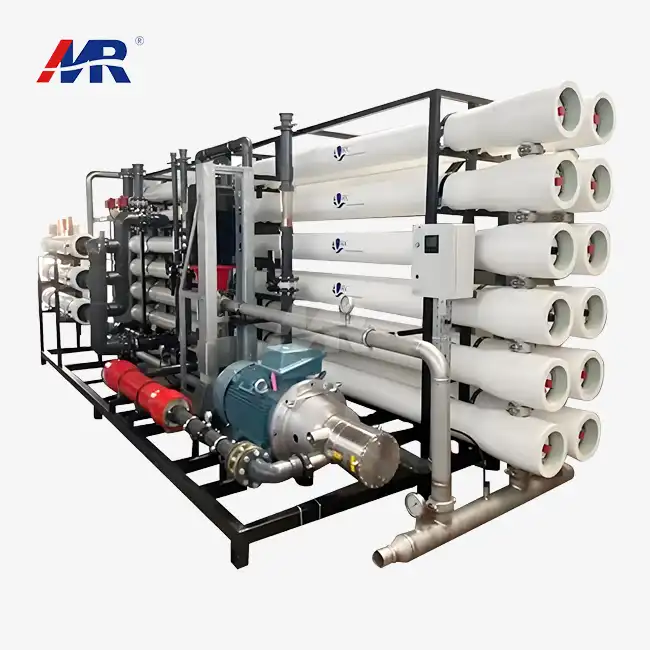
Understanding SWRO Membrane Fouling
What Is Membrane Fouling in Seawater Desalination
During the desalination process, unwanted substances can build up on the surface of the membrane. This is called membrane fouling. The layers make it harder for water to pass through the partially porous barrier. This makes systems work harder and use more energy. Over time, fouling weakens the membrane and shortens its useful life, which means it has to be replaced too soon, which puts a strain on budgets.
Types of Fouling Affecting SWRO Systems
Four different types of fouling affect how seawater reverse osmosis works. Organic fouling comes from things like algae and humic substances that are naturally organic. Minerals like calcium carbonate and barium sulfate can form scales on membrane surfaces, which is called inorganic scaling. Biofouling happens when bacteria settle down and make biofilm. Particulate fouling happens when solids, silt, and colloids in the fluid block the pores of the membrane. Different ways of cleaning and preventing each type are needed.
How Fouling Mechanisms Impact Performance
Fouling happens when the chemistry of the feed water, the operating pressure, and the properties of the membrane surface interact in complicated ways. When toxins build up near the membrane because of poor pre-treatment or high recovery rates, they create thick layers that stop the production of permeate. Modern SWRO membranes have top layers made of advanced polyamide that are made to resist these interactions. However, even high-performance materials that reject 99.8% of salt can break down if they are not maintained properly.
Feed Water Quality and Operational Variables
The makeup of the feed water has a big impact on the fouling potential. Fouling happens faster when the turbidity level is above 1 NTU, the temperature is high, and the Total Organic Carbon (TOC) level is high. The water quality and operational factors like flow rates, recovery percentages, and cleaning frequency affect how long a membrane lasts. Systems made for 50% recovery rates usually find a balance between output and fouling risk. This way, both output and membrane lifespan are optimized in the 3–7-year range.
Causes and Root Analysis of SWRO Membrane Fouling
Chemical and Physical Contaminants
Solids in suspension are still a big problem for the stability of the SWRO membrane. Particles between 0.1 and 10 microns get past filters that aren't working well enough and get stuck in the membrane layers. Ions that make scales, such as calcium, magnesium, and strontium, build up when their solubility limits are reached at the membrane surface. This crystallization makes tough deposits that are hard to remove with normal methods. Usually, acidic treatments are needed, which put stress on membrane materials over many cycles.
Biological Fouling Development
Biofouling is one of the most difficult problems to solve in ocean uses. Within hours of the system starting up, microorganisms in the intake water start to live on the membrane surfaces and make biofilms that protect them. Biofilms have extracellular polymeric substances that stick to other pollutants and make complex fouling structures. Bacterial growth rates are affected by available nutrients, weather, and chlorine amounts that are still present, so biological control is necessary for the whole system to work.
Operational Factors Exacerbating Degradation
Maintenance schedules that aren't always followed make membrane degradation happen faster. Filtration problems get harder to fix when cleaning intervals are longer than what is recommended. Changes in pressure during startup and stop processes put stress on membrane structures, which could lead to spiral-wound elements telescoping. Recovery rates that are pushed past the limits of what was originally planned concentrate contaminants too much, making anti-scalant dosing and pretreatment less effective. These operational choices make the natural tendency for fouling that is present in all sources of seawater even worse.
Proven Strategies for Prevention and Mitigation
Optimized Pre-Treatment Systems
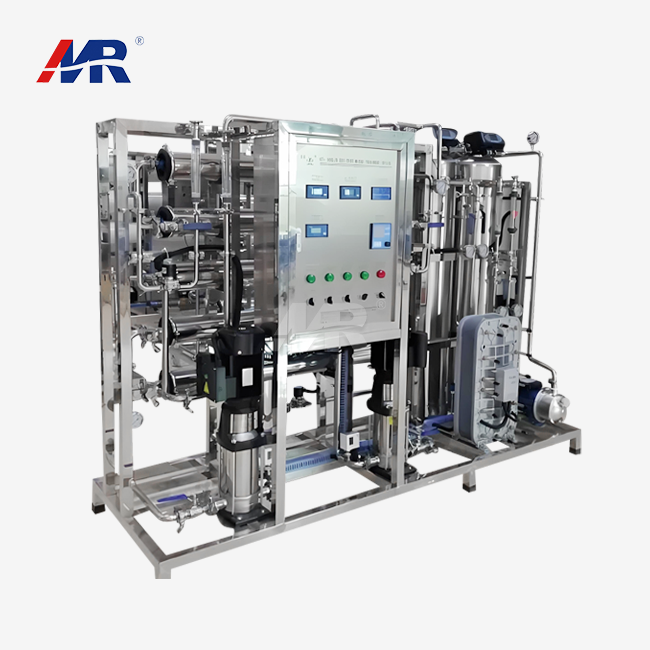
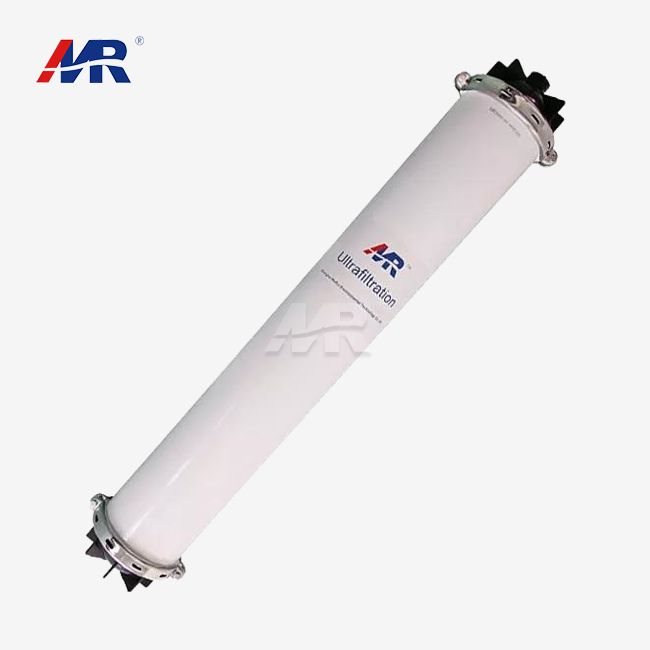
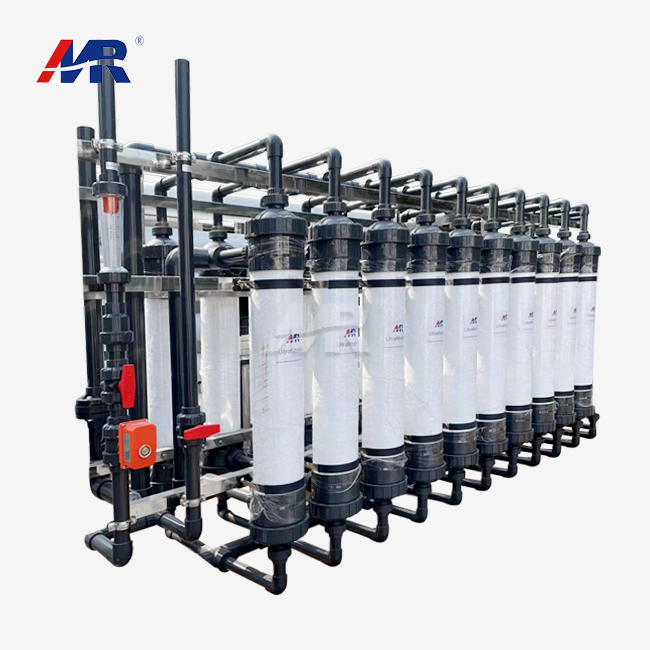
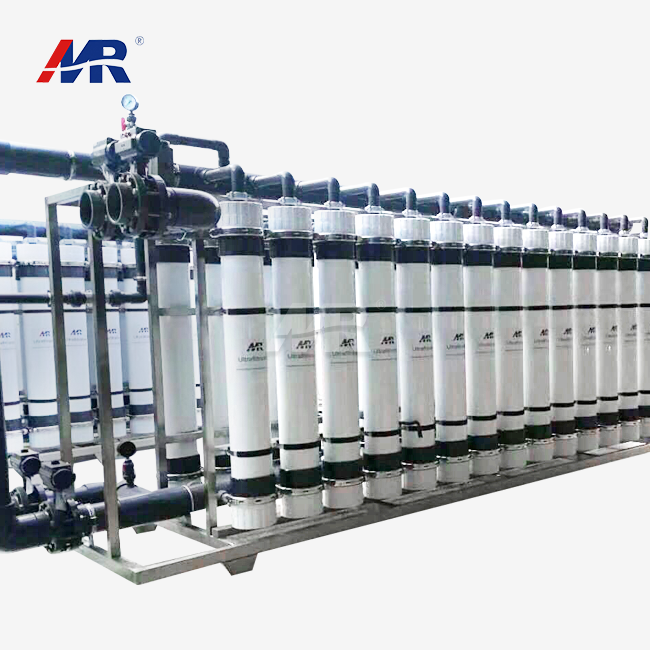
Managing fouling well starts before water even gets to the RO filters. Multistage pre-treatment using coagulation, flocculation, and multimedia filtration gets rid of particles and lowers the turbidity to a level that is acceptable. Ultrafiltration filters working upstream keep the quality of the feed water constant, even if the amount of water coming in changes with the seasons. Chemical treatment systems inject anti-scalants to stop mineral precipitation. Chlorination and dechlorination control biological activity without harming the surfaces of polyamide membranes.
Modern systems have water quality analyzers that work in real time and change the chemical feed rates on the fly. This automation makes sure that the right amount of chemicals is used at the right time, even when conditions change. This keeps people safe while reducing chemical use. If the pre-treatment is done right, the membrane will last a lot longer, which will lower the total cost of ownership for industrial-scale installations that can handle up to 100,000 m³/day.
Regular Cleaning Protocols and CIP Systems
Clean-In-Place methods keep the membrane permeable between rounds of operation. Cleaning Products that are alkaline break down organic matter and biological layers, while cleaning products that are acidic break down artificial scales. Controlling the temperature while cleaning makes the chemicals work better without hurting the membrane. Most cleaning processes take place between 95°F and 104°F. The amount of time between cleanings varies on how often the pressure drops and how the flow through the system. Usually, cleanings happen every one to three months.
Automated CIP systems cut down on the amount of work that needs to be done and make sure that cleaning cycles are consistent. These systems move cleaning solutions around at controlled flow rates and contact times. They then flush the system well to get rid of any leftover chemicals. Performance tracking records how well cleaning is done, which helps make changes to the maintenance schedule. Cleaning before it gets dirty stops fouling that can't be fixed and forces membrane replacement too soon, protecting investments in desalination infrastructure.
Automation and Real-Time Monitoring
Modern desalination plants use high-tech monitoring systems that constantly keep an eye on differential pressure, permeate conductivity, and adjusted flow rates. These metrics show the development of fouling before production drops noticeably. Operators can check on multiple sites at once with remote tracking and react right away to any problems they find. Instead of waiting for set times, predictive algorithms look at performance trends and schedule repair when data shows that fouling levels are getting close.
Energy return systems that are built into automated controls make managing pressure easier and lower energy use to 3–4 kWh/m³. This efficiency cuts down on costs by a lot, which is especially important for large industrial and municipal facilities that are always running. Automation cuts down on mistakes made by people when it comes to dosing chemicals and cleaning, so the membrane stays protected in all operating conditions.
Cutting-Edge Solutions and Technologies to Combat Fouling
Fouling-Resistant Membrane Materials
New developments in the production of membranes have led to the creation of materials that are especially designed not to get dirty. Surfaces made of modified polyamide have hydrophilic coats that keep organic chemicals and germs from sticking to them. These high-tech membranes keep up higher flux rates for longer periods of time, so they need to be cleaned less often and use less energy per cubic meter created. Changing the surface charge stops charged particles from sticking to it electrostatically, which stops particulate fouling from building up.
At Morui, our high-efficiency membranes use the newest material improvements to get rid of salt at rates higher than 99.7% while also being more resistant to fouling. The polyester support web, polysulfone microporous layer, and selective polyamide top layer work together to make the material very chemically stable from pH 2 to 11. This makes it possible to clean more aggressively when needed without hurting the membrane's structure or shortening its useful life.
Comparative Membrane Technology Analysis
Nanofiltration and normal brackish water elements are very different from SWRO membranes. The membrane parts made for use in salt water can handle working pressures of up to 1,200 psi without losing their shape. Standard 8-inch elements have an active surface area of 400 to 440 square feet, which makes them very productive in small vessel sizes. High boron rejection rates make sure that produced water meets farming standards when they need to, which meets regulatory needs in irrigation uses.
Different types of membranes have very different fouling resistances. SWRO elements have feed spacer shapes that are designed to create commotion that removes any possible foulants. This design lowers the concentration polarization at the membrane surface, which makes it harder for scales and particles to form. The comparison shows why purpose-built membranes are needed for seawater uses instead of adapting technologies made for water sources that aren't as demanding.
Real-World Performance Data
Advanced membrane technologies are useful in the real world, as shown by installations in industries. After switching to fouling-resistant membranes, a pharmaceutical facility on the coast cut the number of times it was cleaned from once a month to three times a year. This cut yearly maintenance costs by 62%. Integrated energy recovery systems helped an offshore oil platform installation save 40% of the energy it used while keeping up steady freshwater production for the crew. Through careful monitoring and planned preventative maintenance, municipal desalination plants that serve more than 500,000 people are able to keep running more than 95% of the time.
It's clear from these results how important it is to choose the right membrane technologies for each application. The Levelized Cost of Water (LCOW) goes down when performance goes up. This means that desalination can compete economically with other water sources in areas that are short on water.
Maintenance, Lifespan, and Procurement Insights for SWRO Membranes
Proactive Maintenance Scheduling
To make membranes last as long as possible, they need to be maintained regularly. Inspections are done on a regular basis to check for physical damage to membrane elements, make sure O-rings are still intact, and make sure pressure vessels are properly seated. Baseline measures like permeate flow, salt rejection, and normalized pressure drop are set by performance tests. These standards help decide when to step in and fix problems, so small problems don't get worse and need emergency shutdowns.
All maintenance tasks should be written down so that there are historical records that show long-term performance trends. This information helps buying teams plan for replacements and make budget predictions. The barrier usually lasts between 3 and 7 years, but this depends on the quality of the feed water, how it is used, and how often it is maintained. Plants that follow strict programs consistently live as long as this expectation says they should.
Performance Metrics Guiding Interventions
When permeate flow starts to drop, it means that fouling is starting to happen before any other signs show up. When standardized flow drops by 10% from the starting point, cleaning should start right away. If the salt rejection percentage is less than what was planned, it means that the membrane is damaged or the seal is failing, which needs to be looked into. If the differential pressure goes up by 15% above the initial reading, it means that particles or biological fouling have built up and need to be cleaned or inspected.
These calculations are done automatically by modern control systems, which let operators know when limits are passed. Rapid reaction to changes in performance stops membrane breakdown that can't be fixed. This proactive method cuts down on unplanned downtime that throws off production schedules and lets down people who count on a steady water supply.
Procurement Considerations for B2B Buyers
When choosing SWRO membrane suppliers, you need to look at more than just the original buy price. Reliability of suppliers affects delivery times for replacement parts that are necessary to keep operations running. How fast troubleshooting help is available when speed problems happen depends on how good the Technical support is. Customization options let membrane specs be changed to fit different types of feed water or limited space on offshore platforms and industrial facilities.
When you look at price-performance ratios over the expected lifetime of a membrane, they show true value more accurately than just upfront costs. Membranes that cost 20% more but last 50% longer give a better return on investment. After-sales support, such as training, help with setup, and warranty coverage, saves capital investments over the lifecycles of systems. Professionals in procurement have to balance these factors in order to find the best solutions that meet operational goals and budget constraints.
Conclusion
SWRO membrane fouling is a problem for all industries that use seawater desalination, from making medicines to providing water to cities. Understanding how fouling works, using tried-and-true methods to stop it, and choosing cutting-edge membrane technologies are all things that can be done to make sure that freshwater production is reliable. Monitoring performance guides proactive upkeep that extends the membrane's life while lowering running costs. When automation, improved pre-treatment, and regular cleaning routines are used together, fouling goes from being an impossible problem to something that can be dealt with. To be successful, you need to work with suppliers who are knowledgeable and can provide technical support and full system lifecycles.
FAQ
1. How Often Should SWRO Membranes Be Cleaned?
How often you clean depends on the quality of the feed water and data from monitoring performance. When the average pressure drop or permeate flow drops by 15% every one to three months, most systems need to be cleaned. Instead of sticking to set schedules, automated monitoring systems give precise timing advice based on actual performance trends. Facilities with good pre-treatment may only need to be cleaned every three months, but facilities with hard water sources need to be cleaned every month.
2. What Distinguishes SWRO from Standard RO Membranes?
Seawater membranes can handle up to 1,200 psi of operating pressure, while brackish water elements can only handle 600 psi. They have reinforced parts that keep them from telescoping in harsh conditions. SWRO membranes also have better fouling resistance thanks to special surface treatments and better spacer designs. For saltwater uses, salt rejection rates are higher than 99.7%. This is higher than the 98–99% rates for standard reverse osmosis membranes that deal with easier sources.
3. Can Fouling Be Completely Eliminated?
Due to the complexity of seawater, complete removal is still not possible. Even if the pre-treatment and operation are perfect, fouling will build up over time. The main goal is to keep fouling at a reasonable level by preventing it and cleaning up when it happens. Advanced membrane materials and automated monitoring greatly lower the rate of fouling. This means that operations can go longer without needing to be fixed, and the system can be used productively for longer throughout its lifetime.
Partner with Morui for Superior SWRO Membrane Solutions
Guangdong Morui Environmental Technology Co., Ltd. has been working on water treatment solutions for more than 14 years and has 500 dedicated employees and 20 specialized engineers to back them up. As a well-known provider of SWRO membranes, we make high-performance desalination devices that can handle 1,000 to 100,000 m³/day and use as little as 3–4 kWh/m³ of energy. Our equipment doesn't rust and can be controlled automatically with remote monitoring to make sure that your most important applications are always running. We offer full package services that include supplying the tools, setting them up, and starting them up. Visit Our Team at benson@guangdongmorui.com to talk about unique solutions that will help you with your fouling problems and business needs.
References
1. Greenlee, Lauren F., et al. "Reverse Osmosis Desalination: Water Sources, Technology, and Today's Challenges." Water Research 43.9 (2009): 2317-2348.
2. Elimelech, Menachem, and William A. Phillip. "The Future of Seawater Desalination: Energy, Technology, and the Environment." Science 333.6043 (2011): 712-717.
3. Matin, Asif, et al. "Biofouling in Reverse Osmosis Membranes for Seawater Desalination: Phenomena and Prevention." Desalination 281 (2011): 1-16.
4. Antony, Albertus, et al. "Scale Formation and Control in High Pressure Membrane Water Treatment Systems: A Review." Journal of Membrane Science 383.1-2 (2011): 1-16.
5. Vrouwenvelder, J.S., et al. "Biofouling of Spiral-Wound Nanofiltration and Reverse Osmosis Membranes: A Feed Spacer Problem." Water Research 43.3 (2009): 583-594.
6. Schippers, J.C., and J. Verdouw. "The Modified Fouling Index, a Method of Determining the Fouling Characteristics of Water." Desalination 32 (1980): 137-148.