

_1745823981883.webp)

Ultrafiltration Size for Removing Bacteria and Viruses
When dealing with microbial contamination in industrial water systems, knowing the ultrafiltration size is essential for controlling pathogens effectively. Ultrafiltration membranes with pores that are between 0.001 and 0.1 micrometers wide make a wall that keeps out bacteria and viruses but lets salts and small molecules pass through. This exact measurement decides how well the rejection works, which is why choosing the right pore size is so important for drug companies that need to follow GMPs, food makers that need to make sure their Products are safe, and public water facilities that need to protect health. Choosing the right membrane ultrafiltration size has a direct effect on both the cost of running and the effectiveness of removing microbes.
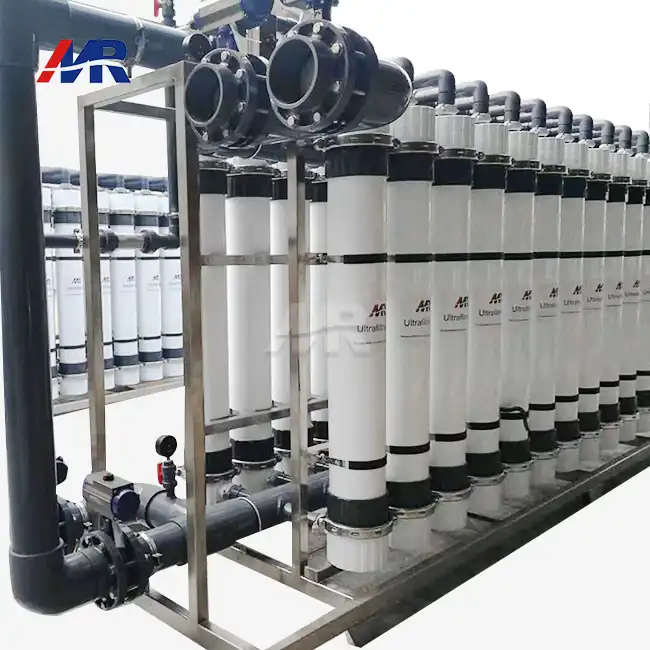
Understanding Ultrafiltration Membrane Sizes and Their Role in Microbial Removal
Technical Specifications of Membrane Pore Dimensions
There are two different ways to measure membrane hole sizes that are used for different types of evaluations. The size of the hole in the membrane is shown by the physical pore width, which is measured in micrometers or nanometers. The Molecular Weight Cut-Off (MWCO), which is between 10 and 1,000 kilodaltons, shows the molecular mass of the solutes that are kept 90% of the time. These two measurements work well together. Pore size is a real-world measurement, and MWCO gives you useful information for separating different molecular types. Polyethersulfone (PES) and polyvinylidene fluoride (PVDF) membranes are the most common types used in industry because they are chemically stable and have uniform hole structures.
Particle Size Ranges and Filtration Capabilities
Different microbial toxins have different size ranges that determine which barrier to use. Bacteria are usually between 0.2 and 10 micrometers wide, which means that normal ultrafiltration size screens with pores of 0.01 to 0.05 micrometers can easily catch them. Viruses, which are between 0.02 and 0.3 micrometers in size, are more difficult to get rid of because they need pores that are less than 0.02 micrometers apart. Hepatitis A virus is about 0.027 micrometers wide, while E. coli germs are about 0.5 micrometers wide on average. Membrane makers design specific pore structures to target these disease measurements while keeping the flow rates at a good level.
Comparing Membrane Technologies for Pathogen Control
There are different types of membrane separation methods at different points in the filtration range. Microfiltration uses pores that are between 0.1 and 10 micrometers wide to get rid of solids in the water and big germs while letting viruses pass through. Ultrafiltration fills in the gaps with holes that are 0.001 to 0.1 micrometers wide, which gets rid of most germs and viruses. Nanofiltration gets even more specific, down to 0.001 micrometers, which is close to reverse osmosis but needs lower working pressures. At the molecular level, reverse osmosis gets rid of all microbial toxins along with dissolved salts. A lot of the time, pharmaceutical companies use both ultrafiltration and reverse osmosis cleaning together to get log reduction numbers that are higher than what the government requires.
Choosing the Right Ultrafiltration Membrane Size for Your Industry and Application
Water Treatment and Municipal Applications
To keep up with changing drinking water standards, municipal water facilities that are replacing old structures depend on membrane technology more and more. A membrane standard of 0.01 to 0.02 micrometers reliably gets rid of cryptosporidium and Giardia while keeping the throughput needed for large-scale processes. These sites usually handle millions of gallons of water every day, which means they need membrane modules that can handle high packing densities and chlorine exposure during cleaning cycles. The overall system footprint is affected by the configuration of the membrane. Hollow fiber modules have more surface area per volume than spiral-wound designs, which makes them better for places with limited room.
Food and Beverage Processing Requirements
Separating useful proteins from lactose and minerals without heating them up is a difficult task for dairy producers. To concentrate whey protein, you need membranes with MWCO standards between 10 and 30 kilodaltons that can keep beta-lactoglobulin but let lactose pass through. Companies that make cold-pressed drinks use 0.02 micrometer ultrafiltration size membranes to keep microbes from growing without pasteurizing the juice. This keeps heat-sensitive vitamins and taste ingredients intact. For these uses, the system needs to be clean, and it needs to be able to handle caustic and acidic liquids using CIP. Because dairy streams are thick, they need to move in radial patterns that keep concentration polarization at the membrane surface to a minimum.
Pharmaceutical and Biotechnology Standards
Biopharmaceutical manufacturing follows strict validation processes, and the performance of the membranes must stay the same from one production cycle to the next. For protein concentration uses, 10 to 100 kilodalton MWCO membranes that have been tested and proven to keep certain molecules in place are usually needed. During the purification of monoclonal antibodies, buffer exchange methods need barriers that keep the antibodies from sticking together while still meeting concentration goals. The FDA wants makers to show that viruses can be removed using different ways, and ultrafiltration is one of those steps that has been proven to work. Before every production run, the stability of the membrane is checked using bubble point or diffusion methods to confirm the spread of pore size. This makes sure that the consistency from batch to batch.
Procurement Considerations: Buying Ultrafiltration Membranes by Size
Knowing what suppliers can do and what market choices are available makes the buying process easier and more likely to be successful in the long run. Suppliers of membranes offer both standard goods and unique designs that are made to solve specific separation problems. Total cost of ownership analysis includes more than just the initial purchase price. It also looks at how often something needs to be replaced, how much cleaning fluid it uses, and how much energy it uses. Standardizing on certain membrane platforms can help manufacturers with multiple sites by making it easier to handle supplies and train technicians.
Established providers offer full Technical support, which includes sample testing services that show how well membranes work with real process lines. These tests give important information about how fast flux decreases, how well it cleans, and how long the service should last in real-world situations. Material compatibility testing makes sure that membrane plastics won't break down when certain chemicals are used in the application. End users don't have to do as much validation work when they have regulatory compliance paperwork like FDA Drug Master Files for pharmaceutical applications and NSF approval for drinking water.
Negotiating bulk buy deals for standard sizes cuts costs by a lot and makes sure that supplies don't run out. Many procurement managers keep a planned stock of important membrane sizes to keep production from stopping because of delays in the supply chain to a minimum. Lead times should be included in supplier deals for both standard and custom setups. This is especially important for new uses that need specific pore distributions. Premium sellers are different from basic vendors because they offer after-sales support that includes help with fixing problems and improving performance.
Case Studies: Successful Bacteria and Virus Removal Using Optimized Ultrafiltration Membrane Sizes
Municipal Water Treatment Success
Concerns about groundwater pollution led a medium-sized water company that serves 200,000 people to install 0.01-micrometer hollow fiber ultrafiltration size membranes. It got rid of six times as many Cryptosporidium spores and four times as many germs, which is more than what the Environmental Protection Agency requires. Operators said that the quality of the permeate stayed the same, even though the turbidity of the source water changed with the seasons. The membrane system took the place of traditional sand filtration, which cut the use of chemical coagulants by 60% and made the treatment plant smaller. The membrane system's ability to collect backwash water increased the general efficiency of water production by 12%, which is good for both the environment and the economy.
Dairy Processing Optimization
30 kilodalton membranes were used to concentrate whey protein by a regional dairy company that processes 500,000 liters of milk every day. The method kept 85% of the protein and got rid of 95% of the lactose, making a concentrated protein stream that was healthier. The performance of the membrane stayed the same during three-month production cycles that were broken up by big cleaning processes. Compared to older heat concentration methods, the tangential flow design reduced protein denaturation by a large amount. By making their products better, the union was able to get into more expensive markets, and within 18 months, they had recovered their investment in the membrane system.
Pharmaceutical Water System Validation
A biotechnology business that makes injectable medicines has tested and approved a two-stage ultrafiltration device that uses 100-kilodalton and 30-kilodalton filters to get rid of viruses. During validation tests with model viruses, the orthogonal filtration method showed a total virus drop of more than 12 logs. Protocols for checking the stability of the membrane ensured that the pores stayed the same size throughout the membrane's life. The system produced pure water that met the standards set by the US Pharmacopeia while using 40% less renewal chemicals than other methods based on ion exchange.
Conclusion
Choosing the right membrane pore size is a big choice that affects how well microbes are removed, how much it costs, and the quality of the product in many different businesses. Because pore size, MWCO, and application-specific needs all affect each other, technical specs and supplier skills need to be carefully looked at together. Pharmaceutical makers put a lot of emphasis on validation and uniformity, while municipal centers focus on legal compliance and throughput. Food makers find a balance between keeping microbes safe and keeping the purity of the product. When procurement professionals understand these complex needs, they can choose membrane systems that effectively kill pathogens while minimizing the overall cost of ownership. The case studies show that measured results can be achieved by choosing the right membranes and designing the system correctly.
FAQ
1. What pore size effectively removes viruses?
Most virus particles are between 0.02 and 0.3 micrometers in size, so membranes with pores smaller than 0.02 micrometers are needed to get rid of viruses. Hepatitis A virus is about 0.027 micrometers long, which sets a realistic lower limit for removal that can be trusted. Pharmaceutical applications often need membranes that have been tested and proven to remove certain viruses, with proof of log decrease values. Tighter pore distributions improve removal efficiency but slow down flux rates, so bigger membrane surfaces are needed to keep output the same.
2. How does membrane size affect filtration speed?
By lowering hydraulic resistance, larger pores allow higher flow rates, which are recorded in liters per square meter per hour. With clean water, a 0.1 micrometer membrane can usually produce 100 to 200 LMH flux, while a 0.01 micrometer membrane may only be able to produce 50 to 100 LMH under the same conditions. Feed stream properties like viscosity and particle concentration have a big effect on how well it works. By repeatedly sweeping the membrane surface, tangential flow configurations keep the flow at a good level with smaller holes.
3. Can one membrane size handle both bacteria and viruses?
Membranes with pores that are 0.01 to 0.02 micrometers wide are good at catching germs and getting rid of big and medium-sized viruses. For proven removal, small viruses that are less than 0.02 micrometers in size may need stricter rules or systems with more than one stage. To get rid of all pathogens, pharmaceutical companies often use two ultrafiltration steps that are put one after the other and have different pore sizes.
Partner with Morui for Optimal Membrane Solutions
Guangdong Morui Environmental Technology Co., Ltd. has more than ten years of experience designing and putting in place membrane systems in the food processing, medicinal, and public water industries. Our engineering team does a full study of the water and trial tests to find the exact-sized ultrafiltration membranes that will meet your needs for removing pathogens. As a well-known ultrafiltration size manufacturer with our own membrane manufacturing plant and a network of 14 regional branches, we can guarantee a steady supply of parts and quick expert support for the entire lifecycle of your system. Email our technical experts at benson@guangdongmorui.com to talk about your needs and get customized membrane specs with full predictions of how well they will work.
References
1. American Water Works Association. (2020). Membrane Technology: Ultrafiltration, Microfiltration, and Reverse Osmosis for Water Treatment Applications. AWWA Manual M53, Denver, Colorado.
2. United States Environmental Protection Agency. (2021). Membrane Filtration Guidance Manual. EPA Office of Water, Washington, D.C.
3. Singh, R. (2019). Membrane Technology and Engineering for Water Purification: Application, Systems Design and Operation. Butterworth-Heinemann Publishers, Oxford, United Kingdom.
4. World Health Organization. (2017). Potable Reuse: Guidance for Producing Safe Drinking Water. WHO Press, Geneva, Switzerland.
5. Cheryan, M. (2018). Ultrafiltration and Microfiltration Handbook. CRC Press, Boca Raton, Florida.
6. International Pharmaceutical Federation. (2019). Quality Assurance of Pharmaceuticals: Meeting the Challenges of the Global Market Volume 2. WHO Publications, Geneva, Switzerland.
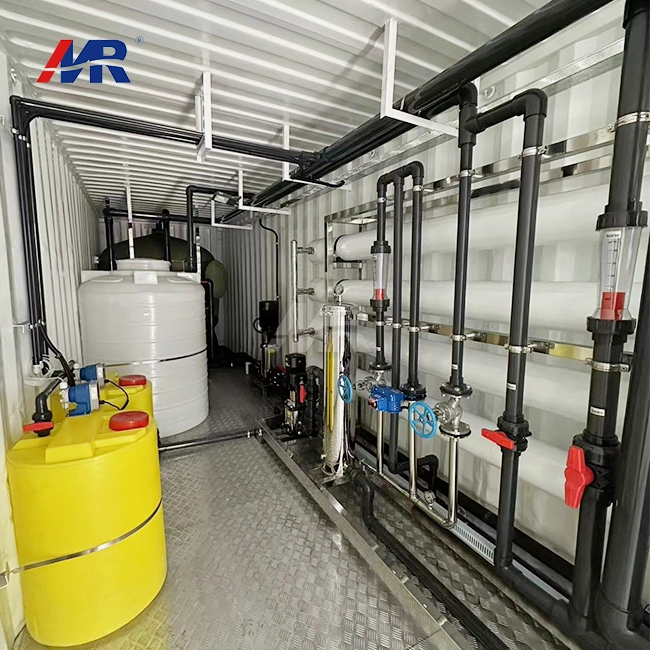 VIEW MOREcontainerized desalination plant
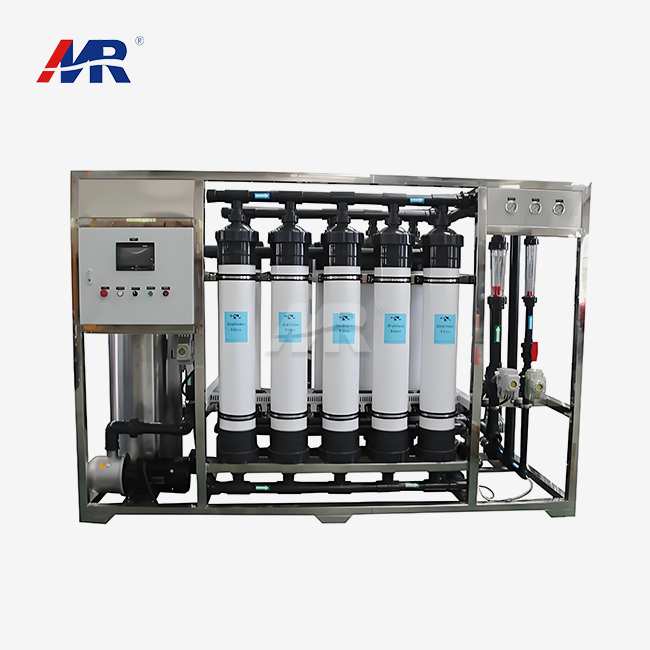 VIEW MOREultrafiltration skid
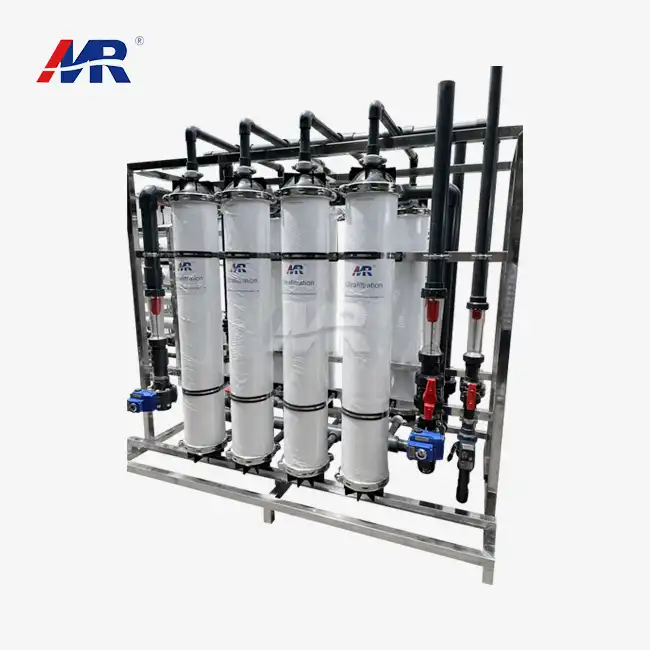 VIEW MORE15T/H ultrafiltration system
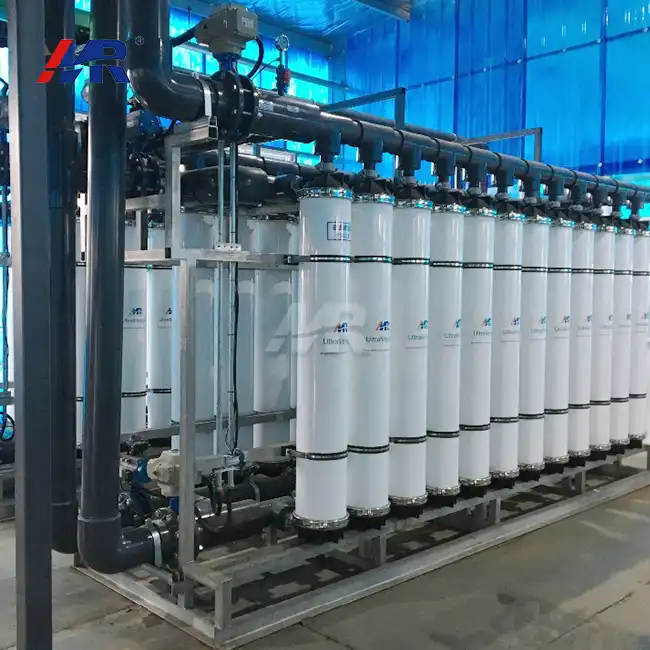 VIEW MORE50m3/hour ultrafiltration plant
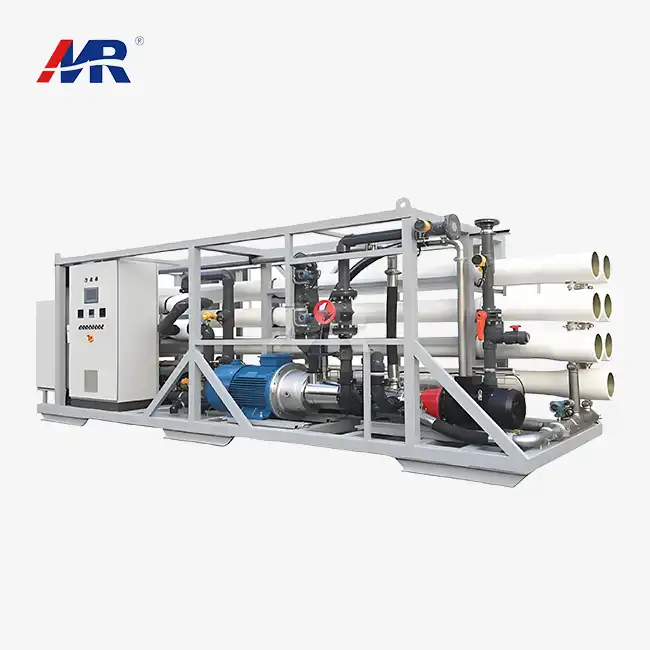 VIEW MORE20m3/hour seawater desalination equipment
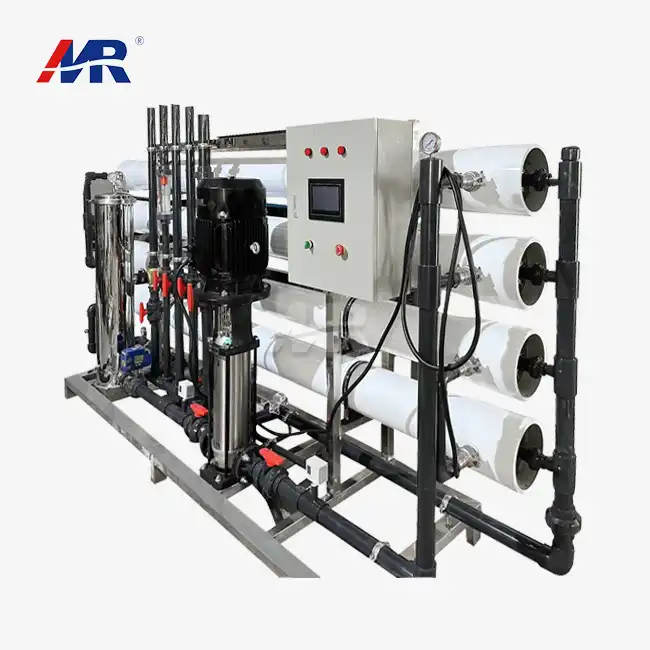 VIEW MORE12m3/hour reverse osmosis BWRO system
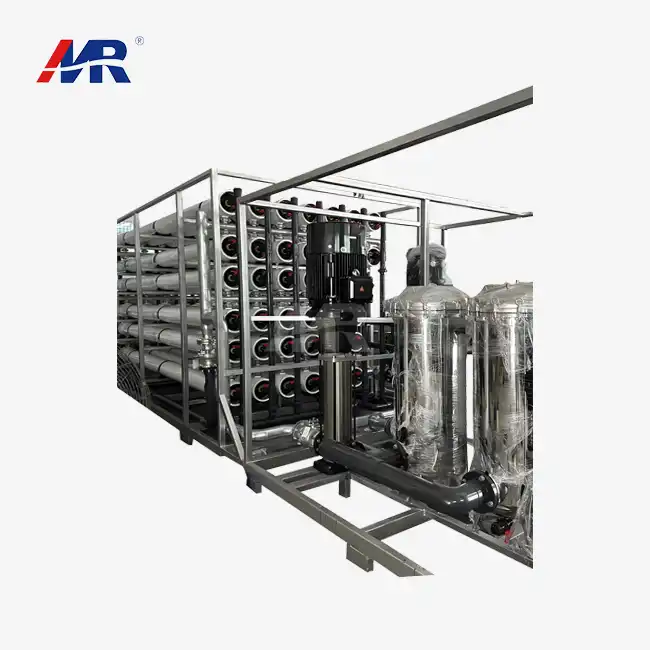 VIEW MORE150m3/hour reverse osmosis plant
 VIEW MORE70m3/hour ultrafiltration plant
