

_1745823981883.webp)

Can UF ultrafiltration Reduce Operating Costs Long-Term?
When looking at different ways to treat water, people who make decisions always ask themselves if investing in ultrafiltration technology will pay off in the long run. Without a doubt, the answer is yes. UF ultrafiltration systems are cheaper to run in the long run than standard filtration and reverse osmosis systems because they use much less energy, have membranes that last longer, and need less upkeep. Within three years of implementation, facilities that make medicines, process food, and treat city wastewater all saw their overall running costs drop by 20 to 35 percent. This success comes from the technology's basic design benefits and its ability to work efficiently.
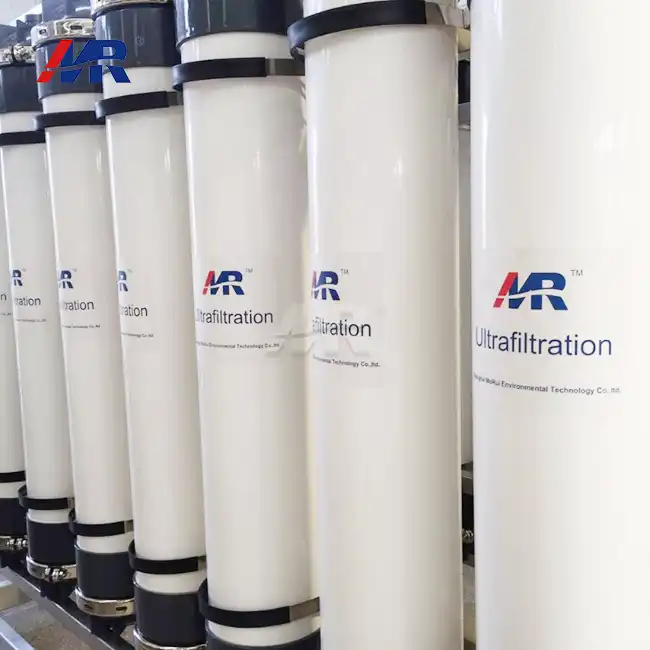
Understanding UF Ultrafiltration Technology
A more advanced way to clean water is through membrane filtration, and UF ultrafiltration plays a key role in this technology range. Using semi-permeable membranes with carefully measured hole sizes between 0.01 and 0.1 microns, the process works by separating things under pressure. These membranes work like molecular sieves, stopping suspended solids, bacteria, viruses, colloids, and macromolecules but letting water and solutes with a low molecular weight pass through.
Core Working Principles and Process Stages
There are three important steps in the operating process. During feed water preparation, the water that comes in is first screened to get rid of big particles that could damage the membrane surfaces. Controlled atmospheric pressure, usually between 0.5 and 2.5 bar, is used in the membrane filter stage to push water through the membrane barrier. The cleaned water is then collected by permeate collection and sent to be used or treated further, while concentrated contaminants are backwashed or released on a regular basis.
Position Within Filtration Technology Hierarchy
Figuring out where UF ultrafiltration fits in with other similar technologies makes its practical benefits clear. Microfiltration works with pores that are 0.1 to 10 microns wide and gets rid of suspended solids and some bacteria well. However, it can't get viruses or other smaller pathogens. Nanofiltration starts to reject divalent ions and small organic molecules with holes that are 0.001 to 0.01 microns wide. Reverse osmosis uses the tightest membranes to get rid of dissolved salts and monovalent ions, but it needs much higher pressures (15 to 70 bar) to work.
UF ultrafiltration is used in fields that need to get rid of pathogens without using as much energy as RO systems. Pharmaceutical companies depend on it to make water that meets strict GMP standards. It is used by municipal water plants to keep chlorine-resistant organisms like Cryptosporidium and Giardia out. Food and drink makers use it to sterilize cold, which keeps heat-sensitive enzymes and proteins from breaking down.
Evaluating Long-Term Operating Costs in Water Treatment
When making a budget for water treatment equipment, it's important to know the difference between one-time costs and ongoing ones. Capital expenses include the cost of buying equipment, hiring people to install it, making changes to the building, and starting it up for the first time. Costs are usually between $500,000 and $3 million for medium-sized commercial setups. The exact amount depends on the complexity and amount of space needed.
Breaking Down Capital Versus Operational Expenditures
Operating costs show how much money you have to spend every month. Energy use takes up most of daily funds, making up 40 to 60 percent of ongoing costs in traditional systems. Depending on the quality of the feed water and the upkeep schedule, the membrane needs to be replaced every three to seven years. Labor costs cover things like regular checks, cleaning, and fixing problems. The cost of chemicals used for cleaning, adjusting pH, and removing scales is another expense. When production losses are taken into account, the costs of downtime caused by unplanned maintenance or system failures often go over the direct costs of repairs.
Common Cost Drivers and Operational Challenges
Membrane fouling is the main reason why filter systems get more expensive. On barrier surfaces, organic matter, biofilms, colloidal particles, and inorganic scale build up, gradually limiting flow and needing higher pressure to keep output steady. Conventional systems deal with fouling by using a lot of chemicals to clean, which uses up reagents, costs money to get rid of, and weakens the membrane over time.
Scaling from calcium carbonate, calcium sulfate, or silica precipitation makes layers that are very hard to get rid of, even with harsh acid treatments. For biological fouling to happen, reactive agents like sodium hypochlorite are needed. If the dose is too high, these agents can damage polymer membranes. Each cleaning cycle shortens the time between replacements and raises the long-term cost of the membrane. Facilities that don't have the right preparation experience faster fouling, which drives up costs even more.
How UF Ultrafiltration Can Reduce Operating Costs Long-Term
Lower operating pressures mean less energy is used. When big systems are running all the time, energy efficiency has a direct effect on the bottom line. In contrast to reverse osmosis, which needs transmembrane pressures of 15 to 70 bar, UF ultrafiltration systems work well at pressures between 0.5 and 2.5 bar. This difference in pressure means that equal amounts of energy are saved. When UF ultrafiltration is used instead of RO pretreatment, a pharmaceutical plant that processes 500 cubic meters of waste every day can save $45,000 to $80,000 a year on power costs.
Reduced Energy Consumption Through Lower Operating Pressures
There isn't a straight line between pressure and energy use; instead, there are exponential trends. Pumping equipment works best when it is limited by its design limits. High-pressure systems lose efficiency because of friction, heat, and mechanical stress. Lowering the pressure makes the pump last longer, keeps the bearings from wearing out, and cuts down on upkeep related to shaking. Facilities in places where power is more expensive save a lot of money, and the payback time is as little as 18 months.
Extended Membrane Lifespan and Replacement Intervals
Replacement regularity is based on how long the membrane lasts, and this makes up a big part of the total costs. UF ultrafiltration systems use high-quality PVDF (polyvinylidene fluoride) filters that are very chemically stable and strong mechanically. If you use these membranes correctly and treat the wastewater properly, they should work reliably for five to seven years in city settings and three to five years in tough industrial wastewater settings.
UF ultrafiltration membranes can be cleaned in a way that is kinder and more effective than cleaning methods for tighter filtration technologies. Using filtrate water for hydraulic backwashing changes the direction of flow, which gets rid of built-up contaminants without using chemicals. Chemically Enhanced Backwash methods switch between acid cleaning at pH 2 with citric or hydrochloric acid to get rid of inorganic scaling and alkaline oxidant cleaning at pH 12 with sodium hypochlorite to break down organic fouling when flux decline goes beyond what is allowed. These methods get things working again without using strong chemicals that break down membrane polymers.
Comparative Analysis: UF Ultrafiltration vs Other Filtration Technologies
To choose the right filter technology, you need to know how to balance success in a number of different areas. Microfiltration gets rid of particles bigger than 0.1 microns, which makes the water clearer but lets bacteria and viruses through. The amount of energy used stays low at 0.05 to 0.15 kWh per cubic meter, but the technology can't keep up with stricter water quality standards for sensitive uses.
Performance Metrics Across Filtration Methods
UF ultrafiltration gets rid of bacteria, viruses, and colloids while using only 0.15 to 0.35 kWh of energy per cubic meter. Water recovery rates usually hit 90 to 95%, which lowers the cost of getting rid of trash. Nanofiltration starts to get rid of divalent ions and small organic molecules, but it needs 3 to 10 bar of pressure, which means it uses 0.35 to 0.80 kWh of energy per cubic meter. Reverse osmosis gets rid of all dissolved solids, but it needs 0.8 to 2.5 kWh per cubic meter of brackish water and 3 to 6 kWh per cubic meter of saltwater to do it.
Strategic Selection Considerations for Industrial Applications
Instead of over-engineering solutions, choices about what to buy should match filtering technology with real treatment goals. Electronics companies need 18-megohm ultrapure water to clean chips, so they need RO along with electrodeionization, which is why the higher energy costs are necessary. UF ultrafiltration, on the other hand, is the most cost-effective way for food makers to get pathogen-free process water without getting rid of salt.
Choosing between inside-out and outside-in flow patterns changes how well something works in some situations. Inside-out UF ultrafiltration moves water through hollow fiber openings, which improves hydrodynamics but limits the amount of dissolved solids that can be tolerated below 50 ppm. Outside-in designs send water to the shell side, which can handle more solids and allows air scrubbing to clean better. Outside-in types are usually chosen for membrane bioreactors and wastewater recovery because they are more reliable.
Procurement Insights and Strategic Considerations for B2B Clients
A full financial analysis looks at more than just the price of buying the tools; it also looks at the whole experience of owning it. UF ultrafiltration modules, pressure tanks, feed pumps, sensors, and control systems are some of the initial capital costs. Depending on the conditions of the site, the complexity of the integration, and the needs for completion, installation costs can change. Energy, membranes, chemicals, labor, and upkeep supplies make up the annual running costs.
Analyzing Total Cost of Ownership
When you figure out the return on an investment, you should include more than one type of gain. For mid-sized facilities, direct savings from using less chemicals usually run from $15,000 to $40,000. Saving energy adds value in a way that depends on how much energy costs where you live. Improvements to water recycling lower the costs of buying raw water and getting rid of garbage. Improving the quality of Products used in food, drinks, and medicine lowers the number of rejects and boosts the image of the brand.
Supplier Qualifications and Support Infrastructure
Working with sellers who have a lot of knowledge has a big effect on how well an operation runs. Well-known companies offer technical help when designing systems, making sure that the specs of the tools fit the needs of the application. Being close geographically makes it possible to quickly fix problems and send emergency parts. Full after-sales support, including performance tracking, optimization advice, and user training, makes sure that the system works at its best for as long as it's in use.
The quality of membranes from different sources varies a lot, which affects both how well they work and how long they last. High-quality PVDF membranes have uniform pore size distribution, strong mechanical qualities, and excellent chemical protection. Finding trustworthy partners is easier when you check the Certifications of suppliers, ask for performance promises, and look at case studies from similar projects. Facilities should give more weight to suppliers that offer full system solutions than to component suppliers that need to coordinate with more than one provider.
Conclusion
Through lower energy use, longer membrane life, and easier upkeep, UF ultrafiltration technology lowers running costs in a way that can be measured. Over the course of several years of use, the financial benefits become clearer as energy savings add up and membrane replacement processes go beyond what is possible with traditional filter technologies. Within three years, industrial sites in the pharmaceutical, food processing, electronics, and local sectors always see a return on their investments. Due to its high dependability and ability to meet strict water quality standards, the technology is the best choice for situations where pathogens need to be removed without using as much energy as reverse osmosis systems.
FAQ
1. What is the operational difference between inside-out and outside-in ultrafiltration configurations?
With inside-out filtering, water is fed into the fiber lumen, which improves flow hydrodynamics but means that water with dissolved solids levels below 50 ppm can't be used to keep the fibers from clogging. Outside-in UF ultrafiltration sends water to the shell side, making it stronger for higher solids loads and allowing air scrubbing to clean the fiber surfaces on the outside. Because of this, outside-in designs are perfect for membrane bioreactors and situations where organic loads change in wastewater recovery.
2. How does temperature affect ultrafiltration performance and operating costs?
As the temperature goes up, the viscosity of the water goes down, which directly increases the flow of permeate through the membrane. As the temperature drops in the winter, viscosity goes up, so more pushing power is needed to keep the same output. Temperature Correction Factors must be built into systems during design to make sure they have enough capacity in the coldest situations. Pumps have to work harder against higher fluid resistance, so energy use goes down as temperature goes up.
3. Can ultrafiltration systems remove dissolved salts from water?
UF ultrafiltration pores that are about 0.01 microns in size are too big to get rid of monovalent or divalent ions that are 0.0003 to 0.0006 microns in size. The technology gets rid of particles, colloids, bacteria, and viruses well, but it lets salts that have been dissolved through. Nanofiltration or reverse osmosis must be used after UF ultrafiltration for applications that need to get rid of salt.
Partner with Morui for Advanced Ultrafiltration Solutions
Guangdong Morui Environmental Technology has more than 14 branches, 500 committed pros, and 20 specialized engineers who work together to provide complete water treatment systems. Because we are vertically integrated, we can make UF ultrafiltration membranes, build tools, and put together whole systems for treating wastewater in factories, treating water in cities, and desalinating oceans. As approved distributors for well-known names like Shimge Water Pumps, Runxin Valves, and Createc Instruments, we offer buying benefits that you can't get from companies that only sell one product. For more information on unique UF ultrafiltration systems made to fit your needs and your budget, please contact our expert team at benson@guangdongmorui.com.
References
1. Crittenden, J.C., Trussell, R.R., Hand, D.W., Howe, K.J., & Tchobanoglous, G. (2012). MWH's Water Treatment: Principles and Design, Third Edition. John Wiley & Sons.
2. Membrane Technology Research Inc. (2019). Analysis of Membrane System Operating Costs Across Industrial Applications. Technical Report Series on Advanced Separation Technologies.
3. American Water Works Association. (2020). Ultrafiltration in Drinking Water Treatment: Cost Analysis and Performance Benchmarking. AWWA Research Foundation.
4. Li, Q., & Elimelech, M. (2021). Membrane Fouling and Energy Consumption in Ultrafiltration: Comparative Analysis Across Filtration Technologies. Journal of Membrane Science, 618, 118-134.
5. International Desalination Association. (2022). Global Water Treatment Technology Cost Database: Ultrafiltration and Reverse Osmosis Economic Comparison. IDA Technical Review.
6. Singh, R., & Hankins, N.P. (2016). Emerging Membrane Technology for Sustainable Water Treatment: Energy Efficiency and Lifecycle Cost Assessment. Elsevier Environmental Science Series.
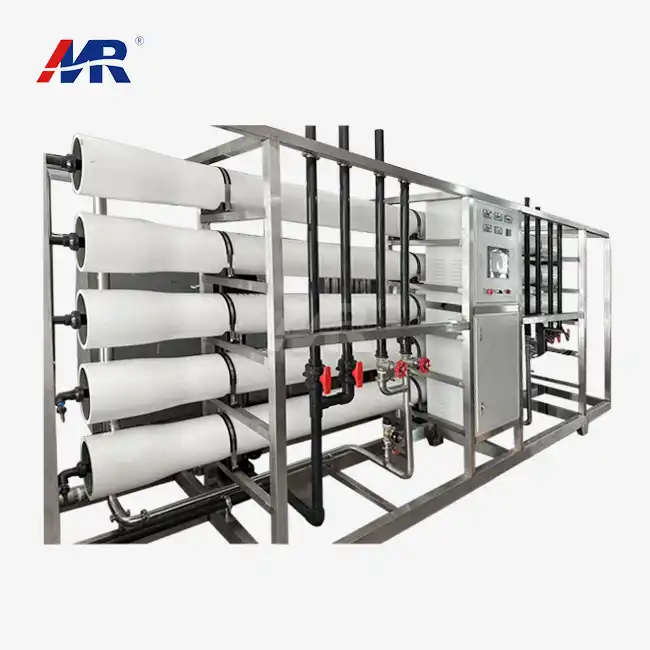 VIEW MORE25m3/hour reverse osmosis equipment
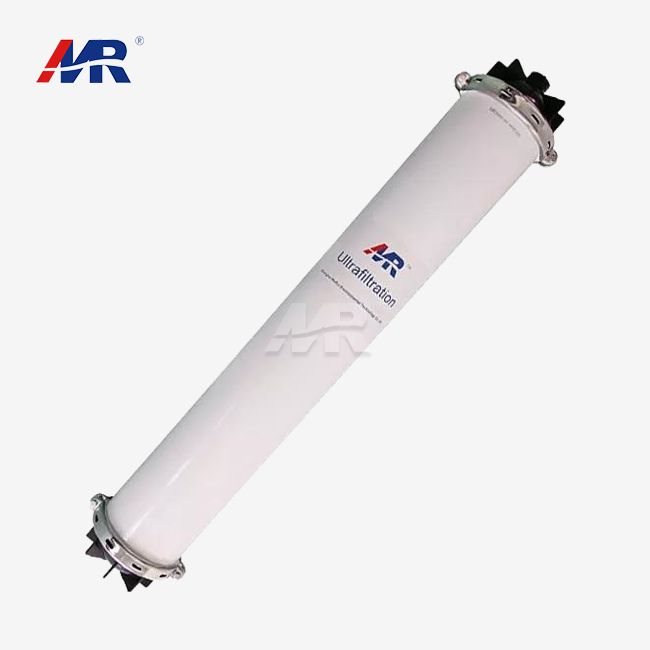 VIEW MOREultrafiltration membranes for water treatment
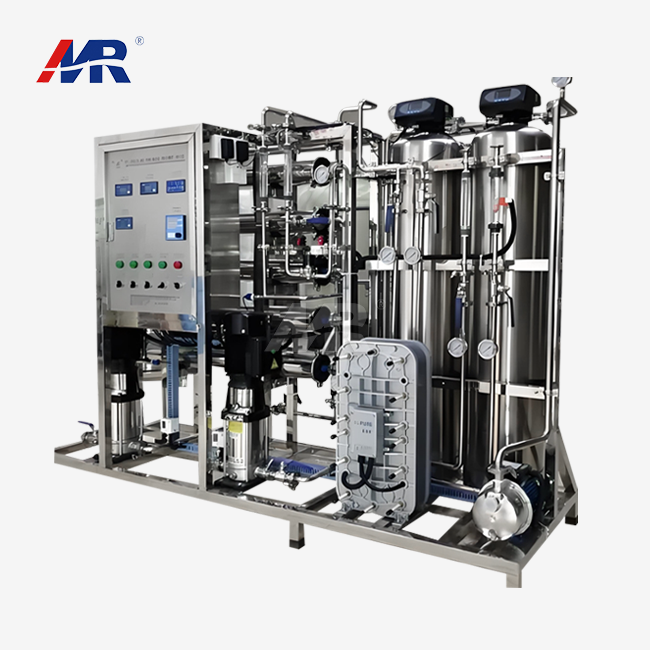 VIEW MOREEDI plant
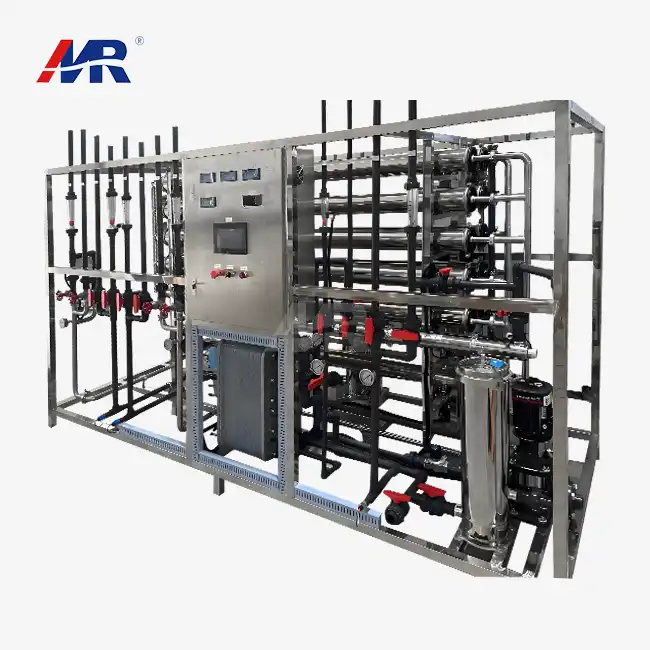 VIEW MORE2000 liters/hour EDI system
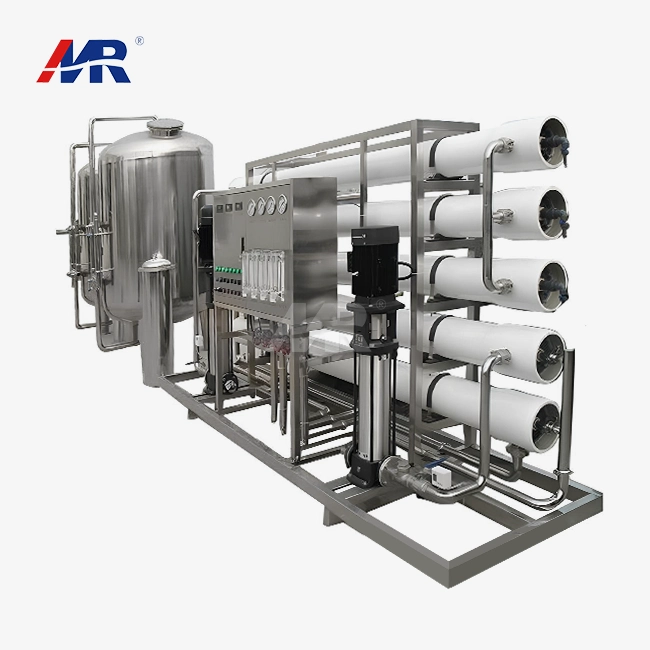 VIEW MOREbrackish water reverse osmosis
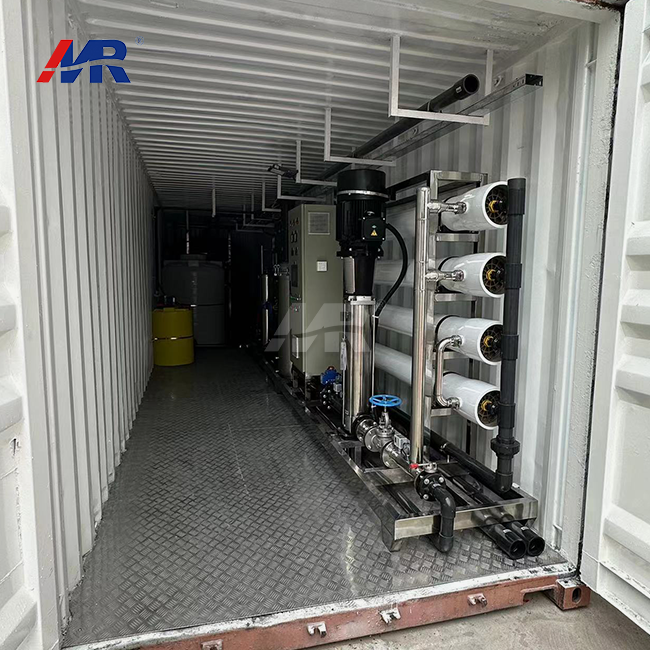 VIEW MOREcontainerized ro system
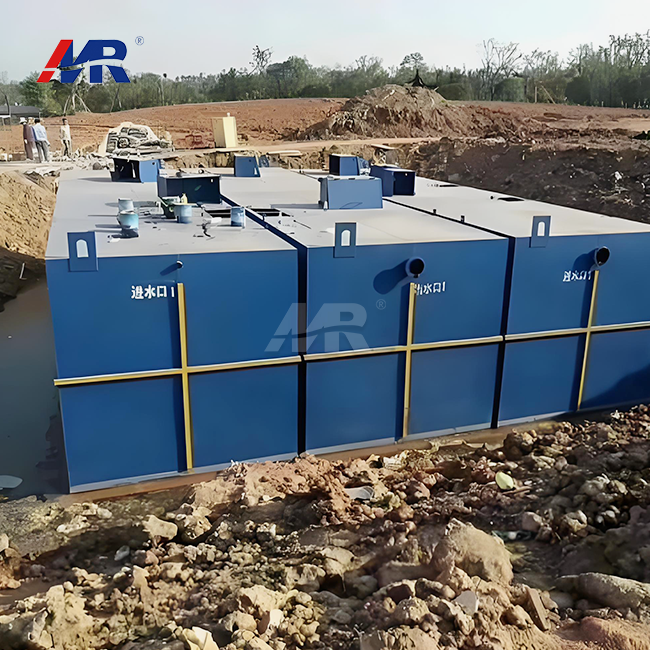 VIEW MOREwastewater treatment plant units
 VIEW MOREContainerized Mobile Water Treatment Systems
