

_1745823981883.webp)

Why Choose a High-Pressure Sea Water Reverse Osmosis System?
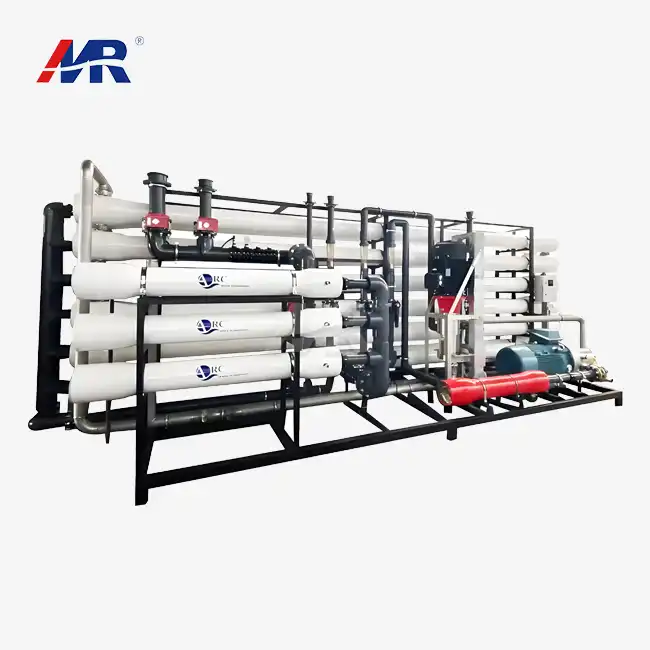
Choosing a high-pressure seawater reverse osmosis system means investing in reliable, energy-efficient technology capable of transforming seawater into high-purity water for diverse industrial and municipal applications. These advanced systems operate at elevated pressures between 55 and 85 bar, achieving salt rejection rates exceeding 99.2% while minimizing energy consumption through integrated recovery devices. This technology provides a sustainable, climate-independent solution for addressing freshwater scarcity with a sea water reverse osmosis system in coastal regions, offshore platforms, and large-scale manufacturing facilities.
Introduction
Seawater reverse osmosis systems remove salts and other pollutants from seawater for use in industry, communities, and the ocean. SWRO relies on high-pressure technologies to handle saltwater's high osmotic pressure. This ensures water separation and return.
A seawater reverse osmosis facility uses hydraulic pressure greater than osmotic pressure over a semi-permeable barrier to purify salty seawater into drinkable or process water. Advanced thin-film composite membranes remove 99.8% of dissolved salts, minerals, and microbes. This makes water safe for the electricity and pharmaceutical sectors.
This blog targets water treatment and desalination procurement managers, engineers, and distributors. It informs them of system advantages, technical challenges, and market trends to help them make good decisions. Understanding how these systems function and what makes them better can help you pick the best water quality solution for your firm.
Understanding How High-Pressure Sea Water Reverse Osmosis Systems Work
The Core Operating Principle
High-pressure seawater reverse osmosis systems work by pushing seawater through semi-permeable barriers at high pressure. This overcomes osmotic forces to separate clean water from salts and other pollutants. These systems have high-performance metrics and strong material engineering that define their technical properties. They can handle operating pressures between 55 and 85 bar and reject salt at rates of 99.2% to 99.8%. This high pressure is needed because saltwater has about 35,000 parts per million of total dissolved solids, which means it needs a lot more force than brackish water systems to separate things.
The Treatment Process Stages
To keep membranes from getting clogged and scaling, the desalination process starts with carefully planned pre-treatment steps like filtering and using anti-scalants. Usually, pre-treatment gets rid of organic compounds, particulate matter, and dissolved solids that could hurt the thin membrane surface. After the pre-treatment, high-pressure pumping moves on to the membrane separation stage. In this step, water molecules pass through the membrane while salt ions and other impurities are pushed away. The water is then prepared for use by changing the pH levels, adding minerals to improve the taste for drinking purposes, or making it as clean as required for industrial processes.
Recovery rates are usually between 35% and 45%, depending on the salinity and temperature of the feedwater. This is done by balancing the production of permeate with the longevity of the membrane. Material properties focus on resistance to corrosion. For high-pressure parts that need to work in harsh chloride environments like those found in marine settings, Super Duplex Stainless Steel or high-grade titanium is used.
Comparison with Alternative Technologies
Unlike low-pressure or brackish water RO systems, high-pressure SWRO units are made to handle the high salinity and pressure needs of seawater. This means they work better and last longer in tough coastal settings. Traditional heat ways of desalination, such as multi-stage flash distillation, use a lot more energy and take up more space. With its modular scalability and lower capital costs for small to medium-sized installations, the membrane-based approach is becoming more and more appealing for a wide range of uses, from island communities to industrial manufacturing facilities.
Key Benefits of Choosing a High-Pressure Sea Water Reverse Osmosis System
There are big benefits to choosing a high-pressure sea water reverse osmosis system that help with both money and the environment. We've seen these benefits change the way many types of businesses work, from coastal cities that are having trouble getting enough water to distant sites that need their own freshwater sources.
Enhanced Water Recovery and Quality
Today's high-pressure systems are better at getting rid of salt, which means they can handle more per unit while still meeting very high standards for water quality. Adding Energy Recovery Devices like pressure exchangers can cut energy use by up to 60% compared to systems that don't have this technology. This huge increase in efficiency directly leads to lower operating costs and a better return on investment over the life of the system.
International standards like ISO 9001, ASME Boiler and Pressure Vessel Code, and NSF/ANSI 61 for drinking water components are used to design plants. This makes sure that your system meets the rules in many places.
Improved Energy Efficiency
When investing in industrial water treatment, energy saving is one of the most important things to think about. Because they use modern membrane technology and energy recovery processes, high-pressure SWRO systems are cheaper to run than standard thermal desalination methods. Modern SWRO plants use about 3 to 4 kilowatt-hours of energy per cubic meter of product water, while heating processes use about 10 to 15 kilowatt-hours per cubic meter of product water. This big difference is especially important for large sites that handle thousands of cubic meters of material every day.
Advanced control systems constantly check and improve operating parameters, changing pressure, flow rates, and chemical dosing to keep efficiency at its highest level even when feedwater conditions change. This smart technology cuts down on the need for human work and makes the membrane last longer by running it in a gentler way.
Environmental Benefits and Sustainability
As companies put sustainability and efficiency at the top of their list of priorities, environmental concerns are becoming more and more important in their purchasing decisions. Compared to thermal options, high-pressure SWRO systems use fewer chemicals and leave less of an impact on the environment. The membrane method doesn't need much preheating and can work at room temperature, so it doesn't need to burn a lot of fuel and release greenhouse gases.
Getting rid of concentrates has also changed over time. New systems use technologies that reduce the amount of brine used and the damage it does to the environment. Some sites mix concentrate with cooling water output or use diffuser systems that quickly lower the saltiness of brine to background levels. This keeps marine ecosystems safe near discharge points.
Selecting the Right System for Your Business Needs
Analyzing Capacity and Scalability Requirements
To pick the best high-pressure seawater reverse osmosis system, you need to think about how much power you need, how easily it can be expanded, and whether it will be used in an industrial, urban, or marine setting. We suggest starting with a full water audit that looks at how much water is being used now, when demand is highest, and how much it is expected to grow over the next ten years. This analysis keeps you from over-specifying, which can be expensive, and makes sure that your investment will still work as your business grows.
Modular options give you the freedom to expand in stages while keeping costs low. Containerized SWRO units are especially useful for projects that don't know how much space they will need in the long term or for short-term uses like construction sites and emergency aid. These plug-and-play solutions come already put together and tested, which cuts down on installation time and the initial cost of the equipment.
Evaluating System Certifications and Performance
In a competitive market, it's important to choose top-rated, energy-efficient systems with strong Certifications to make sure they will work well and be in line for a long time. Checking for ISO certifications, pressure tank code compliance, and material certifications gives you peace of mind that your system will work safely even in tough situations. We have seen that systems that meet strict international standards tend to be more reliable and require less maintenance over the course of their life.
Manufacturers' performance guarantees should include the quality of the permeate, the rate of recovery, and the amount of energy used under certain conditions for the feedwater. These contractual rights make sure that your system works the way it was supposed to and give you a way to get your money back if the specs aren't met during the launch trials.
Customization and Integration Capabilities
More and more people are choosing customized or turnkey packages because they offer custom engineering solutions along with full installation, warranty, and after-sales service, which is important for reducing downtime and increasing ROI. In the pharmaceutical industry, ultrapure water might need extra treatment, like electrodeionization, while in the food and beverage industry, minerals may need to be changed to match taste profiles. Integration with current plant services like electricity systems, process water networks, and wastewater treatment infrastructure needs careful planning and coordination during the design stages.
Turnkey solutions from experienced providers make it easier to carry out projects by putting the responsibility for engineering, purchasing, construction, and commissioning under the control of a single source. This method makes coordination easier and speeds up project timelines, which is especially helpful for businesses that don't have a lot of water treatment expertise on staff.
Maintenance and Troubleshooting for Optimal System Performance
Preventive Maintenance Protocols
For high-pressure sea water reverse osmosis systems to keep working well after decades of use, they need to be maintained properly. Scaling and blockages that lower efficiency can be avoided by cleaning the membranes regularly, using fouling prevention methods, and keeping a close eye on the quality of the feedwater. We suggest making a plan for preventive maintenance that includes daily operational checks, performance trending once a week, and thorough inspections of key parts once a month.
Cleaning methods for membranes should take into account both organic fouling from living things growing on them and inorganic scaling from minerals precipitating on them. How often you clean your system depends on the type of water you use and how well the pre-treatment works. For well-designed systems, cleaning should happen every three to four months. Using the right cleaning chemicals at the right temperatures and concentrations protects the membrane's structure while bringing flux rates back to normal levels.
Common Issues and Diagnostic Techniques
Quickly finding and fixing common problems like pressure drops or leaks can help you avoid expensive repairs and unplanned downtime. Monitoring differential pressure across membrane housings lets you know about fouling problems early on, before they cause big problems with performance. Measurements of permeate conductivity can find damaged membranes, which lets you separate and replace the damaged parts before the quality of the product water drops below what is required.
When a high-pressure pump's performance drops, it usually means that more energy is needed to get the same amount of work done. Vibration analysis and seal inspection programs find problems before they become very bad. This lets maintenance work be done during planned shutdown times instead of having to be done quickly in an emergency.
Leveraging Technology for Predictive Maintenance
By focusing on predictive maintenance and using trained Technical support, you can stretch the life of the membrane and protect the integrity of the whole system. This ensures consistent output quality and operating continuity in tough industrial settings. Modern monitoring systems get information in real time about dozens of operational parameters and use algorithms to find small changes in performance that could mean problems are starting to form. With this data-driven method, maintenance goes from being reactive to fixing problems to being proactive about making things better.
Specialist technicians can identify problems and suggest solutions without having to visit the site in person. This cuts down on reaction times and production interruptions. Cloud-based data platforms let you compare performance across multiple installations. This lets you find best practices and ways to improve performance that might not be clear from data from a single site.
Future Trends and Innovations in High-Pressure Sea Water Reverse Osmosis Technology
Advanced Membrane Development
Technology is changing quickly in the SWRO business because of the need to be more efficient and last longer. New materials for membranes have improved permeability and anti-fouling qualities that lower the amount of energy needed and increase the time between cleanings. Thin-film hybrid membranes that contain aquaporin proteins or graphene oxide show potential for letting a lot more water through than current membranes on the market.
Surface modification methods create barrier surfaces that don't let bacteria stick to them or form biofilms. This solves one of the biggest problems in desalinating seawater. With these improvements, chemical cleaning could be done less often, resulting in less downtime and lower total running costs.
Renewable Energy Integration
Solar and wind power are examples of renewable energy sources that can be used to meet both cost and environmental goals. Photovoltaic-powered SWRO systems are now technically and financially possible in remote areas where power from the grid is expensive or not available. Variable renewable energy is hard to control, but smart systems can handle this by storing energy in batteries and operating based on demand, which matches production with power availability.
Wave energy and offshore wind sites work well with coastal desalination plants because they can produce clean energy together and avoid transport losses. Pilot projects have shown that mixed renewable-SWRO systems can produce freshwater without releasing any carbon into the atmosphere and still have levelized water costs that are competitive with traditional grid-powered setups.
Smart Monitoring and Artificial Intelligence
Deployment of IoT-enabled smart monitoring systems that use AI for predictive diagnostics and real-time optimization represents the digital transformation of water treatment operations. Machine learning algorithms that have been trained on past operational data can figure out the best times to clean, find patterns of membrane damage, and suggest changes to the operating parameters that will make the system work more efficiently right now.
As demand around the world rises, especially in industrial and municipal markets, distributors and OEM partners can take advantage of cutting-edge solutions that give them a competitive edge and help the environment. By 2030, the global desalination market is expected to be bigger than 120 million cubic meters per day. Thermal processes will lose more market share to membrane technologies.
Conclusion
Sea water reverse osmosis systems are a tried-and-true way to deal with the lack of fresh water in marine, urban, and commercial settings. Superior salt rejection of over 99.2%, energy recovery skills lowering energy use by up to 60%, and strong building using corrosion-resistant materials all work together to provide reliable performance in harsh environments. In order to choose the right system, you need to carefully look at your operational context's integration needs, capacity needs, and scalability needs. Good repair plans and new developments in membrane materials, integrating green energy, and smart tracking keep making things work better while lowering costs and harming the environment.
FAQ
1. How does high-pressure SWRO differ from thermal desalination?
High-pressure SWRO removes salts by using hydraulic pressure to push water through a membrane. Thermal desalination, on the other hand, evaporates water and condenses the vapor, leaving salts behind. Thermal methods usually use 60–70% more energy than membrane systems, and membrane systems take up less space, which makes them more cost-effective for small to medium-sized installations. Thermal processes are still competitive for very large plants or places where waste heat is easy to get.
2. What factors influence energy consumption in SWRO systems?
The main factor is the salinity of the feedwater, since higher salt levels need more pressure to overcome osmotic forces. The exact energy used is greatly affected by the configuration of the system, which includes the efficiency of the energy recovery device, the permeability of the membrane, and the working recovery rate. Viscosity and barrier leakage are also affected by the temperature of the water. For the same production rates, warmer water needs less energy.
3. Can SWRO systems be customized for compact marine applications?
Modern containerized seawater reverse osmosis systems are designed to work in marine environments with limited room, like on offshore bases and ships. These small systems can produce anywhere from a few cubic meters to hundreds of cubic meters per day, and they can handle vibrations, motion, and harsh marine environments. Customization options meet the needs and operational profiles of each vessel integration.
Partner with Morui for Your Seawater Desalination Needs
Guangdong Morui Environmental Technology Co., Ltd. offers complete desalination solutions and has a lot of experience in both engineering and manufacturing. Our network of sea water reverse osmosis system suppliers has more than 14 branches with more than 500 committed employees. Twenty specialized engineers provide technical help throughout the lifecycle of each project. We have our own plant for making membranes and processing facilities for various types of equipment. This way, we can keep an eye on quality and keep our prices low. We are official dealers for top brands like Shimge Water Pumps, Runxin Valves, and Createc Instruments, so we only use the best parts to build systems that work well and are reliable. Our all-in-one service includes supplying equipment, setting it up, commissioning it, and providing ongoing upkeep assistance. Email Our Team at benson@guangdongmorui.com to talk about your unique needs and get a quote that fits them.
References
1. Greenlee, L.F., Lawler, D.F., Freeman, B.D., Marrot, B., and Moulin, P. (2009). "Reverse Osmosis Desalination: Water Sources, Technology, and Today's Challenges." Water Research, Vol. 43, Issue 9.
2. Elimelech, M. and Phillip, W.A. (2011). "The Future of Seawater Desalination: Energy, Technology, and the Environment." Science, Vol. 333, Issue 6043.
3. Fritzmann, C., Löwenberg, J., Wintgens, T., and Melin, T. (2007). "State-of-the-Art of Reverse Osmosis Desalination." Desalination, Vol. 216, Issues 1-3.
4. Voutchkov, N. (2018). "Energy Use for Membrane Seawater Desalination – Current Status and Trends." Desalination, Vol. 431.
5. Qasim, M., Badrelzaman, M., Darwish, N.N., Darwish, N.A., and Hilal, N. (2019). "Reverse Osmosis Desalination: A State-of-the-Art Review." Desalination, Vol. 459.
6. Kim, J., Park, K., Yang, D.R., and Hong, S. (2019). "A Comprehensive Review of Energy Consumption of Seawater Reverse Osmosis Desalination Plants." Applied Energy, Vol. 254.
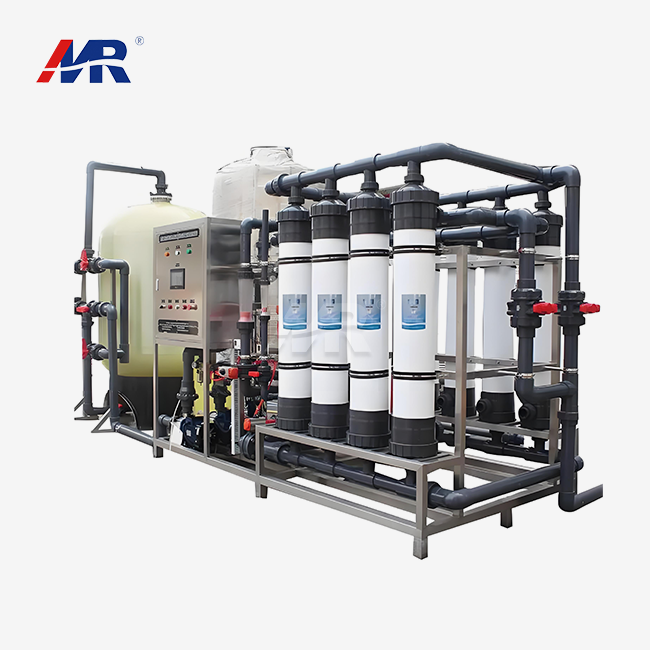 VIEW MOREuf ultrafiltration
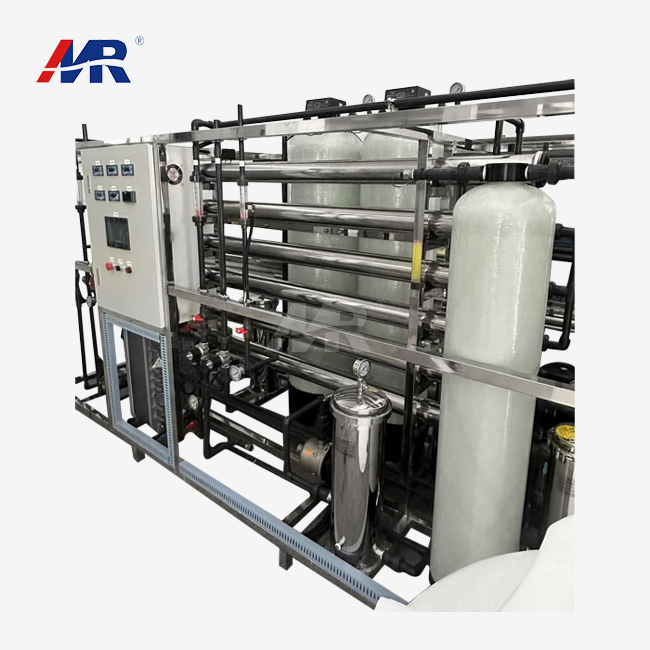 VIEW MOREelectrodeionization edi system
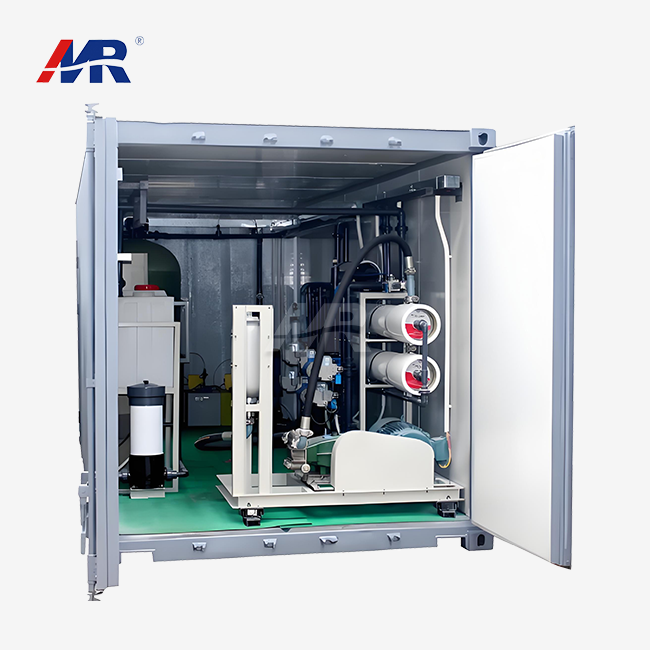 VIEW MOREcontainerized UF+RO system
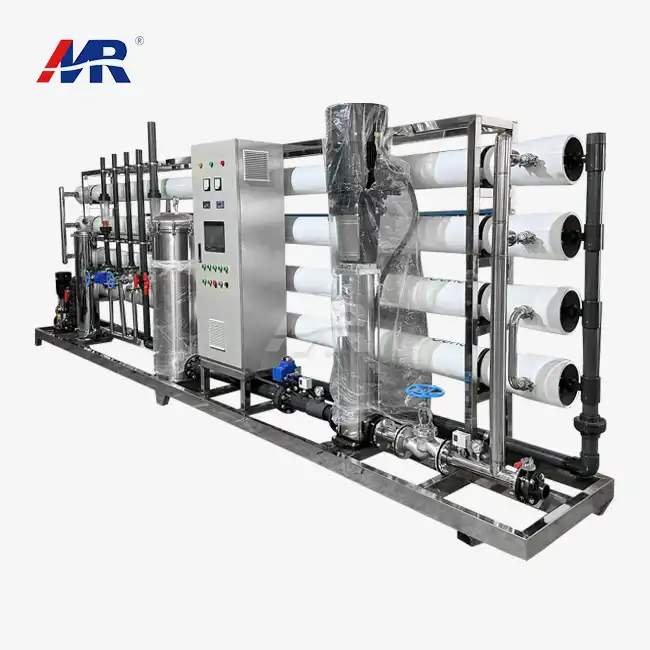 VIEW MORE500m3/day reverse osmosis RO plant
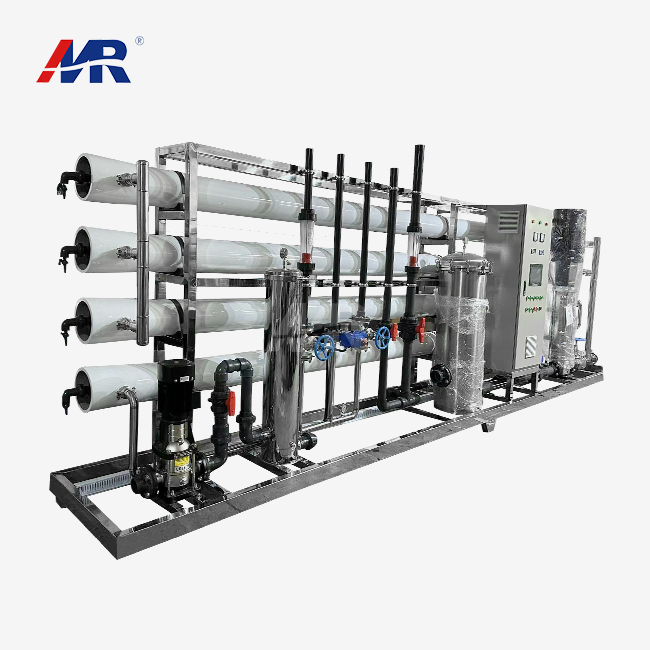 VIEW MOREreverse osmosis plant
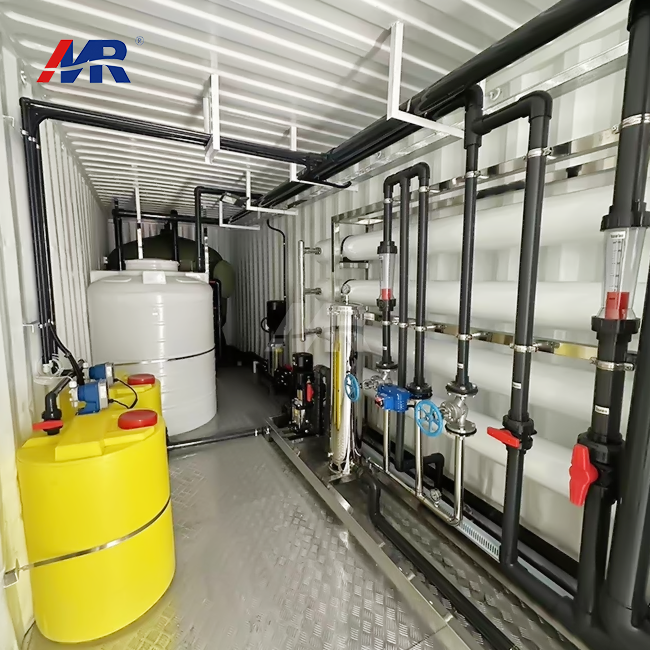 VIEW MOREcontainer reverse osmosis equipment
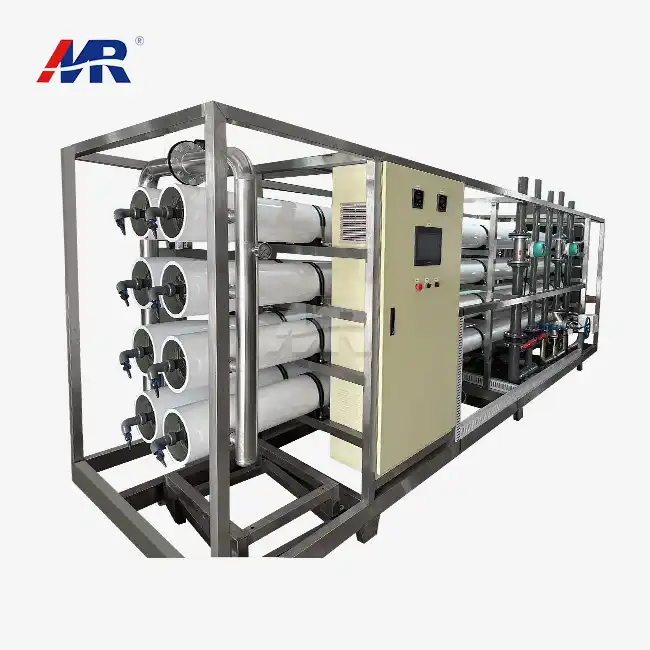 VIEW MORE8m3/hour two pass reverse osmosis system
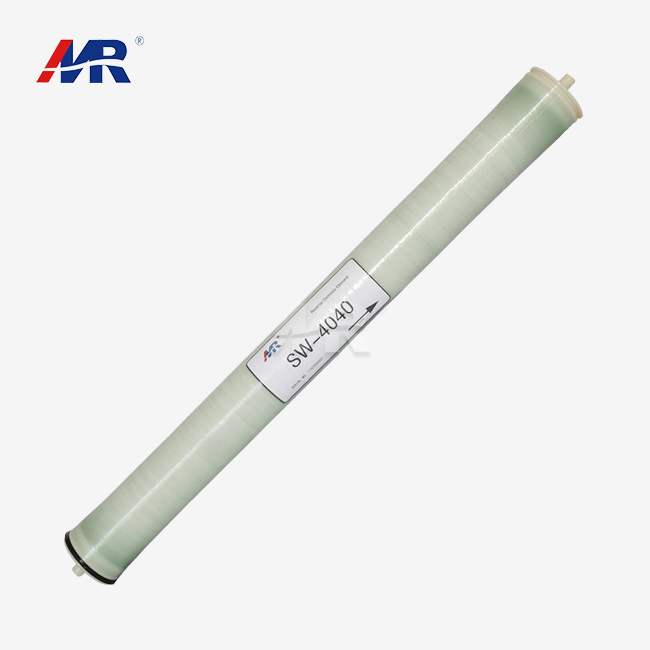 VIEW MORE4040 seawater reverse osmosis membrane
