_1745823981883.webp)

3 stage reverse osmosis system: Complete Buyer’s Guide
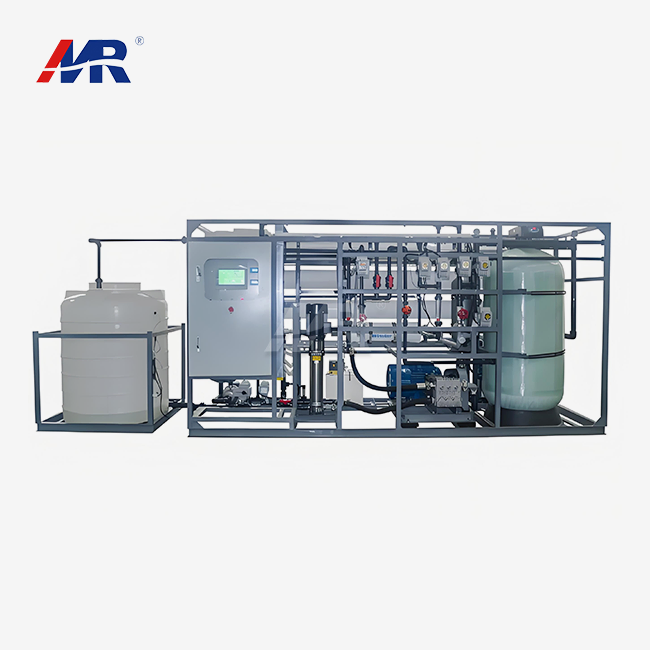
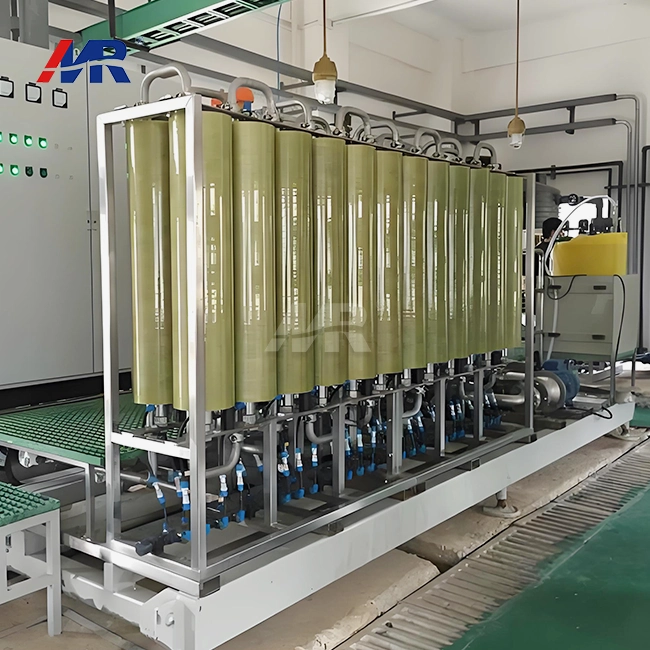
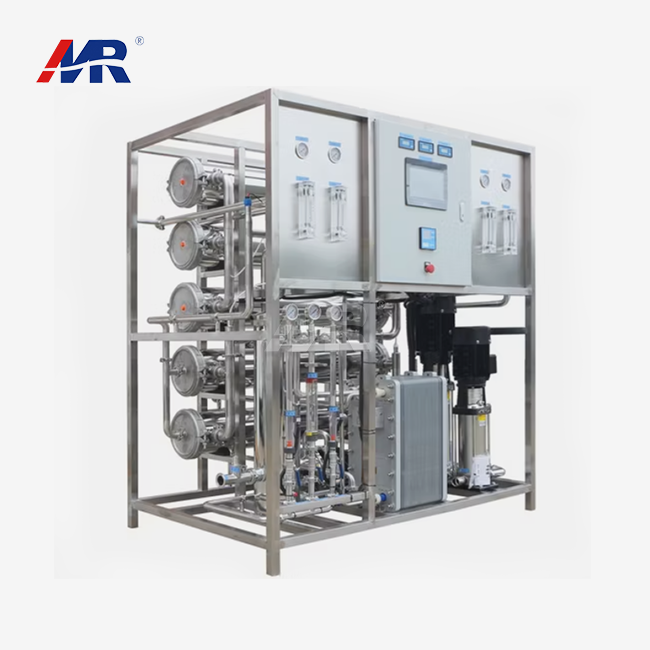
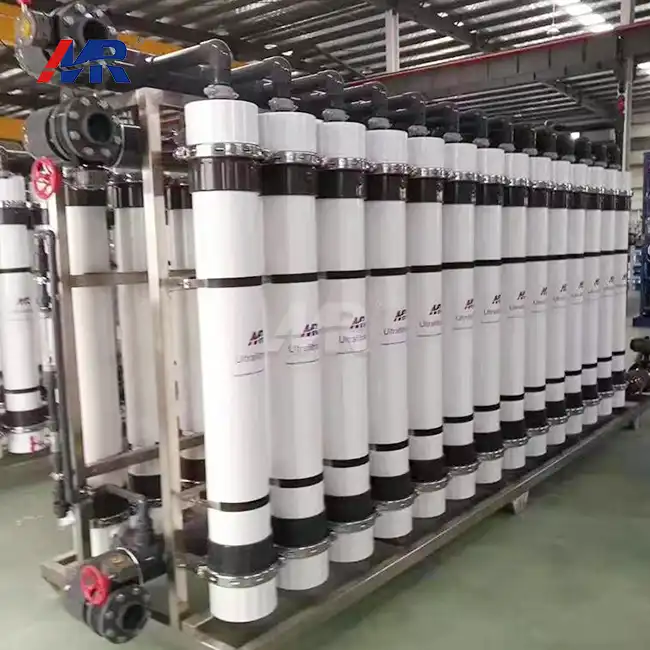
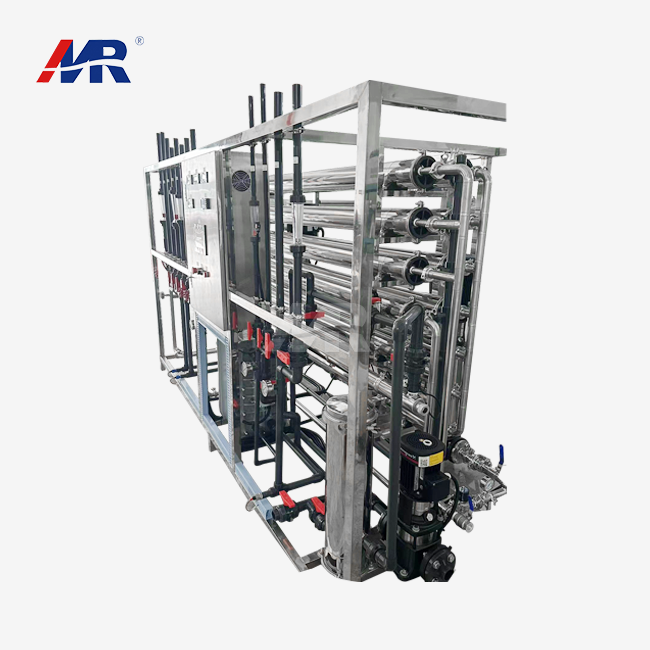
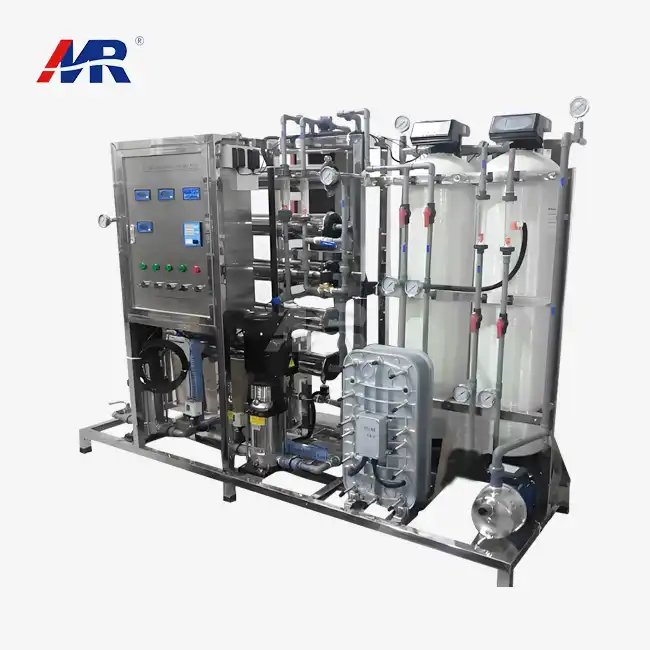
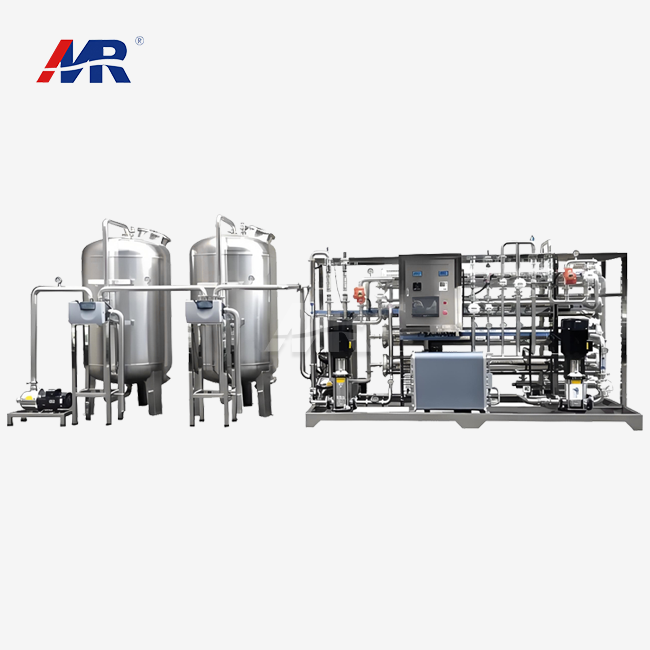
When evaluating water purification technologies for commercial or industrial applications, a 3-stage reverse osmosis system offers a practical balance between performance and operational simplicity. This streamlined configuration combines sediment and carbon pre-filtration with a high-performance semi-permeable membrane to remove up to 99% of dissolved solids, heavy metals, chlorine, and other contaminants. Unlike more complex multi-stage setups, this 3 stage reverse osmosis system reduces installation footprint, simplifies maintenance schedules, and delivers consistent water purity for demanding applications—from pharmaceutical manufacturing to food processing and municipal treatment facilities.
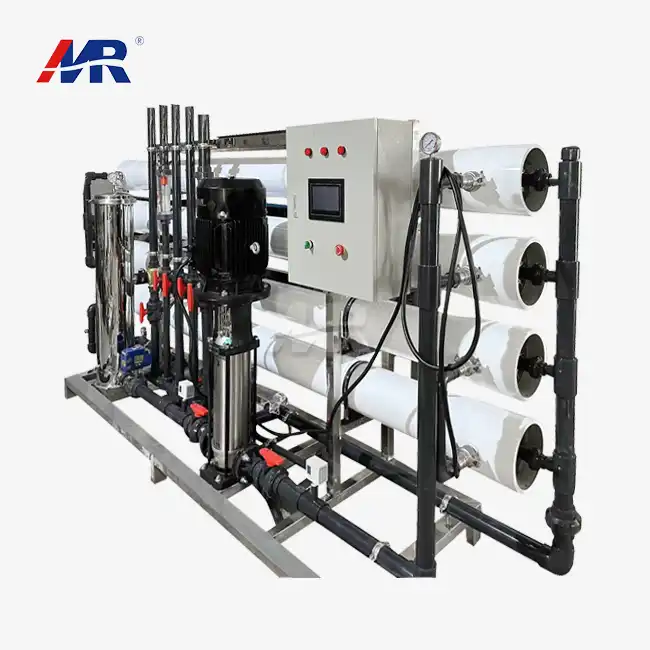
Understanding the 3 Stage Reverse Osmosis System
A 3-stage reverse osmosis system uses three separate stages of filters to make sure the water is clean and safe. The process starts with pre-treatment, where a sediment filter gets rid of rust, sand, and silt that could hurt parts further down the line. Next, an activated carbon block gets rid of chlorine, volatile organic compounds, and smells that hurt the membrane's taste and life. A thin-film composite (TFC) reverse osmosis membrane is the main part. It works under pressure (usually 100–300 psi) to sort dissolved ions, bacteria, and heavy metals at the molecular level, with rejection rates of up to 99.5%.
How Each Stage Contributes to Water Quality
The sediment pre-filter keeps the membrane safe by catching particles as small as five microns. This keeps the membrane from fouling up too quickly and extends the time between service calls. Carbon filtration gets rid of chlorine and organic chemicals that would otherwise damage the ro membrane. This makes the water taste better and the system last longer. The most important job is done by the semi-permeable membrane, which rejects contaminants based on their molecular size and charge. This makes the water permeate with TDS (total dissolved solids) levels below 10 ppm for most uses. This simplified method provides clean water to an industrial level without the extra steps of five- or six-stage systems. It is perfect for places that don't have a lot of floor space or money for upkeep.
Why Industrial Clients Choose Simplified Configurations
3-stage reverse osmosis systems are becoming more popular among manufacturers, food processors, and pharmaceutical companies because they lower the total cost of ownership, lower the number of filters that need to be kept on hand, and make staff training easier. Maintenance teams can focus on improving system uptime instead of managing complicated filter schedules when they have fewer parts to keep an eye on and replace. The small size makes it easier to connect to existing systems, and the high-flux membranes keep flow rates high, which is important for operations that need a steady supply of water. 30% more energy efficiency than older RO designs means lower utility costs, which increases return on investment (ROI) over the life of the system.
Key Factors in Choosing a 3 Stage RO System
To choose the right water purification equipment, you need to carefully look at the technical specs, the working needs, and the vendor's help options. It all starts with capacity. Systems can handle anywhere from 1,000 gallons per day (GPD) for small labs to 100,000 GPD for large-scale production. Recovery rate, which is the amount of feed water that is turned into purified permeate, impacts both the amount of water used and the cost of getting rid of waste. Newer systems can recover up to 75% of the water they use, which significantly reduces wastewater compared to older technologies.
Evaluating Performance Versus Multi-Stage Alternatives
Five-stage systems have extra cleaning screens and remineralization cartridges, but these features aren't always needed in industrial settings. For most commercial uses, a well-designed 3-stage reverse osmosis configuration will get rid of contaminants just as well, without adding extra complexity. The main difference is the quality of the membrane: high-flux, low-fouling TFC membranes work well for 24 to 36 months, while cheaper membranes need to be replaced every 12 to 18 months. When comparing systems, look at the NSF/ANSI 58 certification, which shows that promises of reducing contaminants have been tested by a third party. This is an important factor to consider when GMP standards or EPA rules must be followed.
Matching System Capacity to Operational Demands
3-stage reverse osmosis systems that are too small cause pressure drops, slower flow rates, and faster membrane fouling. Systems that are too big waste energy and cost more up front. Figure out the high demand by looking at how much water is used each day and taking into account production cycles, cleaning tasks, and changes in the seasons. Pharmaceutical companies usually need flow to go on nonstop, which means they need multiple pump setups and pressure vessels. Food and drink processors may be able to handle batch operations as long as there are enough storage tanks between the production lines. Morui's tech team helps clients right-size their equipment so that it meets their current needs and can also grow with them in the future without having to update the whole system.
Procurement and Installation: How to Buy and Implement a 3 Stage Reverse Osmosis System
There's more to finding solid water treatment tools than just looking at price lists. Certified manufacturers provide thorough records of the specs of parts, data from performance tests, and compliance Certifications that are needed for regulatory checks. When looking at different providers, make sure that their warranties cover everything. Reliable sellers will stand behind their Products for at least two years for membranes and five years for pressure vessels. Support after the sale is just as important as the price at which it was bought. How fast yOur Team can fix operating problems depends on how easy it is to get replacement parts, help with technical problems, and provide on-site service.
Before installation, you should do a full water quality analysis to find out about contaminants, TDS levels, pH, and hardness. This information tells us what kind of pre-treatment we need. If the feed water has more than 500 ppm TDS, we might need to add a water softener to keep it from scaling. If the chlorine level is too high, we might need to add more carbon filters. Professional installation by factory-trained workers makes sure that the plumbing is connected correctly, that the electrical system works with current control systems, and that the monitoring devices are calibrated. When repairs are done quickly by people who aren't trained, they often cause leaks, inefficient operation, and warranties to be canceled.
Optimizing Maintenance Schedules for Maximum Uptime
Setting up habits for preventative care will protect your investment and keep the water quality stable. Depending on the quality of the feed water, pre-filters usually need to be replaced every 6 to 12 months. If you don't do this, differential pressure will build up and damage the membrane. Under normal conditions, RO membranes last between 24 and 36 months. However, they may break down faster if they are exposed to chlorine, too much fouling, or operating pressures that are higher than what was intended. Do reviews every three months to check the permeate TDS, flow rates, and pressure differences. If you notice performance loss early, you can fix it before it affects production. Automated monitoring systems let you know when certain parameters go above or below certain limits. This lets you do preventative maintenance instead of repairs after the fact.
Comparing Top 3 Stage Reverse Osmosis Systems and Trusted Brands
When looking at providers, give more weight to companies that have a history of success in your business. Morui has more than 14 offices and more than 500 employees, including 20 specialized engineers. They have installed systems in water treatment plants, drug factories, and food processing plants on six continents. Our vertical integration—owning companies that make membranes and plants that process equipment—ensures quality control at every step, from making parts to putting them together for the first time. This feature lets you make changes to fit specific needs without having to rely on outside sellers whose quality and lead times may not always be reliable.
With industry certifications, you can tell the difference between reputable makers and cheap ones that skimp on tests and materials. Achieving NSF/ANSI 58 certification means that a 3-stage reverse osmosis system meets strict requirements for reducing contaminants, maintaining structural integrity, and making sure that materials are safe. ISO 9001 quality management certification means that the manufacturing processes are strong and that there are rules for ongoing growth. When looking at proposals from suppliers, make sure you ask for proof of these certificates as well as case studies that show how the setups worked well in similar situations.
Warranty terms show that the company that made the product is confident in its reliability. Not just parts should be covered; membranes, pressure vessels, pumps, and control systems should all be covered. Carefully read the warranty terms. Some manufacturers won't cover you if you use non-OEM replacement parts, and others won't cover you if you have maintenance done by someone other than the manufacturer. Morui's warranty terms are clear, and the claim process is easy to understand. This keeps downtime to a minimum when a component fails.
Maximizing ROI: Efficiency, Lifespan, and Long-Term Value of 3 Stage RO Systems
When you figure out the total cost of ownership, you can see the real value, which goes beyond the buying price. Using a lot of energy is an ongoing cost. In big businesses, systems that use 30% less power than normal RO configurations can save thousands of dollars a year. High recovery rates lower the cost of getting rid of wastewater. This is especially important in places where sewer fees are expensive or where cleaning wastewater needs more work. Changing filters more often affects both labor costs and product management. For example, lowering the number of times a filter needs to be changed each year from eight to four cuts maintenance costs by a large amount.
Tracking Performance Metrics for Continuous Improvement
By logging data for key parameters, you can look at trends that can tell you what maintenance needs to be done before they happen. Check the permeate TDS level once a week—gradual rises indicate membrane damage or seal leaks that need fixing. Differential pressure between pre-filters shows how fast fouling is happening, which lets you change how often you clean them or how you treat the feed water before cleaning them. Flow rate measurements find worn-out pumps or membranes that are scaling up, which lowers the system's capacity. These metrics are built into more advanced control systems and can be accessed through web interfaces. This lets facilities managers keep an eye on multiple installations from afar and make changes to operations based on real-time data.
Sustainability Practices that Reduce Environmental Impact
Water-efficient operations help companies meet their sustainability goals and cut costs at the same time. Modern 3-stage reverse osmosis systems get wastewater ratios of 2:1 or even 1:1 thanks to better membrane materials and better hydraulic designs. This is a huge improvement over older 4:1 systems. Concentrate streams can sometimes be used for non-potable uses, like cooling equipment or watering plants, which cuts down on overall water use even more. Energy recovery devices take pressure from concentrate streams and add it back to the system to lower the load on the pumps. These new ideas help companies be good stewards of the environment while also cutting costs in a clear way.
Conclusion
When purchasing a 3-stage reverse osmosis system, it is necessary to strike a balance between performance requirements and practical considerations. The simplified design makes it easier to use without lowering the quality of the water, so it can be used for making medicines, preparing food, treating wastewater for cities, and making things in factories. Partnering with qualified makers who offer clear technical documents, full warranty coverage, and quick after-sales support is key to successful procurement. By adjusting capacity, doing preventative maintenance, and keeping an eye on performance metrics, businesses can get the most out of their investment (ROI). This is done by using less energy, making parts last longer, and making sure the water quality stays consistent, which protects product integrity and follows regulations.
FAQ
1. What distinguishes a three-stage system from five-stage configurations?
3-stage reverse osmosis systems combine pre-filtration and get rid of post-processing steps that aren't needed for many commercial uses, like remineralization or UV cleaning. This cuts down on the footprint, makes maintenance easier, and lowers costs while keeping the same level of contaminant rejection for most business uses.
2. How long do membranes last under normal operating conditions?
When properly pre-filtered and used according to the manufacturer's instructions, high-quality TFC membranes should last between 24 and 36 months. Early failure is generally caused by chlorine exposure, too much fouling, or working pressures that are too high or too low.
3. Can these systems handle feed water with high TDS levels?
Feed water with up to 2,000 ppm TDS can be treated by standard 3-stage reverse osmosis systems, which get the permeate quality below 10 ppm. Water with more than 3,000 parts per million may need special membranes or multi-pass setups to keep recovery rates and membrane lifespans at a good level.
4. What maintenance tasks should staff perform regularly?
It is recommended to replace the sediment and carbon pre-filters every 6 to 12 months, check the membrane housing seals every three months, and clean the system every six months. Check the permeate TDS once a week to find early signs of performance loss, and keep records of pressure differences to find fouling patterns.
Partner with Morui for Reliable 3 Stage Reverse Osmosis System Solutions
Guangdong Morui Environmental Technology Co., Ltd. focuses on providing water treatment options that are specifically designed to meet the needs of your business. We are an experienced company that has been making 3-stage reverse osmosis systems for a long time. We can make membranes and work with top component brands like Shimge Water Pumps and Runxin Valves to offer entire setups and full Technical support. Our NSF/ANSI 58-certified 3 stage reverse osmosis systems have 99.5% rejection rates and use 30% less energy than traditional designs. This means that pharmaceutical, food processing, municipal, and industrial clients will get long-term value. Email our engineering team at benson@guangdongmorui.com to talk about your water quality problems, get personalized advice on system size, and get low B2B prices.
References
1. American Water Works Association. (2021). Reverse Osmosis and Nanofiltration Manual of Water Supply Practices. Denver: AWWA Publications.
2. Greenlee, L.F., Lawler, D.F., Freeman, B.D., Marrot, B., & Moulin, P. (2009). Reverse osmosis desalination: Water sources, technology, and today's challenges. Water Research, 43(9), 2317-2348.
3. National Sanitation Foundation International. (2020). NSF/ANSI Standard 58: Reverse Osmosis Drinking Water Treatment Systems. Ann Arbor: NSF International.
4. Pontié, M., Thekkedath, A., Kecili, K., Habarou, H., Suty, H., & Croué, J.P. (2008). Tools for membrane autopsies and antifouling strategies in seawater feeds: A review. Desalination, 227(1-3), 180-192.
5. U.S. Environmental Protection Agency. (2019). Technical Fact Sheet on Reverse Osmosis. Washington, D.C.: EPA Office of Water.
6. Wilf, M., & Bartels, C. (2005). Optimization of seawater RO system design. Desalination, 173(1), 1-12.