

_1745823981883.webp)

Reverse Osmosis Filtration: Benefits, Costs, and Efficiency
Reverse osmosis filtration represents a high-precision membrane separation technology that addresses critical water purification challenges across industrial and commercial applications. By applying hydrostatic pressure to overcome natural osmotic forces, RO systems separate dissolved salts, heavy metals, and organic contaminants with unmatched precision. This technology solves a fundamental problem: conventional filtration methods cannot effectively remove sub-micron pollutants and dissolved ions, making RO essential for operations requiring consistently pure water regardless of source variability.
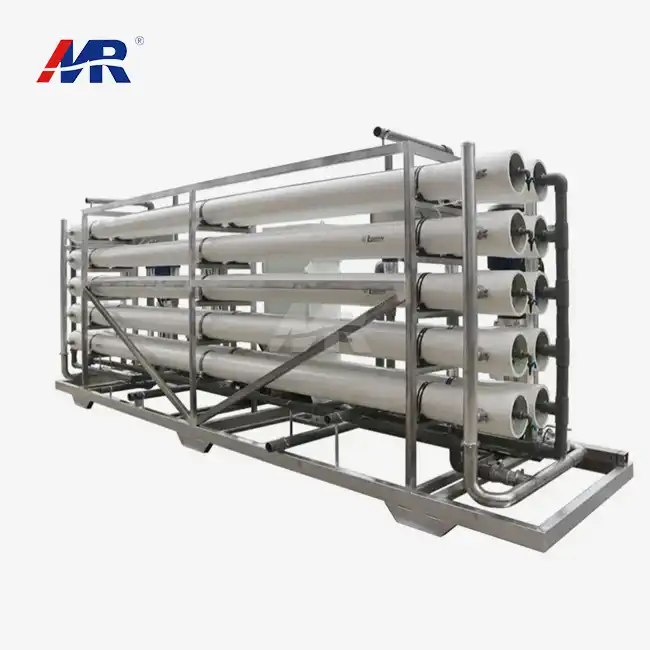
Understanding Reverse Osmosis Filtration: How It Works and Key Benefits
The Core Mechanism Behind RO Technology
Feed water is forced through semipermeable screens with pores that are 0.0001 microns wide for reverse osmosis filtration to work. The membrane is like a molecular wall that only lets water molecules through and blocks up to 99.5% of dissolved solids, bacteria, viruses, and chemical contaminants. Operating pressures for this process need to be between 100 and 300 psi, depending on how salty the feed water is and how fast you want to recover it. ro membranes separate molecules, which is different from mechanical filters that only catch physical particles. This makes the water much cleaner than with other methods.
Quantifiable Benefits for Industrial Operations
When industrial facilities use RO technology, their product quality and operational reliability both get better in a measurable way. Today's high-flux membranes can recover up to 75% of the feed water, which means that three-quarters of it becomes a purified product instead of a concentrate discharge. Designs that are more energy-efficient now use 30% less power than older RO generations, which directly lowers the cost of running the business. Pharmaceutical companies depend on RO systems to meet strict GMP standards. Semiconductor factories use RO as the basis for ultrapure water systems that keep chip production from going wrong. The technology makes sure that regulations are followed in all fields where water quality has a direct effect on the safety and purity of Products and consumers.
Advantages Over Legacy Water Treatment Methods
When compared to distilling, RO systems produce the same level of cleanliness while using a lot less energy because there is no phase change. UV treatment only kills microorganisms and doesn't get rid of dissolved contaminants. RO treatment, on the other hand, gets rid of both particulate and dissolved contaminants. Modern RO equipment has a small footprint, which makes it easier to install than standard treatment trains with multiple stages. This makes it especially useful in sites that need to expand or don't have a lot of room.
Comparing Reverse Osmosis Filtration with Alternative Water Treatment Methods
Carbon Filtration vs. RO Systems
Through adsorption, activated carbon is very good at getting rid of chlorine, volatile organic compounds, and taste-and-odor compounds. Carbon filters, on the other hand, can't deal with hardness minerals, dissolved inorganic salts, or total dissolved solids (TDS). Carbon filtering is not a good enough option for industrial uses that need water that is low in minerals, like boiler feed systems or lab-grade reagent preparation. Reverse osmosis filtration systems work with carbon pre-treatment to handle the part of the water that is dissolved that carbon can't get.
Ultrafiltration Compared to Reverse Osmosis
Ultrafiltration membranes have bigger pores (0.01 microns) that can get rid of germs, floating solids, and organic molecules with a high molecular weight. UF doesn't stop the flow of dissolving salts and low-molecular-weight chemicals. Food and drink processors sometimes use UF to clarify the water and RO when they need to get rid of minerals or keep the water's chemistry stable for flavor profiles. Understanding this difference keeps people from using the wrong thing. For example, pharmaceutical companies that need low-conductivity water can't use UF instead of RO, even though UF costs less to buy.
Selection Criteria for Decision-Makers
Before choosing a cleaning technology, procurement teams should test the source water's chemicals in a number of different ways. When the TDS level in the feed water is higher than 500 ppm, RO is usually needed to make the product water good enough. System size and configuration are affected by the operational volume needs. Commercial RO systems range from 1,000 GPD for small labs to 100,000 GPD for industrial or municipal facilities. A budget study must take into account both the initial cost of the technology and its ongoing costs over its lifetime. This includes when the membranes will need to be replaced and how much energy it will use.
Cost Analysis and Maintenance of Reverse Osmosis Filtration Systems
Capital Investment Considerations
Different commercial reverse osmosis filtration systems have varied pricing structures that depend on their capacity, automation features, and membrane technology choice. Mid-sized industrial units that deliver 10,000 to 50,000 gallons per day usually require big investments in capital. Prices depend on the configuration of the membrane, the quality of the frame construction, and the complexity of the control system. Systems that have advanced tracking features and NSF/ANSI 58 certification cost more, but they are more reliable and come with compliance paperwork that regulators like.
Operational Expense Management
The highest ongoing cost of RO operations is replacing the membranes. Depending on the quality of the feed water and how well the pre-treatment works, industrial setups usually need to change the membrane every 24 to 36 months. High-flux, low-fouling thin-film composite membranes keep organic fouling and scaling from forming, which extends the time between services. Energy costs are directly related to working pressure and flow rates. To keep lifetime costs as low as possible, optimal systems balance energy use against recovery rates. Routine upkeep, such as changing the cartridge filter, following chemical cleaning methods, and sanitizing the system, keeps the membrane working well and extends its life.
Return on Investment Analysis
There are more financial reasons for investing in RO than just figuring out how much it will cost. Manufacturers of drinks get consistent batches by getting rid of mineral differences that change the taste of the product. This cuts down on waste from quality failures. Pharmaceutical companies don't have to shut down production for long periods of time because of changes in water quality that make it harder to follow GMPs. Power plants keep boilers from scaling, which lowers the efficiency of heat transfer and calls for expensive emergency repairs. Most of the time, these operational benefits pay for themselves within 24 to 36 months, and they continue to provide value through better process reliability and product quality guarantees.
Market Leaders and Product Recommendations in Reverse Osmosis Filtration
Established Equipment Manufacturers
The reverse osmosis filtration equipment marketplace features numerous reputable manufacturers offering proven solutions across application scales. Companies specializing in industrial water treatment provide engineered systems with strong parts, full automation, and membrane designs that have been tried in the field. Suppliers of equipment that offer NSF certification, extended warranty coverage, and helpful Technical support add value beyond the initial purchase price by lowering the risks of ownership.
Evaluating Supplier Partnerships
Technical decision-makers should only work with providers who have a track record of understanding specific application needs. Suppliers who offer installation services, user training, and regular maintenance programs make sure that the system works well after it is set up and for a long time. Having access to OEM replacement parts, cleaning methods for membranes, and technical help keeps operations running as smoothly as possible. Before buying tools, procurement teams should check the credentials of the seller, such as industry Certifications, example installations, and the ability to provide service after the sale.
Morui's Industrial RO Solutions
Guangdong Morui Environmental Technology has a wide range of RO systems that can be used in many different industrial settings. Our NSF/ANSI 58-certified equipment has a capacity range of 1,000 to 100,000 GPD, a rejection rate of 99.5%, and a recovery efficiency of up to 75%. The high-flux membrane design lowers the frequency of fouling while using 30% less energy than regular systems. Customizable configurations meet the needs of different industries, such as those that treat city wastewater, make drugs, make semiconductors, handle chemicals, and make food and drinks. Morui offers complete solutions, from supplying equipment to installing it and starting it up. They have more than 500 employees, including 20 expert engineers, and their own facilities for making membranes. Our partnerships with top component makers like Shimge Water Pumps and Runxin Valves make sure that our products work well and come with expert technical support.
Enhancing Efficiency and Longevity of Reverse Osmosis Systems
Pre-Treatment Optimization Strategies
Effective pre-treatment keeps reverse osmosis filtration membranes from getting fouled up too quickly and greatly increases their useful life. During sediment filtering, solids that are floating are removed. These solids cause wear and differential pressure buildup. Chlorine breaks down polyamide membrane materials, but a carbon filter gets rid of it. When the feed water has scaling compounds like calcium carbonate or silica, antiscalant dosing stops minerals from settling on the membrane surfaces. When cleaning well water, facilities often take extra steps to deal with iron, manganese, or hydrogen sulfide, which can make membranes less effective.
Performance Monitoring and Calibration
By keeping an eye on key performance factors on a regular basis, problems can be found early and fixed before they get worse. When you keep an eye on standardized flux rates, salt rejection percentages, and differential pressures, you can see patterns that show the membrane is fouling or scaling. Checking the system's integrity and the condition of the membrane by measuring the conductivity of the product and reject streams. With modern control systems that are connected to the Internet of Things (IoT), you can get real-time data that lets you plan maintenance ahead of time instead of having to deal with problems after they happen.
Emerging Technologies for Performance Enhancement
Modern RO systems have smart sensors that constantly check the chemistry of the water and make changes to the operating conditions automatically. High-pressure pumps with variable frequency drives use the least amount of energy possible by matching the pump speed to the demand at any given time. Automated cleaning systems run membrane flush cycles based on performance formulas instead of set plans. This cuts down on chemical use while keeping throughput at its best. These new ideas make the system work better overall, require less work, and make membranes last longer than the usual time between replacements.
Conclusion
Reverse osmosis filtration delivers unmatched water purification capabilities essential for modern industrial and commercial operations. Dissolved contaminants that hurt product quality, regulatory compliance, and machine dependability in a wide range of settings can be removed by this technology. The initial capital investment needs to be carefully thought out, but the practical benefits, such as more consistent processes, less waste, and better product quality, make the financial returns very strong. Choosing the right equipment specs, working with experienced providers, and following strict repair procedures will help keep systems running well and extend their life. RO technology is a must-have for businesses that want to improve their operations and use water quality as a competitive edge.
FAQ
1. How frequently should RO membranes be replaced in industrial settings?
Depending on the quality of the feed water and how well the pre-treatment works, industrial RO membranes usually need to be replaced every 24 to 36 months. When systems process high-TDS sources or water that hasn't been properly pre-treated, the membranes wear out faster and need to be replaced more often. Regularly checking on performance lets replacement choices be based on data instead of just sticking to a plan.
2. Can RO systems effectively treat well water containing dissolved iron?
RO membranes are good at getting rid of dissolved iron, but high iron concentrations make membrane fouling happen faster. Using oxidation and filtering to remove bulk iron before RO processing makes the membrane last longer while keeping rejection rates high. Comprehensive water testing is helpful for well water applications because it finds all the contaminants that need pre-treatment.
3. What contaminants does RO filtration not remove effectively?
While reverse osmosis filtration removes most contaminants efficiently, gases like carbon dioxide and volatile organic molecules with molecular weights below 200 may get through. For these uses, degassing or carbon polishing is needed after the process. Temperature has a big effect on performance—flux goes up by about 3% for every degree Celsius, but salt rejection may go down a little as membrane polymers get bigger.
Contact Morui for Your Industrial Water Purification Needs
Businesses that need to clean water reliably do better when they work with experienced suppliers who offer complete reverse osmosis filtration solutions. Morui is an expert at making unique RO systems and offers full-service support and a lot of technical knowledge. Our NSF-certified equipment can be used for everything from cleaning municipal water to making sure pharmaceuticals are safe. Its size ranges so that it can be used in everything from small labs to large industrial sites. As a well-known company that makes membranes in-house and has smart partnerships with quality component providers, we offer clear pricing and reliable machine performance. Email our technical team at benson@guangdongmorui.com to talk about your specific water treatment needs and get suggestions that are right for you.
References
1. American Water Works Association. (2021). Reverse Osmosis and Nanofiltration Manual of Water Supply Practices. Denver: AWWA Press.
2. Greenlee, L.F., Lawler, D.F., Freeman, B.D., Marrot, B., & Moulin, P. (2009). Reverse osmosis desalination: Water sources, technology, and today's challenges. Water Research, 43(9), 2317-2348.
3. National Science Foundation International. (2020). NSF/ANSI Standard 58: Reverse Osmosis Drinking Water Treatment Systems. Ann Arbor: NSF International.
4. Qasim, M., Badrelzaman, M., Darwish, N.N., Darwish, N.A., & Hilal, N. (2019). Reverse osmosis desalination: A state-of-the-art review. Desalination, 459, 59-104.
5. U.S. Environmental Protection Agency. (2022). Membrane Filtration Guidance Manual. Washington: EPA Office of Water.
6. World Health Organization. (2017). Guidelines for Drinking-Water Quality: Fourth Edition Incorporating the First Addendum. Geneva: WHO Press.
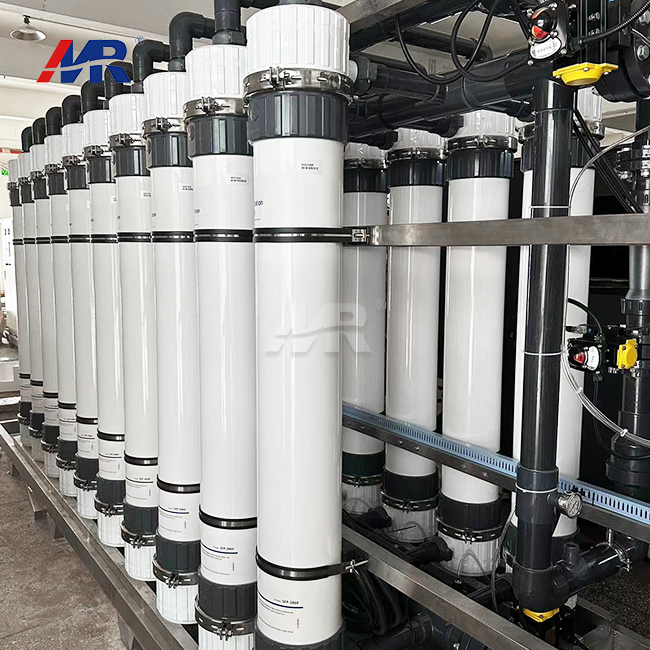 VIEW MOREwater ultrafiltration system
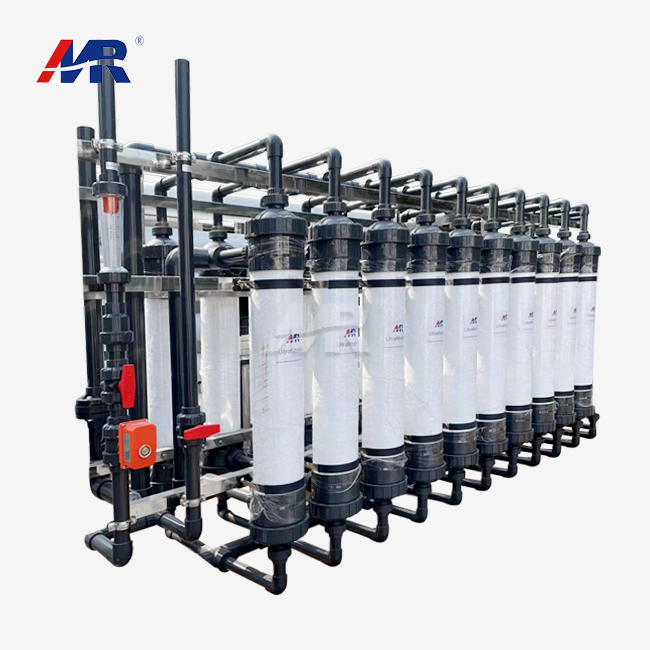 VIEW MOREultrafiltration drinking water system
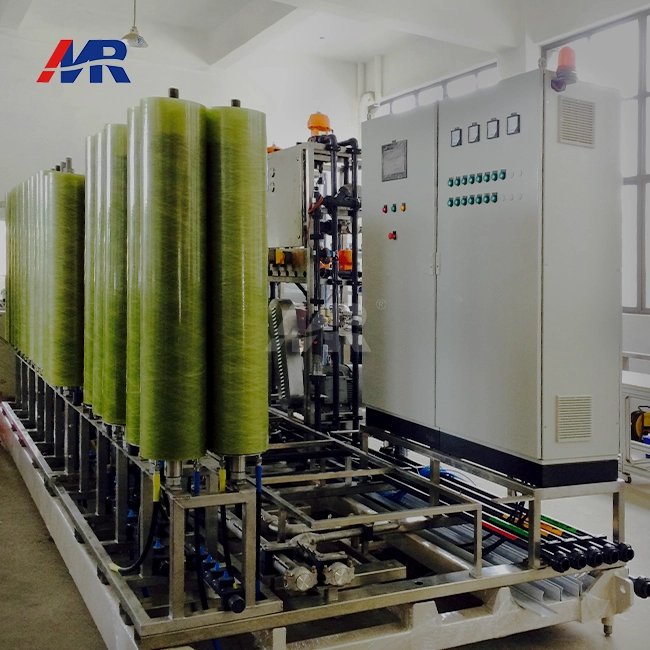 VIEW MOREDTRO Elements
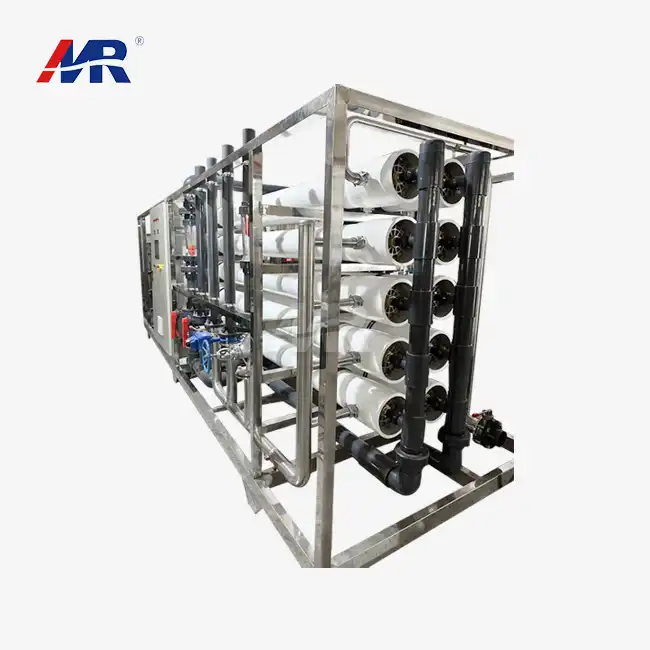 VIEW MORE50m3/hour reverse osmosis equipment
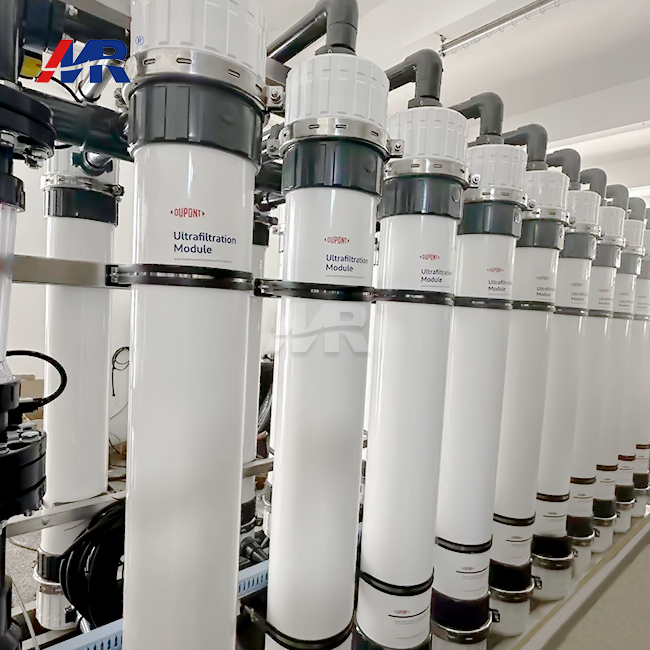 VIEW MOREultrafiltration water treatment system
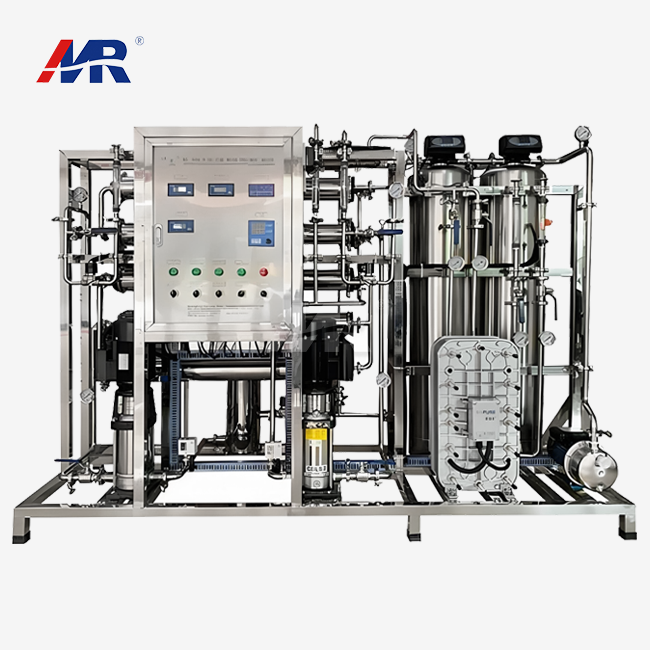 VIEW MOREElectrodeionization system
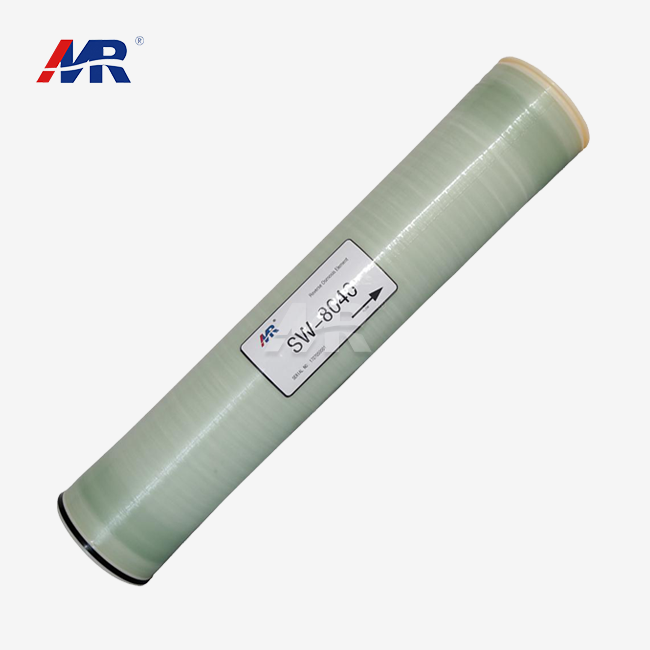 VIEW MORE8040 seawater reverse osmosis membrane
 VIEW MORE5m3/hour seawater desalination equipment
