

_1745823981883.webp)

What Permit Requirements Apply to a Containerized Wastewater Treatment Plant?
To get a permit for a containerized wastewater treatment plant, you need to know the federal, state, and local rules that control the release of water, protection of the environment, and safety at work. When compared to fixed installations, these portable systems usually need National Pollutant Discharge Elimination System (NPDES) permits from the EPA or state equivalents, as well as building permits, zoning approvals, and possibly air quality permits based on how the waste is treated. The scope changes depending on the size of the facility, the type of wastewater, where it is discharged, and how sensitive the site's environment is. This is why early regulatory advice is so important for compliance and on-time release.
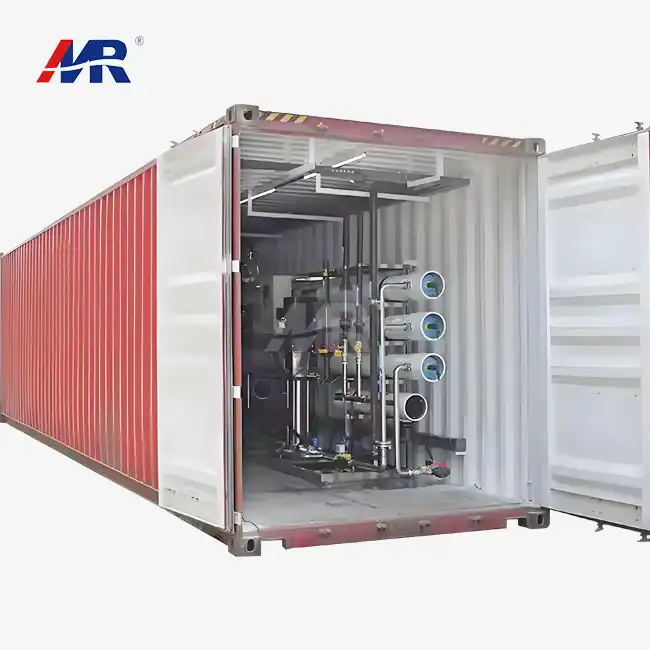
Understanding Permit Requirements for Containerized Wastewater Treatment Plants
If you want to use portable wastewater treatment options, you need to know how the regulations work so that you can carry out the project successfully. The rules for getting permits are very different based on where you live, how big your project is, and what kind of garbage you are treating.
Federal and State Environmental Permits
At the government level, the Clean Water Act says that any site that puts pollutants into U.S. waters needs to get permission from the NPDES program. This rule is the same for containerized systems as it is for standard buildings made of concrete. The permit sets limits on the amount of effluent that can be released, as well as tracking and reporting standards that keep receiving water bodies clean. Many states have taken over the NPDES program, which means that your application doesn't go to the EPA but to the state's environmental office. Some states, like California, Texas, and Florida, have their own programs with rules that are stricter than the federal minimums.
As part of the application process, you need to provide detailed technical paperwork. This should include process flow diagrams, equipment specs, estimated influent and effluent quality data, and backup plans in case the system fails. Regulatory agencies check to see if your cleaning system can regularly meet discharge standards for things like pathogens, nitrogen, phosphorus, biological oxygen demand, and total suspended solids. Containerized systems with MBR or MBBR technology often do a better job of meeting these requirements, which can make the approval process go more smoothly.
Construction and Operational Approvals
In addition to release permits, you need construction authorization before you start building. During the building phase, these permits make sure that your project follows safety rules, standards for structural stability, and environmental protection measures. Even though containerized units come mostly put together, the site needs to be prepared with concrete pads, utility hookups, and stormwater management, which needs to be overseen by a building manager.
Land use suitability is looked at in zoning decisions. Industrial zones usually have fewer problems, but mixed-use or residential areas might need more review, public meetings, or limited-use permits. Containerized wastewater treatment plants are better for this situation because they have a small area and are protected, so they have less of an effect on the environment in terms of noise, smell, and sight.
Documentation and Timeline Expectations
The process of getting a permit could take anywhere from three to twelve months, based on how complicated the state is and how full the application is. It could take longer if your project affects waterways, homes for endangered species, or cultural resources, as required by the National Environmental Policy Act. Preparing thoroughly ahead of time speeds up reviews. Agencies like detailed entries that show scientific knowledge, care for the environment, and readiness for operation.
Details about the technology are very important. Regulators will have faith in your ability to follow the rules if your paperwork shows that your system regularly keeps BOD levels below 10 mg/L and TSS levels below 5 mg/L. Factory testing records, Certifications from a third party, and performance promises from well-known manufacturers are all pieces of proof that help decision-makers quickly issue permits.
Core Factors Influencing Permit Requirements for Containerized Systems
The exact approvals your project needs depend on a number of factors. Knowing about these things can help you guess what the government will want and create answers that meet those needs right away.
Treatment Capacity and Choice of Technology
Permit difficulty is based on flow rate. Systems that process less than 10,000 gallons per day usually only need a basic general permit. Systems that process more than 10,000 gallons per day need an individual permit with stricter tracking duties. It also matters what cellular and physical processes are used. Advanced membrane technologies, like those found in modern containerized wastewater treatment plants, are usually looked at favorably by regulators because they produce better wastewater quality and are more reliable than traditional secondary treatment alone.
The types of processes you choose (aerobic or anaerobic), the ability to remove nutrients, and the way of cleaning all affect the requirements for your permit. The pretreatment standards for projects that work with pharmaceutical factories or food processing plants are tougher than those that work with water from building camps or resorts. If you match your treatment technology to the traits of the wastewater, you can avoid delays in getting a permit and operating violations.
Wastewater Source and Composition
Industrial garbage has its own set of problems. Heavy metals, volatile organic molecules, chemical ingredients, and high-strength organics need different ways to be treated and stricter permit conditions. Pretreatment is required by regulators to get rid of chemicals that could harm living things or pollute the water that will be used. The flow of wastewater in cities is more standardized, but sites that handle a lot of wastewater are still closely inspected.
Permitting is also affected by the difference between constant and intermittent flow. Seasonal operations in farming facilities or short-term deployments at disaster aid sites may need a different type of permit than the industry uses that happen all year. When you apply for a permit, make sure that your business profile is clearly stated. This will help avoid confusion and compliance problems in the future.
Site-Specific Environmental Considerations
Location determines how strict the rules are. When wastewater is dumped near fragile environments like marshes, coral reefs, or the homes of endangered species, it needs to go through more environmental review. Under the Coastal Zone Management Act, sites near the coast may need certificates of consistency. Groundwater refilling zones mean that projects are closely watched for any possible pollution of aquifers.
The need to control smells and limits on noise depends on how close the business is to living areas. These issues can be successfully dealt with by containerized systems, which have enclosed designs, carbon filtering for air emissions, and sound-dampening buildings. Including these details in your permit forms shows that you care about the environment, which is a quality that regulatory judges will appreciate.
Comparing Containerized Wastewater Treatment Plants and Traditional Systems: Permit Implications
Because containerized wastewater treatment plants are flexible, they have clear benefits during the permitting process. These benefits directly lead to lower costs, faster rollout times, and less work for buying teams in terms of paperwork.
Streamlined Approval Processes
Regulatory review is easier when things are modular. Because these systems come pre-assembled and with performance records that can be tracked, agencies can test them more quickly than custom-engineered setups that need a lot of design review. The common setup makes it easier to predict how well operations will run, which is very important to regulatory bodies. Being mobile gives you more options. Permanent buildings need decommissioning permits when they are no longer needed, but containerized pieces can be moved as needed. This flexibility is very helpful for short-term projects, gradual growth, or test programs where making long-term promises could cost a lot of money.
The smaller size of the building site means less damage to the surroundings during installation. Traditional treatment plants require a lot of digging, working with concrete, and months of building on-site, which can cause problems with dust, noise, and runoff. Containerized options come ready to be connected, which reduces the damage to the site and the need for environmental permits for building activities.
Environmental Performance Advantages
Lower pollution helps make it easier for regulators to accept new rules. Open-air clarifiers and aeration tubs let smells get out, but enclosed treatment methods keep them out better. This limitation lowers the need for air quality permits and community resistance, both of which can stop normal projects in their tracks. Energy-efficient designs with VFD-controlled tools reduce carbon footprints, which is in line with stricter environmental rules.
These benefits are clearly shown by operations in the real world. In Nevada, a mining company got all the necessary permits for a 200 m³/day containerized wastewater treatment plant containerized MBR system in just five months, compared to the 18 months that were originally planned for a normal plant. The maker was able to meet regulation standards by providing certified performance data, full O&M manuals, and remote tracking tools. This made the approval process easier without the need for a lot of site-specific engineering analysis.
In the same way, a Georgia food preparation plant used the fact that containerized technology is plug-and-play to meet an urgent compliance date. They used a turnkey method that got them permit compliance in weeks instead of the year or more that a standard build would have taken. This was because they were facing enforcement action for discharge violations.
Best Practices and Tips for Securing Permits for Containerized Treatment Projects
To get through the permit maze successfully, you need to plan ahead, communicate clearly with officials, and work with solution providers who have a lot of experience. These methods keep delays to a minimum and make sure that your project goes quickly from the idea stage to the working phase.
Early Regulatory Engagement
Starting talks with permitting agencies before deciding on tools is a good idea. Meetings before the application make sure that specific requirements are understood, that possible problems are identified, and that working relationships with judges are formed. Bringing rough process maps and treatment goals to these talks shows that you are serious and professional, which agencies like. Regulatory staff can give very useful information about local goals, new rules, or preferred forms of paperwork that aren't clear from written materials.
Knowing the difference between a general permit and an individual permit will help you find the fastest way to get where you want to go. While general permits offer faster approvals and more operating freedom, they are only good for common situations with standard conditions. Individual licenses require more detailed forms, but they can be tailored to your needs. An environmental consultant with a lot of knowledge can help you figure out the best way to handle your problem.
Partnering with Certified Suppliers
Working with well-known makers who know what's needed to meet compliance standards speeds up reviews by a large amount. Agencies need technical documents, performance certifications, and testing data, which can be found from reputable sources. Because they've worked on similar projects before, they can predict regulatory questions and make sure that equipment specs and operational processes cover them.
Turnkey solutions from qualified providers get rid of the need for equipment makers, building builders, and execution experts to coordinate their work. Single-source responsibility makes it clear who is responsible for what and makes sure that all the parts of the system work together smoothly to meet the requirements of the permit. Check the providers' track records with projects that are similar to yours in terms of size, type of wastewater, and governmental authority.
Ongoing Compliance and Monitoring
When you get a permit, your legal duties don't end. They just start. To stay in compliance, you must keep accurate records, report on time, and watch your activities carefully, as required by the terms of your permit. A lot of modern containerized wastewater treatment plants with PLC-based SCADA platforms make compliance easier by automatically logging data, setting off alarms for trips, and creating regulatory reports on cloud-based screens.
Setting up regular repair plans for containerized wastewater treatment plants stops operating failures that lead to violations. Cleaning the membranes, adding new chemicals, and doing technical checks on systems keep them working within the limits that are allowed. Many permits need to be reported on once a year, include monitoring records for discharges, and regular building checks. By meeting these responsibilities on time, you can protect your working authorization and avoid fines that can reach thousands of dollars per day for serious violations.
Conclusion
Putting in place a containerized wastewater treatment plant successfully requires a deep understanding of the federal, state, and local permit requirements that apply. Because these systems are modular, they have clear benefits over standard infrastructure when it comes to time to get governmental approval, effects on the environment, and operational flexibility. Procurement pros can make compliance plans that speed up project delivery by understanding how treatment capacity, wastewater characteristics, and site factors affect the complexity of permits. Early involvement with regulatory authorities, working with experienced providers, and a promise of ongoing tracking will make sure that your investment meets both business and environmental goals effectively.
FAQ
1. How long does permit approval typically take for containerized treatment systems?
Permit times range from three to twelve months, based on how complicated the project is, how quickly the government can process the application, and how full the application is. Most of the time, general permits for smaller systems are processed faster than unique permits for large setups. Active pre-application talks and thorough first entries cut approval times by a large amount.
2. Can permits transfer if we relocate the containerized unit to a different site?
Permits are site-specific, which means they can't be moved to another place. When moving equipment to a new location, you need to apply for a new permit. However, makers' performance paperwork from the original installation can make the new approval process go more quickly. Some places offer faster reviews for technologies that have already been proven to work.
3. Do different states have significantly different permitting requirements?
There are big differences between the states that are in charge of the NPEDS program. Some states, like California, have tighter rules for getting rid of nutrients, while others mostly deal with regular pollution. When you discharge to surface seas versus applying or reusing on land, you create different regulatory paths. Early consultation with local environmental agencies makes the needs specific to the area clear.
Partner with Morui for Compliant Containerized Wastewater Treatment Solutions
Guangdong Morui Environmental Technology provides complete containerized wastewater treatment plant options that are designed to meet strict regulatory requirements in a wide range of businesses. We offer turnkey systems, from helping with the initial licensing process to installation and commissioning. We have over 500 workers, 20 specialised engineers, and 14 branch sites. Our modular units have been tried in the workshop and use the latest MBR and MBBR technologies to produce uniform effluent quality that meets discharge standards. As a reliable provider of containerized wastewater treatment plants, we offer technical documents, performance certificates, and ongoing support that make it easier to follow the rules and shorten the time it takes to finish projects. Email benson@guangdongmorui.com to talk to Our Team about your unique needs and find out how our tried-and-true solutions can help you solve your wastewater problems quickly.
References
1. U.S. Environmental Protection Agency (2021). NPDES Permit Program Basics: Understanding the National Pollutant Discharge Elimination System, Office of Water, Washington, D.C.
2. Water Environment Federation (2019). Modular and Containerized Treatment Systems: Design, Permitting, and Operational Considerations, Technical Practice Committee Report, Alexandria, Virginia.
3. American Water Works Association (2020). Regulatory Compliance for Decentralized Wastewater Treatment Technologies, Standards and Regulations Division, Denver, Colorado.
4. National Association of Clean Water Agencies (2022). Comparative Permit Requirements for Conventional and Modular Wastewater Treatment Facilities, Policy Research Series, Washington, D.C.
5. Environmental Law Institute (2018). State Water Quality Standards and Permit Implementation: A Fifty-State Survey, Washington, D.C.
6. International Water Association (2023). Mobile and Temporary Wastewater Treatment: Regulatory Frameworks and Best Practices, Global Water Research Coalition, London, United Kingdom.
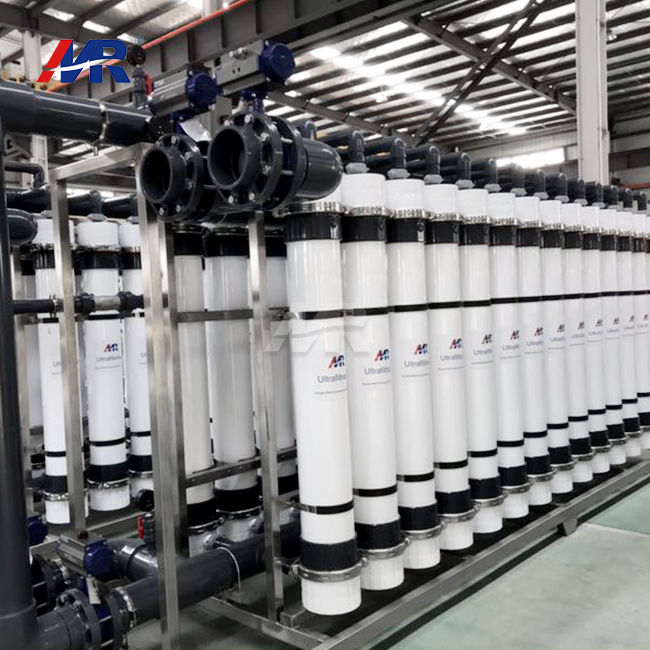 VIEW MOREultrafiltration machine
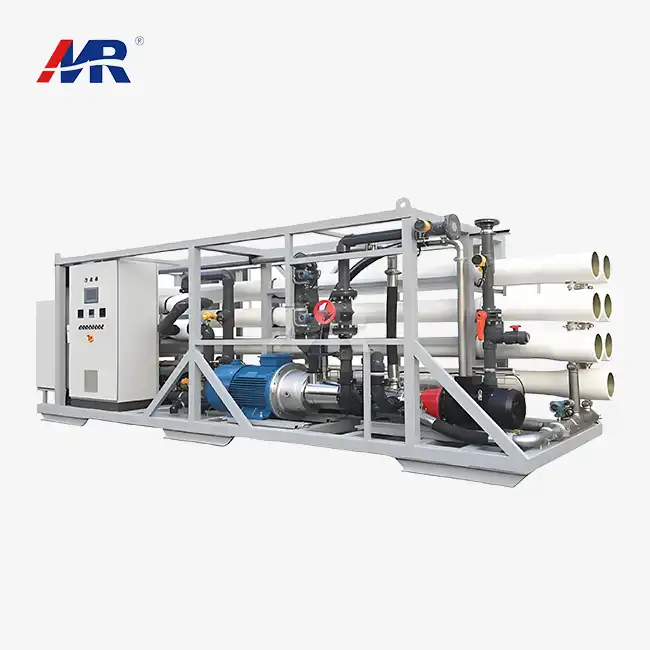 VIEW MORE20m3/hour seawater desalination equipment
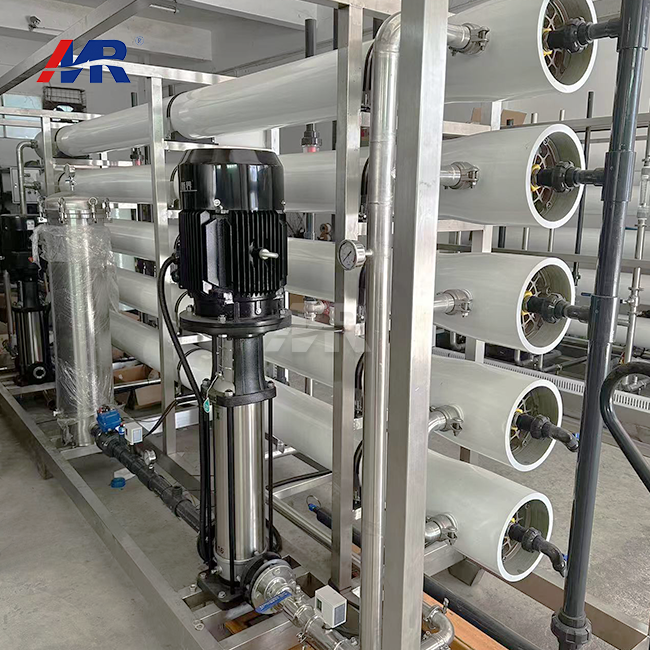 VIEW MOREosmosis water purification system
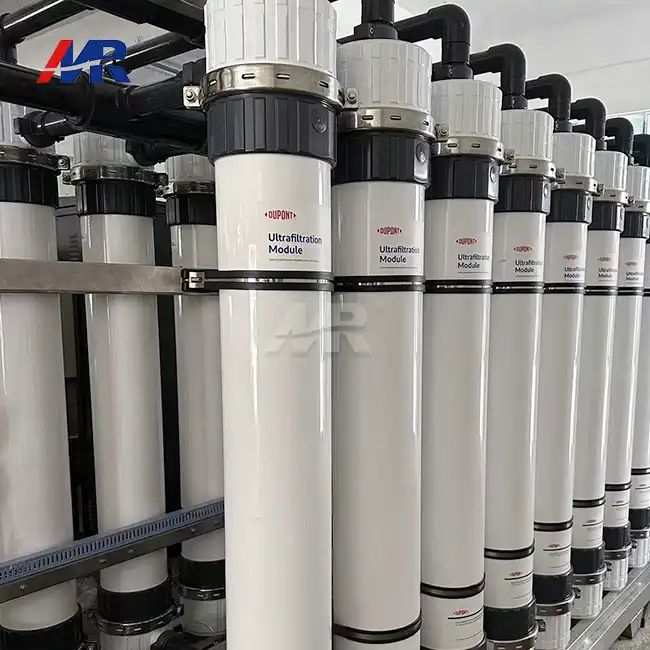 VIEW MORE100T/H ultrafiltration equipment
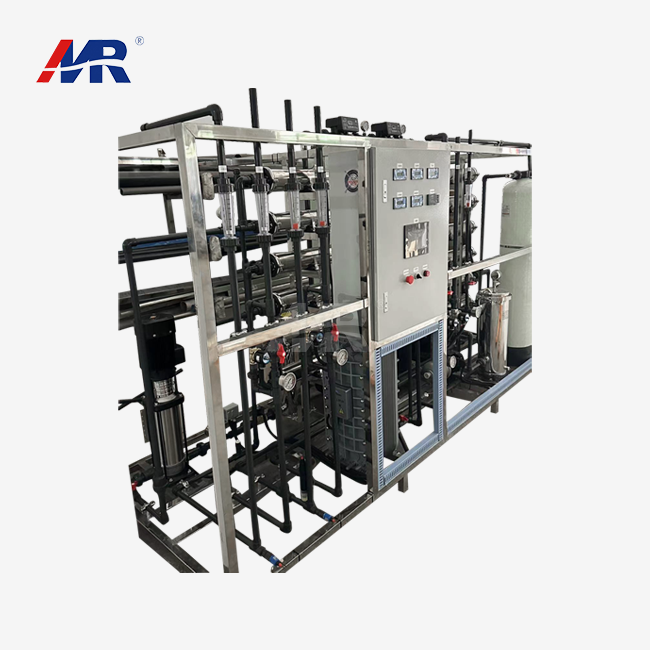 VIEW MOREedi water treatment system
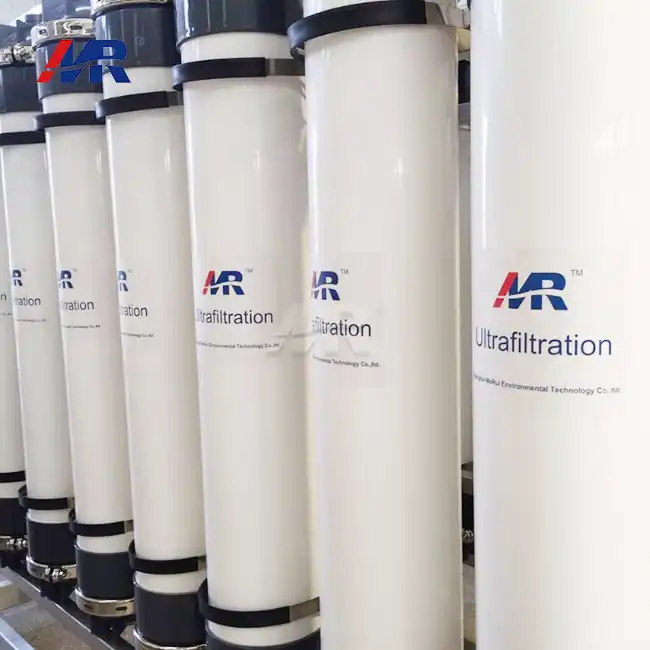 VIEW MORE90T/H ultrafiltration equipment
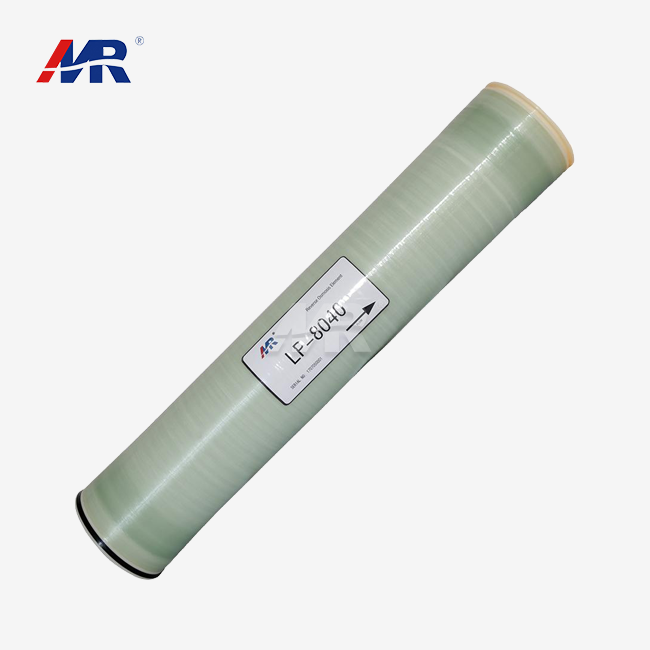 VIEW MOREreverse osmosis membrane
 VIEW MORE100m3/hour reverse osmosis equipment
