

_1745823981883.webp)

What Challenges Does a Modern Wastewater Treatment Facility Face?
Today's wastewater treatment plants (wastewater treatment facilities) have to deal with a unique set of problems that make it hard to keep their operations honest and follow environmental rules. These problems come from infrastructure that is getting old and can't handle the huge amounts of sewage that are being produced, tighter rules that make it illegal to release certain amounts of wastewater, and the appearance of new, complicated pollutants that can't be removed by normal methods. Energy use and costs are going up at the same time, and there aren't enough workers to fix the technology problems. Facilities have to deal with hydraulic overloads during storms, improve the performance of biological treatment, and add new technologies all at the same time, while staying within their budgets. Understanding these different types of stress is important for people making decisions who want long-lasting, scalable solutions that keep operations running and make sure they follow the rules.
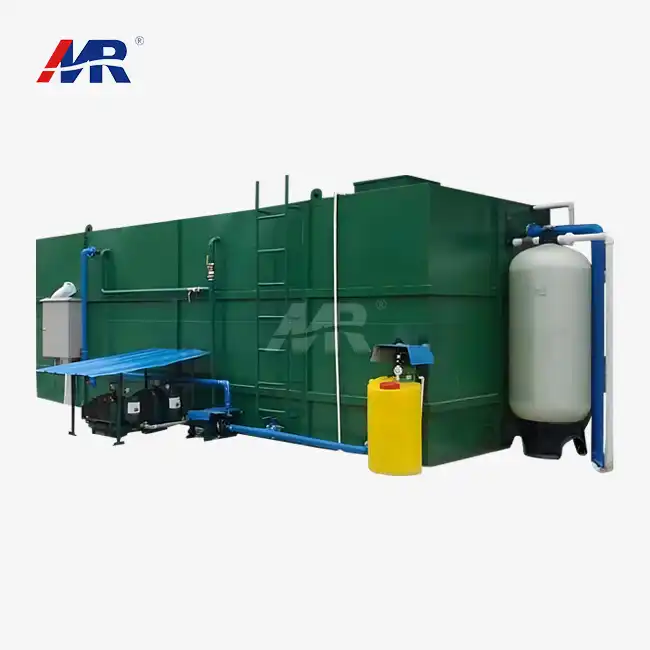
Understanding the Core Challenges of Modern Wastewater Treatment Facilities
Contaminant Complexity and Evolving Pollution Profiles
There is a lot more than just biological stuff in today's sewer streams. Heavy metals from electroplating, medicine leftovers from biotechnology production, and microplastics from textile processing all pose treatment problems that can't be solved by normal biological methods. Complex chemical mixes from semiconductor factories need special neutralisation methods, and food processing plants make a lot of biological oxygen demand (BOD) that is too much for regular activated sludge systems to handle. Because these contaminants are so different, they need to be treated in specific ways that include chemical precipitation, improved oxidation, and membrane filtration.
Aging Infrastructure and Capacity Limitations
There are a lot of treatment plants that were built decades ago for populations that are only half as big as they are now. Concrete tanks are showing signs of structural wear, old clarifiers don't have enough space for sediment to settle, and aeration areas that are too small can't keep up with peak flows. Because of this lack of infrastructure, facilities have to go through reactive repair cycles instead of proactive optimisation cycles. In cities, expansion projects are limited by space and need big investments in cash that put a strain on city budgets. As industrial growth speeds up, the gap between planning capacity and real demand keeps getting bigger.
Regulatory Compliance Pressures
The Environmental Protection Agency (wastewater treatment facility) is always making it harder to get a National Pollutant Discharge Elimination System (NPDES) permit. Over the past ten years, total nitrogen limits have dropped by 40% in many places, and phosphorus limits are now getting close to being detectable in rivers that are important for the environment. Facilities must consistently show compliance by using strict sample methods and tracking systems that work in real time. Fines for not following the rules can be as high as millions of dollars, which creates financial risks that CEOs and other financial decision-makers can't ignore. In addition to federal rules, state and local governments often have even tighter rules for release based on estimates of the water quality.
Environmental and Regulatory Pressures Impacting Facility Operations
Sustainability Mandates and Carbon Footprint Reduction
Environmental care includes more than just the quality of waste. It also includes saving energy and reducing greenhouse gas emissions. Aeration systems use 50–60% of a building's electricity, so optimising the blowers is important for lowering carbon emissions. More and more, regulatory bodies want climate action plans that set reduction goals and measure scope 1 and scope 2 pollution. Facilities are under a lot of pressure to use green energy, biogas collection systems from anaerobic digesters, and biological waste removal methods to cut down on chemical use. These efforts to protect the environment are in line with goals for business social duty and will save money in the long run.
Real-Time Monitoring and Data Transparency Requirements
Key factors like liquid oxygen, pH, sediment, and nitrogen amounts must be continuously monitored online by modern licenses. Automated reporting systems must send data straight to government databases, so mistakes that can happen when records are kept by hand are no longer possible. Because of this, money needs to be spent on SCADA technology that can connect many monitoring systems and give process control and predictive analytics. Technical leaders need to look at different types of instruments and choose the ones that are most accurate, need the least amount of upkeep, and have the best security measures. When agencies use trend analysis to find possible legal problems before they happen, data accuracy becomes very important.
Technological Challenges and Opportunities in Wastewater Treatment
Limitations of Conventional Treatment Methods
When dealing with changing loading conditions, traditional activated sludge methods have built-in limits. Sudden hydraulic swells remove biomass from secondary clarifiers, which lowers the quality of the waste and takes weeks for the microbe population to grow back. Conventional systems have a hard time getting rid of nitrogen efficiently, especially when the temperatures of the inputs drop below what is ideal in the winter. Handling sludge is always hard because draining equipment needs to be serviced often, and the cost of removal keeps going up. Because of these problems, people are looking for healing methods that are stronger and more flexible.
Advanced Membrane Technologies and Process Intensification
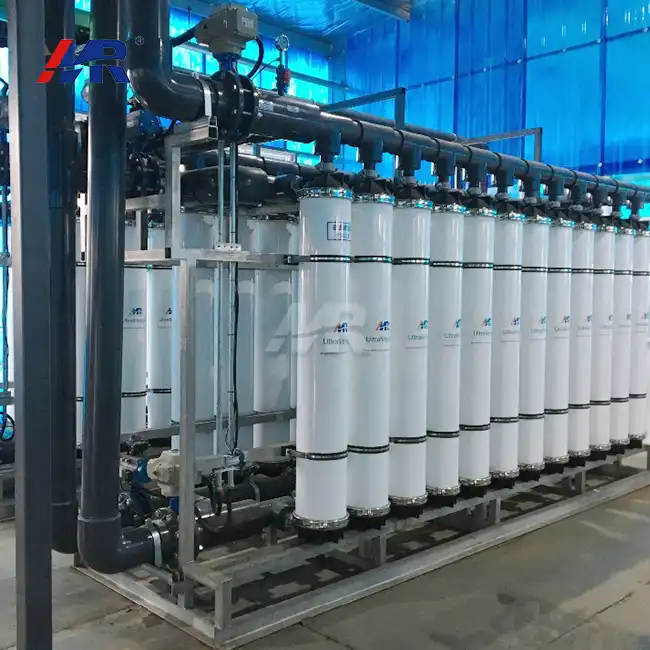
Membrane bioreactor (MBR) systems are a big step forward because they use ultrafiltration membranes to separate biologically treated materials from other materials. When compared to traditional designs, MBR setups produce better wastewater with total dissolved solids below 5 mg/L and allow facilities to work at higher mixed liquor concentrations, which cuts the area needed by 30–50%. These systems can handle shock loads better and make water that can be used again in industrial cooling towers or for watering plants. Even though the initial capital costs are higher than with standard methods, the practical benefits and room savings make the investment worth it for sites that can't grow or have strict discharge requirements.
Here are the core technological advantages that pharmaceutical manufacturers and electronics producers particularly value (wastewater treatment facility): membrane systems eliminate secondary clarification infrastructure, maintain consistent performance regardless of sludge settling characteristics, and produce pathogen-free effluent meeting stringent microbiological standards. Enhanced biological phosphorus removal (EBPR) built into MBR platforms lowers phosphorus levels to less than 0.5 mg/L without adding chemicals. This cuts down on costs and meets regulatory requirements. Because of these features, membrane technologies are essential for businesses that need stable, high-quality water cleaning options.
Automation and Predictive Maintenance Integration
When IoT sensor networks are joined with AI algorithms, facilities can switch from reactive to proactive management strategies. Machine learning models look at past performance data to predict when equipment will break down, so repair can be scheduled during planned pauses instead of emergency shutdowns. Automated process control changes the amount of air based on real-time measures of ammonia. This saves energy while keeping the nitrification process working well. These smart systems cut down on the need for workers while improving the consistency of care. This helps solve the problem of a lack of workers that affects smaller cities and factories the most.
Operational and Economic Challenges for Wastewater Treatment Facilities
Capital Investment and Lifecycle Cost Management
It usually costs between $15 and $30 million to upgrade a medium-sized city plant. On the other hand, it costs between $2 and $10 million to upgrade an industrial system, based on how complicated the treatment is and how much water flows through it. For these big purchases, you need to do a thorough financial study that compares the total cost of ownership of different technologies. In addition to looking at how much something costs to buy, procurement pros must also look at how hard it is to install, how much energy it uses, how often it needs upkeep, and how easy it is to get new parts. Some ways to spread the cost of implementation over more than one year are through low-interest EPA loans, local bonds, and public-private partnerships.
Workforce Skills Gap and Training Requirements
Advanced cleaning methods need more knowledge than what is normally required of a user. To fix problems with a membrane system, you need to know how transmembrane pressure changes and how to clean the chemicals properly. People who work with automated control systems need to know how to read trend lines and change PLC settings. Many facilities have trouble finding qualified experts because experienced workers leave faster than training programs can make new ones. This lack of skills leads to higher salaries but limits the potential for business optimisation. Comprehensive training relationships with equipment providers are needed to keep operations teams' technical skills up to date.
Best Practices and Strategies to Overcome Modern Challenges
Data-Driven Optimization and Energy Management
By doing full energy checks (wastewater treatment facility), you can find specific weaknesses in chemical dose systems, fan systems, and pumping networks. Variable frequency drives on air fans use 20–35% less electricity because they change to match the real oxygen demand instead of running at a set speed. Process optimisation software connects the features of the influent with the performance of the treatment, which lets workers change the rates at which mixed liquor is returned and the plans for waste. These ways of analysing turn raw operational data into insights that can be used to improve compliance margins and lower energy costs at the same time.
Scalable Design Philosophy and Modular Expansion
Future-proof facility planning uses phased construction plans that can be used to handle growth without having to rebuild the whole building from scratch. By adding more racks to current tank sizes, modular membrane cassette systems can increase their capacity. Sequencing batch reactor (SBR) designs give you practical freedom by letting you set the cycle time that changes based on changes in flow. This ability to grow quickly is especially helpful for businesses that are growing quickly, like food processing plants that add new production lines or drug companies that come out with new drug formulas that change the way wastewater behaves.
Strategic Partnerships with Established Equipment Providers
Working with providers who have a lot of knowledge makes it easier to choose technologies and gives you ongoing expert help for the life of your equipment. Manufacturers with a good reputation offer full launch services, user training programs, and quick fixing help that reduce the chances of downtime. Performance promises backed by data from field tests give buyers trust when looking at new technologies. These partnerships are more than just buying tools; they've turned into long-term partnerships that help businesses keep getting better by auditing their processes and suggesting upgrades that meet changing government standards.
Conclusion
Modern wastewater treatment plants have to deal with a lot of problems that can only be solved by using advanced technologies, strategic planning, and relationships between experts. The increasing complexity of contaminants, changing rules, limited facilities, and economic pressures make the working environment unsuitable for traditional methods. Intelligent technology, membrane technologies, and energy optimisation strategies can help businesses become more sustainable, meet their environmental responsibilities, and keep costs down. Facilities that do well use data to make decisions, spend in training their employees, and work with providers who know how to meet the needs of the pharmaceutical, technology, food processing, and civic sectors.
FAQ
1. How do facilities handle sudden hydraulic surges during storm events?
Professional installations incorporate equalization tanks that buffer flow variations, preventing biomass washout from biological reactors. Peak-shaving bypass protocols divert excess flows to holding basins during extreme precipitation events, maintaining stable hydraulic retention times within treatment trains. Advanced facilities utilize real-time flow monitoring integrated with automated gate controls that balance loading across parallel treatment channels, protecting sensitive biological processes from shock conditions.
2. What distinguishes MBR from SBR configurations in treatment applications?
MBR systems employ physical membrane barriers, achieving superior particle removal and pathogen elimination, producing effluent suitable for direct reuse applications. SBR technology utilizes time-sequenced fill, react, settle, and decant phases within single tanks, offering footprint advantages and operational flexibility for variable flow conditions. MBR configurations excel where stringent effluent quality drives decisions, while SBR approaches suit facilities prioritizing simplicity and capital cost constraints.
3. Can existing facilities be upgraded for enhanced nutrient removal without complete reconstruction?
Absolutely. Retrofitting chemical precipitation systems provides immediate phosphorus reduction through ferric chloride or alum dosing ahead of clarifiers. Biological upgrades convert existing aeration basins into anaerobic-anoxic-oxic zones supporting enhanced biological phosphorus removal (EBPR) and denitrification without structural expansion, requiring only internal baffle installations and aeration system modifications.
Partner with Morui for Comprehensive Wastewater Treatment Solutions
Guangdong Morui Environmental Technology specializes in delivering turnkey wastewater treatment systems tailored to your industrial challenges. Our engineering team designs customized solutions integrating membrane bioreactors, ultrafiltration systems, and reverse osmosis equipment that address specific contaminant profiles while meeting stringent discharge regulations. As a wastewater treatment facility supplier with over 14 branches and 500 dedicated professionals, we provide end-to-end support from initial assessment through installation, commissioning, and ongoing maintenance. Our in-house membrane production capabilities ensure quality control and rapid replacement part availability. Contact benson@guangdongmorui.com to discuss your facility's unique requirements and discover how our proven technologies can optimize your treatment performance while reducing operational costs.
References
1. Water Environment Federation (2023). Nutrient Removal: Design Manual of Practice No. 34. McGraw-Hill Professional.
2. Metcalf & Eddy, Inc. (2022). Wastewater Engineering: Treatment and Resource Recovery, Sixth Edition. McGraw-Hill Education.
3. United States Environmental Protection Agency (2022). Emerging Technologies for Wastewater Treatment and In-Plant Wet Weather Management. EPA Office of Research and Development.
4. Tchobanoglous, G., Stensel, H.D., Tsuchihashi, R., Burton, F. (2021). Wastewater Engineering: Principles and Practices. McGraw-Hill Science/Engineering/Math.
5. American Society of Civil Engineers (2020). ASCE/EWRI 36-15: Standard Guidelines for the Design of Urban Subsurface Drainage. ASCE Publications.
6. International Water Association (2023). Membrane Bioreactors for Wastewater Treatment: Performance Optimization and Energy Efficiency Strategies. IWA Publishing.
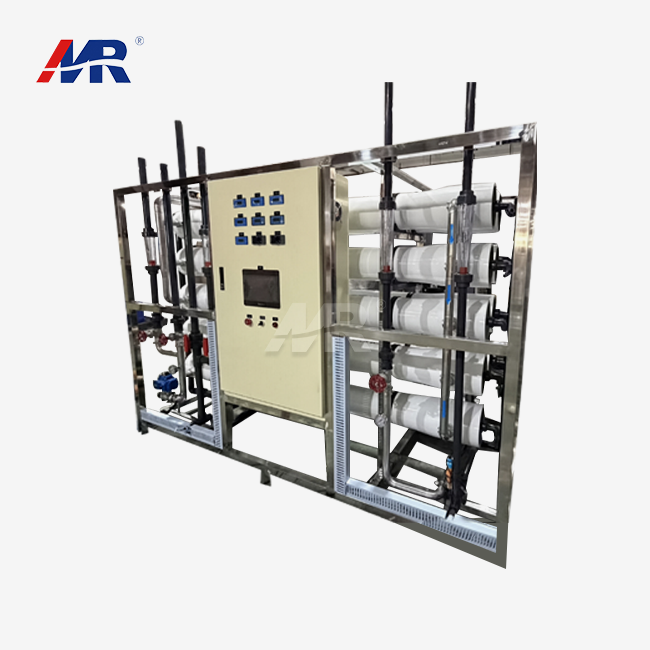 VIEW MORE8 stage reverse osmosis system
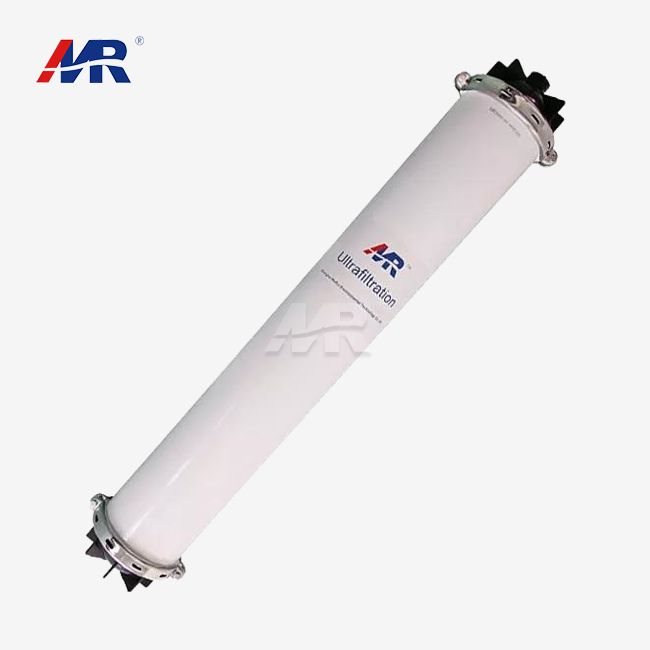 VIEW MOREultrafiltration membranes for water treatment
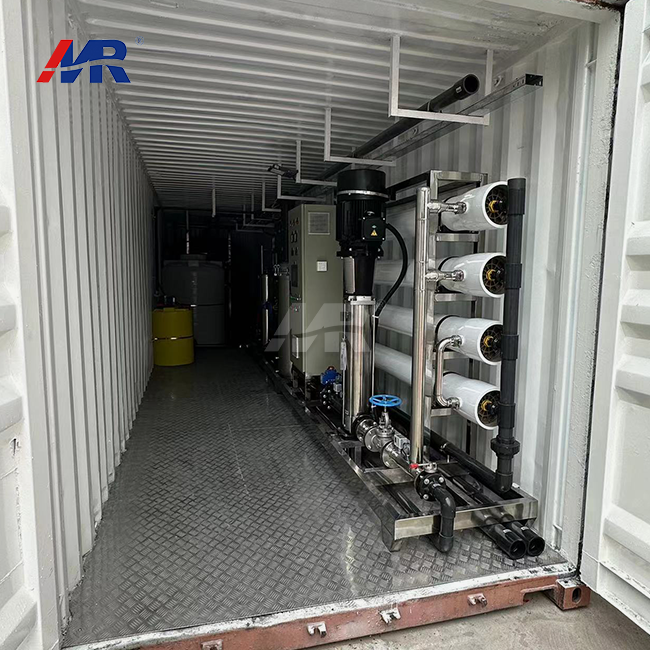 VIEW MOREcontainerized ro system
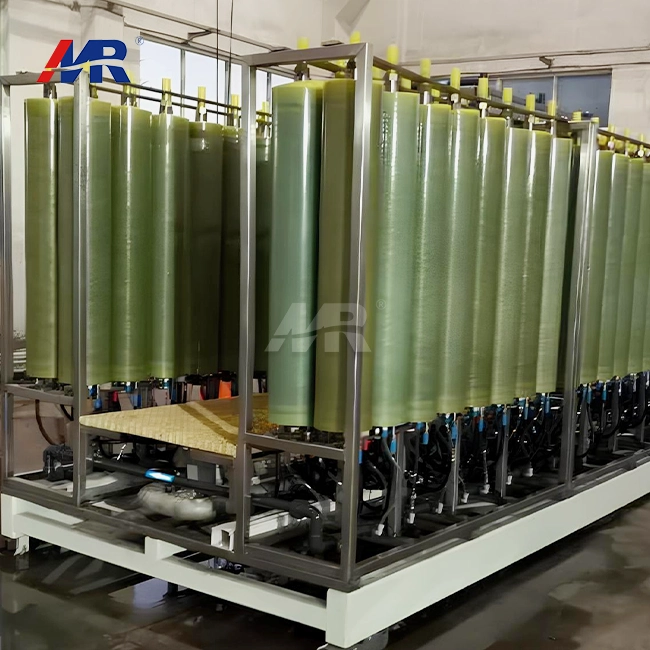 VIEW MOREDTRO for Wastewater Treatment
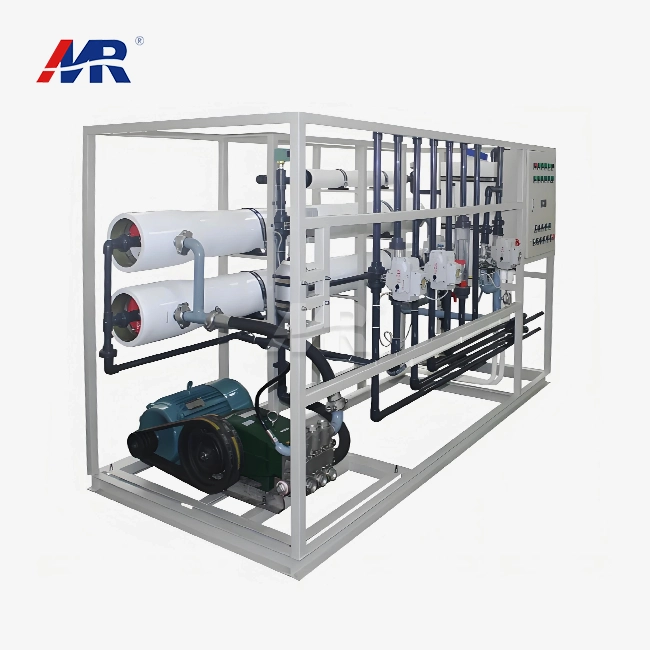 VIEW MOREseawater desalination pre-treatment
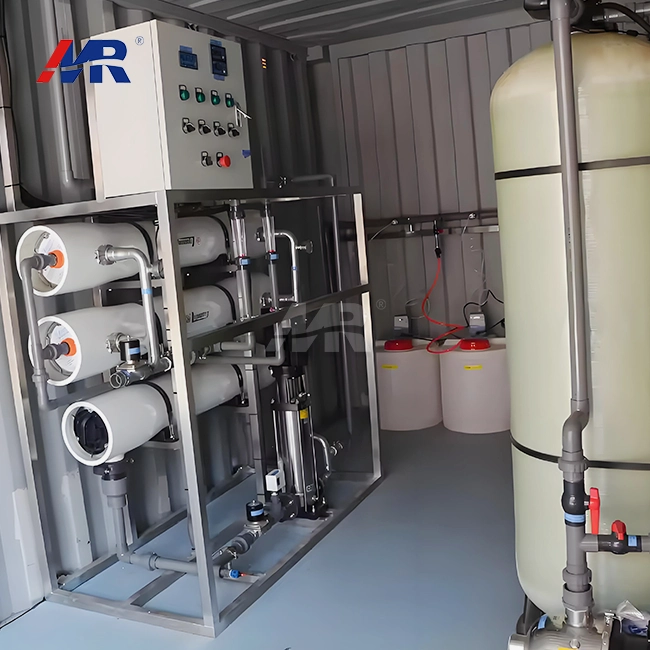 VIEW MOREcontainerized reverse osmosis system
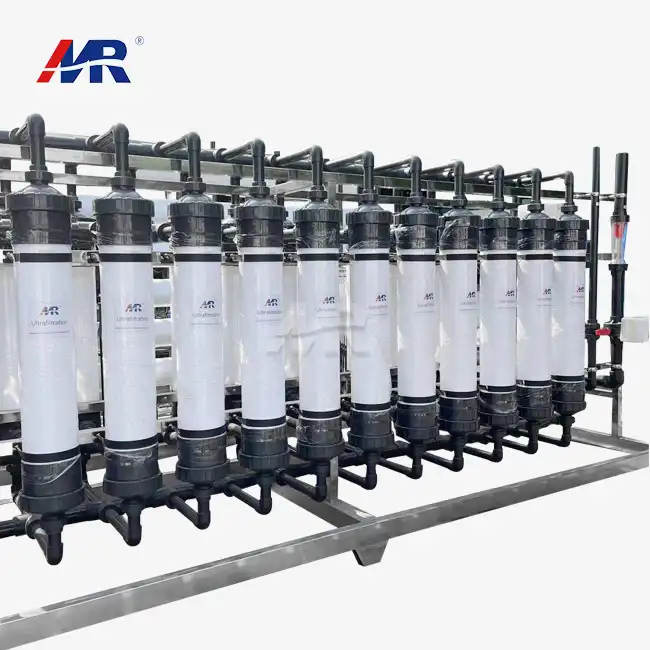 VIEW MORE30m3/hour ultrafiltration equipment
 VIEW MORE50m3/hour ultrafiltration plant
