

_1745823981883.webp)

Which RO Configuration Works Best for Leachate Water Treatment?
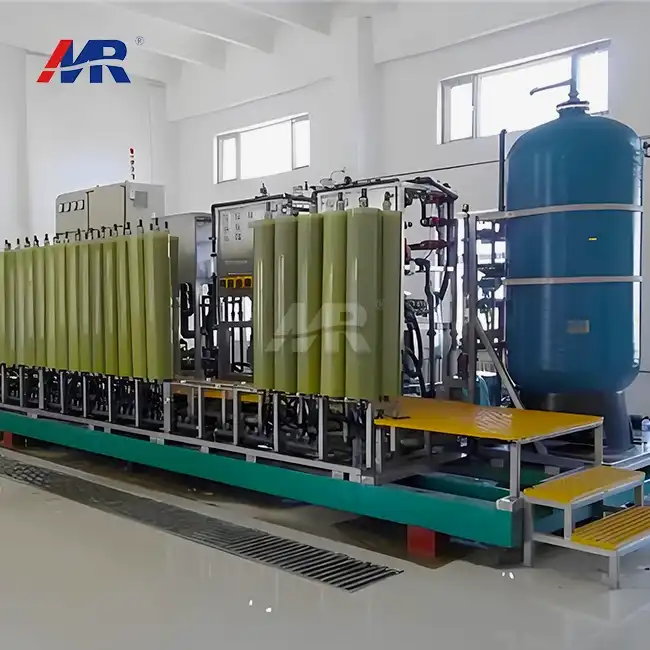
When addressing leachate water treatment challenges, the choice of reverse osmosis (RO) configuration directly impacts treatment effectiveness, operational longevity, and compliance with discharge standards. Double-pass RO systems combined with robust pre-treatment—such as membrane bioreactor (MBR) followed by ultrafiltration—consistently deliver optimal results across municipal solid waste (MSW) landfills, waste incineration plants, and hazardous waste facilities. This configuration balances high contaminant removal efficiency, managing COD levels exceeding 60,000 mg/L and ammonia nitrogen concentrations between 2,000 and 5,000 mg/L, while ensuring membranes withstand the rigorous demands of refractory organics and heavy metals.
Introduction
One of the hardest parts of managing industrial wastewater is dealing with landfill leachate. This very dirty liquid seeps through trash in dumps and burning plants. It has very high levels of organic matter, heavy metals, ammonia nitrogen, and salts that are harmful to the quality of groundwater and surface water. Not properly treating wastewater leads to more than just damage to the environment; it also causes fines from the government, risks to public health, and the formation of "black and smelly" bodies of water that hurt ecosystems and community well-being.
Reverse osmosis has become a crucial method for leachate water treatment, especially as a third stage of purification. Its molecular-level filtration gets rid of contaminants that are hard for living things to break down. This makes sure that the effluent passes strict standards for release, like GB 16889-2008 and EPA rules. We have seen how treatment plants change when procurement managers choose the right RO setups for their leachate characteristics, practical limits, and environmental compliance needs.
This complete guide is for engineers and expert decision-makers who are in charge of choosing and buying wastewater treatment systems. Our goal is to give you useful information about RO configurations so that you can make smart choices that balance treatment performance, total cost of ownership, and operating efficiency in a wide range of industrial settings.
Understanding Leachate Water and Treatment Needs
The Complexity of Leachate Composition
Leachate water treatment needs specialized engineering because the features of the influent change a lot depending on the age of the waste, the time of year when it rains, and how the dump is managed. Young leachate from power plants that burn trash usually has very high organic loads (COD values between 15,000 and 60,000 mg/L) and acidic pH levels that make it hard to clean with normal methods. Aged leachate from mature MSW dumps has a different profile, with lower biodegradability indices (BOD₅/COD ratios below 0.1), higher levels of ammonia and nitrogen, and high salt, which makes biological treatment steps work harder.
Heavy metals like chromium, lead, and mercury are always a threat of poisoning, and humic substances give things their brown color and help membranes get clogged. Because of this, normal treatment methods don't work very often; instead, a customized system design is needed.
Critical Pain Points Solved by Advanced Treatment
There are three main problems that owners of municipal landfills and hazardous garbage disposal places have to deal with. To keep groundwater from getting contaminated, persistent organic toxins that move through the land must be regularly removed. More and more strict release limits mean that treatment systems need to be able to handle shock loads during storms when leachate amounts rise. High levels of ammonia stop living things from doing their jobs in waste systems further down the line, so nitrogen needs to be managed before it is released or processed further.
A multi-barrier method is needed for effective leachate control in leachate water treatment. Biodegradable organics are reduced, and ammonia conversion starts with pre-treatment using both anaerobic and aerobic biological processes. Physical-chemical cleaning, such as coagulation, flocculation, and sedimentation, gets rid of colloidal and suspended solids. Then, RO is the important third step, getting rid of contaminants in a way that biological and regular physical methods can't.
Core RO Configurations Used in Leachate Treatment
Single-Pass RO Systems
Single-pass RO setups send leachate that has already been treated through one set of membrane arrays. This is a simple design that requires less starting capital. These systems work best when the makeup of the leachate is steady and not heavily polluted. For example, they can be used to handle runoff from closed dumps or streams that are diluted with other industrial wastewater. Single-pass systems are good for smaller local sites with few technical staff because they are easy to use and don't need as much training or upkeep.
But problems show up when you mix old waste with a lot of dissolved solids or when you have strict goals for the cleanliness of the effluent. Water recovery rates are usually between 50 and 65%, which means that large amounts of concentrate need to be managed further. Even though acceptable contamination rejection rates may not meet zero liquid discharge (ZLD) goals or direct reuse standards without extra cleaning steps, they are still good enough for many uses in leachate water treatment.
Double-Pass RO and Enhanced Removal
In double-pass RO setups, the permeate from the first membrane step goes through a second RO array, which gets rid of a lot more contaminants. This method works really well in places that get rid of toxic trash because very strict limits must be met for trace organics, heavy metals that are still present, and dissolved salts. The second pass usually works at lower pressure than the first because the quality of the feed water has already been greatly improved. This means that less energy is needed to achieve the same level of cleaning.
The money spent on double-pass systems pays off in the form of operating freedom and trust from regulators. The dual-barrier security is good for treatment plants that serve medicine factories or electronics factories that make high-purity process water. Changing working settings between stages and balancing concentrate management costs against permeate production goals makes it possible to get the most water back.
Integration with Ultrafiltration and Microfiltration
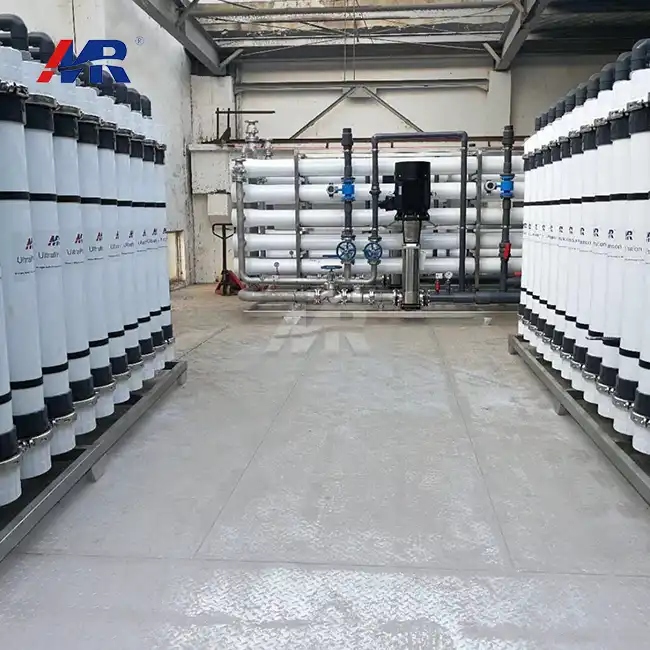
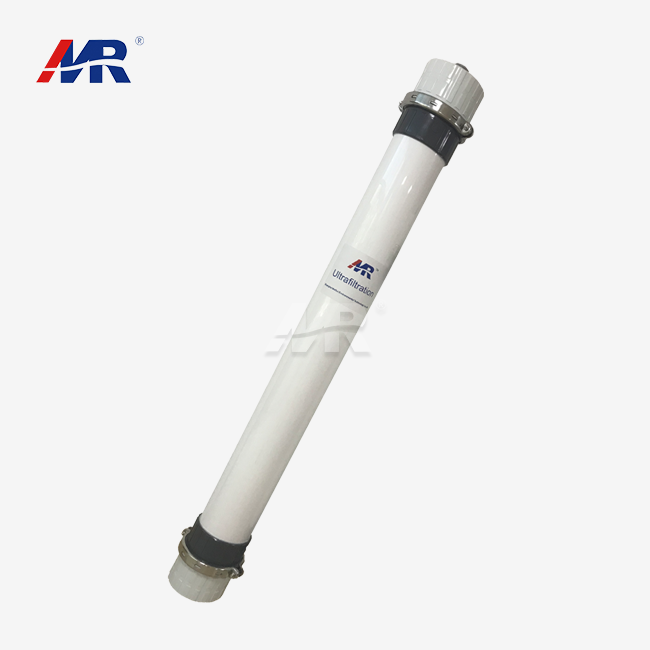
The problem of membrane fouling can be solved by putting ultrafiltration or microfiltration before ro membranes. With pores that are about 0.01-0.1 microns wide, uf membranes get rid of dissolved solids, bacteria, viruses, and colloidal particles that would normally stick to the surfaces of RO membranes. This pre-treatment makes the RO membrane last longer, from two to three years to four to five years in many setups. This lowers the overall cost of ownership by a large amount, even though it costs more up front.
MBR technology, which combines biological treatment with membrane separation, has changed the way waste is treated by always producing low-turbidity runoff that is perfect for RO processing further down the line. The biological part lowers the amount of organic matter that is loaded in and starts the nitrification process. The membrane barrier makes sure that particles are removed no matter how they settle. MBR-RO integration is especially helpful for power plants that burn trash and deal with new leachate that has very high levels of organic matter.
Advanced Hybrid Configurations
For the best treatment results, modern systems use nanofiltration, advanced oxidation processes (AOPs), or disc tube reverse osmosis (DTRO). DTRO systems can handle high pressures of up to 80 to 100 bar, which lets them work reliably with old leachate that has a lot of dissolved solids that would clog up regular spiral-wound membranes. The disc tube shape makes mechanical cleaning easier, which cuts down on chemical use and downtime.
Before the membrane treatment in leachate water treatment, AOPs that use ozone, hydrogen peroxide, or UV light break down organics that are hard to break down into molecules that are easier to break down. This chemical preparation lowers the organic fouling potential and gets rid of color-causing molecules that don't go away after biological treatment. Nanofiltration placed between regular RO stages selectively removes divalent ions while letting monovalent salts pass. This lets treatment be adjusted to meet the specific chemical needs of the discharge.
Comparison of RO Configurations Based on Key Procurement Metrics
Treatment Efficiency and Regulatory Compliance
When choosing RO setups for leachate water treatment, you need to carefully compare them to performance standards that are important to your operations. We found that double-pass RO regularly gets rid of 98–99.5% of dissolved organics, heavy metals, and ammonia nitrogen, while single-pass systems only get rid of 90–95%. This difference in performance is very important when discharge permits set strict limits, like total nitrogen below 40 mg/L, COD below 100 mg/L, or heavy metal amounts in the single-digit ppb ranges.
Hybrid systems that use both MBR pre-treatment and double-pass RO produce wastewater that meets standards for commercial recovery or even potable water use after the right post-treatment. Power plants that need ultrapure boiler feedwater and petrochemical plants that treat oilfield reinjection water are specifying these designs more and more, even though they are more complicated.
Operational Costs and Total Ownership
Only 30 to 40 percent of the total costs of running an RO system to treat wastewater are capital costs. Operating funds are mostly made up of money for things like replacing membranes, using chemicals, and getting rid of concentrates. Single-pass systems need 3 to 6 kWh of electricity for every cubic meter of permeate they make, while double-pass systems need 5 to 9 kWh/m³, though this depends on the quality of the feed water and the rate of recovery.
When to change the membranes depends a lot on how well the pre-treatment worked. If an installation doesn't have strong ultrafiltration, the RO membrane may need to be replaced every 18 to 24 months, which can cost anywhere from $150,000 to $300,000. When mixed setups are set up correctly and with thorough pre-treatment, membrane service life can be extended to 4 to 5 years, which cuts annualized costs by 40 to 50 percent.
Scalability and Operational Flexibility
Modular RO systems solve the problem of changing leachate amounts caused by yearly rain and changes in how the dump works. Instead of planning for peak capacity and working inefficiently during slow times, modular setups let investments be made in stages that match the growth of trash removal. Municipal solid waste dumps that want to increase their allowed capacity can add membrane trains in stages. This avoids having to pay for large capital purchases and keeps the system running at its best for as long as it lasts.
The difficulty of maintenance affects the continuity of operations and the number of people needed. While DTRO systems work great with tricky leachate mixtures (leachate water treatment), they need highly specialized technical know-how to maintain and clean the disc stacks. There is a lot of technical knowledge and competition in the service networks for conventional spiral-wound RO setups, which cuts down on downtime and replacement costs. When making decisions, people have to weigh the benefits of better professional performance against the skills and services available in their area.
Conclusion
Leachate water treatment requires careful consideration of site-specific conditions, legal standards, and lifetime costs when choosing the best RO configuration. Double-pass methods that include full pre-treatment always work better in a wide range of situations, but single-pass setups are still cheaper for situations that aren't as demanding. When you put in strong pre-treatment, especially MBR and ultrafiltration steps, the membranes last longer and cost less to run, so it's a good investment. Suppliers with proven technology, a wide range of services, and open partnerships that support treatment goals throughout the lifespan of a project should be given top priority by decision-makers. They should also keep an eye on legal compliance and environmental stewardship.
FAQ
1. What distinguishes single-pass from double-pass RO in leachate applications?
With single-pass RO, water that has already been treated goes through a single membrane stage, getting rid of 90–95% of the contaminants that aren't harmful and meeting mild discharge guidelines. Double-pass systems treat the first-stage permeate by passing it through more membranes, which gets rid of 98–99.5% of the contaminants, which is needed for strict rules or uses that recover water. The second pass uses less power because the quality of the feed has already been better. This makes the best use of energy for leachate water treatment while still getting the most out of the treatment.
2. How long do RO membranes last when treating landfill leachate?
The membrane's life span ranges from 18 months to 5 years, mostly based on how well it was treated before use and how it is operated. Installations that have full ultrafiltration and the right chemical preparation can last for four to five years. On the other hand, installations that don't have enough pre-treatment may need to be replaced every 18 to 24 months. Cleaning the membrane regularly, keeping an eye out for fouling, and sticking to the design working parameters will greatly increase its lifespan and treatment effectiveness.
3. Can RO systems effectively handle high ammonia nitrogen concentrations?
85–95% of ammonia nitrogen is rejected by RO membranes, but biological pre-treatment through nitrification and denitrification is needed for the most cost-effective treatment. If you only try to remove ammonia through RO, the membrane will get clogged up quickly, and the costs of running will go up. Integrated systems that combine biological nitrogen reduction with RO cleaning work best, lowering the ammonia levels in the influent from 2,000 to 5,000 mg/L to below 40 mg/L through a process of staged treatment.
Partner with Morui for Advanced Leachate Treatment Solutions
To solve the problems your facility is having with leachate water treatment, you need professional know-how, tried-and-true technology, and a flexible relationship. Guangdong Morui Environmental Technology specializes in creating and making custom RO systems for use in garbage dumps, factories, and places where trash is burnt. Our vertically combined capabilities, which include making membranes and installing them for you, make sure that quality is controlled and costs are kept as low as possible throughout the whole project. With factories that process equipment, partnerships with top component brands like Shimge Water Pumps and Runxin Valves, and engineering teams with experience in both the municipal and industrial sectors, we can give you reliable leachate water treatment systems that are tailored to your needs and the rules that you have to follow.
Get in touch with our engineering team to talk about the specifics of your leachate, your treatment goals, and the limitations of your site. We'll make unique proposals that compare different configuration choices and include clear lifetime cost estimates. This will help you make smart decisions about what to buy. Our customers like our all-around approach, which includes initial feasibility studies, help during commissioning, and ongoing optimisation services. This makes sure that treatment systems work as planned for the entire time they are in use. Email benson@guangdongmorui.com to set up a professional meeting with our leachate water treatment system supplier team and learn more about how our solutions can help you with your wastewater treatment problems.
References
1. Renou, S., Givaudan, J.G., Poulain, S., Dirassouyan, F., & Moulin, P. (2008). "Landfill leachate treatment: Review and opportunity." Journal of Hazardous Materials, 150(3), 468-493.
2. Ahmed, F.N., & Lan, C.Q. (2012). "Treatment of landfill leachate using membrane bioreactors: A review." Desalination, 287, 41-54.
3. Zhao, R., Gupta, A., Novak, J.T., Goldsmith, C.D., & Driskill, N. (2013). "Characterization and treatment of organic constituents in landfill leachates that influence the UV disinfection in the publicly owned treatment works (POTWs)." Journal of Hazardous Materials, 258-259, 1-9.
4. Kurniawan, T.A., Lo, W.H., & Chan, G.Y.S. (2006). "Physico-chemical treatments for removal of recalcitrant contaminants from landfill leachate." Journal of Hazardous Materials, 129(1-3), 80-100.
5. Wiszniowski, J., Robert, D., Surmacz-Gorska, J., Miksch, K., & Weber, J.V. (2006). "Landfill leachate treatment methods: A review." Environmental Chemistry Letters, 4(1), 51-61.
6. Trebouet, D., Schlumpf, J.P., Jaouen, P., & Quemeneur, F. (2001). "Stabilized landfill leachate treatment by combined physicochemical-nanofiltration processes." Water Research, 35(12), 2935-2942.
 VIEW MORELandfill Leachate Treatment System
 VIEW MOREseawater desalination equipment
 VIEW MOREro uf filter
 VIEW MOREseawater treatment system
 VIEW MOREContainerized Mobile Water Treatment Systems
 VIEW MORE8040 seawater reverse osmosis membrane
 VIEW MORE2000m3/day ultrafiltration equipment
 VIEW MOREultrafiltration membrane for wastewater treatment
