_1745823981883.webp)

7 Stage Water Filtration System Review: What to Look For
When evaluating a 7 stage water filtration system, procurement teams must assess filtration efficiency, component quality, certification compliance, and long-term operational cost. These advanced multi-barrier purification systems deliver comprehensive contaminant removal through sequential physical, chemical, and biological stages—addressing everything from sediment and chlorine to heavy metals, PFAS compounds, and microbiological threats. The extra stages beyond standard reverse osmosis configurations enable deeper purification and pH restoration, making them ideal for industries requiring consistent high-purity water. Understanding the specific role of each filtration stage, verifying NSF Certifications, and confirming supplier service capabilities are critical steps to securing a system that meets both regulatory standards and operational demands.
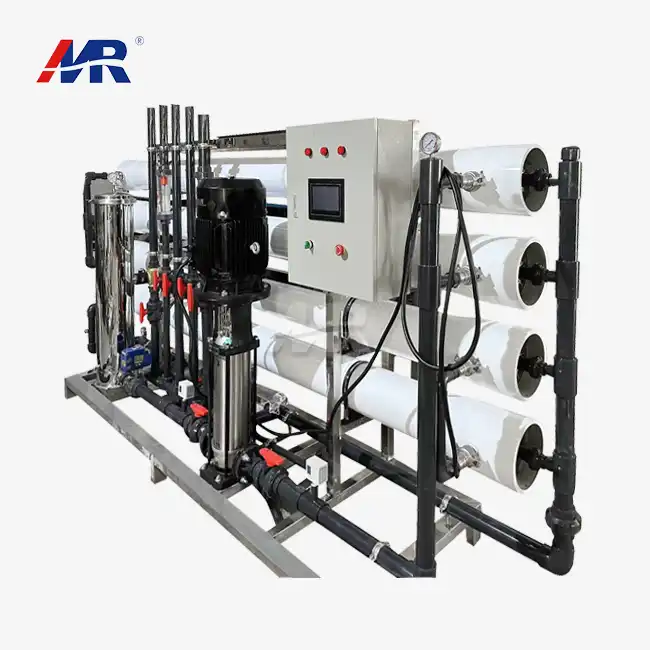
Understanding the 7 Stage Water Filtration System
A 7-stage water filtration system is a very precise way to clean water that works by filtering it through seven different physical, chemical, and biological barriers. In contrast to standard 3- or 5-stage designs, this more advanced one usually includes a sediment pre-filter, granular activated carbon, a carbon block, a reverse osmosis membrane, post-carbon polishing, remineralisation, UV sterilisation, or alkaline adjustment.
Core Components and Their Functions
Each part of the system does something different to get rid of contaminants and improve the quality of the water. The PP silt filter picks up particles as small as 5 microns, which keeps membranes further downstream from getting clogged up too soon. Granular activated carbon gets rid of chlorine, volatile organic compounds, and smelly substances. The carbon block stage adds another layer of defence against chemical contaminants.
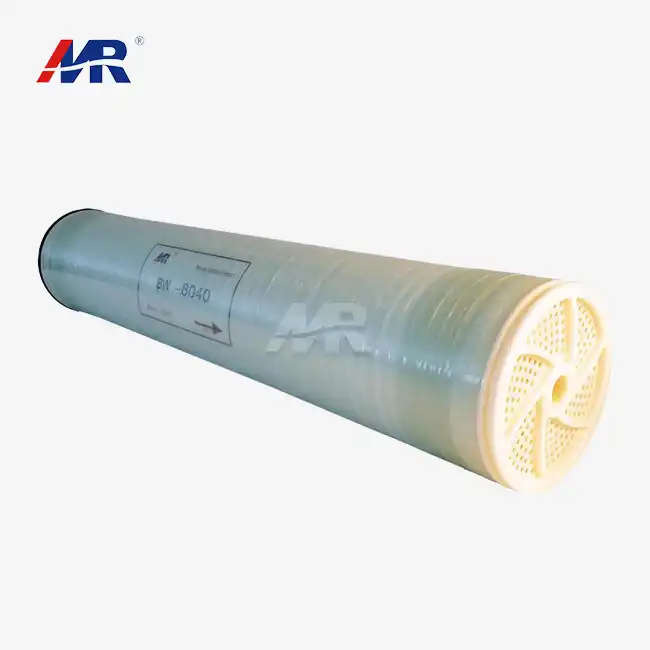
The reverse osmosis membrane works with 0.0001 micron accuracy, getting rid of up to 98% of dissolved salts, heavy metals like lead and arsenic, and new toxins like PFAS and PFOS. Post-carbon polishing improves the smell and taste even more, and remineralisation adds back minerals like calcium and magnesium that RO processing takes away. The last step, either UV sterilisation or alkalinity treatment, kills any microbes and keeps the pH level balanced. This stops the harsh acidity that is common in regular RO water.
Addressing Industry Pain Points
This configuration solves important operational problems in B2B settings. High amounts of total dissolved solids in source water are lowered to safe levels. This happens when water is used for gardening or cooling in factories. Membrane-level filtration gets rid of heavy metal leaching, which is a problem in the production of drugs and food. The method also deals with forever chemicals, which can make it hard for garbage treatment and drinking water facilities to follow the rules. Remineralisation to raise the pH level stops rust in delivery systems and meets taste standards in business settings.
Key Benefits and Performance Advantages
Using multistage filtration technology is better than using easier methods of purification in measured ways. With the complete barrier method, there are two barriers, so the water quality stays the same even if some of them start to fail.
Superior Contaminant Removal Capability
More advanced systems than simple RO units, such as a 7 stage water filtration system, can get rid of a wider range of pollution. Testing by a third party shows removal rates of over 96% for dissolved solids, 99% for bacteria and viruses when UV is added, and a big drop in pesticides, drugs, and microplastics. This level of cleaning is necessary in medical offices where dialysis machines need low-TDS water and in electronics factories where leftover minerals mess up the cleaning processes that are meant to be precise.
In addition to getting rid of contaminants, the remineralisation stage of the 7-stage water filtration system fixes a common problem with RO water that is too salty and lacks minerals. Adding small amounts of calcium and magnesium again keeps the pH level between 7.0 and 8.5. This improves the taste and stops the corrosive properties that damage pipes. You can get bottled-quality alkaline water straight from the tap, which is a trait that high-end industrial kitchens and dental offices like.
Operational Efficiency and Maintenance Considerations
Compared to 5-stage options, the extra processing stages make the system last longer by spreading the work of filtering across more parts. Pre-filters get rid of large amounts of contamination so that the expensive ro membrane can be used for molecular-level separation. This staged method cuts down on how often membranes need to be replaced, which is a big cost factor in business operations.
But upkeep needs go up in direct proportion to how complicated the system is. Different stages of filters need to be changed at different times. In settings with a lot of silt, sediment filters need to be changed every three months, carbon filters every six to twelve months, RO membranes every 24 to 36 months, and UV lamps every year. Organisations need to plan for these ongoing costs and set up repair schedules to keep efficiency from dropping. Filter clogging is still the biggest problem, especially when the quality of the source water changes. By putting pressure gauges at key steps, workers can keep an eye on the difference in pressure and plan replacements before a flow restriction stops production.
Market Comparison: Choosing the Best System in 2026
There are a lot of different price ranges, licences, and performance requirements on the world market. People who work in procurement can find good producers by looking at how well they've done in the past with industrial uses.
Leading Manufacturers and Certification Standards
Reliable suppliers keep NSF/ANSI 58 certification for reverse osmosis systems and NSF 42 certification for better looks. These third-party validations back up claims of structural integrity and contaminant reduction through testing done in a separate lab. Testing the housing for hydrostatic burst pressure at 300 to 500 PSI makes sure it can handle water hammer events that happen a lot in city and industry supply lines.
Micro-leaks that damage water purity and system performance can be stopped by vacuum leak testing of manifold parts. TDS rejection stability checks make sure that the RO membrane keeps more than 96% rejection after 24 hours of nonstop use. This is an important measure for pharmaceutical uses where consistency affects product quality directly. Mineral leaching stays within healthy, non-scaling concentrations, as shown by spectrophotometric measurement of remineralisation steps.
Price-Performance Analysis
The most basic commercial units cost between $1,500 and $3,000. They're good for small medical offices or farms that need to handle a moderate amount of traffic every day. Mid-range systems, which cost between $4,500 and $8,500, have higher flow rates and parts that last longer, so they're good for restaurants, dentist offices, and small factories. Enterprise-grade versions cost more than $10,000 and treat large amounts of wastewater, desalinate seawater for projects, and meet the needs of industrial process water.
Real-life reviews from business customers show that the initial cost is only one part of the total cost of ownership. Even though they cost more at first, systems with replacement filters that are easy to find and local service support have lower long-term costs. Teams in charge of buying things should ask for detailed cost-per-gallon estimates that take into account things like replacing filters, energy use, and planned maintenance visits over the course of three years.
Procurement and Installation Insights for B2B Buyers
For system deployment to go smoothly, you need to carefully choose your vendor and have a professional plan for your installation. Companies lower their risks by working with providers that offer full help for the whole lifecycle of their equipment.
Selecting Qualified Suppliers
Trusted wholesalers offer clear guarantee terms, usually between one and three years for housings and computer parts, with separate coverage for filters that need to be replaced. Delivery times depend on how complicated the system is. For standard configurations, including a 7 stage water filtration system, parts are available right away, while custom industrial installations take 4 to 8 weeks. Suppliers with local service networks can react more quickly to repair needs and keep parts that are often changed in stock.
Verification of certification is still very important when evaluating a seller. If they are available, ask for copies of the NSF certifications, ISO 9001 quality management documentation, and FDA compliance letters. These qualifications show that the company follows strict rules for making that keep Products from getting contaminated or falling apart.
Installation Requirements and Professional Support
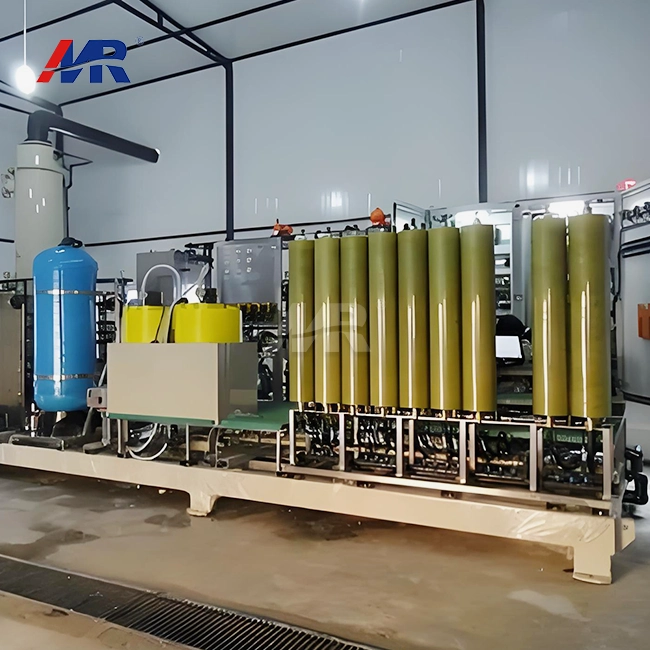
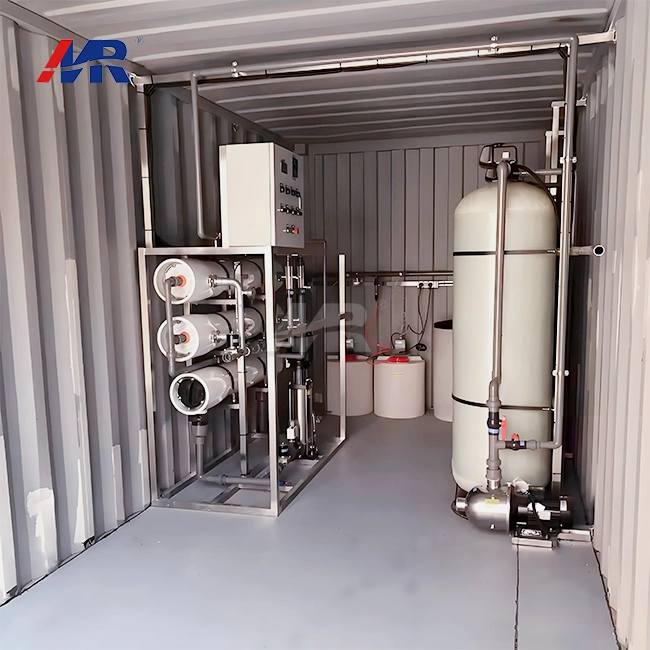
System ability affects how hard it is to install. For small business kitchens, compact under-counter units need basic plumbing lines and power access for UV stages. This is usually done in two to four hours. Floor-mounted skid assemblies, specialised electrical circuits, drain line modifications, and pressure control equipment are needed for industrial setups. These jobs take several days and cost between $3,000 and $10,000 for materials and labour.
Proper membrane seating, pressure calibration, and leak prevention are all ensured by professional installation, all of which have a direct effect on long-term reliability. Many commercial warranties are null and void if setup is done by someone who isn't authorised to do so. This is why hiring certified installers is a good idea. Pre-installation site studies find problems like low water pressure (at least 40 to 60 PSI for RO to work), limited room, and limited electrical capacity that might cause deployment to be delayed.
How to Select the Right System for Your Business?
Strategic selection lines up the filter system's skills with quality goals and operating needs. A methodical evaluation process stops spending too much on capacity that isn't needed or not specifying enough, which lowers the quality of the output.
Defining Water Quality Needs
First, check the source water for harmful chemicals. Water from cities usually has chlorine, chloramines, and variable TDS levels. Well water, on the other hand, has sediment, iron, and hardness minerals and could have bacteria in it. Heavy metals, chemical leftovers, and biological oxygen demand may be in industrial wastewater, so it needs to be treated first before it goes through the reverse osmosis steps.
Laboratory research gives you the basic information you need to choose the right filtration steps. When it comes to rejecting water with more than 1,000 ppm TDS, commercial-grade RO filters work better. Agricultural areas often have high levels of nitrate, which means that special anion exchange media are needed before RO processing. Because of worries about microbes in country well systems, UV sterilisation is the last line of defence.
Capacity and Footprint Considerations
System size is based on the daily amount needed. Figure out peak demand instead of average consumption. For example, pharmaceutical companies may need extra capacity during production shifts, while restaurants need the most output during peak service hours. Systems that are too small have trouble keeping up with demand and flow when they're busy, which can disappoint users and even shut down operations.
Choices about configuration are affected by the amount of space available. In business kitchens that are already full, wall-mounted units save floor space, and in industrial settings, vertical tank setups reduce the size of the footprint. Placement choices should be based on how easy it is to change filters. For example, parts that need to be serviced every three months should be placed so that they don't interfere with nearby equipment.
Budget and Return on Investment
The total cost of ownership includes more than just the purchase price. It also includes installation, maintenance contracts, consumables, energy use, and repairs. A 7-stage water filtration system with good filter designs can lower wastewater ratios from the usual 3:1 or 4:1 to 1.5:1, which saves a lot of money on water costs in large-scale uses. Booster pumps that use less energy lower the costs of running a business that has more than one shift.
Find the payback periods by comparing the costs of the system to other options, like paying for bottled water delivery, off-site water purification services, or treatment chemical costs. Many business users get their money back in 12 to 24 months by saving money on operations and getting better products, which lowers the number of rejects in the manufacturing process.
Conclusion
When choosing a multi-stage cleaning system, you need to carefully look at the filter technology, the supplier's reputation, the installation requirements, and the cost of running the system. The all-around barrier method gets rid of contaminants better and keeps water quality stable, which is important for industries like pharmaceuticals, food processing, electronics, medicine, and cities. Teams in charge of buying things should give NSF-certified systems from companies that offer clear warranty terms, local service support, and a thorough study of the costs over the whole lifespan the most weight. A planned investment in skilled installation and preventative maintenance routines for these complex systems guarantees their reliable operation, which safeguards product quality, complies with regulations, and gives a clear return on investment over the course of their useful life.
FAQ
1. How often do filter stages require replacement?
Replacement times depend on the stage and the quality of the source water. In city settings, sediment pre-filters usually last between 3 and 6 months, but if the water from a well is very cloudy, they may need to be changed every month. Depending on the amount of chlorine and how often they are used, carbon filters work well for 6 to 12 months. Under normal conditions, RO membranes last 24 to 36 months, but they break down faster if they aren't treated properly first. To keep sterilisation working well, UV lamps need to be replaced every year, and remineralisation cartridges last between 12 and 18 months. Setting a replacement schedule based on readings of the pressure differential and tests of the output quality makes the system work better and the parts last longer.
2. When is it important to have a seven-stage configuration versus simpler systems?
The extra steps of preparation are needed because the source water profiles are complicated and contain many types of contaminants. Comprehensive treatment is good for well water that has sediment, iron, hardness, and bacteria in it. Remineralisation is needed in industrial settings that need to get rid of contaminants and add certain minerals. When the main goal is to improve taste and smell, simpler 3–5 stage systems work well for municipal water sources with moderate levels of chlorine and TDS. When source water changes can affect the quality of the product or when regulations require extra safety barriers, it makes financial sense to add more stages. When is it important to have a 7-stage water filtration system instead of a simpler one?
Partner With Morui for Industrial Water Purification Solutions
Guangdong Morui Environmental Technology specialises in providing complete water treatment systems that are made to fit the needs of industry, pharmaceutical, food processing, and public settings. Our engineering team has more than 20 years of experience creating multistage filter systems that meet strict quality standards and keep costs as low as possible. We integrate tested technologies from partners in the industry, such as Shimge Water Pumps, Runxin Valves, and Createc Instruments, as a leading 7-stage water filtration system supplier. We manufacture our own membrane components in ISO-certified manufacturing facilities.
Our "turnkey" method includes designing the system, making the equipment, installing it on-site, and fully commissioning it. We have 20 dedicated engineers spread out across 14 area branches to help with this. Our technical experts create unique solutions that meet your quality goals and budget, whether your business needs ultrapure water that is safe for pharmaceuticals, processing water that meets food safety standards, or recycling of industrial wastewater. Get in touch with our purchasing team at benson@guangdongmorui.com to talk about your unique water treatment needs and get full technical specifications along with competitive volume prices for your next project.
References
1. United States Environmental Protection Agency. (2023). Drinking Water Treatment Technologies: Reverse Osmosis and Nanofiltration. EPA Water Treatment Guidance Manual.
2. National Sanitation Foundation International. (2022). NSF/ANSI Standard 58: Reverse Osmosis Drinking Water Treatment Systems - Performance Requirements and Testing Protocols. NSF Certification Standards.
3. American Water Works Association. (2023). Water Quality and Treatment: A Handbook on Drinking Water (7th Edition). AWWA Technical Publications.
4. World Health Organisation. (2022). Guidelines for Drinking-Water Quality: Fourth Edition Incorporating the First and Second Addenda. WHO Press.
5. Water Quality Association. (2023). Commercial and Industrial Water Treatment Systems: Selection, Installation, and Maintenance Best Practices. WQA Industry Standards.
6. United States Pharmacopoeia. (2023). USP <1231> Water for Pharmaceutical Purposes: Purified Water and Water for Injection Standards. USP Monograph Guidelines.