_1745823981883.webp)

Advanced Leachate Treatment Methods for High-Strength Wastewater
Advanced leachate treatment methods encompass a multi-stage engineered approach combining physical, chemical, and biological processes to neutralize highly contaminated liquid effluent from waste decomposition. These specialized treatment methods effectively address high Chemical Oxygen Demand (COD), ammonia nitrogen, heavy metals, and refractory organic compounds found in landfill leachate. Modern leachate treatment methods integrate membrane technologies, advanced oxidation processes, and biological systems to achieve stringent discharge standards while managing the variable flow rates and complex pollutant matrices characteristic of mature landfills.
Introduction
When it comes to environmental management, landfill leachate is one of the most difficult types of garbage to deal with. This complicated, high-strength liquid is created when precipitation seeps through trash and pulls out a concentrated mix of organic molecules, mineral salts, heavy metals, and ammonia nitrogen. There are big environmental risks because leachate that isn't handled can pollute groundwater sources, hurt the quality of the soil, and mess up whole ecosystems.
Working with industrial and municipal clients for many years, I've seen how the right treatment approach can turn environmental problems into attainable compliance goals. The problem is bigger than just getting rid of pollution. Leachate properties change a lot depending on how old the dump is, the type of trash it contains, and the time of year. This means that treatment systems need to be flexible and strong. Around the world, rules are getting stricter. For example, in China, GB16889-2008 sets more rigid discharge limits, and in Europe, EU Directive 1999/31/EC does the same.
This complete guide helps people who are buying things, managing facilities, and making decisions find their way around the complicated world of leachate treatment options. We'll look at tried-and-true technologies, compare different strategic approaches, and give you useful tips on how to choose and buy systems that balance performance, cost-effectiveness, and compliance with regulations.
Understanding High-Strength Landfill Leachate and Its Treatment Challenges
Composition and Characteristics of High-Strength Leachate
In terms of both quantity and complexity, high-strength landfill leachate is very different from regular wastewater. Leachate from an old dump usually has COD levels between 5,000 and 20,000 mg/L and ammonia nitrogen levels between 1,000 and 3,000 mg/L. The BOD5/COD ratio is usually less than 0.1, which means that most organic matter doesn't break down normally. Heavy metals like lead, chromium, and cadmium are found with chlorinated compounds, so biological treatment alone is not enough.
Regulatory and Environmental Pressures
In the wastewater treatment sector, buying decisions for leachate treatment methods are based on compliance requirements. In many places, discharge standards now say that COD levels must be less than 100 mg/L and ammonia nitrogen levels must be less than 25 mg/L. Regulations for protecting groundwater have become much stricter because of the knowledge that even small amounts of leachate seepage can make aquifers useless for decades. We see that sustainability and resource recovery are becoming more important, which is pushing sites toward zero liquid discharge (ZLD) designs even though they cost more to build.
Operational Complexity and Scalability Demands
Treatment systems have to be able to handle big changes in flow—for example, rain in the summer can make amounts 300% higher than in the winter. Changes in temperature can make biological treatments less effective, especially in places where it freezes. The hard part is coming up with methods that work the same way no matter what these factors are while also being able to grow as dumps do. Long-term success depends on operational security, which is why strong process control and tracking tools are so important.
Overview of Advanced Leachate Treatment Methods
Modern leachate management uses a number of different leachate treatment methods in a very specific order. Knowing what each method can do helps procurement teams come up with the best solutions for their needs. The methods listed below are the best practices in the business right now, and each one has its own benefits when used in full treatment plans.
Biological Treatment Systems
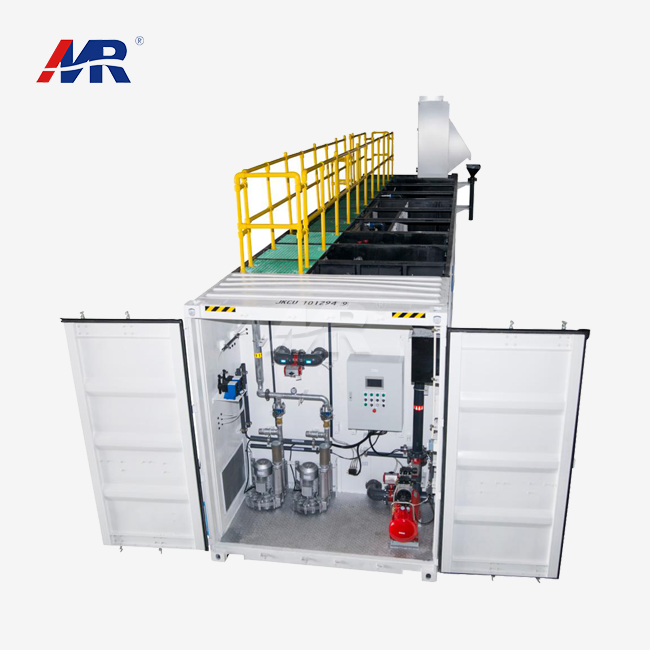
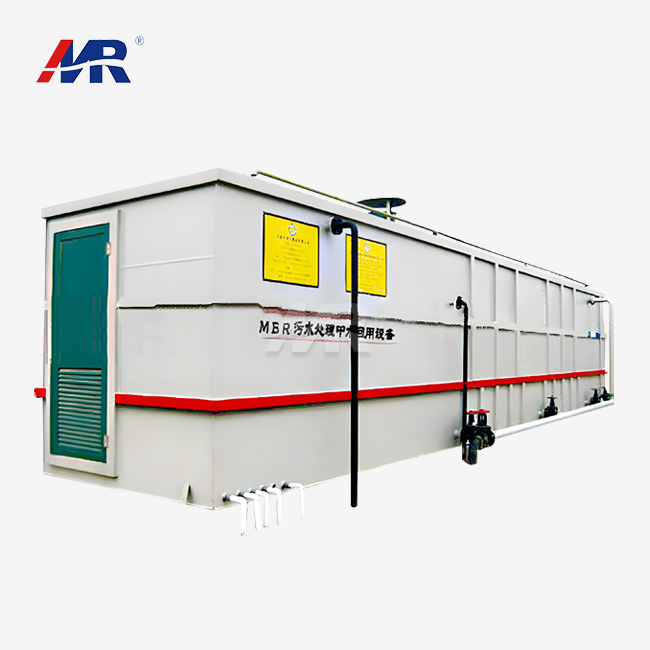
Activated sludge methods are still the best way to treat young leachate that has a better biodegradability ratio. The anoxic/oxic (A/O) setup successfully lowers ammonia through cycles of nitrification and denitrification. Systems that are properly built can remove over 90% of ammonia. Sequencing batch reactors (SBR) are operationally flexible because they can change treatment cycles based on the quality of the leachate. Moving bed biofilm reactors (MBBR) can hold a lot of biomass in a small area, making them perfect for places that don't have a lot of room. Membrane bioreactors (MBR) treat wastewater biologically and ultrafiltration makes it clean enough for further cleaning while keeping the tank volume smaller than regular activated sludge systems.
Chemical Treatment Approaches
Chemical oxidation breaks down organic compounds that are hard for living things to break down. Advanced oxidation processes (AOP) that use Fenton's reagent, ozone, or UV-catalyzed hydrogen peroxide break down complicated molecules into smaller molecules that can be broken down by living things. Coagulation-flocculation gets rid of colloidal matter and floating solids, which lowers membrane fouling further downstream. Chemical precipitation removes certain contaminants, like heavy metals and phosphorus, making stable sludges that can be thrown away. Cost is a big issue—using chemicals is a big part of running a business—but the effectiveness of treatment for grown, high-strength leachate makes the investment worth it.
Physical and Membrane Technologies
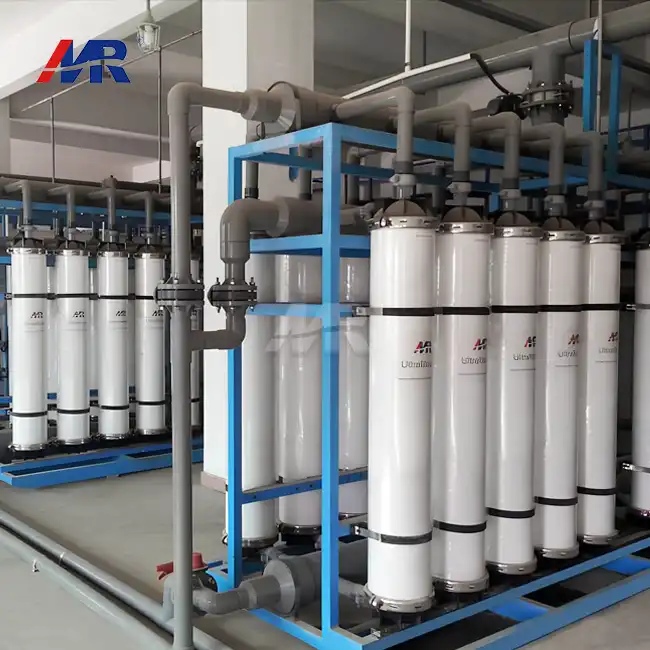
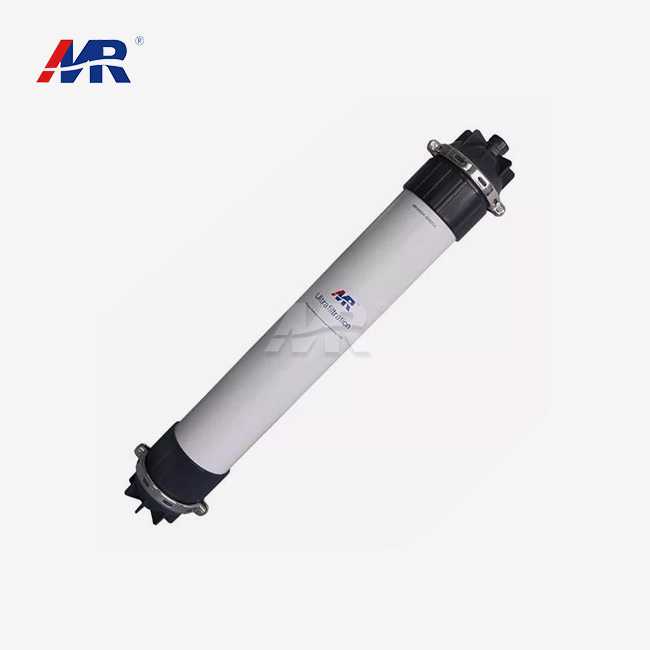
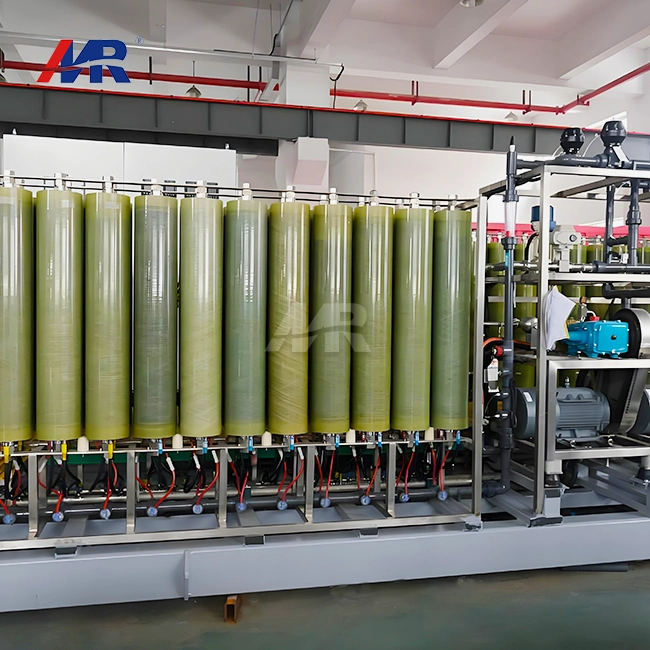
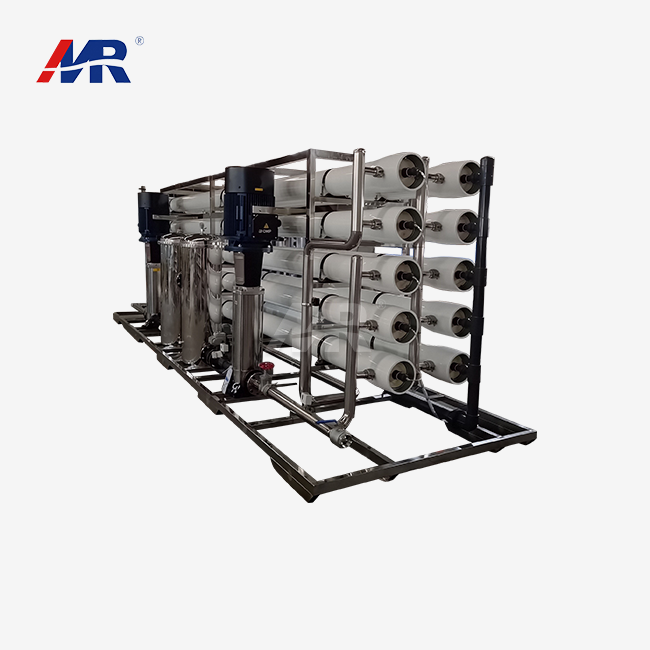
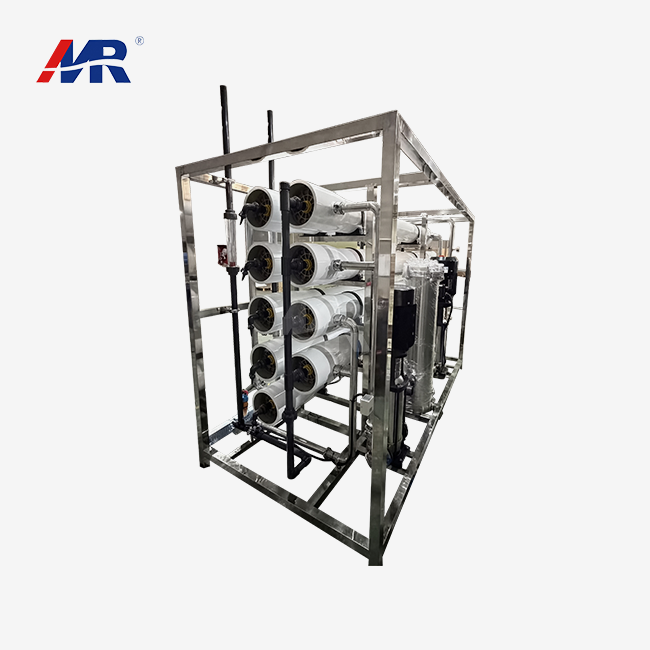
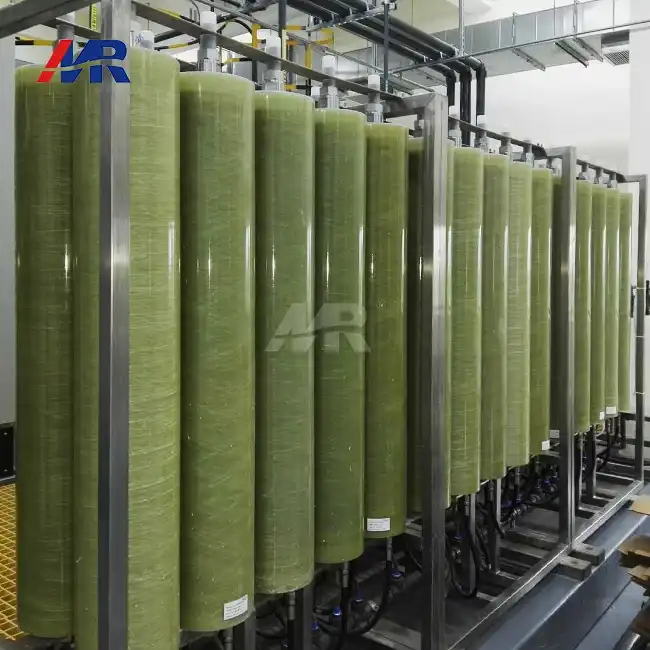
Membrane filtering is one of the most effective leachate treatment methods for separating dissolved solids and meeting strict standards for discharge. High-fouling leachate can be handled by disc tube reverse osmosis (DTRO) systems. Spiral-wound versions are less ideal because the membrane breaks down more quickly. Nanofiltration gets rid of divalent ions but lets monovalent salts through, which is useful for getting rid of only certain contaminants. Ultrafiltration works well as a pretreatment step to keep the reverse osmosis membranes further down the line from getting clogged. The right membrane choice strikes a balance between permeate quality, recovery rates, and operating longevity. For example, even with strict cleaning routines, DTro membranes usually need to be replaced every two to three years.
Emerging Hybrid Technologies
When compared to single-technology methods, innovative mixtures work better. The DTRO-evaporation mix gets rid of all the liquid by concentrating membrane reject streams using MVR (mechanical vapor recompression) or multi-effect evaporation. Bioelectrochemical systems treat with positive energy and get rid of organics that are hard to get rid of. Before standard RO treatment, forward osmosis cuts down on the amount of concentrate. The next big thing in waste management is new leachate treatment methods that need to be carefully looked at in terms of how mature they are, how hard they are to use, and how much they will cost to own in the long run.
Comparative Analysis of Leading Leachate Treatment Strategies
Biological Versus Chemical Treatment Performance
The main question that buying workers have to answer is whether biological or chemical treatment is more important. When the BOD5/COD number is higher than 0.3, which is common in new dumps, biological systems are cheaper to run. As leachate ages and becomes less biodegradable, it needs to be treated with chemicals. We suggest combined methods that use biological treatment for compounds that break down easily, followed by chemical oxidation for organics that are hard to break down. Performance data from city sites show that biological and chemical systems working together can lower COD levels by 85 to 95%, compared to 60 to 70% for biological treatment alone on mature leachate.
Membrane Filtration Versus Conventional Polishing
The quality of wastewater from membrane technology can't be beat, but it's harder to maintain and costs more up front. Reverse osmosis always makes permeate that meets standards for drinking water, so it can be released into sensitive receiving waters or used in a useful way again. Using sand filters and activated carbon for traditional cleaning makes the quality a little better and costs less. The choice depends on the discharge requirements; facilities with strict limits can only use membrane treatment, while sites with fewer rules may be able to save money by using more traditional methods.
Capital Investment and Lifecycle Cost Considerations
Every choice about what to buy is affected by the budget. Biological treatment systems need less money to get started. For activated sludge setups, building costs range from $500 to $800 per cubic meter of daily capacity. For DTRO applications, membrane systems usually cost between $1,200 and $2,000 per cubic metre of volume. When comparing different leachate treatment methods, the costs of running biological systems use a lot of energy for aeration, while the costs of running membrane systems are mostly made up of pump power and regular cleaning. Our study of 20-year lifetime costs shows that membrane systems have a lower total cost of ownership when discharge standards need tertiary treatment, even though they cost more at first.
Conclusion
For advanced leachate treatment methods, you need complex, multi-stage methods that combine biological, chemical, and physical processes that are tailored to the site's conditions. To do a good job of procurement, you need to know how treatments work, look at the total costs over the product's life, and work with providers who can offer proven knowledge and full support. Membrane technologies keep getting better, allowing for higher recovery rates and longer operating life while dealing with leachate mixtures that are getting harder to handle. Biological pretreatment and membrane polishing together are the best way to handle mature, high-strength leachate applications right now. As rules get tighter and more focus is put on recovering resources, new treatment tools and ways of running the business will continue to be developed.
FAQ
1. Why are biological methods alone insufficient for mature landfills?
Low BOD5/COD levels, usually below 0.1, in mature leachate show that most organic substances don't break down biologically. Microorganisms break down matter that breaks down easily, but they can't break down organics that are hard to break down, like humic substances and complex aromatics that are common in old wastewater. Because of this restriction, chemical oxidation or membrane separation are needed to meet legal requirements. Combining methods that use biological treatment for disposable parts and then chemical or membrane cleaning gives the best results while keeping costs low.
2. What is the typical lifespan of membranes in treatment systems?
How long a membrane lasts depends a lot on how well it was treated before and how well it is maintained. Even with strict Chemical-In-Place (CIP) cleaning protocols, DTRO membranes that deal with landfill leachate usually need to be replaced every two to three years. When properly screened and used according to the manufacturer's instructions, mbr membranes can last between 3 and 5 years. Using the right preparation to get rid of suspended solids and stop biological fouling greatly increases the membrane's useful life. Monitoring normalised permeability and salt rejection on a regular basis tells you when to replace something before it fails completely.
3. How do these methods handle high ammonia levels?
A/O nitrification-denitrification configurations are used in high-efficiency treatment systems to turn ammonia into nitrogen gas through biological processes. The right design keeps the concentration of dissolved oxygen above 2 mg/L in aerobic zones for nitrification and creates anoxic zones for denitrification. Physical air stripping towers are an alternative way to pre-treat wastewater. They get rid of ammonia by changing the pH and forcing air into the system. The choice between biological and physical methods relies on the amount of ammonia present, the amount of room that is available, and the cost of energy. Biological methods are usually better because they are cheaper and better for the environment.
Partner with Morui for Comprehensive Leachate Treatment Solutions
Guangdong Morui Environmental Technology Co., Ltd. makes engineered leachate treatment systems that can handle even the toughest high-strength wastewater problems. Our all-in-one method uses biological, chemical, and membrane technologies that are tailored to the properties of your leachate and the rules that apply. We offer full turnkey solutions, from the initial design to installation, testing, and ongoing operating support. Our Team of over 500 committed professionals includes 20 specialized engineers.
Our manufacturing skills include sites that make our own membranes and plants that process a lot of different kinds of equipment. This makes sure that the quality of all the parts of the system is controlled. We work with top names like Shimge Water Pumps, Runxin Valves, and Createc Instruments to put together the best treatment setups with the best parts. Our 14 branch locations across the region allow for quick and helpful local service, which will keep your system running smoothly for as long as it's used.
Whether you run a city dump, an industrial waste facility, or a specialized waste management business, our knowledge of the manufacturers of leachate treatment methods can help you stay in line with regulations and keep lifecycle costs low. Email our technical team at benson@guangdongmorui.com to talk about your unique needs and get treatment options that are made just for you.
References
1. Renou, S., Givaudan, J.G., Poulain, S., Dirassouyan, F., and Moulin, P. (2008). Landfill Leachate Treatment: Review and Opportunity. Journal of Hazardous Materials, 150(3), 468-493.
2. Abbas, A.A., Jingsong, G., Ping, L.Z., Ya, P.Y., and Al-Rekabi, W.S. (2009). Review on Landfill Leachate Treatments. American Journal of Applied Sciences, 6(4), 672-684.
3. Kurniawan, T.A., Lo, W., and Chan, G.Y.S. (2006). Physico-Chemical Treatments for Removal of Recalcitrant Contaminants from Landfill Leachate. Journal of Environmental Management, 129, 80-100.
4. Wiszniowski, J., Robert, D., Surmacz-Gorska, J., Miksch, K., and Weber, J.V. (2006). Landfill Leachate Treatment Methods: A Review. Environmental Chemistry Letters, 4(1), 51-61.
5. Deng, Y., and Englehardt, J.D. (2006). Treatment of Landfill Leachate by the Fenton Process. Water Research, 40(20), 3683-3694.
6. Zhao, R., Gupta, A., Novak, J.T., Goldsmith, C.D., and Driskill, N. (2013). Characterization and Treatment of Organic Constituents in Landfill Leachates that Influence the UV Disinfection in the Publicly Owned Treatment Works. Journal of Hazardous Materials, 258-259, 1-9.