

_1745823981883.webp)

Ultrafilter Membrane Filtration: Everything You Need to Know
Understanding membrane/ultrafiltration-membrane-system">ultrafilter membrane technology starts with recognizing its role as a sophisticated pressure-driven barrier system. An ultrafilter membrane operates with pore sizes ranging from 0.01 to 0.1 microns, efficiently removing suspended solids, bacteria, viruses, and macromolecular contaminants from water. This physical separation process addresses critical challenges in water treatment: eliminating sub-micron pathogens that conventional filtration misses, reducing energy consumption compared to thermal separation methods, and delivering stable effluent quality despite raw water variability. For industries requiring consistent water purity—from pharmaceutical manufacturing to municipal water plants—ultrafiltration represents a proven solution backed by decades of operational data.
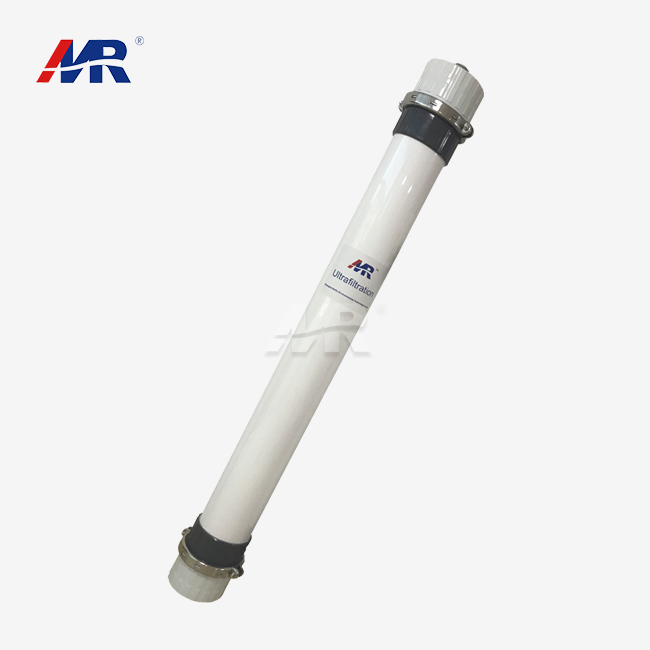
Understanding Ultrafilter Membrane Technology
Defining Membrane Filtration and Pore Size Characteristics
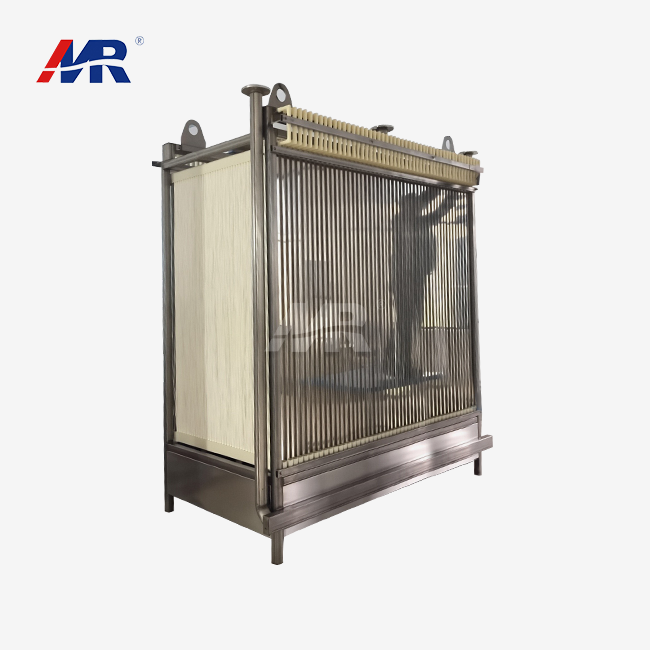
Membrane filtration technology uses semipermeable barriers to sort toxins based on their molecular size. An exact pore range between 0.01 and 0.1 microns, which is equal to a molecular weight cut-off usually between 1,000 and 500,000 Daltons, is what makes ultrafiltration unique. Because of this, the membrane can physically stop bacteria, viruses, colloids, and high-molecular-weight proteins from passing through. However, it can let dissolved salts and smaller molecules pass through. At Morui, our hollow fiber membranes are made with PVDF and PVC materials that keep their shape at pressures between 0.1 and 0.3 MPa, so they work reliably in a wide range of industrial settings.
Working Principle and Performance Metrics
Cross-flow filtration is what makes the ultrafiltration process work. The feed water moves across the membrane surface in a straight line. On the outside of the membrane, contaminants build up, while clean water flows through the holes. Our systems can handle flux rates of up to 150 LMH per hour, which is a lot more than most other filtering methods can handle. Transmembrane pressure drop, recovery rate (which can reach up to 95%), and filtration efficiency for specific contaminants are some of the performance metrics that technical decision-makers look at. The uneven pore structure in good membranes lowers the pressure needed, which means that 30–40% less energy is used by the pump than in traditional high-pressure systems.
Key Material Properties and Chemical Resistance
The choice of material affects how long the membrane lasts and how well it reacts with chemicals. Polyvinylidene Fluoride has a very high resistance to oxidation; it can handle up to 1,000 parts per million of chlorine during cleaning processes without breaking down. This chlorine tolerance is very important for places that handle drugs or food and need to clean up a lot. Our membranes keep working in a pH range of 2 to 11 and a temperature range of -1 to 40°C, so they can be used in a wide range of industrial processes. The permanent hydrophilicity built into advanced membranes lowers the tendency for organic fouling. This means that chemical cleaning protocols can be used more often, which saves money for maintenance teams.
Distinguishing Ultrafiltration from Related Technologies
Ultrafiltration is in a certain part of the membrane technology range. Microfiltration uses pores that are 0.1 to 10 microns in size, which works well for solids in suspension but not for viruses. Nanofiltration has smaller holes (0.001-0.01 microns) that only reject some dissolved salts. On the other hand, reverse osmosis gets rid of almost all dissolved solids, including salts. Knowing these differences helps buyers choose the right technology based on their goals for water quality. Ultrafiltration works great as a pretreatment for reverse osmosis systems because it gets rid of particles that would otherwise clog ro membranes. It can also be used as a treatment on its own when removing dissolved salts is not needed but keeping microbes safe is.
Applications and Use Cases of Ultrafilter Membranes
Municipal Drinking Water Treatment Solutions
Ultrafiltration is being used more and more by water companies to meet strict microbe safety standards while also using fewer chemicals. When put in city plants, our ultrafilter membrane systems get rid of Cryptosporidium and Giardia cysts with log removal values higher than 4.0, which is more than what the EPA Surface Water Treatment Rule requires. The small size of membrane modules—about 60% smaller than regular clarification systems—allows facilities to increase their capacity while still meeting their current needs. Municipalities like that have the turbidity stay below 0.1 NTU no matter what the raw water is like at different times of the year. This gets rid of the taste and smell problems that come up with regular treatment when algae blooms.
Pharmaceutical and Biotechnology Manufacturing
Pharmaceutical production that follows GMP standards needs water quality that meets the standards set by the US Pharmacopoeia. Ultrafiltration is an important step in multiple-stage purification trains because it gets rid of endotoxins, bacteria, and particulate matter before reverse osmosis and electrodeionization do the final finishing. For example, biotech companies use our membranes to make buffers, clean equipment, and make fermentation water. Our systems are easy for regulators to approve because they are built in a way that makes them sanitizable, have clear security testing methods, and come with full material Certifications. When one of our biotech clients switched to our pre-validated membrane skids, the time it took to validate their Products dropped by 99.9%.
Food and Beverage Production Requirements
Manufacturers of drinks need water that meets food safety standards and makes the product more consistent. Our ultrafiltration systems get rid of yeast, bacteria, and proteins that make haze from process water that is used to make soft drinks, beer, and dairy products. The chlorine-resistant membrane materials can handle the harsh CIP (Clean-in-Place) procedures that are required in food plants. They can keep working well through thousands of cleaning rounds. Ultrafiltration is especially useful for dairy makers because it concentrates milk protein and gets protein recovery rates of over 99% while getting rid of lactose and minerals. This application turns a stream of waste into a useful byproduct, which increases the profitability of the operation.
Industrial Wastewater Reclamation
Recovery of resources from wastewater is both good for the environment and good for business. Our membrane systems are used in electroplating plants to recycle 90% of the rinse water. This cuts down on the costs of both bringing in new water and dumping wastewater. Ultrafiltration is used by chemical companies to get catalysts and useful products back from process streams. The process usually pays for itself in less than 18 months. Our membranes are strong against fouling, so they can handle high-turbidity industrial effluents that would quickly overwhelm other filters. For manufacturing operations that run 24 hours a day, seven days a week, automated backwash cycles keep performance consistent without any help from an operator.
Comparing Ultrafilter Membranes with Other Filtration Technologies
Ultrafiltration Versus Reverse Osmosis
These tools work together, not against each other. Using higher pressures (4–7 MPa vs. 0.1–0.3 MPa for UF), reverse osmosis gets rid of dissolved salts and small organic molecules that get through ultrafiltration membranes. However, RO membranes can get clogged up with dissolved solids and living things. Using an ultrafilter membrane, ultrafiltration is a great way to prepare RO membranes for use because it increases their life by two to three times. For uses in making electronics and making electricity, our combined UF+RO systems remove particles and remove minerals. Ultrafiltration is more energy-efficient than RO when dissolved salt removal is not needed. For the same amount of water, UF uses only one-fifth as much energy as RO.
Microfiltration and Nanofiltration Positioning
Microfiltration can handle higher loads of suspended solids, but it can't ensure virus removal, which means it can't be used to make drinking water without first disinfecting it. Nanofiltration removes organic micropollutants and partially softens water. It is a method that falls between ultrafiltration and reverse osmosis. Choosing the right filter depends on the contaminants you want to get rid of. For example, microfiltration gets rid of large particles, ultrafiltration keeps microbes safe, nanofiltration gets rid of specific ions, and reverse osmosis gets rid of all minerals. Based on a thorough analysis of the water and the treatment goals, our technical team helps clients choose the best membrane configurations.
Traditional Filtration Methods
While conventional multimedia filters and capsule systems have lower initial costs, they cost more to run. Sand filters leave big marks on the ground, use up 5–10% of the production water in backwash, and can't reliably get rid of submicron particles. Cartridge filters are good at fine filtration, but they need to be replaced often, which adds to the cost of removal and makes the supply chain less secure. Our ultrafiltration systems get rid of filter cartridges that need to be replaced, cut down on backwash volumes to 2% to 3% of output by cleaning more efficiently, and provide absolute filtration rates that have been tested and proven to be accurate. Total cost of ownership studies done over five years regularly show that membrane systems are better for medium- to big-sized facilities.
Procurement Guide for Ultrafilter Membranes
Critical Selection Factors for Industrial Buyers
When purchasing managers look at membrane providers, they should put a number of technical and financial factors at the top of their list. Chemical compatibility and lifespan are directly affected by the membrane material composition. PVDF is more durable in harsh environments, while PES is better at repelling water, which prevents fouling. Check that the goods you buy have the right certifications, such as NSF/ANSI 61 for use with drinking water, FDA compliance for food uses, or CE marking for use in Europe. Ask for written performance data that includes the flow of clean water, the rate at which contaminants are rejected, and the predicted fouling rates for water compositions that are similar to those at your plant. Standard goods usually have lead times of 4 to 8 weeks, while custom versions can take 12 to 16 weeks, so you need to plan ahead.
Evaluating Supplier Capabilities and Support
Check out the supplier's infrastructure and expert help as well as the product specifications. Morui has 14 locations and more than 500 workers, including 20 specialized engineers who help with system design, application engineering, and fixing. Our factory for making membranes lets us keep an eye on quality throughout the whole process, and our partnerships with companies like Shimge Water Pumps, Runxin Valves, and Createc Instruments let us offer fully integrated, turnkey systems. Carefully look over the warranty terms. Reliable suppliers offer membrane warranties that cover clear performance guarantees for 2 to 5 years. After-sales support should include having access to spare parts, being able to do diagnostics remotely, and being able to provide on-site service within certain response times.
Customization and OEM Opportunities
Standard catalogue items can be used in a lot of different situations, but custom ultrafilter membrane designs work best for specific process needs. With our production capabilities, OEM manufacturing lets equipment builders use membranes under their own brand. You can choose the membrane area, the material for the module case, the shape of the end caps, and the potting solutions that work with certain cleaning methods. Companies with multiple locations or distributors that serve area markets can get better prices through bulk purchasing deals. For tough jobs, ask for pilot testing. Our test skids can work at your plant with real feed water, giving you performance data that lowers the risk of making a full-scale investment choice.
Conclusion
Ultrafilter membrane technology solves a wide range of water cleaning problems in many different industries. Precision filtration in the 0.01-0.1 micron range protects against microbes, maintains consistent water quality, and provides operational dependability that is hard to match with other methods. Facilities can get the most out of their membrane system purchases by knowing the technical differences between ultrafiltration and similar technologies, buying them strategically, and keeping them in good shape. As rules get stricter and water becomes more scarce, ultrafiltration will continue to grow in urban, industrial, and specialized settings where clean water directly affects the quality of products, the efficiency of processes, and the safety of the public.
FAQ
1. What determines ultrafilter membrane lifespan in industrial applications?
How long a membrane lasts is mostly determined by the quality of the feed water, the working conditions, and how well it is maintained. When used properly and cleaned regularly, high-quality PVDF membranes can last between 3 and 5 years in commercial settings. If the water chemistry is bad or there isn't enough maintenance, replacement times may be shortened to two to three years. In ideal conditions, they can last longer than seven years.
2. How does ultrafiltration differ functionally from reverse osmosis?
Through pores as small as 0.01-0.1 microns, ultrafiltration gets rid of colloids, bacteria, viruses, and suspended particles. It lets dissolved salts pass through, though. Reverse osmosis uses membranes that are much tighter and rejects dissolved salts and small organic molecules. This process makes water that is demineralized. UF works with less pressure and energy, which makes it perfect for situations where salt removal is not needed or as a RO preparation.
3. Can membranes withstand harsh chemical environments during cleaning?
Modern PVDF and PES membranes are very resistant to chemicals across a pH range of 2 to 11, and they can also handle oxidative cleaners like up to 1,000 ppm chlorine for short periods of time. This toughness makes it possible to clean well in medicine and food settings. But membranes will break down too quickly if they are exposed to chlorine or pH levels that are too high or too low. This is why it's important to follow the manufacturer's cleaning instructions.
Partner with Morui for Superior Membrane Solutions
Vertically integrated capabilities include membrane manufacturing, system engineering, and turnkey installation services. These help Guangdong Morui Environmental Technology provide excellent water treatment services across all areas. Our ultrafilter membrane provider businesses use their own production sites and partnerships with top component makers to come up with unique solutions that solve your specific purification problems. Our 20 specialized engineers work in 14 branches that serve a wide range of industries, from pharmaceutical GMP compliance to municipal infrastructure. They provide application knowledge that turns problems with water quality into competitive advantages. Get in touch with our technical team at benson@guangdongmorui.com to talk about your project needs and get full specs, performance guarantees, and low prices for high-quality membrane systems that are built to last and work well.
References
1. American Water Works Association. (2020). Membrane Technology Research Committee Report: Ultrafiltration Applications in Municipal Water Treatment. Denver: AWWA Publications.
2. Baker, R.W. (2012). Membrane Technology and Applications (3rd ed.). Chichester: John Wiley & Sons Ltd.
3. Judd, S. & Judd, C. (2011). The MBR Book: Principles and Applications of Membrane Bioreactors for Water and Wastewater Treatment (2nd ed.). Oxford: Butterworth-Heinemann.
4. Mulder, M. (1996). Basic Principles of Membrane Technology (2nd ed.). Dordrecht: Kluwer Academic Publishers.
5. Singh, R. (2015). Membrane Technology and Engineering for Water Purification: Application, Systems Design, and Operation (2nd ed.). Oxford: Elsevier Science.
6. World Health Organization. (2017). Potable Reuse: Guidance for Producing Safe Drinking Water Through Membrane Filtration Technologies. Geneva: WHO Press.
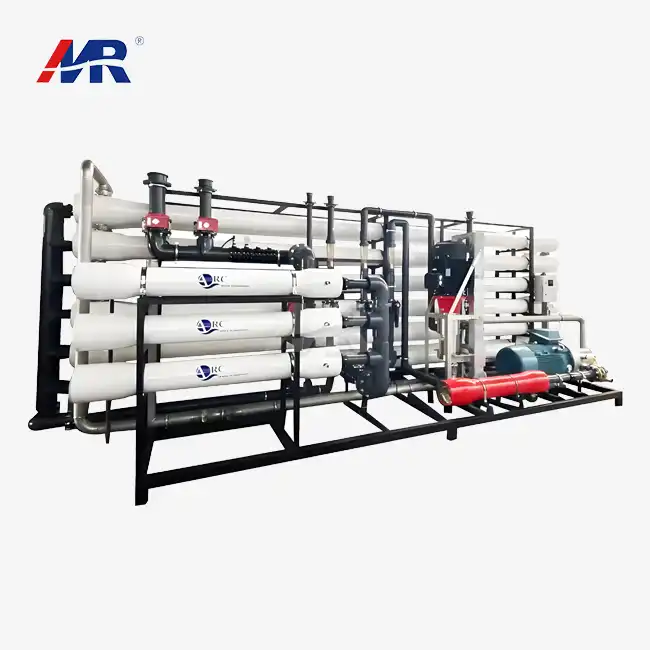 VIEW MORE25m3/hour seawater desalination plant
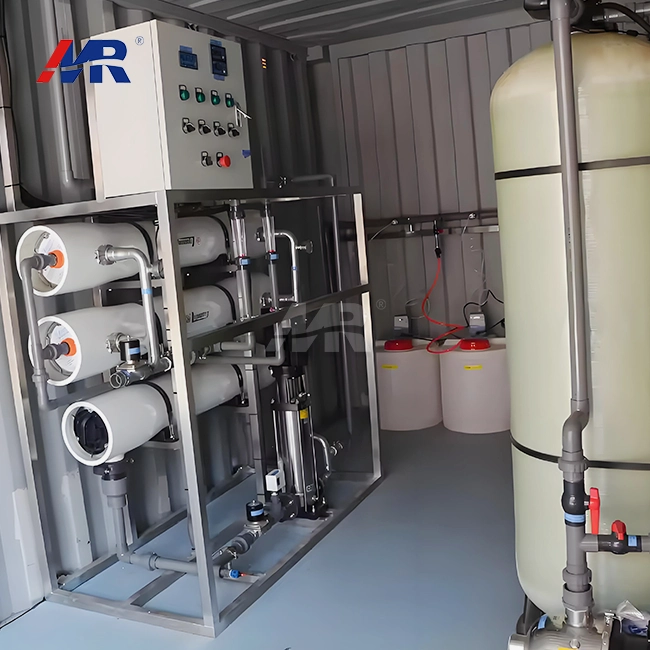 VIEW MOREcontainerized reverse osmosis system
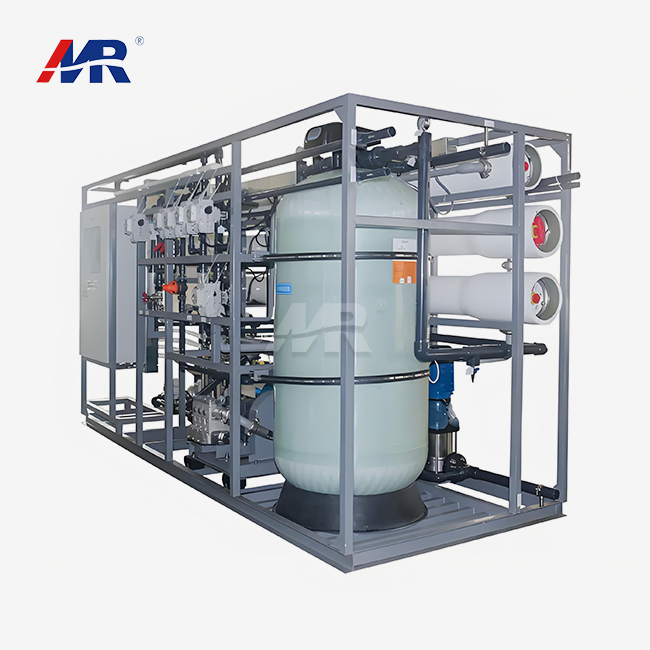 VIEW MOREswro desalination plant
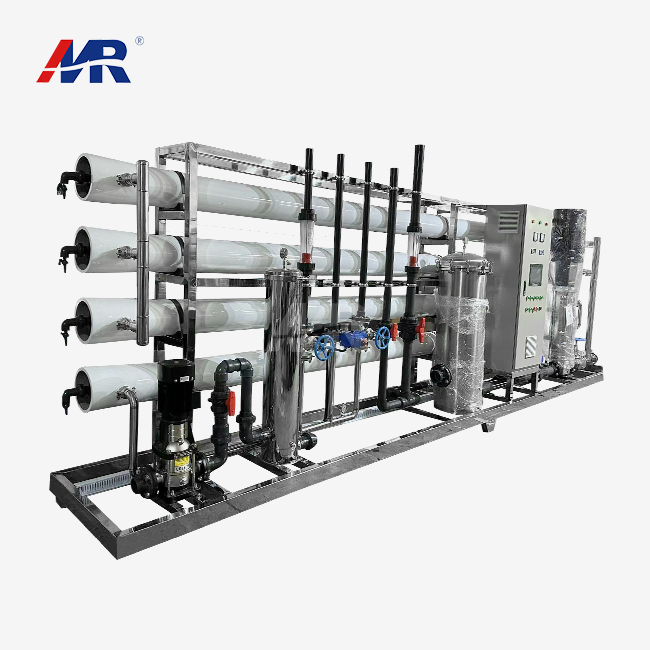 VIEW MOREreverse osmosis plant
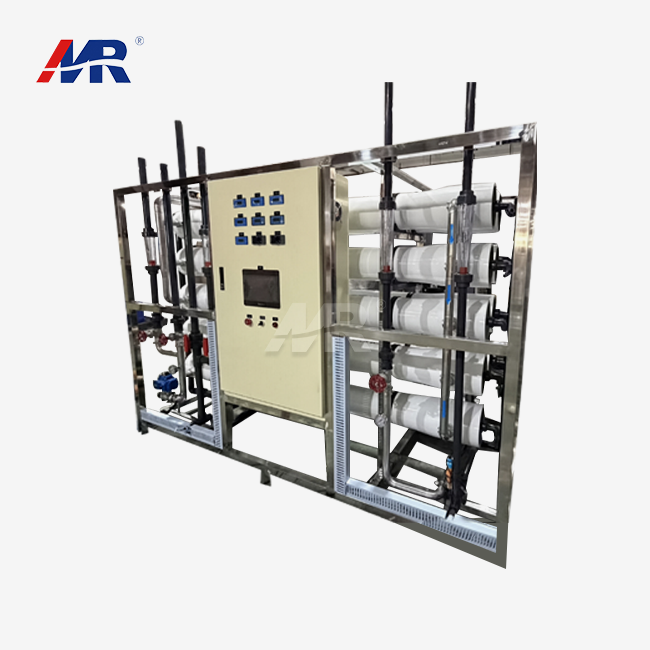 VIEW MORE8 stage reverse osmosis system
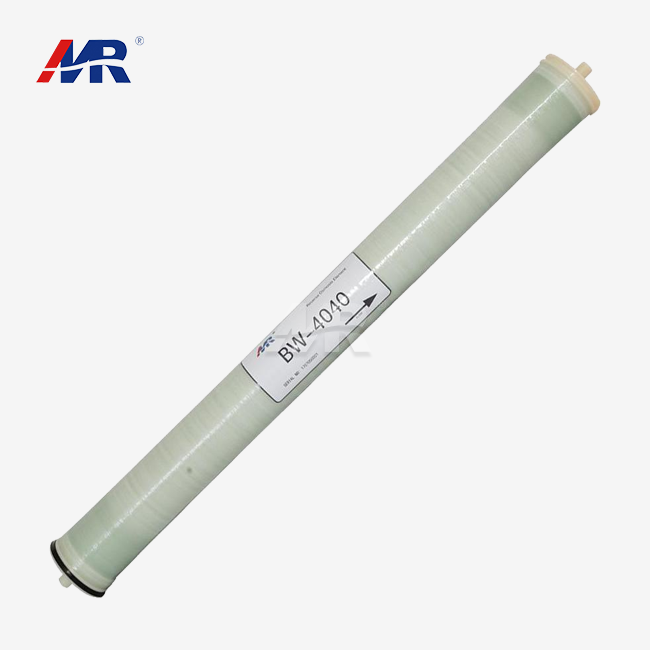 VIEW MORE4040 reverse osmosis membrane
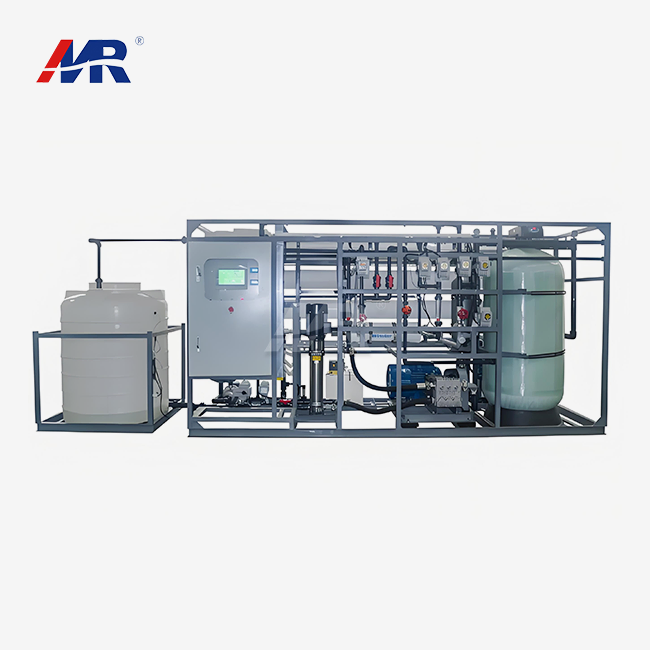 VIEW MOREseawater treatment system
 VIEW MOREsubmerged membrane bioreactor
