

_1745823981883.webp)

Industrial Wastewater Treatment Plant Process Explained for Manufacturers
Understanding how an industrial wastewater treatment plant functions is essential for manufacturers facing increasingly strict environmental regulations and sustainability targets. These sophisticated systems address the challenge of removing hazardous chemicals, heavy metals, suspended solids, and biological contaminants from production effluent before discharge or reuse. An effective treatment plant combines mechanical filtration, biological degradation, and advanced membrane technologies to achieve removal efficiencies exceeding 99% for COD, BOD, and TSS while reducing operational costs and environmental footprint. As manufacturing facilities across the United States face penalties for non-compliance and community scrutiny, investing in the right treatment infrastructure has become both a regulatory necessity and a competitive advantage.
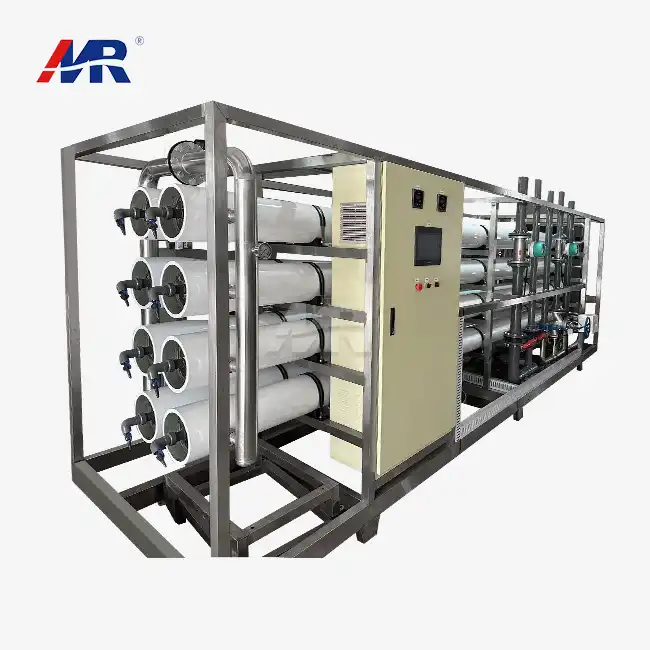
Understanding the Industrial Wastewater Treatment Problem
Manufacturing processes create wastewater streams that contain a wide range of pollutants that are very different from one business to the next. Chemical companies make wastewater that is full of heavy metals and aromatic chemicals. Facilities that serve food and drinks dump organic matter that needs a lot of biochemical oxygen. Pharmaceutical companies have to follow strict GMP rules when they make clean water and get rid of waste. Streams that are used to make electronics are polluted with rare metals and complex organic solvents.
The rules about releasing garbage are getting stricter all the time. The Clean Water Act sets national standards for release, but state and local governments often have their own rules that are stricter. Facilities that go over the allowed limits can be fined a lot, have to shut down, and suffer damage to their reputation. Besides not following the rules, industrial wastewater that isn't treated or is treated badly can harm marine ecosystems, groundwater quality, and people's health.
These problems are solved by modern treatment systems, which also provide real business benefits. In many Cases, reusing cleaned water in processes cuts the cost of city water by 40 to 60 percent. Anaerobic digestion turns organic waste streams into energy, which helps cover the costs of running the business. Compact system designs use less room, which is important for places that don't have a lot of it. These organizational efficiencies make industrial wastewater treatment plant investment a strategy that creates value instead of just a cost that needs to be paid in order to comply with the law.
Industrial Wastewater Treatment Process Steps Explained
A multi-stage process is needed to treat wastewater effectively, with each stage focusing on a different type of contamination. Knowing this progression helps facility managers choose the right technologies and get the most out of their industrial wastewater treatment plant.
Preliminary Treatment: Protecting Downstream Equipment
The first step in the cleaning process is basic screening and grit removal. Large pieces of trash, like rags, plastic and wood, that could damage pumps or clog pipes are caught by bar screens. Gratification chambers separate sand, gravel, and other heavy inorganic particles that wear down machinery by rubbing against them. Flow equalization tanks keep the amount and makeup of wastewater from changing, so biological treatment units always get the same amount of water. This stabilization stops shock loads that upset communities of microbes and make treatment less effective.
Primary Treatment: Settling Suspended Solids
Through gravity separation, primary sedimentation gets rid of solids that can settle. When wastewater runs slowly through clarifiers, solids that are heavier than water settle to the bottom as sludge. Oils and greases float to the top so they can be skimmed off. Chemical coagulation and flocculation make this process better by using ferric chloride or aluminum sulphate to group small particles together into bigger flocs that settle more quickly. Usually, the first treatment gets rid of 50–70% of the suspended solids and 30–40% of the metabolic oxygen demand. This makes it much easier for biological systems further down the line to do their jobs.
Secondary Treatment: Biological Degradation of Organics
Microorganisms are used in secondary treatment to break down liquid organic materials. In activated sludge systems, wastewater is pumped through aeration tanks. Aerobic bacteria then break down the organic matter into carbon dioxide, water, and cellular biomass. The mixed liquor then goes to secondary clarifiers, which separate the treated effluent from the biological solids.
Using ultrafiltration membranes instead of extra clarifiers in membrane bioreactor technology makes active sludge better. The effluent quality is better with this configuration, it works with higher biomass concentrations, and it takes up 40% less space than regular systems. MBR systems are good at cleaning up strong industrial wastewater that has fats, oils, greases, and complex organic molecules that are hard for other systems to handle, making them an ideal solution for an industrial wastewater treatment plant requiring efficient and reliable wastewater management.
Advanced Treatment: Meeting Stringent Discharge Standards
Tertiary cleaning methods are used by facilities that need very high-quality effluent or want to recover water. Chemical oxidation with ozone, hydrogen peroxide, or ultraviolet light breaks down organic substances that won't break down and kills bacteria. Reverse osmosis gets rid of dissolved salts to make water that can be used in boilers or processes. Activated carbon adsorption cleans effluent by getting rid of color, smell, and small amounts of organic matter.
Sludge Management: Closing the Loop
Biosolids are made in large amounts during treatment processes and need to be handled properly. Anaerobic digesters keep organic sludge stable while making biogas that can be used to heat homes or make electricity. Using belt presses or centrifuges for mechanical dewatering cuts the amount of sludge by 70–85%, which lowers the cost of dumping. When sludge programs are run correctly, they can turn trash into useful soil amendments or clean energy, which is in line with the ideas of the circular economy.
Choosing the Right Industrial Wastewater Treatment Plant for Your Manufacturing Facility
To choose the right treatment method, you need to carefully look at the type of wastewater, how it needs to be discharged, the limitations of the place, and your budget. We are experts at matching manufacturers with the best industrial wastewater treatment plant options for their specific business needs.
Evaluating Treatment Technologies
Screening, sedimentation, and filtering are physical treatment methods that are great at getting rid of suspended solids and liquids that don't mix, but they're not very good at getting rid of organic matter. Chemical processes like coagulation, precipitation, and oxidation are used to get rid of certain contaminants, such as phosphorus, heavy metals, and organics that are hard to get rid of. Biological systems are a cheap way to get rid of organic waste, but they need careful process control to keep the microbes healthy.
Aeration uses a lot of energy, but aerobic biological cleaning methods work faster and get rid of more contaminants. Anaerobic systems can handle higher amounts of organic waste and make green biogas. This makes them perfect for food and drink factories that make high-strength wastewater.
Modular Versus Custom-Engineered Systems
With flow rates between 50 and 500 cubic meters per day, packaged treatment plants are ready to use for facilities with simple needs. These factory-assembled systems cut down on the time needed for installation, make performance more predictable, and make getting permits easier. Our flexible designs let us increase capacity as output rises, which protects your investments in capital.
Custom-engineered systems are best for complicated industrial tasks that need specialized unit processes or that handle flows of more than 1,000 cubic meters per day. Separated treatment trains that are best for each stream's makeup are helpful for facilities that make more than one type of waste. Our engineering team comes up with combined solutions that use physical, chemical, and biological processes together to make sure that regulations are followed while keeping lifetime costs as low as possible.
Assessing Cost and Return on Investment
How much it costs to build infrastructure for treating wastewater depends on its ability, how complicated the technology is, and how much work needs to be done to prepare the spot. Systems that treat 100 cubic meters of water every day usually cost between $150,000 and $400,000. Traditional setups use 30% more energy than our designs, which means that medium-sized buildings can save $15,000 to $50,000 a year. Being able to reuse water saves even more money by lowering the costs of city supplies and sewer disposal fees.
Smart ways to finance projects make them more profitable. Leasing equipment protects working capital and gives you instant compliance. Performance contracts link vendor pay to goals for system efficiency and stability. In many places, utility rebates and environmental grants cover 10 to 25 percent of the cost of capital.
Operation and Maintenance Best Practices for Industrial Wastewater Treatment Plants
Disciplined operation and repair procedures are needed for long-term compliance and peak performance. Our industrial wastewater treatment plants have fully automated controls that can be monitored from afar. This lets management be proactive and avoid costly failures and legal violations.
Establishing Preventive Maintenance Programs
Regular checks find new problems before they get worse. Some of the things that need to be done every day are checking that the pumps work, the chemical feed systems, and the wastewater quality factors. As part of weekly tasks, aeration equipment is inspected, tools are calibrated, and the features of mixed liquor are analyzed. As part of monthly maintenance, mechanical parts are oiled, backup systems are tested, and performance trends are looked at.
When it comes to membrane systems, fouling needs extra care. Using toxic, acidic, and oxidizing Products to clean membranes regularly keeps them permeable and extends their life. The computerized backwashing and air scouring processes in our MBR systems cut down on the amount of work that needs to be done by hand while still improving performance.
Addressing Operational Challenges
Changes in the features of the influent make treatment plants less stable. Process upsets can be avoided by using flow equalization and pH neutralization. Chemical spills that are toxic can destroy biological treatment systems. Protecting important microbial communities means setting up online toxin monitors and keeping emergency control capacity up and running.
Biological kinetics and settling characteristics are changed by changes in seasonal temperature. The best conditions for running are always present thanks to heated digesters and protected storage tanks. Our plans for processes include enough safety factors to allow for acceptable variation without lowering performance.
Leveraging Digital Technologies
Industry 4.0 solutions change how wastewater treatment plants are run. Monitoring important factors like dissolved oxygen, pH, sediment, and flow rate in real time lets you react right away to changes. Predictive analytics look for trends that show when equipment is about to break down, so repair can be planned for when the equipment isn't being used. Cloud-based dashboards let plant managers see how operations at multiple sites are running from anywhere, which helps centralize knowledge that serves facilities that are spread out.
Future Trends and Innovations in Industrial Wastewater Treatment
Regulatory pressures, limited resources, and companies' commitments to sustainability are what keep treatment technologies and operational strategies coming up with new ideas. To avoid going out of business too soon, manufacturers who are investing today should think about what future industrial wastewater treatment plant requirements will look like.
Advanced Treatment Technologies
Next-generation membrane materials have better chemical protection and flow rates, which means they use less energy and last longer. Combining UV light with hydrogen peroxide in advanced oxidation processes destroys per- and polyfluoroalkyl substances (PFAS) and medicinal chemicals that are not easily treated with normal methods. Electrochemical systems make it possible to treat centralized garbage streams in multiple locations, collecting valuable metals and making clean water at the same time.
Embracing Circular Economy Principles
Zero liquid discharge systems get rid of wastewater by collecting it to be used again and again and turning dissolved solids into stable trash or commercial goods. Textile companies use ZLD to get salt and dye concentrate out of the process water while recycling 95% of it. Electroplating plants can get chromium, nickel, and copper back from the rinse water, which turns the costs of getting rid of the waste into income.
Recovery of resources includes more than just water and stuff. An industrial wastewater treatment plant can recover valuable resources beyond water reuse, such as thermal energy from cleaned wastewater, which is used to heat up process water or a room. Nutrient recovery from wastewater from food processing makes fertilizer. These methods make environmental success and creating economic value go hand in hand.
Preparing for Regulatory Evolution
Limits on discharge keep getting stricter as new analytical tools can find contaminants at lower concentrations and research shows effects that weren't known before. Limits on nitrogen and phosphorus keep waterways from becoming too acidic. New rules on contaminants are going after microplastics, nanomaterials, and chemicals that mess with hormones. Environmental, social, and governance reporting frameworks need more and more openness about how much water is used, how clean the water is discharged, and how the circular economy works.
Modular construction and scalable unit processes allow for flexible treatment plant designs that can adapt to changing needs. Investing in more treatment capacity than is needed at the moment protects against changes in regulations without needing to spend a lot of money. Our engineering process puts adaptability first, which makes sure that systems stay legal and cost-effective for 20 years of use.
Conclusion
Industrial wastewater treatment plant investment is an important consideration for companies that want to follow the rules, run their businesses efficiently, and care for the environment. Understanding the basic steps of the treatment process, from the first screening to the final, advanced polishing, helps choose the right technology for the facility. Choosing the right-sized equipment, setting up strict care rules, and using digital management tools are all important for a successful application. In the future, treatment plants will have to change to meet stricter rules and use circular economy and resource recovery ideas to turn garbage management from a cost center to a value creator.
FAQ
1. What removal efficiency can modern treatment systems achieve?
Using advanced treatment configurations that combine biological processes with membrane filtration consistently gets rid of more than 99% of common pollutants, such as biochemical oxygen demand, chemical oxygen demand, and total suspended solids. Reverse osmosis and advanced oxidation can be used by facilities that need to get rid of dissolved salts, trace organics, and bacteria that are still in the water for direct reuse or for accepting waters that are sensitive to them. Our systems always meet the limits set by the release permit while also giving an operating margin to protect against changes in the process and changes in the rules.
2. How much space does a treatment plant require?
The design flow rate and technology chosen have the most impact on the facility size. Activated sludge setups that handle the same loads take up 40% more space than membrane bioreactor systems. A small MBR plant that processes 100 cubic meters of waste every day needs about 200 to 300 square meters of space for storage, equipment, and entry paths. Vertical tank arrangements and multi-story equipment buildings use even less land at urban sites that are short on room.
Partner with Morui: Your Trusted Industrial Wastewater Treatment Plant Supplier
Guangdong Morui Environmental Technology offers complete water treatment options based on years of experience working in a wide range of industrial fields. Our engineering team creates unique treatment plants that meet your wastewater's characteristics, capacity needs, and budget while also going above and beyond what the law requires. With 14 branches serving clients in North America, 20 specialized engineers, and our own membrane manufacturing skills, we offer full project lifecycle support, from the original review to commissioning and ongoing optimization. Our automated systems with remote monitoring cut down on the amount of work that needs to be done while still making sure that standards are always met. Our competitive prices, energy-efficient designs that save 30% more energy than traditional equipment, and turnkey installation services make us a good choice for manufacturing facilities looking for reliable industrial wastewater treatment plant suppliers. Get in touch with our application specialists at benson@guangdongmorui.com to talk about your wastewater problems and find out how Morui solutions can help you turn your environmental duties into business benefits.
References
1. Metcalf & Eddy. Wastewater Engineering: Treatment and Resource Recovery," 5th Edition. McGraw-Hill Education, 2014.
2. United States Environmental Protection Agency. "Industrial Wastewater Treatment Technology Database," Office of Water, 2022.
3. Water Environment Federation. " Design of Municipal Wastewater Treatment Plants: MOP 8," 6th Edition. WEF Press, 2018.
4. Judd, Simon, and Judd, Claire. "The MBR Book: Principles and Applications of Membrane Bioreactors for Water and Wastewater Treatment," 2nd Edition. Butterworth-Heinemann, 2011.
5. American Society of Civil Engineers. "Standard Guidelines for the Collection and Depiction of Existing Subsurface Utility Data," ASCE 38-02. ASCE Publications, 2022.
6. National Association of Clean Water Agencies. "Emerging Nutrient Removal Technologies: A Practical Guide for Wastewater Treatment Plants." NACWA Technical Report Series, 2021.
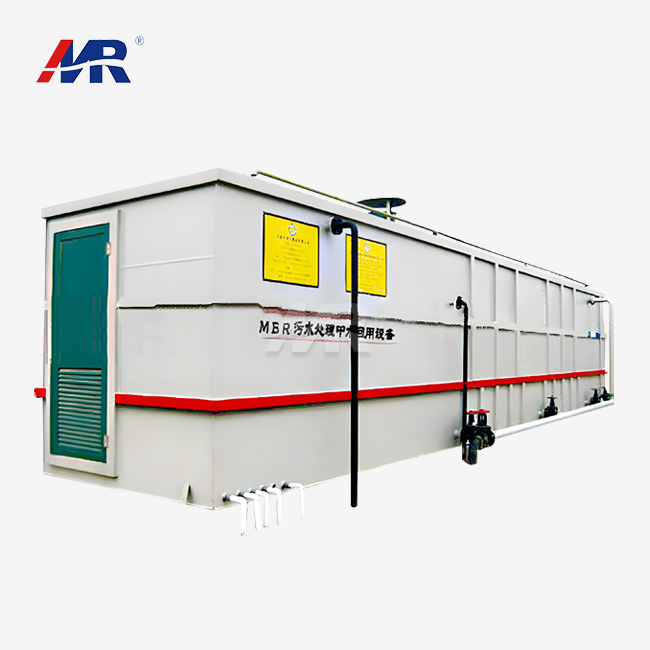 VIEW MOREsewage treatment plant MBR system
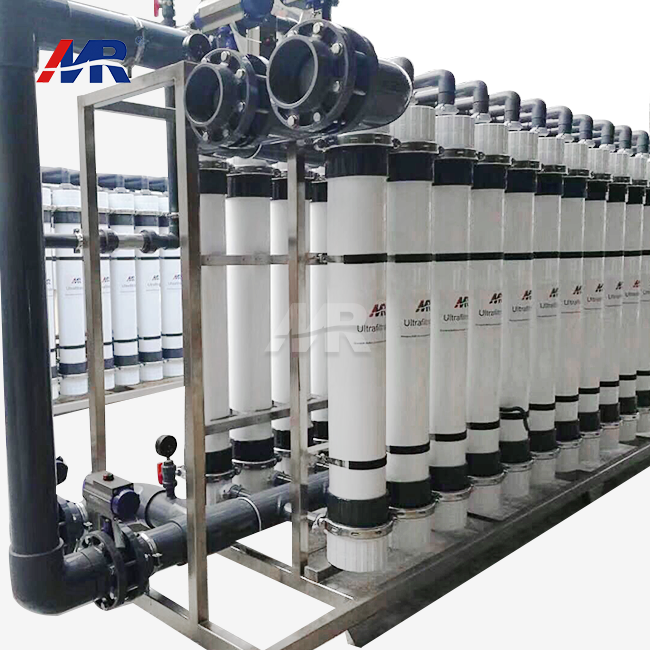 VIEW MOREultrafiltration water system
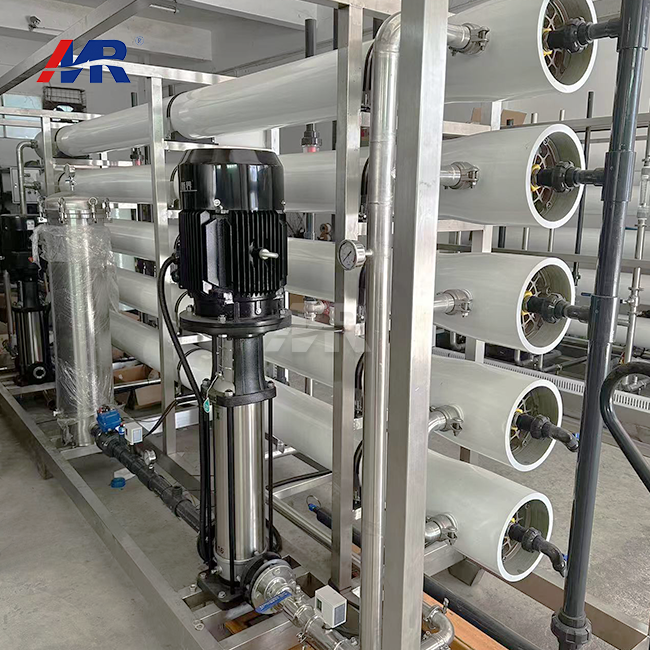 VIEW MOREosmosis water purification system
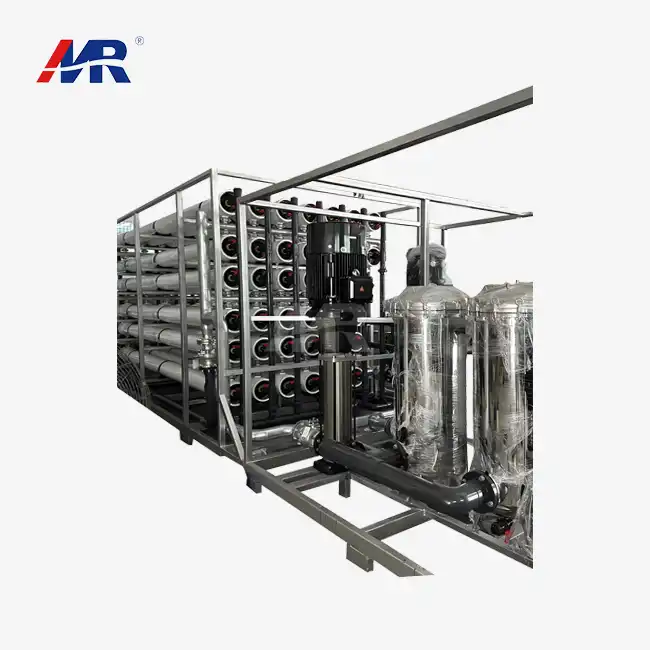 VIEW MORE150m3/hour reverse osmosis plant
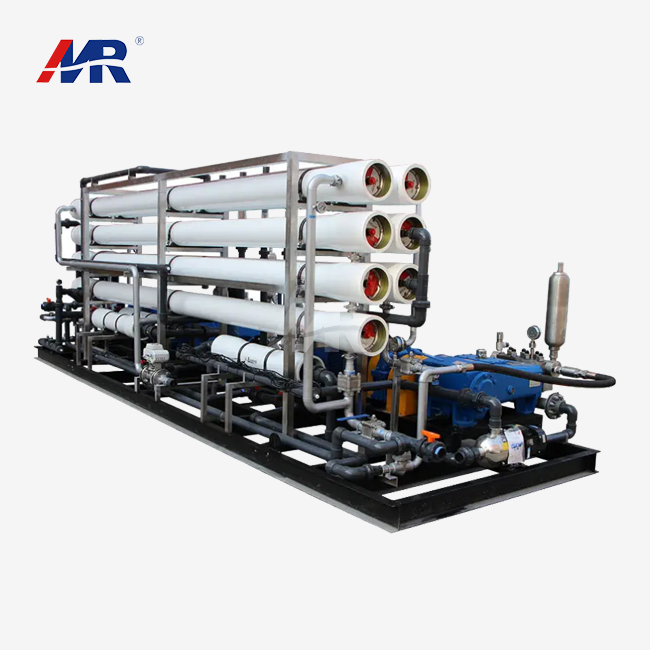 VIEW MOREseawater desalination machine
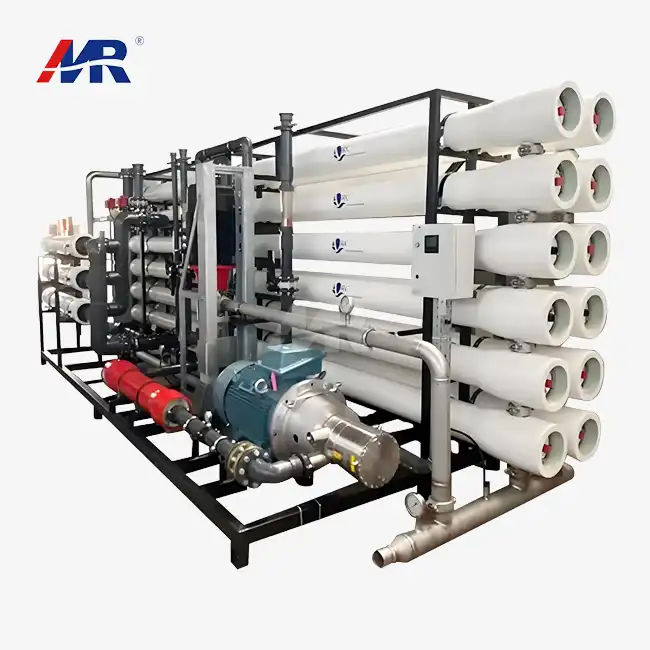 VIEW MORE45m3/hour seawater desalination system
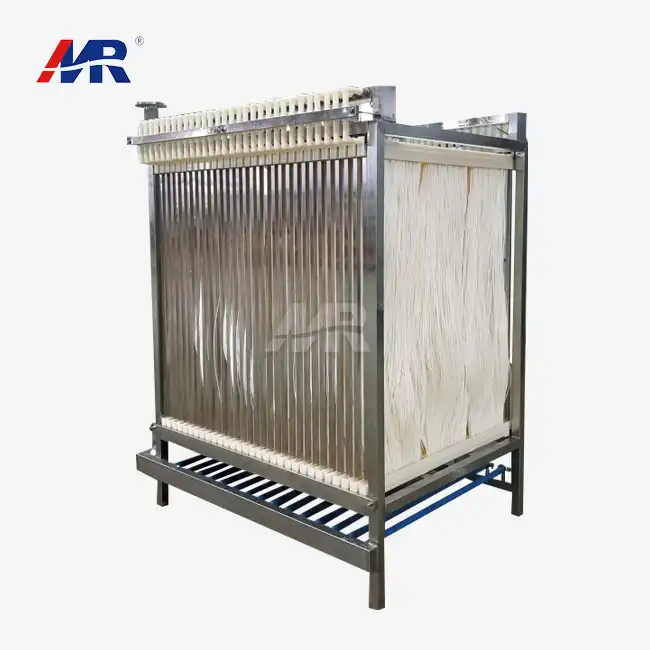 VIEW MOREmembrane mbr
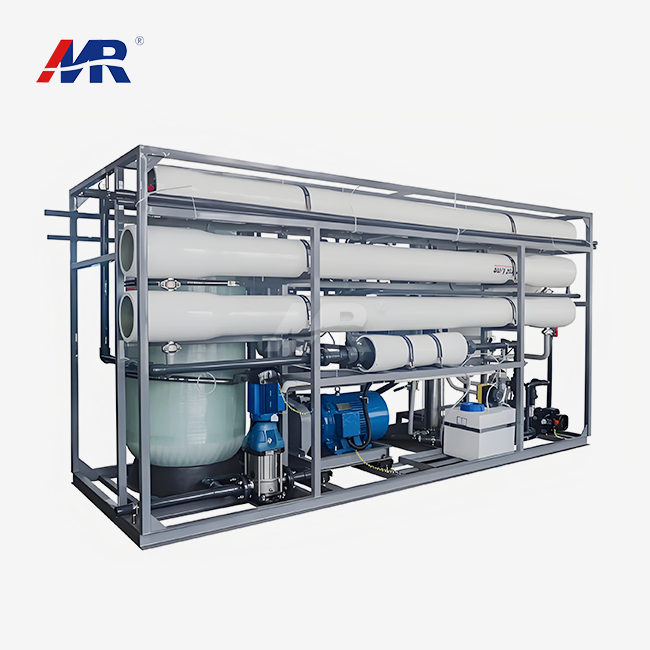 VIEW MOREseawater treatment plant
