

_1745823981883.webp)

Containerised Sewage Treatment for Mining and Oilfield Projects
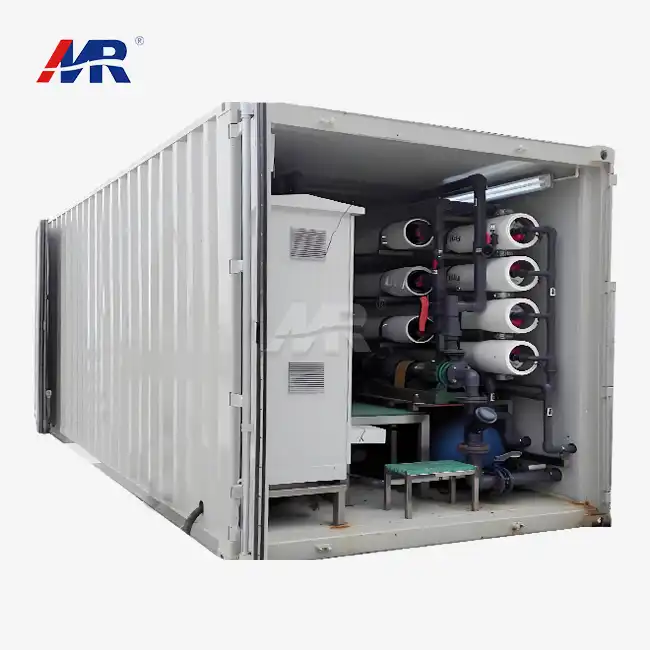
Mining and oilfield operations frequently face wastewater challenges in remote, environmentally sensitive areas where traditional infrastructure proves impractical. Containerised sewage treatment delivers a modular, mobile solution by integrating complete treatment processes—from primary sedimentation through biological processing to disinfection—within standardised ISO shipping containers. This approach eliminates excessive civil construction costs, shortens deployment timelines, and provides reliable sanitation where permanent facilities cannot be justified economically or environmentally.
Understanding Containerised Sewage Treatment and Its Importance in Industrial Projects
The digging, camp sites, and production activities in the oil and gas business produce large amounts of wastewater. Mining sites also make sewage from housing workers, processing materials, and maintaining equipment. Traditional fixed-infrastructure treatment plants need a lot of work to get the site ready, solid supports, and long amounts of time to build, sometimes months or even years.
What Makes Modular Wastewater Solutions Different?
With containerised sewage treatment units, construction can move from the unpredictable conditions of the field to a controlled factory setting. This way of making things makes sure that precise engineering, quality control, and testing happen before the units get to the job sites. When these systems get there, they quickly connect to current tools through standard interfaces, so they can start working in days instead of months. The whole treatment process—screening, aeration, membrane filtration, and sludge management—occurs inside weatherproof containers that are built to handle the high temperatures, dust, and corrosive air that is common in industrial environments.
Core Treatment Stages in Industrial Wastewater Management
Screening and settling methods are used in physical treatment to get rid of the suspended solids. To break down organic pollution, biological treatment uses microbial communities. This is usually done with Membrane Bioreactor (MBR) or Moving Bed Biofilm Reactor (MBBR) methods. Chemical treatment changes the pH levels, settles out contaminants that have been dissolved, and gets the effluent ready for the final disinfection process. The most advanced systems can get rid of more than 98% of BOD₅, keep Total Suspended Solids (TSS) levels below 5 mg/L, and lower faecal coliform levels to meet WHO Class A reuse standards.
Why Do Remote Industrial Operations Need Flexible Treatment Capacity?
In mining and oil projects, the number of workers changes a lot as operations ramp up during peak production times and slow down during repair times. These differences can be handled by deploying containerised sewage treatment units in parallel or temporarily removing them without having to give up on capital investments. Environmental laws are making it more and more important that the quality of the waste meet strict standards, no matter where the project is located. This means that flexible, high-performance treatment is needed to keep operating licenses.
Comparing Containerised Sewage Treatment with Traditional Systems for Industrial Use
Conventional Sewage Treatment Plants made of steel and concrete need to be permanently set aside on land, dig a lot, and use specialised building teams. Depending on the capacity, these projects usually require capital costs between $2 million and $15 million, and the building process takes 12 to 24 months before it can be put into use.
Capital and Operational Cost Analysis
Because they are priced directly from the factory, don't require a lot of groundwork, and can be installed in less time, containerised sewage treatment systems lower the initial capital costs. A normal 100 m³/day containerised sewage treatment MBR system costs between $180,000 and $350,000 and is ready to use 6 to 8 weeks after the order is confirmed. Automatic process controls that require less labour, energy-efficient blowers that use 30–40% less electricity than regular activated sludge systems, and predictive maintenance features that stop expensive emergency repairs all lower operational costs.
Traditional systems have higher operating costs because they take up more space and need more upkeep, process changes that have to be made by hand by skilled workers, and the replacement of infrastructure parts that are getting old. Life-cycle cost studies over 15-year operating periods always show that containerised sewage treatment systems are better for temporary or semi-permanent uses, as they lower the total cost of ownership by 25% to 45%.
Scalability Options for Growing Operations
Fully containerised sewage treatment units can treat all of their patients inside a single container, making them perfect for small camps with 50 to 300 workers. Adding treatment modules as the project's staff grows lets containerised sewage treatment systems gradually increase capacity. This keeps operations running while infrastructure is scaled up. This adaptability comes in handy for phased mining projects or exploratory drilling operations where the initial staffing needs aren't known.
This isn't possible with traditional infrastructure. Increasing capacity needs new building stages, new approvals from regulators, and major service delays. When businesses move or shrink, fixed assets become investments that can't be used again and have little value.
Core Components and Technology Advancements in Containerised Sewage Treatment Systems
Modern industrial containerised sewage treatment systems have a small footprint that is only 20 or 40 feet long and contain a number of specialised parts. Advanced materials and automatic technologies are used in these systems to make sure they work reliably even in tough situations.
Essential Equipment Integration
Aeration modules use high-efficiency blowers and fine-bubble diffusers to get oxygen to biological treatment zones while using as little energy as possible. Ultrafiltration or microfiltration membrane systems separate cleaned water from biomass with pores that range in size from 0.01 to 0.4 microns. This makes sure that the effluent is always of high quality, even if the influent changes. Integrated belt presses or screw presses in sludge management systems remove water from waste biomass. This cuts the amount of waste that needs to be disposed of by 80–90% and lowers the cost of transportation.
Programmable logic controllers (PLCs) are used to build digital control systems that keep an eye on important factors like pH, turbidity, dissolved oxygen levels, and transmembrane pressure. These systems change the treatment processes automatically to keep them running at their best. They also send maintenance alerts when parts need to be fixed and keep track of compliance data for regulatory reports.
Automation and Remote Monitoring Capabilities
IoT-enabled platforms use satellite or cellular links to send real-time operating data from distant places to central monitoring hubs. Without sending people to remote areas, engineering teams can figure out what's wrong with performance, change process parameters, and plan maintenance interventions. This feature is particularly useful for mining activities that are in the Arctic, deserts, or offshore platforms where getting to the site is hard to do and costs a lot of money.
AI algorithms look at past performance data to guess when membranes will need to be cleaned, how much chemical should be added, and when parts will break down before the system shuts down. When compared to reactive maintenance methods, these predictive tools cut unplanned downtime by 60 to 70%.
Construction Materials and Durability Standards
Structures for containers are made of carbon steel that has been coated with marine-grade C5-M epoxy, which protects against rust in places with a lot of moisture and harsh chemicals. Internal process equipment made of 304 or 316L stainless steel doesn't break down when it's exposed to garbage and treatment agents over and over again. As long as the insulation kits keep the operating temperatures between -40°C and +50°C, they will work all year in a wide range of climates.
Quality Certifications like ISO 9001 manufacturing standards, CE marking for electrical parts, and meeting American Petroleum Institute (API) specs reassure buying teams that the equipment will work well and follow the rules.
Selecting the Right Containerised Sewage Treatment Solution for Your Project
When procurement experts look at different choices for treating wastewater, they have to weigh technical performance, legal compliance, cost, and operational factors that are unique to their industry.
Critical Technical Specifications
When figuring out how much wastewater to use, you should take into account the highest daily flows during peak occupancy times plus 20 to 30 percent extra to account for sudden increases in demand. Each person in a mining camp usually makes 150 to 200 litres of water every day. Each worker in an oilfield may make 100 to 150 litres of water every day, based on the services at the site and how the process water is integrated.
Different places have different standards for the quality of effluent. To meet Clean Water Act guidelines, surface water runoff must be treated so that BOD5 is less than 30 mg/L and TSS is less than 30 mg/L. For groundwater recharge uses to meet drinking water standards, it needs improved treatment, which can be achieved through solutions such as containerised sewage treatment systems designed for efficient and reliable wastewater management. Moderate treatment levels may be possible while still saving natural resources if the water is reused on-site for things like reducing dust, washing cars, or watering plants.
When choosing a system, the geography of the site affects it by affecting things like the available footprint, the ease of access to utilities, and the mechanics of movement. Dimensions of containers must be able to go on access roads, through security gates, and into equipment areas that are marked out. Power needs should be matched with the available electrical service capacity, which is usually between 15 kW and 75 kW, depending on the treatment capacity.
Evaluating Manufacturers and Suppliers
Certificates show that a maker cares about quality and following the rules. Look for companies that have ISO 9001 quality management certifications, a history of completed projects in similar industries, and well-established service networks that can reach out to faraway places. As part of the after-sales service, you should be able to get spare parts, get technical help, and have field service experts help with setting up, training, and fixing problems.
Installing things correctly changes how long a job takes and how well it starts up. Experienced suppliers offer complete services that include transportation logistics, help with preparing the foundation, utility connections, commissioning procedures, and training for operators. This all-around method makes coordination easier and speeds up readiness for operations.
Investment Structures and Financial Planning
Purchase choices are good for long-term projects that will run for more than five years. Ownership gives you the most freedom to change the system, gets rid of the need to make regular loan payments, and raises the value of an asset on a company's balance sheet.
Rental agreements are useful for short-term projects, exploratory drilling efforts, or activities whose length is unknown. The monthly rental fees usually run from 3% to 5% of the buying price. These fees cover maintenance services and replacing worn parts on the equipment.
Leasing tools, getting financing from vendors, or using project finance structures are all ways to spread out capital spending over a longer period of time. This keeps cash flow for core business activities and keeps treatment technology up to date.
Environmental and Operational Benefits of Containerised Sewage Treatment for Mining and Oilfields
Good wastewater management protects ecosystems that are close to industrial sites and helps businesses get social licence in the areas where they're located. Regulatory agencies are looking more closely at the quality of industrial discharges and are threatening to shut down businesses that don't follow the rules.
Regulatory Compliance and Environmental Protection
Small treatment areas cause less damage to environmentally sensitive areas like wetlands, riparian zones, and animal grounds. Before the wastewater gets to the receiving waters, advanced cleaning methods get rid of pathogens, lower the amount of nutrients, and get rid of trace contaminants. This care for the environment is in line with the company's commitments to sustainability and shows stakeholders that responsible resource development is being used.
Regulatory reporting features built into control systems create compliance paperwork instantly. This includes records of process performance, flow amounts, and measures of effluent quality. This automatic filing makes things easier for administrators while still keeping regulations clear.
Operational Advantages in Remote Locations
Because they can be set up quickly, containerised sewage treatment systems can start working at the same time that workers are being mobilised. This keeps sanitation jams from happening, which could push back project plans. Normally, it takes 2 to 4 weeks from the arrival of the container to the system being turned on. For traditional buildings, it takes 6 to 18 months.
Exploration, work camps, and portable buildings that move as projects move forward can all benefit from being easy to move. When containers move to a new location, they can disconnect from utilities, load onto standard flatbed trucks, and move without having to take apart any equipment or slow it down. This flexibility protects investments in capital across multiple stages of a project.
Treatment systems stay up and running during busy production times thanks to features that make upkeep easier and design elements that work with other parts. Many of them have dual-train layouts, where two sets of parallel treatment lines act as backups in case of maintenance or part failure.
Demonstrated Performance in Field Applications
A gold mine in Canada set up a 120 m³/day MBR system in northern Saskatchewan. During the three years it was in use, the system removed 99.2% of BOD5 and kept total coliform counts below detection limits, even when the temperature outside reached -45°C. The system kept up with the needs of a 280-person camp while also meeting provincial discharge standards without stopping.
An oil station in the Gulf of Mexico replaced a failing traditional system with a small 40 m³/day treatment unit that fit on its small deck space. The modular unit cut power use by 38%, stopped overboard discharge violations, and ran nonstop for 18 months without stopping for upkeep.
These examples from real life show that properly designed containerised sewage treatment systems work well and are in line with regulations, even in harsh environments like those found in mining and oil operations.
Conclusion
Industrial wastewater problems in mining and oilfields that are far away need real-world solutions that balance caring for the environment with running the business efficiently. Containerised sewage treatment systems can be set up quickly, have scalable capacity, work reliably, and have low life-cycle costs. Their small size, high level of automation, and long-lasting performance make them perfect for projects where traditional infrastructure isn't possible or wouldn't be cost-effective. As environmental laws get stricter and companies become more concerned about sustainability, these adaptable cleaning technologies will become even more important for responsible resource development.
FAQ
1. How quickly can modular treatment systems deploy to remote sites?
Standard containerised sewage treatment units are ready to use 6 to 8 weeks after the order is confirmed. This includes the time it takes to manufacture, ship, install, and start up. For urgent projects with premium logistics, accelerated schedules cut down on time to 3 to 4 weeks. Designing, getting permits, building, and starting up a traditional facility can take 12 to 24 months.
2. What maintenance requirements apply in isolated locations?
With automated systems, regular maintenance is limited to cleaning the membrane every three months, repairing the blowers every six months, and doing a full check once a year. Remote monitoring lets technical teams that aren't on-site figure out what's wrong and show local staff how to fix it. Critical spare parts inventories kept on-site allow repairs to be done quickly without having to wait for specialised technicians.
3. Can treatment capacity expand as the workforce grows?
Containerised sewage treatment architectures allow for capacity growth by deploying multiple units at the same time or adding more treatment modules. This scalability lets systems go from 50 m³/day to 500 m³/day or more gradually, without having to buy new equipment. Standardised links between units make expansion projects easier and keep operations running while capacity is increased.
Partner with Morui for Industrial Wastewater Solutions
Guangdong Morui Environmental Technology specialises in providing complete wastewater treatment systems designed for tough mining and oil and gas uses. As a well-known company that has been making containerised sewage treatment systems for a long time and has over 500 workers, 20 specialised engineers, and its own membrane production facilities, we offer full solutions, from the initial consultation to long-term operating support. Our systems use tried-and-true MBR and MBBR technologies along with high-tech automation to always follow the rules, even in the harshest environments around the world. Email benson@guangdongmorui.com to talk about your project needs and find out how our containerised sewage treatment options can help you run your business more efficiently and protect the environment.
References
1. American Water Works Association. (2021). Industrial Water Treatment Systems: Design and Implementation Standards. Denver: AWWA Publications.
2. International Organization for Standardisation. (2020). ISO 9001:2015 Quality Management Systems for Water Treatment Manufacturing. Geneva: ISO Central Secretariat.
3. Society of Petroleum Engineers. (2019). Wastewater Management Best Practices for Upstream Oil and Gas Operations. Richardson: SPE Technical Publications.
4. United Nations Environment Programme. (2022). Guidelines for Industrial Wastewater Treatment in Remote Locations. Nairobi: UNEP Division of Technology, Industry and Economics.
5. World Health Organization. (2020). Water Quality Standards for Industrial Effluent Discharge and Reuse Applications. Geneva: WHO Press.
6. Mining Association of Canada. (2021). Environmental Performance Standards for Mine Water Management. Ottawa: MAC Technical Committee.
 VIEW MOREedi water plant
 VIEW MOREcontainerized water treatment systems
 VIEW MOREmembrane used for reverse osmosis
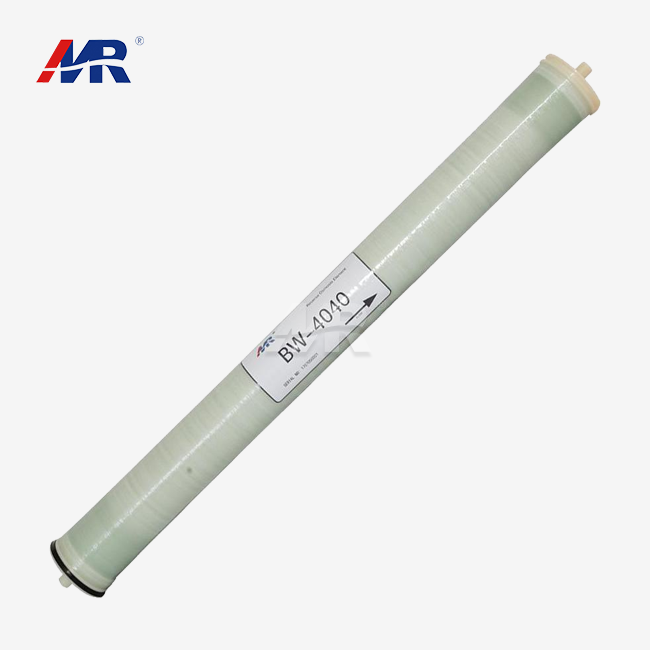 VIEW MORE4040 reverse osmosis membrane
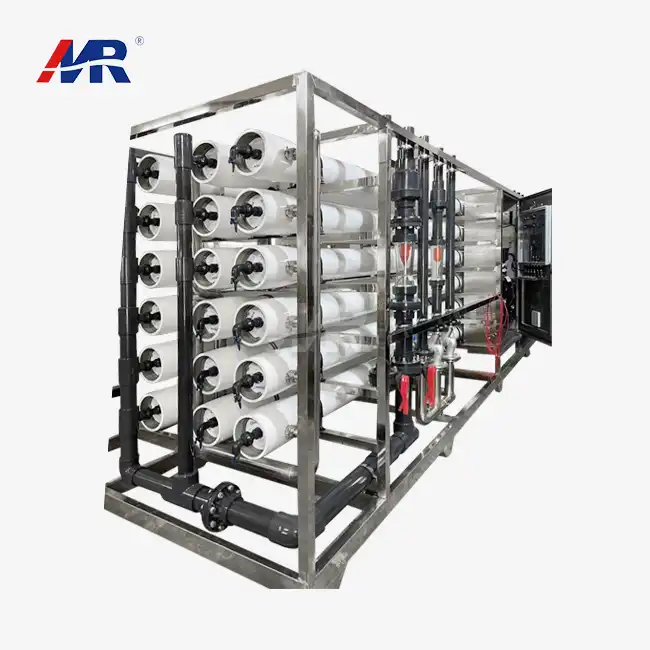 VIEW MORE100m3/hour reverse osmosis equipment
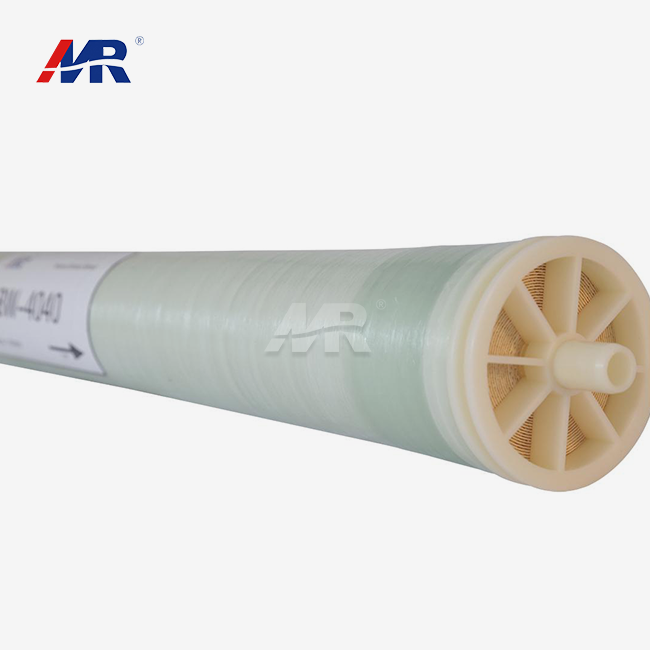 VIEW MOREindustrial reverse osmosis membrane
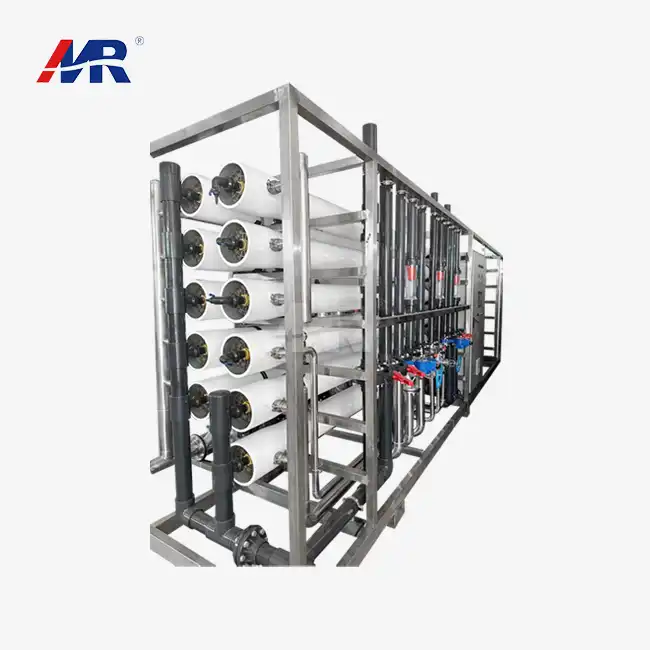 VIEW MORE60m3/hour reverse osmosis plant
 VIEW MORELeachate DTRO Treatment Equipment
