_1745823981883.webp)

Can Containerised Sewage Treatment Meet Local Discharge Standards?
Containerised sewage treatment consistently meets local discharge standards when properly designed, installed, and maintained. These modular systems integrate advanced biological processes—typically membrane Bioreactor (MBR) or Moving Bed Biofilm Reactor (MBBR) technologies—achieving BOD₅ removal rates exceeding 98% and TSS concentrations below 5 mg/L. Most importantly, effluent quality aligns with EPA standards in the United States, WHO guidelines internationally, and specific state or municipal regulations governing discharge into surface waters or soil absorption systems.
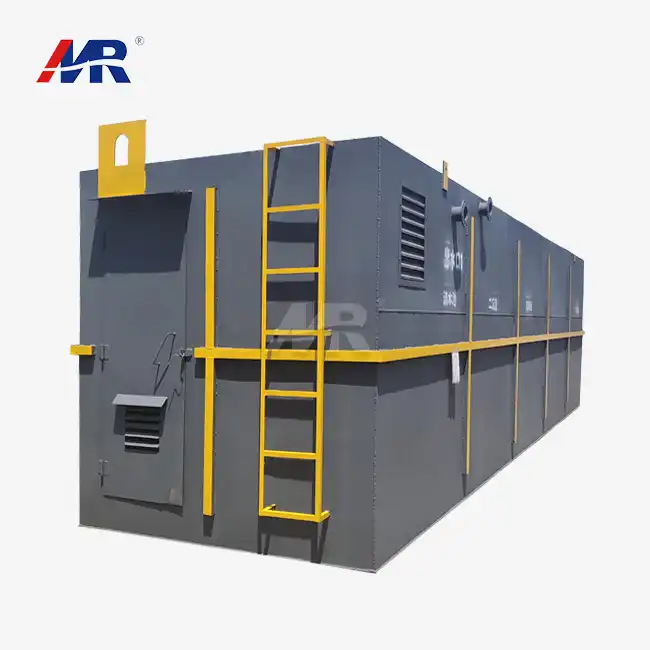
Understanding Containerised Sewage Treatment and Its Relevance to Discharge Standards
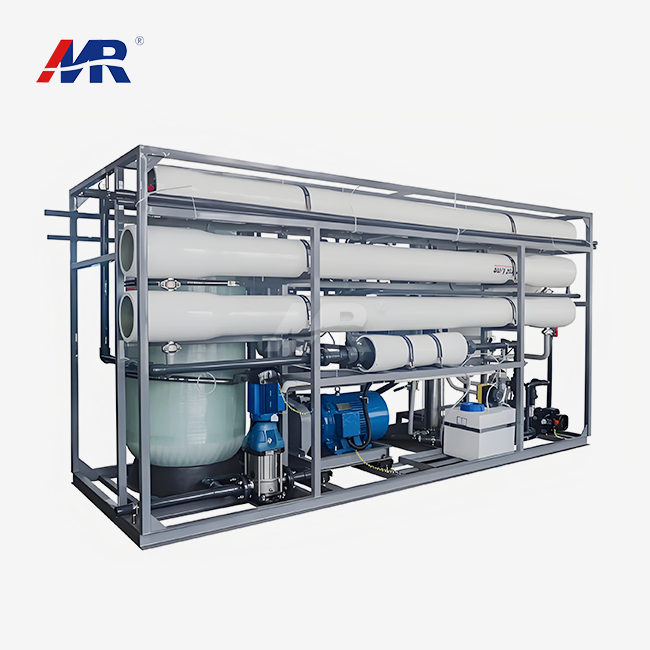
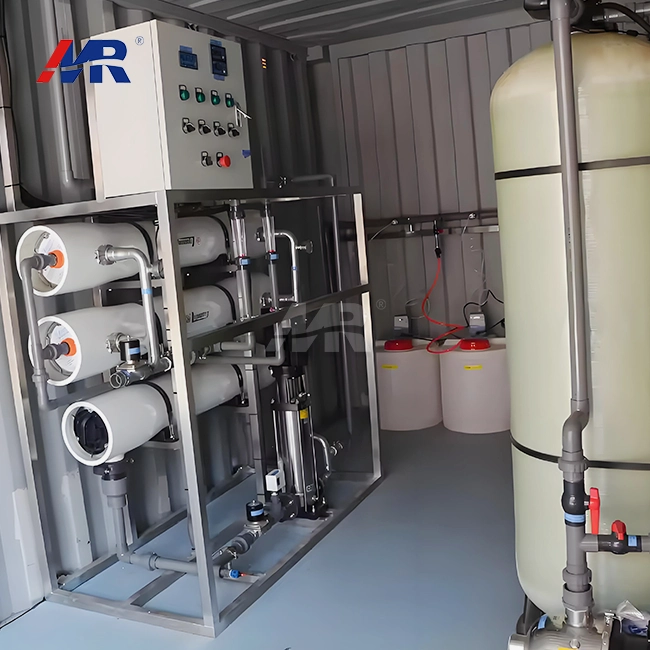
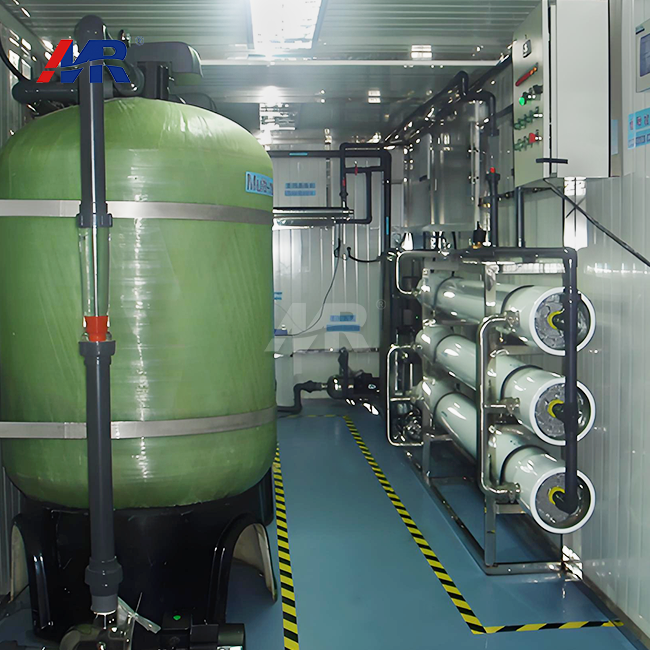
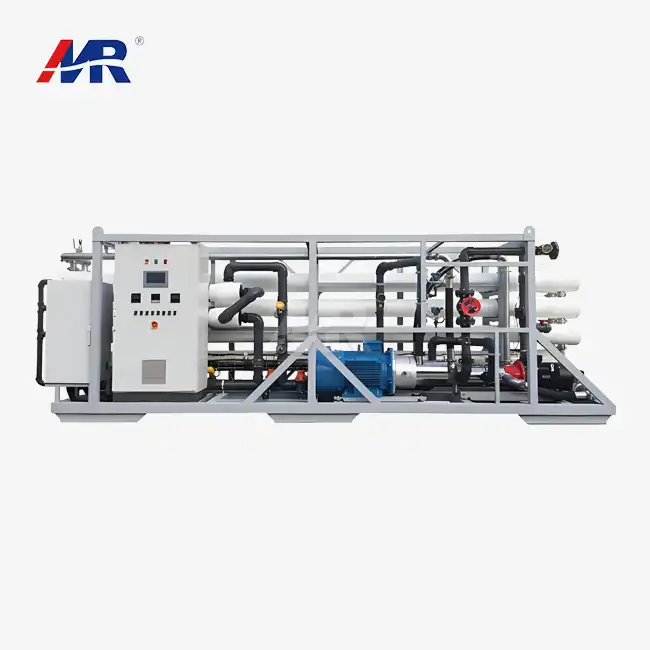
Modular wastewater systems are a big change in how businesses deal with environmental issues. Instead of building fixed concrete structures that take months to prepare the site for, containerised sewage treatment packs advanced treatment technology into normal 20- or 40-foot shipping containers. This new idea directly addresses the operational problems that facility managers and procurement teams face when they have to balance tight regulatory compliance with quick deployment schedules.
What Makes Containerised Systems Effective for Compliance?
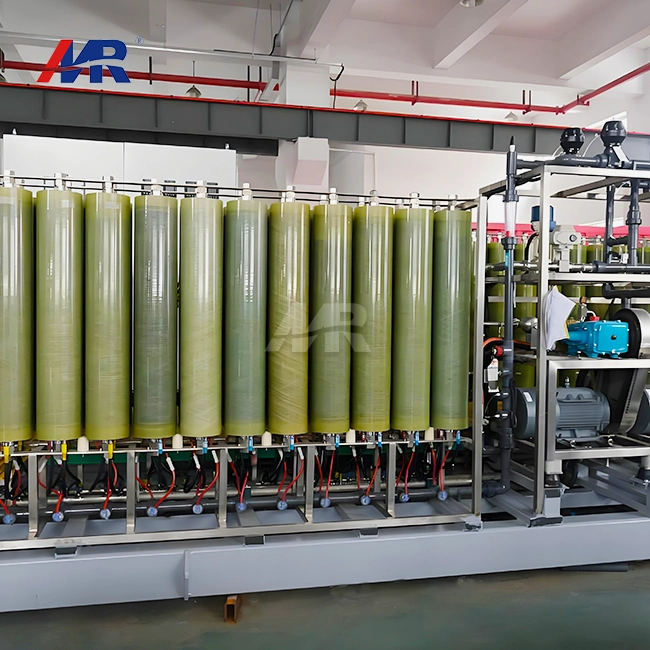
It works because it is put together in a workshop where each step of the treatment process is carefully tested before it is sent out. Field-built buildings can have problems with consistency of construction, but these units come to places already put together. The primary processes of sedimentation, biological treatment, filtration, and disinfection all happen in carefully designed chambers. This makes sure that the systems work the same way no matter what kind of wastewater they are dealing with. Marine-grade C5-M epoxy coatings or construction from 304/316L stainless steel ensure long-lasting use in harsh industrial settings, such as food processing plants in the middle of the country or pharmaceutical plants on the coast.
Real-World Applications Demonstrating Regulatory Success
These systems are used by Nevada mining companies that are far away to handle 50,000 gallons of water every day while staying within the Total Dissolved Solids standards for groundwater protection zones. A Wisconsin cheese company switched from an old septic system to a containerised MBR unit. This cut nitrogen flow by 87% to meet watershed protection standards. During storm rescue efforts in Louisiana, these units were used by temporary field hospitals to keep sensitive wetland areas from getting faecal coliform. These case studies show how adaptability can be used in areas like petrochemicals, farm processing, and emergency response where traditional infrastructure isn't possible or is too expensive.
Containerised Sewage Treatment vs Traditional Methods: Meeting Discharge Criteria
When you compare treatment methods, you need to look at more than just the original capital costs. You also need to look at long-term compliance reliability and operating freedom. Traditional centralised plants are great at processing large amounts of data, but they need a lot of space, a lot of pipes, and permits that take years to get. Septic systems work well in low-density areas, but they have trouble with industrial-strength pollution and can't be monitored in real time, which is needed to show that they're following the rules.
Before we look at specific performance metrics, it's important to note that containerised sewage treatment solutions are in a strategic middle ground. They offer treatment sophistication on par with public facilities while still having the decentralised ease of on-site systems. This positioning is especially helpful for businesses that work in places where water quality standards are changing.
Space Efficiency and Installation Speed
A normal treatment plant that can handle 100,000 gallons per day needs about 2 to 3 acres of land, which includes buffer zones. A containerised version of this plant can work in just 320 square feet. Installation times are very different. It usually takes 18 to 24 months for standard plants to go from breaking ground to being operational, but only 4 to 8 weeks for modular units, which only need foundation pads and utility hookups. Electronics companies that want to make more semiconductors in Texas have taken advantage of this speed advantage, starting up before the long building permits needed for other options were even accepted.
Comparative Pollutant Removal Performance
Data from tests done in EPA-approved labs shows important differences in performance:
- BOD₅ Reduction: Containerised MBR systems get rid of 98.5% of BOD₅, while septic drain fields get rid of 85–92% and regular activated sludge plants get rid of 95–97%.
- Suspended Solids: Membrane filtration in modular units makes effluent with less than 3 mg/L TSS, while in standard plants, 10–30 mg/L TSS comes from secondary clarifiers.
- Pathogen Elimination: Using UV disinfection steps in containerised designs lowers faecal coliform levels by 4 logs, meeting Class A reuse standards without the safety issues that come with chlorination.
These improvements in performance directly lead to trust in the governing system. Pharmaceutical businesses that make GMP-grade pure water depend on this regularity to keep their operations running smoothly and avoid having to shut down because of discharge violations. The flexible design of containerised sewage treatment systems lets the capacity grow gradually by adding parallel units as production increases. This way, the whole treatment infrastructure doesn't have to be redesigned, and discharge permits don't have to be applied for again.
Core Elements and Maintenance of Containerised Sewage Treatment Systems
To keep compliance, you need to know how the technology works inside each container and follow maintenance procedures before they break. When procurement teams look at the total cost of ownership, they need to think about how long parts last, how easy it is to get spare parts, and how quickly expert help responds.
Critical Treatment Components
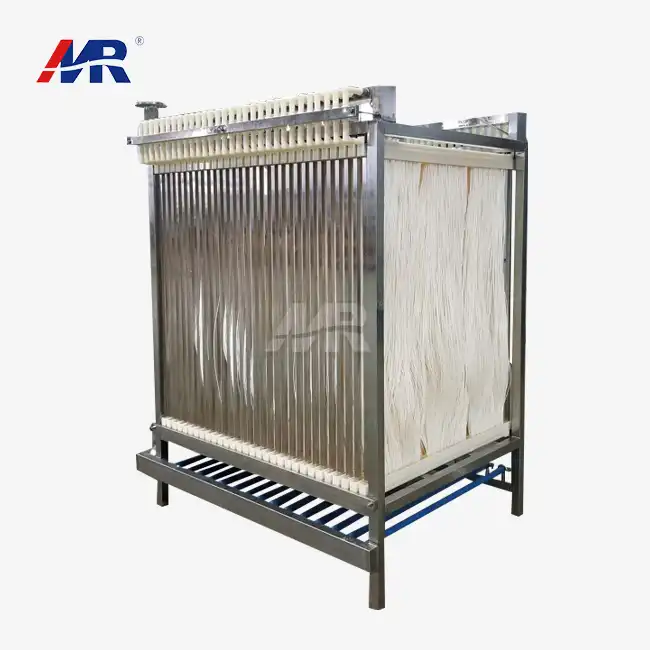
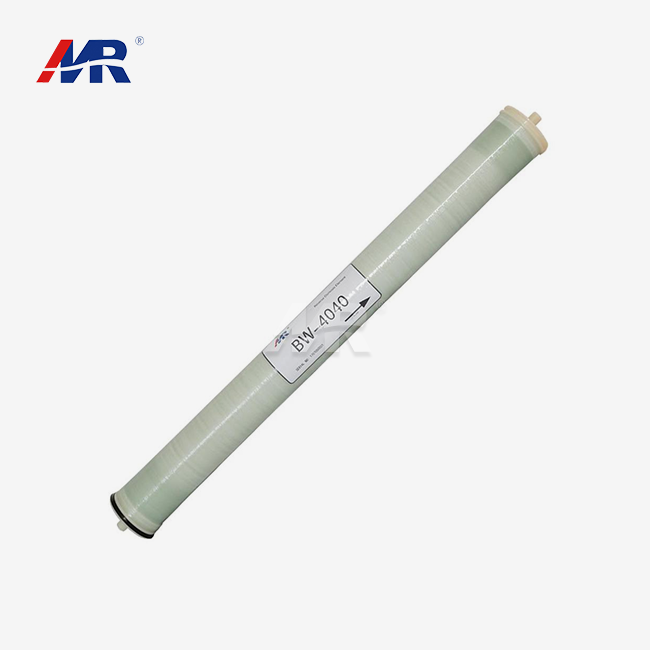
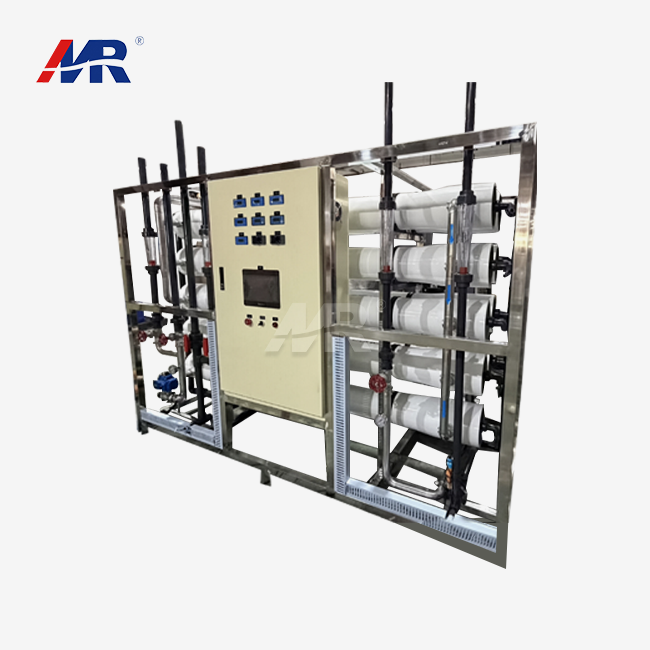
At their core are advanced filtration modules. These use hollow-fibre membranes with pores that are only 0.04 microns wide to physically separate bacteria and other objects in the fluid. Aeration systems add dissolved oxygen to the water, which supports aerobic bacterial populations that break down organic pollutants. The efficiency of the blowers has a direct effect on energy costs, as they usually use 60–70% of the total electrical load. Sludge management systems automatically remove leftover biomass, and return activated sludge pumps keep the right amount of microbes in bioreactor tanks. Integrated PLC controls with HMI touchscreens let you check pH, dissolved oxygen, sediment, and flow rates in real time. These are the kinds of things that regulators look at.
Maintenance Requirements for Regulatory Adherence
Biofouling, which lowers the efficiency of filtering, can be stopped by cleaning the membrane every three months with treatments of citric acid or sodium hypochlorite. Calibration of inline sensors once a month makes sure that accurate data is recorded for reports on discharge monitoring sent to environmental agencies. Since light intensity decreases over time with use, replacing UV lamp parts once a year keeps pathogens from multiplying. We've seen that facilities that use predictive maintenance schedules—which keep track of differential pressure across membranes and blower vibration signatures—have 73% less unplanned downtime than facilities that use reactive repair methods.
Factors Affecting System Longevity
If you protect against corrosion and keep up with structural maintenance, a container should last between 15 and 20 years. Extra cathodic protection against saltwater exposure is helpful for installations near the coast. Extreme temperature changes mean that insulation packages and heating elements are needed in the north, and better airflow is needed in the desert. Material compatibility is very important when handling certain types of industrial wastewater. For example, electroplating runoff that contains heavy metals needs coatings that are resistant to chemicals that go beyond what is required by law. People who are in charge of buying things should ask the manufacturer for proof of accelerated lifecycle testing and corrosion resistance Certifications that are appropriate for their work environment.
Procurement Considerations for Containerised Sewage Treatment Systems
To choose the right modular wastewater solutions, you need to carefully look at the technical specs, compliance paperwork, and supplier capabilities. When deciding how to balance limited cash with operational risk, decision-makers need to look at more than just the original buy price.
Evaluating Compliance Certifications and Performance Data
The NSF/ANSI Standard 40 certification checks the performance of residential wastewater treatment systems. The NSF/ANSI 350 certification checks the performance of onsite residential and commercial systems. For industrial uses, ISO 9001 quality management certification and ISO 14001 environmental management certification may be needed. Suppliers of membrane modules should make sure that the flux rates and rejection coefficients are checked by a third party. Electrical parts must have UL or CE marks on them to show that they meet safety standards. We suggest that you ask for approved lab test results that show the quality of the effluent under different hydraulic and organic loading conditions, not just the best-case Cases shown on the manufacturer's datasheets.
Total Cost of Ownership Analysis
Prices for complete systems range from $85,000 for simple 10,000-GPD units to $450,000 for complex 150,000-GPD systems that remove nutrients in a more advanced way. But the cost of purchase only makes up 40–50% of the costs of holding over 10 years. Some operational factors to think about are the amount of electricity used (about $0.08 to $0.15 per 1,000 gallons treated); the cost of replacing the membranes every 5 to 7 years (about $12,000 to $35,000 per module set); and the cost of annual service contracts for preventative maintenance and emergency response, which are usually between 3 and 5 percent of the capital investment. Leasing through equipment finance companies can help your cash flow. With 5-year terms and interest rates between 4 and 6 percent, you can keep your capital for core business operations while still getting access to new technology.
Supplier Selection Criteria
Working with well-known containerised sewage treatment suppliers lowers operational risks in a number of ways. For structural parts, the warranty should last 24 to 36 months, and for electrical systems, it should last 12 to 18 months. When setting up and fixing problems, having local service is very important. Suppliers with regional technical teams can reply faster than those that need plant technicians to come from faraway manufacturing hubs. Access to spare parts inventory decides how long a component's failure lasts; distributors with regional stores can send new membranes or blowers within 24 to 48 hours, while shipments from overseas can take up to a week. Checking references with current customers in related fields shows how responsive a seller is during real working problems, not just sales pitches.
Future Outlook and Innovations Impacting Compliance and Performance
As environmental laws and corporate commitments to sustainability get stricter, technological progress keeps changing the way modular wastewater treatment systems work. Companies that use procurement strategies that include new technologies stay ahead of legal changes and save money on operations.
Smart Monitoring and Process Optimisation
Internet of Things sensors now send treatment data in real time to cloud platforms. There, artificial intelligence algorithms look for performance issues that can predict when equipment will break down or biological processes will become upset. By looking at past operating trends, machine learning models automatically change the rates of aeration, chemical dosing, and membrane backwashing. This saves energy while keeping the quality of the release. Remote tracking lets one person keep an eye on many installations spread out across many facilities. This is especially helpful for international companies that have to make sure that dozens of production sites follow wastewater regulations. Early adopters say that predictive repair scheduling and energy optimisation cut their running costs by 18 to 25 percent.
Energy Efficiency and Resource Recovery
Anaerobic membrane bioreactors are a new technology that can capture methane from the organic parts of wastewater. This means that treatment plants can go from using a lot of energy to producing some of it. Nutrient recovery systems take phosphorus and nitrogen out of waste and use them as fertilisers for plants. This turns the costs of disposal into income streams. Biological processes restore heat that warms up entering wastewater. This lowers the amount of heat energy needed in climate-controlled treatment stages. These new ideas help companies meet their sustainable goals while also making treatment more cost-effective. For example, biogas capture and heat integration have helped beer operations in Colorado use no energy at all for treating wastewater.
Regulatory Trends Driving Innovation
As part of larger efforts to protect watersheds, the EPA is currently changing secondary treatment guidelines to include specific nitrogen and phosphorus limits. As the drought gets worse and more recycled water is needed, California's Title 22 water reuse rules set stricter requirements for reducing pathogens. Similar trends can be seen in international markets. For example, the EU's Urban Waste Water Treatment Directive changes call for stricter limits on micropollutants and pharmaceutical leftovers. Containerised sewage treatment systems with advanced oxidation processes, granular activated carbon polishing, and multi-barrier disinfection get buyers ready for regulatory environments that are getting stricter. Investing in platforms that can be changed and updated with new technology in small steps protects against becoming obsolete as standards change.
Conclusion
Through designed treatment methods and recorded pollutant removal rates, containerised sewage treatment consistently meets local discharge standards. These modular systems are better for compliance than standard methods because they use space more efficiently, can be set up faster, and work the same way in all kinds of industrial settings. To be successful, procurement must take into account total ownership costs, supplier skills, and upkeep obligations. New smart technologies and designs that use less energy make it easier to follow the rules and make operations more cost-effective. As environmental standards get stricter and sustainability demands rise across global markets, businesses that focus on flexible wastewater solutions put themselves in a good situation.
FAQ
1. How do containerised systems handle varying wastewater volumes?
Different modular designs can handle changing flows with equalisation tanks that smooth out peak discharge times and variable-speed blowers that change the amount of airflow to match the amount of organic material. Multiple containers work together in parallel, which lets repair work be done on individual units without affecting the treatment capacity during production spikes.
2. What discharge standards do these systems typically achieve?
When units are run correctly, they always meet the EPA's secondary treatment guidelines (BOD₅ < 30 mg/L and TSS < 30 mg/L) and often reach advanced treatment levels (BOD₅ < 10 mg/L, TSS < 10 mg/L, and nitrogen < 5 mg/L) that are good for sensitive receiving waters or reusing on-site.
3. Can existing facilities retrofit these systems?
Yes, many setups repair septic systems that aren't working right or help out conventional plants that are too full. Site requirements include level foundation pads, electrical service, and pipe connections to existing collection systems. These tasks are usually finished within three to six weeks so as not to interfere with ongoing operations.
Partner with Morui for Compliant Containerised Sewage Treatment Solutions
Guangdong Morui Environmental Technology has been treating water in a specific way for 14 years and helps businesses, cities, and industries in North America with their drainage problems. Our fully assembled containerised sewage treatment systems use advanced membrane technologies and tried-and-true biological methods to produce high-quality effluent that meets or exceeds local discharge standards. With more than 500 committed professionals, including 20 specialised engineers, we offer a full range of services, from designing the system from scratch to installing it, putting it through its paces, and providing ongoing Technical support. Our manufacturing capabilities include factories that make membranes and factories that put together equipment. This way, we can keep an eye on quality all the way through the supply chain. We build trustworthy systems with full warranties and quick local service because we are authorised sellers for top component brands like Shimge water pumps and Runxin valves. If your procurement team is looking for a reliable containerised sewage treatment provider, they can email our technical experts at benson@guangdongmorui.com to talk about their unique discharge needs, site limitations, and compliance goals.
References
1. United States Environmental Protection Agency (2021). Wastewater Technology Fact Sheet: Package Plants. Office of Water, EPA 832-F-00-016.
2. Water Environment Federation (2020). Membrane Bioreactor Processes: Design and Operation Guidelines. Manual of Practice No. 36, Alexandria, Virginia.
3. National Science Foundation International (2019). NSF/ANSI Standard 350: Onsite Residential and Commercial Water Reuse Treatment Systems. Ann Arbour, Michigan.
4. American Society of Civil Engineers (2022). Standards for the Design and Operation of Small Wastewater Treatment Facilities. ASCE/EWRI 52-21, Reston, Virginia.
5. Metcalf & Eddy (2020). Wastewater Engineering: Treatment and Resource Recovery, 6th Edition. McGraw-Hill Education, New York.
6. International Water Association (2021). Decentralised Wastewater Treatment Systems: Performance Monitoring and Regulatory Compliance. IWA Publishing, London.