

_1745823981883.webp)

Best Practices for Water and Wastewater Treatment Plant Operation
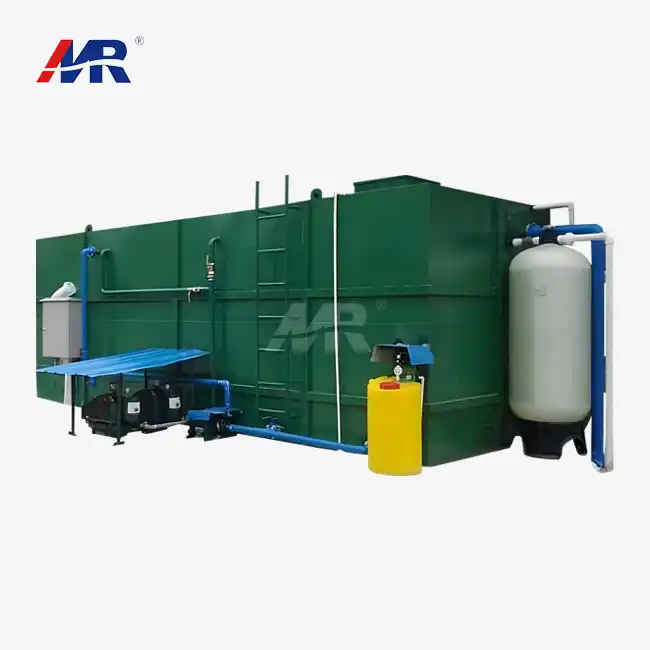
Operating an effective water and wastewater treatment plant requires a strategic combination of advanced technology, systematic maintenance protocols, and regulatory awareness. Best practices centre on optimising treatment workflows—from preliminary screening through biological processes to membrane filtration and disinfection—while integrating automation systems that enable real-time monitoring and predictive maintenance. These approaches reduce operational costs, enhance compliance with environmental standards, and extend equipment longevity. We've seen treatment facilities achieve remarkable improvements by adopting energy-efficient membrane technologies and modular designs that adapt to changing capacity demands while maintaining consistent effluent quality.
Introduction
For safe water supplies and to protect ecosystems, the industrial, municipal, and agricultural sectors all depend on water and wastewater treatment plants that work well. As regulations get more complicated, it's important for procurement workers and plant operators to know what the best operating practices are. This will help the facility run well and last for a long time. Choosing the right tools has a direct effect on how well treatments work, how much they cost, and how well compliance outcomes are met. Our knowledge at Guangdong Morui Environmental Technology helps businesses make smart choices that balance their technology needs with their budgets. With 14 offices and a team of 20 engineers working with more than 500 workers, we've provided complete solutions for managing industrial wastewater, treating municipal sewage, desalinating seawater, and making drinking water for a wide range of uses.
Understanding Water and Wastewater Treatment Plant Operations
Core Treatment Stages and Processes
Water and wastewater treatment plants use a series of steps that are designed to work with certain types of contaminants and the amount of waste that needs to be disposed of. Municipal sewer systems usually have to deal with biological waste and pathogens. On the other hand, heavy metals and pharmaceutical leftovers can be a problem in electroplating waste or pharmaceutical residues in biotech production streams. During the preliminary treatment phase, large solids are removed by screening and grit removal. This keeps equipment further down the line from getting damaged. The next step is primary clarification, which lets the settleable solids separate by gravity. Microorganisms break down dissolved organic matter and nutrients like nitrogen and phosphorus in biological treatment stages that use both aerobic and anoxic processes.
Advanced Membrane Filtration Technologies
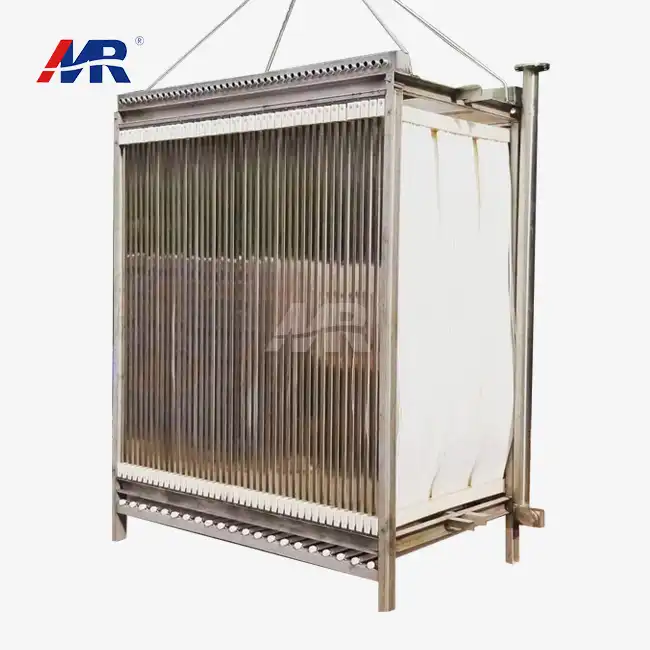
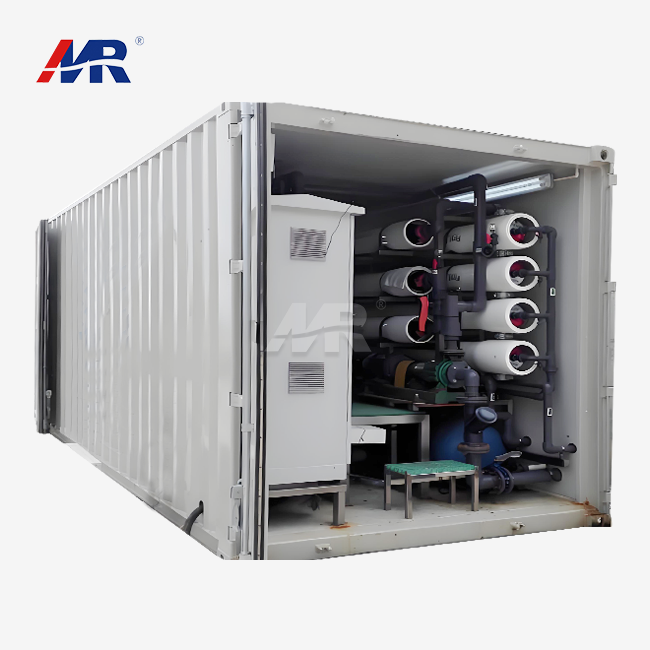
Membrane bioreactor systems are a big step forward in how well treatments work. When these configurations combine biological treatment with membrane filtration, they get rid of more contaminants than regular activated sludge processes. Our systems use advanced membrane technology that can get rid of particles as small as 0.01 microns. This gets rid of bacteria, suspended solids, and many other micropollutants. This method achieves up to 99.9% treatment efficiency, meeting the strict discharge standards needed by pharmaceutical companies, food processing plants, and electronics factories. Because our modular designs take up 30–50% less space than traditional systems, membrane filtration is especially useful in places where installing a traditional clarifier would take up too much room.
Disinfection and Final Polishing
After biological treatment and membrane filtration, pathogens are killed by disinfection before the water is released or used again. Depending on the nature of the water and the needs of the end use, ultraviolet light and chlorination each have their own benefits. Because UV decontamination doesn't use chemicals, it's better for sensitive tasks like recirculating water in farming or making semiconductors. The final discharge quality tells us if the cleaned water can be safely dumped into receiving waters, used again to cool factories, or improved even more so it can be used for drinking.
Best Practices for Enhancing Plant Efficiency and Performance
Systematic Bottleneck Identification and Resolution
When single parts slow down the whole process, a water and wastewater treatment plant's efficiency goes down. By looking at process flows, you can see where capacity limits show up, like in preliminary screening, aeration basin volume, or membrane flux rates. By systematically fixing these bottlenecks, you can avoid reactive troubleshooting and unplanned downtime. We suggest that you do performance reviews every three months that compare the real flow rates and level of treatment to what was planned. This proactive method found inefficient aeration at a food processing plant in the Midwest. By changing the setpoints for dissolved oxygen, the plant was able to cut its energy use by 18% while still following all of its permit requirements.
Preventive Maintenance Protocols
Equipment depends on regular repair plans that keep it from breaking down in catastrophic ways. Regular checks are needed for pump seals, fan bearings, and membrane stability. Setting up written repair processes provides continuity even when operators change. Our modular equipment designs make it easier to change parts. For example, repair teams can switch out membrane modules without having to shut down the whole treatment train. This feature was very important for a pharmaceutical company that had to run nonstop to meet GMP output plans.
Automation and Real-Time Monitoring
When SCADA systems and IoT devices are combined, water and wastewater treatment plant processes go from being managed reactively to being managed proactively. Operators can keep an eye on important factors like transmembrane pressure, dissolved oxygen levels, and wastewater turbidity from a central control room or a mobile device. Automated alerts let staff know when parameters move outside of acceptable ranges, so they can act quickly before violations happen. Our installations have remote monitoring and control features that cut down on the work of operators and speed up response times. After putting in place automated alarm systems with predictive analytics, a coastal desalination plant cut the number of emergency calls by 40%.
Selecting and Procuring the Right Treatment Solutions for Your Specific Needs
Capacity Planning and Scalability Considerations
When making purchases, choices should be based on both present needs and expected growth. Our systems can handle anywhere from 50 to 10,000 cubic metres of material per day, and their modular designs let them grow in stages without having to replace the whole system. A local company that makes drinks first put in a 200-cubic-meter-per-day reverse osmosis system. Later, they added parallel treatment trains to make the system 500 cubic metres. This scale kept output flexible while lowering the cost of capital. When planning for capacity, it's important to think about peak flow scenarios, seasonal changes, and regulatory reserve requirements that affect how big a water and wastewater treatment plant needs to be.
Technology Comparison and Selection Criteria
Conventional activated sludge systems have lower initial costs, but they need more space and make a lot of waste that needs to be disposed of. Membrane bioreactors require a bigger initial investment, but they have smaller areas, better wastewater quality, and less sludge production. The difference in energy use is big—our MBR systems use between 0.5 and 1.5 kilowatt-hours per cubic metre, which is about the same as well-optimised standard plants but takes up half the room. Chemical processing plants can use membrane technology to handle different amounts of organic matter without affecting its performance. When looking at different treatment options, you should think about the total cost of ownership, which includes things like energy, chemicals, sludge disposal, and operator labour over the course of 15-20 years.
Evaluating Water and Wastewater Treatment Plant Manufacturers
The choice of supplier affects the long-term success of a water and wastewater treatment plant after the initial purchase of tools. Look for manufacturers that offer full expert help, easy access to spare parts, and a history of success in your unique application. We run our own plant for making membranes and processing tools, which lets us keep an eye on quality and get parts to customers quickly. We offer complete solutions by getting the best parts from Shimge Water Pumps, Runxin Valves, and Createc Instruments, where we are authorised agents. Procurement teams should ask for performance promises, examples of setups in similar situations, and more information about the warranty terms that cover how long the membrane will last and when it needs to be replaced.
Environmental Compliance and Sustainable Operation Practices
Regulatory Framework Navigation
Water and wastewater treatment plants need to follow the rules in their release permits, which set limits for biochemical oxygen demand, total suspended solids, nitrogen, phosphorus, and chemicals that could be harmful based on the type of water they are getting. The Clean Water Act sets up the National Pollutant Discharge Elimination System, which regulates municipal and industrial dischargers across the US. If you break the rules about permits, you could face heavy fines and even have your business shut down. Our systems assist clients in consistently following the treatment plan by ensuring that the safety margins stay below the allowable limits. Documentation methods like daily tracking logs, calibration records, and deviation reports show that you are following the rules during inspections.
Energy Efficiency and Resource Recovery
Organic matter, nutrients, and heat that are naturally found in wastewater have value that can be recovered by new water and wastewater treatment plant facilities instead of being thrown away. Sludge is turned into biogas for cogeneration through anaerobic digestion, which cancels out the need to buy natural gas and electricity. Nutrient recovery methods take phosphorus and nitrogen out of the ground and turn them into fertiliser that can be sold. Our plans use less energy and cut down on running costs, which is especially important for cities and towns that are trying to stick to tight budgets. After switching to our high-efficiency membrane systems, a water reclamation plant in the Southwest saved $47,000 a year on power costs. These savings added up quickly, and within 4.2 years, they paid for themselves. They also cut carbon emissions by the same amount as taking 68 passenger vehicles off the road.
Sludge Management Strategies
Biological treatment creates extra biomass that needs to be disposed of properly. Because they keep solids for longer and catch them completely, membrane bioreactors make 20–30% less sludge than other methods. The methods of thickening and drying sludge lower its volume and lower the cost of transporting it. Depending on the type of sludge and local rules, dumping options include spreading it on land, recycling it, or burning it. We've helped clients come up with ways to reduce the amount of sludge they produce, which has cut down on the cost of removal while still meeting quality standards for biosolids that can be used again.
Training, Support, and Long-Term Operational Excellence
Operator Skill Development
Skilled operators can tell the difference between water and wastewater treatment plants that are doing well and those that are having problems over and over again. Full training classes should cover the basics of the process, how to use the tools, how to fix problems, and safety rules. Different states have different certification standards, and depending on the size and complexity of the building, many places require certified operators. We give yOur Team hands-on commissioning support and operating training during system starting to make sure they can safely handle normal operations and spot problems that need fixing. Operators stay up to date on new technologies and changes in the rules that affect plant operations by continuing their education.
Technical Support Infrastructure
Setting up responsive Technical support stops small problems from getting worse and causing major problems. Our team of 20 engineers can help with diagnostics remotely and provide service on-site when needed. Keeping a collection of important spare parts reduces the amount of time that systems are down when parts fail. Service agreements that spell out reaction times, available parts, and preventive maintenance plans make water and wastewater treatment plant operations more predictable. We offer a range of support packages, from basic remote consultation to full managed services where our technicians take care of routine maintenance so that client staff can focus on running the business.
Performance Monitoring and Continuous Improvement
Regular evaluations of performance in a water and wastewater treatment plant find ways to improve speed that build on each other over time. Comparing the way things are done now to design specs and industry standards shows places that need to be fixed. Data analytics tools look through operational data to find patterns that point to new problems or ways to make things more efficient. A chemical company found out through trend analysis that the timing of batch discharge caused temporary spikes in organic loading, which put too much stress on the biological treatment system. By changing the production plans, the features of the effluent were smoothed out. This stabilised the treatment process and cut chemical use by 12%.
Conclusion
To make water and wastewater treatment plants run more efficiently, they need combined plans that deal with things like choosing the right technology, keeping up with upkeep, following rules, and making sure staff are skilled. The best facilities have reliable equipment, organised ways of running things, and cultures of continuous improvement. Modern membrane technologies offer high-quality treatment in small packages, which is especially useful when room is limited or discharge standards are strict. Working with skilled providers will give you access to tried-and-true technologies, quick expert support, and cost-effective solutions that will protect your infrastructure investment and help you meet your environmental obligations.
FAQ
1. What distinguishes water treatment from wastewater treatment operations?
Water treatment removes naturally occurring contaminants from raw sources like rivers or springs so that they can be used for drinking or industry. Wastewater treatment takes used water that has human waste, industrial waste, and urban runoff in it and gets rid of extra toxins before it is released into the environment. So, the equipment choices for a water and wastewater treatment plant are also different. For example, drinking water systems focus on getting rid of pathogens and controlling taste, while garbage facilities try to get rid of organic matter and nutrients.
2. How do membrane systems stack up against traditional treatment in terms of cost?
Membrane technology requires 15–25% more money up front, but it saves money in the long run because it uses fewer chemicals, costs less to get rid of sludge, and needs less space. Total lifecycle costs usually favour membrane systems in situations where high-quality waste is needed, room is limited, or capacity needs to grow gradually. The amount of energy used stays about the same as in well-run traditional plants, and the quality of the waste always stays better.
3. What kinds of care make membranes last longer?
Keeping the right flux rates, keeping fouling under control with regular cleaning processes, and keeping membranes from getting damaged by pressure spikes can greatly increase their service life. Chemical cleaning should be done every month to three months, but this depends on the characteristics of the feedwater. Our systems have controlled backwashing and chemical cleaning-in-place features that keep operators from having to do too much while still protecting the structure of the membrane.
Partner with Leading Water and Wastewater Treatment Plant Suppliers
Guangdong Morui Environmental Technology blends manufacturing know-how with full project delivery skills to provide custom water and wastewater treatment plants that meet your unique needs. Our high-tech membrane filtration systems can treat up to 99.9% of water while using only 0.5 to 1.5 kilowatt-hours per cubic metre. They work reliably in municipal, industrial, food and beverage, pharmaceutical and chemical processing settings. We help facilities get the most treatment done in the space they have by using flexible designs that take up 30–50% less room than traditional methods. Our one-stop services include providing equipment, setting it up, operating it, and providing ongoing technical support. We can do this because we have our own membrane production plant and work with top component makers. Email our engineering team at benson@guangdongmorui.com to talk about how our treatment options can make your building more efficient, make sure it follows the rules, and lower its costs.
References
1. Smith, J.R. (2021). "Advanced Membrane Technologies in Municipal Wastewater Treatment." Journal of Environmental Engineering, 147(8), 04021032.
2. Chen, L. & Williams, M.K. (2022). "Energy Optimisation Strategies for Membrane Bioreactor Systems." Water Research, 216, 118345.
3. National Research Council (2020). "Water Reuse: Potential for Expanding the Nation's Water Supply Through Reuse of Municipal Wastewater." Washington, DC: The National Academies Press.
4. Martinez, P.D. (2023). "Predictive Maintenance Applications in Water Treatment Facilities Using IoT Sensors." Industrial Water Treatment, 55(3), 28-37.
5. Johnson, K.L. & Thompson, R.E. (2021). "Comparative Lifecycle Assessment of Wastewater Treatment Technologies." Environmental Science & Technology, 55(12), 8234-8242.
6. Anderson, H.W. (2022). "Regulatory Compliance and Best Management Practices for Industrial Wastewater Treatment." Environmental Compliance Quarterly, 18(2), 45-63.
 VIEW MOREmembrane bioreactor
 VIEW MOREbrackish water reverse osmosis systems
 VIEW MORE500m3/day reverse osmosis RO plant
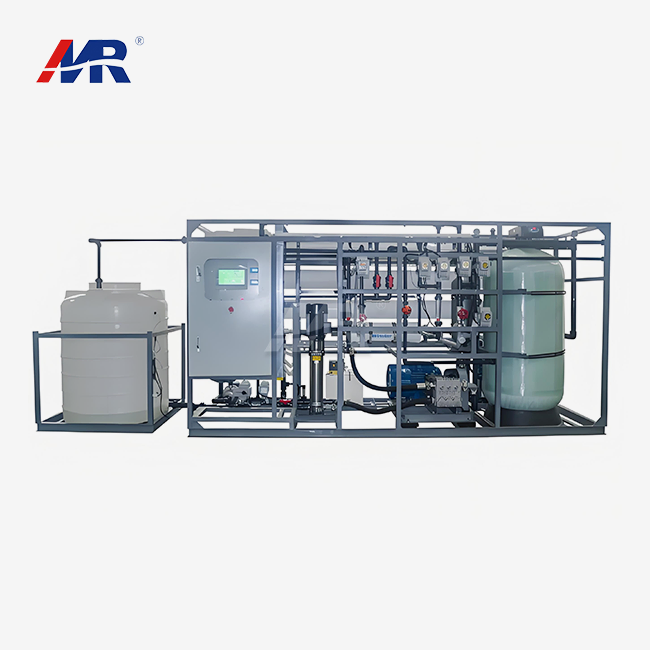 VIEW MOREseawater treatment system
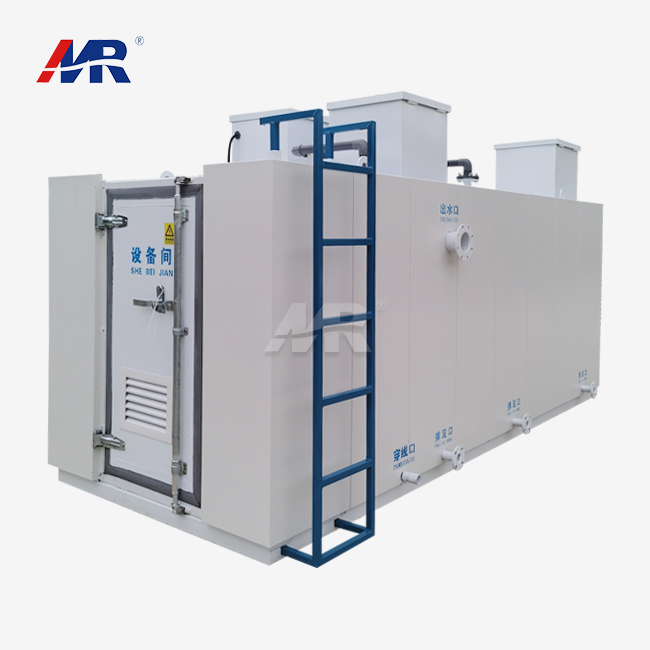 VIEW MOREwastewater treatment plant
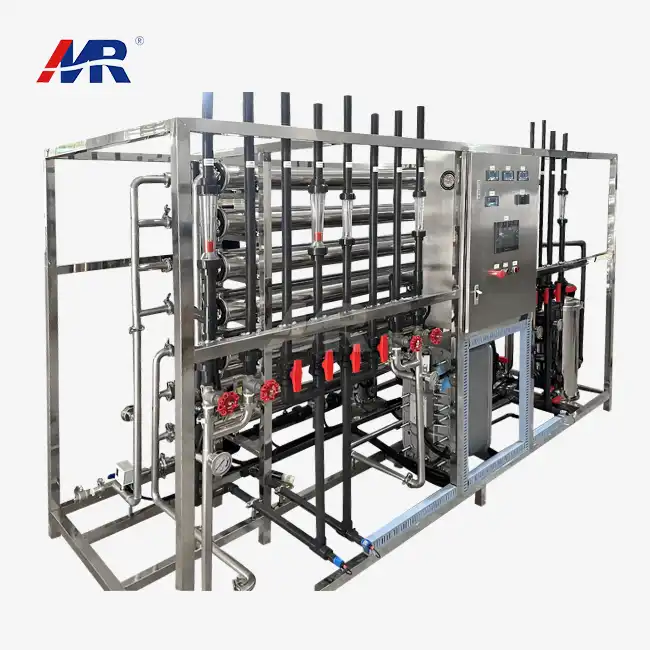 VIEW MORE2m3/hour EDI system
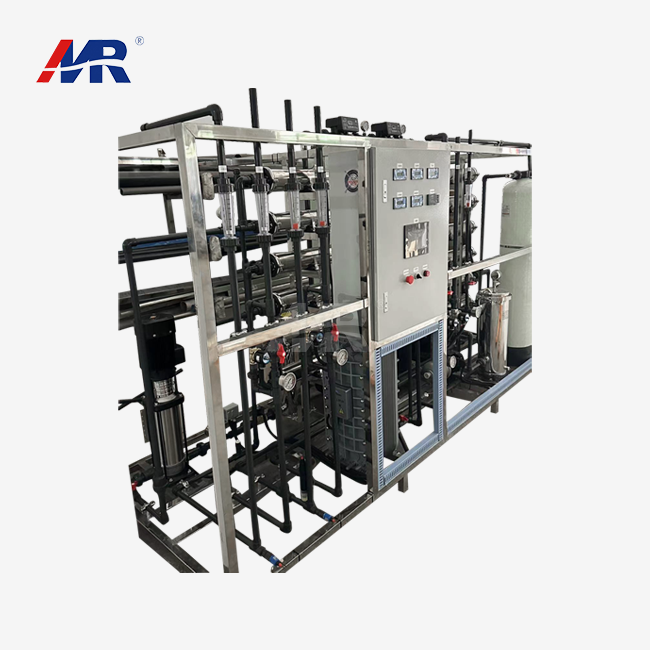 VIEW MOREedi water treatment system
 VIEW MOREcontainer seawater desalination equipment
