

_1745823981883.webp)

Containerized Reverse Osmosis Systems for Mining and Remote Sites
Mining enterprises and other distant industrial sites still confront the same challenge: how to provide clean, dependable water where there is no traditional infrastructure. Containerized Reverse Osmosis Systems get what they need most: whole water purification facilities housed in transportable shipping containers. These turnkey systems provide high-quality water for process applications, dust suppression, and staff consumption without the need for permanent installation. The modular concept combines the steps of pretreatment, membrane filtration and post-treatment into climate-controlled units that are resistant to challenging climatic conditions and guarantee uniform quality of the output. If your company requires water treatment capacity beyond what is available from the grid and conventional utilities, containerised solutions may be deployed right away.
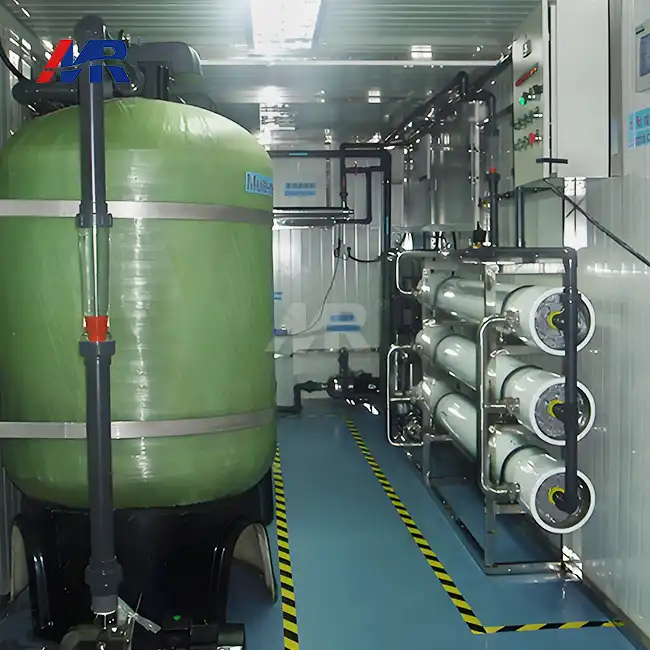
Understanding Containerized Reverse Osmosis Systems
Water treatment in a containerised form is a paradigm change from a permanent plant architecture to transportable purifying technology. ISO standard shipping containers, usually 20- or 40-foot, provide safe housing for these systems and incorporate fully integrated RO equipment. The containerised method tackles many operational pain points at once: no more long construction schedules, no more permanent structures, and the ability to relocate when mining sites grow or activities change.
Core Components and Technical Architecture
Each container is equipped with a comprehensive hydraulic system designed for best performance. The purification core employs high-flux spiral-wound membranes that reject dissolved solids, heavy metals, and chemical impurities at a rate of more than 98%. Pretreatment phases, such as multimedia filtration, prepare the feed water, increasing the life of sensitive membrane elements. Variable frequency drive pumps provide for accurate pressure management with less energy use and react to changes in source water quality.
The physical structure is built with thermal insulation and anti-corrosive coatings required for severe temperatures. Electrical components are rated IP65 or better, ensuring dust ingress and moisture typical of a mine environment will not compromise the operation of the device. This waterproof structure provides consistent operation in desert heat, polar cold, or coastal dampness.
How RO Technology Addresses Mining Water Challenges
Mining operations face water supplies that are singularly problematic, from brackish groundwater to acidic pit drainage. Water molecules are pushed through semi-permeable membranes under pressure via reverse osmosis, physically separating impurities by size of molecule. Dissolved minerals, metals like arsenic and lead, and chemical residues stay concentrated on the feed side while cleansed water goes through. This energy-intensive method meets water quality criteria that cannot be achieved with traditional filtration alone, generating drinking water for the workforce and process-grade water for cooling equipment or ore processing.
Key Considerations When Selecting Containerized Reverse Osmosis Systems
Procurement choices include aligning system specs to site-specific needs. By evaluating systematically, you can avoid costly incompatibilities between equipment performance and operational requirements.
Feed Water Quality and Quantity Requirements Assessment
First, test your source water well for composition. The pretreatment configuration required for Containerized Reverse Osmosis Systems is a function of total dissolved solids concentration, pH, hardness, and the presence of silica or iron. A system intended for brackish well water will behave differently than a system designed for high salinity sources. The volume of water needed per day (cubic meters or gallons per day) determines the amount of membrane and size of the pump. Plan for peak use, not average use, to ensure that you have the capacity to meet intense demand.
Energy Availability and Recovery Technology
Energy economy is particularly important in remote places where diesel generators or low-capacity grid connections are common. The modern containerised systems have Energy Recovery Devices that absorb pressure from concentrate streams and reduce overall power usage by 30-50%. This device captures hydraulic energy that would otherwise be lost and transforms it back to work – directly reducing fuel cost and operating expenditure. When assessing providers, look at particular energy usage, in kilowatt hours per cubic metre generated.
Mobility Versus Permanence Trade-offs
The transportability benefit does have its concerns. Containerised units are well suited for short-term mining projects, exploratory projects, or enterprises that may move in five to ten years. Its plug-and-play installation involves just power connections and water inlet/outlet piping, allowing deployment in days instead of months. Fixed installations may be cheaper to operate per gallon for sites with a 20-year commitment, but containerised options provide a flexibility that conventional concrete plants just will not have. That basic decision should be driven by your procurement schedule and length of the project.
Maintenance, Troubleshooting, and Quality Assurance
Simple maintenance and fast problem-solving guarantee reliable operation in remote regions. Being aware of the typical problems, procurement teams can judge whether systems provide useful serviceability.
Preventive Maintenance Schedules
Disciplined maintenance procedures are the key to long-term success. The pre-treatment filters need to be changed every three to six months, depending on the turbidity of the source water. Membrane elements are usually rated for a life of three to five years under design settings. Harsh conditions may shorten replacement intervals. Good ties with suppliers that provide full maintenance documentation, training programmes and availability of replacement parts help to avoid long lead times when components need servicing.
Addressing Membrane Fouling and Scaling
The most prevalent performance problem is fouling, which is the buildup of particles, biological growth or mineral scale on membrane surfaces. Symptoms include decreasing permeate flow rates, increased feed pressure, or worsening product water quality. When fouling develops, chemical cleaning treatments utilising acidic or alkaline solutions restore the flux capacity. Good pretreatment design has avoided frequent fouling; nevertheless, procurement must include requirements for integrated cleaning systems and chemical dosing equipment inside the container.
Compliance with Water Quality Standards
Regulatory criteria for potable water provided to workers and for discharge water returned to the environment must be met at mining operations. Containerised systems for drinking water applications should integrate components that are approved to NSF/ANSI Standard 61 to avoid leaching of pollutants from materials. Continuous surveillance instrumentation, including conductivity meters, pH sensors and flow meters, allows real-time quality verification. For manufacturers, verify that their systems are documented to meet applicable criteria, such as EPA Safe Drinking Water Act requirements or local mining water laws.
These quality assurance procedures help preserve the health of the workers, pass regulatory inspections, and show corporate responsibility. Monitoring capabilities and certification paperwork should be expressly stated in the procurement requirements, not assumed.
Procurement and Cost Evaluation for Containerized RO Systems
Financial analysis of Containerized Reverse Osmosis Systems extends beyond purchase price to encompass total cost of ownership across the system's operational life. Strategic procurement balances initial investment against long-term value delivery.
Capital Investment Components
Base system pricing typically reflects membrane capacity, automation level, and construction materials. A 50 cubic meter per day containerized unit suitable for medium-sized mining operations ranges from $150,000 to $350,000 depending on specifications. Stainless steel frames command premium pricing over epoxy-coated carbon steel but offer superior corrosion resistance in aggressive water chemistries. Remote monitoring systems add upfront cost while reducing long-term operational expenses through predictive maintenance capabilities.
Delivery and installation represent significant additional expenses for remote sites. Transportation to locations lacking road access may require helicopter lifts or specialized hauling equipment. Site preparation—concrete pads, electrical connections, and plumbing integration—add costs that vary dramatically based on existing infrastructure. Comprehensive budget planning includes these auxiliary expenses rather than focusing solely on equipment pricing.
Operational Expense Projections
Energy consumption dominates ongoing costs, particularly where diesel generators provide power. Calculate annual energy requirements by multiplying system power rating by operating hours, then applying your site's electricity cost per kilowatt-hour. Membrane replacement cycles contribute periodic capital expenditures; budgeting $15,000 to $40,000 every three to five years for membrane elements prevents surprise expenses. Chemical costs for cleaning and pretreatment typically represent 5-10% of total operational spending.
Comparing Manufacturers and Supplier Support
Guangdong Morui Environmental Technology stands out among containerised RO vendors for numerous reasons. We provide comprehensive manufacturing capabilities that few rivals can match, with over fourteen branches, 500 people, and twenty specialised engineers. Our in-house membrane plant controls crucial component quality and reduces supply chain dependency. Vertical integration means quicker delivery and lower prices than third-party membrane providers.
We have containerised mining systems for copper extraction and rare earth processing in various locations. Our systems use Shimge water pumps, Runxin control valves, and Createc instrumentation, which highlight our dedication to dependability above short-term cost reduction. Besides equipment delivery, we install and commission it, avoiding contractor coordination issues.
Assessing a provider entails assessing their post-sale assistance. Does the company provide on-site Technical support for complicated issues? Do they have extra parts for fast shipping? Your maintenance staff receives what training? These service characteristics frequently impact operational success more than tiny system specification discrepancies.
Case Studies and Future Trends in Containerized RO Systems
“Real-world performance data shows how containerised water treatment delivers measurable value in challenging applications.
Mining Operation Success Stories
A gold mine in Nevada’s high desert had limited water supplies that limited how much it could produce. The traditional choices – hauling water or building a permanent treatment facility – were too expensive and would take too much time. The operation used a 40-ft containerised RO system treating brackish groundwater with 4,500 mg/L TDS. Within two weeks of commissioning, the system was producing 100 m3/day of metallurgical specification process grade water. The facility provided a complete return on investment within 18 months, eliminating shipping expenses and boosting output via consistent water access.
A copper mine in Chile’s Atacama Desert needed to provide drinkable water for 200 people on site and wanted to reduce the amount of freshwater it extracted from rare aquifers. Containerised technology processes mine dewatering discharge, reduces dependency on trucked water by 75%, lowers logistics costs, and improves environmental sustainability measures. The modularity enabled capacity to be added when the workforce expanded during peak production periods—illustrating the scalability benefit of the containerised method.
Emerging Technological Innovations
The incorporation of renewable energy is a massive step forward for remote site applications. Containerised RO systems are now totally powered by solar panel arrays with battery storage, removing the expense of generator fuel and carbon emissions. Advanced membrane materials continue to push the envelope for greater flux rates at lower pressures to improve energy efficiency over the last five years.
Remote monitoring platforms with satellite connectivity allow for real-time oversight of the system from corporate offices thousands of miles away. Predictive maintenance algorithms use operational data to estimate when a component will fail before the failure actually occurs so that scheduled service may be performed during planned downtime rather than emergency repairs that halt production.
Strategic Procurement for Long-Term Value
Progressive procurement is more about working with suppliers as partners than it is about buying equipment. Working with manufacturers that provide continuous technical support, system optimisation services and upgrade paths helps guarantee your water treatment capacity expands as your operational demands grow. Modular containerised designs allow for future growth by adding parallel units or updating internal components, without the need to replace complete systems.
Conclusion
Containerised Reverse Osmosis Systems have revolutionised water treatment, making it feasible for mining and distant industrial operations. Mobility, fast deployment and industrial-grade purifying performance answer difficulties that conventional methods cannot affordably meet. Successful procurement depends on knowledge of feed water qualities, energy needs and total ownership costs, and favouring vendors with good technical assistance. Technology continues to evolve with advancements in energy recovery, integration of renewable power, and predictive maintenance capabilities that boost dependability and lower operating costs. Strategic investments in well-defined containerised systems may provide secure water supplies that allow continuation of production independent of geographical limitations.
FAQ
1. What installation timeline should we expect for a containerized RO system?
Typical installation proceeds significantly faster than conventional treatment plants. After delivery to your site, basic setup including positioning, electrical connections, and plumbing integration requires three to seven days depending on site preparation completeness. Commissioning and performance verification add another two to three days. Total timeline from delivery to full operation averages one to two weeks compared to six to twelve months for equivalent capacity fixed installations.
2. Can these systems handle highly contaminated mining water sources?
Properly configured containerized RO systems effectively treat challenging mining water, including acidic drainage, high-salinity groundwater, and wastewater containing dissolved metals. Critical factors include appropriate pretreatment design and membrane selection matched to specific contaminants. Providing detailed source water analysis during procurement allows manufacturers to engineer systems with suitable chemical resistance and fouling prevention measures.
Contact Morui for Your Containerized Reverse Osmosis Systems Solution
Securing reliable water treatment for your mining or remote operation requires partnering with an experienced containerized reverse osmosis systems manufacturer who understands the unique demands of isolated industrial environments. Guangdong Morui Environmental Technology delivers proven solutions backed by comprehensive engineering support and responsive service infrastructure. Our integrated manufacturing capabilities—including membrane production facilities and equipment processing factories—ensure quality control and competitive delivery schedules that independent suppliers cannot match.
Whether your project demands potable water for workforce consumption, process water for mineral extraction, or wastewater treatment meeting discharge regulations, our technical team will configure systems precisely matching your requirements. We provide complete turnkey implementation from initial site assessment through installation, commissioning, and operator training. Reach out to discuss your specific water challenges and receive detailed technical proposals. Contact Benson at benson@guangdongmorui.com to explore how our containerized solutions can eliminate water supply constraints limiting your operational success.
References
1. Greenlee, L.F., Lawler, D.F., Freeman, B.D., Marrot, B., & Moulin, P. (2009). "Reverse osmosis desalination: Water sources, technology, and today's challenges." Water Research, 43(9), 2317-2348.
2. Voutchkov, N. (2018). "Energy use for membrane seawater desalination – current status and trends." Desalination, 431, 2-14.
3. Wilf, M., & Bartels, C. (2005). "Optimization of seawater RO systems design." Desalination, 173(1), 1-12.
4. Macedonio, F., Drioli, E., Gusev, A.A., Bardow, A., Semiat, R., & Kurihara, M. (2012). "Efficient technologies for worldwide clean water supply." Chemical Engineering and Processing: Process Intensification, 51, 2-17.
5. Pearce, G.K. (2008). "UF/MF pre-treatment to RO in seawater and wastewater reuse applications: a comparison of energy costs." Desalination, 222(1-3), 66-73.
6. Schiermeier, Q. (2014). "Water: Purification with a pinch of salt." Nature, 505(7481), 19-21.
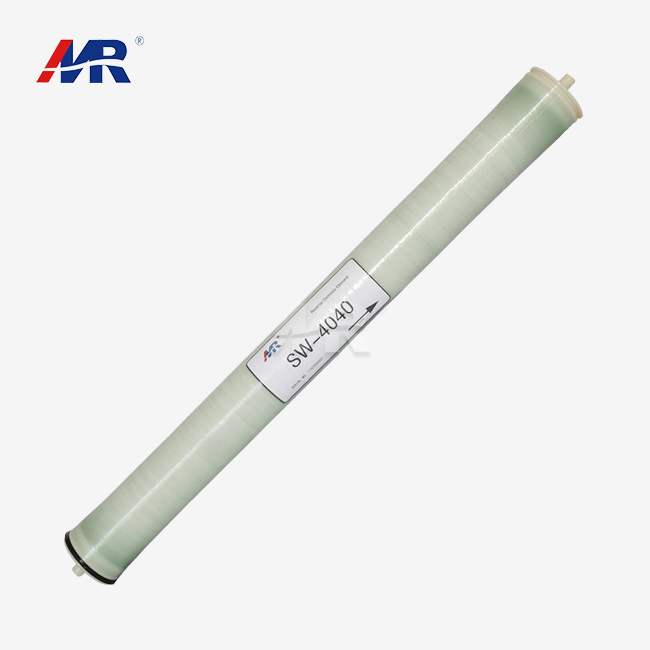 VIEW MORE4040 seawater reverse osmosis membrane
 VIEW MOREsewage treatment plant MBR system
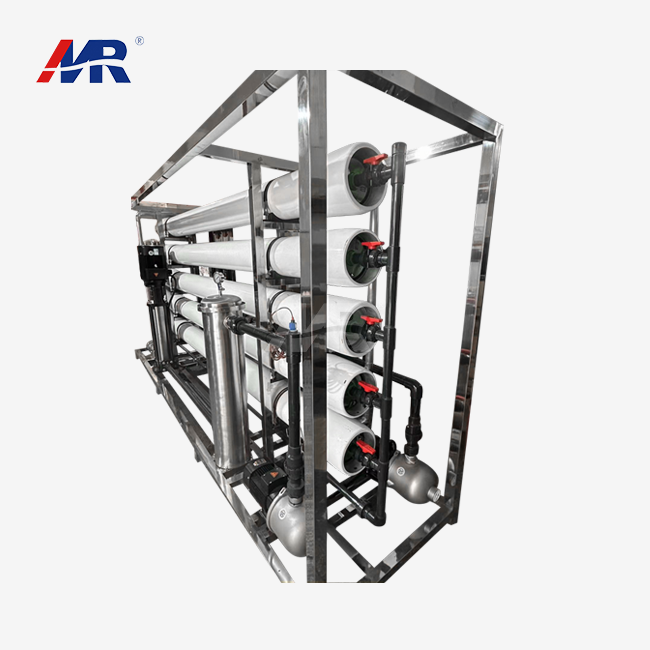 VIEW MOREreverse osmosis water treatment equipment
 VIEW MOREbrackish membrane
 VIEW MOREElectrodeionization system
 VIEW MORE200m3/hour ultrafiltration equipment
 VIEW MOREseawater desalination system
 VIEW MOREbioreactor wastewater treatment
