

_1745823981883.webp)

How a Containerized Water Treatment Plant Saves Installation Time
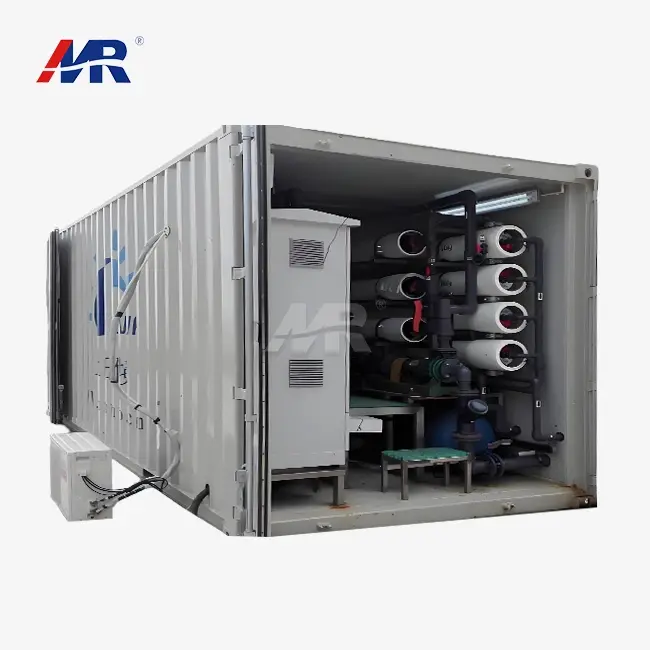
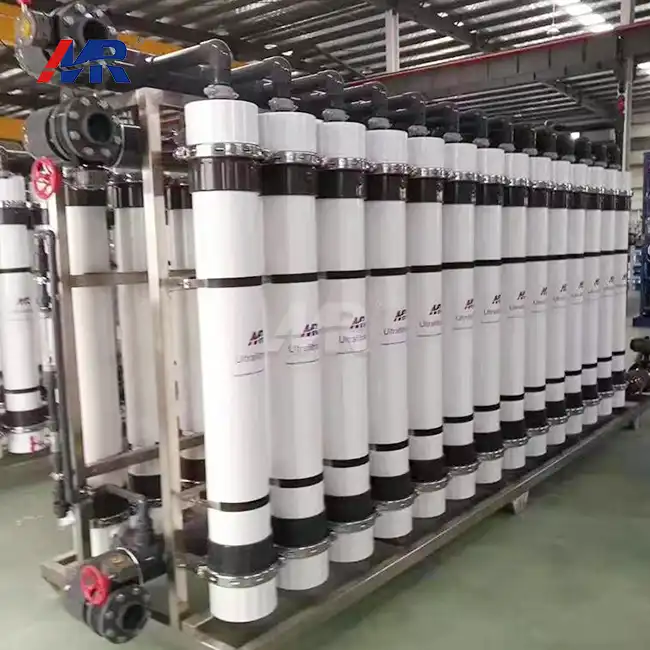
If your manufacturing line relies on clean water, every day without a containerized water treatment plant means lost income and unhappy stakeholders. Containerised water treatment plants reduce installation time from months to weeks, addressing this necessity. These modular, pre-integrated systems come factory-tested and ready for quick deployment, avoiding the lengthy civil engineering work, difficult on-site assembly, and coordination issues that beset typical water treatment projects. This method streamlines water treatment procurement by encapsulating ultrafiltration, reverse osmosis, or membrane bioreactor technology in ISO containers.
Challenges of Traditional Water Treatment Plant Installation
Traditional water treatment infrastructure requires significant groundwork, which delays and costs more. Pharmaceutical, food industry, and electronics procurement managers confront 6-12 month installation processes before generating the first gallon of filtered water. Excavation, foundation pouring, and structural engineering need seasonal contractors, adding to the complexity.
Coordination between suppliers causes bottlenecks. The membrane supplier, electrical contractor, instrumentation expert, and civil engineering team must coordinate their timetables. A delayed pump supply from one supplier might idle other contractors, increasing labour expenses. Coastal saltwater desalination projects and isolated mining sites where winter halts work are greatly hampered by weather.
Regulatory compliance complicates everything. Each installation step of municipal water plants and pharmaceutical facilities requires significant permitting and inspection processes. These regulatory touchpoints, although necessary for quality assurance, add unpredictable delays. When water availability affects manufacturing schedules, beverage firms miss seasonal production windows, semiconductor fabricators delay new product lines, and hospital expansions delay opening dates.
How Containerized Water Treatment Plants Revolutionize Installation
Modular water treatment systems reinvent deployment with factory-controlled assembly. These 85-95%-complete solutions differ from on-site plants. Morui factories incorporate pumps, filters, reverse osmosis membranes, control panels, and pipes inside ruggedised containers under regulated circumstances. With no weather delays, this setting guarantees quality that field assembly cannot match.
The plug-and-play design concept minimises field connections. A typical 20- or 40-foot containerised system needs just four exterior connections: intake water supply, treated water exit, waste discharge, and power. Traditional installations require hundreds of field welds, dozens of valve installations, and intricate electrical terminations. We pre-wire all internal components and do comprehensive Factory Acceptance Testing (FAT) before shipping to identify errors in hours rather than days.
Because units follow worldwide shipping standards, logistics are easy. Standard container handling technology carries plants effectively in Texas, Alaska, and distant Pacific islands. Coastal desalination projects benefit from shipping units straight to ports and placing them at ideal seawater intake sites without permanent structures. This flexibility applies to brownfield industrial sites when space restrictions prevent growth. A modular plant may fit in underutilised spaces that traditional designs cannot.
Pre-commissioning of a containerized water treatment plant at the factory is game-changing. Our factory runs entire operating cycles, calibrates equipment, and optimises membrane performance before shipping. Commissioning the containerised system at your location is a verification step, not a troubleshooting activity. Recently used in food processing and electricity generating facilities, this strategy has cut starting time by 60-70%.
Core Processes Behind Time Savings in Containerized Systems
The first time advantage comes from streamlined procurement. Water treatment projects often need separate purchase orders for civil construction, equipment, instrumentation, and commissioning. Each procurement stream has its own timeframe and approval procedure. Modular systems combine these pieces into one procurement package with standard specifications and delivery timeframes. Our customers close purchase agreements 4-6 weeks quicker than multi-vendor arrangements.
Site preparation is much reduced since containerised units equally transfer structural loads throughout their foundation frames. Traditional plants need reinforced concrete pads several feet deep to support heavy equipment, whereas our methods use compacted gravel or concrete piers. This method decreased site preparation from 8 weeks to 5 days for a North Carolina pharmaceutical customer. Less excavation equals less soil disposal, shorter construction fence, and less landscape impact.
Small, specialised teams replace big, multi-trade workers in installation. Traditional projects may coordinate 15-20 contractors at peak construction. Containerised deployments need 3-5 technicians to connect utilities and validate systems. Lean decreases coordination overhead, simplifies safety management, and eliminates communication failures that generate rework. Our 20-engineer technical team remotely installs and troubleshoots IoT-enabled SCADA systems without deploying workers.
Pre-validated operational parameters accelerate commissioning. In typical plants, operators spend days optimising chemical dosage, recovery rates, and control algorithms during membrane system startup. Factory testing establishes these requirements for our containerised plants. Site commissioning tests performance under source water circumstances in days, not weeks. This pre-optimized method helped an Arizona semiconductor firm produce ultrapure water in 72 hours.
Comparing Containerized and Traditional Water Treatment Plants: Installation Efficiency Focus
Quantitative study shows industry timing disparities are considerable. Design to operation takes 18–24 months for municipal water treatment improvements. Comparable modular systems launch in 4-6 months, a 70% decrease. Acceleration increases with staggered deployments. Traditional expansion needs full construction before adding capacity. As stages progress, modular systems expand capacity incrementally, with each unit operational within weeks.
Labour cost differences go beyond hourly rates to person-hours. Installation and commissioning a 500 GPM typical reverse osmosis containerized water treatment plant may take 3,000–4,000 hours. The same containerised system takes 800-1,200 hours, saving $150,000–$200,000 in direct labour at industrial construction rates. These savings double in distant areas when per diem, mobilisation, and premium salaries increase labour expenditures by 40-60%.
Key startup operational availability metrics favour modular architectures. Traditional plants have a 2-4-week "shake-down" period when unanticipated difficulties arise, and equipment is adjusted. Availability usually 60-70% as operators learn operations. Following this factory learning curve, containerised systems often reach 90-95% availability within the first week. The typical plant took 18 days to attain steady production, whereas our containerised ultrafiltration system reached goal output on day three for a food processing customer.
Return on investment times shrink correspondingly. Water treatment equipment is a capital investment that only pays for cleaner water. Time-to-value ROI increases 75% by reducing non-productive times from 12 to 3 months. A beverage bottling company determined that our modular RO system produced $280,000 in increased income in the 8 months saved compared to conventional installation, compensating for 35% of the equipment cost via quicker deployment.
Selecting the Right Containerized Water Treatment Plant to Maximize Installation Efficiency
Capacity evaluation must weigh present demands against expansion projects. Starting with one unit and expanding capacity as demand rises, modular systems scale well. This eliminates the problem of over-building idle infrastructure or under-sizing capacity that necessitates disruptive extensions. Our pharmaceutical customers often install the first modules to fulfil GMP water requirements while leaving site space for future units. Selecting systems with standardised interconnects allows capacity increase without retrofitting.
Your water issues and purity needs determine technology choices. Seawater desalination requires strong reverse osmosis membranes with significant salt rejection, whereas electroplating wastewater reuse may employ MBR for biological treatment and ultrafiltration polishing. We found that technology matching simplifies installation in 14 regional branches. Incorrectly selecting typical ro membranes for high-silica brackish water might require field adjustments that waste time. Such concerns are avoided by thorough source water investigation during purchase.
Beyond equipment specs, vendors are evaluated for installation assistance. The manufacturer should offer full Technical support throughout deployment, not only equipment and documentation. Commissioning engineers visit clients, inspect installations, train operators, and provide remote troubleshooting throughout the warranty term. Smaller companies without water treatment competence benefit from this support system. Our complete assistance from delivery to operator certification helped a Tennessee contract manufacturer without water treatment personnel implement our system.
Interface compatibility with infrastructure and technological changes are future-proofing factors. Containerised plants should function with your distribution, control, and monitoring systems. Upgrading to next-generation membranes or adding improved oxidation processes requires just a module exchange in modular designs. This versatility is crucial in semiconductor production, where water purity standards tighten as process nodes decrease.
Conclusion
Installation time directly impacts project costs, operational readiness, and competitive positioning across every industry relying on purified water. Modular containerized water treatment plant systems deliver 60-75% faster deployment than traditional approaches through factory integration, simplified site work, and pre-validated performance. These time savings translate into reduced labor costs, accelerated revenue generation, and lower project risk. As procurement managers and engineering leaders evaluate water treatment investments, the installation efficiency of containerized solutions deserves equal consideration alongside traditional performance metrics. The technology has matured beyond niche applications to become a mainstream option for facilities ranging from municipal water plants to precision electronics manufacturing.
FAQ
1. What installation timeline should I expect for a containerized water treatment plant?
Standard modular systems typically require 8-12 weeks from order to operational status, including manufacturing, shipping, and commissioning. Highly customized configurations with specialized desalination or advanced wastewater treatment may extend to 16-20 weeks, including Factory Acceptance Testing. Site-specific factors like utility availability and permit requirements influence the installation portion, but on-site work generally completes within 5-10 days once the unit arrives.
2. Can these systems operate in extreme environmental conditions?
Modern containerized plants accommodate diverse climate challenges through engineered environmental controls. Desert deployments receive HVAC systems maintaining optimal internal temperatures despite external heat exceeding 120°F. Arctic and high-altitude installations incorporate insulation packages and trace heating that enable operation below -40°F. Coastal locations benefit from corrosion-resistant coatings and materials that withstand salt-laden air in hurricane-prone regions.
3. How does remote monitoring enhance installation efficiency?
IoT-enabled SCADA systems allow our engineering team to monitor commissioning progress in real-time, diagnose performance variations immediately, and adjust operational parameters remotely. This capability eliminates many traditional site visits—our technicians can optimize membrane flux rates, adjust chemical dosing, and troubleshoot instrument readings from our central support facility. Clients benefit from expert assistance without travel delays or scheduling constraints, accelerating the path to stable operation.
4. What maintenance requirements impact long-term operational efficiency?
Properly maintained systems deliver reliable performance over extended service lives. RO membranes typically function for 3-5 years depending on feed water quality and cleaning protocols, while uf membranes often reach 5-7 years. Clean-In-Place (CIP) systems automate routine cleaning cycles, and predictive maintenance alerts anticipate component service needs before failures occur. Our service network across 14 branches provides scheduled maintenance support and emergency response that minimizes downtime throughout the operational life.
Partner with Morui for Rapid Deployment Water Treatment Solutions
Guangdong Morui Environmental Technology transforms water treatment procurement through containerized water treatment plant solutions engineered for rapid installation. Our factory-integrated systems combine RO, UF, and MBR technologies within turnkey packages that reduce your deployment timeline by months. As an established containerized water treatment plant manufacturer with 500 employees, 20 dedicated engineers, and our own membrane production facility, we deliver complete solutions including equipment, installation, and commissioning services. Whether you need pharmaceutical-grade purified water, industrial process water, or seawater desalination capacity, our modular approach accelerates your project. Contact our technical team at benson@guangdongmorui.com to discuss your specific requirements and receive a customized deployment timeline.
References
1. American Water Works Association (2021). "Modular Water Treatment Technologies: Design and Implementation Guidelines." AWWA Technical Manual M67, Denver, Colorado.
2. Water Environment Federation (2022). "Membrane Bioreactor Systems: Installation Best Practices and Commissioning Protocols." WEF Manual of Practice No. 36, Alexandria, Virginia.
3. International Desalination Association (2023). "Containerized Desalination Systems: Global Market Analysis and Technology Assessment." IDA Technical Report Series, Topsfield, Massachusetts.
4. National Association of Water Companies (2021). "Comparative Cost Analysis of Traditional vs. Modular Water Treatment Infrastructure." NAWC Research Foundation, Washington, D.C.
5. Society of Manufacturing Engineers (2022). "Process Water Systems for Electronics Manufacturing: Installation Time and Quality Metrics." SME Technical Paper TP22-WTR-04, Dearborn, Michigan.
6. United States Environmental Protection Agency (2023). "Decentralized Water Treatment Technologies: Performance Evaluation and Deployment Considerations." EPA Report 832-R-23-001, Office of Water, Washington, D.C.
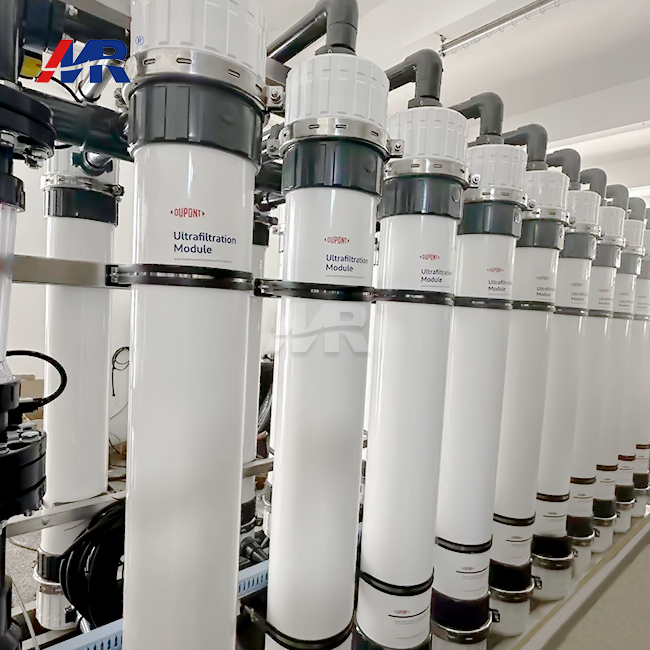 VIEW MOREultrafiltration water treatment system
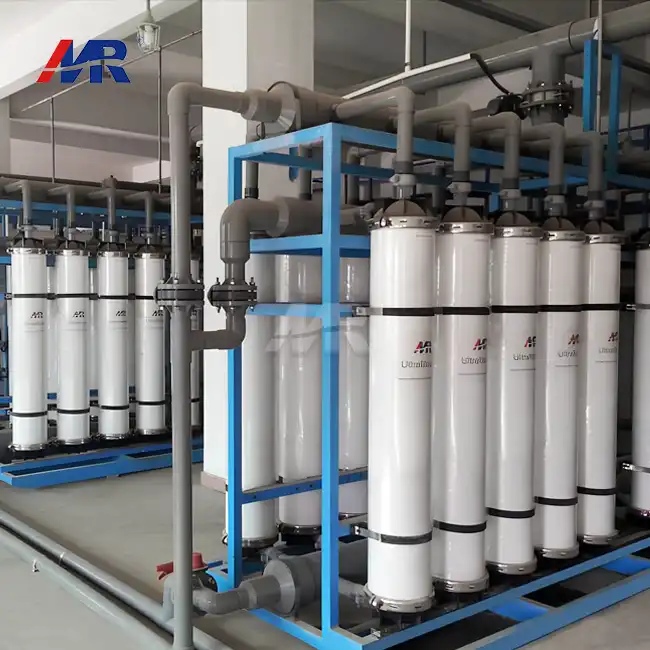 VIEW MORE20m3/hour ultrafiltration equipment
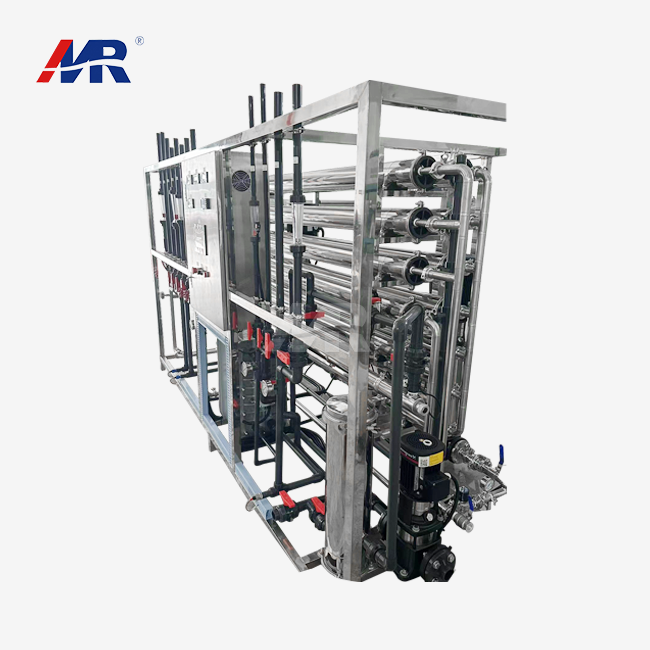 VIEW MOREedi water plant
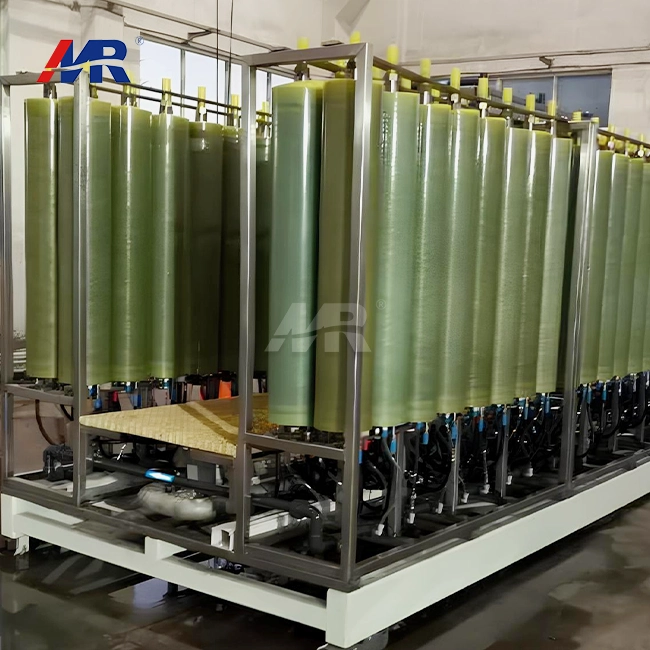 VIEW MOREDTRO for Wastewater Treatment
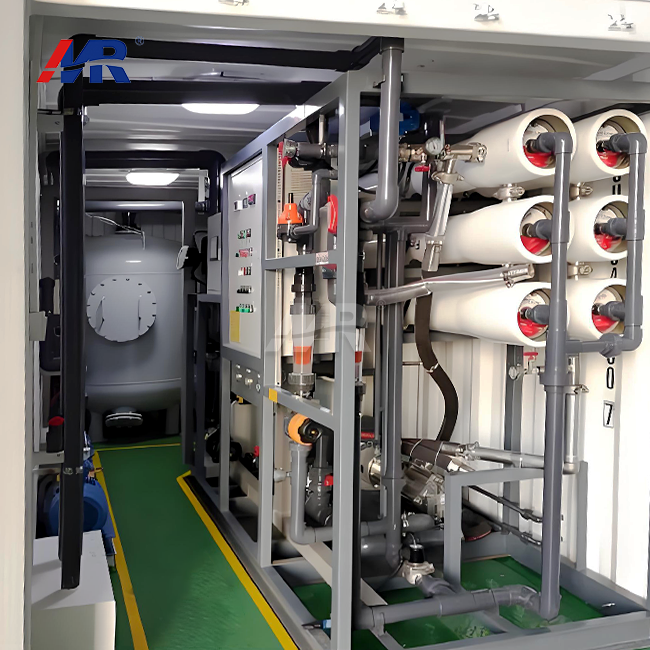 VIEW MOREcontainerized RO equipment
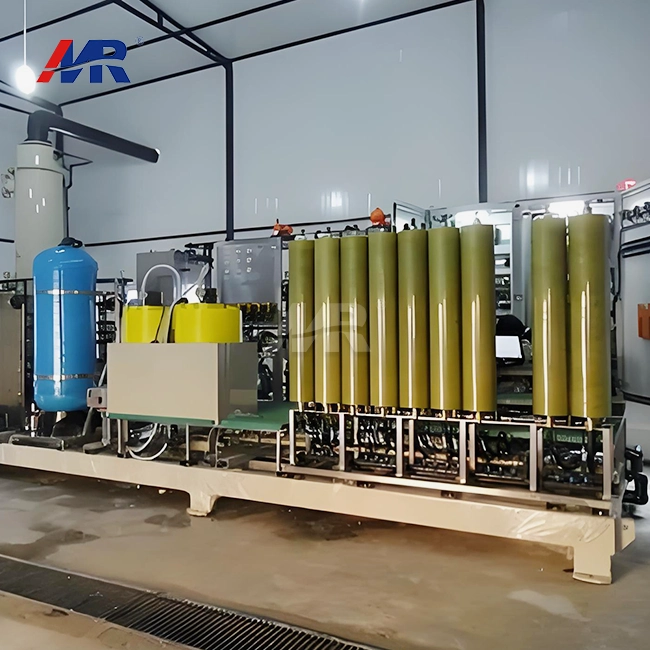 VIEW MOREDTRO Water Treatment
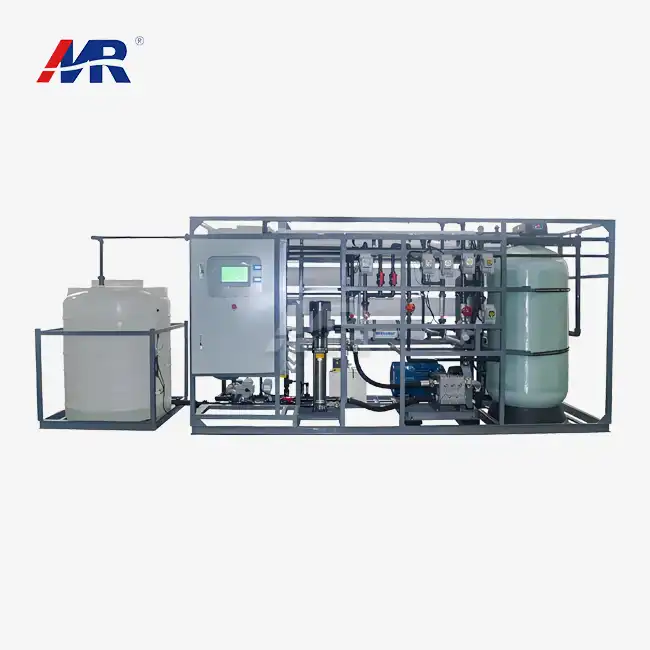 VIEW MORE5m3/hour seawater desalination equipment
 VIEW MORE70m3/hour ultrafiltration plant
