_1745823981883.webp)

How the Landfill Leachate Treatment Plant Process Removes Pollutants
The landfill membrane">leachate treatment plant process is a multi-stage engineering system that combines physical, chemical, and biological technologies to neutralize the highly contaminated liquid percolating through waste. This process tackles complex pollutants—organic compounds, ammonia nitrogen, heavy metals, and inorganic salts—through sequential treatment stages designed to meet stringent discharge standards while addressing the unique challenges posed by aged, refractory leachate that inhibits conventional biological treatment methods.
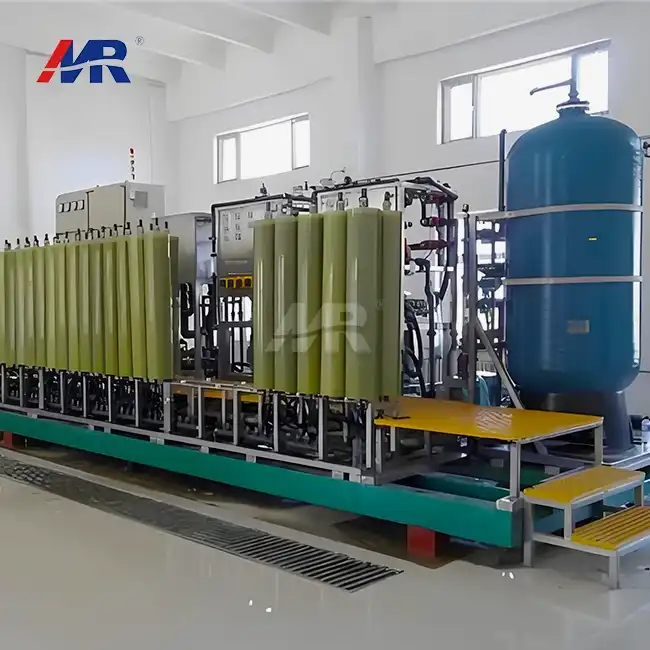
Introduction
Landfill leachate is a difficult wastewater stream for environmental engineers. Rainwater penetration and biological reactions create a hazardous liquid with dissolved organic matter, suspended particles, heavy metals, and ammonia compounds from landfill trash decomposition. This polluted liquid affects groundwater aquifers, surface water bodies, and ecosystems if left untreated.
We've seen global regulatory pressure on landfill operators to tighten effluent regulations. US Environmental Protection Agency discharge restrictions demand modern treatment technology. Municipal wastewater treatment plants, waste management companies, and industrial landfill operators confront rising compliance costs and complexity.
This thorough handbook targets procurement managers, plant engineers, environmental consultants, and senior decision-makers who choose and execute leachate treatment options. Understanding treatment process steps, technology alternatives, and design factors helps investors balance environmental performance and long-term operating costs. These insights help you make informed procurement decisions that meet regulatory and operational sustainability objectives while updating or building infrastructure.
Understanding Landfill Leachate and Its Treatment Challenges
Composition and Variability of Landfill Leachate
The nature of landfill leachate varies considerably with the age of garbage, the pattern of rainfall, and landfill management procedures. Young leachate from freshly deposited garbage has high biochemical oxygen demand (BOD) (>10,000 mg/L typically) with rapidly biodegradable organic molecules. Conversely, mature leachate from older landfills contains refractory organic molecules that are resistant to conventional biological degradation. Ammonia concentrations can reach 2,000 mg/L or more. The concentration of heavy metals such as lead, cadmium, and chromium depends on the composition of industrial waste. The variety in composition requires adaptable treatment strategies that can accommodate different influent characteristics throughout the life cycle of the waste.
Key Treatment Obstacles
Leachate management poses unique issues that are never seen in the treatment of municipal sewage. Seasonal rainfall patterns lead to large swings in flow rates and require equalisation technologies to stabilise hydraulic loads. Some components of leachate are very toxic, and this prevents the microbial activity required for biological treatment. Therefore, pretreatment measures or alternative technologies are required. High ammonia concentrations use up alkalinity and oxygen, making it difficult to remove nitrogen biologically. Furthermore, dissolved inorganic salts produce osmotic stress for biological cultures and contribute to scaling of membrane systems. These complicated issues have to be dealt with concurrently at the treatment facilities with a stable effluent quality under the varying influent circumstances.
Regulatory Compliance Requirements
Globally, the effluent criteria for treated leachate are becoming more stringent. Direct discharges to surface waterways often need effluent quality approaching drinking water requirements for several metrics. Pretreatment standards for discharge to municipal wastewater systems restrict hazardous metals, pH extremes, and organic loads. Some jurisdictions enforce zero liquid discharge (ZLD) strategies that require total water recovery and disposal of concentrates by other means. These standards provide dynamic regulatory structures that influence technology selection and capital investment planning for facility operators to offer long-term compliance assurance.
Overview of the Landfill Leachate Treatment Plant Process
Modern leachate treatment plant process facilities include many phases of the process, each of which is aimed at a certain category of contaminants. Knowing this step-by-step methodology allows procurement teams to review technology offers and determine whether a system is complete.
Preliminary Treatment and Equalization
Incoming leachate is screened using coarse screens to remove big debris, plastics, and fibrous material that might harm downstream equipment. The flow equalisation tanks are used to buffer hydraulic and concentration spikes, and to provide uniform influent conditions for subsequent biological and chemical operations. The tanks are equipped with aeration or mixing devices to avoid the settling of sediments and to manage the odour. Maintaining temperature in equalisation basins guarantees efficient biological treatment by keeping the microbial activity within appropriate levels. This first phase is often overlooked in procurement discussions, but it has a major impact on system reliability and consistency of treatment.
Primary Physical-Chemical Treatment
Salts of aluminium or iron are used in the coagulation and flocculation steps to destabilise the suspended solids and colloidal particles. The use of polymers helps generate flocs that settle more efficiently in clarifiers or dissolved air flotation units. In this step, a large proportion of suspended particles is eliminated (70-80%), and also heavy metals are eliminated via coprecipitation and adsorption. Chemical oxidation using Fenton’s reagent (hydrogen peroxide with an iron catalyst) is able to degrade resistant organic compounds, which may then be treated biologically to improve biodegradability. The use of neutral pH ranges is important to protect biological cultures from toxicity and to optimise the efficacy of the downstream treatment. We stress the need for accurate chemical dosing control systems that save reagent costs and provide uniformity of performance.
Secondary Biological Treatment
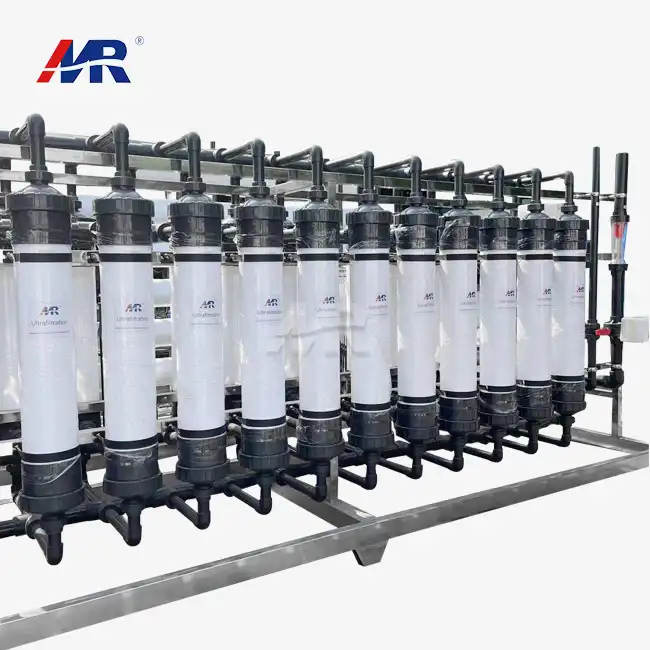
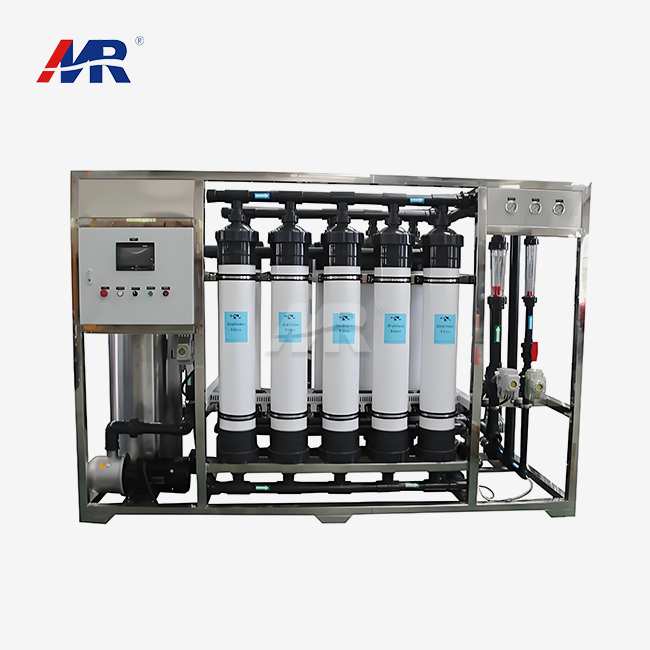
Activated sludge, sequencing batch reactors or moving bed biofilm reactors are aerobic biological processes that use microbial metabolism to consume biodegradable organic materials. Careful control of oxygen (usually 2-3 mg/L dissolved oxygen) and addition of nutrients, phosphorus if the leachate does not contain enough, are needed in these systems. Nitrification is the conversion of harmful ammonia to nitrate by specialised autotrophic bacteria. The next step is denitrification, which turns nitrate to nitrogen gas in anoxic circumstances. Membrane bioreactors (MBR) combine biological treatment with ultrafiltration membranes to produce cleared effluent with near-total solids removal. The integrated technique removes the need for separate clarifying equipment and yields a greater effluent quality. The biological treatment phases need professional operation and monitoring; thus, automation and remote diagnostics are crucial aspects to consider when you buy the equipment.
Advanced Tertiary Treatment
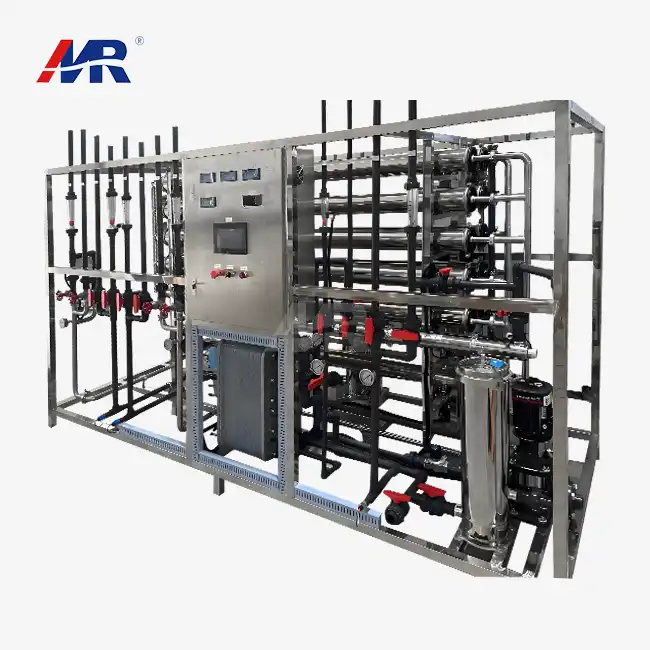
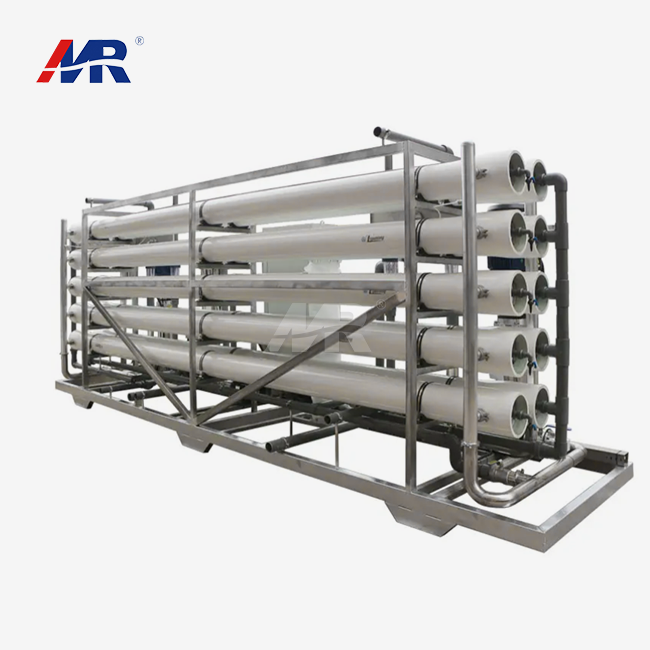
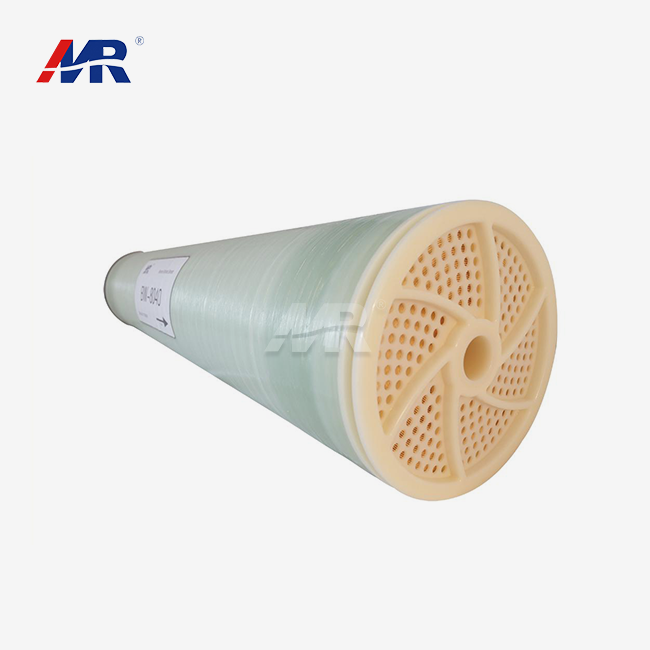
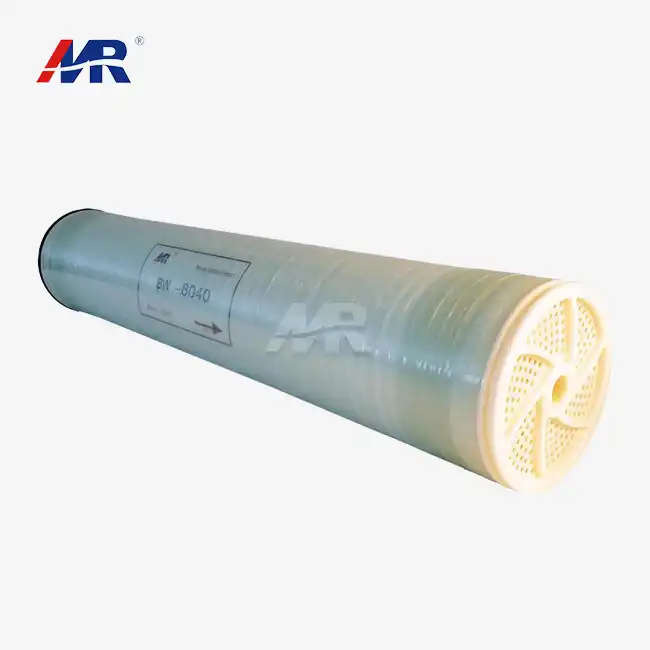
Reverse Osmosis (RO) membranes separate at the molecular scale, eliminating dissolved salts, residual organics, and trace pollutants to provide a high-grade permeate suited for discharge or reuse. Nanofiltration is a compromise between ultrafiltration and RO. It selectively rejects multivalent ions but allows monovalent salts through. Advanced oxidation methods (AOPs) such as ozone, UV photolysis, or electrochemical oxidation remove persistent organic molecules that defy biological therapy. Residual colour, odour compounds, and trace organics are removed by activated carbon adsorption to polish the effluent. These sophisticated technologies may help facilities fulfil strict discharge requirements or zero liquid discharge targets, but they do come with greater capital and ongoing expenses that need to be carefully analysed economically during procurement.
Sludge Management and Disposal
The treatment operations create large amounts of sludge, which must be dewatered, stabilised and disposed of. Belt filter presses, centrifuges or plate and frame filter presses lower the moisture content to 20-30%, to minimise waste volumes and transportation costs. Pathogen levels are further reduced, and handling properties are improved by lime stabilisation or heat drying. Sludge disposal alternatives include landfilling, incineration, or beneficial use applications if contamination levels are acceptable. Leachate treatment costs must also include the cost of processing and disposing of the sludge, which may be up to 30-40% of operational budgets. In procurement, selecting equipment that minimises sludge formation or increases dewatering efficiency may provide real value in the long run.
Comparison of Common Leachate Treatment Methods and Their Efficiency
Biological Versus Chemical Treatment Approaches
Biological treatments are preferred for leachates with BOD/COD ratios greater than 0.4, as they utilise natural microbial processes to decompose organic contaminants, enabling an energy-efficient and ecologically sustainable treatment approach. While the systems are susceptible to hazardous shock loading and starting times on the order of several weeks, the operating expenses are still comparatively modest. Chemical oxidation and precipitation may be used for quick removal of contaminants without biological restrictions and are effective for aged leachate with refractory organics. But reagent usage increases operational expenses and produces chemical sludges that must be disposed of. Most current facilities use a mixed strategy of biological treatment for most of the organic material plus some kind of chemical polishing to remove resistant chemicals, providing efficiency while optimising costs.
Membrane Technology Performance
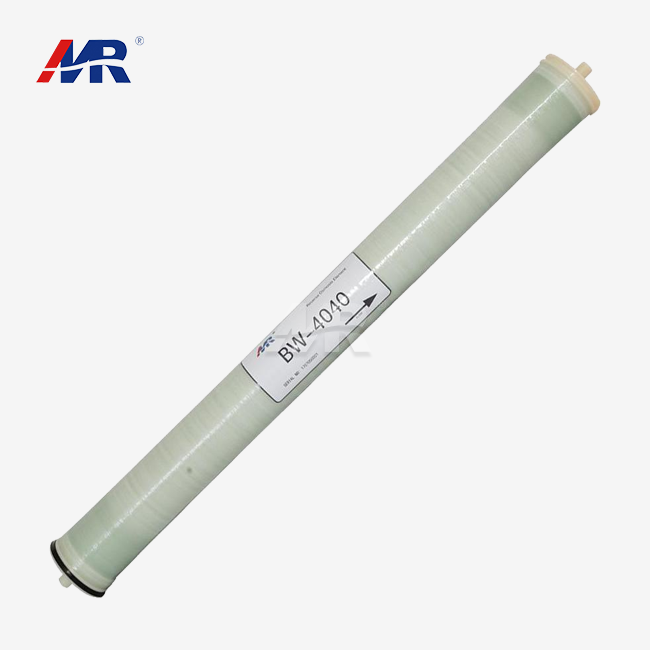
Reverse osmosis systems remove 95-99% of dissolved solids, heavy metals and organic pollutants to provide very high quality permeate. The operating cost is mostly affected by energy consumption, which varies from 3-8 kWh/cubic metre depending on feed water salinity and system design. Organic debris, biological development, and inorganic scaling that dirty membranes necessitate frequent cleaning techniques and eventual membrane replacement, often every 3-5 years. Despite these challenges, membrane systems offer compact footprints and predictable performance, leading to their growing popularity for facilities with limited space or stringent discharge requirements. In reviewing membrane proposals, we suggest examining pretreatment robustness, cleaning techniques, and manufacturer membrane warranties that safeguard against premature failure.
Advanced Oxidation Process Effectiveness
Fenton oxidation may efficiently break down complex aromatic chemicals and dyes in the leachate treatment plant process, generating hydroxyl radicals, which leads to a COD reduction of 60-80%. Ozone therapy eliminates the medicines, endocrine disruptors, and recalcitrant organics and provides simultaneous disinfection. Electrochemical oxidation produces oxidants in situ, eliminating the need for chemical transportation and storage, and is attractive to facilities with safety concerns. Such systems incur considerable operational expenses in terms of energy or reagent use, but allow achieving stringent discharge criteria that cannot be achieved with biological treatment alone. Choosing the right technology for certain pollutant profiles may maximise treatment efficiency and cost control.
Designing a High-Performance Landfill Leachate Treatment Plant
Customization Based on Leachate Characteristics
The best plant design starts with a thorough characterisation of the leachate, including COD, BOD, ammonia, heavy metals, pH and conductivity data across many seasons. This data feeds into the selection of the treatment train, size of equipment, and chemical dosing needs. Young leachate facilities are managed with strong biological systems with odour control; mature leachate treatment is focused on improved oxidation and membrane technologies. Geographic considerations such as temperature, available area, and local discharge restrictions often dictate design selections. Clearly, standardised equipment packages are never at their optimum performance unless they are adapted to the particular site and its unique operating circumstances and compliance goals.
Modular and Scalable System Architecture
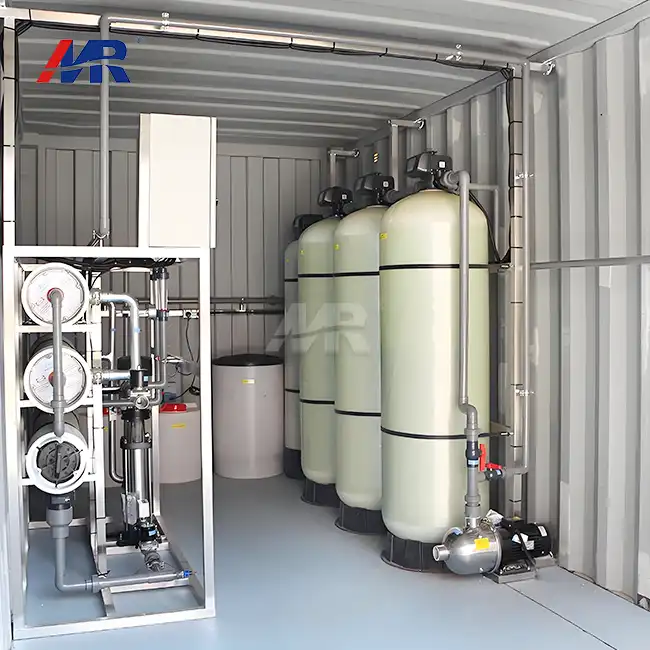
Modular construction, either in containerised treatment units or skid-mounted equipment packages, allows capacity extension in phases that mirror the development trajectory of the landfill. This method lowers the initial capital outlay and allows for future development. Standardised modules provide quick deployment—often in 6 to 8 months from order to commissioning—compared to 18 to 24 months for facilities built in the usual manner. Scalability is especially useful for landfills that don’t know what their capacity needs will be in the future or for those facilities that want to confirm treatment efficacy prior to full-scale investment. To protect yourself from technical obsolescence and ensure that operations continue throughout updates, when you buy equipment, use modular designs with obvious connectors for extension.
Automation and Monitoring Integration
Modern plants use programmable logic controllers (PLC) that regulate chemical dosing, aeration control, membrane cleaning cycles, and alarm functions with little human participation. Key parameters such as pH, dissolved oxygen, turbidity, and conductivity are monitored in real time to optimise the process and identify early variations in performance. Remote telemetry systems communicate operating data to central control rooms or hand-held devices, enabling fast reaction to disruptions and reducing the need for personnel on site. We are advocating for complete automation when we discuss procurement, since the costs of labour generally surpass the price of equipment amortisation during 15-20 year operating lifecycles. Systems that provide historical trending, automated reporting, and predictive maintenance alerts provide measurable value through reduced downtime and optimised consumables usage.
Performance Validation Through Case Studies
Detailed case studies documenting treatment performance are provided by leading worldwide providers to demonstrate accomplishment of compliance under various operational settings. Such references give useful information on practical removal efficiency, cost structures for operation and maintenance needs that are never found in technical specifications. Ask to see working installations and speak directly to current customers when evaluating vendors; this will give you a feel for the real operational problems that will affect your long-term pleasure. This means facilities that reliably meet discharge permits, have minimum unexpected downtime and are low-cost to operate – all a result of established technology and trustworthy vendor support, two essential considerations for risk-averse procurement choices.
Procuring and Maintaining Leachate Treatment Plants: Practical Considerations
Vendor Selection Criteria
Besides the upfront cost of the equipment, there are other considerations in selecting treatment technology partners. Vendor experience with identical leachate composition and discharge standards shows technical capability and decreases risk of implementation. Manufacturing capabilities, quality Certifications, and source of components all impact equipment dependability and parts availability. After-sales service includes commissioning help, operator training, and fast technical troubleshooting to reduce expensive downtime during operating difficulties. The financial stability and market presence ensure that parts will be available long-term and that the guarantee will be honoured. We propose using weighted assessment matrices to score suppliers across these aspects, allowing for objective comparisons and justified procurement choices.
Leasing Versus Purchase Economics
Buying capital equipment involves a large initial outlay, but it eliminates recurring finance fees and gives you ownership of the item. Operating leases allow for technological upgrades and maintenance services, which can save funds for key company operations. Full-service contracts shift the operational risk to specialist providers and are attractive to organisations without in-house technological knowledge. Economic analyses should compare the net present value of procurement choices, including the tax consequences, cost of capital and estimated life of the facility. For many organisations, hybrid solutions – buying main treatment equipment and leasing advanced technology components – strike the right balance between financial flexibility and risk management.
Installation and Commissioning Best Practices
Equipment is mounted, plumbing is connected, wiring is hooked up, and instrumentation is calibrated—all by qualified contractors, professionally installed for dependable operation. Comprehensive commissioning processes comprising water quality testing, chemical cleaning, system performance testing and training of operations staff ensure system readiness before handover. We stress the need for complete documentation – operation manuals, maintenance procedures, troubleshooting guides and as-built drawings – which are critical to long-term operational success. Procurement specifications must unambiguously specify the commissioning deliverables, acceptance criteria, and performance assurances that safeguard customers against inferior installations.
Maintenance Programs and Technical Support
Preventive maintenance routines such as periodic servicing of equipment, regular inspections, and replacement of consumables increase the lifespan of equipment and reduce unexpected downtime. Comprehensive maintenance contracts with specified response times provide operational security, especially for sites without their own technical team. Remote diagnostics and predictive maintenance solutions may help to discover emerging problems before they lead to failure, and enable planned interventions within scheduled downtime intervals. Training programs that build in-house operator competence lead to improved day-to-day operational efficiency and less reliance on external help. These support features may have a substantial influence on the overall cost of ownership and should be given due consideration when choosing a provider.
Future-Proofing Through Sustainable Design
Treatment facilities that integrate energy recovery systems, renewable power sources, and low-emission technology lower environmental footprints, while keeping operational costs in check. Designs that can be readily modified to meet future tightening of discharge standards guard against premature obsolescence. Water reuse capabilities convert treated leachate from a disposal issue to an asset for industrial operations, dust control or irrigation applications where legislation allows. We're seeing growing customer appetite for circular economy techniques that maximise resource recovery and minimise environmental damage. These ideals are mirrored in purchasing choices that favour flexible, sustainable technology.
Conclusion
Understanding the landfill leachate treatment plant process helps procurement decision-makers evaluate technology alternatives, assess vendor skills and define systems that fulfil current compliance standards and future operating demands. Leachate pollution is complicated and varied, therefore, the multi-stage treatment technique involves physical, chemical, and biological processes. The winning approach is to balance capital expenditure against life cycle operating expenses while matching treatment technology to site-specific circumstances. As environmental rules tighten, facilities that invest in strong and flexible treatment infrastructure will be well positioned for long-term compliance and operational sustainability. Careful vendor selection, thorough support agreements, and innovative design criteria may turn treatment plant procurement from a compliance burden into a strategic environmental asset.
FAQ
1. What contaminants does a leachate treatment plant remove?
Treatment plants target organic compounds measured as biochemical oxygen demand and chemical oxygen demand, ammonia nitrogen requiring conversion to less toxic forms, heavy metals including lead and cadmium, suspended solids creating turbidity, and dissolved salts affecting conductivity. Advanced systems also address emerging contaminants such as pharmaceuticals and per- and polyfluoroalkyl substances (PFAS) when present in industrial waste streams.
2. How do biological and chemical treatments differ?
Biological methods use microorganisms to metabolize organic pollutants through natural processes, offering cost-effective treatment for biodegradable compounds but requiring days to weeks for degradation. Chemical treatments employ oxidants or coagulants for rapid contaminant removal within hours, proving effective for recalcitrant compounds resistant to biological breakdown. Many facilities combine both approaches, using biological treatment for bulk removal followed by chemical polishing.
3. What factors drive treatment plant costs?
Capital expenses reflect treatment complexity, required removal efficiency, and system capacity measured in flow volume. Operating costs encompass energy consumption for aeration and pumping, chemical reagents for coagulation and oxidation, membrane replacement, sludge disposal, and labor for operation and maintenance. Facilities achieving higher discharge standards through advanced treatment technologies incur greater expenses, necessitating careful cost-benefit analysis during technology selection.
Partner with Morui for Proven Leachate Treatment Solutions
Guangdong Morui Environmental Technology Co., Ltd. brings extensive expertise in designing and delivering customized leachate treatment plant process systems for municipal waste facilities, industrial landfills, and environmental contractors throughout North America. Our engineering team draws on practical experience across 14 branch locations and collaboration with more than 20 specialized engineers to specify treatment trains matching your unique site conditions, regulatory requirements, and operational constraints. As a comprehensive leachate treatment plant process supplier, we provide turnkey solutions encompassing equipment procurement, professional installation, system commissioning, and ongoing Technical support, ensuring reliable compliance throughout your facility's operational lifetime.
Our approach integrates proven technologies including membrane bioreactors, reverse osmosis systems manufactured in our dedicated production facilities, advanced oxidation equipment, and intelligent automation platforms delivering optimized performance with minimal operator intervention. Flexible procurement models accommodate diverse budget structures and project timelines. Reach out to our technical team at benson@guangdongmorui.com to discuss your specific requirements, request detailed technical proposals, or schedule consultations evaluating treatment alternatives.
References
1. Renou, S., Givaudan, J.G., Poulain, S., Dirassouyan, F., & Moulin, P. (2008). Landfill leachate treatment: Review and opportunity. Journal of Hazardous Materials, 150(3), 468-493.
2. Kulikowska, D., & Klimiuk, E. (2008). The effect of landfill age on municipal leachate composition. Bioresource Technology, 99(13), 5981-5985.
3. Foo, K.Y., & Hameed, B.H. (2009). An overview of landfill leachate treatment via activated carbon adsorption process. Journal of Hazardous Materials, 171(1-3), 54-60.
4. Wiszniowski, J., Robert, D., Surmacz-Gorska, J., Miksch, K., & Weber, J.V. (2006). Landfill leachate treatment methods: A review. Environmental Chemistry Letters, 4(1), 51-61.
5. Trebouet, D., Schlumpf, J.P., Jaouen, P., & Quemeneur, F. (2001). Stabilized landfill leachate treatment by combined physicochemical-nanofiltration processes. Water Research, 35(12), 2935-2942.
6. Amor, C., De Torres-Socías, E., Peres, J.A., Maldonado, M.I., Oller, I., Malato, S., & Lucas, M.S. (2015). Mature landfill leachate treatment by coagulation/flocculation combined with Fenton and solar photo-Fenton processes. Journal of Hazardous Materials, 286, 261-268.