_1745823981883.webp)

RO Drinking Water System Remineralization: Do You Need It?
Your operating needs and water quality goals will determine whether or not your RO drinking water system needs to be remineralized. Reverse osmosis is very good at getting rid of impurities, but it also takes away minerals like calcium and magnesium. In business and industrial settings, like factories, drug labs, and food processing plants, this loss of minerals changes the chemistry of the water, how it tastes, and maybe even the health of the workers. Whether or not to remineralize depends on the needs of the application. For example, restoring minerals in drinking water for staff is a good idea, but some industrial processes need ultrapure water with no additives. When procurement managers know these differences, they can choose systems that balance purity with performance.
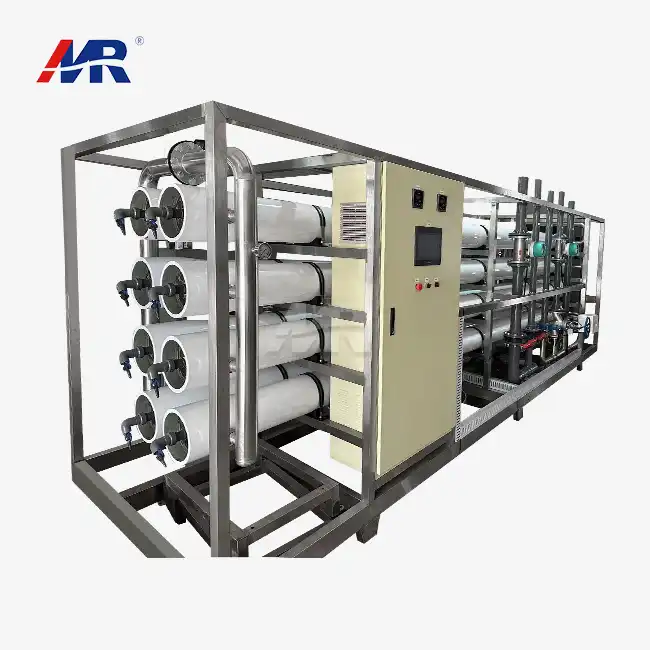
Understanding RO Drinking Water Systems and Their Effects on Water Quality
Reverse osmosis systems use semipermeable membranes with pores that are about 0.0001 microns wide. These membranes can get rid of up to 99.5% of dissolved solids, heavy metals, and organic contaminants. With this cutting-edge membrane technology, water is pushed through walls that catch everything from arsenic and lead to sodium chloride. The result is very pure permeate. At pressures ranging from 10 to 16 bar, the process separates clean water from concentrated brine that contains impurities that are thrown away.
How RO Technology Transforms Water Composition
The level of filtration that makes reverse osmosis work changes the chemistry of water in a fundamental way. The TDS level in public water is usually between 50 and 200 mg/L and includes minerals that are good for you. However, the TDS level in RO permeate is usually less than 10 mg/L. This thoroughness gets rid of not only harmful contaminants but also calcium, magnesium, and trace minerals that make water taste and be hard. Because of the lack of alkaline minerals that normally balance acidity, the water that is made is slightly acidic, with pH levels dropping to 5.5 to 6.5.
Implications for Industrial and Commercial Applications
In different working settings, the demineralization effect has different effects. Businesses that use water as an ingredient, like breweries, beverage makers, and food processors, may find that stripped water doesn't have the minerals it needs for fermentation or flavor profiles. On the other hand, pharmaceutical companies and plants that make semiconductors need this mineral-free water to meet very high standards of purity. Knowing these application-specific needs helps choose the right system design and remineralization needs.
The Role of Remineralization in RO Systems
By adding small amounts of calcium, magnesium, and sometimes potassium back into treated water, remineralization fixes the mineral imbalance that comes with reverse osmosis permeate. After the water has been treated, this process does more than just refill minerals. It also improves the water quality for drinking and some commercial uses.
Technologies Driving Mineral Restoration
For the RO drinking water system, there are several ways that modern remineralization systems restore mineral balance. As water moves through crushed limestone media in a calcite filter, calcium carbonate is added. This slowly dissolves minerals back into solution while raising the pH level to neutral. Mineral cartridges with mixes of calcium, magnesium, and trace elements allow for more precise dosing, which makes it possible to change the final composition of the water. Modern alkaline filter systems add minerals and raise the pH, making water with a pH range of 7.5 to 9.5, which some businesses like.
Depending on the system's capacity and operating needs, each technique has its own benefits. Automated mineral dosing systems that keep the water's chemistry stable without having to be adjusted by hand are usually helpful for facilities that process 10,000 to 50,000 gallons of water per day. For smaller businesses that process between 1,000 and 5,000 GPD, cartridge-based options are often cheaper and easier to keep up.
Benefits Extending Beyond Taste Improvement
There are many benefits to remineralized water, not just the fact that it tastes better (less flat and more refreshing than stripped RO permeate), but also in terms of health and operations. Mineral-balanced water makes pipes and holding tanks less likely to rust, which makes infrastructure last longer. The presence of calcium and magnesium makes a protective scale layer that keeps metal from coming into direct contact with water. Remineralized water helps employees get the minerals they need every day, which is important for businesses that put a high priority on wellness programs.
Comparison of Remineralization Approaches and Technologies
In order to choose the right remineralization methods, you need to know how different technologies work in different operational situations. Comparing systems with and without mineral restoration shows differences in performance that affect decisions about what to buy.
Performance Characteristics Across System Configurations
When reverse osmosis is used without remineralization, the water has a TDS of 5–20 mg/L, a pH of 5.5–6.5, and almost no hardness. These features make them good for making electronics, working in the lab, and making medicines, where mineral content can get in the way of processes. With well-kept membranes, recovery rates can reach 75%, and power use ranges from 1.5 to 2.5 kWh/m³, based on the saltiness of the feed water.
Adding a calcite filter raises the pH to 7.0–7.8 and the TDS to 40–80 mg/L at the exit. This makes the water better for drinking. Mineral cartridge systems give you more precise control by aiming for specific TDS ranges between 50 and 150 mg/L and letting you change the calcium-to-magnesium ratios. With advanced alkaline remineralization, the pH is raised to between 8.0 and 9.5 for uses where alkaline water is useful.
Matching Technology to Operational Needs
When looking at remineralization options for commercial installations, these are the main things to think about:
Capacity matching: Systems that process more than 50,000 GPD can benefit from inline mineral dosing with automated control that changes the amount of minerals added based on monitoring the water quality in real time. Scaling up as demand rises is possible with modular construction, as capacity can be changed from 1,000 GPD to 100,000 GPD to fit facility growth. Even when remineralization steps are added, the energy-efficient design keeps power use in the 1.5–2.5 kWh/m³ range, which protects running cost structures.
Application alignment: Mineral profiles that improve product consistency without adding unwanted elements are needed in food and beverage businesses. People who work in labs and pharmaceuticals usually don't remineralize water unless it is drinkable water that is different from process water. Remineralization is being used more and more by municipal water suppliers to make drinking water healthier while keeping the integrity of the distribution system. Modern equipment has automated control systems that make it possible to precisely change the mineral content to meet the needs of different applications.
Maintenance accessibility: The stages of remineralization add more maintenance points that affect the long-term costs of running the business. Depending on the throughput, cartridge-based systems need to be replaced every 6 to 12 months, while calcite filters need to have their media replaced once a year. The modular construction method cuts down on maintenance downtime by letting parts be serviced without shutting down the whole system. This is especially helpful in facilities that are always running.
For the RO drinking water system, with these configuration choices, remineralization plans can be made to fit operating numbers, quality goals, and budget limits. Current systems have small footprints that allow them to be installed even in facilities with limited space. Also, maintenance staff can easily monitor and control the systems thanks to user-friendly interfaces.
Maintenance and Installation Insights for RO Systems with Remineralization
Professional installation is the key to making sure that business water treatment systems work well for a long time. Integrated remineralization systems have linked steps that need careful attention to timing and making sure that all the parts work together.
Installation Protocol and Infrastructure Requirements
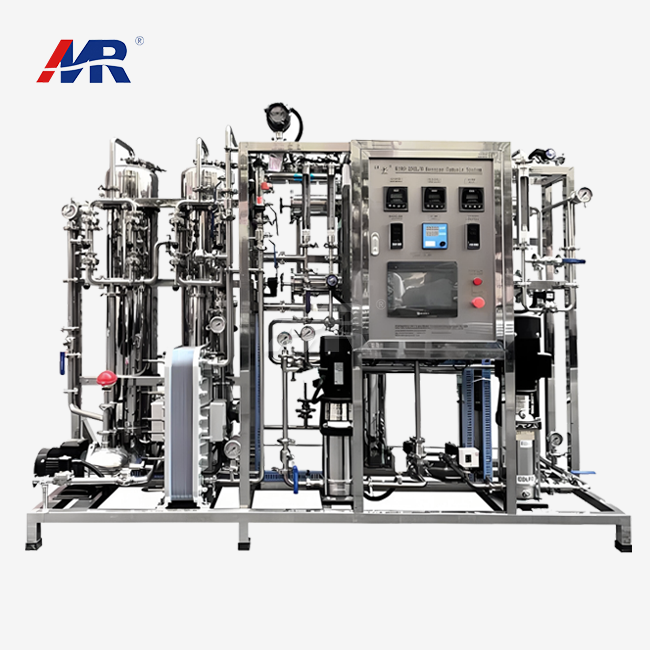
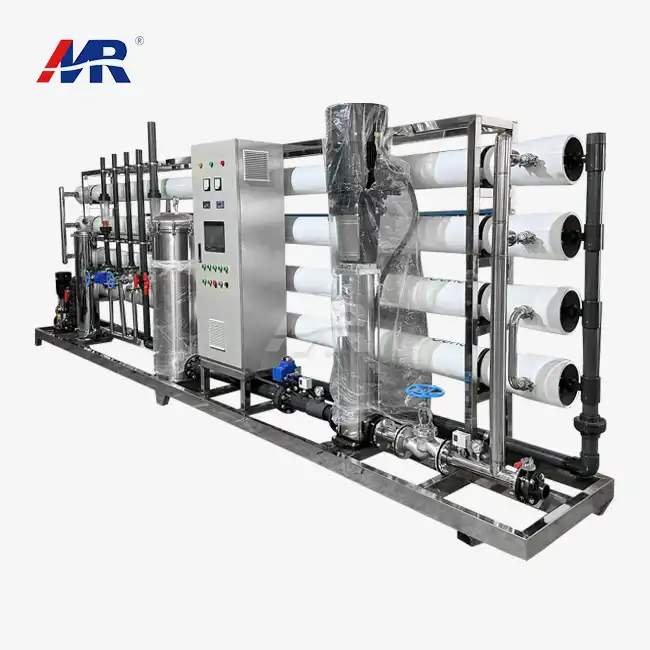
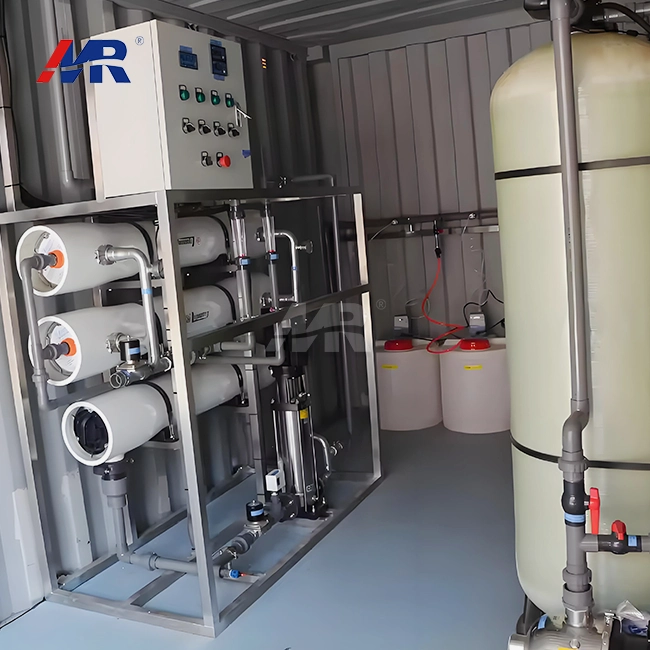
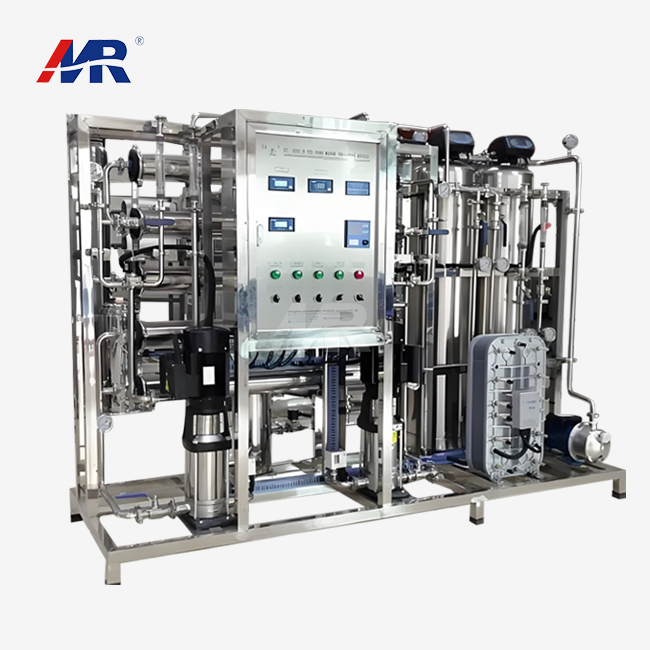
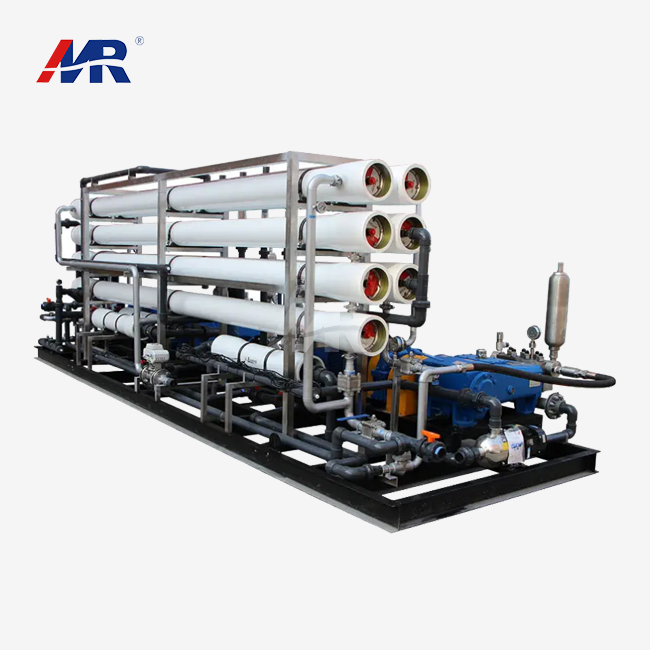
Depending on the feedwater, sediment filters and sometimes carbon filters are used in the pre-treatment step to get rid of big bits and contaminants that could clog membranes further down the line. Then, high-pressure pumps raise the water pressure to 10–16 bar, which forces the water to pass through the semipermeable membrane and separate. After treatment, the pH is adjusted, and minerals are added again based on the needs of the application. Storage and distribution infrastructure are then put in place.
Systems range from small configurations that can handle 1,000 GPD to larger installations that can handle 100,000 GPD. Facilities must have enough space for the components to be set up. To keep operations running smoothly, the electrical infrastructure that supports automated control systems needs stable power supplies. At key stages, water quality monitoring points allow for continuous checks to make sure that output meets requirements.
Maintenance Practices Protecting System Investment
Schedules for routine maintenance keep systems running smoothly and keep parts from breaking down too soon. Pre-filters need to be changed every 6 to 12 months, based on how cloudy and full of sediment the feed water is. ro membranes usually last between 24 and 36 months before they stop working properly and need to be replaced. However, the water chemistry and quality of maintenance have a big impact on how long they last. According to the manufacturer, remineralization cartridges or media need to be checked at regular intervals, usually once a year for calcite systems and every six months for cartridge configurations.
Monitoring the state of the water lets you know about performance problems early on, before they become system failures. Conductivity measurements show when the membrane breaks through, and pH monitoring confirms that the remineralization process is working. Flow rate tracking finds scaling or fouling that lowers the production capacity. These tracking methods, along with replacing parts on a regular basis, keep the system reliable, which is important for businesses where water quality has a direct effect on production output.
How Remineralization Fits into Your Procurement Decision
When purchasing managers look at water treatment systems, they have to weigh a lot of factors, such as the initial cost, the ongoing costs, the system's dependability, and the vendor's ability to provide support. For remineralization integration, the decision process includes looking at both short-term and long-term operating needs.
Evaluating System Performance Against Requirements
Filtration performance is the basis of all evaluations, and 99.5% rejection rates are the best in the business for getting rid of dissolved solids. Systems that can handle feed water TDS levels up to 10,000 mg/L can work with a wide range of source water conditions, from fresh water from cities to salty groundwater. Recovery rates of 75% or more cut down on water waste and running costs in places where the cost of water or dumping fees put pressure on the economy.
Durability is based on the quality of the parts and how robust the system design is. Long-term dependability from high-quality parts lowers the total cost of ownership, even if the initial investment is higher. Low maintenance needs mean less downtime, which affects service delivery or production schedules. The design is scalable, so it can be changed to fit future needs for expansion without having to replace the whole system. This protects procurement investments against changes in operational needs.
Vendor Selection and Support Infrastructure
Long-term happiness with water treatment systems is affected by more than just the specs of the equipment. The skills of the vendor also play a big role. Companies that offer full after-sales support, such as installation services, training in upkeep, and quick access to parts, provide value that lasts beyond the initial purchase. In order for systems to meet regulatory requirements in many different areas and industries, they must follow international water quality standards.
Guangdong Morui Environmental Technology, a provider of RO drinking water systems, has more than 500 employees, including 20 specialized engineers who keep membrane production facilities and equipment processing plants running. This vertical integration lets you keep an eye on quality throughout the whole manufacturing process and makes sure that parts are always available for maintenance. The 14 branches of the company provide regional support infrastructure that makes it easy to respond quickly to service needs. Partnerships with well-known brands like Shimge Water Pumps and Runxin Valves allow system designs to use tried-and-true parts.
Morui systems are made with an energy-efficient design philosophy that directly addresses operational cost concerns that affect buying decisions. Maintaining power use at 1.5 to 2.5 kWh/m³ is more energy-efficient than other options, which saves money over the course of decades-long system lifespans. User-friendly interfaces make it easier to keep an eye on things and train operational staff without requiring too much training.
Conclusion
In conclusion, remineralization choices for RO drinking water system installations depend on the specifics of how they will be used and the quality goals for the water. Minerals should not be added to ultrapure water used in industrial processes. On the other hand, restoring calcium and magnesium to drinking water makes it taste better and is good for your health. Modern systems can be set up in a variety of ways to meet different needs because they are modularly built and have automated settings. When choosing water treatment solutions, procurement managers should look at the capacity needs, application requirements, and vendor support capabilities. Putting money into systems that are set up correctly, with or without remineralization, pays off in the long run because they work reliably, are efficient, and produce water that meets strict standards for use in pharmaceutical, food processing, manufacturing, and municipal settings.
FAQ
Q1: Does every commercial facility need remineralization in its RO system?
The amount of remineralization needed depends on the application. Mineral repair makes drinking water taste better and is good for your health in places where workers drink it. For product consistency, food and drink businesses may need certain mineral profiles. On the other hand, making medicines, semiconductors, and using water in the lab usually need water that doesn't have minerals in it because remineralization would mess up the process.
Q2: How frequently should mineral filters be replaced in commercial systems?
Replacement times depend on how much water the system moves and how it is built. In systems that process 10,000 to 50,000 GPD, calcite media in remineralization filters usually need to be replaced once a year. Mineral cartridges usually need to be changed every six to twelve months. Automated monitoring that replaces parts based on performance measures instead of set schedules is best for high-capacity setups because it makes servicing more efficient.
Q3: What measurable improvements does remineralization provide?
Remineralized water changes its pH from acidic (5.5–6.5) to neutral or slightly alkaline (7.0–8.5), lowers the chance of corrosion, which makes pipes last longer, and raises the total dissolved solids (TDS) to 50–150 mg/L, which makes the taste better. These changes make the water safer for people to drink while keeping the benefits of removing contaminants that make reverse osmosis worth the money.
Partner with a Trusted RO Drinking Water System Manufacturer
Morui offers complete water treatment systems that are designed to work in tough industrial and commercial settings. Our cutting-edge membrane technology rejects 99.5% of fluids while keeping energy use low at 1.5–2.5 kWh/m³. It can handle capacities ranging from 1,000 to 100,000 GPD, making it suitable for use in small facilities to large production plants. The modular design makes it easy to add remineralization when users need it, and automatic control systems make it easier to run and keep an eye on things. Our Team of twenty engineers can help you set up systems that are perfectly matched to your operational and water quality goals. Send us an email at benson@guangdongmorui.com to talk about your unique needs and get full technical proposals. You can look at our full line of reverse osmosis equipment and learn why top manufacturers, drug companies, and public utilities choose Morui as their preferred RO drinking water system supplier.
References
1. World Health Organization. (2009). "Calcium and Magnesium in Drinking Water: Public Health Significance." WHO Press, Geneva.
2. Cotruvo, J. and Bartram, J. (2009). "Calcium and Magnesium in Drinking-water: Public health significance." International Journal of Environmental Research and Public Health, 6(4), 1296-1308.
3. Kozisek, F. (2005). "Health Risks from Drinking Demineralised Water." National Institute of Public Health, Czech Republic.
4. American Water Works Association. (2017). "Reverse Osmosis and Nanofiltration (M46)." AWWA Manual of Water Supply Practices, Second Edition.
5. Bergman, R.A. (2012). "Reverse Osmosis and Membrane Technology: Applications for Industrial Wastewater Treatment." Water Environment Federation Technical Report Series.
6. National Research Council. (2008). "Desalination: A National Perspective." The National Academies Press, Washington, DC.