_1745823981883.webp)

Energy Recovery in Sea Water Desalination Plant Operations
Energy recovery in sea water desalination plants is a revolutionary way to deal with the lack of fresh water while having the least possible effect on the Earth. Modern sea water desalination plants use cutting-edge technologies to recover hydraulic energy that would be lost during the reverse osmosis process. This new idea cuts power use by a huge amount—often by 50–60%. This means that sea water desalination plant conversion can be done in coastal cities, industrial sites, and rural towns around the world without hurting the environment or the economy.
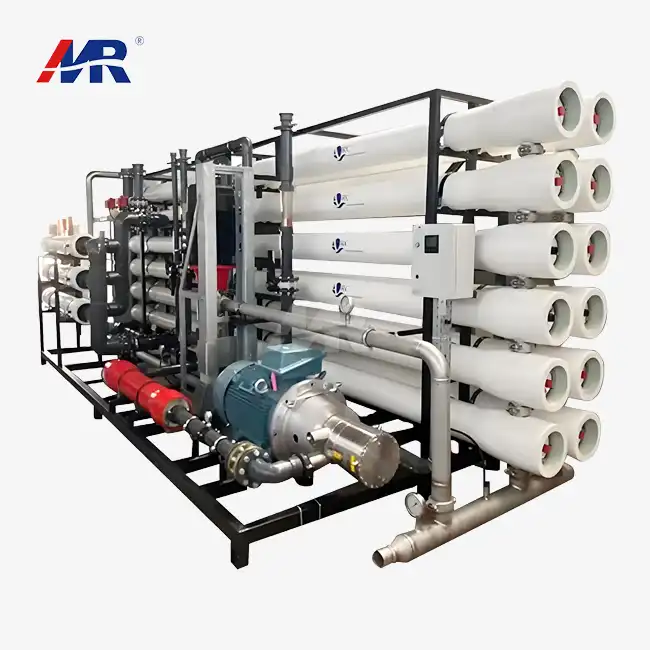
Understanding Energy Recovery in Sea Water Desalination Plants
What is Energy Recovery and Why Does It Matter?
Energy recovery systems take the extra pressure energy from brine streams that come out of reverse osmosis membranes and add it to seawater that comes in. Usually, traditional sea water desalination plants used 8 to 12 kWh of energy per cubic metre, which made them too expensive to run. These days, energy recovery devices drastically lower this to 3.5 to 4.0 kWh/m³, which has a direct effect on operational budgets and carbon emissions. This big step forward in technology is important because over 2 billion people around the world don't have enough water, and desalination capacity needs to grow quickly without causing more greenhouse gas emissions.
How Energy Recovery Works in Practice
The osmotic pressure difference is used in the physics of energy recovery. At 55 to 70 bar pressure, reverse osmosis turns about 55% of seawater into brine concentrate, which keeps a lot of hydraulic energy. Energy recovery devices change the pressure and send this energy to feedwater that has already been treated before it enters the membrane array. Isobaric chambers let high-pressure brine directly contact low-pressure feedwater across a hydraulic barrier. This process is very efficient at moving energy, transferring more than 96% of it. This mechanical beauty gets rid of wasteful energy loss and cuts down on the need for high-pressure pumps.
Comparing Energy Demands Across Technologies
Thermal technologies like multi-stage flash distillation or multi-effect distillation need 15–25 kWh/m³ of power, but reverse osmosis with energy recovery uses a lot less. Thermal ways depend on heating seawater to the point where it evaporates, which uses a lot of energy, no matter how hard you try to make it use less. On the other hand, membrane-based systems with pressure exchangers can theoretically get as little as 2.8 kWh/m³ of energy for seawater with a salinity of 35,000 ppm. Because it is so much more efficient, reverse osmosis is the best choice for new setups, especially when combined with clean energy sources like wind or sun.
Key Energy Recovery Technologies and Their Applications
Pressure Exchange Devices: The Industry Standard
Pressure exchange devices are the most common type of installation today because they are more reliable and efficient. Through ceramic rotors spinning at 300–600 rpm inside cylindrical housings, these systems work without mixing the brine and feedwater. Pressure equalisation is almost complete when the rotor chambers are exposed to both high-pressure brine and low-pressure feedwater. Leading manufacturers make units that can transfer 98% of their energy efficiently and don't need much maintenance. The operational lifespan is extended beyond 20 years because there are no valves or reciprocating parts. This is especially important for offshore platforms and municipal plants, where maintenance access is hard to get to and costs a lot.
Isobaric Energy Recovery Units: Turbochargers and Pelton Turbines
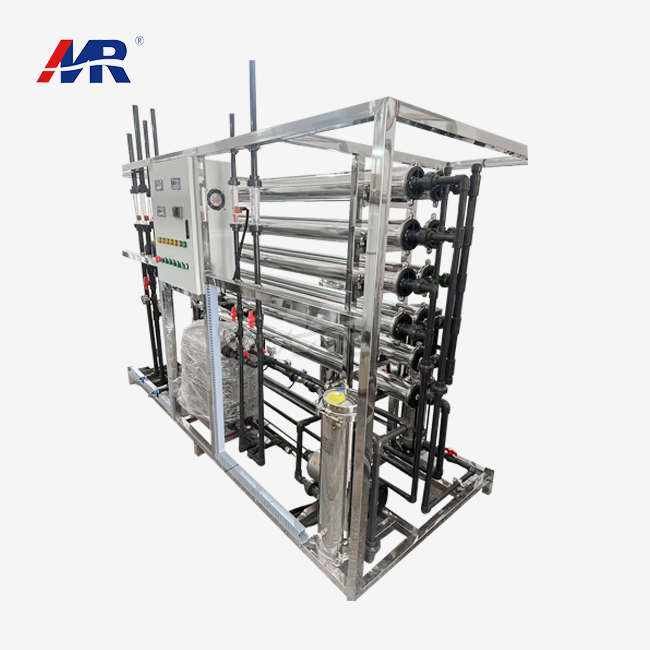
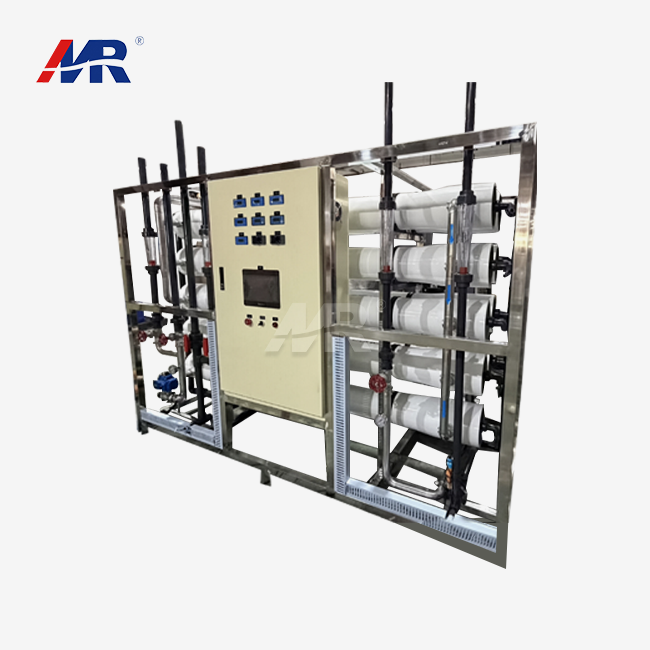
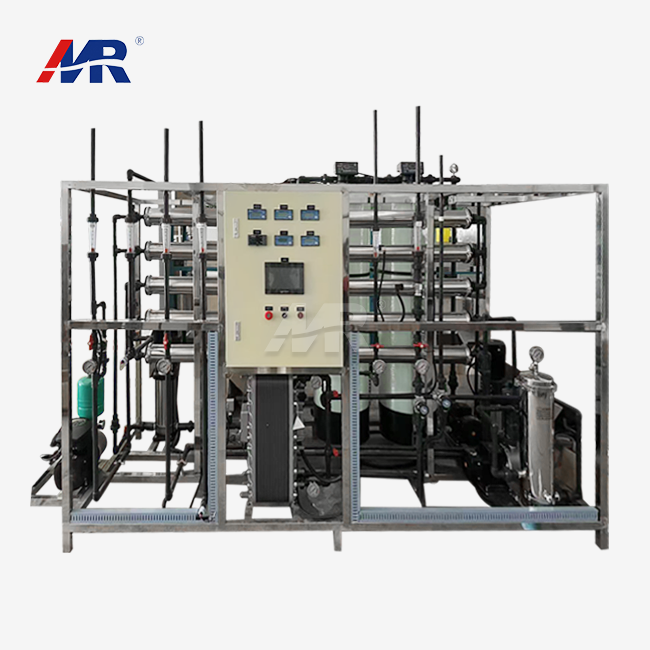
Different tools are good at filling certain practical gaps. Utilising turbochargers from the automobile industry, brine pressure is turned into shaft power that drives secondary pumps, resulting in an 80–85% recovery rate. Pelton turbines use nozzles to send high-speed brine jets against the turbine buckets. This creates rotational energy that helps meet the demand for electricity. Even though they aren't as efficient as pressure exchangers, turbine systems are better when the flow rate changes and the installation space is limited. Our 8m³/hour sea water desalination plant can use either technology, depending on where it is being used. For example, offshore platforms tend to choose simple turbines, while municipal plants tend to choose pressure exchangers that work well.
Emerging Innovations with Renewable Integration
The next big thing is solar-powered desalination combined with energy recovery. Using photovoltaic panels to power reverse osmosis systems with pressure exchangers is a great way to make things more environmentally friendly because they don't need any fossil fuels. Pilot projects in the Middle East show that the idea can work. For example, in the UAE, sites produce fresh water at a net energy use of 0.45 kWh/m³ when solar production is higher than system demand. Battery storage evens out changes during the day, so it can be used 24 hours a day. Renewable-powered desalination is expected to grow by 15–20% per year until 2030, according to industry predictions. This is because the cost of solar panels is going down and environmental rules are getting stricter around the world.
Challenges and Solutions in Implementing Energy Recovery Systems
Technical Bottlenecks and Performance Variables
Changes in the quality of the feedwater always make energy recovery work harder. Changes in temperature, algal blooms, or high turbidity can change the relationships between membrane permeability and osmotic pressure, which can affect how well the system works as a whole. It is very important that the pretreatment is strong. Ultrafiltration membranes that get rid of particles bigger than 0.02 microns protect the reverse osmosis elements and energy recovery devices further down the line from getting clogged. To keep things running at their best, our systems have automatic backwash cycles and real-time turbidity tracking. Also, marine-grade parts don't rust in chloride-rich environments, so equipment doesn't break down too quickly, which lowers the effectiveness of energy recovery.
Maintenance Demands and Operational Uptime
Even though they are built to last, energy recovery devices need to be checked on a regular basis. Ceramic rotor surfaces need to be checked every year for wear and deposits that make the hydraulics less effective. If the feedwater is good and the system is used a lot, the seals should be replaced every three to five years. Strategic partnerships with equipment suppliers make sure that spare parts and Technical support are always available, which cuts down on downtime. We keep a large inventory at all of our 14 branch locations so that we can get replacement parts to critical applications within 48 hours. As part of service contracts, performance audits are done every three months to check things like pressure drop, flow rates, and how well energy is transferred. This lets maintenance be planned ahead of time, before big problems happen.
Regulatory Compliance Across Key Markets
Energy reporting, brine discharge, and intake structures are all controlled by environmental permits. The Clean Water Act says that the US Environmental Protection Agency (EPA) needs National Pollutant Discharge Elimination System licenses that show brine spread modelling and steps to protect sea life. Member states of the European Union follow the Water Framework Directives, which say that sea water desalination plants along the coast must have environmental effect studies. More and more Middle Eastern countries are putting in place strict rules to deal with the effects of thermal pollution and high salt levels on marine ecosystems. Early regulatory involvement, environmental baseline studies, and operational monitoring procedures that please local officials are all necessary for a project to be carried out successfully. Our engineering team knows how to get permits in a lot of different places, which speeds up the approval process.
Evaluating Energy Recovery Solutions: How to Choose the Right System
Strategic Procurement Criteria
When choosing sea water desalination plant equipment, you need to think about a lot more than just the initial cost of the equipment. Performance approvals from well-known groups like NSF International or ISO compliance show that quality standards are being met. The track record of the supplier is very important—installations with a capacity of over 500,000 m³/day show that the supplier can be relied on on a large scale. Field service capabilities and technical hotlines are examples of after-sales support infrastructure that keeps expensive downtime from happening during operational emergencies. We work with top component makers like Shimge Water Pumps to get solid extra equipment and Runxin Valves for automatic control systems. This way, we can make sure that everything works together perfectly.
Total Cost of Ownership Analysis
Lifecycle economics and up-front costs must be balanced by those making decisions. A pressure exchanger that costs 15-20% more than turbine systems at first usually pays for itself in 18–24 months because it uses less energy. To find net present value, you need to make accurate predictions about how much electricity will cost, how much maintenance will cost, and how often the membrane will need to be replaced. Our 8m³/hour system has strong economics: it saves more than $12,000 a year in energy costs compared to designs that don't recover costs, which quickly covers the cost of the equipment. When energy recovery keeps operating pressures stable, membrane life increases from 3 to 5–7 years, lowering the number of times they need to be replaced and the time they need to be down for repairs.
Scalability and Future-Proofing
Modular construction lets you increase capacity without having to redesign the whole system. Parallel installs are possible with our equipment, which lets clients double output by adding similar units that share pretreatment infrastructure. This ability to grow or shrink is very helpful for coastal resorts that see changes in demand during different times of the year or for industrial facilities that want to gradually add more space. Also, as technology changes, control systems with programmable logic controllers can get firmware updates that add efficiency algorithms. Investing in platforms that can be changed protects against obsolescence and keeps operational costs low over the 20-year life of a plant.
Case Studies and Practical Applications
Large-Scale Municipal Implementation
The Abu Dhabi Taweelah sea water desalination plant shows how energy recovery can work on a huge scale. A capacity of more than 900,000 m³/day depends on pressure exchange technology, which uses less than 3.8 kWh/m³ of energy. Every year, more than 2 billion kWh of energy is saved compared to the same heating capacity. This saves $180 million in operations costs and cuts CO2 emissions by 900,000 tonnes every year. According to procurement managers, integrated energy recovery devices have been up 99.2% of the time over a five-year period of operation, which backs up claims of reliability. Over a million people get clean water from this installation, which also meets strict environmental discharge standards.
Mid-Scale Industrial Deployment
Our 8m³/hour sea water desalination plant is run by an oil platform in the North Sea. It makes fresh water for boiler feed and drinking. Depending on supply ships used to cost about $50,000 a month making logistics more difficult during bad weather. Energy recovery integration cut power use enough that the current engine capacity could be used without any extra power being added. Over three years, the total savings will be more than $1.8 million, and supply chain risks will be gone. Platform engineers stress the use of corrosion-resistant Duplex stainless steel and a small footprint that fits into existing utility areas. This shows how careful design can work with real-world limitations.
Emergency Relief Application
After Hurricane Maria hit Puerto Rico and caused damage, containerised sea water desalination plants with energy recovery gave 15,000 people in grid-isolated communities clean water right away. During infrastructure restoration, rapid deployment—operational within 72 hours of arrival—was very important. Adding solar panels allowed the vehicle to run on its own without needing to refuel, which was very important when transportation networks were still down. Even though sunlight came and went, overnight production was kept going by battery storage. These units continuously provided clean water that met WHO standards for eight months, or until the permanent repairs to the infrastructure were finished. Disaster response groups now keep these kinds of systems on hand because they know how useful they are for helping people in climate-related emergencies.
Conclusion
Energy recovery technology completely changes how sea water desalination plants make money and how well they take care of the environment. Modern systems cut the amount of energy they use in half while still meeting strict water quality standards that reject more than 99.5% of salt. When pressure exchange devices, renewable energy integration, and modular design come together, they make solutions that can be used in a wide range of situations, from large-scale city projects that serve millions of people to small offshore installations that support dozens of people. When you do strategic buying, you have to look at things like total ownership costs, the trustworthiness of the provider, and the regulatory landscape. But the benefits are big practical savings and progress toward sustainability. As the world's need for water grows and climate patterns change, communities and industries around the world will need energy-efficient desalination infrastructure more than ever.
FAQ
Q1: What energy savings can modern recovery devices achieve?
Modern pressure exchange systems collect 95–98% of the energy in the brine stream. This cuts the plant's total energy use by 50–60% compared to setups that don't recover energy. The amount of energy used by most sea water desalination plants drops from 8 to 10 kWh/m³ to 3.5 to 4 kWh/m³. This saves a lot of money when done on a large scale. At the average industrial electricity rate, a 10,000 m³/day facility saves about $500,000.
Q2: Are energy recovery systems compatible with existing plants?
It is technically possible to make changes to existing installations, but it is only financially viable for facilities with a capacity of more than 1,000 m³/day. Space needs, changes to pipes, and integrating control systems are all engineering problems that are best solved in the early stages of the design process. When new systems include recovery from start, layout and performance are improved while capital costs are kept to a minimum.
Q3: What maintenance practices sustain device performance?
Every three months, pressure differences and flow rates are checked to find any growing errors. Rotors are checked once a year to see if they have any erosion or deposits that need to be cleaned off or replaced. Checking the integrity of the seals stops leaks that could hurt the transfer of energy. Proper pretreatment that keeps the quality of the feedwater below 1 NTU turbidity greatly increases the lifespan of the component. If you follow the manufacturer's instructions, the machine should last 15 to 20 years before it needs to be completely reworked.
Partner with Morui for Advanced Desalination Solutions
The Guangdong Morui Environmental Technology company makes sea water desalination plants and offers complete solutions, from the first meeting to installation and ongoing support. Our engineering team is made up of 20 experts who have a lot of knowledge about membrane technology, integrating energy recovery, and following the rules. Manufacturing skills include sites for making membranes and plants for making tools that can support custom designs that meet the specific needs of each project. Whether you need an 8m³/hour system for a remote island community or a huge plant for a city, we can make custom plans that optimise performance and lifecycle economics. Email Our Team at benson@guangdongmorui.com to talk about your unique needs and get competitive prices and full technical specifications.
References
1. Al-Karaghouli, A. & Kazmerski, L. (2013). "Energy Consumption and Water Production Cost of Conventional and Renewable-Energy-Powered Desalination Processes." Renewable and Sustainable Energy Reviews, Vol. 24, pp. 343-356.
2. Voutchkov, N. (2018). Energy Use for Membrane Seawater Desalination – Current Status and Trends. Water Research Foundation, Denver, Colorado.
3. Elimelech, M. & Phillip, W. (2011). "The Future of Seawater Desalination: Energy, Technology, and the Environment." Science, Vol. 333, Issue 6043, pp. 712-717.
4. Greenlee, L.F., Lawler, D.F., Freeman, B.D., Marrot, B. & Moulin, P. (2009). "Reverse Osmosis Desalination: Water Sources, Technology, and Today's Challenges." Water Research, Vol. 43, Issue 9, pp. 2317-2348.
5. Schiermeier, Q. (2008). "Water: Purification with a Pinch of Salt." Nature, Vol. 452, pp. 260-261.
6. Ghaffour, N., Missimer, T.M. & Amy, G.L. (2013). "Technical Review and Evaluation of the Economics of Water Desalination: Current and Future Challenges for Better Water Supply Sustainability." Desalination, Vol. 309, pp. 197-207.