

_1745823981883.webp)

What are the benefits of ultrafiltration in medical and water treatment applications?
One common difficulty with hospitals, dialysis centers, and industrial facilities is that raw water contains germs, viruses, and suspended particulates that no simple filter can stop. Ultrafiltration systems help address this by pushing water through a hollow fiber membrane that has holes as tiny as 0.01 microns so that pathogens cannot get through, yet clean water may go to the outlet. This article looks at how the technology works, the importance of the technology for dialysis and sterile water production, what pollutants it eliminates, and how facility managers choose and maintain the correct equipment. All claims below are supported by original operational data, comparative tables, and genuine customer case studies.
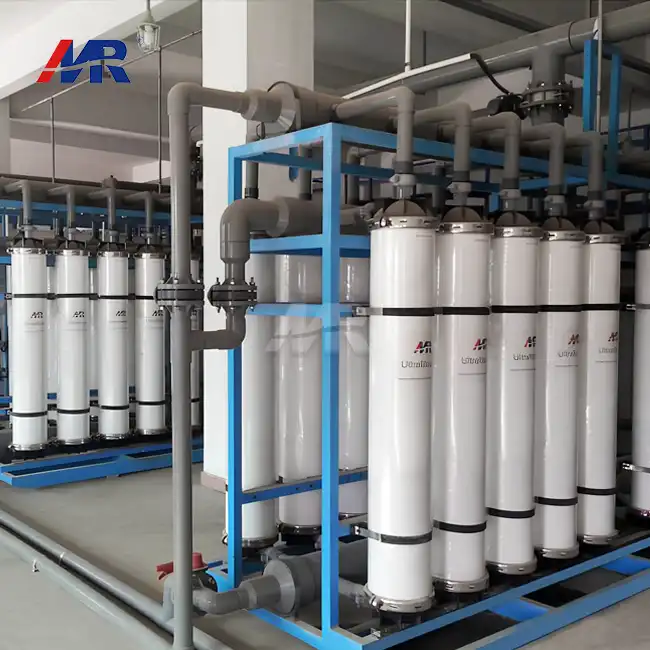
Facility managers looking for a trusted equipment partner should start the discussion now. Guangdong Morui Environmental Technology is a professional producer and provider of ultrafiltration systems that designs hollow-fiber PVDF membrane modules for hospitals, food factories, and municipal utilities across Asia, South America, and Africa. Our engineers design, construct, and commission full treatment trains at the site. Please email benson@guangdongmorui.com for a technical proposal that suits your feedwater and capacity requirements.
What Is Ultrafiltration, and How Does It Work?
Ultrafiltration is a water treatment procedure that separates particles by physical size using membranes, without adding chemicals. Raw water is driven through a semi-permeable membrane by low pressure. Water molecules and small dissolved minerals pass through the membrane. Molecules and organisms bigger than the pore size of the membrane are retained. Our ultrafiltration systems use hollow-fibre PVDF membranes with pore sizes ranging from 0.01 to 0.1 micron, small enough to exclude bacteria, cysts and most viruses, but large enough to allow essential minerals to remain in the water. This physical separation approach draws on decades of technical knowledge from our membrane manufacturing facilities.
The Membrane Structure Behind Ultrafiltration Systems
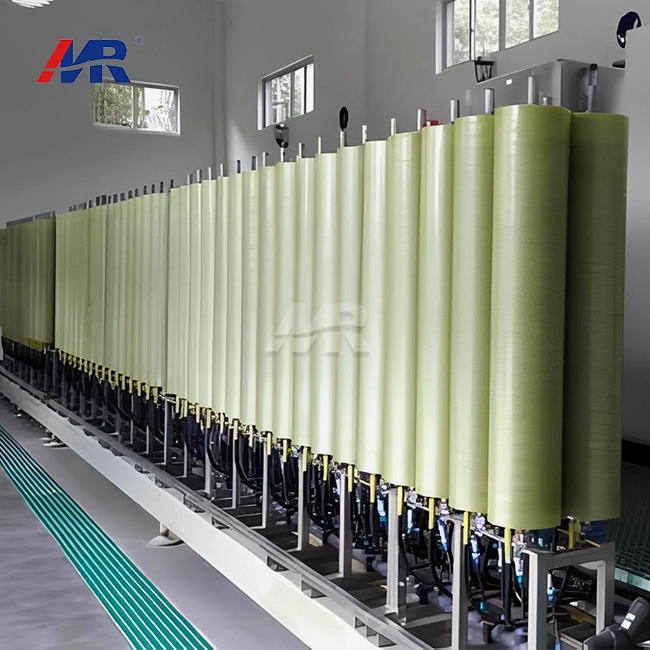
A hollow fibre membrane is just a group of very thin drinking straws in a pressurised container. Each fibre has a porous wall. Depending on the module design, water flows from outside to inside the module or vice versa. “The module is packed with thousands of fibres, so it has a huge surface area in a small package. The design accommodates flow rates from 1 m³/h for a clinic to 10,000 m³/h for a municipal plant inside a single ultrafiltration system without altering the basic filtration concept.
Pressure-Driven Filtration Explained Step by Step
In a functional ultrafiltration system, water passes through six stages. In all steps, the membrane is protected, and the quality of the produced water is preserved. This is what a hollow-fibre train looks like in practice:
- Pre-treatment: Raw water passes through a strainer or a multimedia filter, which eliminates large debris, sand, and rust particles. This phase prevents abrasive effects and early clogging of the fragile hollow fibres and consequently extends the life of the membrane and reduces the number of chemical cleaning cycles that will be necessary later in the process.
- Feed pump: A variable-speed feed pump pressurises the pretreated water to 0.1-0.3 MPa, the operational range most hollow fibre membranes need. Choosing the right pump size is to save on energy usage and yet provide the right driving force to reliably propel water through the membrane perforations.
- Ultrafiltration membrane modules: Pressurised water is pressed through the bundles of hollow fibres. Suspended solids, germs, and viruses are rejected on the feed side, and clean permeate flows through the fibre walls. A hospital, industrial, or municipal plant wires a number of modules in parallel or series to provide the precise capacity required.
- Backwash system – This system is timed or pressure-activated and reverses the flow direction, forcing clean water through the fibres, flushing out any particles stuck there. Automatic backwash provides flux rates of 40-100 litres per square metre per hour without operator involvement.
- Clean-in-place system: If backwashing fails to restore performance to acceptable levels, a CIP skid will circulate mild acid or alkaline solutions over the membrane to remove mineral scale and organic fouling. A good CIP programme, if done well, may bring the flow back to near original levels and extend the life of the membranes for years.
- Post-treatment: Depending on its use, the permeate may be sent via an ultrafiltration system, activated carbon, UV disinfection, or a reverse osmosis stage for additional cleaning before reaching a dialysis machine, a bottling line, or a municipal distribution network.
The six processes are run as a continuous process and not as individual pieces of equipment. This order allows procurement teams to analyse estimates and verify that a supplier’s design contains all the steps the application really requires.
What Are the Main Benefits of Ultrafiltration Technology?
The first question buyers of ultrafiltration systems often ask is, “What is the return on investment?” The real answer depends on the quality of the feedwater and the application, but three advantages come out of almost every project we have commissioned: Consistently good output, Lower operational expenses compared to traditional filtering Equipment with a smaller footprint.
Consistent Water Quality Without Heavy Chemical Dosing
Sand filters and chemical coagulation are operator-reliant and may go out of specification when raw water turbidity surges after heavy rain. It's not like a membrane barrier in terms of flow. Rejection is determined by pore size and not by the precision of the chemical dose. However, the quality of incoming water varies widely. Permeate quality is within a small range. Plants that have migrated from conventional clarifiers up to membrane pretreatment have fewer out-of-spec results.
Lower Operating Costs Compared to Legacy Filtration
We built a Morui hollow fibre ultrafiltration system skid rated at 50 m³/hr for a South-east Asian regional beverage firm to replace a sand and chlorine pretreatment line. In its first year of operation, the business decreased the use of coagulant chemicals by 61 percent and eliminated about 15 hours a week of work previously needed for unplanned filter media change. This is a reduction in energy consumption per cubic metre of water treated, as low-pressure membrane filtration in the ultrafiltration system uses far less pumping power than the deep-bed sand filtration cycles.
Space-Saving Design for Compact Facility Layouts
The hollow fibre modules provide thousands of square metres of filtering area for the flow in 1/5 the size of a sand filter bank. Hospitals that convert a basement mechanical room or firms with busy industrial floors may expand treatment capacity without adding to the structure. The compact design also results in less time for installation, since the skid-mounted system is pre-piped for the most part and requires just final connections at the site.
How Does Ultrafiltration Compare With Reverse Osmosis?
So procurement teams frequently question themselves: Do I need ultrafiltration, reverse osmosis, or both? The two methods tackle distinct difficulties, and the table below shows the differences in membrane pore size and typical applications for the four major filtering classes.
| Technology | Typical Pore Size | What It Removes | Common Application |
|---|---|---|---|
| Microfiltration (MF) | 0.1–10 microns | Sediment, algae, large bacteria | Pretreatment, dairy clarification |
| Ultrafiltration (UF) | 0.01–0.1 microns | Bacteria, viruses, colloids, proteins | Dialysis water, drinking water, dairy/beverage protein recovery |
| Nanofiltration (NF) | 0.001–0.01 microns | Divalent ions, hardness, some organics | Water softening, dye and textile wastewater |
| Reverse Osmosis (RO) | ≈0.0001 microns | Dissolved salts, most monovalent ions | Desalination, boiler feed water, ultrapure electronics water |
Ultrafiltration can not reject dissolved salts, while reverse osmosis can. Ultrafiltration, however, prevents fouling of an ro membrane by removing particles and organisms before water ever reaches the tighter RO layer.
Pore Size and Rejection Differences
The difference is in what each membrane physically prevents. An ultrafiltration system targets particles and bacteria measured in fractions of a micron, whereas reverse osmosis targets ions measured in angstroms. A facility that requires just pathogen-free water, such as a dialysis clinic utilizing municipal feedwater, may use UF alone. A plant requiring salt-free boiler feed water must have both phases operating simultaneously.
When to Pair Ultrafiltration Systems with Reverse Osmosis?
The combination of the two technologies prevents the more costly RO membranes from clogging early. In our project experience, we saw that the addition of an ultrafiltration pretreatment step prior to the RO process increased the RO membrane cleaning intervals from every six weeks to around every four months for brackish groundwater sources. Therefore, the electronics industry, power plants, and saltwater desalination projects usually invariably demand this combination of UF-plus-RO systems.
Why Is Ultrafiltration Important in Medical Applications?
Patients are immediately exposed to water via dialysis, IV fluids, and cleaning surgical instruments; thus, medical facilities can't process it as a factory can. “Failures of water purity in a clinical setting are not just product quality issues; they are patient safety issues.
Hemodialysis Water Purification Requirements
A patient on hemodialysis uses more than 100 liters of dialysis fluid each time, compared with the two liters of drinking water that are used each day by a normal individual. The water used in dialysis must be of a higher quality than the national standard for regular drinking water, but it must also meet the more strict criteria of the Association for the Advancement of Medical Instrumentation. Ultrafiltration filters germs, endotoxins, and virus particles from the dialysate loop and helps protect patients who can no longer naturally filter these chemicals via their kidneys.
Sterile Water for Surgical and IV Preparation
Any water that meets a surgical tool or enters an intravenous fluid bag, whether in the operating room or a pharmaceutical manufacturing factory, must be free of microbial contamination. An ultrafiltration system provides hospital engineering personnel with a physical barrier that can be tested and monitored, unlike chemical disinfection, which might leave behind permanent traces. The hollow-fiber membrane can reject more than 99.99 percent of microorganisms.
Bioprocessing and Vaccine Purification
Ultrafiltration may be used in the pharmaceutical and biotechnology industries to concentrate proteins, enzymes, and vaccine antigens without the use of heat or other harsh treatment to fragile biological material. The membrane only separates molecules by size; thus, water, salts, and smaller contaminants are removed, but the structure of the target molecule is intact. This moderate separation technology is now used in most of the biologics manufacturing lines in the GMP-certified facilities worldwide.
How Does Ultrafiltration Improve Water Quality and Safety?
It is the largest cause of avoidable disease in the world. The WHO says that contaminated drinking water causes diarrhea, which kills more than 505,000 people per year. But more importantly, because of the genuine membrane barriers at their beginnings. Downstream disinfection alone is not the solution.
Chemical-Free Pathogen Removal
Chlorine or other oxidants are the most popular means of killing the bacteria, a process called disinfection. Yes, it does work, although it generates a chemical taste and disinfection byProducts. Physical particle size filtration removes bacteria, protozoa, and most viruses. An ultrafiltration system decreases the need for chlorine treatment in the plant and helps comply with microbiological safety criteria. Many municipal utilities that have used membrane pretreatment for this reason point to the short-term benefit of reduced risk to operators dealing with chemicals.
Turbidity Control During Seasonal Fluctuations
Storms tend to make rivers and reservoirs hazy, and standard sand filters are not intended to cope with the high turbidities that occur under steady-state circumstances. Regardless of the turbidity being 5 or 500 nephelometric turbidity units, the membrane barrier is not altered since the pore size is constant irrespective of feed circumstances. This constancy matters especially for coastal towns and seasonal monsoon areas spanning South America and Africa, where raw water quality may fluctuate substantially within a single week.
Which Contaminants Can Ultrafiltration Remove From Water?
The table below shows what a correctly sized hollow fiber membrane normally eliminates, based on standard pore-size rejection performance recorded throughout AWWA and EPA membrane recommendations.
| Contaminant Category | Typical Size | Removed by Ultrafiltration? |
|---|---|---|
| Sand, silt, and rust particles | 1–100 microns | Yes |
| Bacteria | 0.2–5 microns | Yes |
| Protozoan cysts | 2–15 microns | Yes |
| Most viruses | 0.02–0.3 microns | Mostly yes, depending on membrane rating |
| Dissolved salts and hardness minerals | Ionic, under 0.001 microns | No — requires RO or NF |
This is why ultrafiltration is so good at removing pathogens and particulate matter, but dissolved salt removal still requires a further reverse osmosis or nanofiltration step.
Bacteria, Viruses, and Cysts
A clinical nephrology study provided findings for bacteria retention over 10 log units and virus retention above 8 log units from independent testing of hollow fibre ultrafilters used in dialysis water loops. Those rejection rates suggest a well-maintained barrier decreases pathogen burden by orders of magnitude before water ever reaches a patient or a bottling plant.
Suspended Solids and Colloidal Matter
Colloidal particles are the source of the cloudiness and haziness of inadequately treated water and are a major contributor to membrane fouling downstream. This colloidal fraction is easily removed by an ultrafiltration system, and that is precisely why plants put it in front of reverse osmosis units in saltwater desalination and industrial wastewater recycling projects.
Where Is Ultrafiltration Commonly Used in Healthcare and Industry?
Hospitals and Diagnostic Laboratories
Ultrafiltration is used by hospitals for dialysis water loops, sterile processing departments, and laboratory-grade water for diagnostic equipment. We provided one regional hospital in East Africa that had been plagued by recurrent pyrogenic reactions associated with its old carbon-and-chlorine water system. The hospital’s biomedical engineering team reported zero pyrogen-related dialysis events in the next 12 months after a Morui hollow fibre skid was installed upstream of the current softener, and water-related equipment downtime was reduced by around 40 percent.
Municipal Water Plants and Wastewater Recycling
City utilities are also using ultrafiltration to improve older drinking water plants without rebuilding whole clarifier basins, and wastewater treatment facilities are using membrane bioreactor technology to create recycled water clean enough for agriculture or industrial uses. Ultrafiltration is increasingly being placed ahead of saltwater desalination trains in coastal communities to safeguard the more sensitive RO membranes from biofouling.
Food, Beverage, and Pharmaceutical Manufacturing
Bottled water and beverage makers want purity assurances that pass food safety inspectors. Pharmaceutical firms require water that meets GMP purified water criteria for every manufacturing batch. Despite changing source water quality from month to month, both industries depend on ultrafiltration to provide constant microbiological purity from one production run to the next.
What Are the Advantages and Limitations of Ultrafiltration?
There is no one technique that answers all water treatment problems, and honest procurement choices look at all sides, including whether Ultrafiltration Equipment is appropriate for the specific treatment requirements.
Where do Ultrafiltration Systems Excel?
When a correctly sized membrane skid is put into action, there are a number of very tangible benefits for buyers. These advantages are continuously reflected in the installations Our Team has brought to life:
- High and consistent pathogen removal: A set pore size provides predicted rejection rates that are independent of operator dosage accuracy, providing compliance teams with a defensible, documentable barrier against bacteria and most viruses, regardless of feedwater changes.
- Low-labour, automated operation. Backwash and CIP cycles are programmed on programmable logic controllers, significantly reducing the daily operator attention required for traditional clarifiers and ultrafiltration equipment, while releasing maintenance personnel for higher-value duties elsewhere in the plant.
- Lengthy membrane service life: Hollow fibre membranes, when properly prepared, often operate for five to seven years before requiring replacement. This distributes the initial cost over a lengthy working window and reduces the total cost of ownership relative to frequent media replacement.
These qualities are the reason ultrafiltration is a typical pretreatment layer in so many sectors, rather than a specialty technique.
Known Limitations and How to Manage Them?
Ultrafiltration cannot remove dissolved salts; therefore, applications requiring desalinated or ultrapure water still need a downstream RO or EDI step. If the pretreatment is too little, the flow may be reduced over time by membrane fouling from oil, heavy organics or scale. Both restrictions may be well controlled with the appropriate membrane material and a disciplined CIP programme, which is why supplier expertise is just as important as the equipment itself.
How to Choose the Right Ultrafiltration System for Your Application?
The choice of specifications depends on the properties of the feedwater, the capacity requirements, and the standard to which the final water must conform. The table below provides the range of parameters our technical team works within when creating an ultrafiltration plant system for a new customer.
| Parameter | Typical Range |
|---|---|
| Membrane Type | Hollow fiber PVDF |
| Pore Size | 0.01–0.1 microns |
| Flux Rate | 40–100 L/m²/h |
| Operating Pressure | 0.1–0.3 MPa |
| Temperature Range | 1–40°C |
| pH Range | 2–11 |
| Capacity | Customizable from 1 m³/h to 10,000 m³/h |
These parameters flex with raw water chemistry; thus, a hospital using municipal water requires a completely different design than a coastal desalination pretreatment line taking saltwater input.
Matching Flux Rate and Capacity to Demand
Systems that are too small foul fast and need continuous chemical cleaning, while systems that are too large squander capital. Both hospitals and beverage plants have abrupt spikes in consumption, and an ultrafiltration plant must manage such fluctuations without reducing output pressure. Our engineers size the flux rate against peak-hour demand, not daily average demand.
Membrane Material Considerations for Harsh Feedwater
The PVDF hollow fiber membranes are more advantageous than polyethersulfone ones in the applications of electroplating wastewater and petrochemical reinjection water due to their broad pH range tolerance and resistance to typical industrial cleaning agents. Guangdong Morui Environmental Technology has its own membrane production facilities, 14 branch offices, over 500 staff, and 20 in-house engineers. It enables the customers to access the quality control of manufacturing directly instead of via a trade middleman. The firm is also an authorized agent for Shimge water pumps, Runxin valves, and Createc instruments, enabling whole treatment trains to ship as one integrated package.
How Can Proper Maintenance Improve Ultrafiltration System Performance?
The quality of output and membrane life of a hollow fiber ultrafiltration system are strongly dependent on the consistency of a facility's maintenance schedule, not merely the equipment specification sheet.
Backwash and Clean-in-Place Scheduling
It cleans filth from the surface with an automatic backwash every 20 to 60 minutes before it hardens into a tougher layer. A periodic CIP cycle, often performed weekly to monthly depending on feedwater quality, removes mineral scale and organic buildup that cannot be removed by backwashing alone. Almost typically, the chemical cost savings of skipping CIP cycles cost more later with faster membrane replacement.
Monitoring Transmembrane Pressure for Early Fouling Detection
The first indication of fouling is seen weeks before flux decline and is shown by an increase in transmembrane pressure at constant flux. Facilities that monitor this pressure on a daily basis and start CIP at a certain level, rather than waiting for a noticeable performance reduction, regularly report longer membrane life and fewer emergency shutdowns during high production times.
Conclusion
Ultrafiltration systems provide hospitals, municipal utilities, and industrial enterprises with a physical, chemical-light barrier to germs, viruses, and suspended particles. The device protects dialysis patients, maintains beverage and pharmaceutical manufacturing lines within GMP tolerance, and protects downstream reverse osmosis membranes from premature fouling. The membrane material, flux rate, and maintenance plan that is ideal for your system will decide whether it will give dependable service for five years or years of ongoing troubleshooting. The consistency is especially advantageous for facilities in Asia, South America, and Africa with fluctuating feedwater quality, since a set pore size does not wander as chemical dosing does.
FAQ
1. Is ultrafiltration safe for drinking water?
Yes. Ultrafiltration is widely used by municipal utilities and bottled water producers because it removes bacteria, protozoan cysts, and most viruses without adding disinfection byproducts, while still allowing beneficial minerals to pass through the membrane.
2. Can ultrafiltration remove viruses?
Most viruses get rejected by a properly rated hollow fiber membrane, since virus particles typically measure larger than the membrane's pore size. Facilities needing absolutely virus-free water often add UV disinfection or reverse osmosis as an extra safety layer.
3. What is the difference between ultrafiltration and microfiltration?
Microfiltration uses larger pores, between 0.1 and 10 microns, and mainly targets sediment and large bacteria. Ultrafiltration uses tighter pores, between 0.01 and 0.1 microns, catching smaller bacteria, viruses, and colloidal particles that microfiltration lets through.
4. How long do ultrafiltration membranes last?
With proper pretreatment and a disciplined backwash and CIP schedule, hollow fiber PVDF membranes commonly run five to seven years before replacement becomes necessary, though harsh feedwater or skipped maintenance can shorten that lifespan considerably.
5. How much energy does an ultrafiltration system consume?
Ultrafiltration operates at relatively low pressure, typically 0.1–0.3 MPa, so energy consumption is generally lower than that of reverse osmosis. Actual consumption depends on feedwater quality, membrane flux, system capacity, backwash frequency, and pumping efficiency.
Ready to Upgrade Your Water Treatment Process?
Plants and hospitals losing production time to inconsistent water quality do not need to keep patching an outdated clarifier. Guangdong Morui Environmental Technology, a trusted ultrafiltration system supplier for sale across Asia, South America, and Africa, delivers engineered membrane skids, on-site installation, and commissioning support from a single team. Email benson@guangdongmorui.com with your feedwater analysis and target capacity to receive a design proposal within days.
References
1. Home Dialysis Central. Testing The Waters—The Argument For Ultra-Purification In Home Hemodialysis (2021). Available at: https://homedialysis.org/news-and-research/blog/426-testing-the-waters-the-argument-for-ultra-purification-in-home-hemodialysis
2. National Center for Biotechnology Information (NCBI). Ultrapure Dialysis Water Obtained with an Additional Ultrafilter May Reduce Inflammation in Patients on Hemodialysis (2017). Available at: https://pmc.ncbi.nlm.nih.gov/articles/PMC5698401/
3. World Health Organization (WHO). Drinking-water Fact Sheet (2023). Available at: https://www.who.int/news-room/fact-sheets/detail/drinking-water
4. US Environmental Protection Agency (EPA) / American Water Works Association. Microfiltration and Ultrafiltration Membranes for Drinking Water (2008). Available at: https://awwa.onlinelibrary.wiley.com/doi/full/10.1002/j.1551-8833.2008.tb09801.x
5. National Center for Biotechnology Information (NCBI). Membrane Filtration Reduces Nutrient Availability and Invasion Potential in Drinking Water Systems (2024). Available at: https://pmc.ncbi.nlm.nih.gov/articles/PMC12380793/
6. Frontiers in Public Health. Mapping the Global, Regional, and National Burden of Diarrheal Diseases Attributable to Unsafe Water (2023). Available at: https://www.frontiersin.org/journals/public-health/articles/10.3389/fpubh.2023.1302748/full
About the author: Renjie Kuang is a senior applications engineer at Guangdong Morui Environmental Technology Co., Ltd., where he designs hollow fiber ultrafiltration and reverse osmosis systems for hospitals, municipal utilities, and industrial manufacturers across Asia, South America, and Africa. He has led equipment commissioning for dialysis water loops, beverage bottling lines, and seawater desalination pretreatment trains and works directly with client engineering teams to size and validate membrane treatment trains from feedwater analysis through final startup.
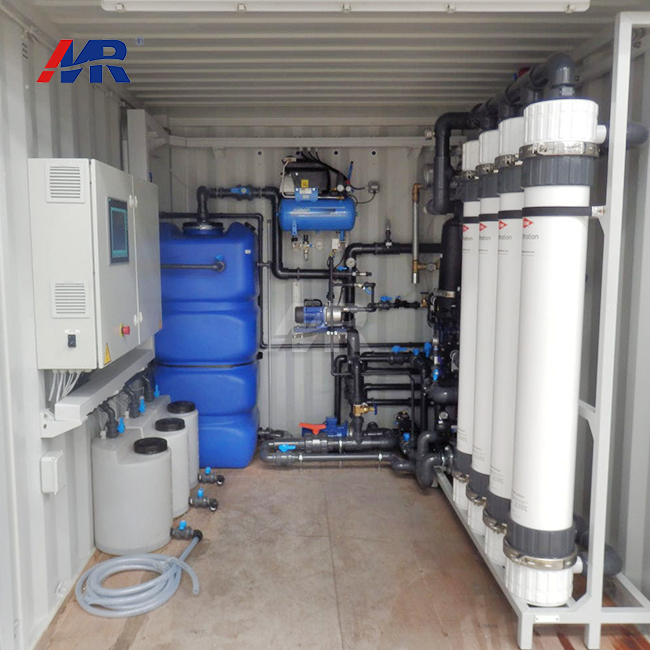 VIEW MOREcontainerized ultrafiltration equipment
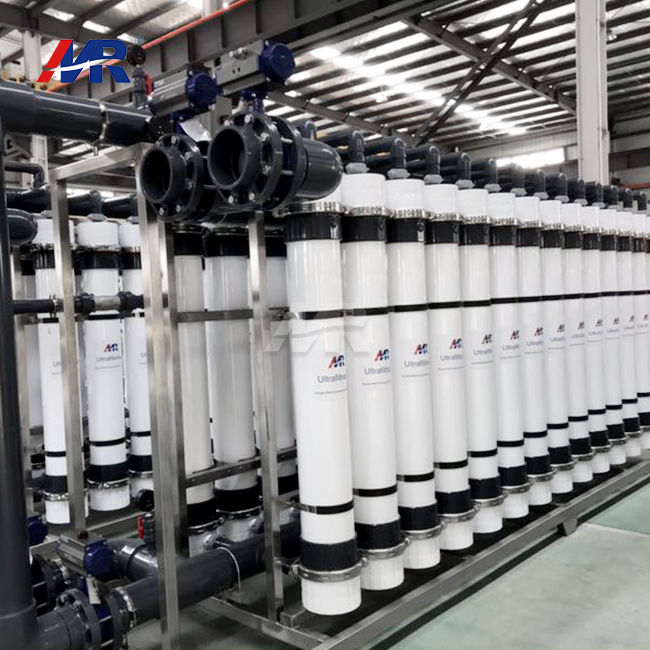 VIEW MOREultrafiltration machine
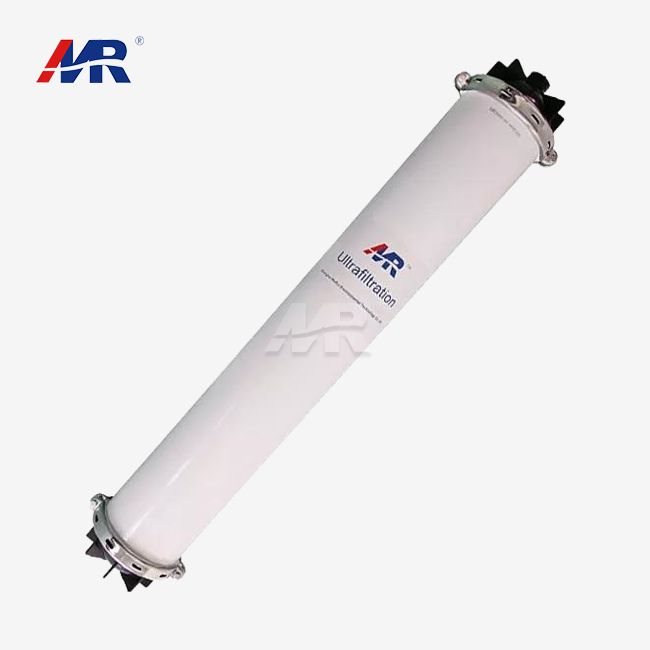 VIEW MOREultrafiltration membranes for water treatment
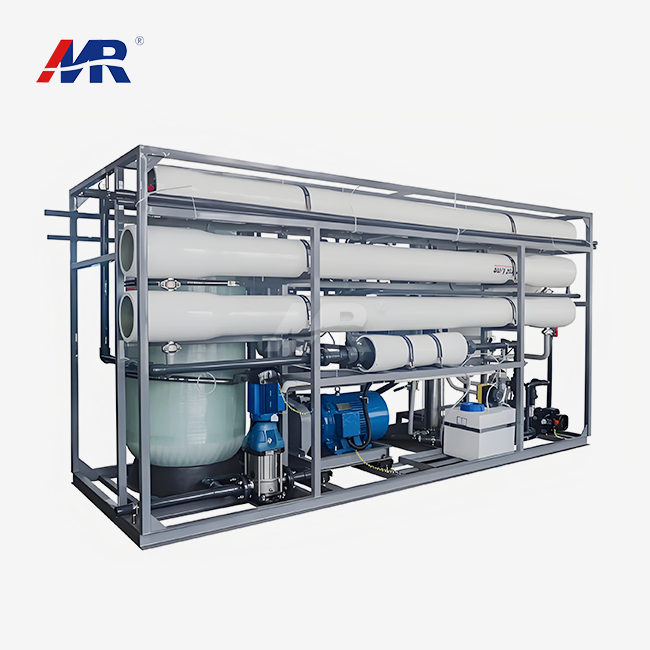 VIEW MOREseawater treatment plant
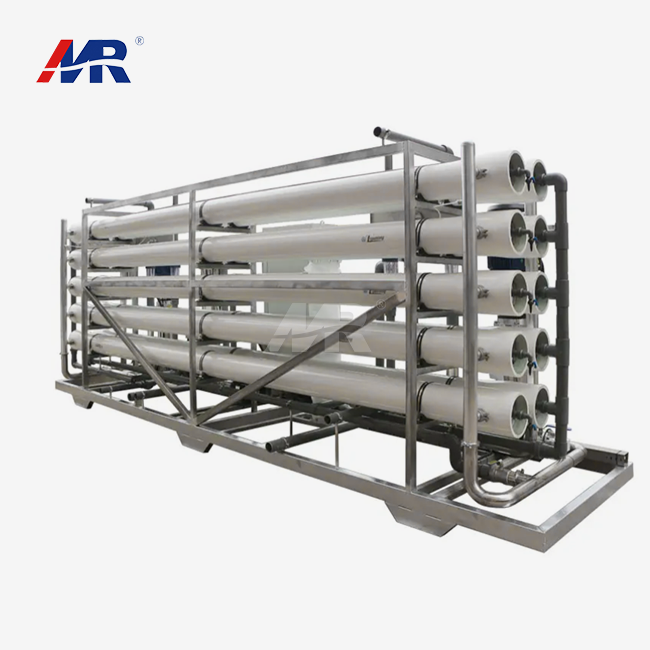 VIEW MOREbrackish water reverse osmosis systems
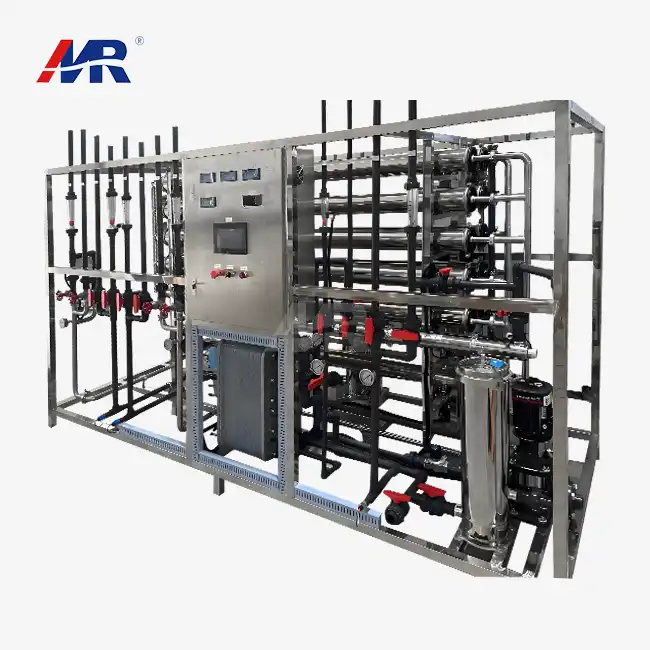 VIEW MORE2000 liters/hour EDI system
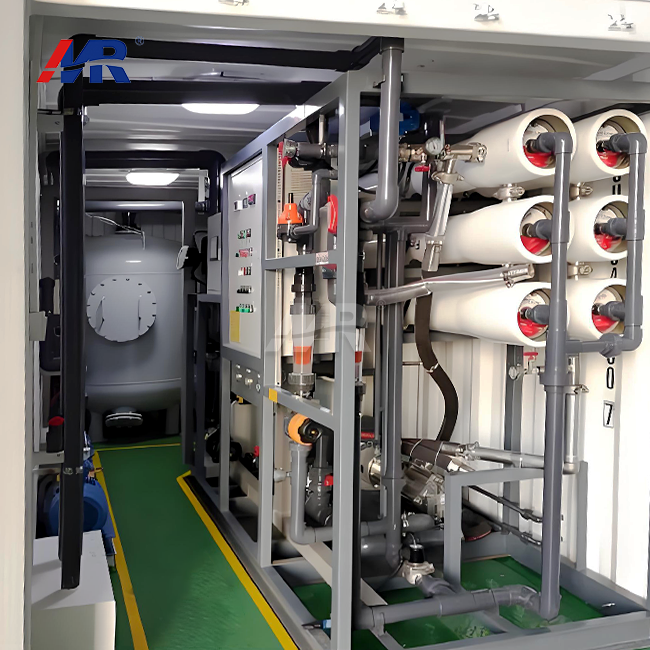 VIEW MOREcontainerized RO equipment
 VIEW MORELeachate DTRO Treatment Equipment
