

_1745823981883.webp)

Membrane Bioreactor for Wastewater Treatment: A Buyer’s Guide
Selecting the right membrane/bioreactor-wastewater-treatment">membrane bioreactor for wastewater treatment demands more than surface-level technical knowledge. As industrial effluent standards tighten and municipal facilities face land constraints, MBR technology emerges as a reliable solution combining biological degradation with physical membrane separation. This guide walks you through core MBR principles, performance metrics, procurement strategies, and operational best practices to help technical decision-makers, plant managers, and CEOs navigate investment choices confidently and achieve sustainable wastewater management outcomes.
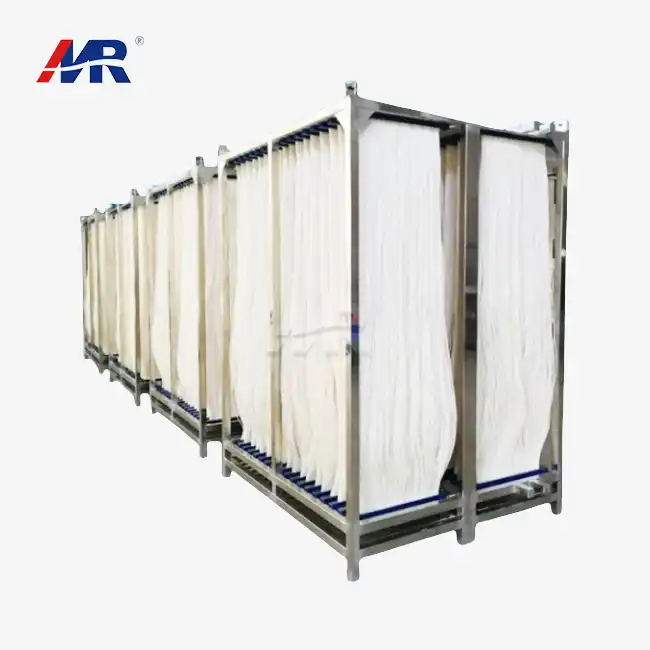
Understanding Membrane Bioreactor Technology
How MBR Systems Integrate Biological Treatment and Membrane Filtration
Membrane bioreactor technology combines advanced membrane filtration with traditional activated sludge processes to make a small but powerful platform for treating wastewater. Microorganisms break down organic compounds in the biological reactor, which is where the system works. The membrane modules are submerged and placed inside the reactor. According to Judd and Judd's in-depth study (2022), this combination makes it possible for the physical barrier to keep pathogens, colloidal particles, and suspended solids in check while still letting treated permeate pass through. Unlike traditional systems that use clarifiers, mbr membranes provide complete separation, so they don't rely on how the sludge settles and produce stable effluent quality even if the influent changes.
The organic part keeps the levels of mixed liquor suspended solids high, usually between 8,000 and 12,000 mg/L, while normal systems only keep them at 2,000 to 3,000 mg/L. This higher biomass density supports higher organic loading rates and lets facilities handle more volume in smaller reactor spaces. Microfiltration and ultrafiltration membranes are two popular types of membrane filters. They have pores that are between 0.1 and 0.4 microns in size, which means they get rid of germs and most viruses.
Key Stages in the MBR Process Flow
Knowing the order of operations helps procurement teams figure out how complicated the system is and what kind of integration is needed. There are different steps in the MBR process, which starts with pumping in the influent and doing some preliminary treatment. Screening gets rid of big trash, and grit cells get rid of rough particles that could damage membrane surfaces. Then, raw wastewater goes into the system. This step before the treatment protects parts further down the line and makes the membrane last longer, which is a key factor that affects the total cost of ownership.
After the first round of treatment, wastewater moves into the biological reactor, where aerobic bacteria break down both dissolved and suspended organic matter. Continuous aeration keeps the level of dissolved oxygen between 2 and 4 mg/L, which helps microorganisms break down food and makes sure that biochemical oxygen demand (BOD) and chemical oxygen demand (COD) are reduced effectively. The membrane modules are immersed in the same reactor and work under a small vacuum pressure, which forces permeate through the membrane surface. Air scrubbing from diffusers placed below the membranes creates rough flow patterns that keep filter rates steady and reduce fouling. This pattern of repetitive suction and rest, along with chemical cleaning every so often, keeps the membrane working well over time.
Membrane Materials and Their Impact on System Durability
The choice of membrane has a big effect on how reliable it is and how often it needs to be maintained. Polymeric membranes made from polyvinylidene fluoride (PVDF) or polyethersulfone (PES) are used a lot in industry and cities because they are strong and don't react badly with chemicals. PVDF membranes are very resistant to chlorine-based cleaners, which means that they can be used to get rid of fouling more effectively without damaging the material. New developments in making membranes have added hydrophilic surface changes that lower the pressure across the membrane over time and make it less likely for organic matter to stick to it.
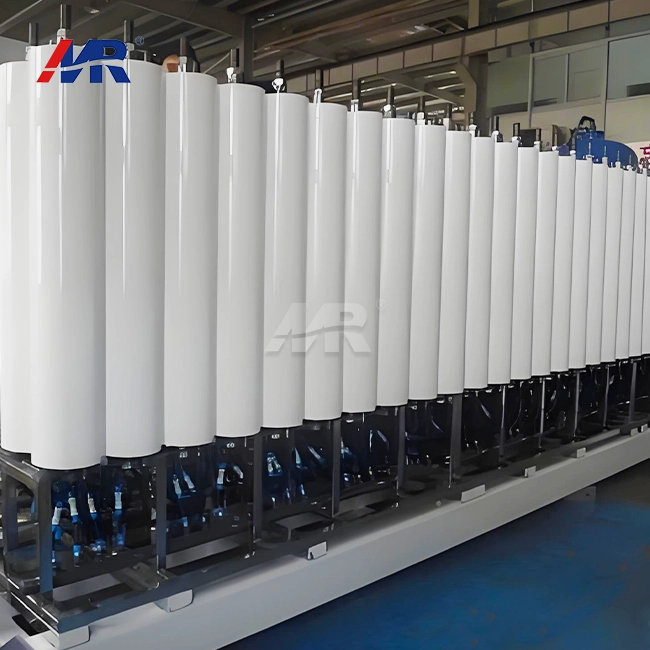
The shape of the membrane is also important. Hollow fiber membranes can filter 200 to 400 m³ of water per cubic meter of module volume, which makes them perfect for placements with limited room. Flat sheet configurations make it easier to clean and inspect visually, which is why they are preferred in industrial settings that deal with changing waste streams that could have sudden fouling events. Each configuration has its own benefits, and the best one depends on the characteristics of the influent, the limitations of the site, and the operational staffing available.
Benefits and Performance Evaluation of MBR Systems
Superior Effluent Quality and Regulatory Compliance
MBR systems in membrane bioreactor for wastewater treatment always produce effluent that meets or beats strict discharge standards. This is a huge benefit for industries that have to deal with stricter environmental rules. The membrane barrier completely blocks out particles bigger than the membrane pores. This keeps the turbidity level below 1 NTU and the total concentration of suspended solids below 5 mg/L. This almost-potable effluent can be directly reused for things like cooling tower makeup water, field watering, and industrial process water. This cuts down on the need for freshwater and the cost of wastewater release at the same time.
Getting rid of pathogens is another important success factor. Studies by Krzeminski and colleagues (2017) show that MBR systems can kill 4-6 logs of bacteria and 2-4 logs of viruses without adding any extra disinfectant. This is important for facilities that reuse reclaimed water for things other than drinking. This trait is very important for pharmaceutical and food processing companies because it reduces the risk of cross-contamination and helps them follow Good Manufacturing Practice (GMP) rules.
Compact Footprint and Operational Flexibility
Because there isn't enough land, many cities and factories are moving toward MBR. Because the technology can work with higher amounts of biomass, it means that smaller reactor sizes are needed. A normal MBR installation takes up 30–50% less room than traditional activated sludge plants that treat the same flows. This is a huge benefit for wastewater treatment plants in cities and factories that want to make more without buying more land.
Operational flexibility goes beyond the size of a space. MBR systems can handle big changes in the input flow without losing performance, so they can handle the high flow conditions that are common in industrial batch processing settings. By separating the time that hydraulics stay in place from the time that sludge stays in place, operators can keep biological communities fixed even during short-lived hydraulic surges. This makes sure that treatment results are the same even when production plans change.
Reduced Sludge Production and Disposal Costs
MBR systems can keep sludge for longer periods of time (20–40 days on average) than regular plants (5–15 days). This allows microorganisms to break down their own cells, which is called endogenous respiration. This biological process cuts down on net sludge production by 20–40%, which lowers the cost of disposal and the damage done to the environment. The properties of stable sludge make dehydration easier further down the line, which lets you get a higher cake solids content with fewer polymer conditioning steps.
Energy use should be evaluated honestly. Due to the need for membrane aeration, MBR systems usually use 0.8 to 1.5 kWh per cubic meter of treated material, which is a bit more than regular activated sludge. This difference is usually balanced out, though, by getting rid of secondary clarifiers and tertiary filtration equipment. The energy gap is getting smaller thanks to advanced control methods that keep improving permeate flow rates and aeration cycles. Facilities that reuse water and protect land always find that the extra cost of energy is worth it because it saves money on operations and makes sure they follow the rules.
Procurement Guide for Membrane Bioreactor Systems
Understanding Total Cost of Ownership
The part that can be seen is the capital spending, which includes membrane modules, reactor tanks, aeration equipment, pumps, instruments, and workers for installation. Membrane modules usually make up 25–35% of the total cost of a system, though prices can change depending on the maker and design. Hollow fiber systems usually have higher initial membrane costs but offer better packing density. Flat sheet configurations, on the other hand, strike a good balance between cost and ease of cleaning.
Operating costs add up over the life of a system and need to be carefully looked at. Aeration and diffuse suction usually use 50 to 60 percent of the running costs' energy. When to change the membrane depends on the type of feed water and how well it is maintained. In normal city wastewater situations, the membrane will last 7–10 years, but in tough industrial settings, it will only last 5–7 years. The remaining operational costs are for chemical cleaning agents, getting rid of sludge, and labor. Facilities that get the best performance in their class through proactive maintenance and improved operating practices report lifetime costs that are 15 to 20 percent lower than those that use reactive management.
Evaluating Suppliers and Establishing Partnerships
Choosing a supplier for membrane bioreactor for wastewater treatment is more than just looking at prices. It also involves looking at the quality of Technical support, the availability of spare parts, and the long-term stability of the business. Leading global membrane manufacturers have track records in a wide range of applications, but regional suppliers are increasingly offering competitive technology at good prices. Before you look into these important factors, knowing what makes each provider different helps you cut down your choices.
Guangdong Morui Environmental Technology Co., Ltd. is a good example of a company with a wide range of skills that procurement teams should look for. Morui has more than 14 branches and employs more than 500 people, including 20 expert engineers. It also has its own facilities for making membranes and processing a wide range of tools. This vertical integration makes sure that there is quality control, quick customization, and reliable supply chains for spare parts that lower the risk of downtime. The company's services include treating wastewater from factories, city sewage systems, desalinating seawater, and cleaning drinking water. They have experience with a wide range of applications. Morui is also an approved agent for well-known component names like Shimge Water Pumps, Runxin Valves, and Createc Instruments. This lets systems work with tried-and-true extra equipment without any problems. Morui offers turnkey solutions that make projects easier to understand and get up and running faster. These solutions include everything from supplying equipment to installing and commissioning it and providing ongoing technical support.
When judging any provider, you have to look at a lot of different factors. Check out completed project references in your industry and ask for performance data and feedback on how happy the clients were with the work. Look at the frameworks for after-sales support, such as how long it takes to respond to technical questions, where spare parts are kept, and whether emergency help is available. Check the guarantee terms for membrane modules and mechanical equipment individually, since they fail in different ways and cost more to replace. Pilot plants let suppliers test their equipment with real wastewater from a facility before committing to a full-scale investment. This lowers the risk of performance problems in difficult industrial settings by a large amount.
Operational Best Practices and Troubleshooting
Routine Maintenance Protocols for Sustained Performance
Systematic monitoring stops small problems from getting worse and turning into expensive failures. Transmembrane pressure (TMP) should be tracked every day by operators, who should set baseline values during commissioning and alarm levels 20% above baseline. Gradual rises in TMP show membrane fouling that needs to be cleaned, while sudden pressure spikes show mechanical issues like valve failures or air supply interruptions.
Monitoring permeate flow gives you extra information about performance. A drop in flux when TMP stays the same means that the membrane is getting clogged or there is less biological activity. On the other hand, keeping the target flux while TMP goes up means that the fouling layer is building up. Most systems work with flux rates of 15 to 25 liters per square meter per hour, which is a good balance between output and fouling control. The concentration of mixed liquid suspended solids needs to be checked regularly in a lab, making sure that goal ranges are kept that are right for the membrane design. Too much biomass increases the need for aeration and the likelihood of fouling, while not enough biomass lowers the effectiveness of treatment.
How often the membrane needs to be cleaned depends on the characteristics of the feed water and the operational flux rates. Sodium hypochlorite solution at a concentration of 200 to 500 mg/L is usually used for maintenance cleaning every 30 to 90 days. This gets rid of organic fouling layers and restores permeability. When TMP recovery after regular cleaning isn't enough to get rid of artificial scaling, recovery cleaning with acid solutions is used. It is very important to follow the cleaning instructions that membrane makers give you exactly, because harsh chemical concentrations or long contact times can damage membrane materials forever.
Addressing Common Operational Challenges
Membrane fouling is the main problem that all MBR installations have to deal with. Microorganisms release extracellular polymeric substances that stick to membrane surfaces and form gel layers. This is called organic fouling. Extracellular polymer production can be reduced by adjusting the conditions of the biological reactor, such as the amount of liquid oxygen, the ratios of nutrients, and the time that the sludge is retained. The amount of air scouring has a direct effect on the rate of fouling. More air flow gives the surface more shear, but it also uses more energy. Finding the best mix involves testing on each page and making changes all the time.
Even when operations are done carefully, physical damage to the membranes can happen. When the quality of the permeate drops quickly and haze can be seen, it means that the membrane fibers have broken, letting waste pass through. Integrity testing with the pressure decay or bubble point methods finds modules that are broken and need to be replaced. Keeping extra membrane cassettes on hand lets you quickly restore while damaged units are being fixed or replaced, which keeps treatment from being interrupted as little as possible.
Process changes, such as adding an inhibitory drug or changing the temperature, can make biological treatment less effective. To keep harmful chemicals from getting into the biological reactor, industrial facilities must use pretreatment controls. Temperature compensation strategies, like keeping sludge in place for longer during cold months, keep treatment working even though microbes aren't as active. For regulatory compliance reports, accurate tracking and recording of effluent are needed. Automated sample devices and live monitors that measure things like turbidity, total suspended solids, and biochemical oxygen demand make sure that the treatment is working all the time. Maintaining calibrated instruments and written quality assurance procedures makes sure that compliance records can be defended.
Conclusion
Investing in membrane bioreactor for wastewater treatment technology is a strategic choice that weighs the need for instant cash against the long-term benefits of operations and the need to ensure compliance with regulations. MBR systems offer better effluent quality, smaller areas, and more operating freedom than other types of treatment. To make implementation work, you need to fully understand the basic steps of the process, be honest about what the site needs, choose your suppliers carefully, and be dedicated to proactive operational management. With these insights, procurement teams can safely choose MBR solutions that meet organizational goals, environmental obligations, and budgetary limits. This sets up their facilities for long-term success in managing wastewater.
FAQ
1. What is the typical lifespan of membrane modules in MBR systems?
If you follow the care instructions for your membrane units and keep them in good shape, they should last between 7 and 10 years. In industrial settings that deal with strong wastewater or rough particles, the lifespans may be shortened to 5 to 7 years. Regular cleaning, keeping the right flux rates, and preventing physical damage through effective pretreatment all help membranes last longer and cost less to replace.
2. Can MBR technology effectively treat high-strength industrial wastewater?
MBR systems are great at cleaning up industrial wastewater with a lot of organic matter in it. They can handle COD levels above 5,000 mg/L, which are too high for regular treatment plants. MBR reactors can hold a lot of waste, which means that there are enough microbes to break down complex organic molecules. MBR technology is used successfully in textile, pharmaceutical, and food processing plants. However, it is still necessary to remove chemicals that stop biological activity and membrane protection during pretreatment.
3. How does MBR energy consumption compare to conventional treatment methods?
Due to the need for membrane aeration, MBR systems usually use 0.8 to 1.5 kWh per cubic meter of treated material, which is 20 to 40 percent more energy than regular activated sludge. This comparison does not include the energy savings from getting rid of clarifiers and tertiary filtering equipment, though. Facilities that want to reuse water or don't have a lot of land can justify the extra cost of energy by the better quality of the wastewater they produce, their smaller footprints, and the lower costs of handling sludge.
Partner with a Trusted Membrane Bioreactor System Supplier
Guangdong Morui Environmental Technology Co., Ltd. is ready to help you reach your goals for treating wastewater by providing you with tried-and-true membrane bioreactor for wastewater treatment solutions that are tailored to your specific needs. Our wide range of services includes system design, equipment manufacturing, installation, commissioning, and long-term expert support. This makes sure that projects go smoothly from the idea stage to long-term operation. Morui provides reliable membrane bioreactors for wastewater treatment systems with the help of fast local service networks. They do this by having their own facilities for making membranes, working with many other companies to make components, and having over 20 specialized engineers spread out across 14 regional branches.
Our Team has experience in the pharmaceutical, food and beverage, electronics, chemical processing, and municipal sectors, and can improve current municipal treatment plants, start industrial wastewater recycling programs, or build brand-new facilities. Look into tried-and-true MBR technology that is made to help you succeed. Get in touch with our experts at benson@guangdongmorui.com to talk about your project needs and look over case studies from similar situations. You can also learn how Morui's integrated approach to membrane bioreactor systems can improve treatment performance, make sure they comply with regulations, and maximize lifecycle economics.
References
1. Judd, S., & Judd, C. (2022). The MBR Book: Principles and Applications of Membrane Bioreactors for Water and Wastewater Treatment. Butterworth-Heinemann.
2. Krzeminski, P., Leverette, L., Malamis, S., & Katsou, E. (2017). Membrane bioreactors: A review on recent developments in energy reduction, fouling control, novel configurations, LCA and market prospects. Journal of Membrane Science, 527, 207-227.
3. Le-Clech, P. (2010). Membrane bioreactors and their uses in wastewater treatments. Applied Microbiology and Biotechnology, 88(6), 1253-1260.
4. Meng, F., Zhang, S., Oh, Y., Zhou, Z., Shin, H. S., & Chae, S. R. (2017). Fouling in membrane bioreactors: An updated review. Water Research, 114, 151-180.
5. Xiao, K., Liang, S., Wang, X., Chen, C., & Huang, X. (2019). Current state and challenges of full-scale membrane bioreactor applications: A critical review. Bioresource Technology, 271, 473-481.
6. Yang, W., Cicek, N., & Ilg, J. (2006). State-of-the-art of membrane bioreactors: Worldwide research and commercial applications in North America. Journal of Membrane Science, 270(1-2), 201-211.
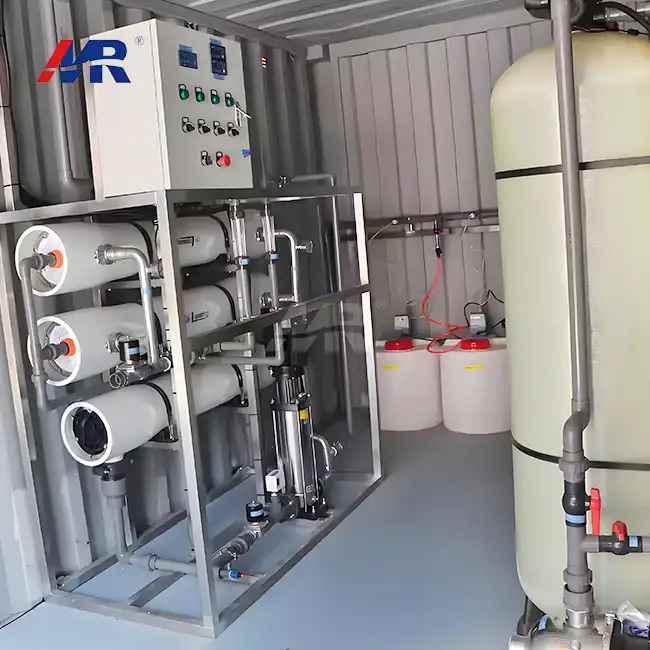 VIEW MOREcontainer 3m3/hour RO equipment
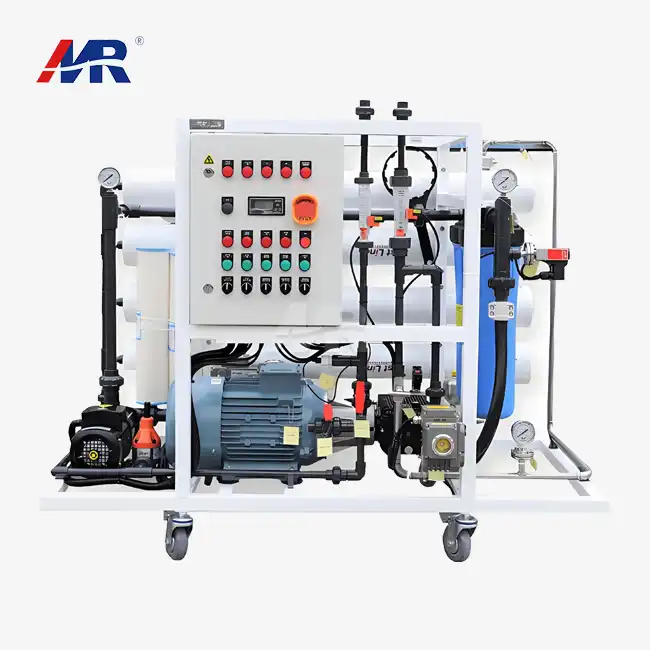 VIEW MORE2m3/hour seawater desalination equipment
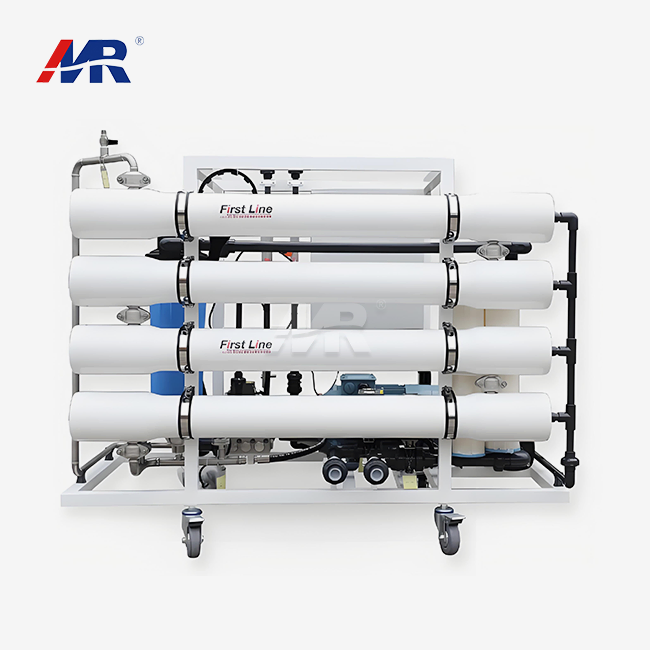 VIEW MOREseawater desalination equipment
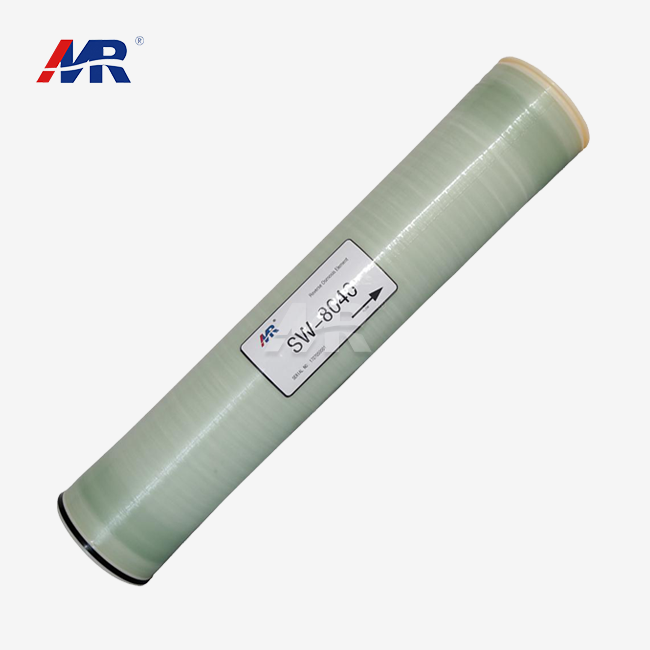 VIEW MORE8040 seawater reverse osmosis membrane
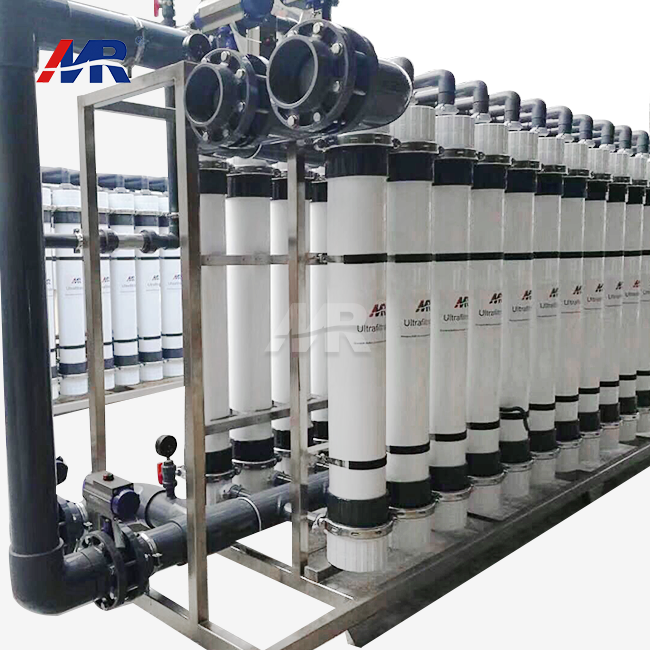 VIEW MOREultrafiltration water system
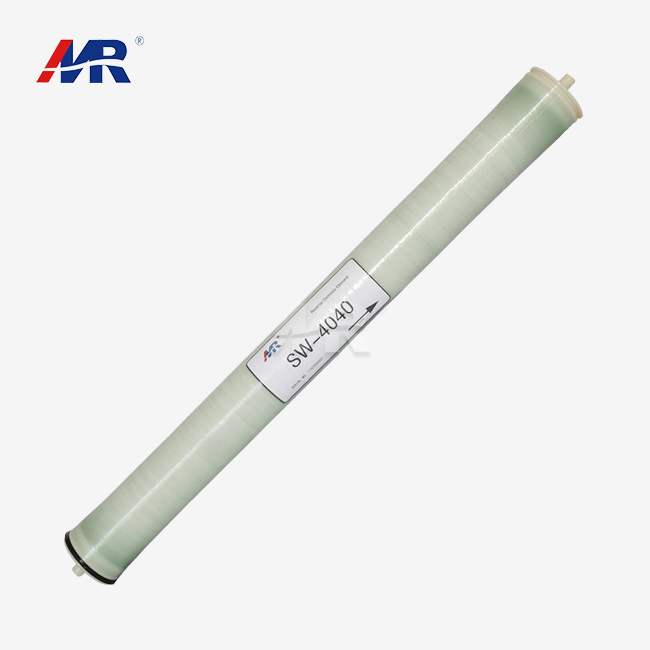 VIEW MORE4040 seawater reverse osmosis membrane
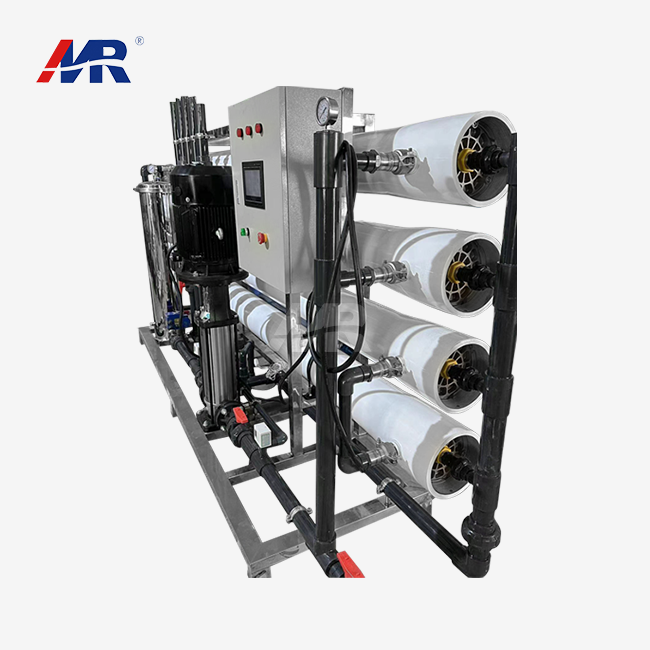 VIEW MOREunder counter reverse osmosis water system
 VIEW MORELandfill Leachate Treatment System
