_1745823981883.webp)

How to Prevent Fouling in a UF Filter Membrane System for Industry
Preventing fouling in ultrafiltration systems starts with understanding your water source and implementing proper pretreatment protocols. A well-maintained membrane/ultrafiltration-membrane-system">uf filter membrane operates at optimal flux rates when combined with routine CIP procedures, effective monitoring of transmembrane pressure, and careful selection of membrane materials suited to your specific industrial application. Controlling operational parameters like cross-flow velocity and maintaining feed water quality through coagulation and pH adjustment significantly extend membrane lifespan while reducing unplanned downtime and operational costs.
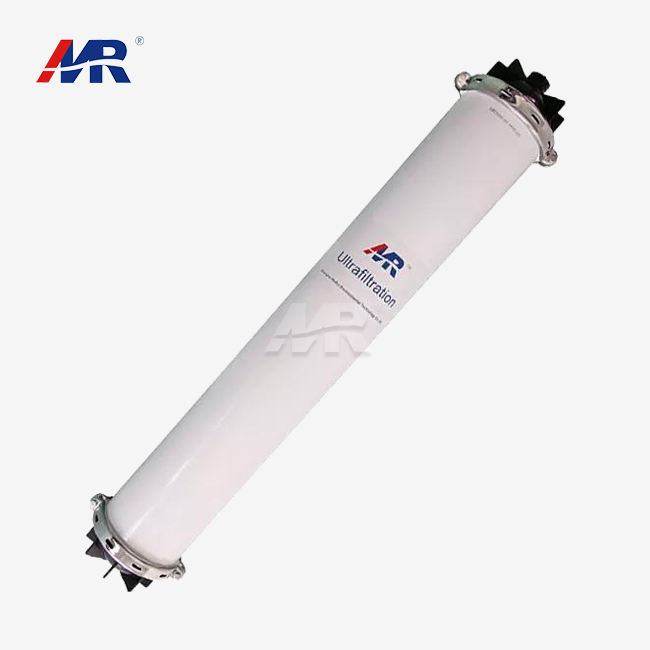
Understanding Fouling in UF Filter Membranes
What Is Membrane Fouling and Why Does It Matter?
As particles accumulate on or inside the structure of the membrane, they obstruct the flow of water, which in turn reduces the efficiency of the filtering process. This phenomenon is referred to as membrane blockage. Fouling has a direct impact on the performance of systems, increases the amount of energy that is used, and shortens the lifespan of equipment in a wide variety of industrial settings, ranging from the production of medications to the treatment of wastewater for cities. It will have a significant impact on the economy. It is possible for enterprises to incur monthly costs of thousands of dollars due to unplanned maintenance, production pauses, and premature membrane replacement.
Types of Fouling That Affect UF Systems
If operators in the sector are aware of how fouling operates on a particular level, they are better able to devise targeted solutions to stop it. Proteins, polysaccharides, and humic compounds are the culprits behind organic fouling because they adhere to the surfaces of membranes. In the manufacturing of food and the treatment of biological wastes, this occurs rather often. Mineral precipitation is the cause of scaling that is inorganic. When the concentration exceeds the limits of solubility, layers of calcium carbonate, calcium sulfate, and silica are formed. When bacteria gather together and form a biofilm, this is an example of biological pollution. This kind of pollution is particularly problematic in systems that are not constantly cleaned adequately. When materials in suspension, colloids, and turbidity accumulate on the surface of the membrane and eventually form a layer that resembles a cake, this phenomenon is known as particulate fouling.
Root Causes Behind Fouling Problems
However, the quality of the supply water continues to be the most significant contributor to fouling issues. The accumulation of foulant occurs more quickly when the turbidity levels are high (over 5 NTU), when there is a significant quantity of organic carbon, and when the pH is changing. In addition, the conditions of operation are of utmost significance. For instance, concentration polarization at the membrane boundary layer may be caused by flux rates that are too high in comparison to what was anticipated, while cross-flow speeds that are excessively sluggish allow particles to settle rather than migrate away from the surface. The compatibility of the materials is also very significant. For instance, hydrophobic membranes are superior to hydrophilic membranes in terms of their ability to attract organic substances; hence, selecting the appropriate material is of utmost significance when purchasing anything.
Core Principles to Prevent Fouling in UF Membrane Systems
Optimizing Operational Parameters for Minimal Fouling
Stable functioning may be ensured by maintaining the transmembrane pressure and flux rate within the parameters that have been established by the manufacturer. Lower flux rates, which typically range from fifty to eighty liters per square meter per hour, decrease the concentration polarization and lengthen the amount of time required for cleaning. When dealing with high-solids scenarios, cross-flow filtration is superior to dead-end installations. This is due to the fact that radial flow continues to pass across the membrane surface, which prevents cake layers from developing. In order to provide early warning signals, monitoring TMP (Transmembrane Pressure) is performed. If there is a spike of 0.5 bar or a decrease of 15-20% in flux, it indicates that cleaning is required before the damage becomes permanent.
Effective Pretreatment Strategies
Foulants are taken out before they reach the ultrafiltration membrane by strong pretreatment. Using aluminum sulfate or ferric chloride for coagulation and flocculation makes colloidal particles less stable, which lets them be removed by sedimentation or media filtration. Activated carbon beds or multimedia filters can pick up suspended solids and organic precursors. Chemical treatment methods keep pH levels in the right range—usually between 6.5 and 7.5—so that scaling doesn't happen and coagulants work at their best. In waters that are very hard or very alkaline, antiscalant injection keeps inorganic precipitation from forming. Before water even reaches the uf filter membrane, the combined effect of these preparation steps significantly lowers the foulant load, frequently by 80–90%.
CIP Protocols and Maintenance Scheduling
Cleaning-in-place methods fix membrane leakage without taking the system apart. Alkaline cleaners, such as sodium hydroxide (pH 11–12), get rid of organic and biological waste, while acidic cleaners, such as citric acid or hydrochloric acid at pH 2–3, break down metal scales. In dairy or beverage settings, enzyme cleaners work on specific chemical substances, like proteins. Setting the cleaning frequency based on normalized flux data instead of random time intervals makes membranes last longer. Systems that treat municipal drinking water might need to be cleaned once a month, while MBR applications used to treat wastewater might need to be cleaned once a week. Keeping accurate records of how well cleaning is done (by measuring the flux recovery percentage) helps improve maintenance plans and guess when membrane replacements will need to be done.
Best Practices and Innovative Solutions to Minimize Fouling
Advanced Membrane Materials and Configurations
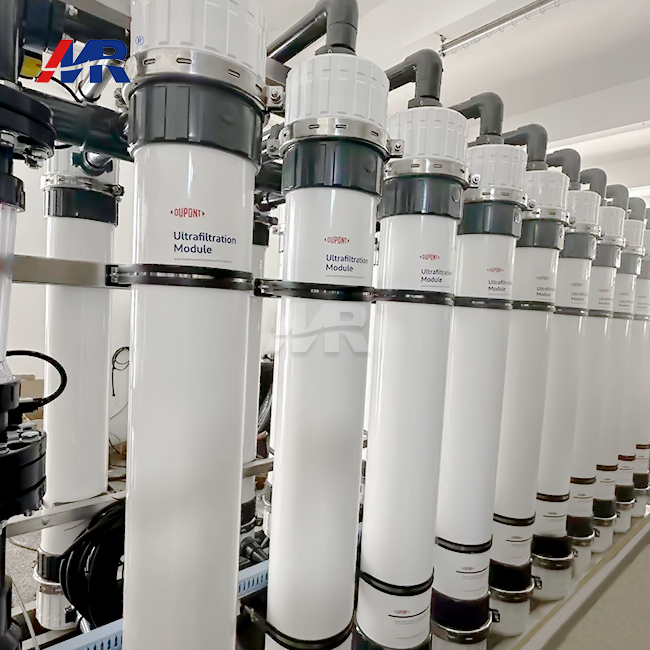
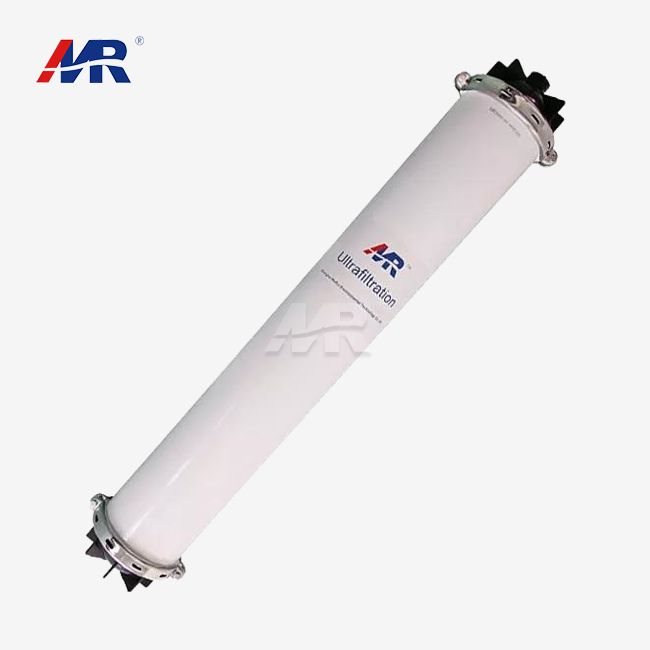
Modern ultrafiltration technology gives us a lot of different material options that are best for different fouling problems. PVDF membranes are very resistant to chemicals and UV light, which makes them perfect for use outside and for harsh cleaning methods. PES materials have higher flow rates and can handle higher temperatures, making them good for use in hot water in pharmaceutical production. PAN membranes naturally resist organic fouling in food processing environments because they are very good at drawing water to themselves. It doesn't matter what configuration you choose—hollow fiber modules have a lot of surface area in a small space, while flat sheet and tubular forms are easier to clean for uses that are heavily contaminated. Ceramic membranes are the best choice for harsh situations because they can handle temperatures up to 95°C and pH levels from 0 to 14. However, they are much more expensive at first.
Real-Time Monitoring and Automation
When sensors and control systems are combined, reactive maintenance is changed into predictive management. Monitoring differential pressure, flow rates, and permeate quality all the time lets cleaning start automatically when performance limits are reached. In more advanced systems, turbidity meters are added to the feed streams to make preparation changes before the membrane is upset. Data logging systems keep track of normalized flow over time. This shows workers that fouling is happening slowly but surely and lets them take action before it gets worse. Backwash processes that are automatically started by pressure differences keep the membrane clean between chemical cleanings. In some Cases, this can make the time between cleanings last from weeks to months.
Industry-Specific Success Stories
By using a cross-flow configuration with automated monitoring, a pharmaceutical company cut the number of times they had to clean from once a week to twice a week while still maintaining GMP-compliant water quality. This saved them 40% a year on chemical costs. A city water plant that serves 50,000 people combined improved coagulation with ultrafiltration. This kept the turbidity below 0.1 NTU, got rid of Cryptosporidium risks, and made the membrane last five years instead of three. An industrial laundry that was trying to reuse wastewater switched to MBR technology with PVDF hollow fiber membranes. This cut the amount of water used by 60% and made sure that discharge standards were always met, even when there was a lot of organic material in the wastewater. These improvements show that proper fouling prevention strategies are useful for both technology and the economy in many areas.
Comparison: UF Membrane Fouling vs Other Membrane Technologies
Pore Size and Fouling Propensity Differences
Uf filter membranes have pores that are between 0.01 and 0.1 microns in size, which means they filter out bacteria, viruses, and proteins while letting dissolved salts pass through. Microfiltration systems with bigger holes (0.1 to 10 microns) get clogged less often but don't get rid of pathogens as well. Nanofiltration and reverse osmosis membranes have smaller pores that hold on to dissolved solids and divalent ions. However, because they are more tightly packed, they are more likely to get clogged and need higher operating pressures. Knowing these differences helps purchasing managers match the right technology to the job. For example, ultrafiltration is good for jobs that need to get rid of microbes without desalination because it strikes a good balance between filtering ability and fouling resistance.
Operational and Maintenance Complexity
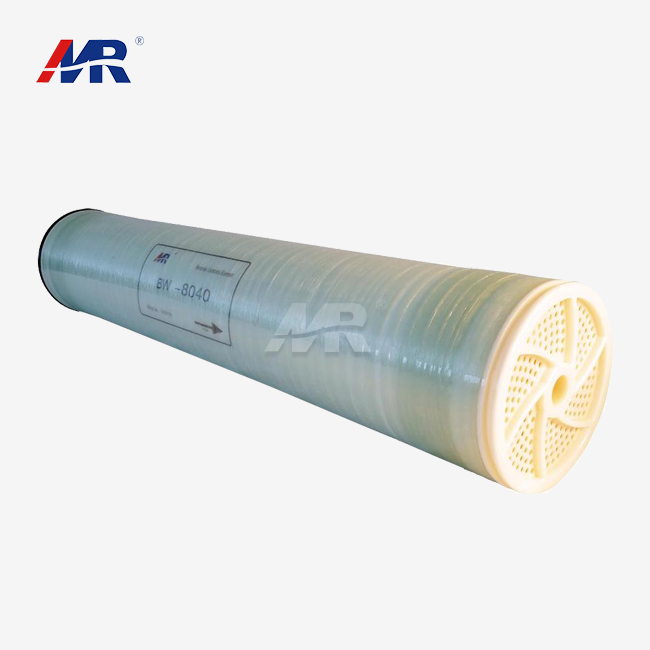
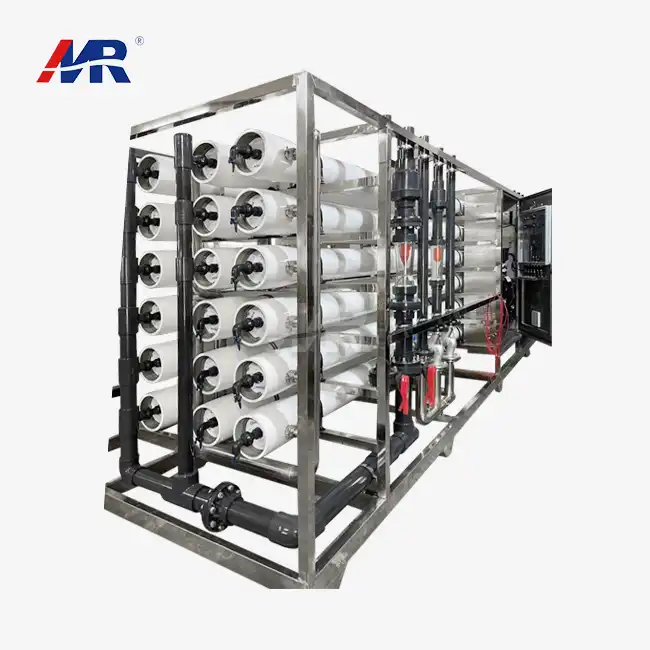
Ultrafiltration works at lower pressures (1–5 bar), so it uses less energy and puts less stress on the machine's parts than pressure-driven RO systems that work at 15–25 bar. This higher pressure means that the pump doesn't have to be as complicated, and the costs of running the business are lower. Cleaning methods are also different. ro membranes need softer chemicals and a smaller pH range to keep them from getting damaged permanently, while uf membranes can handle rough cleaning that gets rid of all foulants. Because microfiltration keeps bigger particles, it needs to be cleaned more often, but each cleaning run is easier than the last. Nanofiltration and RO both have similar problems with cleaning that are similar. Ultrafiltration is widely used in many industrial settings because it removes contaminants effectively while also being easy to maintain.
Purchasing Considerations: Selecting and Maintaining UF Filter Membranes
Critical Selection Criteria for Industrial Buyers
Membrane quality approval gives you basic peace of mind. The NSF/ANSI 61 approval makes sure that drinking water is safe for both municipal and food uses, and the ISO 9001 standards ensure that the quality of the Products is always the same. Chemical compatibility affects the choice of material. For example, businesses that use chlorine for cleaning need PVDF that can handle chlorine, while pharmaceutical facilities want PES materials that can be cleaned with chlorine. It's important that the molecular weight cut-off specifications match the contaminants you want to remove. For example, 100,000 Dalton membranes work well for protein concentration, while 10,000 Dalton options are better at keeping smaller organic molecules in. How the modules are set up affects both their performance and their footprint. For example, hollow fiber systems have the most surface area per volume, while tubular designs make cleaning easier in environments with a lot of fouling. By following these steps, industrial operators ensure they are selecting the right UF filter membranes.
Evaluating Suppliers and Brand Options
Manufacturers of membranes like Pentair, Toray, and Dow have been around for a long time and have spent a lot of money on research. Their products usually come with a lot of technical information, consistently good performance, and easy access to replacement parts. For smaller sites or pilot projects, regional providers may be able to offer better prices and faster delivery. In addition to product specs, a supplier's skills should also be judged on the quality of their technical help, their ability to make changes, and how quickly they can respond to operating problems. Companies that offer on-site installation supervision, operator training programs, and help with fixing problems are more valuable in the long run than low-cost companies that only sell products.
Lifecycle Economics and Support Services
The total cost of ownership should include the price of the membrane itself, the cost of installation, the amount of energy used, the cost of cleaning chemicals, the cost of upkeep work, and the cost of replacement in the long run. Premium membranes, which cost 30% more at first, often end up saving you money in the long run because they last longer and don't need to be cleaned as often. The length of the warranty is important. Reliable suppliers offer performance guarantees that last at least two years, and in some cases up to five years under certain operating conditions. After-sales support, such as technical advice, membrane autopsies that look at how failures happen, and optimization services, helps operations teams get the most out of the system. Maintenance contracts that include regular cleanings, performance tests, and supplies make budgeting easier and make sure that the equipment is well taken care of by professionals.
Conclusion
Fouling can be avoided in uf filter membranes by properly treating the fluid before it goes through the system, using the right membrane, and following strict maintenance rules. When these methods are used together, industrial sites get longer-lasting membranes, lower operating costs, and consistent water quality. Buying monitoring tools and good membranes is an investment that pays off in the form of less downtime and reliable performance. As rules on water quality get stricter and efforts to reduce waste put more emphasis on reusing water, learning how to stop fouling becomes more important for businesses in the manufacturing, city, pharmaceutical, and food processing sectors that want to stay competitive.
Frequently Asked Questions About UF Filter Membrane Fouling Prevention
1. How often should we clean our UF filter membrane?
Cleaning happens at set times, but how often depends on the quality of the feed water and how often fouling happens. Keep a close eye on the standardized flux and transmembrane pressure. Clean the membrane with chemicals when the flux drops by 15-20%, or the TMP rises by 0.5 bar from the starting values. Applications with low fouling, like public drinking water, might only need cleaning once a month, but systems that deal with a lot of solids in wastewater from factories might need cleaning every week. Using daily backwash processes in between chemical cleanings makes the time between cleanings much longer.
2. Can fouling be completely eliminated?
Complete removal is not possible, but good tactics can keep fouling to a level that can be handled. Even systems that have been adjusted lose speed over time and need to be cleaned every so often. The goal is to lower the rate of fouling to an acceptable level for the economy, where cleaning can return full performance and membranes last for the three to five years recommended by the maker. When you accept that acceptable fouling will happen, you can focus on good management instead of impossible avoidance.
3. What pretreatment steps are most essential?
The most effective way to get rid of turbidity is through coagulation and media filtration, which stop particulate fouling that leads to a rapid drop in flux. Changing the pH level stops scaling in hard water situations. Activated carbon gets rid of the organic building blocks that lead to bacterial waste. The exact pretreatment mix varies on the type of feed water. For example, surface water needs to get rid of a lot of particles, groundwater needs to stop scale from building up, and wastewater needs biological control.
4. What triggers a cleaning cycle in automated systems?
When differential pressure rises 0.5 bar above baseline or when permeate flow drops 15-20% from normalized values, automatic cleaning starts. More advanced systems use more than one trigger, such as feed water turbidity spikes, permeate quality decline, or set time intervals as a backup. When sensors are calibrated and thresholds are set correctly, they don't need to be cleaned too soon and can't be used past their fouling recovery points.
Partner With Morui for Superior UF Filtration Solutions
Guangdong Morui Environmental Technology offers complete ultrafiltration systems that are designed to reduce fouling and increase uptime in a wide range of industrial settings. Our Team of 20 experienced engineers creates unique solutions for your water quality problems that include the right pretreatment, the best filter choice, and automatic monitoring systems. We offer full turnkey installations backed by thorough commissioning and user training because we are an established uf filter membrane supplier with dedicated membrane production facilities and equipment-making capability. Our national service network of 14 branches makes sure that you get fast technical help when you need it. Get in touch with our technical experts at benson@guangdongmorui.com to talk about your filtration needs, get specific plans, and find out how our proven knowledge helps facilities meet strict water quality standards and get membranes that last three to five years.
References
1. Guo, W., Ngo, H.H., & Li, J. (2012). "A mini-review on membrane fouling mechanisms in ultrafiltration processes." Desalination, 302, 27-34.
2. Huang, H., Schwab, K., & Jacangelo, J.G. (2009). "Pretreatment for low pressure membranes in water treatment: A review." Environmental Science & Technology, 43(9), 3011-3019.
3. Membrane Filtration Guidance Manual (2005). United States Environmental Protection Agency, Office of Water, EPA 815-R-06-009.
4. Shi, X., Tal, G., Hankins, N.P., & Gitis, V. (2014). "Fouling and cleaning of ultrafiltration membranes: A review." Journal of Water Process Engineering, 1, 121-138.
5. Zularisam, A.W., Ismail, A.F., & Salim, R. (2006). "Behaviours of natural organic matter in membrane filtration for surface water treatment." Desalination, 194(1-3), 211-231.
6. Crittenden, J.C., Trussell, R.R., Hand, D.W., Howe, K.J., & Tchobanoglous, G. (2012). "MWH's Water Treatment: Principles and Design" (3rd Edition). John Wiley & Sons, Hoboken, New Jersey.