_1745823981883.webp)

Can you explain the benefits of using a reverse osmosis plant?
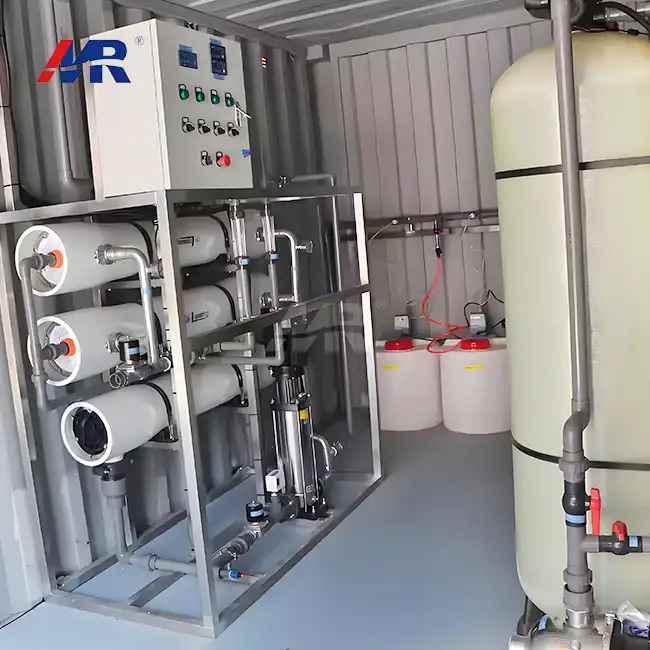
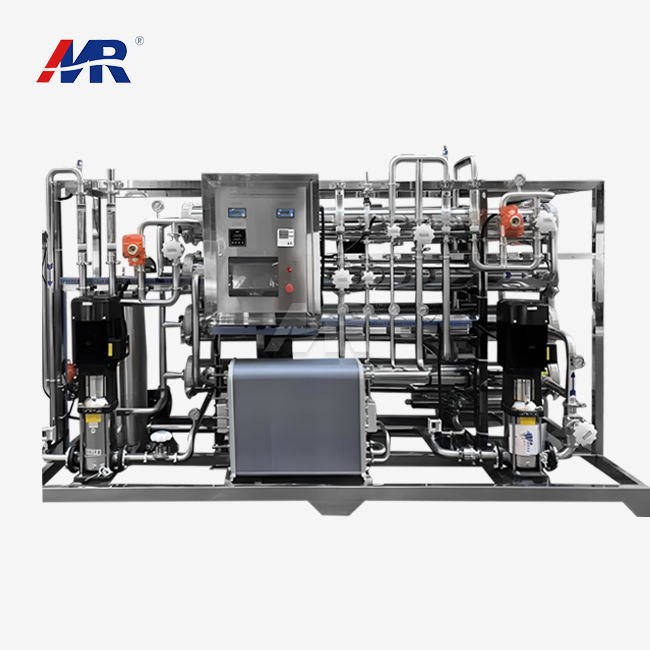
In a reverse osmosis facility, raw water is pressure-driven over a semi-permeable membrane. Dissolved water, heavy metals, bacteria, and organic pollutants are removed in one continuous process. Because it produces a consistent quality of water on a scale that carbon filters and softeners cannot match, this technology is used by manufacturers, food and beverage industries, hospitals, and municipal utilities. In this article, we will talk about how a reverse osmosis plant improves the raw water, which firms benefit the most from, and what to look for when buying one.
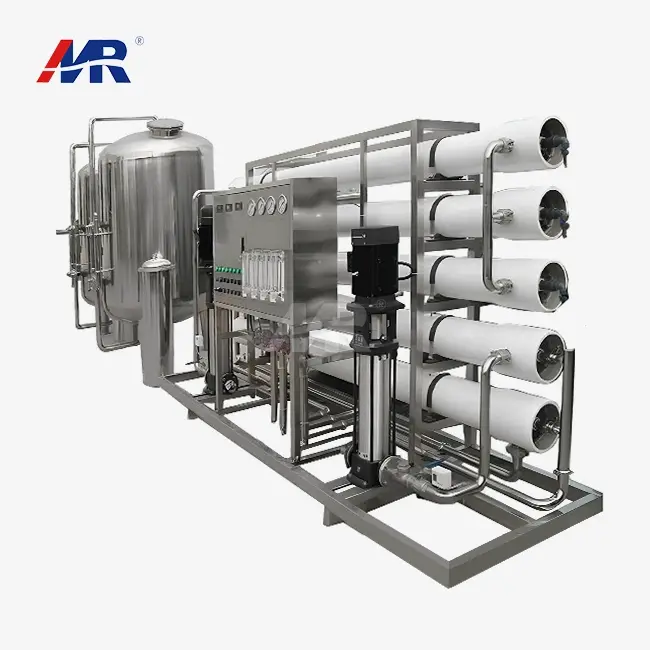
Finding a quality reverse osmosis plant manufacturer might take weeks of sifting through confusing standard literature for manufacturers. Guangdong Morui Environmental Technology Co., Ltd. develops, installs, and commissions RO systems from tiny pilot units to 100,000 m³ of feed water. Contact our technical staff at benson@guangdongmorui.com to scale a system to your feedwater report and production objectives.
How Does a Reverse Osmosis Plant Improve Water Quality?
River, well, or city-mains water includes a variety of dissolved particles, microbes, and trace chemicals, which change with season and source. A reverse osmosis plant pushes water through a tightly coiled membrane with smaller holes than most dissolved ions so that only water molecules pass through as permeate, along with a very tiny percentage of low-weight chemicals. The reject stream/concentrate/brine carries away most of the dissolved load (U.S. EPA, 2026).
Plant operators monitor progress in improving water quality by two measures: the salt rejection rate and the decrease in total dissolved solids (TDS). A well-maintained system may often reject 99% or more of dissolved salts, providing brackish or hard water of process grade or drinking grade in one pass.
When facility managers examine lab data before and after the commissioning of a new reverse osmosis plant, it nearly always shows the same trend: hardness, iron, and color decrease dramatically during the first few days of operation and then remain level instead of drifting with the weather. It’s the flatness that’s genuine. Downstream equipment, from cooling towers to filling lines, is designed around a known input rather than a variable goal and hence may shorten the commissioning time for each piece of equipment downstream of the treatment phase.
Membrane Filtration Mechanics
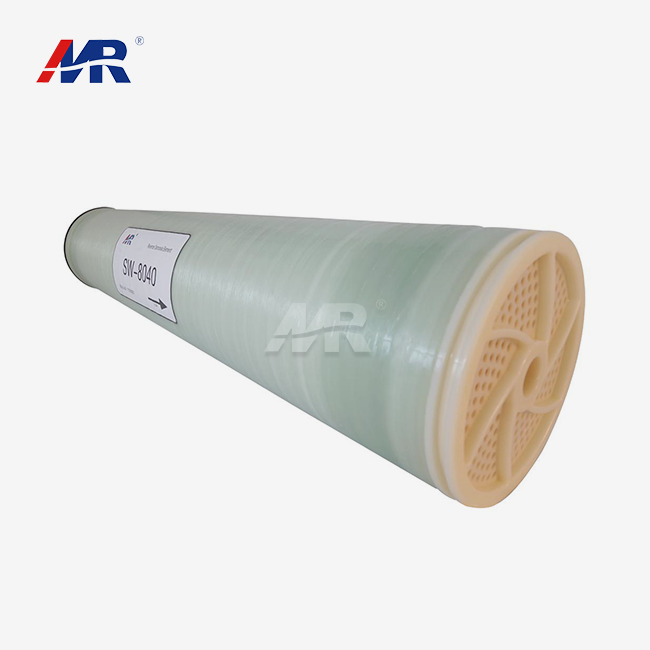
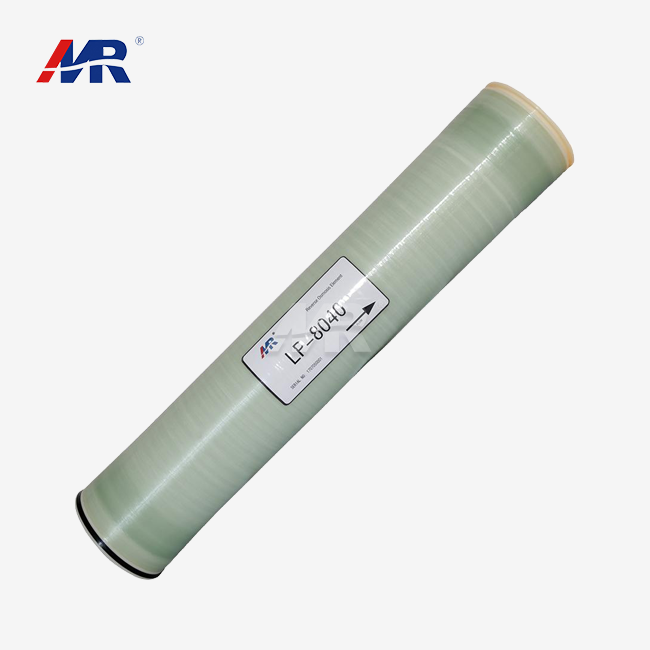
Depending on the salinity, feed water is pushed into the membrane housing at pressures ranging from 150 to 1,000 psi. The TFC membrane is a thin-film composite membrane that prevents molecules of sodium, chloride, calcium, and sulfate from passing through but enables water molecules to flow through the tiny channels in the polymer layer.
Consistency Across Seasonal Water Changes
Rain, drought, and farm runoff change the quality of river and well water. The reverse osmosis plant is based on the idea of physical separation and not just chemical dosing, so the quality of the output stays consistent even if the salinity or turbidity of the raw water changes within a large range.
What Contaminants Can Reverse Osmosis Effectively Remove?
Many people wonder how much further RO filtering goes than merely eliminating salts. That is the reason food, pharmaceutical, and electronics businesses use a reverse osmosis plant as opposed to stacking multiple specialized treatments. The solution pertains to an extensive list of contaminants.
| Contaminant Category | Typical Removal Rate | Why It Matters |
|---|---|---|
| Dissolved salts (TDS) | 95%–99.5% | Prevents scaling in boilers and process lines |
| Heavy metals (lead, arsenic, chromium) | Above 95% | Protects worker and consumer health |
| Bacteria and viruses | Above 99% | Required for GMP-grade pharmaceutical water |
| PFAS (per- and polyfluoroalkyl substances) | More than 90% | Meets emerging regulatory limits (U.S. EPA, 2026) |
| Silica and hardness ions | 90%–99% | Reduces membrane and boiler fouling |
Inorganic and Organic Compounds
Inorganic ions are prevented by electrostatic repulsion and size exclusion across membranes. Larger organic molecules such as pesticides and pharmaceutical residues are mechanically excluded. This dual process explains the superior performance of an ro membrane over single-barrier filters in complicated feedwater.
Microbiological Contaminants
Bacteria, cysts, and most viruses are bigger than the membrane pore size; therefore, a properly sealed reverse osmosis plant will remove the vast majority of biological pollution without depending on chlorine treatment alone.
All this does not imply a reverse osmosis plant substitutes for disinfection completely. Most designs still have a modest dosage of chlorine or UV in front of the membrane to limit biological development on the membrane surface, plus a final polishing process after the RO stage for those facilities that need certified potable output. Purification is done using the membrane. These tiny processes help safeguard the system and fill in the gaps.
How Does Reverse Osmosis Compare With Other Water Treatments?
Plant managers often compare RO with ultrafiltration, ion exchange, and distillation before they spend their cash. Each approach solves a different part of the water quality conundrum, and the proper solution relies on the salinity of the input water, the purity of the desired output, and the energy available.
| Method | Removes Dissolved Salts | Removes Microbes | Relative Energy Use | Best Fit |
|---|---|---|---|---|
| Reverse Osmosis (RO) | Yes, up to 99.5% | Yes | Moderate | Industrial, municipal, desalination |
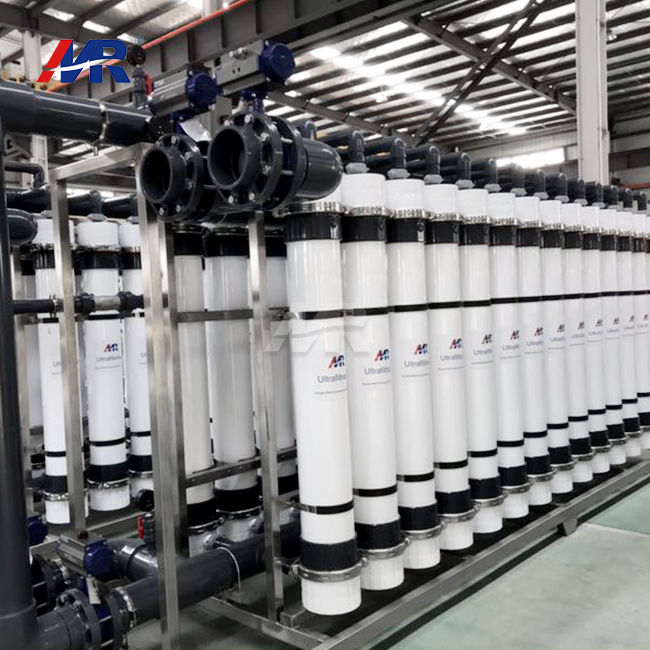
| Ultrafiltration (UF) | No | Yes | Low | Pretreatment, particle and pathogen removal |
| Ion Exchange | Yes, selective ions | No | Low | Softening, polishing |
| Thermal Distillation | Yes, near total | Yes | High | High-purity lab water, small volumes |
Energy and Operating Cost Differences
RO membrane processes typically consume less energy than thermal distillation because separation happens through applied pressure rather than a full phase change (U.S. Geological Survey, 2026). This gap widens as plant capacity grows, which is one reason large municipal and industrial buyers favour membrane systems.
Where Do Ultrafiltration and Ion Exchange Still Fit?
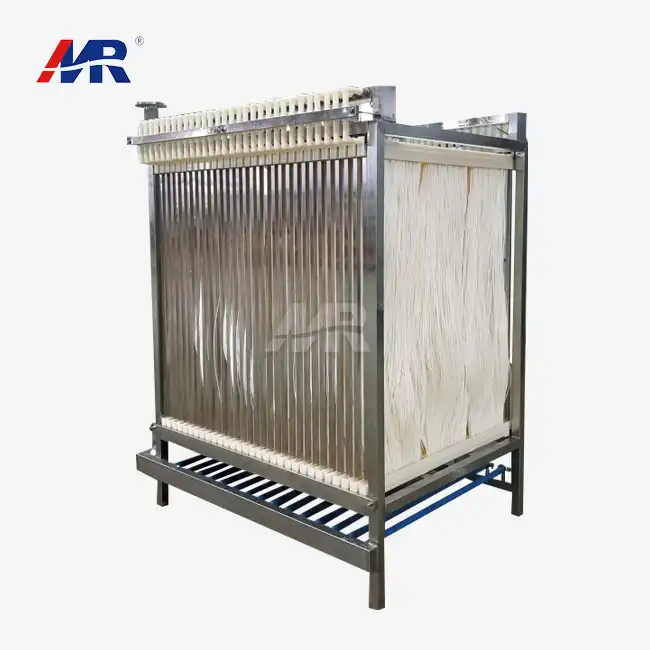
Many plants utilise UF or multimodal filtration ahead of RO to protect the membranes from suspended particles and ion exchange to polish the water for ultra-pure applications such as semiconductor washing water. In high-purity applications, a reverse osmosis plant is seldom operated in isolation; it is the anchor of a treatment train.
The procedure used often depends on what the finished water needs to accomplish next. Then, if a brewery is using blending water to maintain taste consistency, then salt removal is the most important factor, and RO will be the primary process used. In hospitals sterilising surgical equipment, pathogen-free water is more important than mineral control; therefore, UF or a UF-RO mix frequently prevails. This ensures that capital investment is aligned with the real water quality objective, rather than defaulting to the most costly alternative, by matching the approach to the downstream demand.
Why Is Reverse Osmosis Suitable for Industrial Water Purification?
Industrial water requirements vary from those of households in terms of magnitude, consistency, and regulatory pressure. A manufacturing line cannot be shut down because feed water chemistry drifts overnight, and a hospital cannot risk dialysis water that is not within pharmacopoeia norms.
Scalability From Pilot to Full Production
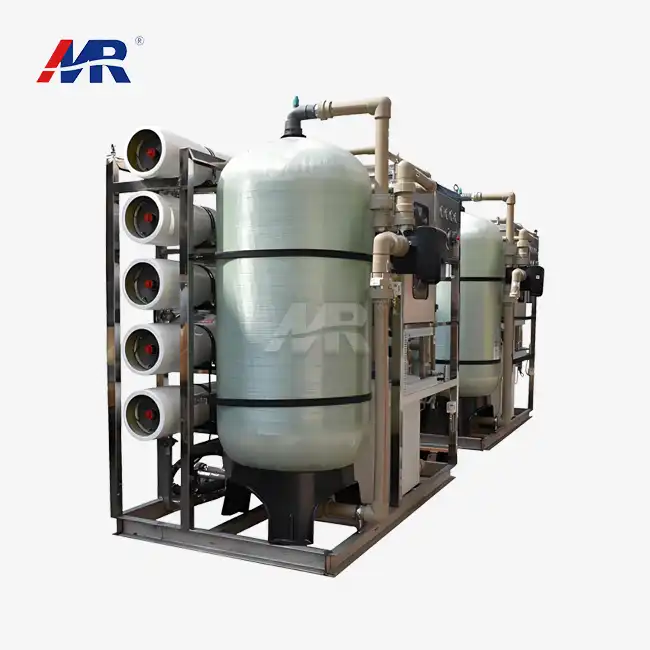
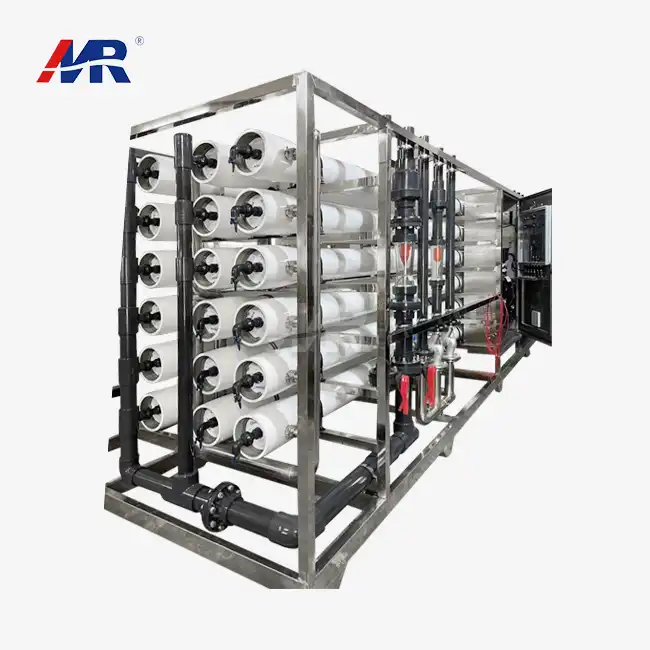
Modular skids enable the scale-up of a reverse osmosis plant, so a facility may start with a 1,000 m³/day unit and add parallel trains as demand increases, without the need to redesign the complete treatment building.
Automation Reduces Operator Burden
PLC-based systems can now automatically regulate pressure adjustment, chemical dosing, and membrane cleaning cycles. Operators watch dashboards instead of walking around monitoring valves, saving labour hours and reducing the possibility of human error when shifts change.
Regulatory agencies are gradually adding membrane technology to their list of best available technologies for the removal of contaminants like PFAS in drinking water systems (U.S. EPA, 2026). That understanding is causing more and more industrial purchasers to turn to RO as their default purification layer, not a backup.
Which Industries Benefit Most From Reverse Osmosis Plants?
All benefit, but not equally, from membrane treatment in water-intensive industries. Priorities differ by industry, with pharmaceuticals emphasising purity, beverages on consistency, and municipal utilities on volume.
- Food & Beverage: Consistent mineral content batch after batch for bottled water and beverage brands. A reverse osmosis machine, as part of a reverse osmosis plant, takes fluctuating source water and reduces it to a regulated baseline, and mineral dosing rebuilds the precise flavour profile a brand wants, ensuring product consistency throughout production runs and seasons.
- Pharmaceutical and biotech plants: GMP requirements need clean water with high levels of endotoxin and microbial control. RO with ultrafiltration is the heart of compliant water-for-injection and purified water systems used in tablet, injectable, and biologic manufacturing.
- Electronics and semiconductor manufacture Ultrapure water with resistivity approaching the theoretical limit for chip cleaning procedures. RO plus electrodeionisation (EDI) eliminates the remaining trace ions that would harm wafer surfaces during rinse cycles, safeguarding yield on costly manufacturing runs.
- Power generation and petrochemical processing: Boiler feed water must be free of scale-forming minerals, or heat exchangers lose efficiency and break prematurely. RO pretreatment protects downstream ion exchange polishing machines and vastly improves the service life of high-pressure boiler components.
A consistent theme emerges in all four sectors: each relies upon a particular quality objective that cannot be met with raw water alone, and membrane filtration is the most straightforward way to achieve that objective.
Case Study: Beverage Bottling Plant Upgrade in Southeast Asia
A contract beverage bottler in Vietnam had a chronic difficulty. Seasonal fluctuations in river water made TDS vary between 180 mg/L and more than 650 mg/L during dry months, requiring regular recipe tweaks and resulting in two unscheduled production stoppages in one quarter. Morui engineers constructed a 1,200 m³/day reverse osmosis plant with a two-stage brackish water design and an 82% recovery rate, along with an automatic clean-in-place (CIP) skid.
The customer stated that 12 months after commissioning, permeate TDS was still below 15 mg/L independent of source water variation; there was a 46% reduction in cleaning chemical cost; and there had been zero production interruptions related to water quality since starting. This has led to an increase in membrane replacement cycles from an expected 24 months to a projected 36 months, based on the fouling index measurements received via the plant’s monitoring dashboard.
Municipal and Agricultural Applications
Water utilities are using large-capacity RO trains to turn brackish groundwater or saltwater into drinking water for coastal and island populations. And irrigation districts in dry climates are deploying the same membrane logic to treat salty groundwater for crops.
Aquaculture is a modest, although rising, industry. Shrimp and fish farms pump a lot of water through the same tanks continuously, and dissolved waste Products build up quickly. Ultrafiltration and a smaller reverse osmosis unit maintain the circulating loop clean enough to reduce disease strain on the cattle, which farm managers say is a direct driver for better survival rates across a growth cycle.
Can an RO Plant Reduce Long-Term Water Treatment Costs?
The greatest emphasis is given to the upfront equipment cost of a reverse osmosis plant during procurement, but running costs over a 15- to 20-year service life generally dictate the true return. The majority of the current cost is on energy, membrane replacement, and chemical dosing.
Energy Efficiency Gains From Modern Membranes
High-flux, low-fouling membranes currently function at around 2.5 to 3.5 kWh per cubic metre for brackish water applications, a significant reduction from previous generations of membranes. Seawater systems have energy recovery devices that use pressure from the concentrate stream to feed back into the process, significantly reducing net usage.
Avoided Costs From Fewer Breakdowns
A large percentage of unanticipated failures of the membranes are due to scale build-up and biofouling. Automated cleaning cycles and pretreatment phases minimise the frequency of fouling, which reduces the cost of replacing membranes and the labour costs associated with emergency repairs.
Facilities upgrading from chemical softening and periodic filter replacement to a single reverse osmosis plant frequently achieve reduced blended treatment cost per cubic metre when membrane life exceeds three years, especially at capacity exceeding 500 m³/day when economies of scale are in play.
Comparing Total Cost of Ownership Over Ten Years
The underlying economics are hidden in the mere comparison of purchasing prices. Chemical softening systems cost less up front but use up salt, resin, and disposal costs year after year. A correctly designed reverse osmosis system trades greater initial investment for reduced recurrent chemical expense. Plants operating at above 1,000 m³/day typically recoup that price differential in four to six years in the form of lower consumable expenditures and fewer scale-related equipment failures downstream.
Here, too, financing arrangements matter. Now, some manufacturers are offering phased delivery, allowing a customer to acquire a smaller train up front, then enhance capacity as production ramps up, spreading out capital outlays across numerous budget cycles rather than one big purchase order.
How Does RO Technology Support Water Reuse and Sustainability?
Water scarcity is leading authorities and business sustainability teams to see wastewater as a resource rather than a disposal issue. That change is being driven by membrane technology, which may refine treated wastewater to a grade acceptable for reuse in cooling towers, boilers, or even potable mixing.
Closing the Loop With Zero Liquid Discharge
RO with evaporation or crystallisation is used in industrial locations seeking zero liquid discharge to reclaim almost all process water. This cuts down on freshwater intake and decreases wastewater discharge costs at the same time.
Reuse Programmes Already in Operation
Utilities and industrial reuse programmes around the U.S. are recycling water using membrane trains that incorporate a reverse osmosis system for irrigation, manufacturing and cooling (Water Reuse Association, 2026), proving that recovered water cleaned by RO can substitute for freshwater for demanding uses.
According to the International Desalination Association (2026), worldwide installed desalination capacity has exceeded 100 million cubic metres per day, prompting governments in coastal areas with decreasing freshwater sources to increasingly depend on big saltwater desalination facilities constructed around RO membranes.
Carbon and Water Footprint Reporting
Water intensity per unit of output has become a metric tracked by corporate sustainability teams alongside carbon emissions. A reverse osmosis facility connected to a reuse loop reduces the freshwater withdrawal number and the amount of wastewater discharge that make it into yearly sustainability declarations, providing manufacturers with a number to declare rather than a vague pledge.
What Factors Determine Reverse Osmosis Plant Performance?
Two systems with the same number of membranes might behave considerably differently depending on the design decisions made before installation. Buyers who grasp these aspects are better positioned to negotiate requirements with suppliers.
Feed Water Quality and Pretreatment
Raw water with silt, iron, and organic matter can quickly reduce the membrane life of a reverse osmosis system if pretreatment is neglected. Multimedia filtration and cartridge filters, along with antiscalant treatment prior to the membrane stage, safeguard the investment and maintain a constant recovery rate throughout the years.
Membrane Type and Configuration
In industrial applications, the most common are the spiral-wound, thin-film composite membranes, since they provide a high surface area in a small housing. Series-staged membranes improve total recovery, sometimes to 85% on brackish water systems, but each additional stage adds pumping energy.
Recovery Rate Versus Concentrate Management
If recovery is driven too high, the salts rejected become concentrated enough to precipitate on the membrane surface. Engineers must balance recovery goals with concentrate disposal capabilities, particularly at inland locations lacking access to ocean outfall.
Operator Training and Startup Procedures
A reverse osmosis plant, including a BWRO plant, regardless of how well built, might be a disappointment if the starting crew doesn't follow the sequence that flushes out preservatives, confirms pressure ramp rates, and checks for air trapped in the pressure vessels. Vendors who provide operator training during their commissioning process had fewer early-life failures than vendors that ship equipment with a handbook but without an in-person walkthrough.
How Do You Choose the Right RO Plant Capacity?
If the system is too tiny, it will run at full output all the time, reducing the life of the membrane. If you size it too big, then you are throwing away cash on underutilised capacity. You need a few actual data points to match capacity to genuine demand.
| Facility Type | Typical Daily Demand | Suggested Capacity Range | Priority Parameter |
|---|---|---|---|
| Small bottling or food plant | 50–500 m³ | 1,000–5,000 m³/day skid | TDS consistency |
| Pharmaceutical facility | 20–300 m³ | Modular RO + UF train | Microbial and endotoxin limits |
| Mid-size municipal utility | 5,000–20,000 m³ | 10,000–30,000 m³/day plant | Salt rejection, redundancy |
| Coastal desalination project | 20,000–100,000 m³ | Multi-train seawater RO plant | Energy recovery, salt rejection |
Peak Demand Versus Average Demand
Design around peak season or peak shift demand, not average annual consumption, or the plant will run short exactly when production ramps up.
Room for Future Expansion
A modular design lets a facility add a parallel train later instead of replacing the entire system, which protects the original capital investment as production grows.
What Maintenance Is Required for Reliable RO Plant Operation?
Membranes are consumable components, and the maintenance schedule followed for a BWRO plant determines whether they last two years or five. Consistent maintenance protects both output quality and the capital invested in the system.
Routine Cleaning-in-Place Cycles
Scheduled acid and alkaline cleaning cycles remove scale and organic fouling before they permanently reduce membrane flux. Skipping cycles to save chemical costs almost always costs more later in early membrane replacement.
Instrumentation Checks and Filter Replacement
Pressure gauges, conductivity meters, and cartridge prefilters need regular inspection since a drifting sensor can mask a developing fouling problem until output quality already suffers.
Facilities that adopt a documented maintenance log alongside remote monitoring typically catch membrane fouling trends weeks before performance drops below spec, avoiding the unplanned downtime that erodes the cost savings a reverse osmosis plant is supposed to deliver.
Conclusion
A reverse osmosis plant solves a problem that few single technologies can match: consistent, verifiable water purity at industrial scale, across salinity levels that range from mildly brackish rivers to full seawater. Food and beverage producers protect product consistency, pharmaceutical plants meet GMP purity limits, and municipal utilities stretch scarce freshwater supplies, all through the same core membrane process. Choosing the right capacity, pretreatment train, and maintenance routine determines whether that investment pays back in three years or drags on for eight.
FAQ
1. What is the typical lifespan of a reverse osmosis plant?
With proper pretreatment and cleaning cycles, the mechanical system and pressure vessels commonly run 15 to 20 years, while membrane elements themselves typically need replacement every 3 to 7 years, depending on feed water quality.
2. Does a reverse osmosis plant waste a large amount of water?
Recovery rates on industrial systems usually range from 50% to 85%, meaning a portion of feed water leaves as concentrate. Higher-recovery designs and concentrate reuse strategies reduce this waste fraction substantially.
3. Can a reverse osmosis plant handle seawater as well as brackish water?
Yes. Seawater systems use higher-pressure membranes and stronger pumps than brackish water units, since seawater salinity runs many times higher, but the underlying membrane separation principle stays the same.
4. How much does an industrial reverse osmosis plant cost to run monthly?
Monthly operating cost depends mainly on capacity, feed salinity, and local energy price, since energy consumption alone typically ranges from 2.5 to 3.5 kWh per cubic meter for brackish water treatment.
5. Can a reverse osmosis plant operate automatically?
Yes. Modern reverse osmosis plants can use PLC-based automation to control pressure, flow, chemical dosing, flushing, and cleaning cycles. Automated monitoring reduces operator workload, improves process consistency, and helps identify membrane performance issues before they cause unplanned downtime.
Ready to Compare Reverse Osmosis Plant Manufacturers for Your Facility?
Sourcing a dependable reverse osmosis plant supplier gets easier once you know your feed water report and target output. Guangdong Morui Environmental Technology Co., Ltd. operates its own membrane production factory, 14 branches, and a team of 20 engineers who can size systems from 1,000 to 100,000 m³/day. Email benson@guangdongmorui.com for a quotation built around your specific production line.
References
1. U.S. Environmental Protection Agency (2026). Overview of Drinking Water Treatment Technologies. https://www.epa.gov/sdwa/overview-drinking-water-treatment-technologies
2. U.S. Environmental Protection Agency (2026). Reducing PFAS in Drinking Water with Treatment Technologies. https://www.epa.gov/sciencematters/reducing-pfas-drinking-water-treatment-technologies
3. NSF (2026). NSF/ANSI 58: Reverse Osmosis Drinking Water Treatment Systems. https://www.nsf.org/knowledge-library/nsf-ansi-58-reverse-osmosis-drinking-water-treatment-systems
4. U.S. Geological Survey (2026). Desalination: Freshwater from Saline Water. https://www.usgs.gov/special-topics/water-science-school/science/desalination
5. International Desalination Association (2026). Global Desalination Capacity Data. https://idadesal.org/
6. WaterReuse Association (2026). Industrial & Commercial Reuse. https://watereuse.org/educate/types-of-reuse/industrial-reuse/
About the Author
Renjie Kuang is a senior water treatment engineer who has spent over a decade designing membrane filtration systems for food, pharmaceutical, and municipal clients across Asia. His work centers on matching reverse osmosis plant specifications to real feed water conditions rather than generic catalog sizing, and he regularly reviews commissioning data from installed systems to refine future project designs.