

_1745823981883.webp)

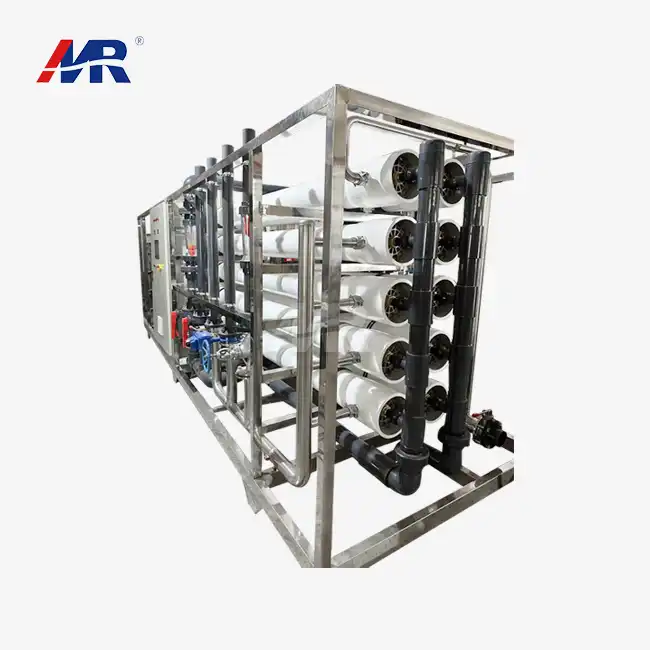
Purified Water Reverse Osmosis System for Labs: Key Benefits
A purified water reverse osmosis system for labs delivers consistently high-purity water by removing up to 99.5% of dissolved solids, contaminants, and ions through advanced thin-film composite membranes. This technology ensures laboratory results remain accurate and reproducible, meeting stringent standards like ASTM Type II and ISO 3696. For pharmaceutical, biotechnology, electronics, and research environments, RO systems provide a reliable foundation for critical processes—from reagent preparation to sensitive equipment protection—while reducing operational costs and maintaining compliance with regulatory requirements.
Introduction
Laboratories in the research, biotechnology, electronics, and pharmaceutical industries all need consistently high-quality water to make sure that their testing and analysis work is accurate and reliable. Even small amounts of contaminants can mess up experiments, break sensitive equipment, and require expensive repairs. This technology, called the purified water reverse osmosis system, has become the best way for labs to clean water reliably by getting rid of dissolved solids, chemical compounds, and bacteria.
For people who work in B2B buying, technical management, or lab management, knowing what a purified water reverse osmosis system can do goes beyond just filtering water. The right water-cleaning option has a direct effect on how well the lab works, how well it follows the rules, how long the equipment lasts, and, in the end, the bottom line. This detailed guide looks at the technology, operational benefits, maintenance needs, and buying factors that you need to know in order to make smart choices that meet both short-term performance needs and long-term strategic goals.
Understanding Purified Water Reverse Osmosis Systems for Labs
Core Principles of RO Technology
Pressuring feed water through semi-permeable membranes that block contaminants while letting pure water molecules pass through is how the purified water reverse osmosis system works. By going against the natural flow of osmotic pressure, the process separates objects that have been dissolved in water at the molecular level. These days, lab-grade systems use thin-film composite membranes that are designed to reject 99.5% of dissolved salts, organics, bacteria, and pyrogens.
Essential System Components
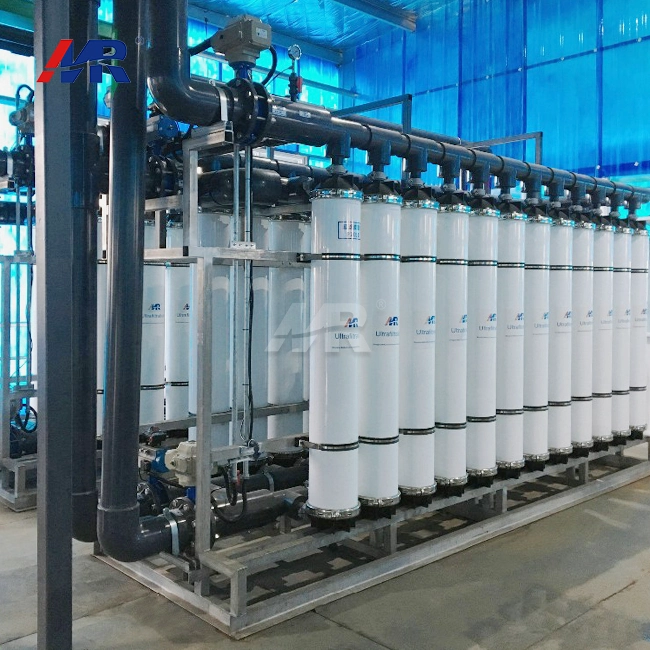
A full lab purified water reverse osmosis system is made up of many parts that are all linked and work together perfectly. In the pre-treatment stage, sediment filters get rid of particles as small as 5 microns, and activated carbon filters get rid of chlorine, which would hurt the fragile purified water reverse osmosis system membranes. The 150–300 psi needed to beat osmotic pressure and power the cleaning process is provided by high-pressure pumps. The membrane housing has thin-film composite elements that separate the materials. After the separation, there are post-treatment stages that change the pH or remineralize the materials as needed. Storage tanks with automatic controls make sure that there is always water available and that the quality stays the same between production rounds.
The Purification Workflow
Procurement teams can better understand how complex a system is when they know the step-by-step method. The raw feed water goes into the pre-treatment section, where chlorine and large particles are removed to protect the parts further down the line. The high-pressure pump then raises the pressure of the already-treated water so that it hits the membrane surface. As water molecules move through the selective barrier, contaminants that are dissolved in them gather on the feed side and are sent out as reject water. The clean permeate is collected separately, may need one last polishing step, and then flows to storage. Advanced control systems keep an eye on conductivity, pressure, and flow rates all the time, and they automatically change parameters to keep performance at its best.
Meeting Laboratory Purity Standards
Lab-grade purified water reverse osmosis systems are made to meet or go beyond standards for water quality. The ASTM Type II water standards say that the resistance must be above 1 megohm-cm and the total organic carbon must be below 50 ppb. Purified water reverse osmosis systems can easily meet these standards if they are kept in good shape. In the same way, ISO 3696 Grade 2 guidelines set accepted levels for microbial content and conductivity. Good equipment consistently produces water that can be used as feed water for other ultrapure systems or on its own for tasks like cleaning glassware, getting media ready, and making buffers in research and pharmaceutical labs.
Key Benefits of Using Reverse Osmosis Systems in Laboratories
The benefits of using the purified water reverse osmosis system in labs are huge, and they include operational, financial, and safety benefits. These systems are essential for modern centers.
Superior Water Purity for Accurate Results
Purified water reverse osmosis system filters are good at getting rid of contaminants that reduce analysis accuracy. The amount of dissolved minerals, chemical substances, bacteria, and endotoxins is very small. This makes sure that water doesn't change the rules of an experiment. If you compare purified water from a reverse osmosis system to boiled water, the quality is more constant, with fewer microbes and better removal of non-volatile organics. This consistency leads to results that can be repeated, fewer failed experiments, and more trust in the integrity of the data. These are all very important in areas like pharmaceutical quality control, clinical diagnostics, and research, where regulators are very strict.
Enhanced Laboratory Efficiency
In more ways than one, the quality of the water directly affects how much work gets done in the lab. When water is very pure, it doesn't need extra steps to be cleaned or changes to the buffer to make up for contaminants. This means that less solution is used. When sensitive analytical tools like HPLC systems, mass spectrometers, and autoclaves are fed clean water from a purified water reverse osmosis system, they work more effectively, breaking down less often and needing less upkeep. The cumulative result is less downtime, lower reagent costs, and longer machine service life. These are real cash benefits that make investing in a purified water reverse osmosis system worth it within months instead of years.
Energy Efficiency and Environmental Sustainability
For lab use, modern purified water reverse osmosis systems use only 3 to 5 kWh per cubic meter of purified water they make. This is a lot less energy than distillation methods, which need to be heated for a long time. When recovery rates reach 70%, most of the feed water is turned into a product that can be used instead of being thrown away. This saves water and money on disposal costs. Ion exchange systems don't need to be chemically regenerated as older systems do, and they have a small size that takes up less room. This makes laboratory water purification even less harmful to the environment.
Regulatory Compliance and Safety Assurance
Consistent water quality is needed to meet Good Manufacturing Practice guidelines and workplace safety requirements. Purified water reverse osmosis systems with continuous conductivity monitoring and automated sanitization cycles provide proof of pure water, meeting audit requirements for FDA, EPA, and ISO Certifications. Chemical treatments and high-temperature processes should not be used anymore because they pose safety risks to lab workers and allow contamination vectors to stay out. Membrane separation technology is reliable, so the quality of the water stays within the standards even if the conditions of the feed water change. This gives validation procedures the stability they need.
Maintenance and Common Issues with Lab RO Systems
Routine Maintenance Protocols
Systematic repair plans must be followed to keep the purified water reverse osmosis system running at its best. Pre-filters need to be replaced every three to six months, based on the quality of the feed water and the amount of water that is used. This keeps membranes from getting fouled up too soon. The membranes usually last between three and five years if they are properly treated before use and are cleaned regularly. Keeping an eye on the Silt Density Index (SDI) of the feed water helps maintenance teams predict how much fouling will happen and plan their cleaning schedules accordingly. An SDI value below 3 is thought to be sufficient for a purified water reverse osmosis system to work reliably.
Diagnostic Approaches to Common Problems
Less permeate flow is often a sign that the purified water reverse osmosis system membrane is getting clogged up with organic matter, biological growth, or mineral scaling. Pressure decay testing finds problems with the integrity of the membrane, and constant conductivity tracking finds seal bypass or damage to the membrane. Specialized cleaning-in-place methods using pH-specific cleaners often fix flux without having to replace the membrane. Leak detection focuses on O-rings in membrane housings and high-pressure connections, which are places where seals slowly break down. When maintenance teams understand these troubleshooting rules, they can quickly fix problems, which keeps production running smoothly and extends the life of parts.
Optimizing Component Replacement Intervals
Replacement time strikes a balance between keeping performance high and keeping costs low. The type of filter and how often it needs to be changed are determined by the analysis of the feed water. For example, a pre-filter that has a lot of sediment or chlorine needs to be replaced more often. Investing in good filtration is a good idea from a business point of view because the lifespan of the membrane is strongly related to how well the pre-treatment works. Trends in permeate conductivity let you know early on when a purified water reverse osmosis system membrane's performance is going down, so you can replace it as part of routine maintenance instead of an emergency. Keeping thorough service logs lets you use forecast repair methods that lower the overall cost of ownership.
Choosing the Right Reverse Osmosis System for Your Laboratory
Assessing Laboratory Water Requirements
The right way to choose a purified water reverse osmosis system starts with figuring out how much water is needed every day for all lab uses. A study center that does regular analysis work might need 50 to 100 gallons per day, but labs that make medicines need systems that can make 1,000 to 100,000 gallons per day. Checking for high usage times makes sure that there is enough production capacity and storage space to handle sudden increases in demand without affecting the supply of water. Different uses have different purity needs. For example, cell culture and buffer preparation can handle higher amounts of dissolved solids than HPLC mobile phases or semiconductor cleaning processes. This can change how the purified water reverse osmosis system is set up and what needs to be done afterward.
Comparing System Configurations
Individual lab benches or small research groups can use under-sink purified water reverse osmosis system units, which provide point-of-use purification without requiring major plumbing changes. Whole-lab solutions with centralized production and loop distribution systems can serve more than one user at the same time, which is better for bigger labs because of economies of scale. Fixed installations are more reliable and offer more automation, while portable systems are more flexible and can be used for brief setups or field labs. Each configuration has its own benefits when it comes to installation difficulty, running costs, and ease of entry for upkeep, which procurement teams must weigh against the needs of each building.
Evaluating Alternative Purification Technologies
UV treatment kills microbes well, but it doesn't get rid of as many contaminants as a purified water reverse osmosis system does. Distillation makes very pure water, but it uses a lot more energy and needs a lot of upkeep for the heating parts and condensers. Deionization gets rid of charged species but doesn't affect organics, germs, or particles. When you mix a purified water reverse osmosis system with electrodeionization, you get ultrapure water that can be used in semiconductors and medicines. This is the most complete purification method. Knowing how these technologies work together helps procurement professionals create multistage systems that meet exact lab needs without promising too much or too little in terms of water quality.
Critical Procurement Considerations
In addition to technical specs, the ability of the supplier and the support infrastructure are also important for a successful purified water reverse osmosis system acquisition. NSF/ANSI 61 certification shows that system parts meet standards for safe drinking water, and ISO 9001 certification shows that quality control is strict. Warranty coverage that lasts longer than the normal one-year period shows that the maker trusts the product and lowers the risk of ownership. Response time for upkeep and fixing is directly affected by the availability of local services. The total cost of ownership is affected by many things, so procurement teams should check to see if replacement parts are available, if expert help is easy to get to, and if there are training programs that allow in-house maintenance.
Supplier and Brand Insights for Lab Reverse Osmosis Systems
Understanding the Manufacturer Landscape
There are both well-known worldwide names and specific regional makers in the laboratory water purification market. Companies that have the right certifications and a track record in pharmaceutical, biotechnology, or semiconductor applications can help with purified water reverse osmosis system design and support in a big way. Guangdong Morui Environmental Technology Co., Ltd. is an example of a combined maker because it makes membranes, puts together purified water reverse osmosis systems, and sources parts from different brands. With over 500 employees and 20 engineers serving setups in a wide range of industrial sectors, this vertical integration makes customization possible while keeping quality control high throughout the supply chain.
Branded Versus Generic Equipment
Well-known brands usually come with a lot of proof, strong warranty plans, and service networks that make following the rules and getting help in the long term easier. While generic or "white-label" purified water reverse osmosis systems may be cheaper at first, they often don't come with the Technical support, replacement parts, or performance documentation that is needed in a controlled laboratory setting. When evaluating the risk of procurement, price advantages should be weighed against the possible costs of system downtime, compliance issues, and manufacturers who aren't held accountable. The total cost of ownership often favors well-known providers whose support systems keep operations running smoothly and avoid costly downtime.
Leveraging Customer Feedback
Peer networks, industry forums, and public case studies can tell you more about how a purified water reverse osmosis system really works than what the maker says it can do. Through professional organizations, pharmaceutical companies often share their validation and upkeep experiences, which can be used as useful standards for evaluating purchases. Direct references from customers let you talk in more detail about specific applications and show you how systems work in settings similar to your lab. Responding to technical questions from suppliers during the buying process is often a good indicator of how well they will support the product after the sale, so it is important to do a lot of work with them before the purchase.
Accessing Installation and Service Support
Comprehensive service offers set capable providers apart from vendors who only sell purified water reverse osmosis system tools. Turnkey installation services include evaluating the site, integrating the plumbing, and teaching the user to speed up the system's rollout while ensuring the best setup. Scheduled maintenance programs with known costs make budgeting easier and stop maintenance from being put off, which hurts performance. Subscriptions for filter replacements make sure that genuine parts come before the old ones run out, so water quality is maintained without having to wait for supplies to appear. These service aspects are very important for the reliability of a purified water reverse osmosis system and should be a big part of how you choose a seller.
Conclusion
When you use a purified water reverse osmosis system to clean water in a lab, you get the consistent quality, operational efficiency, and legal compliance that modern research and production environments need. Purified water reverse osmosis systems are the best choice for pharmaceutical, biotechnology, electronics, and testing labs because they remove contaminants better, use less energy, and are easy to maintain. For implementation to go well, it's important to carefully consider the water quality needs, the system configurations, and the suppliers who can provide both technical know-how and full support. Quality equipment represents a great deal when you look at the total cost of ownership instead of just the initial price when making a purchase decision.
FAQ
1. What rejection rate should lab RO systems achieve?
As required by ASTM Type II, a good purified water reverse osmosis system regularly throws out 99.5% of the dissolved salts. This level of performance gets rid of most of the contaminants that could get in the way of analytical processes, buffer preparation, or machine operation. Continuous conductivity tracking is used to make sure that the water quality stays within the parameters that were set.
2. How does feed water temperature affect production capacity?
Because higher water viscosity affects membrane flow, the production capacity of the purified water reverse osmosis system drops by about 3% for every 1°C drop in feed water temperature. Cold water labs might need variable frequency drive pumps to keep the output constant even when the temperature changes with the seasons. This will make sure there is enough water in the winter.
3. Can RO systems handle high-salinity or brackish water sources?
A purified water reverse osmosis system can treat salty water and some types of seawater with the help of special membrane designs and high-pressure pumps. To work properly, these systems need to be carefully prepared, and the membranes they use must be chosen based on the osmotic pressure. As salt rises, recovery rates drop, which affects how efficiently water is produced and how much waste is disposed of in labs in coastal or desert regions.
Partner With Morui for Superior Lab Water Purification Solutions
The Guangdong Morui Environmental Technology Co., Ltd. makes and sells high-tech purified water reverse osmosis systems that are designed to work well in laboratories with strict requirements. Our integrated services include making membranes, building tools, and installing everything for you. We have more than 14 area branches and 20 expert engineers to help you. With options ranging from 1,000 to 100,000 GPD, it's possible to meet the needs of research facilities and pharmaceutical production plants. Customization is also possible to meet specific water quality challenges. Our systems use thin-film composite membranes that can reject 99.5% of the fluid and collect 70% of it, making them very efficient and reliable. Please email our technical team at benson@guangdongmorui.com to talk about the specific needs of your lab and get a detailed proposal from a manufacturer of purified water reverse osmosis systems who is dedicated to your success.
References
1. American Society for Testing and Materials. (2018). Standard Specification for Reagent Water (ASTM D1193-06). ASTM International, West Conshohocken, PA.
2. International Organization for Standardization. (2016). Water for analytical laboratory use - Specification and test methods (ISO 3696:1987). Geneva, Switzerland.
3. Pharmaceutical Inspection Convention. (2020). Guide to Good Manufacturing Practice for Medicinal Products, Annex 1: Manufacture of Sterile Medicinal Products. Geneva, Switzerland.
4. Membrane Technology and Research Institute. (2019). Reverse Osmosis Membrane Performance Optimization in Laboratory Applications. Journal of Water Purification Technology, 42(3), 156-178.
5. National Sanitation Foundation International. (2021). NSF/ANSI Standard 61: Drinking Water System Components - Health Effects Certification. Ann Arbor, MI.
6. World Health Organization. (2017). Water Quality Standards for Laboratory and Medical Applications: Technical Guidelines. Geneva, Switzerland.
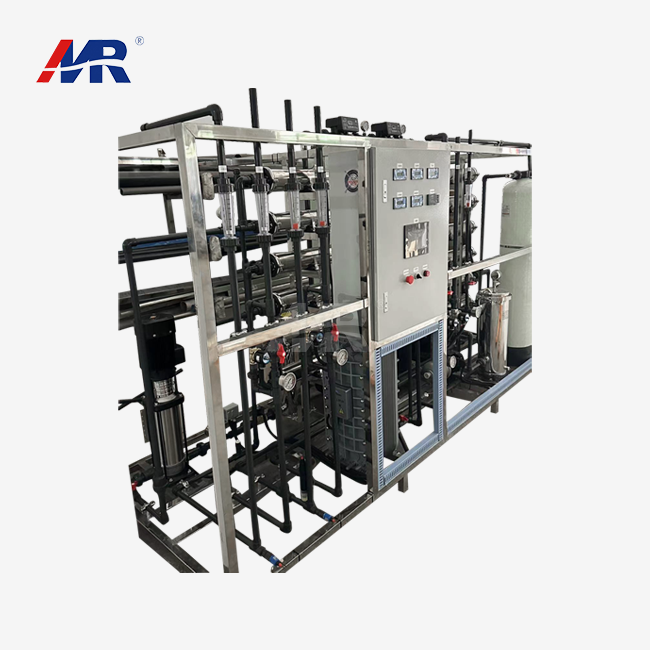 VIEW MOREedi water treatment system
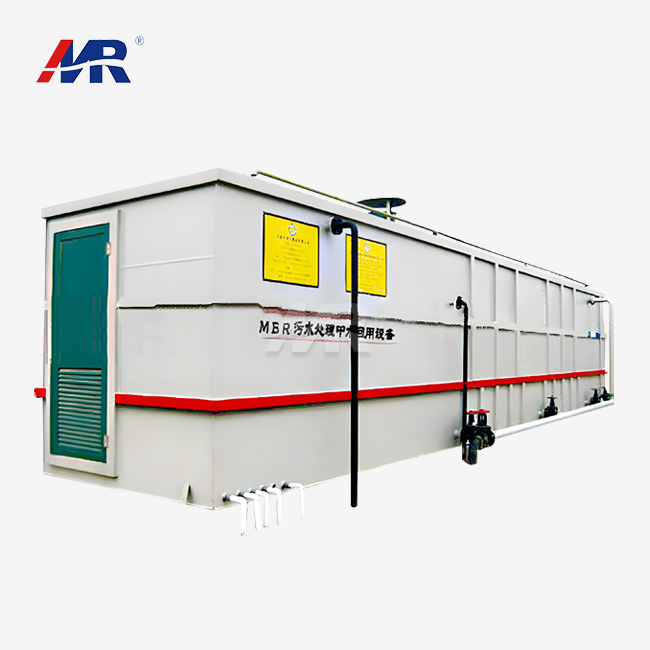 VIEW MOREsewage treatment plant MBR system
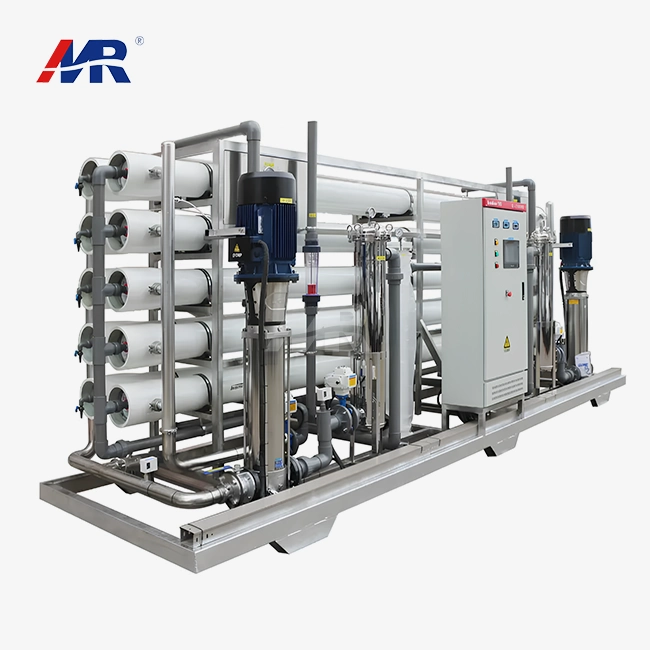 VIEW MOREreverse osmosis water purification plant
 VIEW MOREhome wastewater treatment plant
 VIEW MOREcontainerized desalination plant
 VIEW MOREsewage treatment plant
 VIEW MOREcontainer seawater desalination equipment
 VIEW MOREultrafiltration equipment
