

_1745823981883.webp)

Top Rated Reverse Osmosis System: What Should You Look For?
When selecting a top-rated reverse osmosis system, procurement decision-makers need to examine several critical factors: membrane technology efficiency, recovery rates, rejection performance, system scalability, and compliance with international water quality standards. High-performing systems typically feature advanced multi-stage filtration with rejection rates exceeding 99%, recovery rates above 70%, and modular designs that accommodate future expansion. Beyond technical specifications, consider total cost of ownership, including energy consumption, maintenance intervals, and supplier support capabilities. Understanding these parameters ensures your investment delivers consistent water purity while maximizing operational efficiency across industrial, commercial, and municipal applications.
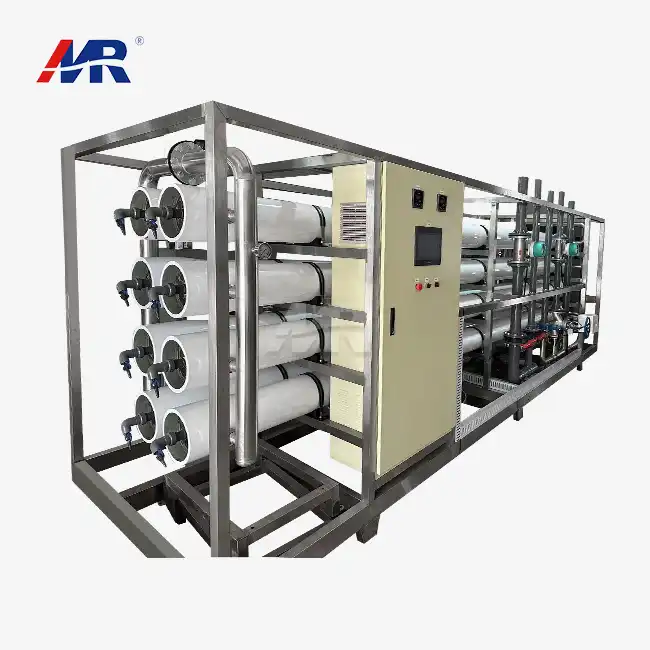
Understanding Reverse Osmosis Systems: Core Principles and Benefits
The technology behind top-rated reverse osmosis systems is one of the most advanced ways to clean water today. Putting pressure on water moves it through semi-permeable membranes that have holes as small as 0.0001 microns. This gets rid of up to 99.5% of dissolved solids, heavy metals, fluoride, arsenic, and new toxins like PFAS and microplastics. Chemical cleaning is very different from this mechanical separation process, which makes it safer and better for the earth.
How RO Membrane Technology Works
The structure of the membranes is what makes a system work. These days, membranes use thin-film composite structures that find a good balance between permeability and selectivity. A small amount of water moves through, but toxins stay on the concentrate side. High-flux features are now built into more advanced membrane designs. This lets more fluids flow through without lowering the rejection efficiency. This new idea directly fixes problems with production that happen in business settings that need to keep making a lot of things.
Multi-Stage Filtration Architecture
Professional systems have more than one way to keep contaminants out. During the pre-treatment steps, dirt and chlorine that could hurt the ro membranes are removed. The main membrane stage is in charge of reducing liquid solids. Post-treatment changes the pH levels and adds back in healthy minerals, which addresses worries about water that is too acidic. This all-around approach makes sure that the water quality meets strict government standards and that the equipment lasts as long as possible.
Operational and Financial Benefits
RO systems do more than just clean water; they also help businesses in measured ways. Pharmaceutical facilities are more likely to follow GMP. Food and drink companies make sure that the flavors of their Products are always the same. Chip cleaning methods help electronics makers lower the number of defects. Low energy use (usually between 1.5 and 2.5 kWh per cubic meter) means that these top-rated reverse osmosis systems are cost-effective even when they are running all the time. The less scale growth, the longer the equipment in your building will last, which means less upkeep and lower costs for replacement.
Key Criteria to Evaluate When Choosing a Top-Rated Reverse Osmosis System
To choose the right water treatment tools, you need to look at success measures that have a direct effect on how your business runs. Managers of procurement have to balance technical skills with limited budgets while also planning for the needs of future scalability. Here are the main things that set excellent top-rated reverse osmosis systems apart from average ones.
Filtration Capacity and Daily Production Volume
The most important thing to look at when matching your business needs with a specification is the production ability. There are a variety of systems, from small ones that can handle 1,000 gallons per day (GPD) that are good for labs to huge ones that can handle 100,000 GPD that are used by water plants or factories. If you accurately estimate your peak demand, taking into account seasonal changes, you can avoid undersizing, which can cause production delays, or oversizing, which wastes money. Capacity options that can be changed give you options as your business grows.
Water Recovery Rate and Efficiency Metrics
Recovery rate, which is the amount of feed water that is turned into clean water, has a direct effect on both costs and the environment. Recovery rates for standard systems are 50 to 60%, while recovery rates for advanced designs are 75% or higher. Higher recovery rates cut down on wasted water and lower energy costs. This is especially important in places where water is scarce or where local rates are high. To find the best balance between recovery rate and membrane life, you need to know the chemistry of your source water. In high-TDS uses, aggressive recovery can speed up fouling.
TDS Rejection and Contaminant Removal Efficiency
The Total Dissolved Solids (TDS) rejection rate shows how well the system gets rid of rocks and other impurities. Professional machines should always be able to reject 99.5% of the feed water, which means that the TDS in the permeate stream should drop from around 10,000 mg/L to less than 50 mg/L. This performance level makes sure that you meet the standards for your business, whether you need water for making medicines, water for making semiconductors, or water for drinking. Real-time TDS tracking tools make operations clear and guarantee quality.
System Configuration and Space Requirements
When building a structure, the physical footprint is important. Modular construction lets things be put together in small areas while still being easy to get to for upkeep. Compact designs save valuable floor space, which is especially important in buildings that are already there but need to be updated. Tankless systems don't need big storage tanks because they deliver fresh water on demand. When looking at designs, think about how close they are to where they will be used to cut down on the costs of delivery pipes.
Maintenance Requirements and Filter Lifespan
The total cost of ownership is much higher than the price of the car itself. Systems that need to have filters replaced often or that have complicated servicing procedures raise costs and could cause downtime. When used in normal settings, high-quality parts make the membrane last up to 24 to 36 months. With automated cleaning processes, you don't have to do as much by hand. Interfaces that are easy to use and that show how long a filter will last make it possible to plan proactive upkeep, which keeps problems from happening at crucial production times.
Comparative Analysis of Top-Rated Reverse Osmosis Systems in 2026
The market for industrial water treatment has a wide range of products, each designed for a particular use and size of business. Procurement professionals can make decisions about top-rated reverse osmosis systems that are in line with the organization's priorities by using facts to compare different systems.
Advanced Membrane Technology Leadership
Modern, high-tech systems like ours use cutting-edge membrane technology to get rid of contaminants more effectively while using less energy. The membranes work well in pH ranges from 3 to 11, so they can be used in a wide range of industrial settings, from treating acidic wastewater to handling alkaline process streams. This flexibility means that there is no need for extensive pH change during pre-treatment, which cuts down on chemical use and operating complexity. The membranes keep working well even when the TDS level in the feed water reaches 10,000 mg/L. This means they can handle difficult water sources that would normally fail other systems.
Energy Efficiency and Operating Pressure Optimization
The operating pressure affects both how much energy is used and how long the equipment lasts. Systems designed to work at pressures between 10 and 16 bar get the best balance between membrane flux and mechanical stress. Lower operating pressures make pumps and seals last longer by reducing wear. Designing in an energy-efficient way means using less power without lowering the quality of the output. This means lower electricity costs over the life of the system. When considering choices, figure out how much you'll save in the long run by estimating your annual energy costs based on how much you make.
Automation and Control System Integration
Modern industrial systems use automatic control tools that make operations more reliable while lowering the need for workers. Programmable logic controllers keep an eye on how the system is working all the time and change settings when the quality of the feed water changes. Membrane fouling is stopped by automated flush cycles. Alarm systems let operators know about problems before they get worse and cause failures. Technical help teams can figure out what's wrong without having to go to the site to do so, which cuts down on downtime. This level of complexity is especially useful for places that have multiple jobs or times when they are not staffed.
Scalability and Modular Expansion Capabilities
As a business grows, it shouldn't have to update all of its top-rated reverse osmosis systems. By adding membrane banks or alternate treatment trains, modular designs let you gradually increase their capacity. This method protects the initial investment while also meeting the needs of higher production levels. Standardized parts make keeping track of spare parts inventories easier. When looking at different providers, make sure to check if their systems allow for phased growth and if they offer engineering help for planning capacity.
Procurement and Installation Insights for B2B Clients
Getting the right top-rated reverse osmosis system technology is only one part of a successful equipment procurement process. Whether your investment gives you the returns you expect depends on the relationship with your supplier, the quality of the installation, and the ongoing support. Here are some things that buying managers should think about.
Supplier Evaluation and Partnership Criteria
Long-term risks are lower when you work with well-known makers who keep a full support system. Small suppliers are less reliable than large companies with many production sites, dedicated engineering teams, and large inventories of spare parts. This method is used by Guangdong Morui Environmental Technology, which has 14 offices, 500 employees, and 20 trained engineers who help clients in many different industries. Their own facility for making membranes and processing equipment makes sure that quality control is done well and that they can respond quickly.
Installation Planning and Site Preparation
Professional installation prevents operational problems that happen when commissioning isn't done right. Commercial and industrial systems that are very complicated need experts with a lot of experience who know how to work with hydraulics, electricity, and local plumbing rules. Preparing the site means making sure there is enough space for maintenance access, good drainage, and enough electricity. Integrated suppliers offer one-stop installation and commissioning services that shorten project timelines and make it easier for multiple contractors to work together.
Documentation and Regulatory Compliance
Regulatory audits and insurance requirements are backed up by a lot of documentation. Due diligence is shown by detailed equipment specifications, performance validation reports, and maintenance protocols. Systems used in the pharmacy, food processing, or city sectors must meet standards set by those industries, such as GMP, FDA, or EPA rules. Suppliers who offer compliance approval and help with regulatory reports are worth a lot more than just selling equipment.
After-Sales Support and Technical Assistance
The life of equipment rests on how often it is serviced and fixed when problems arise. Check how responsive the supplier is to Technical support requests, how readily available spare parts are, and how well their technician training programs work. Suppliers who offer preventive maintenance contracts make things easier for internal staff while still making sure systems work at their best. Having access to application engineers who understand your specific water chemistry problems lets you keep improving things even as things change.
Conclusion
The technical specs, operating needs, and supplier skills must all be carefully considered when choosing a top-rated reverse osmosis system. Performance factors like rejection rates, recovery efficiency, and energy use have a direct effect on both the quality of the water and the cost of running the system. Scalable designs protect your investment as the needs of production change. Long-term success is guaranteed by working with skilled manufacturers who offer full help.
Effective procurement weighs up the initial costs against the total costs of ownership, taking into account how often maintenance needs to be done, how long parts last, and how energy-efficient they are. Systems built with high-quality parts and smart technology work reliably in a wide range of demanding industrial, commercial, and local settings, meeting strict regulatory requirements while maximizing operating efficiency.
FAQ
1. Does reverse osmosis remove fluoride effectively?
High-quality membranes used in a top-rated reverse osmosis system take out 95–99% of the fluoride in feed water. How well the membrane rejects depends on its condition, the working pressure, and the chemistry of the feed water. Maintaining the membrane on a regular basis ensures that it always works well at reducing fluoride.
2. What are the main disadvantages of RO systems?
Rejecting water during filtering makes concentrate waste, but high recovery rates in current systems keep this to a minimum. The initial investment for a top-rated reverse osmosis system is higher than for simple filtering, but the lower running costs will make up for this over the system's lifetime. When pre-treatment is done right, membrane fouling doesn't happen too soon.
3. How frequently should filters be replaced?
Depending on the quality of the feed water, pre-filters usually need to be changed every 6 to 12 months. Under normal conditions, RO membranes in a top-rated reverse osmosis system last between 24 and 36 months. Automated tracking systems keep an eye on how well filters are working, so they can be replaced based on conditions instead of set schedules. This lowers the cost of upkeep.
Partner with Morui for Industrial Water Treatment Excellence
Guangdong Morui Environmental Technology designs and builds water purification systems for tough business and industrial uses. Our systems can handle anywhere from 1,000 to 100,000 GPD and have rejection rates of 99.5% and recovery rates of up to 75%. Advanced membrane technology, designs that use less energy, and flexible buildings make sure that the systems are reliable while keeping costs low.
We help clients in the pharmaceutical, food and beverage, electronics, municipal, and energy sectors as a top maker of top-rated reverse osmosis systems. Our 20 engineers and large service network make installation, commissioning, and continued technical help easy. Visit email benson@guangdongmorui.com to talk about your water treatment needs and get a personalized quote.
References
1. American Water Works Association. (2023). "Reverse Osmosis and Nanofiltration: Manual of Water Supply Practices M46." Denver: AWWA Publications.
2. Greenlee, L.F., Lawler, D.F., Freeman, B.D., Marrot, B., & Moulin, P. (2022). "Reverse Osmosis Desalination: Water Sources, Technology, and Today's Challenges." Water Research, 43(9), 2317-2348.
3. International Desalination Association. (2024). "IDA Desalination Yearbook 2024: Water Desalination Report." Topsfield: Global Water Intelligence.
4. NSF International. (2023). "NSF/ANSI Standard 58: Reverse Osmosis Drinking Water Treatment Systems." Ann Arbor: NSF International Standards.
5. U.S. Environmental Protection Agency. (2023). "Membrane Filtration Guidance Manual." Washington: EPA Office of Water.
6. World Health Organization. (2022). "Guidelines for Drinking-Water Quality: Fourth Edition Incorporating the First and Second Addenda." Geneva: WHO Press.
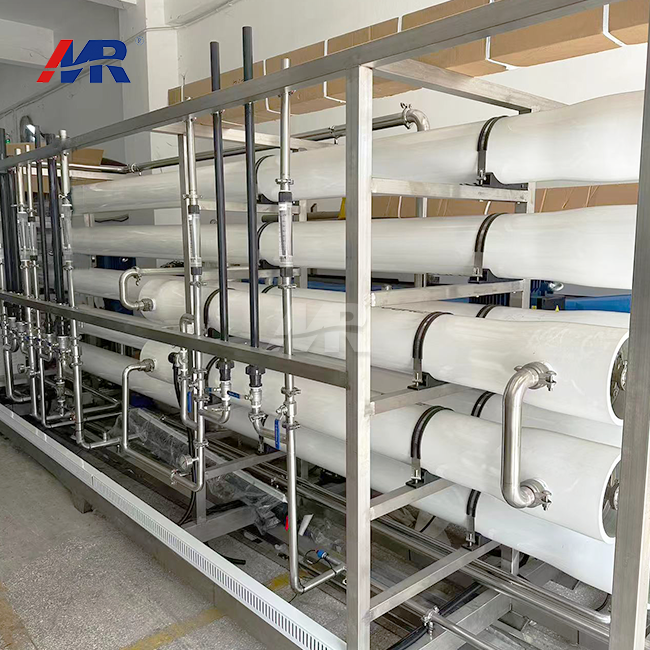 VIEW MOREosmosis drinking water system
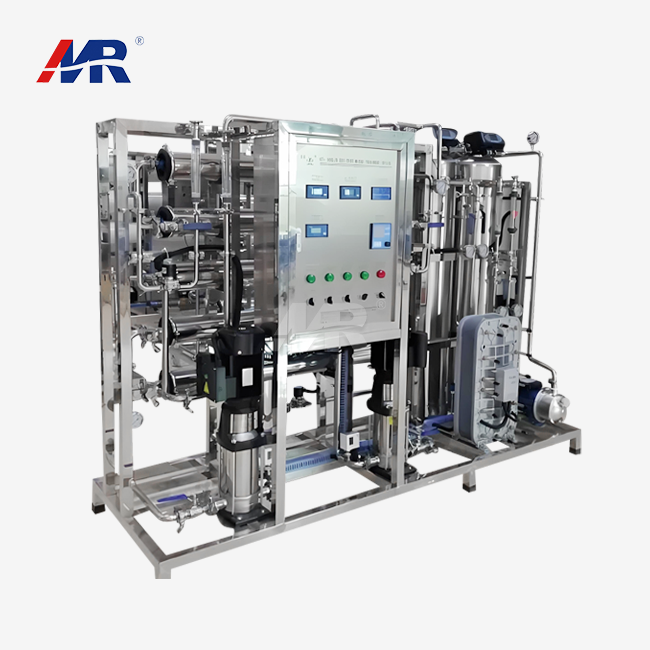 VIEW MORE1000LPH EDI equipment
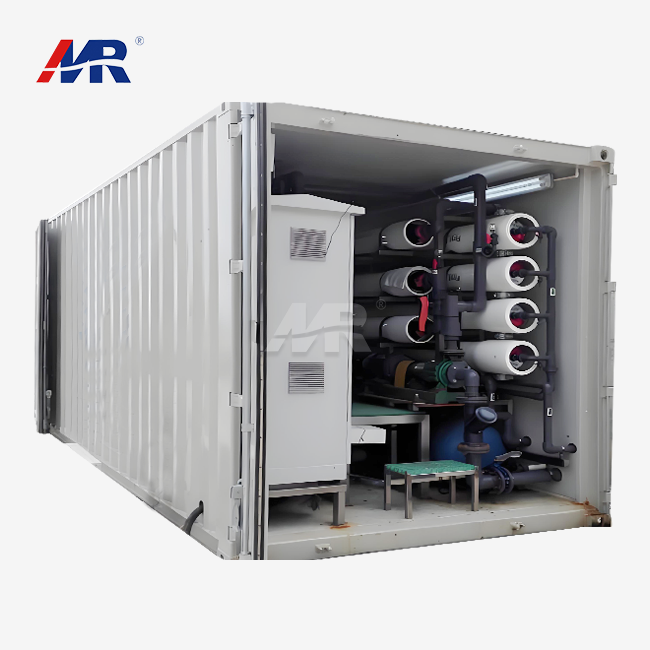 VIEW MOREcontainer seawater desalination equipment
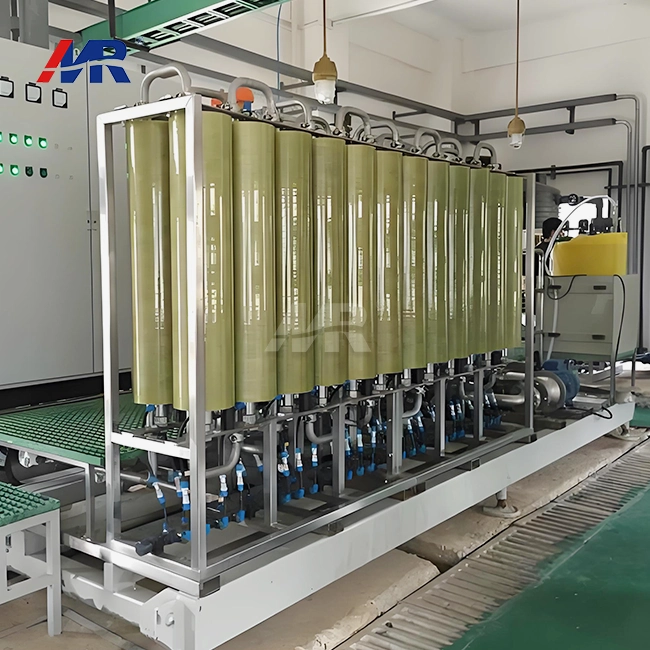 VIEW MOREDisc Tube Reverse Osmosis
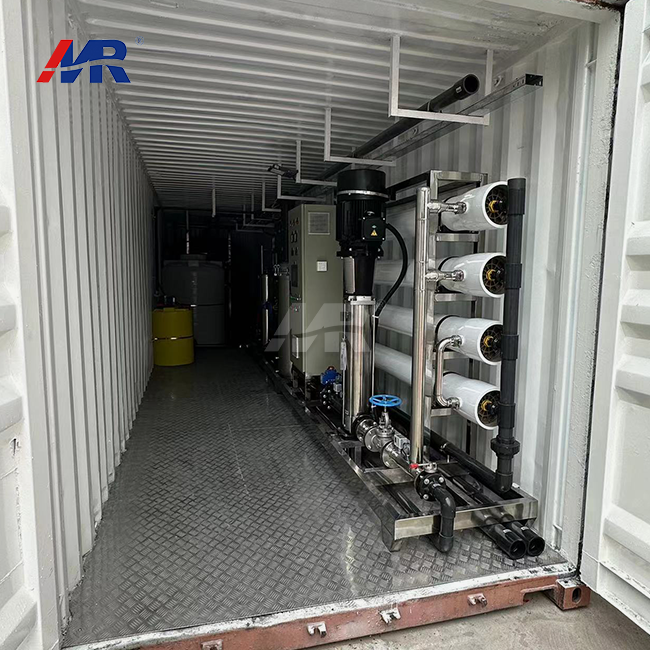 VIEW MOREcontainerized ro system
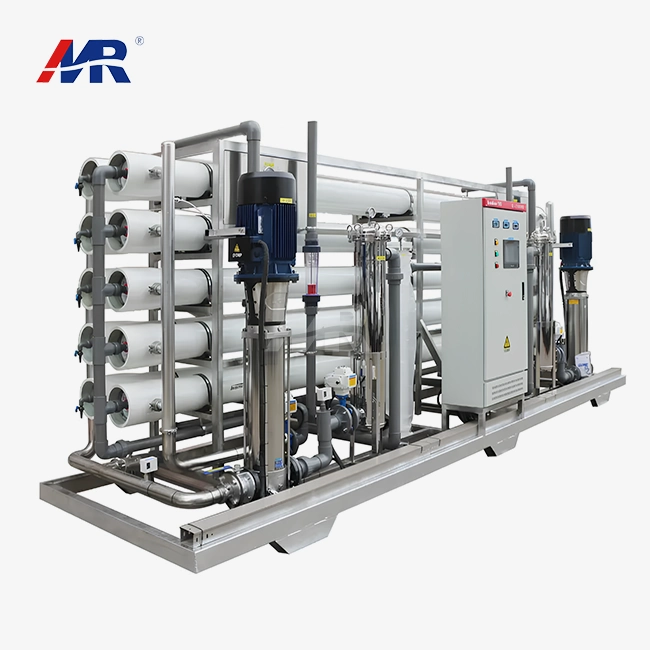 VIEW MOREreverse osmosis water purification plant
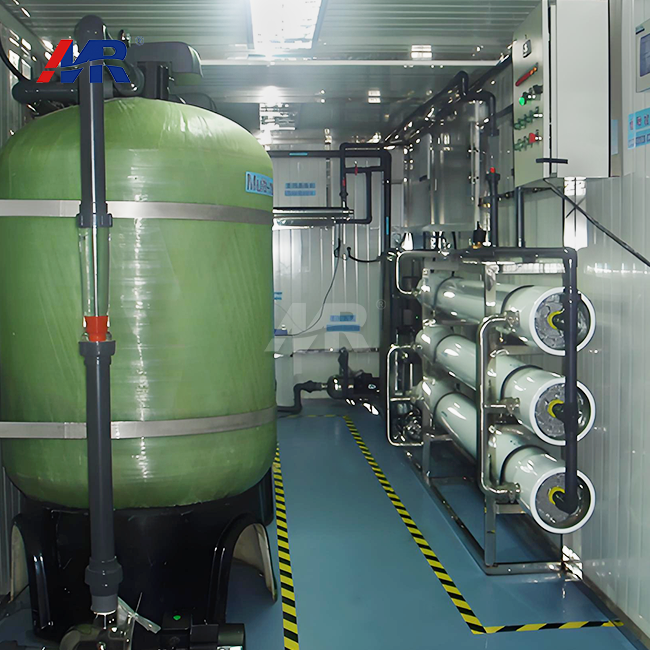 VIEW MOREContainerized Mobile Water Treatment Systems
 VIEW MOREcontainerized ultrafiltration equipment
