_1745823981883.webp)

Is a 4 stage reverse osmosis system Right for Your Home?
A 4-stage reverse osmosis system delivers targeted water purification through sediment filtration, carbon absorption, membrane separation, and final polishing. This configuration suits homes and light commercial facilities facing moderate to high total dissolved solids (TDS), chlorine taste issues, or heavy metal concerns. The system balances purification depth with maintenance simplicity, making it appropriate for decision-makers seeking cost-effective water quality improvements without unnecessary complexity. Whether it fits your home depends on your source water profile, daily consumption patterns, and long-term operational priorities.
Introduction
Reverse osmosis technology has transformed how industries and households approach water purification. Selecting an appropriate RO configuration directly impacts water safety, equipment lifespan, and operational budgets. This guide addresses the multi-stage water treatment approach, specifically examining how a four-tier filtration system meets diverse purification needs across residential and light commercial settings.
B2B buyers, facility managers, and procurement professionals face mounting pressure to deliver compliant, high-quality water while controlling maintenance burdens and energy costs. Understanding the architecture, performance benchmarks, and practical limitations of four-stage systems enables informed decisions that align with regulatory standards and usage demands. This article unpacks the technical structure, comparative advantages, procurement considerations, and vendor selection criteria essential for confident investment in water purification infrastructure.
Understanding How a 4 Stage Reverse Osmosis System Works
Water is cleaned in a 4-stage reverse osmosis system that includes sediment filtering, carbon absorption, membrane separation, and final cleaning. This system for cleaning is made up of several stages of filtration, each one going after a different type of pollution. The process starts with a sediment pre-filter, which usually has a rating of 5 microns and removes rust, silt, and suspended solids. This first barrier keeps downstream parts from getting physically dirty and increases the service life of the membrane.
After the sediment is taken out, the second step uses a carbon block filter to remove chlorine, chloramines, volatile organic compounds (VOCs), and chemicals that change the taste of the water. Activated carbon gets rid of herbicides and industrial solvents as well. This keeps the thin-film composite (TFC) layer from getting damaged by oxygen in the third stage.
Core Membrane Separation Technology
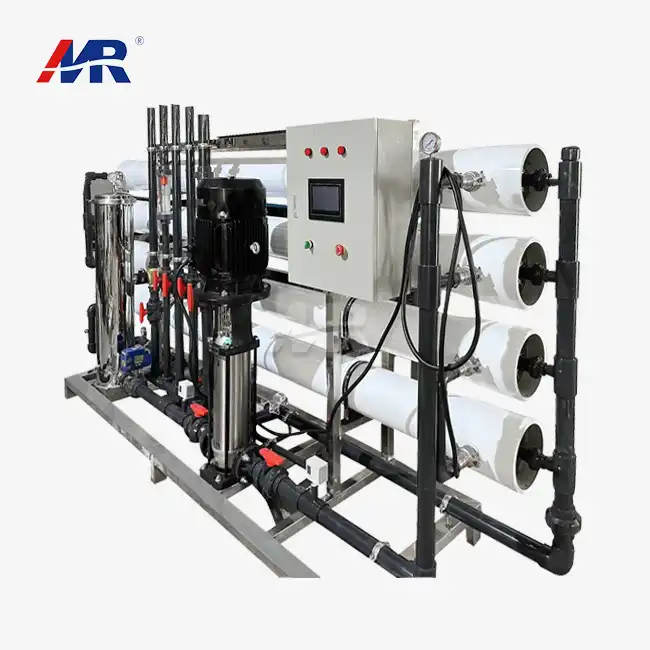
The ro membrane, which has pores about 0.0001 microns wide, is in the third stage. This semi-permeable barrier works at pressures between 40 and 100 PSI and blocks dissolved salts, heavy metals like lead and arsenic, nitrates, fluoride, and microbes that are harmful. Most of the time, rejection rates for foreign ions are between 95 and 99%, making diffuse water with TDS levels below 50 ppm from source water with TDS levels above 500 ppm.
Final Polishing Stage
In the fourth stage, a post-carbon filter gets rid of any remaining tastes and smells in the stored water. This step of polishing improves the taste and makes sure that the quality is always the same at the point of use. In some designs, this stage includes internal remineralization to add back healthy minerals, but this isn't usually part of normal 4-stage reverse osmosis system designs.
Knowing about these functional layers helps buying teams decide if the system can handle certain types of contaminants found in water quality tests. The setup works great for treating city supplies with a lot of chlorine and mild hardness, but well water with a lot of iron or sulfur may need extra treatment before it can be used.
Benefits and Limitations of a 4 Stage Reverse Osmosis System
Using this method of cleansing has measurable benefits that are weighed against the natural downsides. Taking into account both dimensions helps set realistic goals for performance and lifecycle costs. A 4-stage reverse osmosis system strikes a good balance between deep purification and easy maintenance, making it a good choice for people who want to improve water quality without spending a lot of money or time on unnecessary details.
Key Performance Advantages
The small size means that it can be installed under sinks in both home kitchens and small business break rooms, taking up less space than industrial-scale systems. Maintenance methods stay simple, and quick-connect fittings make it possible for non-technical staff to change filters without using any tools.
When you compare the cost-effectiveness of 4-stage reverse osmosis systems to more complicated ones, they really stand out. Fewer parts mean cheaper starting costs while still getting rid of key contaminants effectively. Since the system mostly works on line pressure, it doesn't use much energy. However, extra pumps may improve performance when line pressure is low.
When the quality of the water gets better, it tastes better, doesn't smell like chlorine, and is easier to see. Lab tests show that there have been big drops in the amounts of lead, chromium-6, arsenic, and pharmaceutical residues. This addresses health issues that come up with old infrastructure and agricultural waste.
Operational Limitations to Consider
The 4-stage reverse osmosis system gets a water-to-waste ratio of about 1:3 to 1:4, which means that three to four gallons of wastewater drain for every gallon of cleaned product. This measure of efficiency is not as good as five-stage systems with permeate pumps, which can have an effect on high-volume water bills.
The quality of the water source affects how long a filter lasts. In normal situations, sediment and carbon pre-filters need to be replaced every six to twelve months. On the other hand, the RO membrane lasts 24 to 36 months. Fouling happens faster in hard water, which could mean that service times are shortened and upkeep is done more often.
For residential units, the production capacity is usually 50 to 75 gallons per day (GPD), which is enough for homes with four to six people but might not be enough for light business settings that need constant access. Storage tank size, which is usually between two and four gallons, adds time between periods of high demand.
These limitations show how important it is to match system requirements to real-world usage patterns. Before signing multi-year supply agreements, procurement professionals should ask for water quality reports and figure out how much water is used each day to make sure the two are compatible.
Comparing 4 Stage Reverse Osmosis Systems with Other Solutions
By looking at different configurations, you can see when 4-stage reverse osmosis systems are the best and when other methods would work better. Evaluating alternative configurations illuminates where four-stage designs offer optimal value versus scenarios favoring different approaches.
Three-Stage Versus Four-Stage Architecture
With three-stage systems, the post-carbon cleaning filter is not needed, which lowers the initial costs by about 15 to 20 percent. This configuration works well in situations where basic contaminant reduction is more important than improving taste. Skipping the last step slightly raises the risk of storage tank smells, especially when there isn't much turnover.
The extra fourth stage is worth the money because it improves the organoleptic quality, which is important for places like hotels, offices that serve coffee, and home customers who are sensitive to differences in taste. In addition, the cleaning filter protects against any carbon fines that the second-stage filter may let through.
Five-Stage and Six-Stage Enhanced Systems
A remineralization filter or permeate pump is often added to five-stage designs. Concerns about mineral-depleted water can be eased by remineralization, which adds calcium and magnesium back into the water to make it slightly alkaline. Permeate pumps raise the ratio of water to trash to about 1:1, which saves a lot of money in places that are prone to drought or have a lot of water use.
Six-stage systems have steps for cleaning with ultraviolet light (UV) or deionization (DI), and they are designed for specific uses, like pre-treatment in medical offices or labs. The extra complexity makes upkeep more difficult and increases the chances of parts breaking. This method should only be used when regulations or scientific needs require it.
Charcoal Filtration and Other Alternatives
Separate activated carbon devices are great at getting rid of chlorine and organic chemicals, but they can't get rid of minerals, salts, and heavy metals that are dissolved in the water. Carbon-only solutions work well in situations where the source water meets TDS standards and hardness levels stay below 100 ppm.
UV sterilization kills bacteria and viruses without using chemicals, but it doesn't affect contaminants that are already dissolved. When you combine UV and RO, you get full protection, but it costs more up front and over time, which is fine for people with weak immune systems or food service applications.
Purchasing teams should compare costs over three to five years, taking into account when filters need to be replaced, how much it costs to waste water, and how much energy is used. From the point of view of total cost of ownership (TCO), 4-stage reverse osmosis systems are often the best choice for moderate water quality problems without costing a lot.
Procurement Considerations for Buying and Installing a 4 Stage RO System
Strategic buying choices include more than just the original price quotes. They also include arrangements for installation, help from vendors, and the long-term dependability of the supply chain. A 4-stage reverse osmosis system selection should be based on thorough testing of the water, accurate predictions of how much will be used, and a total cost analysis.
Price Ranges and Market Positioning
4-stage reverse osmosis systems for homes usually cost between $200 and $600, but this depends on the quality of the membrane, the materials used for the building, and the name of the brand. Light business units for coffee shops or small labs cost between $800 and $2,500 because they need to meet NSF/ANSI 58 certification standards and have higher flow rates.
Property management firms, hotel chains, and city procurement offices can all benefit from bulk purchasing deals with big savings. When you bundle systems with yearly filter subscription services, maintenance costs stay stable, replacements happen on time, and you don't have to worry about keeping track of supplies.
Installation Requirements and Professional Services
To install something under the sink, you need to get to the cold water line, connect the drain, and mount the faucet in a specific way. For experienced plumbers, standard installations take two to four hours and cost $150 to $400 for labor, depending on the area and how complicated the job is.
If a building's water pressure is less than 40 PSI, it needs booster pumps, which cost an extra $100 to $300 in tools and work to install. Hardness levels are found by testing the water before installation. Readings above 200 ppm mean that an upstream water softener needs to be put in to protect the RO membrane from calcium carbonate scaling.
Vendor Selection and After-Sales Support
Certified distributors offer manufacturer warranties that cover housing parts and valves for one to three years. Membranes are covered separately. The warranty terms should make it clear what flaws, leaks, and performance guarantees for the membrane (as measured by TDS rejection rates) they cover.
Long-term operating continuity is affected by the supply of filters. To avoid international shipping delays and customs problems, buyers should make sure that replacement cartridges are still available in the United States. OEM filters make sure that specifications are met, but third-party filters that are approved to NSF standards can save you 20 to 40 percent on costs.
There should be reaction times for Technical support questions in procurement contracts, shipping commitments for replacement parts, and options for on-site service in business settings. These service level agreements (SLAs) protect against long periods of downtime that make it hard to get water and mess up operations.
Leading Brands, Supplier Insights, and Making a Trusted Purchase
Navigating the competitive landscape of 4-stage reverse osmosis system manufacturers requires evaluating reputation, technical capabilities, and regional support infrastructure. To find your way among the many companies that make systems, you need to look at their name, professional skills, and the support systems in your area.
APEC Water Systems has built its credibility with the WQA Gold Seal and a history of good reviews in both the domestic and light business markets. Lead-free metal fittings and long-reach taps on their systems make them appealing to buyers who care about their health and want to make sure that materials are safe.
iSpring has systems that are reasonably priced, have clear indicators for when the filters need to be replaced, and come with detailed installation guides. Some of their Products come with built-in leak detectors, which are useful for installations that need to be done without anyone being there, like in vacation homes or rental units.
The Morui Advantage for Industrial and Commercial Applications
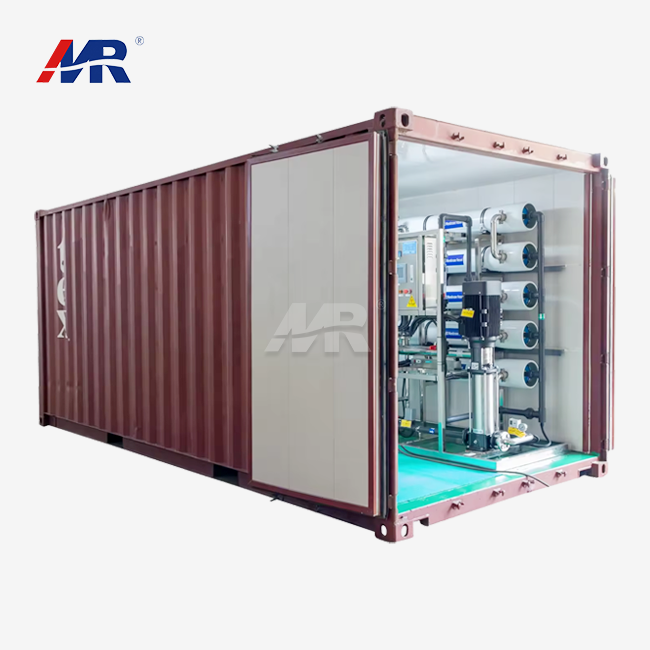
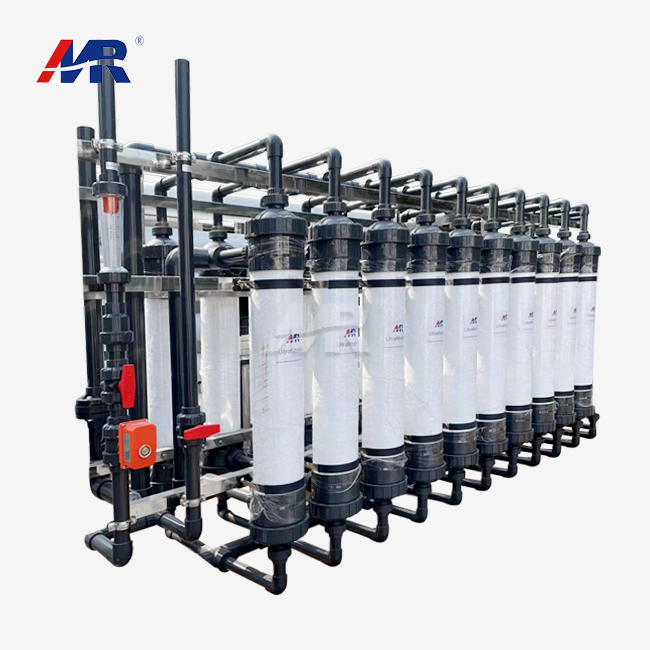
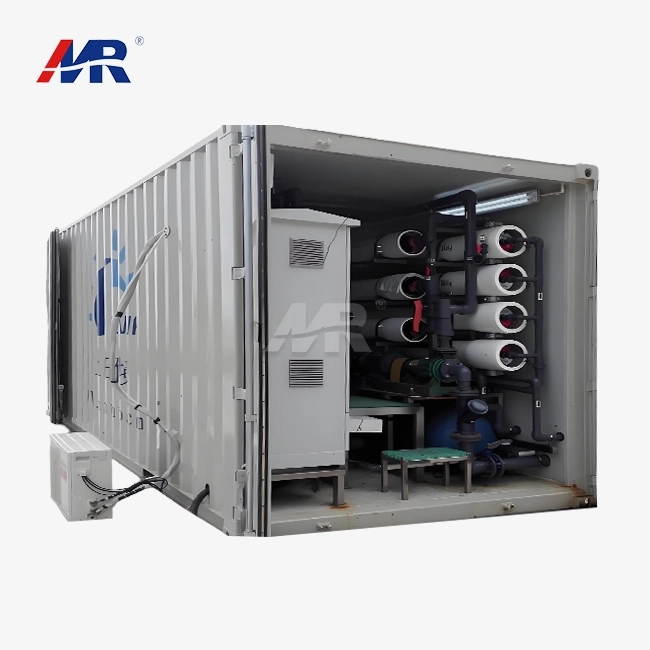
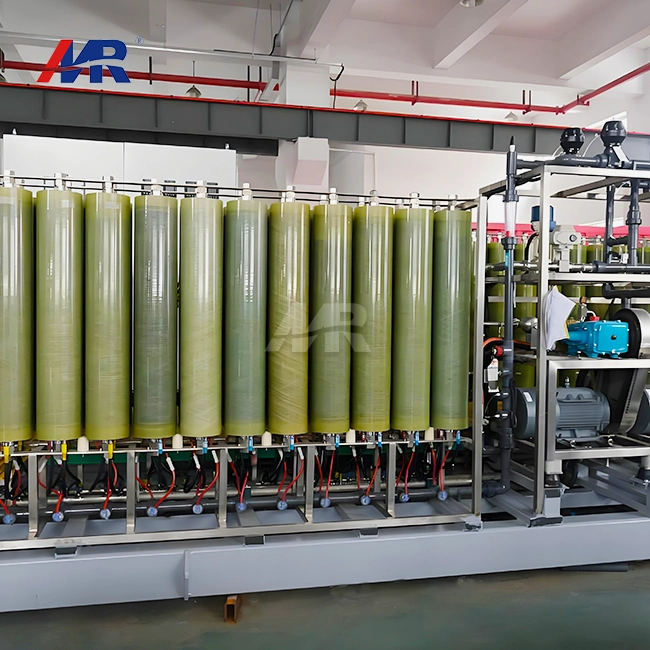
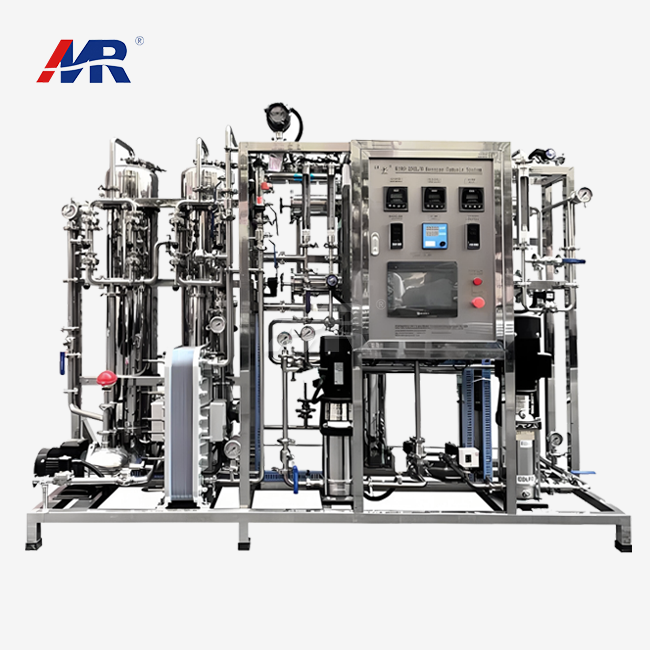
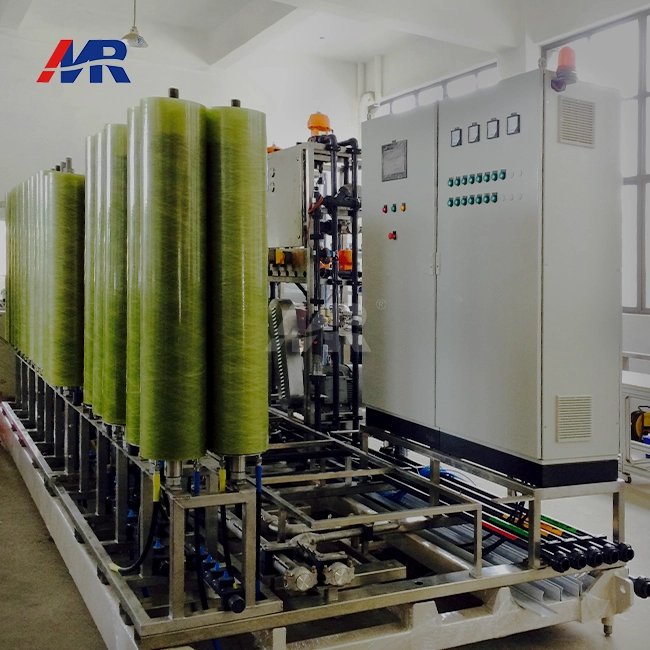
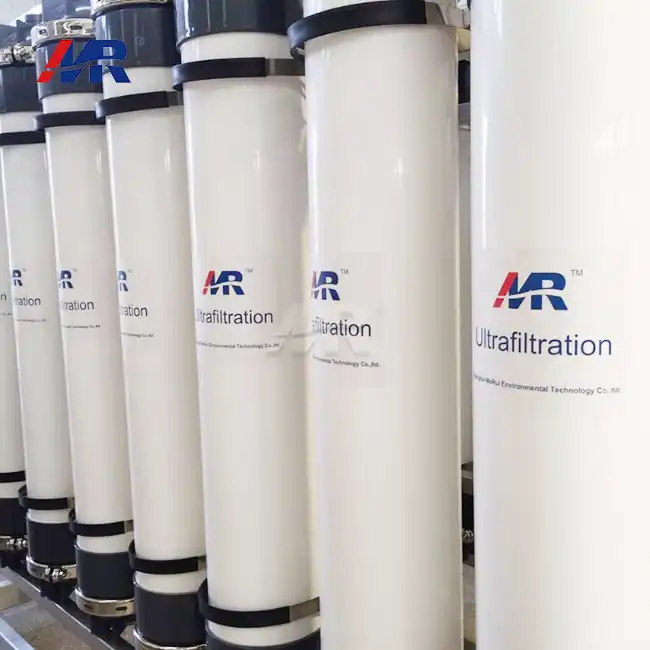
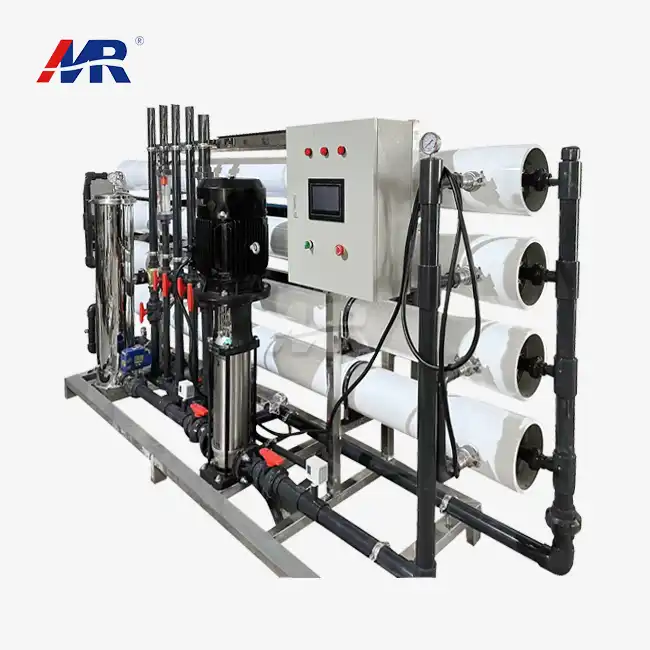
Guangdong Morui Environmental Technology Co., Ltd. offers specialized knowledge to customers who need solutions that can be expanded beyond simple residential units. In-house membrane production and more than 14 branches make Morui a 4-stage reverse osmosis system manufacturer that can meet the needs of a wide range of industries.
Our systems can handle anywhere from 1,000 to 100,000 gallons per day (GPD), which means they can work with municipal water plants, food processing plants, drug companies, and hospitals. The high-flux, low-fouling thin-film hybrid membranes can reject 99.5% of the water they come in contact with while still recovering up to 75% of it. This means that a lot less water is wasted than with standard configurations.
Energy efficiency gains of 30% compared to traditional RO systems mean that high-volume users can save money on their operations. Advanced tracking and control systems allow for online diagnosis and planning of preventative maintenance, which cuts down on unplanned downtime. Compact modular designs make installation easier in places with limited space and allow for future capacity increases.
The NSF/ANSI 58 certification makes sure that the materials are safe and that the building is stable, which is very important for places that have to go through health department inspections and regulatory audits. Our engineering team offers full help from creating specifications to coordinating installations and providing ongoing technical advice.
Working with a well-known manufacturer has benefits that go beyond just getting equipment. We have 20 engineers and 500 employees, so we can help you quickly no matter what time it is. We also have strategic partnerships with Shimge Water Pumps, Runxin Valves, and Createc Instruments that let us design integrated systems that handle the whole process of treating water, from pre-treatment to storage and distribution.
Generic Versus Branded System Considerations
Online markets that sell unbranded systems lower the initial cost by 30 to 50 percent, but there are risks associated with the quality of the materials, the accuracy of the Certifications, and the availability of parts. Generic options are good for homeowners who want to save money but are willing to accept shorter service lives and fewer ways to get refunds for problems.
Premium branded systems with established quality control processes and liability insurance are necessary for mission-critical applications in healthcare, food service, and laboratories. When possible machine breakdowns, contaminated water events, and fines for not following the rules are taken into account, the difference in costs gets smaller.
B2B procurement teams should give more weight to sellers who can show that they have ISO 9001 quality management certification, test results from a third party that have been made public, and clear paperwork of the supply chain. When possible, going to factories in person is a great way to learn about production standards and how to handle supplies.
Conclusion
When choosing the right water purification device, you have to weigh the technical performance against price, room, and maintenance needs. A 4-stage reverse osmosis system configuration is good for removing contaminants from water in homes and small businesses that have moderate water quality problems. The method works best when the source water has high TDS, chlorine, and important health toxins like arsenic and lead.
Buying choices should be based on thorough testing of the water, accurate predictions of how much will be used, and a total cost analysis. When choosing a vendor, the selection criteria should stress that they must meet certification requirements, offer replacement parts, and provide quick technical support. For homes, off-the-shelf solutions usually work well. But for businesses and factories, it's better to work with makers that can provide scalable, custom systems backed by technical knowledge and local service networks.
FAQ
1. How often should filters in a four-stage system be replaced?
Depending on the amount of chlorine and turbidity in the source water, sediment and carbon pre-filters usually need to be replaced every six to twelve months. Under normal conditions, the RO membrane in a 4-stage reverse osmosis system lasts 24 to 36 months. However, hard water speeds up fouling, which may cut this time short. Every year, post-carbon filters should be changed. Monitoring the TDS levels in the product water lets you know early on when the membrane is breaking down; big jumps above the baseline readings mean that replacement is about to happen.
2. Can these systems remove fluoride and nitrates effectively?
When 4-stage reverse osmosis systems work right, the thin-film composite membrane cuts fluoride by 85–95% and nitrates by 90–98%. Rates of rejection depend on the state of the membrane, the working pressure, and the temperature of the water. Water that is colder than 50°F makes membranes less permeable, which slows the flow rate but might make rejection better. Facilities that need to make sure that fluoride levels stay below certain levels should test their water every three months to make sure they are still following the rules.
3. What distinguishes four-stage from five-stage residential systems?
A remineralization filter or permeate pump is often added to five-stage designs. Remineralization adds calcium and magnesium back into the water to make it taste better and make the pH slightly more alkaline. This addresses worries about drinking mineral-depleted water for a long time via a 4-stage reverse osmosis system. By increasing recovery ratios to about 1:1, permeate pumps cut down on water waste, which saves money for businesses and homes that use a lot of water or live in places where water is limited. The extra part raises the cost of upkeep and the initial investment by 20 to 35 percent.
Trusted Solutions from Morui Environmental Technology
For your water treatment needs, Guangdong Morui Environmental Technology has tested 4-stage reverse osmosis systems that are built to work well and be reliable. Our flexible solutions are used in a wide range of fields, from making medicines to running a hotel. They are backed by NSF approval and full installation support. Whether you need under-sink units for homes or industrial systems that can process tens of thousands of gallons of water every day, Our Team can make suggestions based on your water quality profile and operational needs. Please email us at benson@guangdongmorui.com so that our tech experts can talk about your unique needs.
References
1. Water Quality Association. (2023). Certified Product Directory: Reverse Osmosis Drinking Water Treatment Systems. WQA Gold Seal Program Standards.
2. National Sanitation Foundation International. (2022). NSF/ANSI Standard 58: Reverse Osmosis Drinking Water Treatment Systems - Performance and Material Safety Requirements.
3. American Water Works Association. (2021). Manual of Water Supply Practices M46: Reverse Osmosis and Nanofiltration, Second Edition.
4. U.S. Environmental Protection Agency. (2023). Drinking Water Contaminant Candidate List 5 - Draft. Office of Water.
5. Membrane Technology Research Institute. (2022). Advances in Thin-Film Composite Membrane Performance for Residential Applications. Journal of Water Process Engineering, Volume 48.
6. International Desalination Association. (2023). Energy Efficiency Benchmarks for Small-Scale Reverse Osmosis Systems. IDA Technical Review Series.