

_1745823981883.webp)

How to Choose the Best Reverse Osmosis Filtration System
Choosing the right reverse osmosis filtration system depends on understanding your specific water quality challenges, production volume needs, and regulatory requirements. Industrial applications demand systems with proven membrane technology, adequate daily capacity matching operational demands, and reliable post-sales support infrastructure. Evaluating system specifications against your facility's water chemistry, space constraints, and compliance standards ensures you invest in equipment that delivers consistent, high-purity water while minimizing long-term operational costs and downtime risks.
Understanding Reverse Osmosis Filtration and Its Benefits
How Reverse Osmosis Technology Works
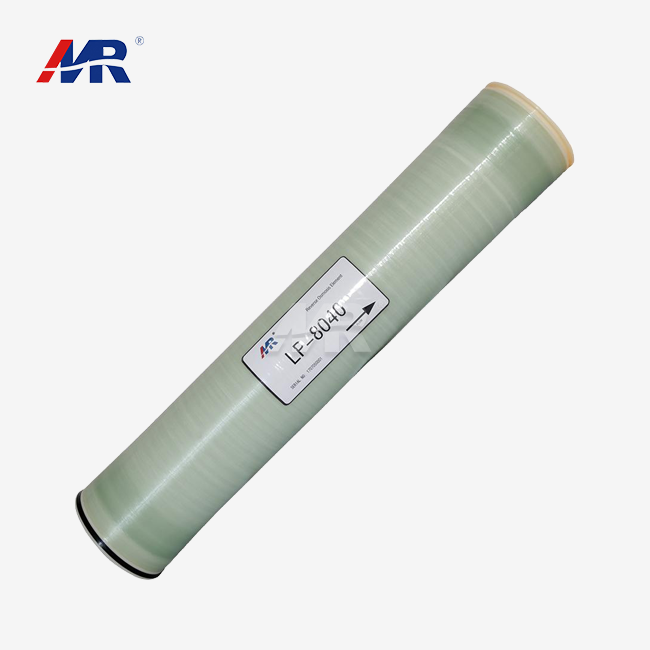
Reverse osmosis filtration is a very accurate membrane separation method in which atmospheric pressure pushes water molecules through a partially permeable membrane while rejecting contaminants. The pores in the membrane are about 0.0001 microns wide, which physically stop dissolved salts, heavy metals like lead and arsenic, organic compounds, and microorganisms from passing through. This technology fixes a major problem in the industry: regular filter methods can't get rid of sub-micron pollutants or dissolved ionic solids that lower the quality of Products made in food processing, electronics production, and pharmaceutical manufacturing.
The process makes two streams: a stream of clean permeate and a stream of concentrated trash. The concentrate gets rid of the salts that aren't wanted and stops concentration polarization on the membrane surface, which would lower efficiency and cause scaling if it happened. When procurement teams understand this basic process, they can see why good pretreatment and system design are so important for practical success.
Key Advantages for Industrial Applications
When facilities use membrane-based purification, they get a lot of operational benefits. No matter what the season is or where the water comes from, the stability of the water quality stays the same. This keeps product specs safe in GMP-regulated pharmaceutical settings and semiconductor production. When combined with electrodeionization, the technology's ability to get rid of 99% of dissolved solids, chlorine, fluoride, and biological contaminants makes it a solid base for systems that use ultrapure water.
Compared to thermal desalination methods, this method is much more energy-efficient, especially when it comes to changing seawater into something else. Modern membrane systems work at 800-1000 PSI and have recovery rates of 50–60%. Carbon filtration and ultrafiltration can't get rid of salt as well as membrane technology can. This means that membrane technology is needed to make ASTM Type I/II water standards that are needed in biotech production and analytical laboratories.
Environmental compliance benefits come from lowering the amount of pollution and being able to restore resources. Companies that do electroplating and chemical processing use deionized water systems to recover valuable materials and follow the rules for release. These improvements in sustainability lead to lower disposal costs and better environmental performance metrics for businesses.
Core Criteria for Selecting the Best Reverse Osmosis Filtration System
Assessing Your Water Treatment Requirements
A full source water analysis is the first step in making decisions about what to buy. Finding out about total dissolved solids, hardness, silica content, organic loads, and certain contaminants through testing determines the need for cleaning and the choice of membrane. Pharmaceutical facilities that are trying to meet USP standards have different problems to solve than power plants that are making boiler feedwater or beverage makers that are trying to standardize the makeup of ingredient water.
System sizing decisions are based on how much production is needed every day. A building that needs 500 cubic meters of space every day needs equipment that can handle that amount of space and has enough backups to be safe. Systems that are too small keep running at full stress all the time, which speeds up membrane breakdown and raises the frequency of maintenance. Oversized equipment loses money and energy while still producing the same quality of water.
Patterns of peak demand are just as important. High-capacity storage tanks help food processing plants with shift-based operations run their reverse osmosis filtration systems at optimal steady-state conditions instead of turning on and off over and over again. Understanding how your facility uses energy and water can help you avoid making mistakes that cost a lot of money.
Evaluating Performance Metrics and Specifications
System performance is measured by a number of different factors. The salt rejection percentage tells you how well the membrane works and whether it's right for your purpose. For example, pharmaceutical production needs 98–99% rejection, while agricultural irrigation can handle 95%. The recovery rate directly impacts running costs, as better recovery means less waste concentrate and less feed water use.
Operating pressure ranges show how the system was designed and how much energy it uses. Municipal water sources can be treated with systems that need 150 to 300 PSI. However, brackish water treatment may need 400 PSI, and seawater conversion needs 800 PSI or more. When a facility doesn't have temperature control, and yearly changes affect membrane flow by about 3% per degree Celsius, temperature tolerance is important.
Predictions of membrane lifespan based on data from the maker and validation studies done by a third party help figure out lifetime costs. If the pretreatment is done right, industrial membranes should last two to three years. However, strong feed water chemistry or poor upkeep greatly shortens the time between replacements. By comparing these specs to your water tests, you can avoid problems before they happen.
Calculating Total Cost of Ownership
Buying equipment up front is only one part of the cost. Over the course of a system's 15-year life, the ongoing costs of running it, such as replacing membranes, pretreatment cartridges, chemicals, and energy, often exceed the initial capital. A thorough analysis of the total cost of ownership shows which suppliers really provide value.
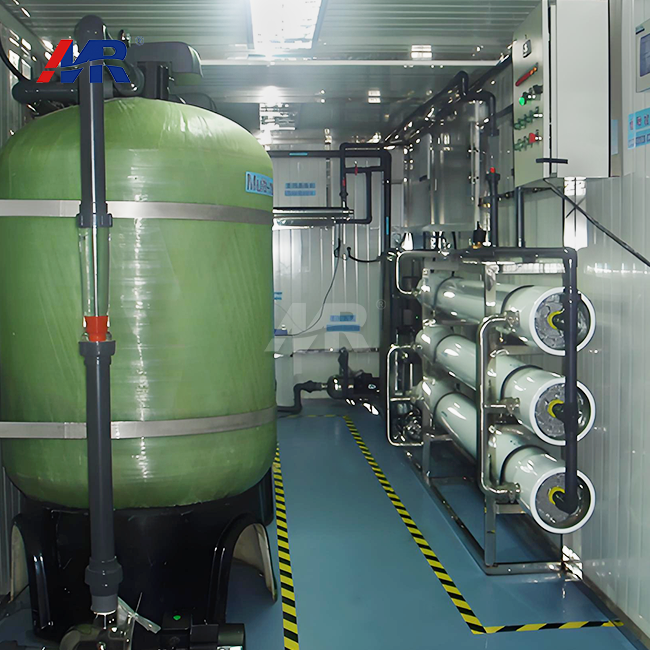
Systems with five stages of filtration—including sediment removal, dual carbon filtration, membrane separation, and polishing after filtration—provide better water quality and have maintenance schedules that are easy to plan. Equipment with NSF/ANSI-certified parts provides quality assurance and regulatory compliance documentation that is very important for facilities that are inspected by the FDA.
The terms of the warranty and the ability to join the service network protect operations. Downtime risks are lower for suppliers with 24-month warranties and local service techs compared to foreign suppliers who don't have domestic support infrastructure. Installation help and commissioning services make sure that everything works right at the start-up stage, which protects both the warranty and the performance of the equipment.
Comparing Reverse Osmosis Systems for Different Industrial Needs
Industrial-Scale Systems for High-Volume Applications
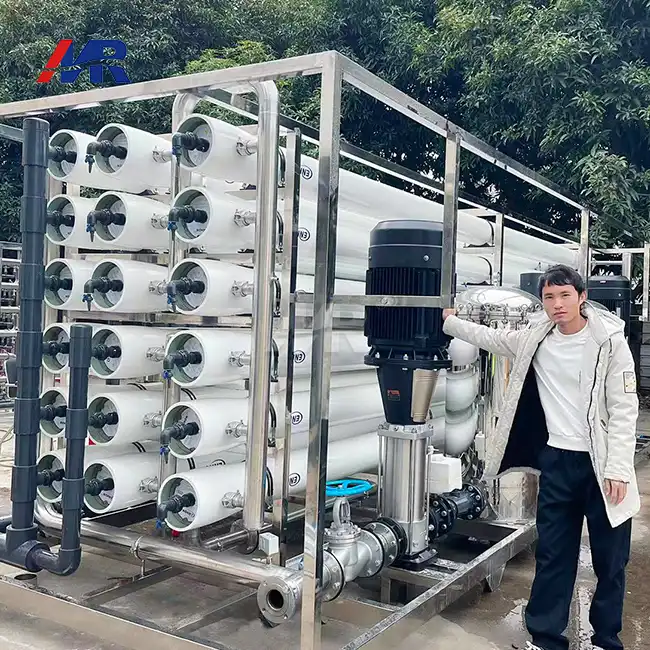
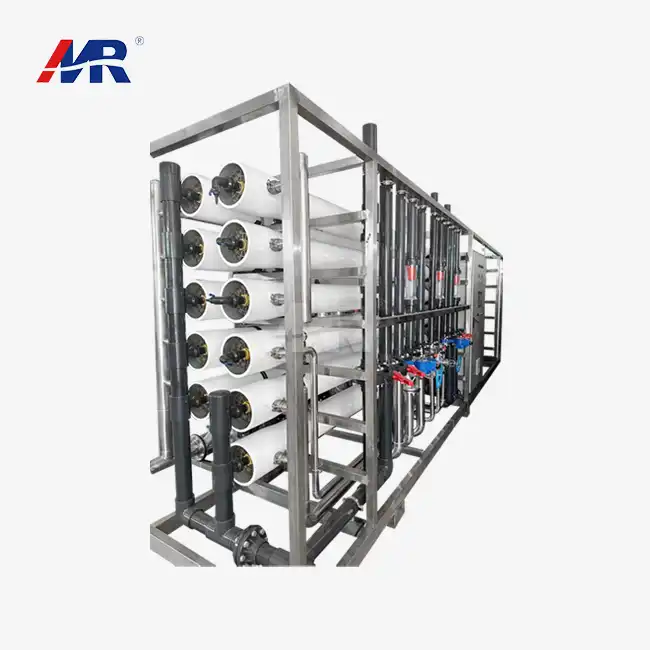
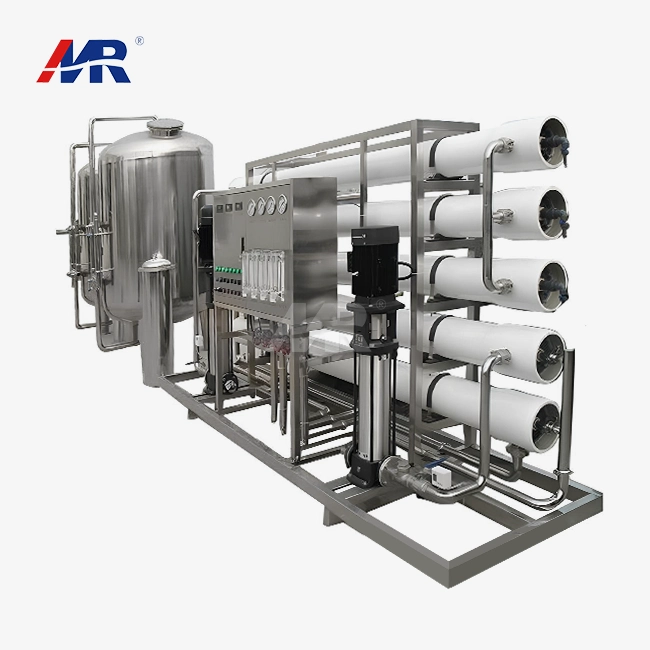
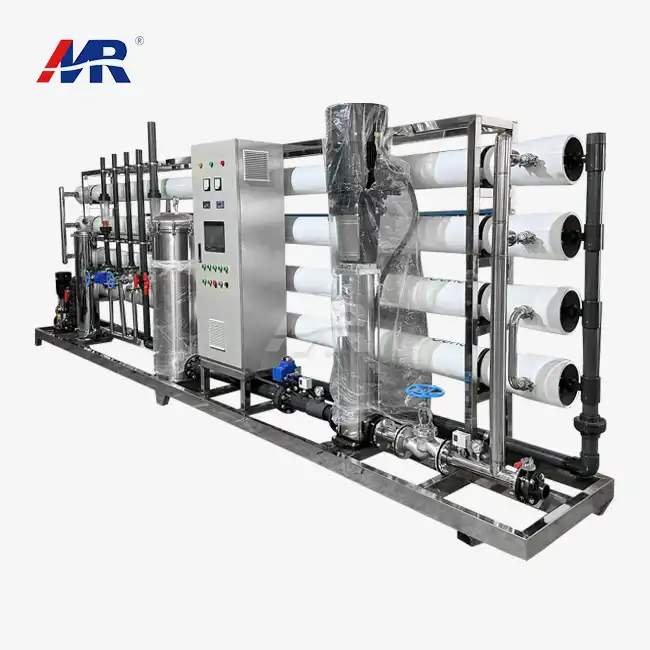
Large food makers, water treatment plants, and factories need strong systems that can produce 200 to 500 cubic meters of water every day. These systems have multi-membrane arrays, automated controls that keep an eye on performance factors, and redundant parts that keep single-point failures from happening. The dimensions are usually 4 meters by 1.5 meters by 1.8 meters, so they need special rooms for equipment with the right plumbing and electricity.
Morui's industrial systems are a good example of this type. They can handle 500 m³ of water per day, have 200 m³ holding tanks, and have 5-stage purification processes that can handle feed water temperatures from 4°C to 38°C. These requirements are good for pharmaceutical manufacturing, which needs a steady supply of high-volume USP-grade water to run multiple production lines at the same time. The small size makes the best use of room while still making it easy to do regular upkeep.
System scalability is important for businesses that are growing. By adding membrane vessels, modular architectures let you increase capacity without having to replace the core infrastructure. Companies that make electronics and need to increase production can save a lot of money by installing systems that can be expanded from the start.
Commercial and Laboratory Systems
Hospitals, study centers, and area food makers are all examples of mid-sized businesses that need systems that balance capacity with footprint limits. In these Cases, where consistent water quality is more important than maximum output, daily production between 50 and 200 cubic meters works well.
Laboratory ultrapure water systems use both membrane technology and electrodeionization to make water with a resistance of 18.2 megohms. This water can be used for tests and analytical tools. To keep expensive polishing parts from fouling too soon, these installations need careful pretreatment. By choosing the right system, you can avoid the common mistake of not specifying enough pretreatment, which leads to having to clean the membrane more often and parts lasting less long.
Medical-grade water used for treatment and sterilization has to meet certain rules that are specific to healthcare centers. The equipment has to keep detailed service records, constantly record the quality of the water, and meet strict microbiological requirements. When choosing a system, it's important to look for ones that has automated tracking, alarm systems, and lots of validation documents to help with compliance audits.
Specialized Applications Requiring Custom Solutions
When the feed water TDS is more than 35,000 mg/L, seawater desalination has to be done in very harsh conditions. Membrane systems made for this purpose have high-pressure pumps, materials that don't rust, and energy-recovery devices that take pressure from concentrate streams. Compact systems that make 10 to 50 cubic meters of water a day for crew use and operating needs are useful on offshore sites and coastal facilities.
Using strong pretreatment is needed to get rid of organic fouling in petrochemical plants that treat water from oilfield reinjection. Systems include chemical treatment, oil-water separation, and multimedia filtration to keep membranes from getting damaged by hydrocarbons. Knowing these application-specific needs keeps tools from breaking down, which could stop production.
Agricultural operations in dry areas use membrane systems to change brackish groundwater into water that can be used for irrigation. Because Technical support may be far away, these installations focus on being easy to use and needing little upkeep. When choosing a system, proven stability is more important than advanced features, and providers that offer full training and spare parts are preferred.
Smart Procurement Strategies for Reverse Osmosis Systems
Identifying Reliable Suppliers and Manufacturers
To find suppliers of industrial water treatment equipment, you need to do more than just compare prices. Manufacturers that have been around for a while, have in-house engineering teams, and can make their own membranes can provide better technical support. Guangdong Morui Environmental Technology fits this description perfectly. It has 14 offices, 500 employees, 20 engineers, and facilities for both making membranes and other equipment.
Credentials of the supplier are very important. Companies that work with the electronics and pharmaceutical industries usually have ISO Certifications, quality management systems, and written-down manufacturing processes for reverse osmosis filtration systems. Their knowledge of how to deal with regulatory requirements means that the equipment paperwork they provide will help your facility meet its compliance requirements. Performance claims are backed up by asking for examples of setups in similar fields.
Your business will keep running smoothly thanks to distribution networks and service infrastructure. When repair is needed, suppliers with service centers in the area can reply faster than manufacturers far away who need to ship spare parts across foreign borders. Partners who can provide long-term help are found by looking at service response promises, guarantees of parts supply, and technician training programs.
Negotiating Terms and Protecting Your Investment
Different sellers offer very different warranty deals. Manufacturers are confident in their products because they offer full coverage for 24 months or more, protecting membranes, vessels, controls, and installation work. Exclusions in warranties should be carefully looked over, as many manufacturers will not cover problems if they are used in ways that aren't recommended or if maintenance isn't done as planned. Knowing these terms will help you avoid arguments during claims.
With choices like extended warranties and preventative maintenance contracts, the provider takes on the risk instead of your building. A lot of the time, these agreements include regular cleaning of the membrane, testing of its performance, and faster service response. By comparing prices to self-maintenance, you can see when these programs are worth the money, especially for places that don't have their own water treatment experts.
Installation help and testing services make sure that everything starts up correctly. Professional installation keeps equipment from getting damaged by mistakes in wiring, plumbing, or pretreatment. A lot of providers give complete packages that include evaluating the spot, designing the system, installing it, and training the operators. This all-around method helps businesses that are buying their first industrial water treatment equipment the most.
Avoiding Common Procurement Pitfalls
When people buy things based on price, they often make bad choices. Ultra-low prices could mean that the parts or materials aren't up to par or that the seller doesn't offer service. Verifying the authenticity of parts through manufacturer verification keeps equipment from failing to meet performance standards. When you look at how often you have to change the membranes and how much production you lose, the difference in price between real and fake membranes isn't that big.
When specifications are too simple, machine skills and facility needs don't match up. Suppliers can suggest the right-sized systems if you give them detailed water analysis reports, daily volume needs, and quality goals. Generic quotes based on incomplete information often lead to equipment that is too small or too big for what it needs to be.
Installations take longer when building needs aren't met. Water cleaning systems need enough room, power, drainage, and controls for the climate. Early communication with suppliers about site conditions helps avoid expensive changes that need to be made during installation. Facilities that are limited in room can benefit from small designs that are made to fit specific layouts.
Practical Tips for Maintaining Your Reverse Osmosis System
Establishing Preventive Maintenance Schedules
The longevity of a membrane depends a lot on how well it is maintained. Depending on how cloudy the feed water is, sediment prefilters need to be replaced every three to six months. To keep reactive membranes from getting damaged, carbon filters that get rid of chlorine and organic chemicals need to be changed every 6 to 12 months. Not replacing these parts on a regular basis speeds up membrane fouling and lowers the quality of the water.
Cleaning plans for membranes are not set in stone; instead, they depend on how well they are working. By keeping an eye on the average permeate flow, salt passage, and pressure difference, you can tell when cleaning is needed. Usually, signs include a 10-15% drop in flux or salt rejection falling below what is required. When done right away, chemical cleaning with approved formulas restores performance. But if cleaning is put off, fouling can form that can't be fixed.
Sanitizing the system stops living things from growing in storage tanks and distribution pipes. Sanitizing every three months with the right disinfectants keeps the microbiological quality that is needed for food and medicine. Keeping track of sanitization processes, water quality test results, and upkeep tasks helps with following rules and finding problems.
Recognizing Performance Decline Indicators
Lower flow rates are a sign of membrane fouling, scaling, or equipment problems. By comparing current performance to measurements taken during commissioning, problems can be found before they become total failures. Sudden drops in flow usually mean there are technical problems, like a broken pump or a valve that isn't working right. Slow drops in flow usually mean that the membrane is getting clogged.
Higher conductivity levels or changes in taste and smell are signs that the water quality is getting worse. Damage to the membrane from chlorine contact or mechanical stress lets contaminants through, which needs quick care. When permeate conductivity is higher than 10% of feed water conductivity, it means that the membrane is no longer functioning properly and needs to be replaced.
Problems with the concentrate flow show that the system isn't balanced. Less concentrated flow means that the membrane is scaling or plugging up, which needs chemical cleaning. Too much concentrate flow means that the membrane is damaged or the system isn't working right, which wastes water and energy. Monitoring these parameters lets you take action before something goes wrong, which stops disasters from happening.
Optimizing Long-Term System Performance
Working within the parameters set by the manufacturer protects the investment in equipment. Keeping the temperature of the feed water between 4°C and 38°C stops heat stress from damaging the membrane. Keeping the pressure between 150 and 300 PSI stops mechanical damage and makes sure that the separation works well. When systems are put through situations that aren't what they're supposed to be put through, parts break down faster.
Optimizing the pretreatment process is the most effective way to boost performance. Facilities that clean their membranes often can benefit from better pretreatment that gets rid of harmful contaminants before they touch the membrane. If the water is very hard, cooling it or making the sediment filter work better can greatly increase the membrane's life and lower its operating costs.
By teaching workers the right way to start up, shut down, and handle emergencies, mistakes made by people are kept from damaging equipment. Knowing the 5-step process—removing sediment, carbon filtration, membrane separation, polishing, and storage—allows workers to spot problems and fix them properly. Organizational competence is built through regular training meetings that go over repair processes and troubleshooting methods.
Conclusion
To choose the best reverse osmosis filtration system, you need to weigh the technical specs, operational prices, and supplier's skills against the specific needs of your building. For industrial use, systems need to have a track record of performance, enough capacity, and a reliable support infrastructure. Your organization is set up for success with water treatment if you look into membrane technology, know what the total costs of ownership are, and work with well-known manufacturers. Using the right repair methods and training for operators will make sure that equipment lasts as long as possible and that the water quality stays high enough to meet regulations and protect production processes.
FAQ
1. Is reverse osmosis suitable for small manufacturing operations?
Membrane technology works well in both small lab units and large systems for cities. Compact systems that produce 10 to 50 cubic meters of clean water every day are good for small makers because they don't require a lot of cash. As operations get bigger, the system's economics get better because the costs of energy and maintenance per cubic meter go down as installations get bigger.
2. How do I determine the right system capacity for my facility?
Figure out how much water is used every day by adding up the amounts needed for production, cleaning, and expected future growth. Add a 20–30% capacity cushion to handle times of high demand and give operations more freedom. Larger storage tanks help facilities with changing water use by letting membrane systems work at steady, ideal conditions instead of changing output all the time.
3. What contaminants can reverse osmosis effectively remove?
95–99% of dissolved salts, heavy metals like lead and arsenic, fluoride, nitrates, sulfates, and organic compounds are removed by membrane systems. Because their pores are smaller than microorganisms, they kill bacteria and viruses very well. But liquid gases like chlorine and carbon dioxide need more steps in the cleaning process. Thorough testing of the source water finds the contaminants that need to be removed, which helps with setting up the right system.
Partner with Morui for Industrial Reverse Osmosis Filtration Solutions
Guangdong Morui Environmental Technology offers complete water cleaning options backed by a wide range of manufacturing skills and engineering know-how. Our industrial membrane systems clean up to 500 m³ of water every day, making sure that the quality of the water is always good for chemical, pharmaceutical, food processing, and electronics manufacturing. With 14 locations across the country, 20 committed engineers, and integrated manufacturing that includes making our own membranes, we can help with every step of a project, from the initial assessment to installation and ongoing maintenance. Email Our Team at benson@guangdongmorui.com to talk about your facility's water treatment needs and get full specifications from a reliable reverse osmosis filtration provider that is dedicated to operational excellence.
References
1. American Water Works Association. (2023). Membrane Technology for Water Treatment: Reverse Osmosis Systems in Industrial Applications. AWWA Publishing.
2. Bergman, R.A. (2022). Industrial Water Treatment Handbook: Design and Operation of Reverse Osmosis Systems. McGraw-Hill Professional.
3. International Desalination Association. (2024). Membrane System Performance Standards for Commercial Applications. IDA Technical Guidelines Series.
4. National Sanitation Foundation. (2023). NSF/ANSI Standard 61: Drinking Water System Components - Health Effects Certification for reverse osmosis equipment. NSF International.
5. Pharmaceutical Engineering Journal. (2023). GMP-Compliant Water Systems: Reverse Osmosis Design Criteria for Pharmaceutical Manufacturing. International Society for Pharmaceutical Engineering.
6. Water Quality Association. (2024). Commercial Reverse Osmosis Systems: Selection Criteria and Performance Evaluation Methods. WQA Technical Standards Division.
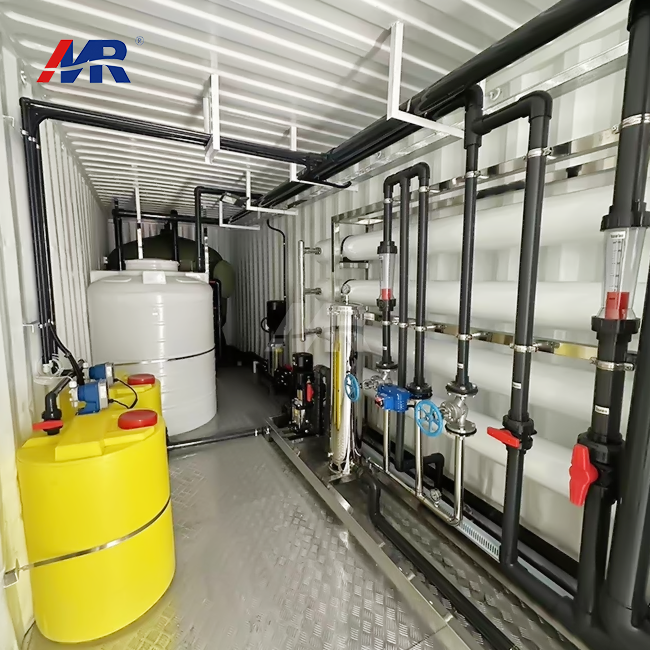 VIEW MOREcontainer reverse osmosis equipment
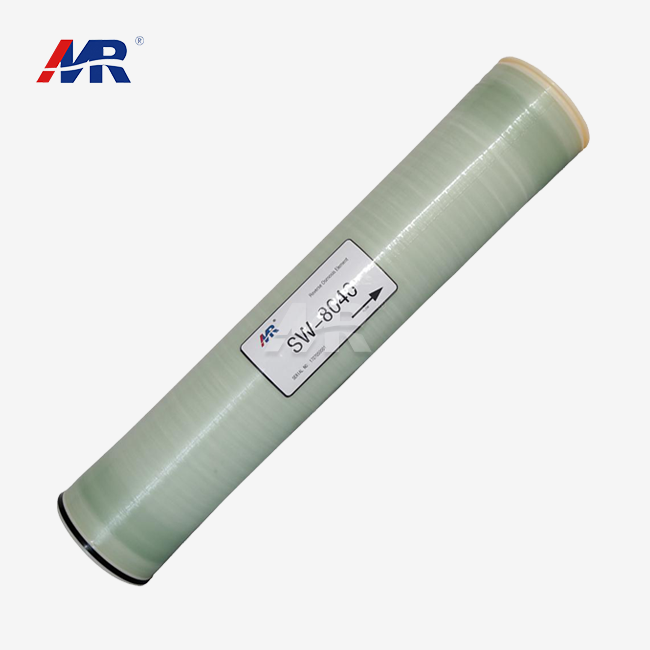 VIEW MORE8040 seawater reverse osmosis membrane
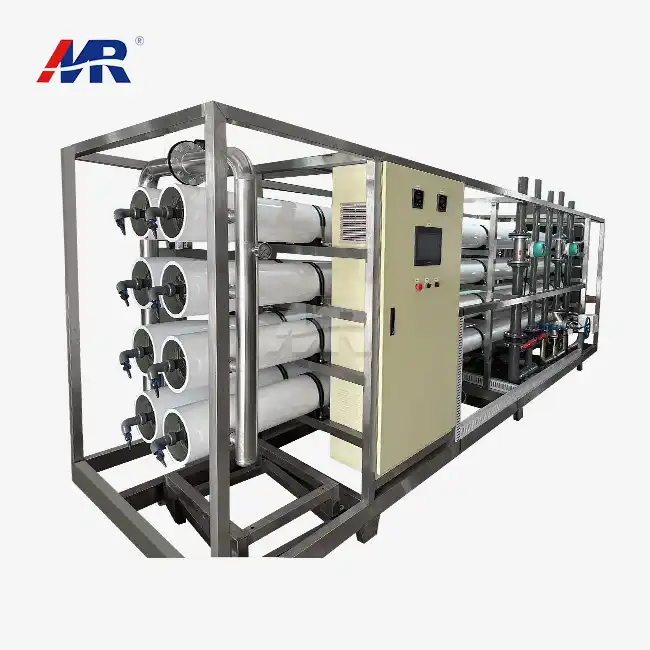 VIEW MORE8m3/hour two pass reverse osmosis system
 VIEW MORE60m3/hour reverse osmosis plant
 VIEW MOREbrackish water reverse osmosis
 VIEW MOREreverse osmosis membrane
 VIEW MOREContainerized Mobile Water Treatment Systems
 VIEW MORE500m3/day reverse osmosis RO plant
