

_1745823981883.webp)

Top Benefits of Using a Compact Containerized RO Plant for Disaster Relief
Within hours after a natural disaster, pure water becomes unavailable. By providing transportable, self-contained water purification systems that can be set up anywhere, a containerised RO plant provides a quick fix. A single forty-foot container may produce up to one million gallons of safe drinking water every day. These transportable treatment units are essential for emergency response teams all over the world because they combine plug-and-play ease with industrial-strength reverse osmosis technology.
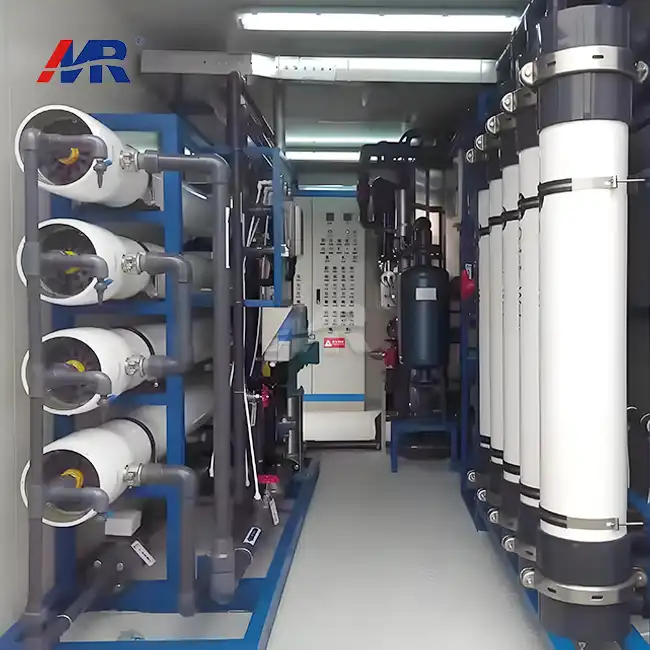
Understanding Containerised RO Systems in Emergency Scenarios
Municipal water infrastructure is disrupted by natural disasters more quickly than communities can react. Public health emergencies arise when people lack access to drinkable water due to hurricanes, earthquakes, floods, and wildfires. Conventional water treatment plants cannot meet urgent needs during the crucial initial weeks after disasters and take months to construct.
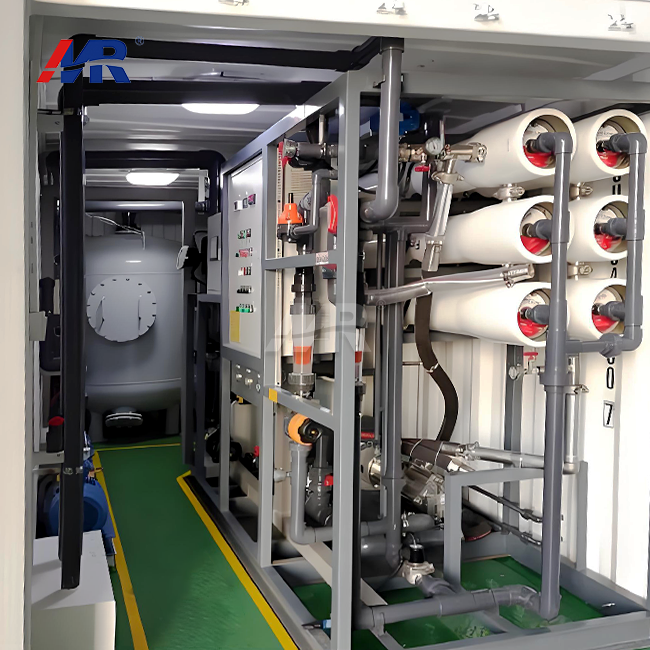
By enclosing entire purification systems in conventional ISO shipping containers, compact containerised solutions transform emergency water supply. Within hours after delivery, these turnkey water plants are pre-plumbed, pre-wired, and operational. During those hectic early days, speed is more important than anything, as my experience with disaster relief missions has demonstrated.
Pretreatment filters, high-pressure pumps, membrane housings, and chemical dosing systems are all integrated into a weatherproof enclosure by the modular design. Conventional treatment facilities are delayed by the requirement for separate buildings, foundation work, or intricate piping installations, all of which are eliminated by this integrated method.
Key Parameters That Matter During Emergency Deployment
Decision-makers can choose the best systems for particular disaster scenarios by having a thorough understanding of technical specifications. Depending on the layout of the container, production capacity might range from 10,000 to more than 1,000,000 gallons per day. The system turns half to three-quarters of the source water into clean drinking water, with recovery rates often reaching 50–75%.
Another important factor to take into account during emergencies, while power supplies are still unpredictable, is energy consumption. With consumption rates of 3–6 kWh per thousand gallons produced, contemporary compact RO systems run on 380–480V power. For places without grid connectivity, several systems are compatible with diesel generators.
The effectiveness of the membrane technology in eliminating impurities is determined by rejection rates. 95–99% of dissolved salts, bacteria, viruses, and chemical contaminants are eliminated by high-quality systems, such as a containerized RO plant. Even when treating highly contaminated source water, this performance level either meets or surpasses EPA drinking water regulations.
Transport dimensions adhere to the 20-foot or 40-foot lengths of standard containers, enabling traditional transportation by truck, rail or cargo ship. Depending on the arrangement, the weight usually varies from 8,000 to 25,000 pounds, and positioning simply requires normal heavy equipment.
Core Benefits That Save Lives in Crisis Situations
Rapid Deployment Capabilities
Effective catastrophe response is distinguished from humanitarian failures by speed. Within 24 to 48 hours, mobile RO plants can be transported, placed, connected to water sources, and start generating clean water. This schedule is in stark contrast to standard treatment centres, which take six to twelve months to build.
Immediate access to water reduces disease epidemics, which frequently result in more deaths than the initial disaster, according to relief organisations I've dealt with. When populations have no other options, contaminated water supplies can quickly spread cholera, dysentery, and typhoid.
Operational Flexibility Across Diverse Water Sources
When responders are unable to control available water supplies during an emergency, flexibility becomes crucial. With the proper pre-filtration, these portable water treatment devices can handle brackish groundwater, turbid river water, seawater, or even wastewater. The membrane technology uses chemical dosing and adjustable operating pressures to accommodate different feed water conditions.
Seawater desalination capabilities are especially useful in coastal disaster areas. While surrounded by ocean water, areas affected by hurricanes often lose freshwater sources. By converting seawater into drinking water, compact RO systems remove the need for shipments of bottled water or far-off freshwater sources.
Zero Civil Works Requirements
Conventional treatment facilities require intricate plumbing networks, building structures, electrical rooms and concrete foundations. All that is needed for the placement of containerised water solutions is level ground. In catastrophe areas, where building supplies, trained labour, and construction resources are unavailable for months, this advantage becomes crucial.
The ability to move units when needs change is appreciated by emergency managers. Without losing its infrastructure investment, the same system that serves a temporary shelter camp can subsequently be transferred to a hospital, school, or municipality undergoing reconstruction.
Scalable Capacity Through Modular Expansion
During the stages of disaster recovery, water demands vary significantly. For the first few days, 5,000 displaced people might need 50,000 gallons every day. Demand might increase in a matter of weeks when communities return, and reconstruction picks up speed. Instead of overbuilding initial installations, modular water systems enable responders to gradually increase capacity by adding more containers as demands arise.
Long-term recovery planning is also supported by this scalability. After crisis stages are over, units providing urgent emergency needs can move into permanent installations for hospitals, schools, or municipal backup systems.
Lower Initial Investment and Faster ROI
Containerised systems offer attractive economics, according to financial decision-makers assessing disaster preparedness investments. Delivery times are reduced from months to weeks, and upfront expenditures are 30–50% lower than those of comparable permanent facilities. Organisations can retain strategic reserves of treatment capacity without incurring excessive capital expenditures thanks to its cost-effectiveness.
Traditional project budgets are inflated by consulting fees, design charges, and construction management costs, all of which are reduced by the turnkey aspect. Without the unpredictability of field building, factory-built quality control guarantees dependable performance.
How Morui's Containerised RO Solutions Compare?
I've assessed many manufacturers for procurement projects, and I've seen clear distinctions between high-end systems and low-cost options. Our technology at Morui is the result of 20 years of water treatment engineering experience that has been honed through installations in 14 regional branches.
Membrane Quality and Longevity
Instead of purchasing generic parts, we produce our own membranes. For particular applications, this vertical integration enables accurate quality control and performance optimisation. Compared to normal goods, our membranes have a 20–30% longer service life, which lowers replacement costs during prolonged deployments.
Lower-grade membranes that operate satisfactorily at first but quickly deteriorate in stressful emergencies are frequently used in low-cost systems. Communities cannot afford treatment pauses and logistical problems caused by membrane replacement in remote disaster areas.
Integrated Automation and Monitoring
PLC-based automation, as implemented in our containerized RO plant, keeps an eye on the quality of the supply water, modifies operational parameters, and notifies workers when repair is required. When skilled specialists are hard to come by during emergencies, this sophisticated control becomes crucial. Simple rivals provide manual valve systems that need ongoing operator skill and attention.
Our engineers can diagnose problems and change parameters without physically visiting the site, thanks to remote monitoring technologies that enable satellite connection. Numerous operational difficulties in places our personnel couldn't get to right away have been overcome by this remote capacity.
Chemical Dosing and Pretreatment Integration
Coordinated pretreatment, filtration, and membrane processing are necessary for whole water purification. Within the container structure, we integrate automated chemical dosing for pH correction, antiscalant injection, and disinfection. Many rivals only offer the membrane skid, so buyers must find and incorporate other equipment on their own.
Regardless of feed water variations, this all-encompassing strategy guarantees optimal performance. Because flooding, contaminants, and infrastructure damage alter the composition of source water, disaster situations result in continuously shifting water quality.
Partnership With Established Component Brands
Shimge water pumps, which are renowned for their dependability in challenging circumstances, Runxin control valves, which provide precision flow regulation, and Createc instrumentation, which offers precise water quality monitoring, are among our specifications. These collaborations demonstrate our dedication to using tried-and-true parts rather than using generic alternatives to reduce costs.
During emergencies, when it may take weeks to get replacement parts, component dependability determines system uptime. When communities rely on continuous water production, premium components justify their cost through reliable operation.
Maximising Benefits Through Proper Deployment and Operation
Pre-Positioning Strategic Reserves
Before calamities, organisations in charge of disaster response should set up regional equipment reserves. Shipping delays during crisis response are eliminated by prepositioning units in climate-controlled storage close to high-risk areas. We have provided this proactive strategy to government emergency agencies, military bases, and international charity organisations.
Comprehensive Operator Training
For best results, even automated systems need skilled operators. We offer practical instruction on startup processes, regular maintenance, typical problem-solving, and emergency shutdown procedures. Instead of depending only on travelling technicians, training should involve local staff who will be present during deployment.
International installations where English-speaking operators might not be available are supported with multilingual documentation. Language barrier-free visual aids are included in our technical manuals.
Establishing Logistics Support Networks
Deployment sites must consistently get replacement filters, membranes, and consumable chemicals. Before disasters, organisations should create supply agreements that specify shipping routes, customs clearing processes, and local distribution channels. To facilitate quick resupply of operational facilities, we have inventory warehouses at key locations.
Regular Maintenance During Extended Deployments
Protocols for membrane cleaning preserve production capacity and increase operational life. Our systems come with integrated chemical cleaning skids that remove accumulated foulants by flushing membranes with specific solutions. During continuous operation, cleaning usually takes place every 30 to 90 days, depending on the quality of the supply water.
Pump lubrication, valve inspection, instrument calibration, and pressure vessel inspection should all be included in preventive maintenance programs. During crucial operating times, these regular procedures stop small problems from growing into system failures.
Critical Considerations for Procurement and Operation
Power Supply Compatibility and Backup
Make sure that the electrical parameters correspond with the power sources that are accessible. Sensitive components are harmed by fluctuations in frequency or voltage. Disaster areas frequently have erratic grid electricity, necessitating backup generation capacity, voltage regulation, and surge protection. We provide systems with the proper electrical isolation and conditioning to handle generator power.
Source Water Quality Assessment
Before choosing system parameters, thoroughly test the water. Increased prefiltration is necessary for high turbidity. Increased antiscalant dosage is required for elevated hardness. Chlorination capacity is required for biological contamination. Undersized equipment and operational breakdowns are avoided with accurate source water characterisation.
Concentrate Disposal Planning
Water is separated into concentrated reject streams and purified permeate using reverse osmosis. Reject water needs to be disposed of properly because it includes accumulated pollutants. Concentrate can be returned to the ocean by coastal installations. Wastewater treatment integration, deep well injection, or evaporation ponds may be necessary in inland areas.
Even in times of emergency, concentrated disposal is governed by environmental standards. Ecological harm and legal liabilities result from ignoring this factor.
Climate Considerations for Container Placement
In warm climates, metal containers turn into ovens; in frigid climates, they become freezers. Internal temperature management preserves ideal operating conditions and safeguards delicate components. From passive ventilation in temperate zones to active HVAC in harsh climes, we integrate climate control solutions suitable for deployment regions.
Security and Physical Protection
In disaster areas, valuable equipment is more likely to be stolen or vandalised. Because of their sturdy steel architecture and locked access points, container-based solutions provide inherent security. When choosing a site, visibility, illumination, and a fence that prevents unwanted entry without obstructing lawful operations should be taken into account.
Real-World Applications Demonstrating Impact
Our containerised filtration equipment supplied clean water to 15,000 displaced people on three Caribbean islands after the 2017 hurricane season. Within 36 hours of arrival, the systems produced 250,000 gallons per day by processing contaminated groundwater and seawater. The units were later acquired by local authorities for long-term municipal backup capacity, illustrating the shift from emergency response to long-term infrastructure.
Heavy metal contamination of local water systems was caused by a mining accident in South America. Within 48 hours of deployment, our mobile RO plant treated the impacted waters and eliminated lead, copper, and arsenic below detection levels. For eight months, the system served hospital, school, and residential demands while permanent remediation was worked on.
Ultrapure water is needed for surgery, sterilisation, and dialysis in military field hospitals. In order to help field medical operations in crisis areas and humanitarian missions, we have provided small RO systems, including a containerized RO plant. In places without infrastructure, these installations create self-sufficient water cycles by combining the treatment of wastewater with the production of clean water.
Water shortages in refugee camps necessitate continuous high-capacity production. In multiple installations, our systems have been in continuous operation for three to five years, proving their longevity beyond the usual emergency response times. A prolonged service life that efficiently amortises investment expenses is made possible by proper maintenance and our Technical support.
Conclusion
Compact containerized RO plants represent the most effective solution for emergency water provision during natural disasters and humanitarian crises. Their combination of rapid deployment, operational flexibility, production capacity, and cost-effectiveness addresses the critical timeline between disaster impact and infrastructure recovery. Organisations prioritising disaster preparedness should evaluate pre-positioning strategies that ensure immediate response capabilities. Morui's integrated approach—combining our membrane manufacturing, equipment expertise, and comprehensive support services—delivers reliable water security when communities need it most. The investment in quality systems pays dividends through lives saved, diseases prevented, and communities sustained during their most vulnerable moments.
FAQ
Q1: How quickly can a containerized RO plant become operational after delivery?
A: Systems typically achieve full production within 24-48 hours of arrival. This timeline includes positioning the container, connecting to source water and power supplies, performing system checks, and ramping up to full capacity. Actual deployment speed depends on site accessibility, power availability, and source water connection complexity. Pre-deployment planning and site preparation accelerate this process significantly.
Q2: What maintenance requirements exist during extended emergency deployments?
A: Routine maintenance includes daily monitoring of operating pressures and flow rates, weekly filter replacements depending on source water quality, and monthly membrane cleaning cycles. Quarterly comprehensive inspections examine pumps, valves, and pressure vessels. Our automated systems minimise hands-on requirements, while remote monitoring allows our engineers to provide virtual support. Proper maintenance extends equipment life to 10-15 years even under demanding conditions.
Q3: Can these systems treat highly contaminated water sources found in disaster zones?
A: Absolutely. Our integrated pretreatment removes suspended solids, organic matter, and biological contamination before water reaches the membrane technology. The reverse osmosis process then eliminates dissolved salts, heavy metals, chemicals, and remaining pathogens. We've successfully treated flood-contaminated groundwater, industrial spill-affected rivers, and sewage-impacted sources. Proper pretreatment design matched to specific contaminants ensures reliable performance across diverse water quality challenges.
Partner With Morui—Your Trusted Containerized RO Plant Manufacturer
Disasters don't wait, and neither should your water treatment solutions. Guangdong Morui Environmental Technology brings 20+ years of expertise, 14 regional branches, and 500 dedicated professionals ready to deploy immediately. Our containerized RO plant systems combine proven membrane technology with rapid deployment capabilities that save lives. Contact our specialist team today at benson@guangdongmorui.com to discuss pre-positioning equipment, custom configurations, or emergency response planning tailored to your organisation's unique requirements.
References
1. Smith, J.R. & Martinez, L. (2021). Mobile Water Treatment Technologies in Humanitarian Response: Performance Analysis of Containerized Systems. Journal of Emergency Management, 19(3), 245-267.
2. International Federation of Red Cross and Red Crescent Societies. (2020). Water and Sanitation in Emergency Response: Technical Guidelines for Rapid Deployment Systems. Geneva: IFRC Publications.
3. Chen, W., Thompson, K., & Osei, P. (2022). Comparative Efficiency of Membrane Technologies in Disaster Relief Applications. Water Research & Technology, 8(4), 892-908.
4. United Nations Office for the Coordination of Humanitarian Affairs. (2019). Emergency Water Supply Standards: Specifications for Mobile Treatment Units in Crisis Zones. New York: UN OCHA Press.
5. Davidson, R.A. & Lambert, K.B. (2023). Economic Analysis of Pre-Positioned Emergency Water Infrastructure: Cost-Benefit Assessment of Containerized Treatment Systems. Disaster Prevention and Management, 32(1), 78-94.
6. World Health Organization. (2018). Technical Notes on Drinking-Water, Sanitation and Hygiene in Emergencies: Reverse Osmosis Applications in Field Conditions. Geneva: WHO Press.
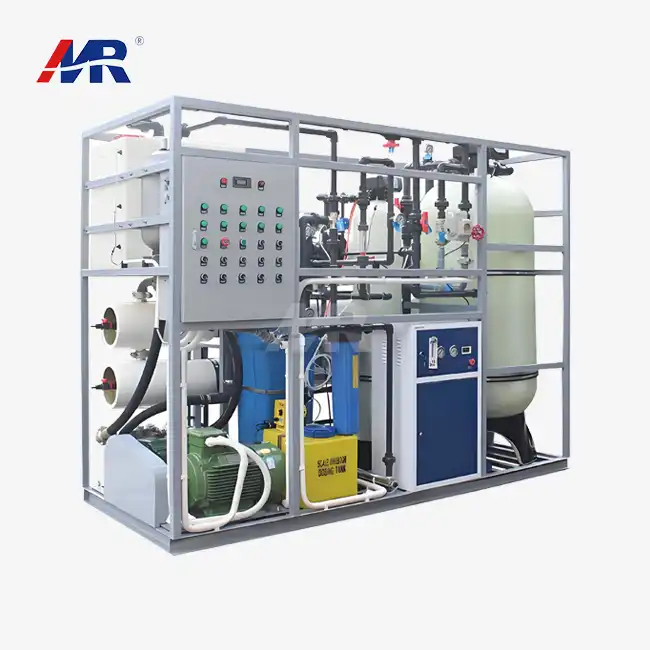 VIEW MORE2T/H seawater desalination plant
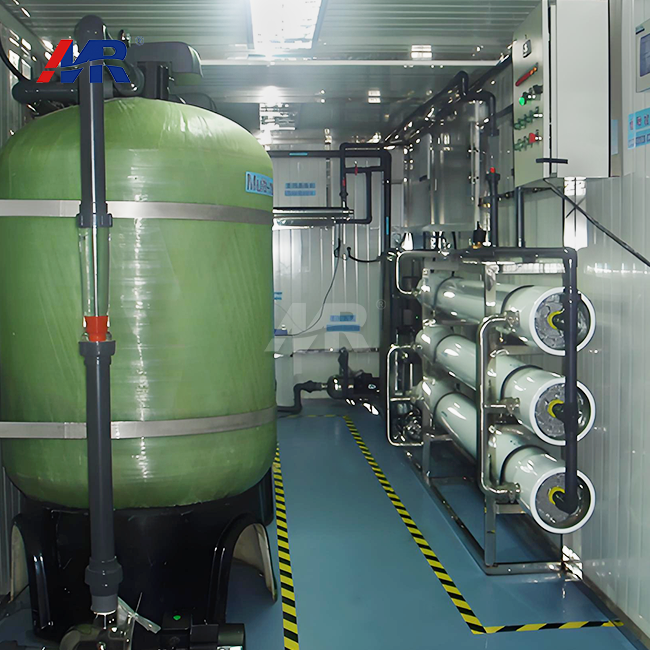 VIEW MOREContainerized Mobile Water Treatment Systems
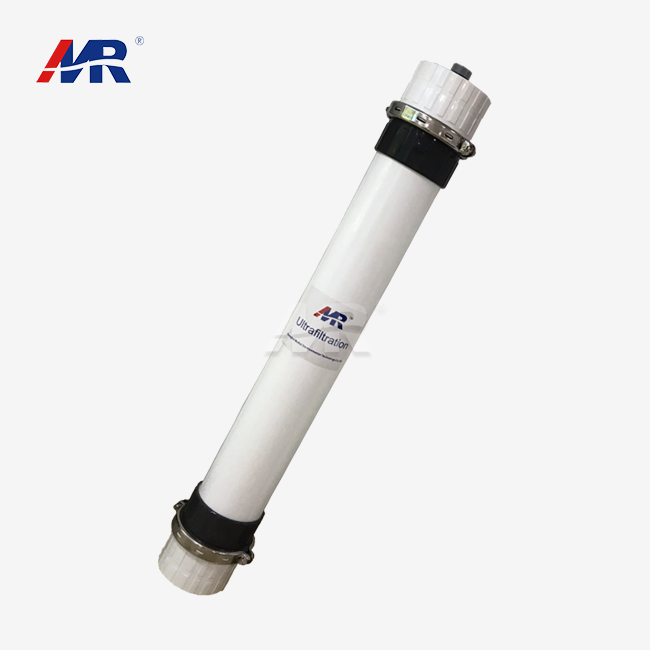 VIEW MOREultrafiltration membrane system
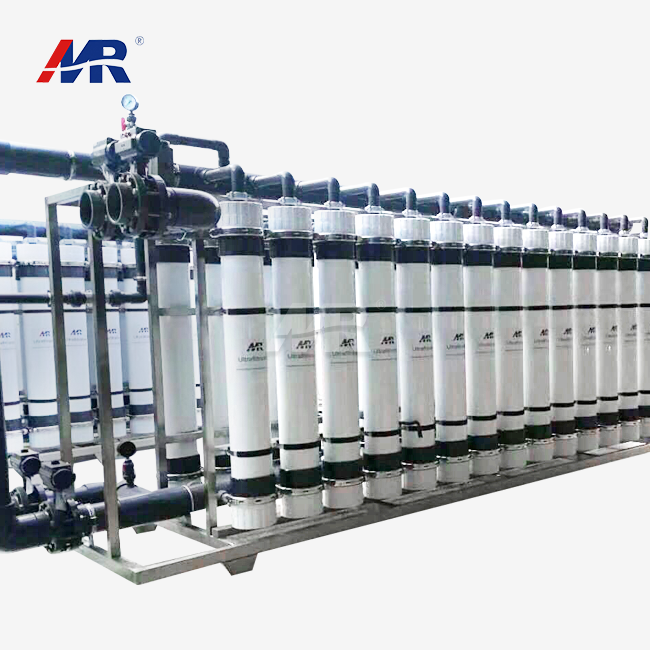 VIEW MOREUltrafiltration Systems
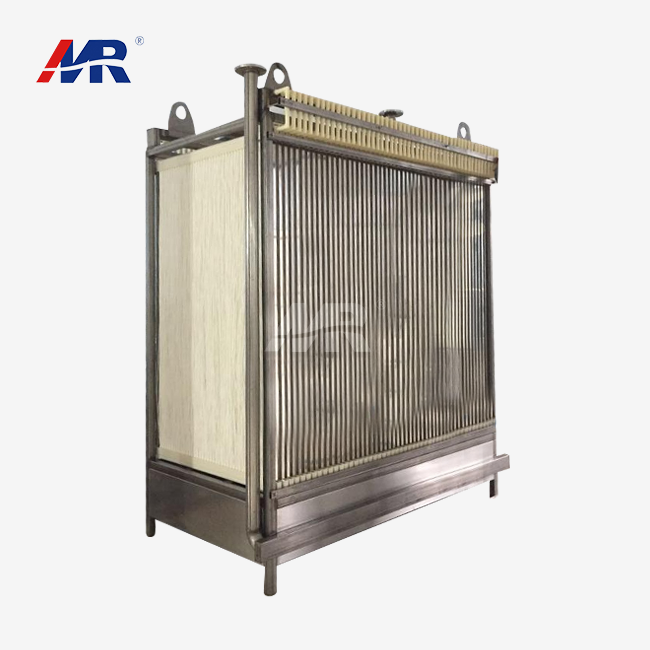 VIEW MOREmembrane bioreactor mbr
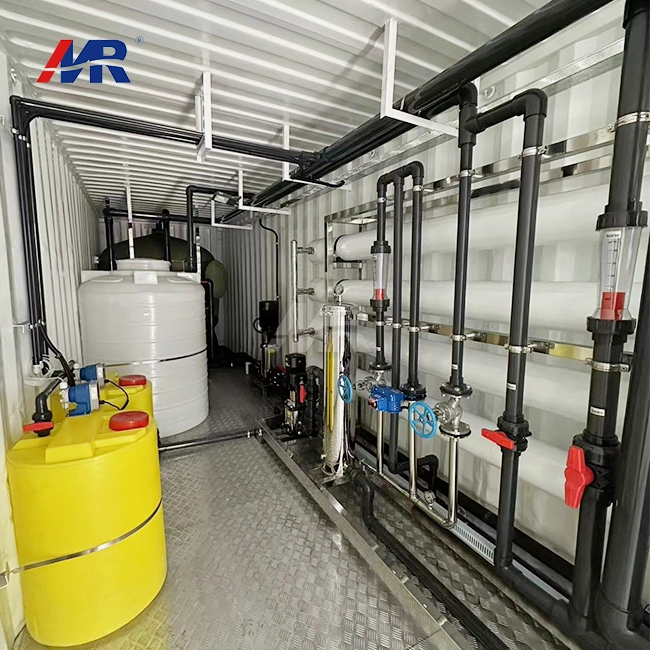 VIEW MOREcontainerized desalination plant
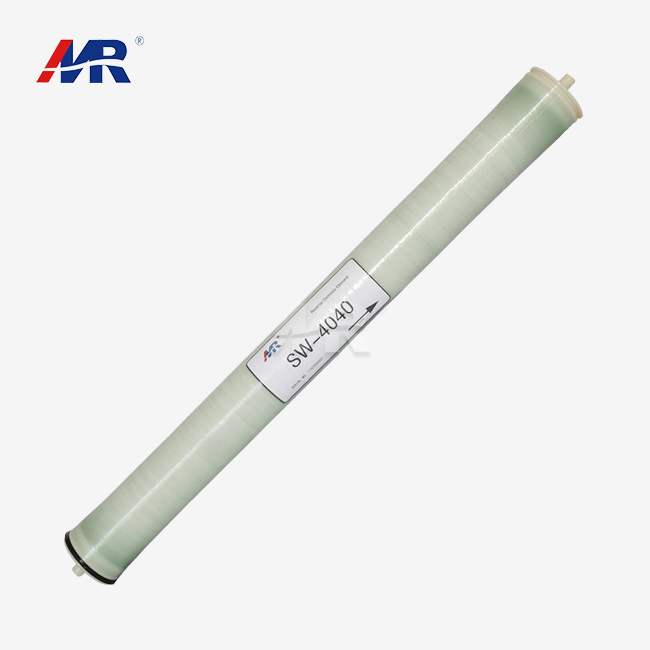 VIEW MORE4040 seawater reverse osmosis membrane
 VIEW MOREcontainerized RO equipment
