

_1745823981883.webp)

STP Water Treatment Plant Cost: A Practical Buyer’s Guide for 2026
Investing in an stp water treatment plant demands careful evaluation of cost versus performance, especially as environmental regulations tighten and operational efficiency becomes paramount. This guide helps procurement professionals, engineers, and facility managers navigate the complex landscape of Sewage Treatment Plant pricing. Whether you're upgrading an existing facility or planning a new installation, understanding the true cost drivers—from capital expenditure to lifecycle operational expenses—ensures your investment delivers compliance, sustainability, and measurable returns. We've analyzed current market conditions and technological advancements to provide actionable insights that support confident, budget-conscious purchasing decisions.
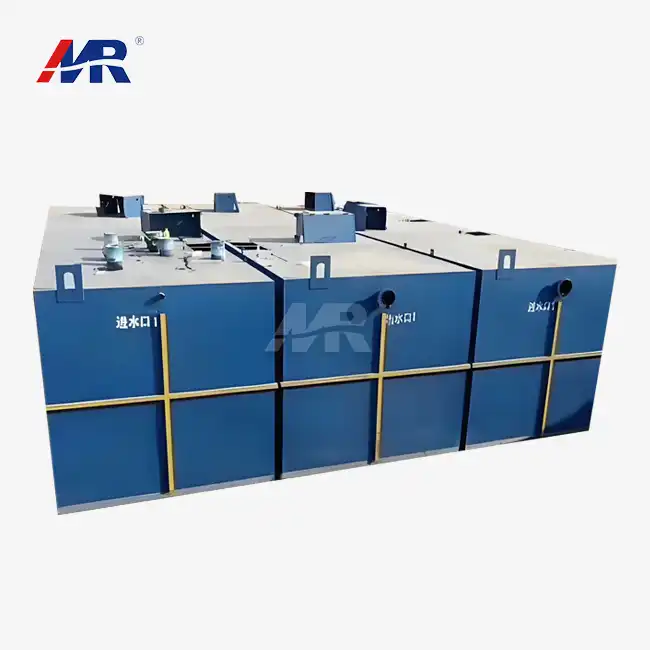
Understanding STP Water Treatment Plants: Fundamentals and Cost Drivers
What Is an STP and Why Does It Matter?
The term "STP water treatment plant" refers to a specialized, multi-stage engineering solution used to remove biological, chemical, and physical toxins from wastewater for residential and commercial use. The main goal is to make effluent that is safe for the environment and meets strict regulatory discharge limits for BOD (Biochemical Oxygen Demand), COD (Chemical Oxygen Demand), and TSS (Total Suspended Solids). For businesses and cities, these systems solve important problems like meeting EPA discharge standards, lowering smells near residential areas, reducing the size of infrastructure needed by modular designs, and lowering the costs of managing sludge and using a lot of energy for aeration.
Core Operational Processes and Their Cost Implications
Modern sewage treatment plants work in stages: preliminary treatment sorts debris and removes grit; primary treatment uses sedimentation tanks to separate solids; secondary treatment uses biological processes to break down organic matter; and advanced tertiary treatment may include MBR (membrane Bioreactor) systems for filtering and disinfecting before the final discharge or reuse. Each step adds a different amount to the total cost. For example, biological treatment needs aeration fans that use 0.3 to 0.5 kWh/m³. MBR setups add the cost of replacing membranes but produce better effluent quality. Design difficulty is directly related to treatment capability, which ranges from small 50 m³/day units for small sites to large 10,000 m³/day installations that serve cities or industrial parks.
Key Factors Driving STP Investment
Choosing the right technology has a big effect on both one-time and ongoing costs. Traditional activated sludge systems are cheaper to set up but use more energy. Moving Bed Biofilm Reactors (MBBR), on the other hand, have smaller footprints and require less maintenance. It depends on how easy it is to get to the site, how much civil work needs to be done, and how well it fits in with the existing infrastructure. Levels of automation also have an effect on prices. Fully automatic systems that can be monitored from afar cost more to set up but save money on labor. Regulatory compliance standards, especially new zero liquid discharge (ZLD) rules in areas with limited water, force facilities to use more advanced treatment technologies that cost more but keep them from getting fined or having to shut down.
Comparing STP with Other Wastewater Treatment Options: Impact on Investment
STP versus ETP: Functional Distinctions and Budget Considerations
Effluent Treatment Plants (ETPs) treat wastewater from factories that has heavy metals, chemicals, or other contaminants that need special treatment. Sewage Treatment Plants (STPs) treat wastewater from homes and cities. Because of the need for unique chemical dosing systems and special ways to handle toxic trash, ETPs usually cost 20 to 40 percent more. The right technology is chosen based on the make-up of your waste stream. For example, pharmaceutical companies need ETP systems to get rid of API (Active Pharmaceutical Ingredients), while apartment complexes need standard STP configurations. It is very important to accurately describe waste during the purchase phase because picking the wrong system can lead to compliance problems and costly fixes.
Biological versus Chemical Treatment: Long-Term Cost Analysis
Biological treatment methods in a stp water treatment plant use microorganisms that are found in nature to break down organic pollutants. They are cheaper to run because they use fewer chemicals. Chemical treatment speeds up reactions and handles shock loads well, but it makes more sludge and costs more in reagents over time. Modern mixed techniques use both methods—first chemical coagulation and then biological polishing—to get the best results while keeping costs low. Anaerobic digestion can be used in energy-efficient designs to make biogas that can be used to make electricity. This can help offset operational costs and contribute to sustainability goals that are becoming more important in regulated industries when it comes to procurement decisions.
Emerging Energy-Efficient Technologies Reshaping TCO
New ideas like aerobic granular sludge technology cut the energy needed for aeration by 30 to 50 percent compared to older activated sludge systems. Passive oxygen transfer makes membrane aerated biofilm reactors (MABR) use very little energy. These technologies cost 15–25% more than other technologies, but they pay for themselves in less than three years through cost savings. When procurement professionals look at the total cost of ownership (TCO) over 10 to 15 years, they find that energy-efficient systems consistently do better than budget options.
Detailed Breakdown of STP Water Treatment Plant Costs
Capital Expenditure Components and Price Ranges
Forty to fifty percent of all capital expenditures are spent on equipment, such as tanks, blowers, pumps, and control systems. For a 500 m³/day capacity, turnkey systems cost between $250,000 and $450,000, based on the amount of automation and treatment standards. For complicated industrial uses, custom-engineered solutions can cost up to $1,200 per cubic meter per day. Civil building, which includes concrete work, pipe networks, and site preparation, makes up 25 to 35 percent of the initial investment. Most of the time, design and engineering services add 10 to 15 percent, and permitting and commissioning add another 5 to 8 percent. When compared to traditional concrete construction, modular skid-mounted systems cut installation time and civil costs by 30%. This makes them a good choice for facilities that need to be set up quickly or that will need to grow in the future.
Operational Expenditure: Planning for Ongoing Costs
Most facilities spend most of their operating capital on energy, which costs about $0.15 to $0.25 per cubic meter treated based on 2026 US commercial power prices. For 500 m³/day MBR systems, replacing the membrane every 5 to 7 years costs between $40,000 and $80,000. Other maintenance tasks include servicing mechanical parts and calibrating instruments. Chemical costs for changing the pH, coagulation, and disinfection range from $0.05 to $0.12 per cubic meter, based on the properties of the input. Labor costs vary a lot. Fully automated systems only need 2-4 hours of user input every day, while traditional plants need full-time staff. The cost of getting rid of sludge is often underestimated during procurement. It can be anywhere from $80 to $200 per dry ton, depending on the method used for disposal and the rules in place in the area for managing biosolids.
Geographic and Scale Factors Influencing Total Investment
Coastal sites have to pay 15-20% more for tools because they need materials that don't rust in salty environments. Locations that are far away cost more to send tools and get services to. Economies of scale have a huge effect on unit costs. For example, when capacity is doubled from 500 m³/day to 1,000 m³/day, total spending only goes up by 60–70%, not 100%. This means that industrial parks can make money by using shared facilities. Costs vary 25–30% between states because of differences in labor rates, permit processing times, and utility connection fees. California and the northeastern markets have higher prices because of strict environmental rules and higher building costs. On the other hand, the southeastern and midwestern regions have more affordable prices for similar treatment requirements.
How to Choose the Best STP Water Treatment Plant Within Your Budget
Defining Your Capacity Requirements and Compliance Standards
First, do a full analysis of the wastewater to find out its flow rates, pollutant concentrations, and release limits. Peak flow capacity needs to be able to adapt to changes in daily and seasonal flow. If it's too small by just 20%, it can cause bypass events and regulatory violations. Figure out how much treatment capacity you need by multiplying your past water use by 0.8 to 0.9, which is the usual conversion factor from source to wastewater. To meet FDA or USDA guidelines, pharmaceutical and food processing plants need systems that can get rid of BOD, COD, and TSS with 99% efficiency. Municipal plants have to follow the rules set by the EPA's Clean Water Act, while industrial plants have to follow extra rules set by the states. Knowing these rules ahead of time keeps system upgrades from being too expensive and makes sure that procurement specifications are in line with legal requirements.
Matching Client Profiles to Appropriate Solutions
Flexible treatment systems for a stp water treatment plant that can handle changing loads are helpful for industrial makers who deal with different types of waste. Morui's flexible designs let the system's capacity grow from 50 m³/day to 10,000 m³/day without having to be replaced completely. Residential developers want plants to leave small footprints and make as little noise as possible, which makes packaged treatment plants perfect. Hotels, hospitals, and other businesses need systems that work well and have backups in case something goes wrong. Agricultural operations need cost-effective ways to treat their wastewater while staying within their budgets. They usually choose extended aeration systems because they are easy to use and don't require a lot of technical knowledge. By matching the right technology to the right application, over-engineering is avoided, which raises costs without providing the right benefits.
Evaluating Suppliers: Certifications, Track Record, and Support
Check that the providers you're considering have the ISO 14001 environmental management certification and follow the quality standards that apply, such as the ASME pressure vessel rules for tanks and the UL listings for electrical parts. Request case studies that show how installations have gone well in your industry. For example, pharmaceutical buyers should look for suppliers with GMP-compliant systems, while municipal clients need references from communities that are about the same size. Response times for both emergency repairs and regular upkeep are based on the service network availability. Guangdong Morui Environmental Technology has 14 offices and 500 workers, 20 of whom are specialized engineers. This makes sure that customers all over the United States can get quick technical help. Comprehensive warranties (at least 24 months for equipment and 12 months for consumables) and performance guarantees from suppliers lower long-term risk and total ownership costs.
Latest Trends and Innovations Shaping STP Water Treatment Plant Costs
Automation and Smart Monitoring Technologies
IoT-enabled sensors measure dissolved oxygen, pH, turbidity, and flow rates in real time. This allows for predictive maintenance, which cuts downtime by 40 to 60 percent. PLC-based automatic systems change the amount of aeration and chemical doses on the fly, which saves energy and makes the treatment more effective. With remote monitoring, operators can run various sites from a single control room, which cuts the amount of work that needs to be done by 30 to 50 percent. For medium-sized plants, these technologies cost an extra $50,000 to $150,000 at first, but they pay for themselves in two to three years through operational savings. Computer programs that use artificial intelligence look at past performance data to find the best ways to run biological processes. This is especially helpful for places where the traits or flow patterns of the inputs change with the seasons, making it hard to use traditional control methods.
Sustainability Requirements Driving Design Innovation
More and more green building standards, like LEED, require systems that reuse water. This forces facilities to use more advanced cleaning methods to make water that can be used in cooling towers, for landscaping, and in processes. Adding tertiary treatment stages like ultrafiltration and UV disinfection raises the cost of equipment by 25–35% but makes it possible to reuse water, which cuts the city's reliance on water supplies by 40–70%. Anaerobic treatment processes that make renewable biogas help businesses reach their carbon neutrality goals and lower their energy costs at the same time. Increasing rules about removing nutrients, especially limits on nitrogen and phosphorus to protect sensitive waterways, mean that biological nutrient removal (BNR) systems need to be set up in complicated and expensive ways. However, they are becoming required in many places. As companies' commitments to sustainability affect how they spend their money, decisions about what to buy take lifecycle environmental impact and financial metrics into account more and more.
Market Dynamics and Regulatory Outlook
Since recent problems with the supply chain have been fixed, equipment lead times have gone down from 12 to 18 months to 6 to 9 months for standard systems. This makes projects more predictable. However, there are still times when it's hard to get specialized membrane and automation parts. Prices for electrical parts and fabrications made of stainless steel are still 10-15% higher than they were before the pandemic and are not likely to go down much until 2026. The EPA is likely to set tighter limits on PFAS (per- and polyfluoroalkyl substances) that will affect both industrial and municipal dischargers. This could mean that expensive advanced oxidation or activated carbon systems need to be added to current plants. States are putting in place tiered price systems that reward reusing water and punish over-disposing of it. This makes treatment systems that can reuse water strategically beneficial, even though they cost more up front.
Conclusion
Choosing the right stp water treatment plant system means balancing short-term budget concerns with long-term operating challenges and changing regulatory needs. Procurement professionals can accurately evaluate proposals and negotiate better if they know what factors affect costs, such as the choice of technology, the level of automation, the amount of energy used, and the need for maintenance. The best installations make sure that the treatment capacity and performance specs exactly match the needs of the operation. This way, risks of not having enough capacity are avoided, and waste is avoided. As requirements for sustainability get stricter and worries about water shortages grow, investment in treatment infrastructure that is both efficient and scalable is a smart way to handle risk. Partner with experienced providers that offer tested technology, full support, and clear pricing to make sure that your investment provides compliance, dependability, and measurable value throughout its operating lifecycle.
FAQ
1. What are the primary factors influencing STP costs?
The main thing that affects costs is the amount of treatment that can be done. Bigger systems can get better economies of scale. Choosing the right technology has a big effect on the price. For example, basic activated sludge systems cost $400 to $600 per m³/day, while more modern MBR setups cost $800 to $1,200 per m³/day. The final price depends on how much automation is used, the type of material (carbon steel vs. stainless steel), the site conditions that require a lot of construction work, and strict discharge standards that need secondary treatment. The cost of both equipment and installation can vary by 20 to 30 percent depending on where you live.
2. How frequently does STP equipment require maintenance, and what are typical expenses?
Every month, routine maintenance includes checks, lubrication, and small adjustments. Depending on the complexity of the system, this can cost anywhere from $500 to $1,500. Every year, major maintenance like overhauling blowers and checking pumps costs between $8,000 and $15,000 for facilities that handle 500 m³/day. The most expensive part of MBR systems is replacing the membrane every 5 to 7 years, which costs between $40,000 and $80,000. Setting up maintenance contracts with experienced providers guarantees optimal performance and avoids expensive emergency fixes that can cost more than $20,000 for key component failures that stop treatment.
3. Can STP systems be customized for different industrial applications?
These days, treatment systems can be easily changed to fit the needs of different types of waste. Pharmaceutical facilities need systems that can handle drug leftovers by using advanced oxidation. Food processors need to be able to separate grease and hold more organic matter. Specialized biological or chemical processes are needed to get rid of colors in textile work. Morui creates treatment solutions with capacities ranging from 50 to 10,000 m³/day. These solutions are made in a modular way that lets them grow in stages. Customization includes the level of automation, the need for backups, and the amount of space available. Containerized systems work well for facilities with limited space, while traditional concrete buildings make big city installations last longer.
Partner with Morui for Cost-Effective STP Water Treatment Plant Solutions
Guangdong Morui Environmental Technology offers tried-and-true waste cleaning systems like the stp water treatment plant that are custom-designed to meet your needs and your budget. Our wide range of Products includes small 50 m³/day units as well as large 10,000 m³/day installations that can remove up to 99% of BOD, COD, and TSS while using only 0.3 to 0.5 kWh/m³. We are a well-known manufacturer with 14 locations, 500 workers, and 20 expert engineers. We offer complete solutions that include planning, equipment supply, installation, and commissioning. Our unified approach, which includes our own membrane production and relationships with companies like Shimge Water Pumps and Runxin Valves, makes sure that the parts we sell are of high quality and that our prices are affordable. Email our technical team at benson@guangdongmorui.com to talk about the details of your project and get a detailed price quote.
References
1. Water Environment Federation. (2025). Industrial Wastewater Treatment: Design and Cost Considerations for 2026. Alexandria: WEF Press.
2. Environmental Protection Agency. (2025). Clean Water State Revolving Fund: Cost Analysis of Municipal Wastewater Infrastructure. Washington: EPA Office of Water.
3. American Water Works Association. (2024). Membrane Bioreactor Technology: Performance and Economic Assessment. Denver: AWWA Publishing.
4. National Association of Clean Water Agencies. (2025). 2026 Wastewater Treatment Plant Cost Index and Construction Trends. Washington: NACWA Research Foundation.
5. International Water Association. (2024). Energy Efficiency in Wastewater Treatment: Global Best Practices and Cost-Benefit Analysis. London: IWA Publishing.
6. Water Research Foundation. (2025). Emerging Technologies in Sewage Treatment: Performance Evaluation and Total Cost of Ownership. Denver: WRF Technical Report Series.
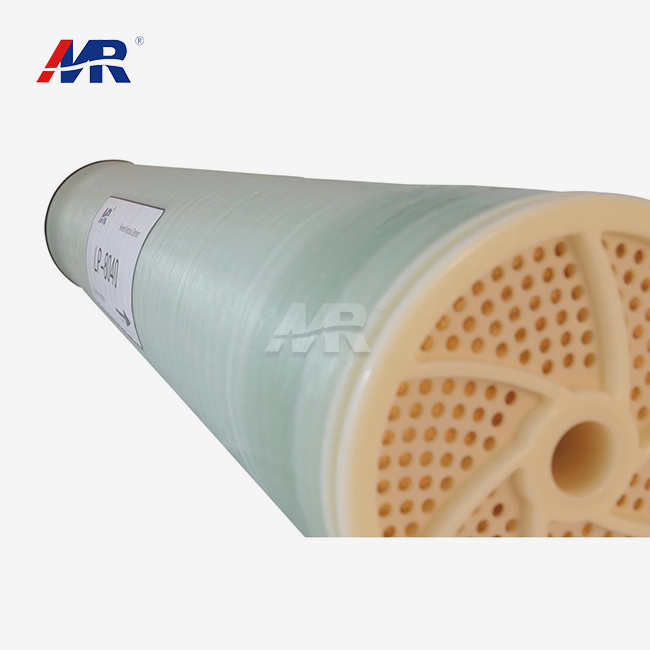 VIEW MOREmembrane used for reverse osmosis
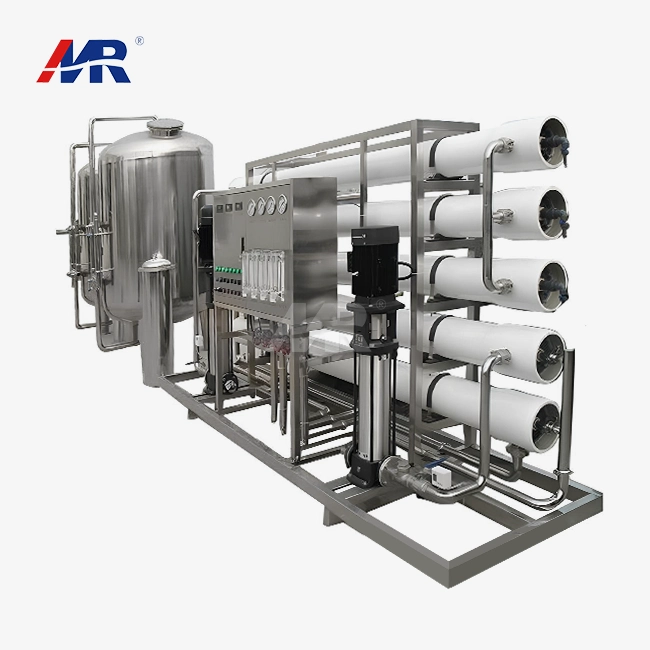 VIEW MOREbrackish water reverse osmosis
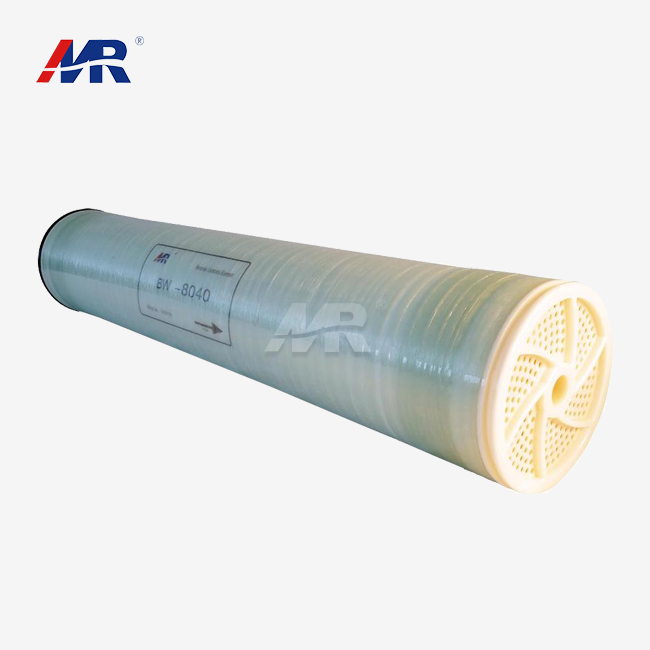 VIEW MORE8040 reverse osmosis membrane
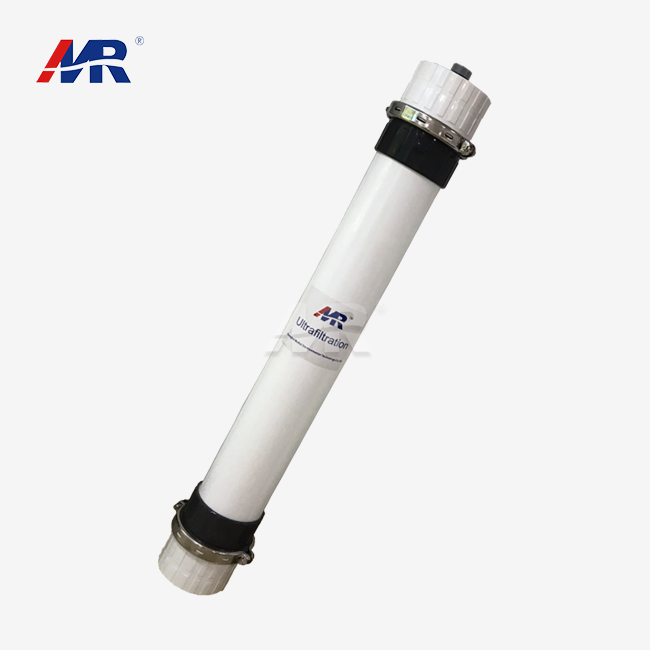 VIEW MOREultrafiltration membrane system
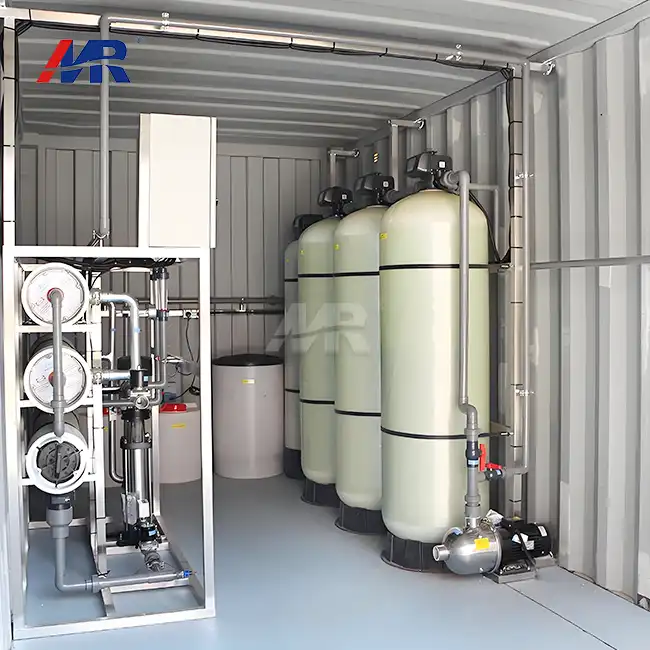 VIEW MOREcontainer ro equipment
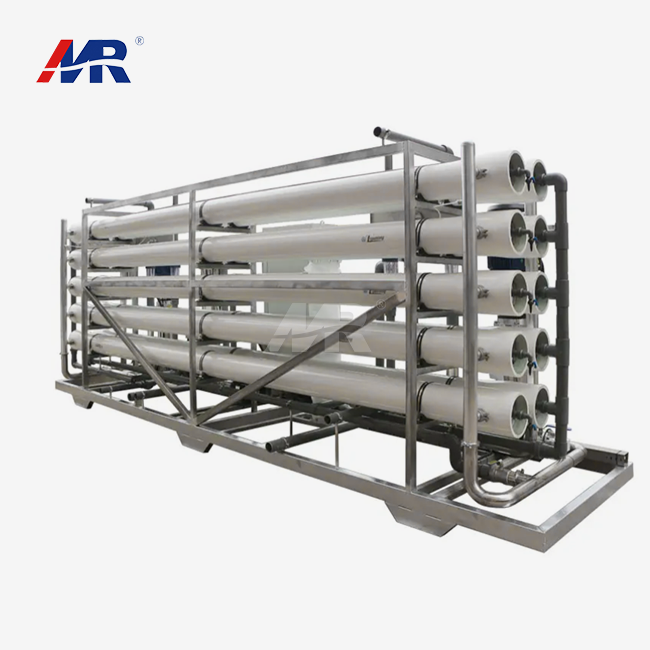 VIEW MOREbrackish water reverse osmosis systems
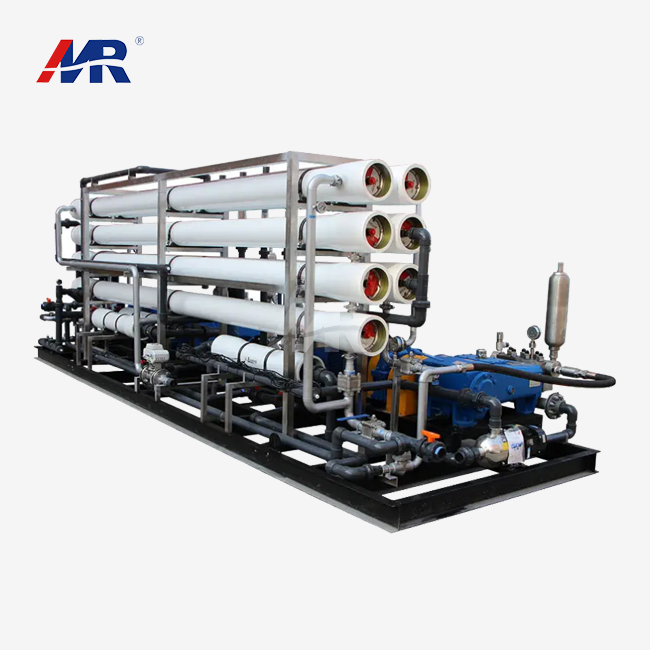 VIEW MOREseawater desalination machine
 VIEW MORE12m3/hour seawater desalination equipment
