_1745823981883.webp)

Modular Wastewater Treatment Plant Units for Remote Facilities
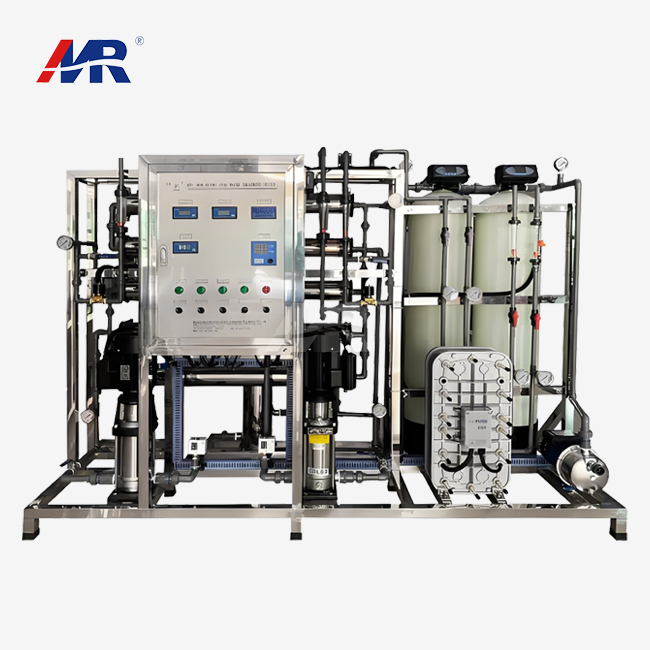
When remote mining operations, offshore platforms, or isolated manufacturing sites face the challenge of treating wastewater without municipal infrastructure, modular wastewater treatment plant units emerge as the practical answer. These compact, pre-fabricated systems integrate membrane bioreactor technology with biological processes to deliver efficient, compliant effluent treatment in locations where traditional centralized plants are economically or logistically impractical. Designed for quick deployment and minimal civil works, these units transform wastewater management from an operational burden into a streamlined, sustainable process that protects both the environment and your bottom line.
Understanding Modular Wastewater Treatment Plant Units
Facilities that are far away, like petrochemical plants in rural areas, food processing plants on farms, or study stations in tough environments, need wastewater solutions that work around a lot of problems. These problems can be solved by intelligent engineering in modular systems.
What Makes These Systems Truly Modular
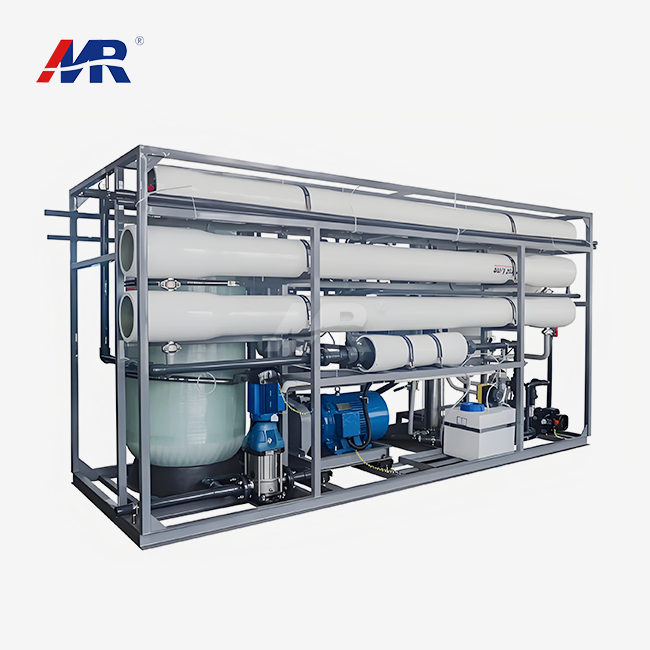
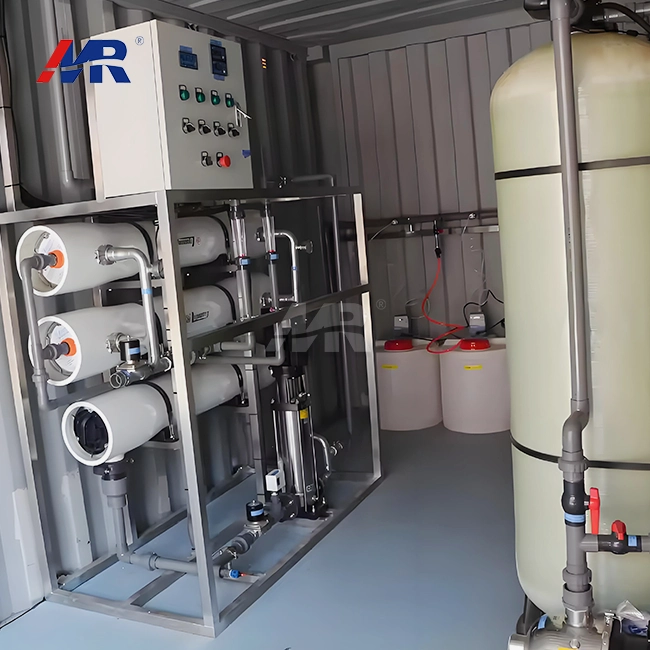
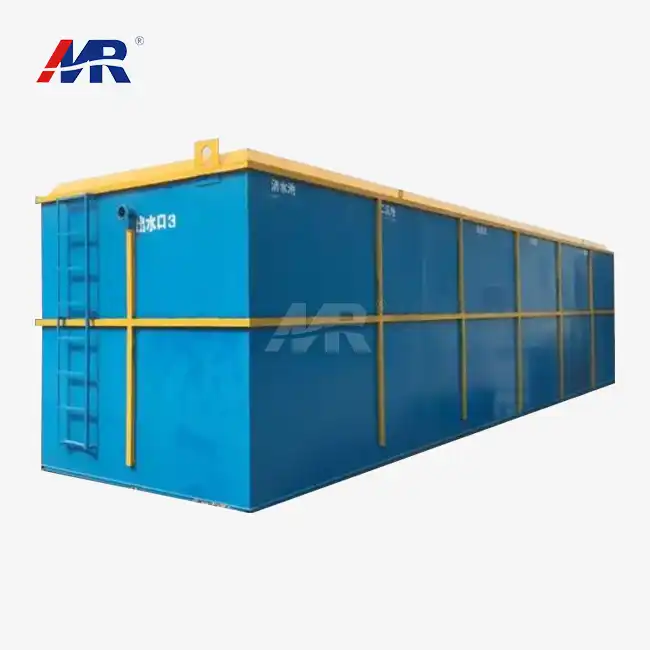
Unlike traditional plants that need months of concrete work and a lot of site preparation, containerized treatment units come already put together with all of their parts already attached. This method cuts assembly time by a huge amount while keeping treatment effectiveness. The modular design lets buildings start with a single unit that handles 10 cubic meters of waste every day and grow to multiple parallel units that handle 100,000 cubic meters as needs arise.
The main idea is putting together different steps of treatment—screening, biological processing, membrane filtration, and disinfection—into modules that can be moved around. Marine-grade materials, such as SS316L stainless steel and HDPE-lined construction, make sure that the pipes will last in corrosive settings while still meeting ASME B31.3 process plumbing standards.
Integrated Treatment Technologies
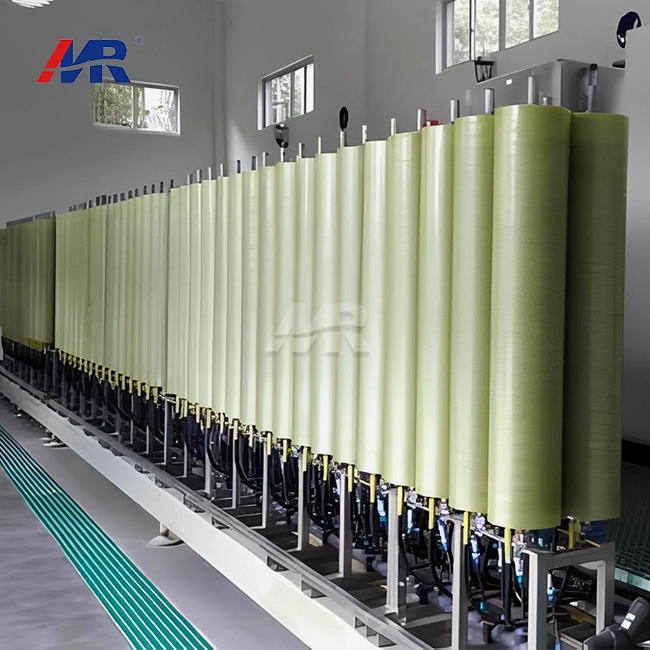
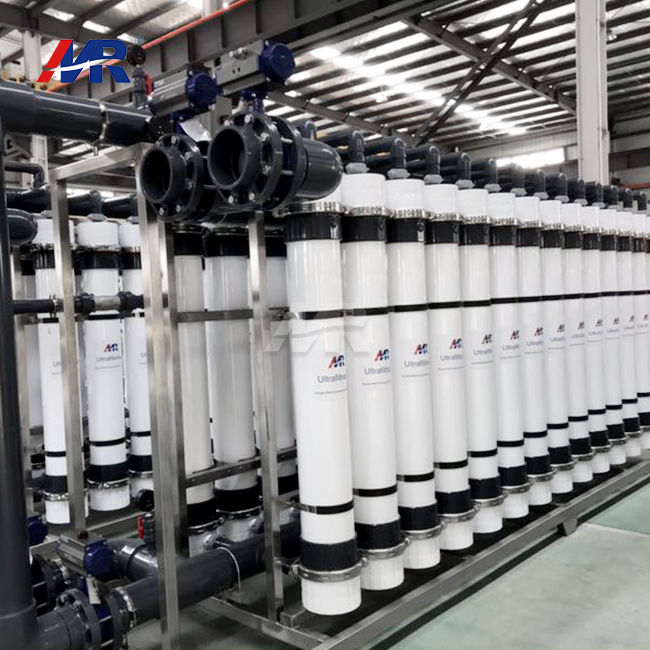
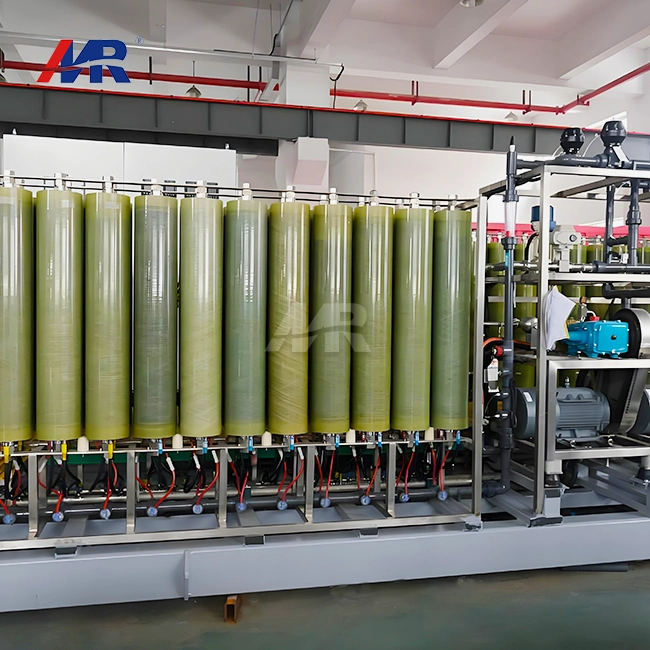
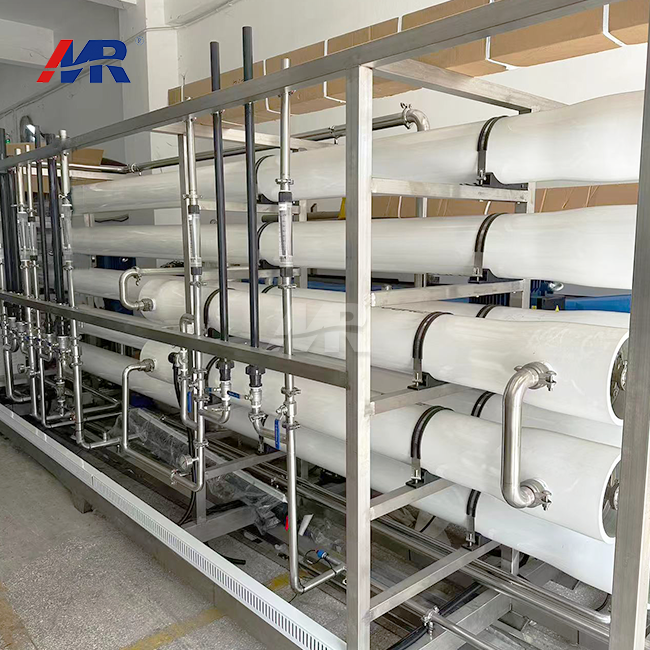
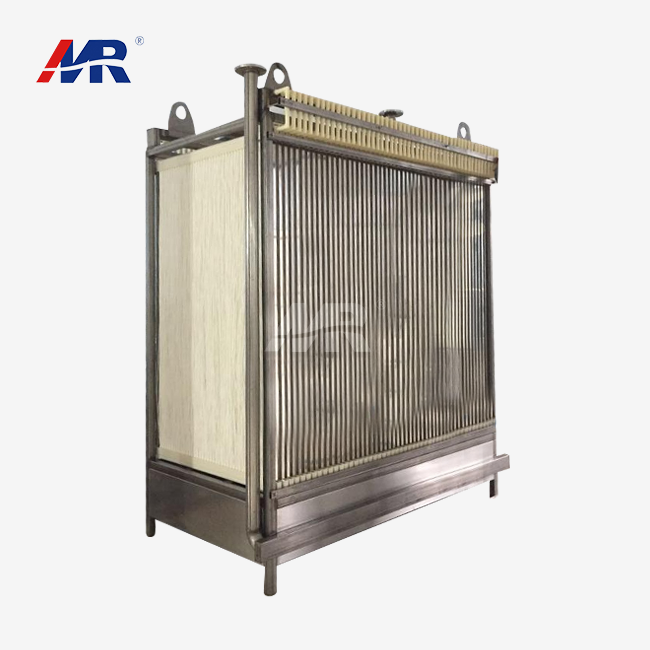
As the biological heart of modern packed systems, membrane bioreactors (MBR) or moving bed biofilm reactors (MBBR) are used. These technologies get rid of more than 99% of BOD and up to 95% of COD, which is better than regular activated sludge but takes up half as much space. When membrane filtration is used, secondary clarifiers are not needed at all, and the effluent is completely clear with a turbidity level below 1 NTU.
The treatment process always goes in this order: primary screening gets rid of debris, primary clarification settles heavy solids, aerobic and anoxic biological chambers break down organic pollutants and nutrients, ultrafiltration membranes separate treated water from biomass, and final disinfection makes sure that the water is free of pathogens. Automated methods for handling sludge finish the cycle with little help from a human.
Operational Simplicity Through Automation
In remote areas, there aren't always specialized wastewater operators available. We build systems with PLC-SCADA integration that handle regular tasks because we know this to be true. Variable frequency drive fans change the amount of aeration based on real-time readings of dissolved oxygen. This keeps the biological conditions at their best while keeping energy use to 0.3 to 0.5 kWh per cubic meter handled. Engineers hundreds of miles away can use secure internet connections to keep an eye on performance data, get maintenance alerts, and change working settings when remote tracking is enabled.
Benefits of Modular Wastewater Treatment Units for Remote Facilities
Standard wastewater infrastructure can't be used for operations that are far away because of the unique problems that come up. These problems are turned into manageable operational elements by modular units' purposeful design advantages.
Rapid Deployment When Time Matters
From planning to starting up, a traditional plant can take more than 18 months to build. This time frame is cut down to weeks by modular devices. Pre-fabrication in controlled factory environments makes it impossible to check the quality of materials on construction sites that are far away. Standard shipping crates make transfer possible to almost any place that can be reached by truck, train, or ship. When they get there, they connect the utilities and process pipes, which finishes the installation and lets the treatment start right away.
This speed was very helpful when a Texas pharmaceutical factory needed extra wastewater capacity after increasing production. Within three weeks, a modular MBR unit came, was set up in five days, and completed full treatment within the legal deadline. This prevented costly production delays and possible EPA fines.
Scalability Aligned With Growth
Things change in business. The amount of production changes. Environmental rules get stricter. These facts are taken into account by modular design, which allows for easy growth. Adding parallel treatment trains improves capacity without changing how things are done or having to rebuild the whole system.
The costs are better with flexible methods. Capital spending is based on real needs instead of guesstimated overcapacity. A food processing plant could put in a single 50-cubic-meter unit during the beginning stages of production and then add more of the same modules as output rises. This would spread out the investment over several years while keeping the treatment the same.
Resilience in Harsh Environments
Facilities that are far away from wastewater treatment plant units are often in tough places, like mine sites in the Arctic, farms in the tropics, and petroleum plants in the desert. Extreme temperatures ranging from -40°F to 120°F require strong building. Our systems have insulated housings, heating elements for cold places, and cooling features for very hot places. Materials that are resistant to corrosion don't break down in alkaline or acidic conditions, or in salty coastal air.
It's also important to have shock load protection. MBBR technology can handle rapid increases in organic loads that would make most biological systems unstable. When a factory that makes drinks releases strong cleaning solutions every once in a while, the biofilm carriers keep the treatment working when suspended-growth systems would fail.
Environmental Compliance Simplified
Different places have different rules, but overall, they are getting stricter. Limits on discharge are set by the EPA for industrial discharge, state-specific criteria for surface water quality, and local pretreatment ordinances. Advanced treatment setups get rid of more than 90% of the nitrogen and more than 95% of the phosphorus, meeting even the strictest standards.
Automated sampling systems and constant tracking keep track of compliance and make reports that regulatory agencies are happy with. This feature makes things easier for administrators and protects them legally against charges of violation.
How to Choose the Right Modular Wastewater Treatment Unit for Remote Facilities
To choose the right treatment method, you need to carefully look at the factors on-site, the type of wastewater, and the limitations of the system. Making decisions based on good information protects long-term investments and guarantees consistent performance.
Assessing Your Wastewater Profile
Understanding the characteristics of the influent is the first step in designing a treatment system. What contaminants need to be gotten rid of? Evaluating the amount of organic matter (BOD and COD) decides the size of the biological reactor. The amount of suspended solids changes the needs for screening and clearing. Depending on the nutrients present, nitrogen and phosphorus removal stages may or may not be needed. Specialty pollutants, like heavy metals from electroplating, phenols from petrochemical processes, or pharmaceutical leftovers, can be released by industrial processes. These pollutants need advanced oxidation processes or specialized media filters.
Flow patterns are just as important. Batch releases, which are common in food processing, are very different from steady, continuous discharge. Agricultural and tourist uses are affected by changes in the seasons. If you accurately describe the flow, you can avoid undersizing, which can lead to permit violations, or oversizing, which wastes money.
Technology Comparison Framework
Membrane bioreactors work best when space is limited or when high-quality wastewater is needed. When biological treatment is combined with ultrafiltration membranes, water that meets standards for non-potable return is directly made. With traditional activated sludge and sand filtration, 2,500 square feet are needed for the same level of treatment quality as a 1,000-square-foot MBR system.
Moving bed biofilm reactors are useful in situations where shock loads happen a lot or where the operator doesn't have a lot of experience. Attached-growth biomass can handle changes in the process better than floating cultures. MBBR systems also work better in cold weather, keeping biological activity going at temperatures that are hard for regular plants.
Sequential batch reactors are a cheap way to handle variable flow in smaller facilities. Using timed steps, these systems do all four stages of treatment—filling, reaction, settling, and discharge—in a single tank. This saves space and gets rid of nutrients very well.
Customization and Future-Proofing
Standard setups work well for many uses, but problems at a specific spot often require customization. We design changes that work with specific problems, like vertical orientation when there isn't much ground space, explosion-proof electrical systems for dangerous areas, built-in adjustment pools to slow down flow, or advanced oxidation stages for difficult organics.
It is cheaper to plan for growth from the start than to try to fix problems after the fact. It costs a little more to put extra electrical panels, make extra pipe connections, and plan civil works to make room for more units, but it will save a lot of money in the long run when you need to expand.
Procurement Considerations for Modular Wastewater Treatment Units
Choosing the right tool is only one part of a successful application. Long-term project success depends on the procurement strategy, the review of suppliers, and the lifetime cost analysis.
Evaluating Suppliers Beyond Price
Initial capital costs are just a portion of the investment. Reliable suppliers, Technical support, and simple replacement part availability substantially impact operational performance. Guangdong Morui Environmental Technology Co., Ltd.'s 14 branches, 500 people (including 20 specialist engineers), and vertically integrated membrane and equipment production provide comprehensive assistance.
Quality for wastewater treatment plant units is measured objectively via Certifications. Compliance with ISO 12944 ensures corrosion-protection systems meet global requirements. IEC 60204 certifies electrically safe control panels. Suppliers that satisfy these requirements demonstrate quality beyond their advertising. Referrals from comparable setups are valuable. Site managers may reveal system reliability, manufacturer response, and long-term performance that specification papers don't indicate.
Understanding Total Cost of Ownership
Over 10 years, the purchase price accounts for 40–60% of expenses. Energy, chemicals, membrane renewal, and maintenance make up the remainder. For a facility that consumes 1,000 cubic meters of water daily, 0.3 kWh vs. 0.5 kWh power expenses may be $50,000 a year.
Different technologies need different upkeep. Membrane systems require cleaning and replacement, whereas MBBR carriers endure decades. You must estimate how much each alternative will cost over a reasonable period, generally 15–20 years for modular plants, to determine these differences.
For new or small enterprises, swift financial changes are crucial. Leasing converts capital expenditures into operational expenses. Expert service firms take technical risk with maintenance contracts. Advanced wastewater treatment is possible for organizations with limited funds and technical personnel using these approaches.
Installation Coordination
Even modular systems require proper site setup. Level foundations to support equipment weight, energy with the proper amps and voltage, and process linkages to existing collection systems need provider and owner collaboration. Clear interaction points prevent costly finger-pointing during commissioning.
Read warranty terms carefully. Types of parts covered? How long does it last? Do warranties need manufacturer maintenance, or may third-party services be used? Knowing these facts prevents equipment breakdown discussions.
Real-World Case Studies: Modular Wastewater Solutions in Remote Facilities
Theoretical benefits don't mean much if they can't be proven in real life. These examples show how modular systems can be used to solve real operational problems in a wide range of settings.
Municipal Application: Island Community Water Resilience
Old facilities on a 5,000-person island hamlet 40 miles out at sea couldn't satisfy new discharge limits. At $8 million, conventional plant replacement was too costly due to site shortages, high construction costs, and logistical issues.
The city invested $2.1 million in containerized MBR units that can handle 800 cubic meters of water per day. Ocean freight delivered six pre-built apartments to the island. In four weeks, local contractors built the foundation and connected utilities. The system fulfilled all standards and reduced nitrogen output by 85% compared to the previous plant when it started.
The operational advantages extended beyond compliance. The automated system eliminated three full-time jobs. Only part-time tracking was needed. Remote diagnosis by mainland professionals reduced expensive specialist travel. After three years, the neighborhood reports 40% lower maintenance expenses and effluent quality that surpasses permit requirements.
Industrial Application: Food Processing Facility Expansion
A dairy processing business in rural Wisconsin intended to quadruple its production capacity, producing 300 cubic meters of effluent daily. The present treatment pond system was adequate for previous loads, but it couldn't manage increasing levels while fulfilling surface water phosphorus discharge restrictions.
Instead of installing a $1.8 million, 18-month activated sludge plant, the business selected a portable MBBR technology. The $780,000 repair backup included two 150-cubic-meter trains running simultaneously. Four months after ordering, it arrived. It took two weeks to install and a few days to commission.
The 40-by-60-foot size protected area for future industrial structures. When biological phosphorus removal outperformed chemical precipitation, chemical expenses dropped $22,000 annually. Most importantly, phased commissioning enabled production to develop on schedule, paying for the treatment investment in 14 months.
Agricultural Application: Sustainable Aquaculture Operations
A Maine coastal fish farm raising Atlantic salmon needs high-tech water treatment for its recirculating aquaculture system. Fish need clean water with minimal pathogens and dissolved organics. Tools and technical assistance were tougher to procure due to the isolated seaside location.
Ultrafiltration, biological filtration, and UV disinfection in a bespoke modular system processed 500 cubic meters of water daily and kept running. The complete installation included automated monitoring of aquatic species-critical parameters such as dissolved oxygen, pH, ammonia, nitrite, and turbidity.
Results exceeded expectations. Fish died 30% less than with the traditional flow-through system. Water consumption was reduced by 95%, reducing pumping costs and environmental harm. The closed-loop technology permitted year-round production, even in harsh winters. This prolonged growth and increased revenue. The farm's waste management helped them get organic certification. Selling its goods at higher prices more than covered cleaning costs.
Conclusion
Remote sites need wastewater treatment options that work with how they operate, like small systems that can be set up quickly, work reliably with little staff, and can be expanded as business needs change. These features are made possible by modular wastewater treatment plant units that use integrated technologies, smart automation, and strong construction that has been tested in many different settings. Whether they're used to support city infrastructure on remote islands, help businesses grow in rural areas, or promote sustainable farming, the right flexible systems can turn wastewater management from a problem to a competitive advantage. When regulatory pressures, environmental responsibility, and economic realism come together, they make it necessary for remote businesses around the world to use treatment methods that are both complex and useful.
FAQ
1. What is the typical lifespan of modular wastewater treatment systems?
Modular pieces that are well taken care of can work well for 15 to 25 years. Corrosion-resistant materials are often used to make structural parts like tanks and frames that last longer than 20 years. Every 7 to 12 years, mechanical equipment like fans, pumps, and valves needs to be replaced or given a major update. In MBR systems, membrane parts need to be replaced every 5 to 8 years, based on the type of water that goes into the system and how it is cleaned. This is better than normal plants, where the main equipment only lasts 30 to 40 years, and many parts need to be replaced during that time.
2. Can modular systems expand to handle increased wastewater volumes?
Scalability is one of the most important design principles of modular architecture. When you add multiple treatment trains, you can handle flow growth of up to several hundred percent of the original capacity. Installing more modules with pipes connecting them is part of the process. This is usually done during short breaks in operations. This method gives you flexibility that you can't get with solid concrete buildings that need to be torn down and rebuilt in order to grow. Proper planning at the start, including making sure that the electricity systems and pipes are big enough, makes future improvements much easier.
3. How do modular units compare to traditional plants regarding energy efficiency?
Advanced modular systems often use less energy than older systems in a number of ways. Variable frequency drive fans and fine bubble aeration diffusers improve oxygen flow while reducing power use. Compact designs cut down on the distance and changes in height needed for pumps. Traditional extended aeration plants use 0.6 to 0.8 kWh of energy per cubic meter, but modern MBR designs only use 0.3 to 0.5 kWh. Over decades of use, the economic benefit builds, saving a lot of money on energy costs.
Partner With a Trusted Modular Wastewater Treatment Plant Units Supplier
To find the best wastewater treatment options for remote facilities, you need to know about regulations, treatment technologies, and how to put them into practice. Morui specializes in providing turnkey flexible systems that are designed to work in difficult environments around the world. Our vertical integration—from making membranes to putting tools together to starting up the project on-site—ensures quality control and quick help throughout the entire lifecycle of your project.
We want people who work in buying, building management, and engineering to look into how our custom solutions can help you with your wastewater problems. You can email our applications engineering team directly at benson@guangdongmorui.com to get full technical specs, case study documentation, and preliminary system ideas. Our experienced consultants offer free site assessments, flow analyzes, and budget estimates to help you make smart choices. There is no obligation to use their services. Morui makes reliable, efficient wastewater treatment plant units that work when and where it matters most.
References
1. Metcalf & Eddy, Inc. (2014). Wastewater Engineering: Treatment and Resource Recovery (5th ed.). McGraw-Hill Education.
2. United States Environmental Protection Agency. (2021). Emerging Technologies for Wastewater Treatment and In-Plant Wet Weather Management. EPA 832-R-21-006.
3. Judd, S., & Judd, C. (2011). The MBR Book: Principles and Applications of Membrane Bioreactors for Water and Wastewater Treatment (2nd ed.). Butterworth-Heinemann.
4. Water Environment Federation. (2018). Design of Water Resource Recovery Facilities: Manual of Practice No. 8 (6th ed.). McGraw-Hill Education.
5. Qasim, S. R. (1999). Wastewater Treatment Plants: Planning, Design, and Operation (2nd ed.). CRC Press.
6. International Water Association. (2020). Decentralized Wastewater Treatment Systems: Design and Implementation Strategies. IWA Publishing.