

_1745823981883.webp)

How EDI Water Purification Removes Ions Without Chemical Regeneration
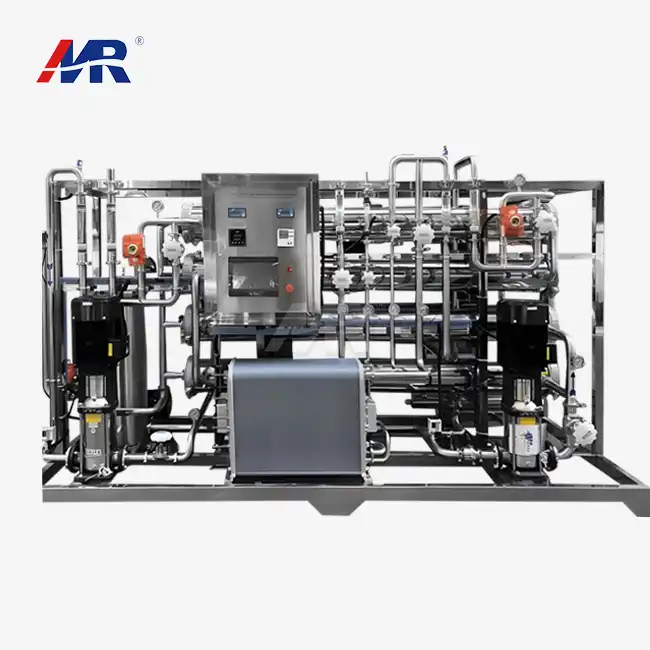
Electrodeionization represents a breakthrough in industrial deionization technology. EDI water purification combines ion-exchange membranes, specialized resin beds, and direct current to achieve continuous ion removal without hazardous chemical regenerants. This electrochemical process generates high-resistivity water exceeding 18 MΩ·cm by driving ionic contaminants through selective membranes while the electrical field continuously regenerates the resin in place. Unlike traditional systems requiring caustic acids and bases, this method delivers ultrapure water consistently, safely, and sustainably—addressing the most pressing operational and environmental challenges facing procurement professionals across pharmaceutical, semiconductor, power generation, and laboratory sectors.
Understanding the Challenges of Traditional Ion Removal Methods
Industrial facilities have long had trouble with the problems that come with using traditional deionization methods. Traditional ion exchange systems need to be regenerated on a regular basis using strong hydrochloric acid and sodium hydroxide, which is very bad for the environment and poses safety risks for workers. Each regeneration cycle creates hundreds of gallons of treated wastewater that needs to be disposed of in a specific way. This directly leads to higher running costs and more work to do to meet regulations.
Operational Disruptions From Chemical Regeneration
Production stops during the resin exhaustion and regeneration cycles, wasting a lot of time and money. Usually, a chemical refill takes four to six hours of downtime, which means that no ultrapure water can be made. This problem affects production schedules in many fields that need a steady supply of water, such as pharmaceutical sterile processing and semiconductor wafer fabrication.
Cost Implications of Chemical Handling
Aside from the cost of buying regeneration chemicals, facilities must also think about the cost of building storage facilities that meet hazardous material standards, providing workers with the right safety gear, setting up emergency spill response systems, and keeping an eye on the environment all the time. These extra costs can be two or three times higher than the direct costs of chemicals, which cuts into profits a lot.
Environmental and Regulatory Pressures
In many places in the US, the rules for getting permission to discharge wastewater for recycling have become stricter. More and more pressure is being put on facilities to use fewer chemicals and make less trash. In fact, some cities and towns are putting limits or charging extra for high-TDS industrial discharges. People who make decisions about purchases now know that the technologies they choose for treating water have long-term effects on environmental compliance that go far beyond the initial capital costs.
The Science Behind EDI Water Purification: How Ions Are Removed Without Chemicals
Understanding the electrical principles behind electrodeionization makes it clear why this technology works better without using renewal chemicals. The system design is made up of three useful parts that work together to make continuous deionization possible.
Ion Exchange Membrane Technology
The EDI stack is split into concentrate and weak areas by cation and anion exchange layers. Certain types of polymer films let certain ions pass through. Anion membranes let negatively charged species pass through, while cation membranes only let positively charged ions pass through. Because of this selective permeability, the applied electrical field can constantly move ionic toxins from the stream of product water into the stream of concentrate rejection.
Electrical Current-Driven Ion Migration
Ions that have been released move toward their respective electrodes when direct current is applied across the membrane stack. Ion-selective membranes allow the ions to move in a controlled way. Cations move toward the cathode and anions move toward the anode. This electromigration happens at the same time as ion exchange in the resin beds, making a hybrid mechanism that works much better than either technology working on its own.
Continuous Resin Regeneration Mechanism
The revolutionary idea of edi water purification is that the electrical field splits the water molecules in the plastic bed, making hydrogen and hydroxide ions right there. These ions keep moving the toxins they've caught from the resin exchange sites. This keeps the resin in a state where it's always being renewed without any extra chemicals. This electrochemical regeneration gets rid of all downtime, waste, and the need to handle chemicals.
Ionic contaminants are removed very thoroughly by the process. Ions of sodium, calcium, magnesium, chloride, sulfate, nitrate, and bicarbonate are easily removed, along with trace metals like iron, manganese, and copper. Product water usually has a resistivity of 15.2 to 18.2 M©·cm, with total organic carbon levels below 10 ppb and silica levels below 1 ppb. This meets the strictest requirements for pharmaceuticals and semiconductors.
Comparing EDI to Other Water Purification Technologies for Industrial and Laboratory Use
When procurement workers look at investments in water treatment, they need to know how electrodeionization compares to other methods in a number of performance areas.
EDI Versus Reverse Osmosis Systems
Reverse osmosis is great at cleaning the feedwater first because it uses semi-permeable membrane filters to get rid of 95–99% of the dissolved solids. RO, on the other hand, can't reach the amounts of resistivity needed for many industry uses by itself. When used with EDI as the last step in the polishing process, it produces ultrapure water and increases water recovery rates to above 90%. Compared to RO-only systems that need extra passes or mixed-bed deionization, this combined method saves water and lowers the amount of waste that is released.
EDI Versus Traditional Ion Exchange
Conventional mixed-bed deionizers produce great water quality, but they need to be regenerated often, which causes the problems we talked about earlier. Even though mixed-bed systems may have a lower initial cost, electrodeionization has a much lower total cost of ownership over the life of the system. Cost savings from not having to buy chemicals, get rid of waste, and hire people to do regeneration processes usually pay for themselves in 18 to 36 months, though this depends on the size of the building and how much water it uses.
EDI modules can last seven to ten years if they are properly pretreated and maintained. This is a lot longer than the three- to five-year replacement cycles that are common for mixed-bed resin. This longer operating life cuts down on the number of replacements needed and the labor costs that come with them by a large amount.
Energy Efficiency Considerations
Power usage is one of the most important criteria for judging places that use a lot of energy. Modern edi systems use only 0.1 to 0.3 kWh of energy per cubic meter of output water, which is much less than distillation, which can use more than 15 kWh/m³. Even though the electrical current that moves the ions around adds to the facility's power needs, the process of treating water often uses less energy overall because it doesn't have to mix chemicals with heat or run long rinse cycles.
Key Benefits of EDI Water Purification for B2B Procurement
Electrodeionization technology has strategic benefits that go far beyond its technical performance. People who make decisions about purchases based on total value will find that the investment case is supported by many business benefits.
Operating without chemicals completely changes how safe a facility is and how the government regulates it. Getting rid of storage for acids and caustics lowers the risk of catastrophic spills, lowers insurance rates, and makes it easier to keep up with environmental permits. Facilities don't need special equipment to keep chemicals contained, safety training, or emergency plans for handling renewal chemicals. This makes things easier so that resources for environmental health and safety can focus on main production tasks instead of water treatment tasks that aren't necessary.
Continuous running without regeneration downtime makes output much more reliable. Pharmaceutical formulation, electronics cleaning, and lab analytical tools all count on a steady supply of ultrapure water. Manufacturers can be more confident in their processes knowing that the deionization system keeps the product quality high all the time. This dependability directly helps with quality assurance goals and lowers the chance of expensive production batches being thrown out because of changes in water quality.
The small, modular design of electrodeionization equipment saves space, which is especially useful for retrofitting or buildings with limited floor space. Our systems can handle flow rates from 0.5 to 50 m³/h and take up a lot less space than similar mixed-bed deionizer trains. This frees up important production space that can be used for activities that make money.
Compared to traditional methods, edi water purification systems require a lot less maintenance. The main ongoing upkeep tasks are checking electrical parameters on a regular basis and doing clean-in-place processes every so often. This makes the system easier to use by lowering the level of specialized technical knowledge needed. This means that existing facility staff can manage the equipment with little extra training.
Selecting and Procuring the Right EDI Water Purification System
To match the system's powers to the needs of the building, a lot of technical and business factors must be carefully considered. To get the most out of both performance and business value, procurement managers should follow a structured method to the selection process.
Capacity and Scalability Assessment
The basis for system size is figuring out the correct flow rate based on current usage and expected growth. If the equipment is too small, it won't be able to handle high demand times, and if it's too big, it will make capital costs go up for no reason. Our engineering team helps clients look at production schedules, changes with the seasons, and plans for growth to figure out the best capacity with the right safety factors.
System scalability lets you add capacity in stages as your business grows. Adding parallel EDI stacks to increase throughput without replacing the whole system is possible with modular architectures. This protects the initial investment while adapting to changing needs over the lifecycle of the facility.
Feed Water Quality Requirements
The right preparation is very important for both the performance of EDI and the life of the module. Usually, feedwater needs to be reverse osmosis permeate with a hardness level below 1 ppm, a silica level below 0.5 ppm, and few oxidants that could harm membranes. Getting rid of carbon dioxide through membrane degassing before the EDI stack stops this weakly ionized species from lowering the product water resistance. Facilities that don't already have reverse osmosis (RO) equipment should plan to buy full combined systems that do filtration, softening, RO, and electrodeionization all at the same time.
Integration With Existing Infrastructure
Integration with the facility's water storage, distribution, and tracking systems that works without a hitch improves working efficiency. Our installation teams work with plant engineering to make sure that building automation systems work properly with them. This lets us monitor them from afar and protect them from shutting down automatically. During the purchase process, it is important to know about the current pipe materials, valve configurations, and control logic. This will help you avoid having to make expensive changes during commissioning.
Total Cost of Ownership Analysis
To figure out true lifecycle economics when comparing quotes, you have to look at more than just the initial purchase price. Total cost estimates that are based on facts include how much energy will be used at the expected production levels, how much new modules will cost, how much upkeep will be needed every year, and how long the system is expected to last. We give detailed running cost models that help financial decision-makers compare rival proposals on the same level. This makes sure that choices about where to put capital are in line with long-term goals for profitability.
Supplier Qualifications and Support
Choosing a partner has effects that last for as long as the method is in use. The services that Guangdong Morui Environmental Technology offers are very broad. They make equipment, install it completely, help with setup, and provide ongoing expert support. We offer complete solutions backed by our extensive technical knowledge and quick service infrastructure. We have over 500 workers, including 20 specialized engineers, 14 regional branches, and our own membrane production facilities. Our relationships with top component makers like Shimge Water Pumps, Runxin Valves, and Createc Instruments make sure that the system is reliable by using high-quality parts that are easy to find replacements for.
Conclusion
Edi water purification electrodeionization technology solves the main problems with chemical-based ion removal by combining electrochemical principles and membrane separation in a very smart way. Continuous production, no need for chemicals, less maintenance, and better water quality are some of the operational benefits that come from this. They are very valuable in pharmaceutical, semiconductor, power generation, food processing, and lab settings. As rules about the environment get stricter and companies try to be more environmentally friendly, switching from regular chemical regeneration to continuous electrodeionization is a smart move that is also a responsible thing to do. Electrodeionization systems offer the best mix of performance, reliability, and lifecycle costs for procurement workers looking at investments in ultrapure water.
FAQ
1. What feedwater quality does EDI technology require?
To make sure they work right and last a long time, electrodeionization systems need reverse osmosis permeate as feedwater. To keep the membrane from getting damaged, the hardness must stay below 1 ppm, the carbon dioxide level must be kept as low as possible by degassing, and oxidizing agents must be removed. If the feedwater has too many minerals or organic compounds, the resin beds will get dirty, and the process will not work as well.
2. How long do EDI modules typically last?
Quality EDI modules have service lives of seven to ten years if they are properly pretreated and maintained on a regular basis. This operational period is a lot longer than the usual mixed-bed resin replacement cycles. This lowers long-term operating costs and cuts down on system downtime for part changes.
3. Can EDI systems remove organic contaminants and microorganisms?
EDI technology is mostly used to target dissolved ionic species. Microbes can't grow too much in the electrochemical environment, but the process isn't meant to get rid of biological or organic material. After the EDI stack, full treatment trains usually include UV cleaning and ultrafiltration to completely get rid of microbes and make sure the product water meets all quality standards.
Partner With Morui for Chemical-Free Ultrapure Water Solutions
Guangdong Morui Environmental Technology is a reliable manufacturer that serves industrial clients all over the United States with its proven edi water purification systems. Our cutting-edge machinery can reach resistivities of up to 18.2 M©·cm and completely avoids chemical regeneration. This is made possible by our ability to manufacture everything in-house and our nationwide service network. Technical decision-makers, site managers, and buying professionals are welcome to look into how our custom solutions can meet your needs for ultrapure water. Email our engineering team at benson@guangdongmorui.com to talk about your needs and get full technical advice along with a reasonable quote.
References
1. American Water Works Association. (2018). Electrodialysis and Electrodeionization. Manual of Water Supply Practices M38, Denver, Colorado.
2. Ganzi, G. C., Jha, A. D., DiMascio, F., & Wood, J. H. (1997). Electrodeionization: Theory and Practice of Continuous Electrodeionization. Ultrapure Water Journal, 14(11), 64-69.
3. Strathmann, H. (2010). Electrodialysis, a mature technology with a multitude of new applications. Desalination, 264(3), 268-288.
4. United States Pharmacopeia. (2020). General Chapter <1231> Water for Pharmaceutical Purposes. USP 43-NF 38, Rockville, Maryland.
5. Semiconductor Equipment and Materials International. (2019). Guide for Ultrapure Water Used in Semiconductor Manufacturing. SEMI Standards Publication F63, San Jose, California.
6. Wood, J., Gifford, J., Arba, J., & Shaw, M. (2010). Production of Ultrapure Water by Continuous Electrodeionization. Desalination, 250(3), 973-976.
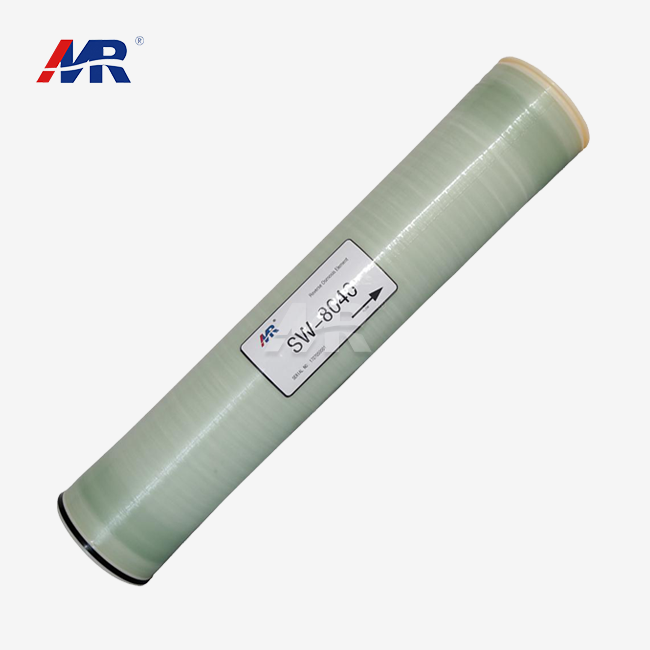 VIEW MORE8040 seawater reverse osmosis membrane
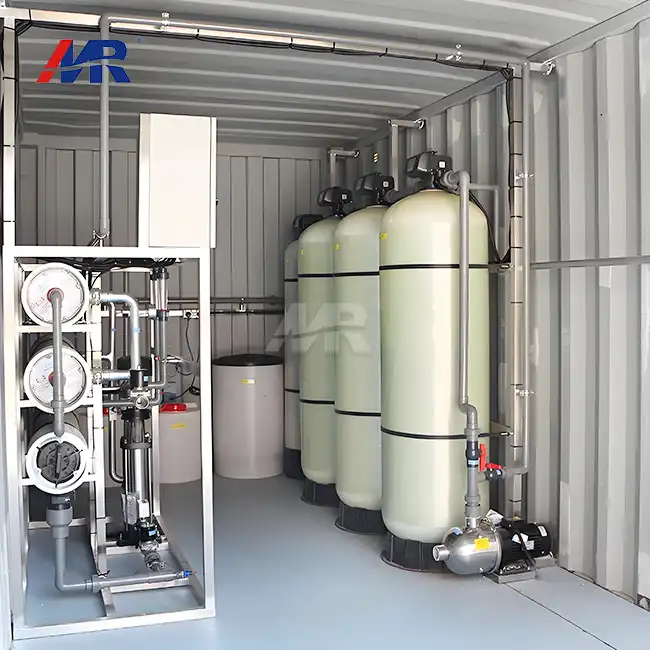 VIEW MOREcontainer type 3m3/hour RO equipment
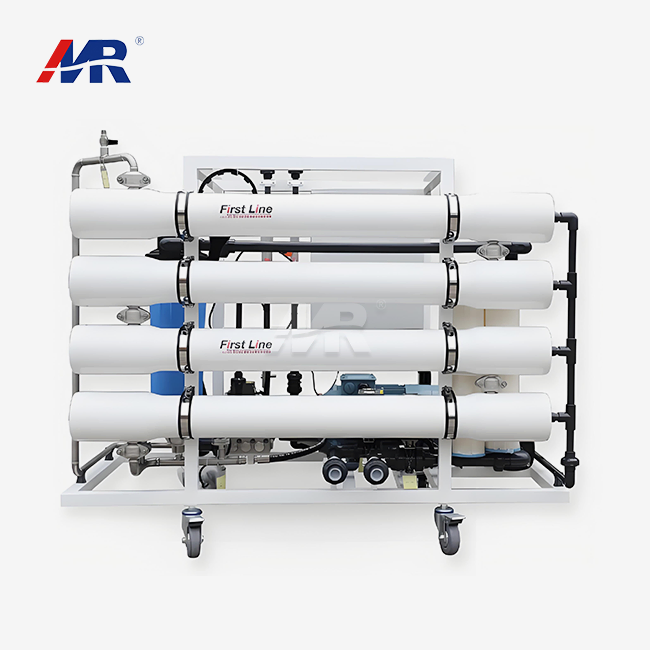 VIEW MOREseawater desalination system
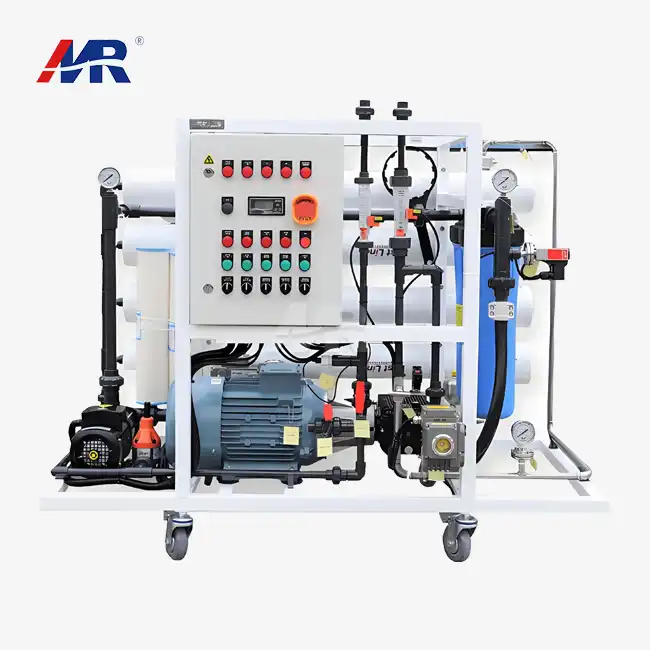 VIEW MORE2m3/hour seawater desalination equipment
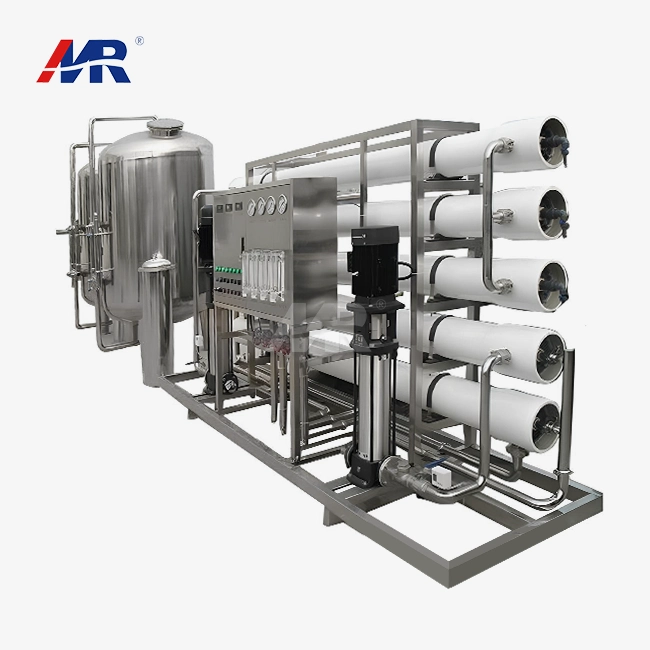 VIEW MOREbrackish water reverse osmosis
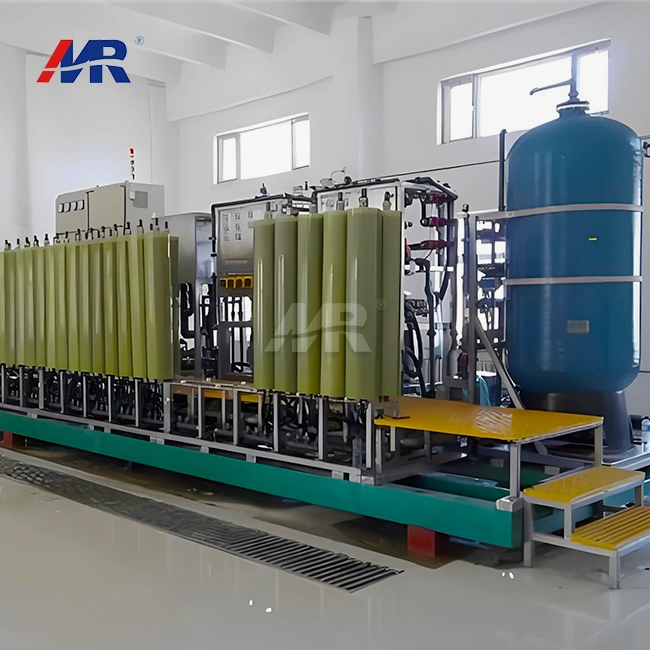 VIEW MOREDTRO system
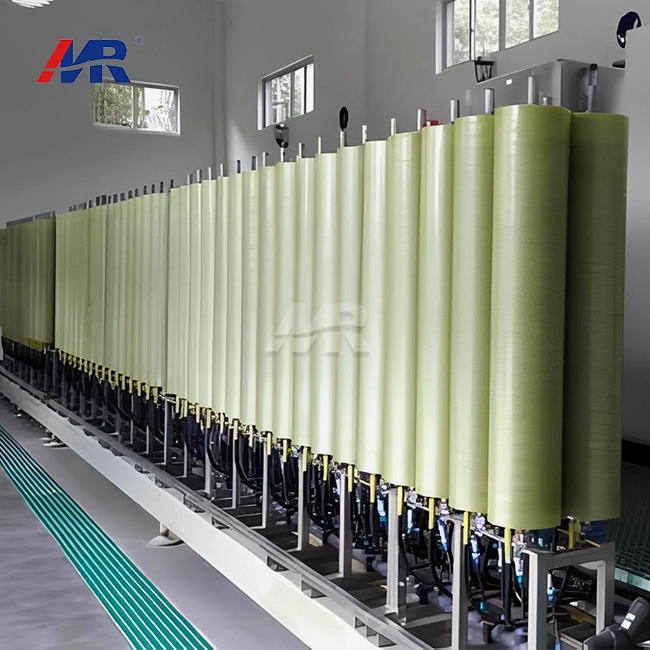 VIEW MORELeachate DTRO Treatment Equipment
 VIEW MOREmembrane mbr
