

_1745823981883.webp)

Under Counter Reverse Osmosis Water System: How Does It Work at Home?
An under counter reverse osmosis water system is hard-plumbed to your cold water line under the sink. It uses normal water pressure to force tap water through a semi-permeable membrane. One membrane stops 99% of dissolved salts, heavy metals, and organic compounds, delivering clean water to a designated faucet and rejecting the concentrate to the drain. This article will take you through each step of the filtration process, what it truly eliminates, and how to properly design a system prior to installation. You’ll also see occupancy statistics from a small chain of cafes that substituted bottled water with an under-sink installation. Kitchens aren’t known for their spaciousness, and that reality affects almost every choice a homeowner makes concerning water filtration. A pitcher takes up room in the fridge, a countertop device takes up space on the counter, and neither will provide you with the contaminant reduction you get with a complete membrane system. If you want actual filtration without losing obvious kitchen real estate, this guide considers the under-sink cabinet the most practical alternative.
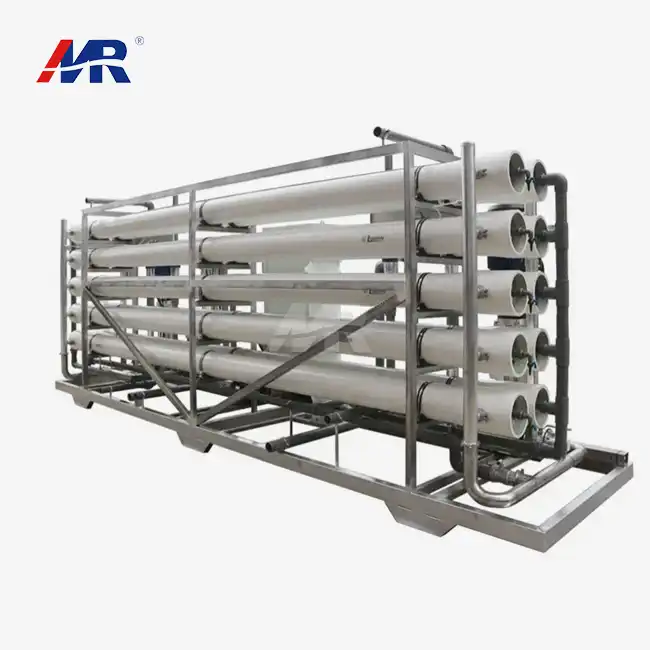
Guangdong Morui Environmental Technology provides a complete range of under counter reverse osmosis water systems for residences, restaurants, and small workplaces throughout Asia, South America, and Africa. When comparing an under counter reverse osmosis water system manufacturer to a generic import, our engineers can go through membrane rejection rate, filtration stages, and NSF/ANSI certified components side by side. Send your kitchen or facility plan to benson@guangdongmorui.com.
How Does an Under-Counter RO System Purify Water?
An under counter reverse osmosis water system cleans water by passing it through a membrane so tiny that it blocks dissolved salts but still lets water molecules pass. The item is installed in your sink cabinet and provides a tiny dedicated faucet installed on your countertop.
Where the system physically connects
Installation of an under counter reverse osmosis water system is connected to the cold water supply pipe beneath the sink using an existing saddle valve or custom adapter. Rejected concentrate is carried away to the sink drain or trash disposal connection via a separate drain tube. A small tank holds cleaned water between uses.
Typical Installation Timeline From Order to First Use
Most residential purchases ship in a week or two, and once the device arrives, a simple installation may be done in a single afternoon. Facilities that acquire numerous units for different locations, such as a restaurant chain or school district, often plan a staggered installation timetable to maintain daily operations at each site.
Why Does It Sit Under the Counter Instead of On It?
The filtering stages and storage tank are within the cabinet, so it leaves the tabletop uncluttered and yet provides water on demand via a small dedicated tap. This design is ideal in kitchens with little counter space, which is true of most households and business break rooms, too.
How does feed water reach the Dedicated Faucet?
The dedicated faucet is supplied from the storage tank by a tiny-diameter supply tube, which traverses the cabinet wall and is located alongside the main sink tap. In an under counter reverse osmosis water system, that specialised faucet takes the stored filtered water first. As pressure permits, the system automatically refills the tank from the membrane so the two sources of water never mix.
What Happens During the Reverse Osmosis Filtration Process?
Water passes through a number of different steps in an under counter reverse osmosis water system before it reaches the designated faucet, with each stage serving as a safeguard for the next.
Sediment Filtration Comes Early
A sediment filter collects dirt, dust, and rust particles that might otherwise damage or clog the membrane surface. This step is critical because, without it, membrane life is dramatically reduced due to silt buildup, which generates the kind of physical abrasion a thin-layer membrane cannot stand for long.
Carbon Filtration Follows Next
Carbon filtration eliminates chlorine, unpleasant tastes, and odours in an under counter reverse osmosis water system before water reaches the membrane. In particular, chlorine may break down a normal polyamide membrane over time. This step safeguards the most costly component in the system.
The Membrane Split
Under pressure, clean water is forced through the membrane. The concentrated refuse water is sent to the drain. This is the heart of any under counter reverse osmosis water system, and it is happening all the time as long as the feed water line is pressurised.
Post-Carbon Polishing and Storage
A post-carbon filter polishes the flavour of the water just before it exits the tap. The purified water is stored in a tiny pressure tank until you turn on the tap. At this point some homes add an optional remineralisation cartridge for those who enjoy a somewhat mineral flavour.
Why the Sequence of Stages Matter?
If you run the stages out of sequence or miss a step to save money, you will destroy the whole under counter reverse osmosis water system. Pre-carbon filtering allows sediment to enter the membrane and prematurely fouls the membrane, whereas post-carbon polishing removes flat flavour even when the membrane is performing well. Each step is there because the previous one is not intended to treat that pollutant type.
The table below explains what each step is designed to target and why a multi-stage design is superior to any one filter cartridge alone.
| Stage | What It Targets | Why It Matters |
|---|---|---|
| Sediment filter | Dirt, dust, rust particles | Protects the membrane from physical abrasion |
| Carbon filter | Chlorine, taste, odor | Prevents chlorine damage to the membrane |
| RO membrane | Dissolved salts, heavy metals, microorganisms | Delivers the core contaminant reduction |
| Post-carbon filter | Residual taste, minor odor | Polishes taste right before the faucet |
| Storage tank | Holds purified water | Delivers water on demand without waiting for the membrane |
Which Contaminants Can an Under Counter RO System Remove?
Buyers desire an answer to what is really taken out before the water reaches a glass when studying an under counter reverse osmosis water system.
Heavy Metals and Trace Elements
The barrier prevents hazardous substances, including lead, arsenic, and mercury. This is particularly relevant for older houses since the EPA’s Lead and Copper Rule Improvements affirm that there is no acceptable level of lead exposure and require utilities to replace lead service lines within the next decade (EPA, 2024).
Chlorine, Nitrates, and Organic Compounds
It also reduces chlorine, fluoride, nitrates, and volatile organic compounds that may remain after municipal disinfection or neighboring agricultural runoff, making an under counter reverse osmosis water system a practical solution for improving drinking water quality.
Bacteria, Cysts, and Viruses
Filtration gets rid of small cysts, germs, and most viruses, a feature that matters most to homes with newborns or anybody with a compromised immune system.
A well-maintained system will handle a reasonable range of contaminants from:
- Dissolved solids and hardness minerals: Calcium, magnesium, and salt compounds that leave scale on kettles and coffee makers, and also lessen the mineral flavor that many homes find heavy or metallic, are removed by a membrane with a rating of almost 99% rejection.
- Regulated heavy metals: Lead, arsenic, and mercury are immediately removed at the membrane stage, offering home instant protection instead of waiting for years for municipal pipe replacement programs to accomplish their job.
- Disinfection byproducts: chlorine, nitrates, and numerous volatile organic compounds fall out in the carbon pre-filtration and membrane separation stages, thereby solving the problems of municipal treatment residue and surrounding agricultural runoff in one fell swoop.
These three categories together are why an under counter reverse osmosis water system solves just about every frequent water problem in one installation.
Why Choose Under-Center RO Over Countertop Filtration?
Both countertop and under-sink units use comparable filtering technologies, so the true difference between an under counter reverse osmosis water system and a countertop unit is convenience, capacity, and your kitchen layout.
Counter Space and Kitchen Appearance
There is a countertop unit on the counter that has to be relocated for cleaning or heavy prep work. The cabinet conceals an under-sink system, keeping the counter free for everyday use.
Capacity and Continuous Use
Under-sink systems tend to have a bigger storage tank than portable countertop units, so they’re preferable for busy kitchens, small offices, or a restaurant prep station that has to draw water many times during the day.
The table below compares the two formats on the factors customers most often inquire about.
| Factor | Countertop RO | Under Counter RO |
|---|---|---|
| Counter space | Occupies visible counter space | Hidden inside the cabinet |
| Installation | No plumbing connection, portable | Connects to the cold water line and drain |
| Storage capacity | Smaller reservoir, typically | Larger tank for sustained daily use |
| Best fit | Renters, small households, temporary use | Owned kitchens, offices, restaurants, permanent installs |
Is Under Counter RO Suitable for Every Household?
Under-sink and under counter reverse osmosis water systems fit in most kitchens, but a few criteria determine how well the system operates after installation.
Cabinet Space and Plumbing Access
The cabinet is sized to accommodate the filter housings and tank, as well as to provide access to a cold water line and a drain connection for the reject stream.
What does a Typical Cabinet Footprint Look Like?
A typical tank and most household filtration housings will fit well in a cabinet about 24 inches wide. Exact clearance will depend on the type and whether it has a booster pump or not. Measure the inside of the cabinet before buying, and consider any support beams or piping that currently occupy space to avoid a surprise on installation day.
Case Study: A Cafe Chain in Nairobi, Kenya
A three-location cafe chain in Nairobi installed an under counter reverse osmosis water system at each site, supplied and commissioned by Guangdong Morui Environmental Technology, replacing a weekly bottled water delivery contract. Six months of expense records show the chain cut water-related costs by an estimated 48%, and staff no longer needed to track delivery schedules or store bulk bottle Cases in already-tight kitchen space. Baristas also reported more consistent espresso extraction oncethe mineral content in the brewing water stabilized.
Households Where Under-Sink RO May Not Fit
In the case of rented flats with plumbing constraints or kitchens without cabinet space below the sink, a countertop or pitcher-based RO water purification system may be more practical until a permanent under counter reverse osmosis water system installation is feasible.
Talking to a Landlord About Installation
If you are a renter interested in a permanent installation, you should discuss the matter with your landlord early, since some properties allow modest plumbing alterations with prior written consent and others do not. That discussion is frequently simpler than you think if you have a basic picture of the connection locations and a note that the drain tap utilizes a regular saddle valve, not a permanent pipe cut.
How Does Water Pressure Affect Under-Counter RO Performance?
The whole process of filtering is done by water pressure, and if the water pressure is not in the appropriate range, it will affect the efficiency of the whole system.
Minimum Pressure for Consistent Output
Under-sink systems, including an under counter reverse osmosis water system, generally need line pressure in the 40 to 80 psi range to drive water through the membrane at a tolerable pace, while small commercial-grade devices may be rated for 150 to 300 psi under boosted circumstances. A modest booster pump may be required for homes with low municipal pressure or a well pump located far from the house to provide continuous flow.
Testing Your Home's Water Pressure
A simple pressure gauge attached to an outside spigot or washing machine valve can quickly tell you whether your property is within the acceptable range. Most homes under 40 psi have longer fill times and weaker rejection performance, which is worth verifying before buying a particular type of RO water purification system rather than finding out the deficit on installation day. Most hardware shops provide a cheap gauge just for this check. Once the gauge is threaded onto the spigot, the reading takes a minute.
What Happens at Low Pressure?
Low incoming pressure will decrease permeate flow and may reduce the effective rejection rate. The membrane requires a pressure difference greater than the natural osmotic pressure of the feed water to operate correctly.
Adjusting for Seasonal Pressure Changes
City water pressure may drop at peak times when entire neighborhoods are using water at the same time, usually in the early morning and evening hours. In these times, a home with an under counter reverse osmosis water system may notice that the refill cycle is slower; this is typical and is not an indication that the unit is malfunctioning unless the slowing happens during off-peak hours as well.
What Determines the Filtration Capacity of an Under-Counter RO?
Capacity depends on the membrane's rated output, the storage tank size, and how consistently the household or facility draws water throughout the day.
Matching Capacity to Daily Demand
A single-family kitchen rarely needs the same output as a restaurant prep station or an office break room serving dozens of staff. Confirming daily gallons-per-day demand for an RO water purification system before ordering avoids both an undersized unit and paying for capacity that never gets used.
Storage Tank Sizing in Practice
A standard residential tank holds roughly 2 to 4 gallons, though only about 60% of that volume is usable once internal air pressure is accounted for. Larger commercial installations pair a compact under counter reverse osmosis water system with a reverse osmosis plant and a bigger external tank when a break room or cafe counter needs to serve many people back-to-back without a noticeable slowdown.
Product Specifications Worth Comparing
The table below lists the core specifications procurement teams should confirm on a compact commercial-grade under counter reverse osmosis water system before ordering.
| Specification | Value |
|---|---|
| Filtration stages | 5-stage RO filtration |
| Daily production capacity | Up to 500 gallons per day (GPD), scalable by model |
| Storage tank capacity | Sized to match daily draw, standard 2 to 200-gallon range by application |
| Operating pressure | 150–300 PSI |
| Feed water temperature | 40°F to 100°F (4°C to 38°C) |
| Certification | NSF/ANSI certified components |
How Do You Select Membranes for Under Counter RO Systems?
Membrane selection determines both rejection performance and how long the system runs before needing replacement.
Thin-Film Composite Membrane Basics
The majority of quality systems employ a thin-film composite polyamide membrane, which, under normal operating conditions, rejects sodium chloride and most dissolved solids at a rate greater than 99%. This is in line with the performance Water Quality Association documentation assigns to properly functioning reverse osmosis membranes (WQA, 2025).
Checking Rated Rejection and Certification
Make sure that the membrane in the RO water purification system is certified to NSF/ANSI 58, which is a standard developed particularly for point-of-use reverse osmosis systems, not a general certification that includes taste and odor (NSF, 2026).
Comparing Membrane Warranties
The duration of a membrane warranty is a practical proxy for manufacturing quality; a provider that has faith in its thin-film composite method often supports it with one to three years of coverage. If you’re a business customer installing numerous units across different locations, then it’s worth querying a guarantee of less than one year on the membrane part before you buy.
What Should You Check Before Installing Under-Counter RO?
A quick checklist before installation can avoid the majority of typical issues that homeowners face following a hasty installation.
Feed Water Testing
Testing supply water for hardness, iron, and sediment before installation enables a provider to prescribe the appropriate pretreatment to minimize premature membrane fouling once the system is up and operating daily.
Confirming Cabinet Clearance and Access
Before ordering a reverse osmosis plant, measure the complete height, breadth, and depth of the cabinet and make sure the shutoff valve beneath the sink is accessible and working. A technician typically has to rearrange a packed cabinet of cleaning supplies or garbage bins before he can make a neat installation.
Drain Line and Air Gap Requirements
Many municipal plumbing rules require an air gap fitting on the drainpipe to avoid backflow pollution. Verifying this criterion before installation might prevent a failed inspection or an expensive retrofit later on.
Electrical Access for Booster Pumps
A booster pump may be needed in homes with low incoming pressure, and it needs an electrical outlet nearby. It’s far cheaper to plan for this during installation than to add an outlet after the cabinet is closed up.
Confirming Local Plumbing Code Compliance
Each town has its own requirements. Some municipalities need a professional plumber to sign off on every new drain connection that is linked into an existing waste line. Check local regulations before arranging installation of an under counter reverse osmosis water system or a reverse osmosis plant to prevent a failed inspection that delays the entire process by weeks.
How Can You Maintain Consistent RO Water Quality at Home?
Good water quality is the result of a planned maintenance program, not waiting until the flavor or pressure of the water drops noticeably.
Filter Replacement Schedule
The sediment and carbon filters need to be replaced every 6 to 12 months, and the ro membrane will normally last 2 to 3 years with normal feedwater conditions.
Building a Simple Maintenance Habit
Most homes wait until they can tell the flavor or pressure has dropped substantially before doing maintenance, but setting a regular calendar reminder for reverse osmosis system filter replacements eliminates the guesswork. A low-tech option works just as well for homes that choose it: a sticky note inside the cabinet door showing the install date and next planned change keeps the information apparent to anybody else in the family who may require it.
Testing Product Water Periodically
A simple TDS meter examined every few months will validate that the under counter reverse osmosis water system is still operating at its advertised rejection rate. A quick spike in product water TDS is usually a sign of a spent membrane or contaminated pre-filter.
Guangdong Morui's Manufacturing and Support Network
Guangdong Morui Environmental Technology Co., Ltd. has its own membrane manufacturing facility and certain equipment processing facilities, more than 14 branches, 500 people, and 20 engineers. We are also an authorized agent for Shimge Water Pumps, Runxin Valves, and Createc Instruments, serving households, restaurants, and healthcare facilities with a single accountable source for pumps, valves, and system components for residential kitchens, office break rooms, and educational institutions.
Conclusion
An under counter reverse osmosis water system delivers consistent, contaminant-reduced water without occupying counter space or requiring bottled water deliveries. The Nairobi cafe case above shows how quickly the cost and convenience math shifts once a permanent installation replaces a recurring bottled water contract. Checking feed water pressure, membrane certification, and drain line requirements before installation turns a one-time setup into years of reliable water quality.
FAQ
1. How long does installation of an under-counter RO system take?
A standard installation typically takes two to four hours for a plumber familiar with under-sink connections, including the drain line air gap and dedicated faucet.
2. Does an under-counter RO system waste a lot of water?
Modern designs produce roughly one to two gallons of drain water for every gallon of purified water, well below older systems that wasted three to four gallons per gallon produced.
3. Can I install an under-counter RO system myself?
Homeowners comfortable with basic plumbing can often install a residential unit, though drain line air gap requirements and low water pressure situations are usually best handled by a licensed plumber.
4. Will an under-counter RO system remove beneficial minerals from my water?
Yes, reverse osmosis reduces both harmful and beneficial dissolved minerals. An optional remineralization stage can restore mineral content if that matters to your household.
5. How often should an under-counter RO system be maintained?
Replace sediment and carbon filters every 6 to 12 months and the RO membrane every 2 to 3 years. Check product water TDS periodically, as changes can indicate fouling, pressure problems, or membrane deterioration.
Ready to Fit the Right System Under Your Sink?
Guessing at capacity or skipping certification checks often means replacing a system within a year or two. Guangdong Morui Environmental Technology is a trusted under counter reverse osmosis water system supplier and manufacturer serving residential kitchens, restaurants, and healthcare facilities across Asia, South America, and Africa. Email your kitchen layout and daily water needs to benson@guangdongmorui.com for a sizing recommendation.
References
1. NSF, "NSF/ANSI 58: Reverse Osmosis Drinking Water Treatment Systems," 2026. Cited for certification requirements specific to point-of-use RO systems. https://www.nsf.org/knowledge-library/nsf-ansi-58-reverse-osmosis-drinking-water-treatment-systems
2. U.S. Environmental Protection Agency, "WaterSense Labeled Point-of-Use Reverse Osmosis Systems" fact sheet, 2024. Cited for typical drain-to-product water ratios. Products-ro-systems-factsheet.pdf">https://www.epa.gov/system/files/documents/2024-11/ws-products-ro-systems-factsheet.pdf
3. U.S. Environmental Protection Agency, "Overview of Drinking Water Treatment Technologies," 2026. Cited for membrane separation mechanics and pressure requirements. https://www.epa.gov/sdwa/overview-drinking-water-treatment-technologies
4. Water Quality Association, "Reverse Osmosis (RO) Fact Sheet," 2025. Cited for membrane rejection performance on dissolved solids. https://wqa.org/resources/reverse-osmosis-ro/
5. U.S. Environmental Protection Agency, "Lead and Copper Rule Improvements," 2024. Cited for lead exposure risk in older home plumbing. https://www.epa.gov/ground-water-and-drinking-water/lead-and-copper-rule-improvements
6. U.S. Food and Drug Administration, "Bottled Water Everywhere: Keeping it Safe," consumer update. Cited for comparing point-of-use filtration against bottled water treatment standards. https://www.fda.gov/consumers/consumer-updates/bottled-water-everywhere-keeping-it-safe
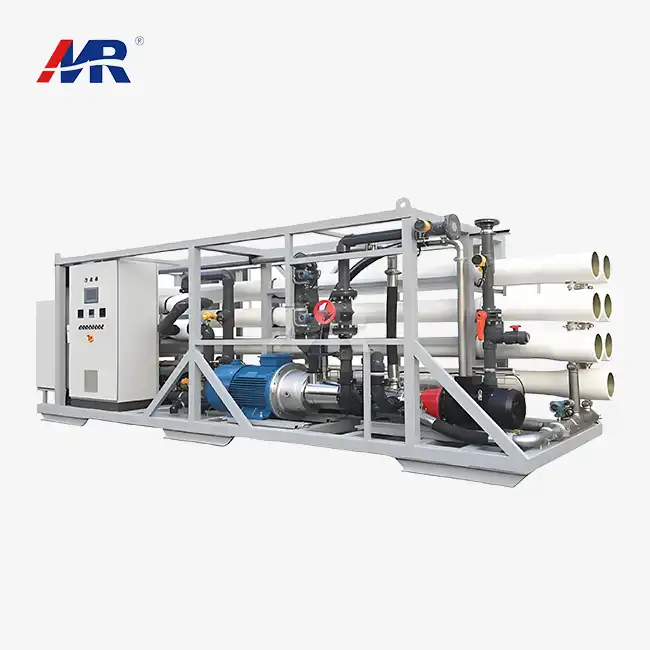 VIEW MORE20m3/hour seawater desalination equipment
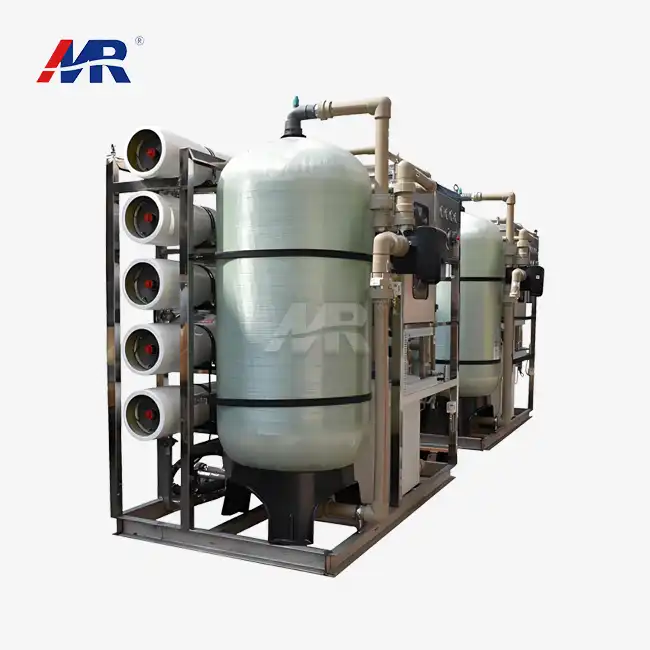 VIEW MORE8m3/hour seawater desalination equipment
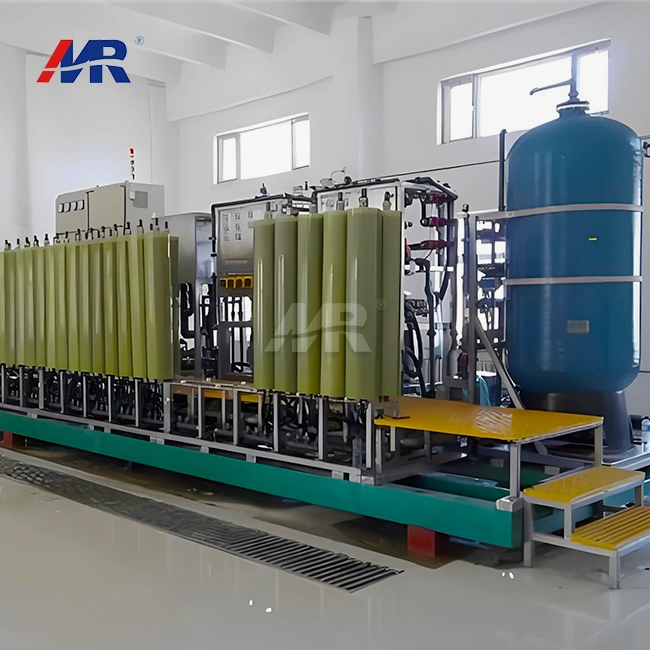 VIEW MOREDTRO system
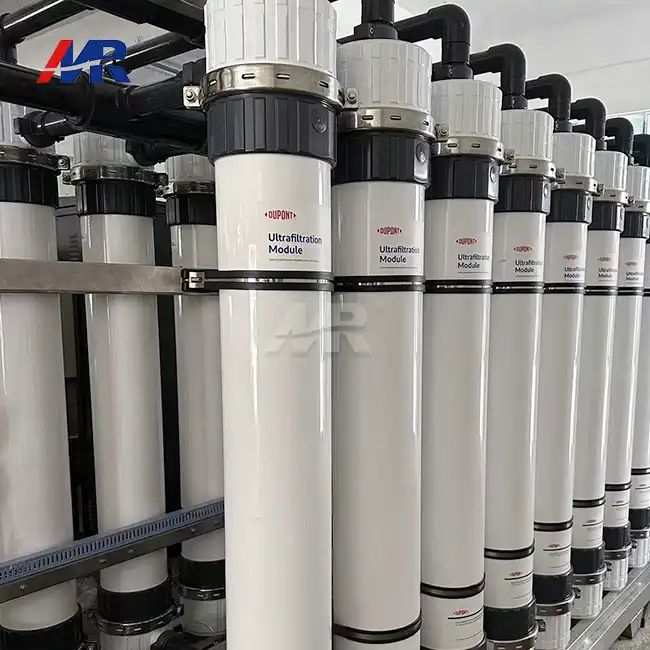 VIEW MORE100T/H ultrafiltration equipment
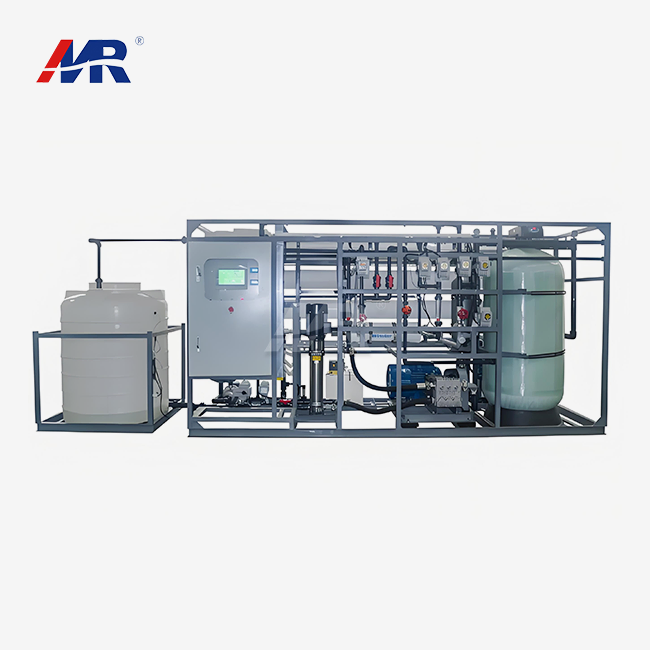 VIEW MOREseawater treatment system
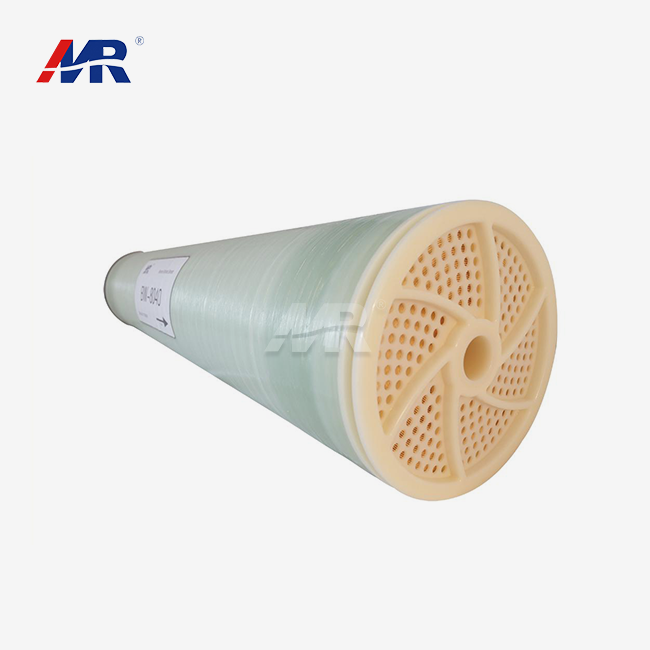 VIEW MOREbrackish membrane
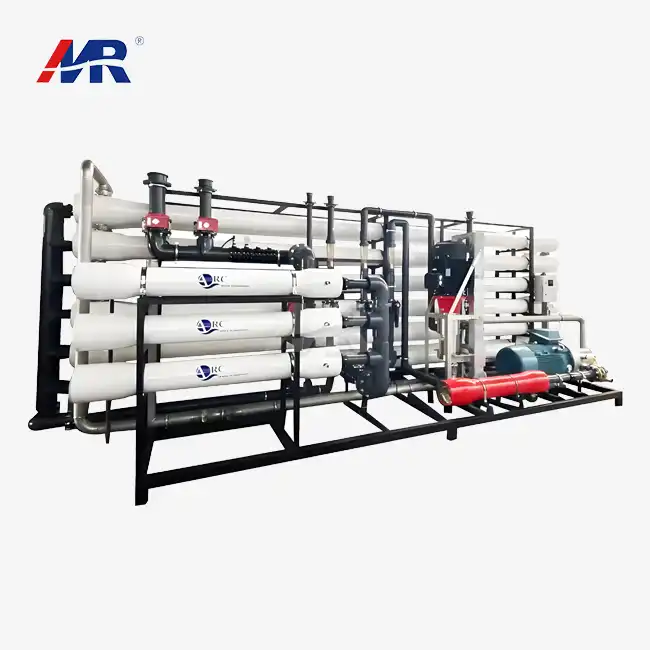 VIEW MORE25m3/hour seawater desalination plant
 VIEW MOREbrackish water reverse osmosis
