

_1745823981883.webp)

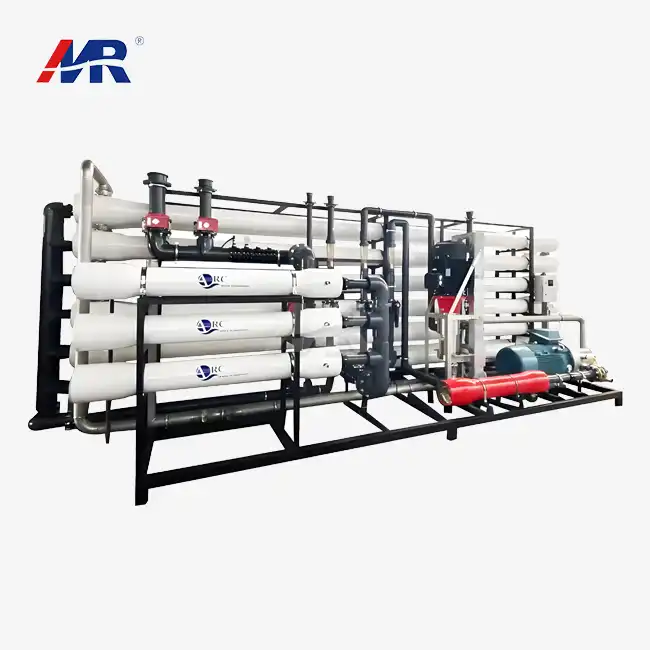
Reverse Osmosis Purification System Design for High-TDS Water
Designing a reverse osmosis purification system for high-TDS water requires precision engineering and advanced membrane technology to tackle extreme dissolved solids concentrations. High-TDS environments, common in industrial facilities, coastal regions, and agricultural zones, demand specialized RO configurations that balance efficiency with durability. Our systems employ thin-film composite membranes with rejection rates reaching 99.5%, effectively removing contaminants while maintaining consistent performance under challenging conditions. The key lies in integrating robust pre-treatment stages, optimizing operating pressures between 150-300 psi, and selecting components engineered specifically for harsh water chemistry. This comprehensive approach ensures reliable, high-purity water output across pharmaceutical, food production, electronics manufacturing, and municipal applications where water quality directly impacts operational success.
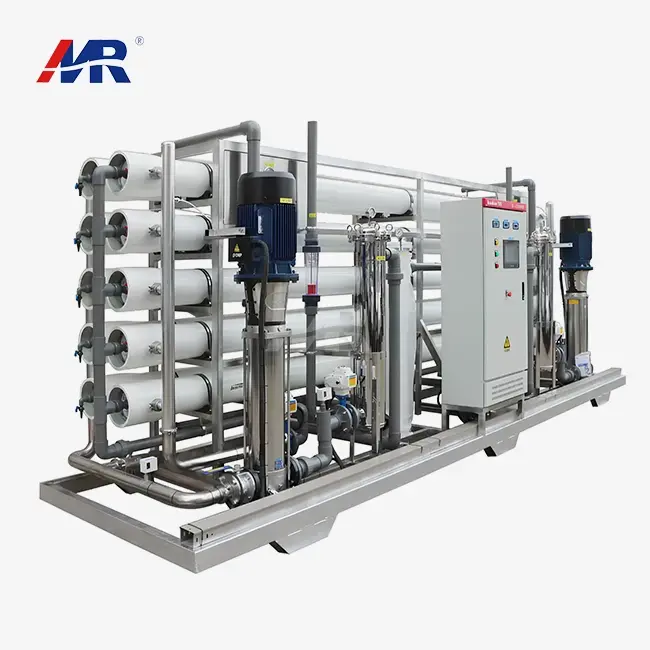
Understanding the Challenges of High-TDS Water in Reverse Osmosis Systems
When concentrations go above 1,500 mg/L, high levels of total dissolved solids make it very hard to clean water. These dissolved substances come from rock formations, farming water, and industrial waste. They include calcium, magnesium, sodium chloride, sulfates, and bicarbonates. If you don't fix them, they damage the membrane and make the system work less well.
The Impact of Elevated TDS on Membrane Performance
When TDS levels rise, membrane fouling speeds up a lot. Mineral layers build up on membrane surfaces, creating crystalline structures that stop water from moving through and slow down the flow of permeate. We've seen 20–30% drops in productivity within months in systems that weren't built correctly. The 0.0001-micron holes in the semi-permeable barrier make it easy for calcium carbonate, barium sulfate, and silica compounds to scale on top of it. This scaling raises the difference in pressure across the membrane assembly, which makes the pumps work harder and use more energy—usually an extra 1-2 kWh/m³ above what is required by default.
Osmotic Pressure and Energy Demands
The natural osmotic pressure goes up in the same way that the TDS content does. To treat water with 5,000 mg/L TDS, you have to overcome about 50 psi of osmotic pressure, but only 10 psi for water with 1,000 mg/L TDS. Our systems make up for this by using high-pressure pumps that can keep the pressure between 150 and 300 psi. This gives water molecules enough force to pass through the membrane barrier while keeping dissolved contaminants out. This pressure requirement has a direct effect on running costs, so procurement professionals who are looking at the total cost of ownership need to make energy efficiency a key design factor.
Recovery Rate Limitations in High-Salinity Applications
As TDS rises, water recovery rates (the amount of feedwater that is turned into a clean product) go down. With low-TDS sources, standard systems can recover 70–75% of the water, but in high-salinity situations, they can only recover 50–60% so that the concentrate stream doesn't get too full. We carefully balance the need to get rid of concentrates with the need to get the most out of our configurations so that recovery is maximized without causing precipitation events. This improvement is especially helpful for businesses that have to follow strict rules about how they can dump wastewater or that work in areas with limited water where every gallon counts.
Key Design Principles for Reverse Osmosis Systems Handling High-TDS Water
Five basic engineering rules set industrial-grade systems apart from residential units and determine how well they treat high TDS. We've made these methods better by putting them to use in power plants, chemical plants, and projects that remove salt from oceans.
Pre-Treatment Configuration and Chemical Dosing
The first line of defense against membrane degradation is a good pre-treatment. Before water gets to the ro membrane structure, our process has several barrier steps. Sediment filters get rid of particles as small as 5 microns, which keeps parts further downstream from wearing out. Activated carbon vessels get rid of chlorine and organic substances that would damage thin-film composite membranes forever if they were left alone. We use anti-scalant dosing systems that inject special mixtures at 3–5 ppm. This stops crystals from forming even as the concentration of salt increases near the membrane surfaces. Ion exchange softens water by removing calcium and magnesium, which cause hard water. This makes membranes last 40–60% longer than membranes that use feedwater that hasn't been softened.
Multi-Stage Membrane Arrays and Pressure Optimization
Multi-stage setups in a reverse osmosis purification system are very helpful for high-TDS uses because the permeate from the first array feeds into later stages. This method of treatment works better at rejecting salt—often reaching 99.7% cumulative removal—while spreading pressure loads across many membrane vessels. We create pressure profiles that keep the best flow rates while not going over the manufacturer's recommendations. For brackish water, these profiles usually work between 200 and 250 psi, and for near-seawater salinity, they get close to 300 psi. Variable frequency drive pumps change the pressure based on real-time conductivity readings. This accounts for changes in the quality of the feedwater that happen with the seasons and keeps the permeate specs constant.
Membrane Material Selection and Chemical Resistance
Thin-film composite membranes made just for high-salinity environments are used in our systems. These membranes have polyamide active layers that are supported by polysulfone substrates. They are very strong mechanically and chemically stable across pH ranges of 3–11. Even after thousands of hours of use, salt rejection rates stay at 99.5%, which is much better than alternatives made of cellulose acetate. The makeup of the material doesn't allow biological fouling and can handle harsh cleaning methods. This means that flux rates can be restored through regular Clean-In-Place processes without harming the membrane's integrity.
Recovery Rate Engineering and Concentrate Management
We figure out the best recovery rates by using complex modeling that takes into account the chemistry of the feedwater, changes in temperature, and concentrate saturation indices. With careful staging and concentrate recirculation, our basic industrial setups can recover up to 70% of the water with TDS levels below 3,000 mg/L. This efficiency directly leads to lower operating costs—a 70% recovery system uses 1,000 gallons of water to make 700 gallons of clean water, while a 50% recovery configuration needs 1,400 gallons to make the same amount of water. When it's not possible to discharge concentrate streams, they are treated by crystallization or evaporation. This helps zero liquid discharge efforts in sites that are sensitive to the environment.
Performance Optimization and Maintenance Strategies for High-TDS RO Systems
For peak performance to last, strict monitoring and planned maintenance must be used. We've come up with complete plans that keep equipment running longer and reduce downtime in harsh industrial settings.
Normalized Performance Tracking and Early Warning Systems
Our high-tech control systems keep an eye on normalized permeate flow, salt passage, and pressure differential all the time. These are the three most important indicators of membrane health. During commissioning, we set baseline metrics and keep an eye on deviations that show problems are starting to appear. When the normalized permeate flow drops 10-15% below baseline or when the pressure difference rises by 15%, the system sends out repair alerts before the performance problem gets worse. This method, which is based on data, stops failures from happening out of the blue and lets scheduled fixes happen during planned breaks instead of sudden shutdowns that stop production.
Clean-In-Place Protocols and Chemical Selection
Regular cleaning keeps membranes working well and stops fouling that can't be fixed. We use pH-specific formulations that target different types of foulants in our CIP methods every three to six months, based on the quality of the feedwater. Mineral scales like calcium carbonate and iron oxides can be broken down by cleaners with a pH of 2 to 3. Alkaline solutions with a pH of 11 to 12 can get rid of organic matter and biological films. For 60 to 90 minutes during each cleaning cycle, chemical solutions are pumped through membrane tubes at high temperatures (95 to 104°F) to speed up the breakdown process. When CIP is done correctly, 90–95% of the original flux capacity is restored. This greatly increases the membrane's useful life beyond the usual 24- to 36-month repair period.
Energy Consumption Management and Variable Speed Drives
Power costs are a big part of running a business, especially in places that handle a lot of materials. Our systems have variable frequency drives that change the speed of the pumps based on the demand at any given time. This cuts down on energy waste when the system is only partially loaded. In high-salinity situations, energy recovery devices take pressure from concentrate streams and send it back to the high-pressure pump. This cuts net consumption by 20–35%. We've found that optimized setups use as little as 3 kWh/m³ of power, which is much less than the industry average of 4-5 kWh/m³ and saves plants that make 50,000 to 100,000 gallons of oil every day thousands of dollars a year.
Preventive Replacement Scheduling for Consumables
To protect membrane investments, pre-treatment parts need to be replaced on a regular basis. We suggest changing the sediment filter cartridge every three to six months, the carbon bed every year, and the anti-scalant tank every year or as needed. Keeping detailed service logs helps you figure out when to replace things and make accurate budgets for ongoing costs. Our customer service team sends automated reminders and keeps important spare parts in stock to avoid delays in ordering that could cause systems to shut down.
Comparing Reverse Osmosis with Other Purification Technologies for High-TDS Water
To choose the best treatment technology for a reverse osmosis purification system, you need to know what each method can and can't do in different operational situations. We've used a range of cleaning technologies and can help buyers find options that meet their technical needs and fit their budget.
Through thermal evaporation and condensation, distillation can get rid of almost all contaminants, reaching purity levels above 99.9%. Distillation, on the other hand, is too expensive for large-scale use because it needs 10–20 kWh/m³ of energy. The technology works well in small amounts of ultra-pure water needed in laboratories and pharmaceuticals, but it can't compete with membrane systems on an industrial scale in terms of cost. Thermal distillation also needs a lot of infrastructure, like heaters, condensers, and cooling systems, which raises the cost of the equipment and makes upkeep more difficult.
Using electrical potential to push ions through selective membranes is another way to treat brackish water called electrodialysis reversal. This technology works best when the TDS level is between 1,500 mg/L and 5,000 mg/L, and it uses less energy than RO in certain salt ranges. EDR systems work better than reverse osmosis with high-fouling feedwater, but they have trouble with non-ionic contaminants like organics and silica. We mostly suggest EDR for relaxing water in cities and factories where ionic contaminants are the main problem, and organics aren't a big issue.
Reverse osmosis is more flexible than other methods because it can get rid of 95–99.5% of dissolved solids, no matter what their ionic charge is, while also rejecting bacteria, viruses, and organic molecules. The technology works well for point-of-use units with 1,000 GPD of flow and industrial systems with 100,000 GPD or more, so it can grow without needing to be completely redesigned. RO systems have small footprints—our 10,000 GPD system fits in a 10x15-foot equipment room—and they work all the time with little interference. We use RO technology for 85% of high-TDS industrial applications because of these benefits.
Procurement Considerations for B2B Clients: Selecting and Buying High-TDS RO Systems
To make smart purchasing decisions, you need to look at more than just the initial purchase price. We find methods that give the most long-term value by working with technical decision-makers, financial officers, and building managers.
System Capacity and Scalability Assessment
By correctly fitting equipment, you can avoid expensive over-specification or capacity limits. First, we look at times of peak demand, taking into account seasonal changes and expected growth. A pharmaceutical plant that makes 50,000 gallons of product every day might ask for a 60,000 GPD system to give them a buffer while they do maintenance or switch out equipment. Our flexible designs let you add more capacity through parallel skids instead of replacing the whole system. This protects your initial investments and lets your business grow.
Total Cost of Ownership Analysis
A full financial analysis looks at more than just the price of the equipment; it also looks at things like installation, commissioning, supplies, energy use, and upkeep over the course of 10 to 15 years. Our systems that can handle between 1,000 and 100,000 GPD use only 3 to 5 kWh/m³ of power and have up to a 70% recovery rate, which keeps your ongoing running costs low. We offer detailed TCO models that predict how much it will cost to replace the membrane, how much chemicals will be used, and how much work will be needed. This lets financial decision-makers make accurate budget forecasts and ROI calculations that meet their needs.
Compliance and Certification Requirements
Regulatory compliance turns out to be a must in all fields. Our systems meet the FDA's rules for medicine water systems and the NSF/ANSI 58 standards for drinking water treatment parts. Material Certifications show that the structure is made of food-grade stainless steel and NSF-approved plastics in all areas that come into contact with water. For pharmaceutical clients, we provide paperwork that supports GMP validation. For industries that need conflict mineral declarations and environmental compliance records, we provide supply chain transparency paperwork.
Supplier Reliability and Technical Support Infrastructure
Working with well-known manufacturers guarantees quick access to replacement parts, Technical support, and helpful customer service. Guangdong Morui Environmental Technology has 14 regional offices with a total of 500 workers, 20 of whom are specialized engineers. This lets them respond quickly to technical questions and needs for field service. Our equipment processing and membrane production facility makes sure that parts are always available and that quality is maintained throughout the manufacturing process. We have strategic partnerships with top component suppliers like Shimge Water Pumps, Runxin Valves, and Createc Instruments. This way, we can guarantee that the parts we sell are original and come with warranties backed by the manufacturer.
Conclusion
A thorough knowledge of feedwater chemistry, membrane technology, and operating improvement is needed to build an effective reverse osmosis purification system for high-TDS water. High dissolved solids can cause problems like faster fouling, higher energy use, and slower recovery rates. To fix these problems, engineers need to come up with solutions that include strong pre-treatment, smart pressure management, and regular maintenance schedules. With capacities ranging from 1,000 to 100,000 GPD, our thin-film composite membrane systems reject 99.5% of the water they come in contact with while keeping energy efficiency between 3 and 5 kWh/m³. When looking at treatment technologies, procurement professionals should put total cost of ownership, flexibility, regulatory compliance, and provider technical support skills at the top of their list. This will help them choose partners for these important infrastructure investments.
Frequently Asked Questions
1. How often should RO membranes be replaced in high-TDS applications?
How often membranes need to be replaced depends a lot on the quality of the feedwater and how well the pre-treatment works. Most of the time, membranes need to be replaced every 24 to 36 months in well-designed systems that have thorough pre-treatment. But systems that clean water with a very high TDS (above 5,000 mg/L) or a lot of fouling potential may need to be replaced every 18 to 24 months. Regularly checking the performance using normalized flux readings lets you know right away when membrane breakdown speeds up, so you can plan replacements instead of having to act quickly.
2. What pre-treatment steps are essential for high-TDS water?
As part of effective pre-treatment, a sediment filter gets rid of particles as small as 5 microns, activated carbon treatment gets rid of chlorine and organics, water softening lowers hardness minerals, and an anti-scalant dose stops the formation of crystalline scale. It is also suggested that the pH be adjusted to the best ranges (usually 6.5–7.5) before the membrane comes into contact with the solution. This will ensure the best rejection rate and the least amount of chemical stress on the membrane materials.
3. Can existing RO systems be upgraded to handle higher TDS levels?
Many systems can be upgraded by adding better pre-treatment, replacing the high-pressure pump, or switching out the membrane module for a high-rejection option. We look at the existing infrastructure, figure out how much hydraulic power it has, and suggest changes that will make the system more useful without spending as much money replacing the whole thing. When TDS rises much higher than the original design limits, new systems are sometimes needed because of limitations in capacity and structure.
Partner with Morui for Your High-TDS Water Treatment Solutions
As an expert in reverse osmosis purification systems, Guangdong Morui Environmental Technology can turn difficult high-TDS water into consistent, high-purity output that can be used in demanding industrial settings. With the help of Our Team of 20 engineers and production skills that include making membranes and processing parts, we offer full solutions that include designing and building equipment, installing it, and starting it up. North America's pharmaceutical companies, food and drink companies, tech makers, power plants, and local water treatment plants all work with us. As a reliable provider of reverse osmosis purification systems, we make sure that the options we send you meet your exact needs for capacity and water quality. Email benson@guangdongmorui.com to talk about your problems with treating high-TDS water and get a full technical plan that fits your needs.
References
1. American Water Works Association. (2020). Reverse Osmosis and Nanofiltration: Manual of Water Supply Practices M46. Denver: AWWA Publications.
2. Greenlee, L. F., Lawler, D. F., Freeman, B. D., Marrot, B., & Moulin, P. (2009). Reverse osmosis desalination: Water sources, technology, and today's challenges. Water Research, 43(9), 2317-2348.
3. National Research Council. (2008). Desalination: A National Perspective. Washington, DC: The National Academies Press.
4. Qasim, M., Badrelzaman, M., Darwish, N. N., Darwish, N. A., & Hilal, N. (2019). Reverse osmosis desalination: A state-of-the-art review. Desalination, 459, 59-104.
5. Wilf, M., & Bartels, C. (2005). Optimization of seawater RO systems design. Desalination, 173(1), 1-12.
6. World Health Organization. (2017). Guidelines for Drinking-water Quality: Fourth Edition Incorporating the First Addendum. Geneva: WHO Press.
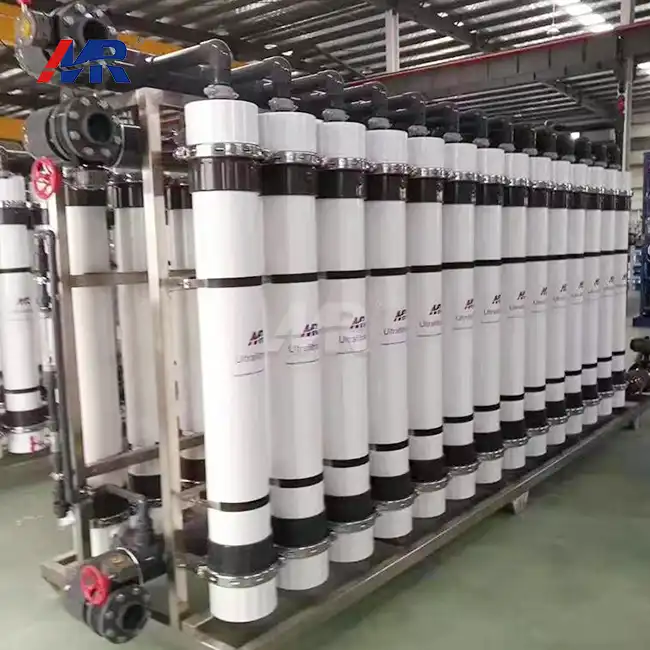 VIEW MORE70m3/hour ultrafiltration plant
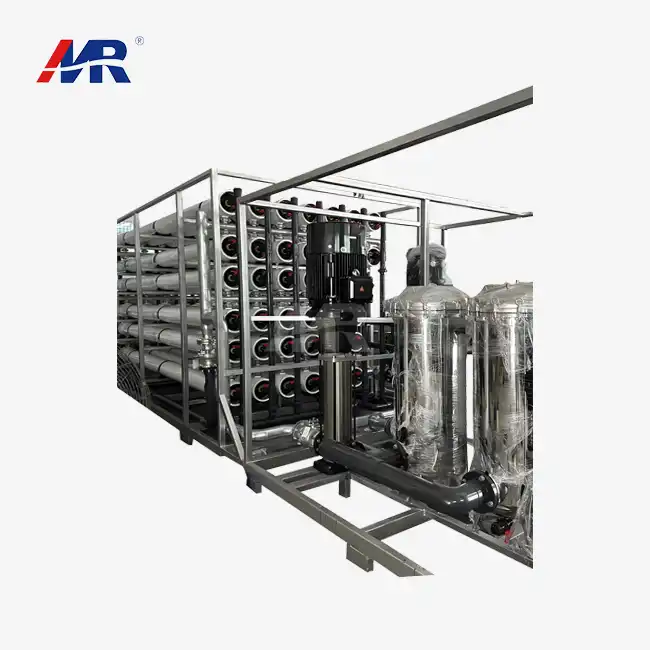 VIEW MORE150m3/hour reverse osmosis plant
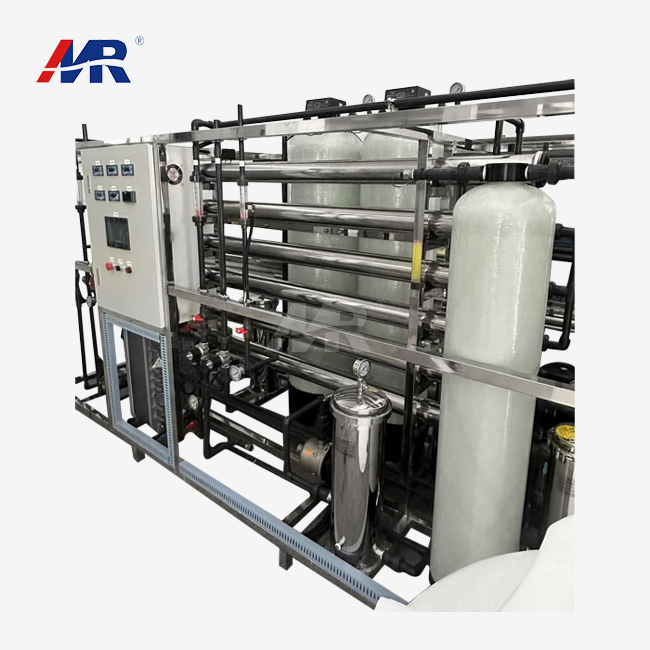 VIEW MOREelectrodeionization edi system
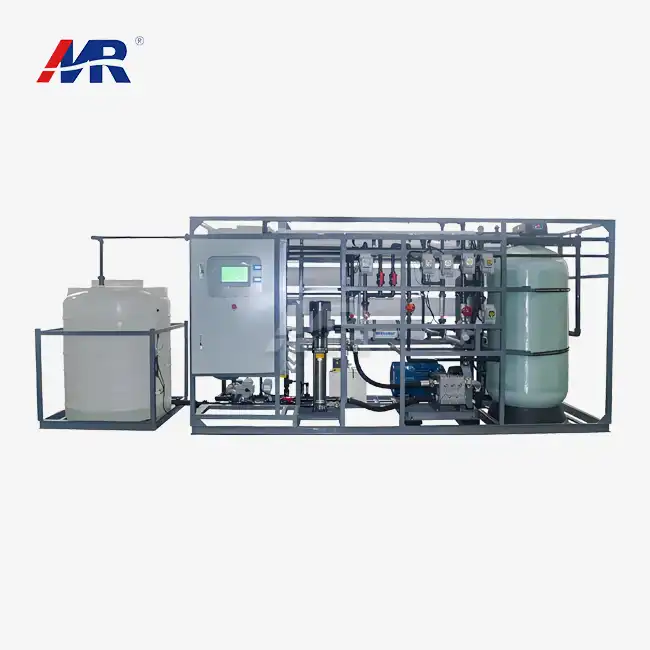 VIEW MORE5m3/hour seawater desalination equipment
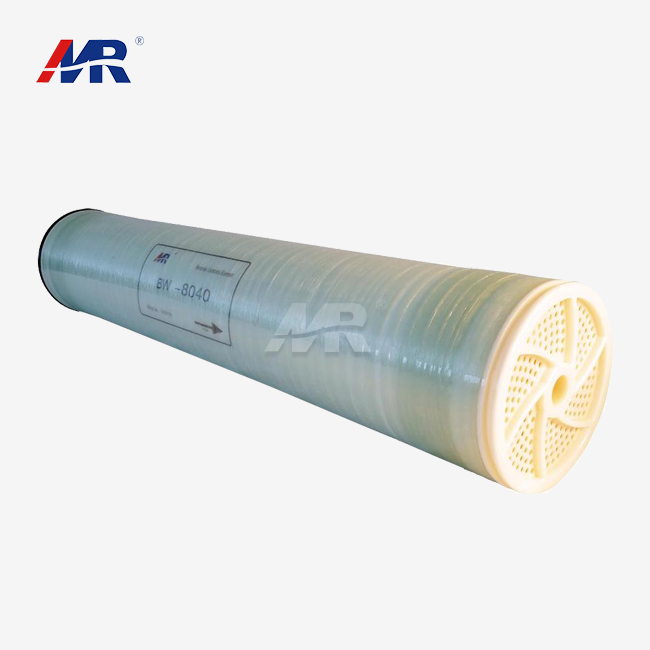 VIEW MORE8040 reverse osmosis membrane
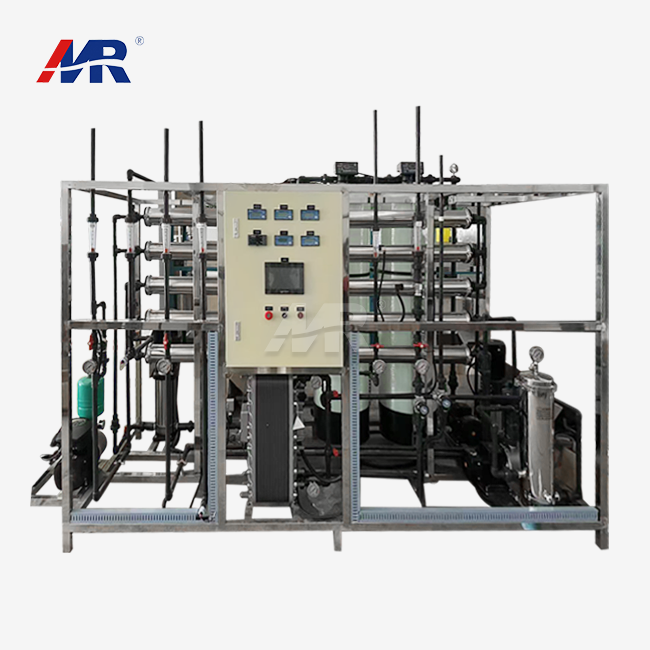 VIEW MOREedi purified water system
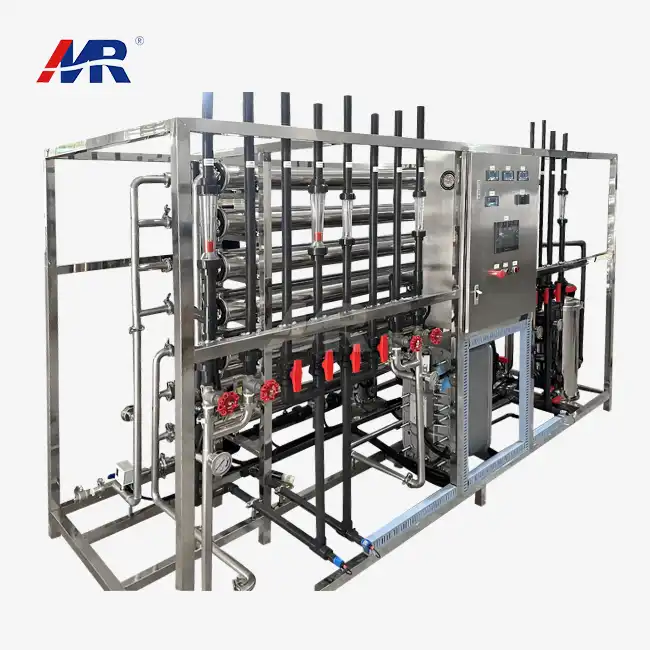 VIEW MORE2m3/hour EDI system
 VIEW MORE25m3/hour seawater desalination plant
