_1745823981883.webp)

SWRO Plant Automation for Reliable Water Production
Automated seawater reverse osmosis (SWRO) plants have transformed how industries produce reliable, high-quality water from seawater. By integrating advanced sensors, intelligent controls, and real-time monitoring systems, modern swro plant automation minimizes human error while maximizing operational efficiency. This approach enables facilities to deliver consistent water quality, reduce energy costs, and maintain predictable production schedules—critical factors for manufacturers, municipal water suppliers, and energy operators who depend on uninterrupted water supply for their operations.
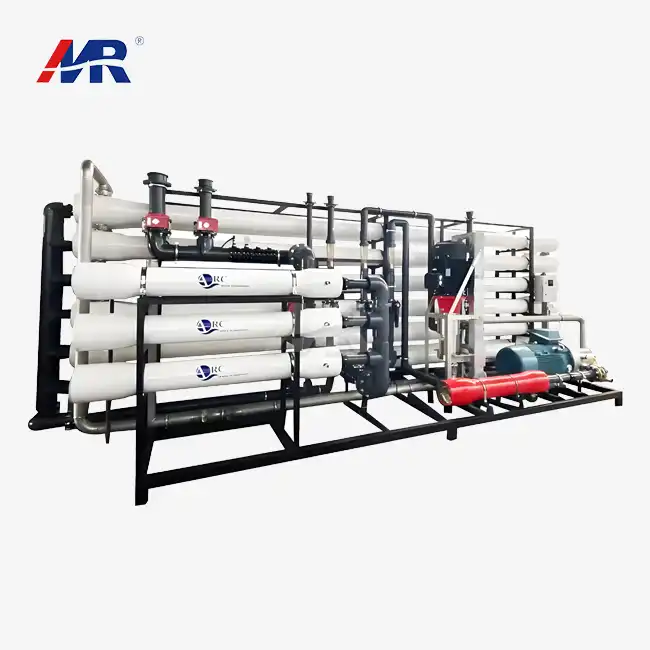
Understanding SWRO Plant Automation and Its Core Benefits
Automatic methods for desalinating seawater are a big improvement over the old way of doing things, which was by hand. At their core, these plants use semi-permeable membranes to separate impurities and dissolved salts from seawater while it is under high pressure, usually between 5.0 and 7.2 MPa. Automation adds smart control to this process, turning it from a job that required a lot of work to one that produces water very efficiently and on its own.
How Automation Components Work Together
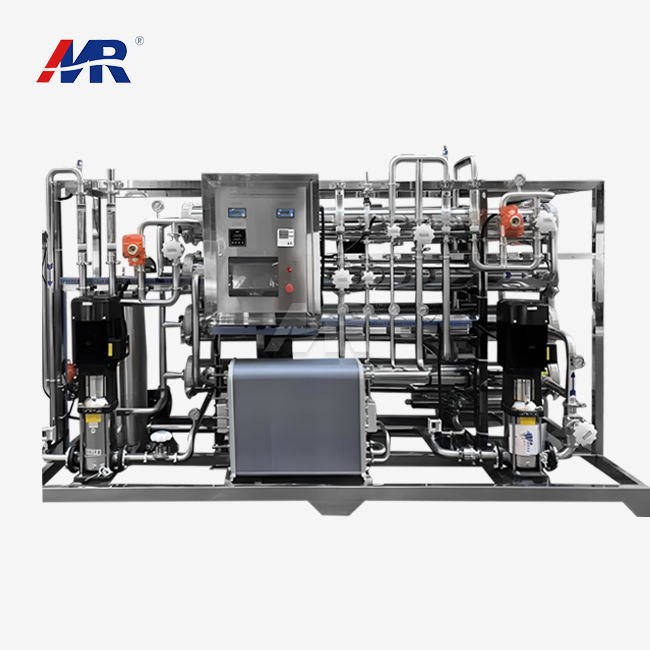
Modern SWRO automation depends on technologies that are linked together and constantly check and change system settings. As the membrane works, pressure sensors keep an eye on it, conductivity probes check the quality of the water, and flow meters make sure that the best recovery rates are reached. Programmable logic controllers (PLCs) get information from these devices and make instant changes to pump speeds, chemical dosing, and valve positions. Supervisory Control and Data Acquisition (SCADA) systems give operators centralized dashboards that show important metrics like energy use, total dissolved solids, and permeate flow in real time.
Machine learning algorithms in more advanced facilities look at past performance data to predict membrane fouling, find the best cleaning cycles, and change operating parameters based on how the feedwater is changing. This ability to predict the future cuts down on unplanned downtime and greatly increases the membrane's lifespan compared to reactive care methods.
Operational and Environmental Advantages
Many automation areas have improved. Systems that automatically adjust high-pressure pump output depending on demand consume less energy. Smart load balancing and energy recovery integration allow Morui's automated SWRO systems to consume 3.5 to 4.0 kWh per cubic metre of water, far less than the industry average.
Automated solutions collect operational data, generate compliance reports, and notify operators of parameter violations before they cause quality issues, making compliance easy. Chemical dosing that removes garbage, automated concentration management that decreases discharge volumes, and enhanced pre-treatment that reduces filter replacement reduce environmental harm.
Safety must also be improved. Temporary pressure spikes don't harm the membrane, chemical dosing controls protect workers from toxic chemicals, and emergency shutdown methods start immediately when sensors identify difficulties. These characteristics safeguard workers and capital equipment while maintaining production.
Performance Optimization: Overcoming Challenges in SWRO Plant Operations
Traditional desalination plants have ongoing operating problems that can be solved by automating them. Membrane fouling, which is when organic matter, biofilms, and mineral scales build up on membrane surfaces, is still the main reason why performance drops and maintenance needs to be done without planning to. Automated systems stop this by constantly checking the standardized permeate flow and differential pressure and starting cleaning-in-place (CIP) processes only when they are needed, not when they feel like it.
Real-Time Monitoring and Predictive Maintenance
Advanced monitoring systems of the swro plant detect tiny red flags by monitoring dozens of factors at once. If feedwater temperature changes, automated controllers adjust pressure to maintain salt rejection. Dosing devices automatically boost antiscalant when source water silica rises. Simple changes made hundreds of times a day prevent hand-run plant breakdowns.
Predictive maintenance matches membrane performance to activation starting points. The technology sends maintenance alerts days or weeks before failure when differential pressure or altered permeate flow surpass criteria. Operations teams may intervene during planned downtime rather than unexpected production stoppage.
A Florida beach city described control automation results. In only six months, they decreased unplanned downtime by 68%, boosted recovery rate from 38% to 44%, and cut energy usage by 0.7 kWh/m³. By making these changes, their 500 m³/day facility cut operating costs by about $180,000 annually.
Automated Cleaning and Chemical Management
Timing and dosing are very important for how well chemicals clean, and automation is great at both of these tasks. Multiple-step cleaning routines with exact chemical concentrations, contact times, and temperatures are carried out by automated CIP devices. The system checks how well it's cleaning by measuring sediment and conductivity in real time. If the first results aren't good enough, the system will automatically extend or change the cleaning process.
Automated flushing routines stop biological growth and particulate accumulation between major cleaning cycles. These short, regular interventions keep the membranes permeable without stopping output, which is needed for full CIP processes. Chemical inventory management systems keep track of how quickly chemicals are used up, guess when they will need to be reordered, and let purchasing teams know before supplies run out completely.
How to Choose the Right Automated SWRO Plant System for Your Business
When looking for the right automated desalination system, you need to balance technical requirements with operational needs and cost. People who make decisions should look at a number of important factors that have a direct effect on the total cost of ownership and long-term success.
Capacity and Scalability Considerations
Production must match both current demand and growth that is expected. Systems that are too small always work at full capacity, with no room for repair breaks or sudden increases in demand. Oversized buildings cost more to build and often don't work as well when they're only partially full. The best way to do things is to use modular designs that let you add capacity in small steps as demand rises.
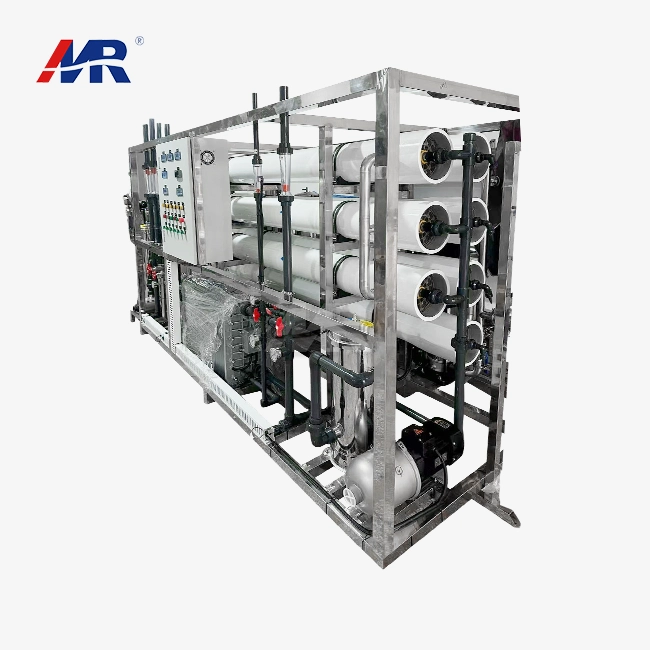
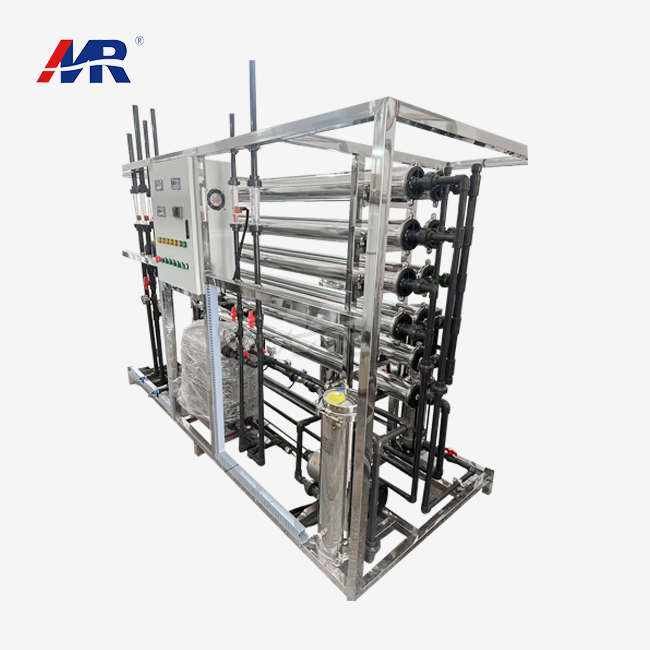
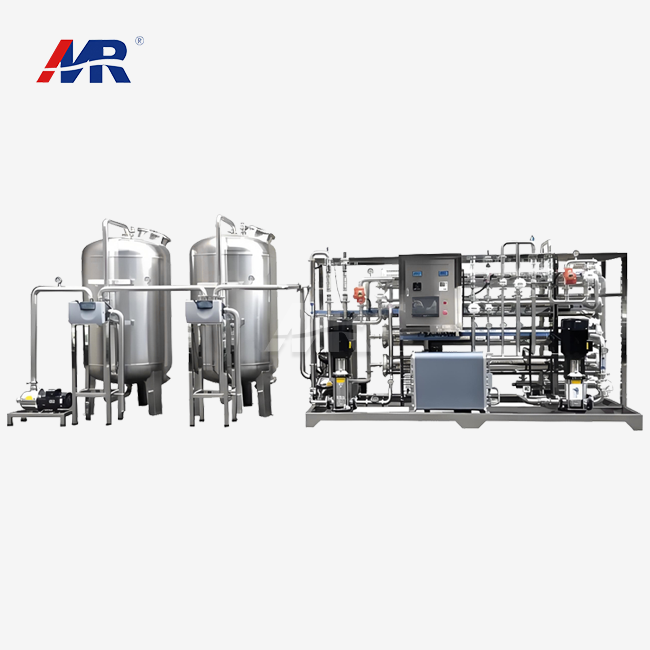
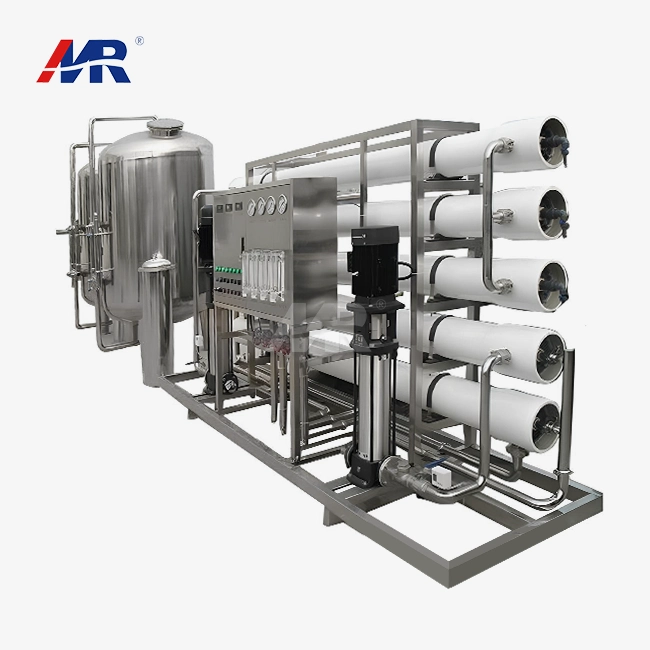
This concept of modularity is shown by Morui's 15 m³/hour SWRO device. This configuration can produce 360 m³ per day and is good for medium-sized factories, resorts in remote areas, or extra supply for cities. To double or triple capacity, identical units can work together without having to redesign the core infrastructure. Recovery rates of up to 45% reduce the amount of concentrate that needs to be thrown away, which is very important in seaside areas that are sensitive to the environment.
Energy Efficiency and Recovery Systems
Energy costs usually make up 40 to 50 percent of all the costs that desalination plants have to run. In more than one way, automated methods make this easier. Instead of running motors at full output all the time, variable frequency drives change pump speeds on the fly, using only the power needed for the present situation. Pressure energy from concentrate streams is collected by energy recovery devices and transferred to incoming feedwater. This lowers the net power demand by up to 35%.
When looking at different suppliers, make sure you get specific numbers on how much energy their systems use when they're working in conditions that are similar to the temperature and salinity of your feedwater. Systems that say they can handle 3.5 kWh/m³ of 35,000 ppm seawater at 25°C may use a lot more power when dealing with 40,000 ppm water at 15°C. Morui gives thorough performance curves that take these factors into account, which lets you make accurate predictions about running costs.
Integration and Customization Options
Integrating smoothly with existing systems prevents costly, stop-operations updates. Check whether the automation systems you're considering can communicate with your facility's control network via Modbus, Profibus, or OPC-UA. Cloud connection allows you to monitor and seek Technical support remotely, but data security must satisfy industry requirements. Pharmaceutical and semiconductor firms with proprietary processes need this.
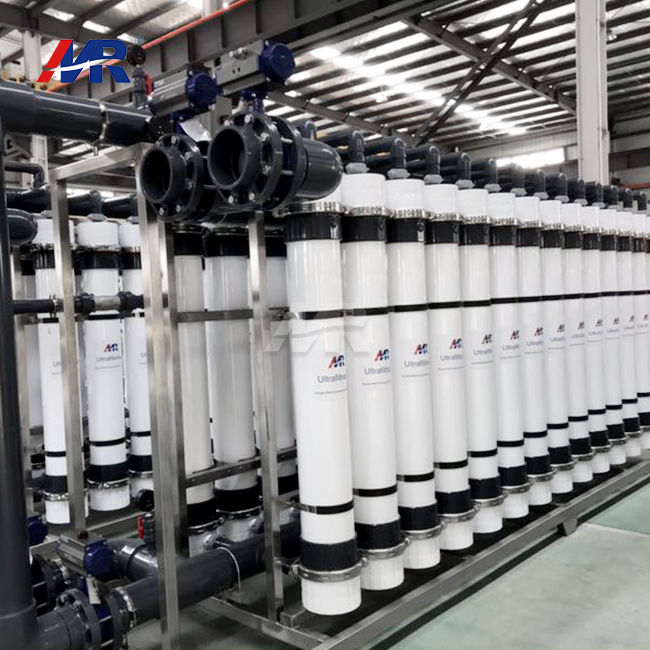
Customisation lets you address unique water quality issues. Pharmaceutical plants must use pH-changing post-treatment systems to add minerals to permeate to fulfil USP criteria. To get resistance exceeding 15 MΩ·cm, electronics manufacturers must do additional cleaning operations. Pre-treatment setups vary by feedwater quality. Facilities that handle salty water inland may not require multistage filtering and ultrafiltration, while coastal sites with high turbidity need.
Procurement and Installation Insights for Automated SWRO Plants
Comparing technical specs and unit prices of swro plant is only one part of a successful procurement process. A thorough review looks at the credentials of the provider, the level of service they offer, and the total cost of ownership over the equipment's expected 15 to 20-year life.
Evaluating Supplier Capabilities
Experienced manufacturers demonstrate their skills by displaying comparable projects. Request references from facilities that treat comparable water sources and provide the desired amounts. Visits to operational installations disclose things specifications sheets can't, such as noise, space consumption, and maintenance ease.
Guangdong Morui Environmental Technology Co., Ltd. provides many resources for difficult projects. With over 500 employees, 20 specialised engineers, and 14 regional offices, we provide local support and several manufacturing alternatives. Our membrane manufacturer ensures quality and supply chain reliability. We use established component manufacturers including Shimge Water Pumps, Runxin Valves, and Createc Instruments.
Manufacturing depth matters for customisation. Changes are difficult in operations that exclusively assemble purchased parts. Integrated pressure vessel, skid assembly, and control screen manufacturers may adapt designs to match restricted space, peculiar demands, or hazardous water chemical ingredients.
Installation Coordination and Commissioning
You must coordinate civil foundations, plumbing connections, electrical distribution, and automation system setup to execute a good installation. Detailed project plans illustrate priority tasks and trade dependencies. The foundation must be entirely dry before installing hefty high-pressure pumps. Power must be on before setting controllers. Pressure test feedwater and drain concentration pipelines before adding seawater.
Commissioning converts machines into usable production assets. Methodical steps test each component before introducing it to the system. Pumps are flow and pressure tested, membranes are integrity examined, and chemical dosing systems ensure calibration. Validating the control logic ensures that automated responses follow the plan even when things go wrong.
Morui provides equipment, installation, and setup. Our engineers train operations workers on-site at startup to solve issues and perform daily chores. This hands-on information sharing enhances clients' confidence and abilities, reducing their need for professional aid for daily issues.
Maintenance Planning and Supplier Support
Long-term reliability requires tight maintenance requirements from the outset. Automatic data recording eliminates the need to retain records by hand, and automatic warnings prevent inspections from being missed. However, skilled professionals must perform regular maintenance. To replace membranes, cartridge filters, or calibrate a chemical system, experienced specialists must follow manufacturer recommendations.
See how prospective vendors handle post-sale servicing. Response times depend on service area proximity. How soon damaged parts may be replaced relies on spare part availability. Technical assistance via phone hotlines, videoconferencing, or remote system access solves issues without sending out professionals for every issue.
A maintenance contract helps you budget and ensure response time. Comprehensive agreements include scheduled preventative services, consumables, and priority emergency aid. These agreements are beneficial for locations without expertise or that operate in remote places where local technical skills are hard to develop.
Future Trends in SWRO Plant Automation and Water Production Reliability
As digital technologies, materials science, and environmental concerns push innovation, the desalination industry keeps moving forward quickly. When facilities invest in automation now, they set themselves up to use new features that improve performance and sustainability even more in the future.
AI-Driven Optimization and IoT Integration
AI can enhance the whole process, not just expected maintenance. Machine learning models trained over thousands of hours identify the optimum parameter combinations that humans may never uncover. These systems constantly evaluate tiny changes in pressure, temperature, and recovery rate to see how they affect permeate quality, energy usage, and membrane life. Good tests produce new functioning setpoints that improve the system over time.
Web connectivity provides us with more power and awareness than ever. Equipment manufacturers remotely monitor installed systems for unusual behaviour and recommend adjustments before consumers discover a problem. Looking at fleet data reveals something that looking at individual installations doesn't. One batch of membranes may have odd fouling patterns, or particular operating circumstances may cause early component failures. Makers apply their skills to improve ideas and provide practical advice, benefiting everyone.
Sustainability and Regulatory Evolution
Energy usage and concentrate disposal are tough because of environmental laws. As regulations tighten, automated technology helps sites comply. Precision control cuts chemical use, saving money and the environment. Optimisation of energy management minimises emissions and operating costs. Environmental and economic goals seldom match.
New membrane materials reduce energy and operating pressures by 20–30% by improving permeability and fouling resistance. Graphene oxide, hybrid membranes, and biomimetic polymers are reaching commercialisation. Legacy installations may not adapt as well as modular membrane housing automated technologies. As technology advances, this protects capital investments.
You must plan for these advances beyond your current needs. Teams learn data analysis, automation, and digital technologies. Early access to new system upgrades comes from technology partnerships with forward-thinking companies. The resilience strategy includes hacking, supply chain backups, and climate change adaptation. This keeps facilities running when problems arise.
Conclusion
Automated swro plants have a lot of benefits over human ones, like higher stability, lower energy use, and stable water quality that can support tough industrial processes. To choose the right system, you need to carefully look at how much power you need, how energy efficient it is, how well it can integrate with other systems, and how knowledgeable the provider is. Successful implementations combine tried-and-true technology with a wide range of support services. This makes sure that facilities reach their performance goals from the first day they open until many years later. As automation technologies keep getting better, early adopters gain a competitive edge through lower costs, better sustainability, and more organizational freedom, which sets them up for long-term success.
FAQ
1. What is the typical payback period for SWRO plant automation upgrades?
Most sites get their investment costs back in automation within two to four years by using less energy and chemicals and spending less on upkeep. Payback times depend on how much is being made, how much electricity costs in the area, and how efficient the existing equipment is at its base level. Most of the time, bigger plants with higher running costs get their money back faster than smaller ones. Specifically, upgrades to SWRO plant automation often deliver the quickest returns in high-capacity facilities.
2. How does automation affect staffing requirements for SWRO facilities?
Automated systems cut down on regular maintenance and adjustments that need to be done by hand, but they still need trained workers. The staff's job changes from constant control to tasks like data analysis, preventative maintenance, and optimization. Many facilities keep the same number of employees while moving some to more important tasks that improve the general performance and dependability of the business.
3. Can existing manual SWRO plants be retrofitted with automation controls?
Most of the time, retrofitting is possible and cheaper than replacing everything. Putting in sensors, updating control systems, and connecting automatic valves to mechanical equipment that is already there are all parts of the process. The scope of the retrofit depends on how well the new equipment works with the old equipment. Through thorough analysis, it is possible to tell which parts need to be replaced and which ones can be added to automatic control systems.
Partner with a Trusted SWRO Plant Manufacturer
Morui is an expert at providing automated swro plant systems for desalinating seawater that meet the strict needs of businesses and cities. Our integrated method includes making tools, designing systems, and providing full commissioning services to make sure your building regularly meets its performance goals. We can make membranes, have a lot of relationships for parts, and have technical teams with experience in a lot of different industries. This lets us tailor solutions to your specific water quality problems and operational limitations.
Whether you need a small 15 m³/hour system for operations in remote areas or large-scale setups that serve coastal towns, our technical experts will help you through the whole process, from creating specifications to buying equipment and making sure it works well in the long term. Get in touch with Our Team at benson@guangdongmorui.com to talk about your project needs and find out how modern technology can make water production more reliable and efficient.
References
1. Voutchkov, N. (2018). Energy Use for Membrane Seawater Desalination – Current Status and Trends. Desalination Journal, 431, 2-14.
2. Greenlee, L.F., Lawler, D.F., Freeman, B.D., Marrot, B., & Moulin, P. (2019). Reverse Osmosis Desalination: Water Sources, Technology, and Today's Challenges. Water Research, 43(9), 2317-2348.
3. Kim, J., Park, K., Yang, D.R., & Hong, S. (2020). A Comprehensive Review of Energy Consumption of Seawater Reverse Osmosis Desalination Plants. Applied Energy, 254, 113652.
4. Alsarayreh, A.A., Al-Obaidi, M.A., & Mujtaba, I.M. (2021). Performance Evaluation of Reverse Osmosis Membrane for Seawater Desalination Using Model-Based Approach. Computers & Chemical Engineering, 150, 107323.
5. Curto, D., Franzitta, V., & Guercio, A. (2021). A Review of the Water Desalination Technologies: Energy and Environmental Aspects. Applied Sciences, 11(2), 670.
6. Panagopoulos, A., Haralambous, K.J., & Loizidou, M. (2019). Desalination Brine Disposal Methods and Treatment Technologies: A Review. Science of The Total Environment, 693, 133545.