

_1745823981883.webp)

Leachate Treatment Plant Process Design: Key Factors for Success
When managing a landfill or waste disposal facility, designing an effective leachate treatment plant process is one of the most critical engineering challenges you'll face. This sophisticated system integrates physical, chemical, and biological technologies to neutralize the highly contaminated liquid that seeps through solid waste. The leachate treatment plant process addresses complex pollutants including high-concentration organic matter, ammonia nitrogen, heavy metals, and inorganic salts—substances that threaten groundwater, soil, and surrounding ecosystems if left untreated. Understanding how to design a treatment plant that balances regulatory compliance, operational efficiency, and long-term sustainability separates successful projects from costly failures.
Understanding the Leachate Treatment Challenge
Leachate is basically dirty water that has seeped through trash in a landfill and picked up harmful chemicals along the way. There are high amounts of biological oxygen demand (BOD), chemical oxygen demand (COD), ammonia, and heavy metals such as lead, mercury, and cadmium in this liquid waste. The EPA sets strict limits on how much wastewater can be released, which forces site managers to use full cleaning methods that safeguard people's health and the environment.
Why Leachate Poses Unique Treatment Difficulties
When leachate gets old, it causes problems that regular wastewater systems can't handle. As dumps get older, the organic substances inside them become harder to break down naturally. In biological treatment stages, high levels of ammonia stop bacteria from working. Changing pH levels and high toxicity make the treatment process even more difficult. Because of these things, municipal wastewater plants often don't accept leachate. This means that on-site treatment facilities are necessary and not just nice to have.
Regulatory and Environmental Drivers
Over the past ten years, federal and state rules on leachate release have become a lot stricter. Before putting their wastewater into sewers or surface waters, facilities have to meet strict guidelines for the quality of their wastewater. Zero-liquid discharge (ZLD) systems clean and return all leachate, leaving only solid waste. These systems are now required in some places. Because of these rules, companies have to spend money on new treatment methods and work with suppliers that have a lot of knowledge and know what the rules are.
Core Processes and Technologies in Leachate Treatment Plant Design
A well-thought-out leachate cleanup system works in steps, with each stage hitting a different set of contaminants. In most Cases, the treatment train starts with cleaning, then moves on to biological and chemical treatment, and finally ends with advanced finishing technologies.
Preliminary Treatment and Flow Equalization
First, the water is screened to get rid of big pieces of trash, plastic, and solids in the water that could damage equipment further down the line. Equalisation tanks keep flow rates and contaminant levels in balance. This evens out the big changes that happen every day and throughout the year that are normal for landfills. This stabilisation stops shock loads that could be too much for biological systems to handle and makes sure that the treatment always works. Equalisation also gives buffer capacity during maintenance shutdowns, which keeps operations running smoothly.
Biological Treatment Approaches
Microorganisms are used in biological ways to break down organic pollution. Biodegradable compounds work really well at lowering BOD and COD in younger leachate when treated aerobically, which needs oxygen. Activated sludge systems and sequencing batch reactors are two popular types of aerobic setups. Anaerobic treatment, which doesn't use oxygen, is a cheaper way to deal with high-strength leachate but makes lower-quality waste that needs to be polished more. Many systems that work well use both methods. Anaerobic treatment lowers the organic load in a cost-effective way, and aerobic processes improve the quality of the waste before it is released.
Chemical and Physical Treatment Methods
Chemical cleaning gets rid of toxins that can't be broken down by living things in a leachate treatment plant process. Coagulation and flocculation stick together small particles to make them easier to remove. Advanced oxidation processes, which use ozone or hydrogen peroxide, get rid of organic compounds that don't break down easily. Chemical precipitation or ammonia stripping can get rid of nitrogen compounds that living things can't get rid of completely.
Advanced Membrane Technologies
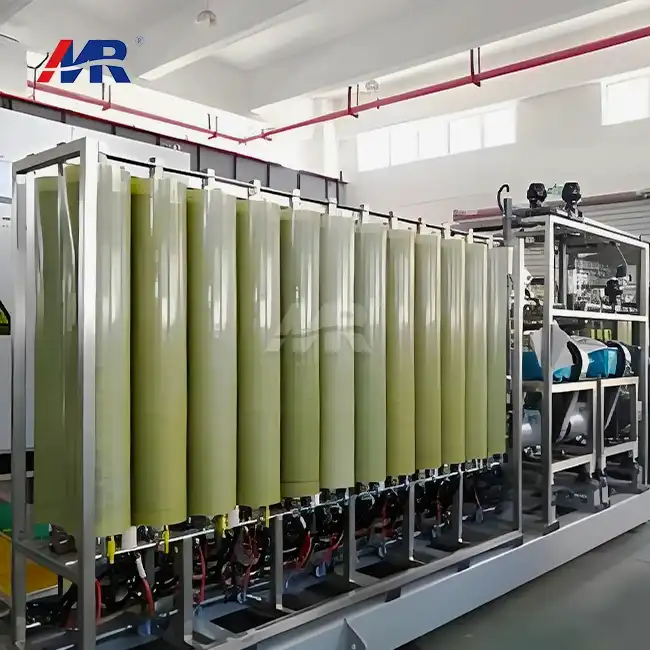
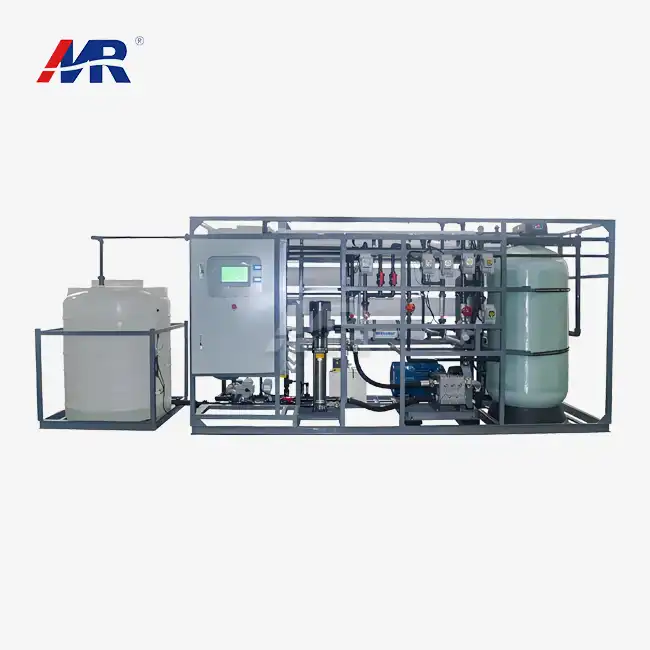
membrane filtration is the most advanced way to treat leachate. Ultrafiltration (UF) gets rid of bacteria and solids that are floating in the water, while reverse osmosis (RO) gets rid of dissolved salts, heavy metals, and any organic compounds that are still present. Membrane Bioreactor (MBR) devices treat wastewater biologically and separate it through a membrane in a small area. This makes the wastewater better while taking up less room. Even though membrane systems cost more to buy, they always meet the strictest discharge standards and help with efforts to reuse water.
Choosing the Right Treatment Technology for Your Needs
To choose the right treatment technologies, you need to look at the specifics of your leachate, your discharge requirements, the limitations of your site, and your budget. There is no one right answer for every problem, so it is important to think things through carefully.
Matching Technology to Leachate Composition
Activated sludge or anaerobic digesters are good options for treating young leachate that has a lot of organic matter that breaks down naturally. Chemical oxidation or membrane filtering are needed for mature leachate that has compounds that don't break down easily. Testing the makeup of your leachate helps you choose the right technology. Labs can look at BOD/COD ratios, ammonia levels, heavy metal amounts, and toxicity to suggest the best treatment methods. A lot of sites deal with both young and old leachate, so they need systems that can be changed to fit the quality of the influent.
Balancing Performance Against Operational Complexity
Membrane bioreactors are very good at treating things, but they need to be operated by skilled people and maintained regularly. While conventional activated sludge systems are easier to use, they may have trouble with leachate quality that changes over time. Chemical treatment can be used quickly to deal with contamination spikes, but it requires regular chemical purchases and careful pH control. When choosing technologies, be honest about how much technical knowledge you have access to. Sophisticated systems don't work well when workers aren't trained or when management doesn't put support at the top of the list of priorities.
Economic Considerations and Long-Term Value
The cost of initial cash is only one part of the overall cost of doing business. Over decades, operating costs like buying chemicals, replacing membranes, using energy, and paying workers add up. Utility bills go down when you use energy-efficient technologies like anaerobic treatment or gravity-driven filtration. Modular designs let the dump grow in stages as the amount of trash it holds, so too much money isn't spent all at once. Life-cycle cost analysis shows how well different technologies really do in terms of money, which helps people who make financial decisions support investments that lower total ownership costs.
Key Factors Influencing Leachate Treatment Plant Success
Aside from choosing the right technologies, there are a number of operational and design factors that affect how well and how cheaply your treatment plant works over its lifetime.
Capacity Planning and Scalability
Planners with a lot of experience have trouble accurately predicting how much leachate will be present. How much rain falls, the type of trash, how old the dump is, and how well the cover is attached all affect production rates. By planning for peak flows with backup capacity, you can avoid overloading during wet seasons. When volumes rise, modular building methods let you add more treatment trains, bigger equalisation tanks, or extra membrane modules without having to do a lot of major reconstruction. This gives you options, which saves your property from not being used enough or not having enough space.
Automation and Real-Time Monitoring
Sensors, programmable logic controllers, and SCADA systems are used in modern leachate treatment plant process facilities to automatically improve performance. Monitoring pH, dissolved oxygen, conductivity, and flow rates all the time lets you respond quickly to problems. Automated chemical dosing keeps conditions at their best without the need for constant adjustments by an assistant. Managers are immediately notified of problems by remote monitoring, which cuts down on downtime and stops discharge violations. With these control systems, treatment plants go from being labour-intensive to being efficient and predictable.
Maintenance Strategies and Equipment Reliability
Treatment equipment stays in good shape with preventative repair plans. Manufacturers should be consulted for advice on how often to clean the membrane, inspect the pumps, check the air system, and calibrate the instruments. Operational consistency is ensured by working with providers who offer full aftersales support, spare parts availability, and expert help. Equipment redundancy for important parts like pumps and fans lets repair be done while the treatment is still running. Facilities that have written maintenance procedures and trained staff always do better than those that rely on repairs when they happen.
Procurement and Supplier Selection Guide for Leachate Treatment Plants
Picking the correct tools seller and treatment system designer has a big effect on the success of the project. There are a few things that set great partners apart from adequate sellers.
Evaluating Supplier Credentials and Experience
Check the supplier's skills beyond what they say in their marketing papers. Certifications like ISO 9001 for quality management and ISO 14001 for environmental management show that a company makes and provides services in a structured way. Ask for case studies from sites that deal with similar types of leachate—references from pharmaceutical wastewater plants are not as useful as references from landfills. Site visits to sites that are already up and running show how well the product works in the real world and let you talk openly with current customers about reliability, support quality, and long-term happiness.
Turnkey Solutions Versus Component Supply
Some providers offer full turnkey systems that include planning, equipment supply, installation, commissioning, and training for operators. Others offer separate parts, which means you have to work with more than one provider. Turnkey methods may cost more, but they make project management easier and make it clear who is responsible for what. Buying parts gives you freedom and could save you money, but you need to have technical knowledge in-house. Large and medium-sized businesses with expert staff tend to prefer component-based methods. Smaller businesses, on the other hand, benefit from turnkey solutions that hand off the complexity to experienced suppliers.
Cost Structures and Financing Options
Depending on how much they can handle and how advanced they are, treatment plants can cost anywhere from a few hundred thousand dollars to several million dollars. Find out what each price includes. Things like training, installation, and spare parts can add a lot to the overall cost of the job. Some suppliers offer leasing plans that let you keep your cash for other things and make sure you know exactly how much you'll be spending each month. Customisation is important when sites have specific restrictions or discharge needs. To make smart financial choices, ask for specific details that compare the prices of capital, estimated running costs, and projected equipment lifespans.
Conclusion
To create a successful leachate treatment plant process, you need to combine the right technologies with realistic capacity planning, operational excellence, and strong partnerships with suppliers. Treatment systems that consistently meet environmental standards while keeping costs low have a few things in common: they choose technologies that are right for the type of leachate they are dealing with, they use automation and monitoring to make sure they work properly, and they get regular maintenance from trained professionals. Whether you are in charge of a municipal landfill, a facility for hazardous waste, or an industrial site that makes contaminated leachate, taking the time to do thorough design and supplier evaluation will pay off for decades of reliable service. This spending is necessary to protect communities and natural resources because it affects the environment and rules.
FAQ
1. What is the typical lifespan of a leachate treatment plant?
Treatment plants that are well taken care of can work well for 20 to 30 years, though different parts have different service lives. Depending on how they are cleaned and the quality of the fluid coming in, membrane modules usually need to be replaced every 3 to 7 years. With regular upkeep, pumps, blowers, and other mechanical equipment last between 10 and 15 years. Tanks, pipes, and building parts can last for many years. Regular updates that include newer technologies make plants last longer and work better.
2. How do biological and chemical processes work together?
Biological cleaning lowers the cost of recycling organic matter, but it can't get rid of all contaminants. Then, chemical processes go after ammonia, heavy metals, and substances that microbes can't break down. This stepped technique improves the efficiency of treatment. Biological methods remove large amounts of organic matter cheaply, while chemical and membrane technologies polish the effluent to meet strict limits for release. The mix does things that neither method could do on its own without spending too much money.
3. What pollutants do leachate treatment systems remove most effectively?
Modern treatment trains are very good at getting rid of soluble organics (90–95% BOD/COD reduction), ammonia nitrogen (95%+ removal with proper nitrification), and suspended solids (99%+ reduction). In a sense, heavy metals are removed or condensed. Dissolved salts and small amounts of organic substances are taken out by membrane structures. Some pharmaceutical leftovers and perfluorinated chemicals are the most difficult toxins to get rid of. They may need advanced oxidation or activated carbon treatment.
Partner with Morui for Advanced Leachate Treatment Solutions
Guangdong Morui Environmental Technology is an expert at creating and delivering leachate treatment plant process systems that are specifically designed to meet the needs of your facility. Our engineering team knows how to make membrane bioreactors, reverse osmosis systems, and integrated treatment trains that always meet standards for discharge. We are an experienced leachate treatment plant process manufacturer with over 500 employees and 20 dedicated engineers. We offer complete solutions, from the initial assessment to commissioning and training of operators. Our in-house membrane production plant and ability to handle equipment ensure that we can keep an eye on quality and provide quick service. We work with well-known part brands like Shimge Water Pumps, Runxin Valves, and Createc Instruments to make systems that work well and come with full warranties. Email our technology team at benson@guangdongmorui.com to talk about the problems you're having with treating leachate and to look into custom solutions that will protect the environment and save you money.
References
1. Renou, S., Givaudan, J.G., Poulain, S., Dirassouyan, F., & Moulin, P. (2008). "Landfill Leachate Treatment: Review and Opportunity." Journal of Hazardous Materials, 150(3), 468-493.
2. Kjeldsen, P., Barlaz, M.A., Rooker, A.P., Baun, A., Ledin, A., & Christensen, T.H. (2002). "Present and Long-Term Composition of MSW Landfill Leachate: A Review." Critical Reviews in Environmental Science and Technology, 32(4), 297-336.
3. Kurniawan, T.A., Lo, W.H., & Chan, G.Y. (2006). "Physico-Chemical Treatments for Removal of Recalcitrant Contaminants from Landfill Leachate." Journal of Hazardous Materials, 129(1-3), 80-100.
4. Wiszniowski, J., Robert, D., Surmacz-Gorska, J., Miksch, K., & Weber, J.V. (2006). "Landfill Leachate Treatment Methods: A Review." Environmental Chemistry Letters, 4(1), 51-61.
5. Abbas, A.A., Jingsong, G., Ping, L.Z., Ya, P.Y., & Al-Rekabi, W.S. (2009). "Review on Landfill Leachate Treatments." Journal of Applied Sciences Research, 5(5), 534-545.
6. Alvarez-Vazquez, H., Jefferson, B., & Judd, S.J. (2004). "Membrane Bioreactors vs Conventional Biological Treatment of Landfill Leachate: A Brief Review." Journal of Chemical Technology and Biotechnology, 79(10), 1043-1049.
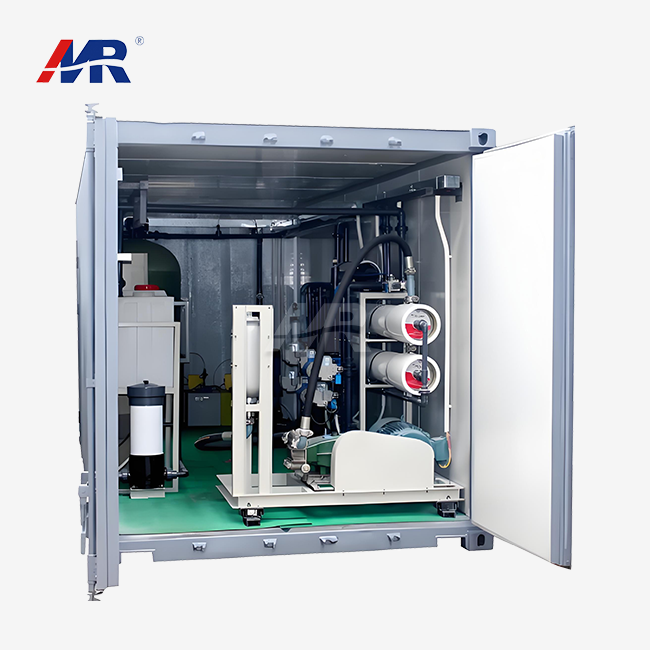 VIEW MOREcontainerized UF+RO system
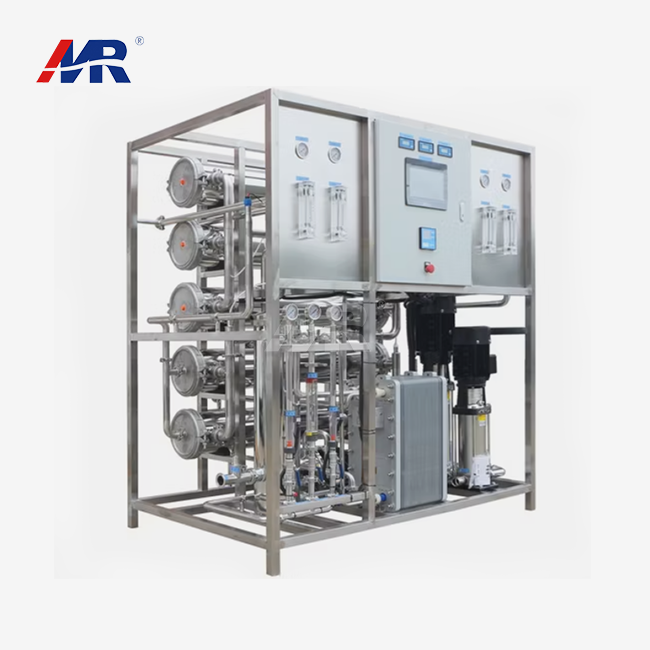 VIEW MOREro edi water system
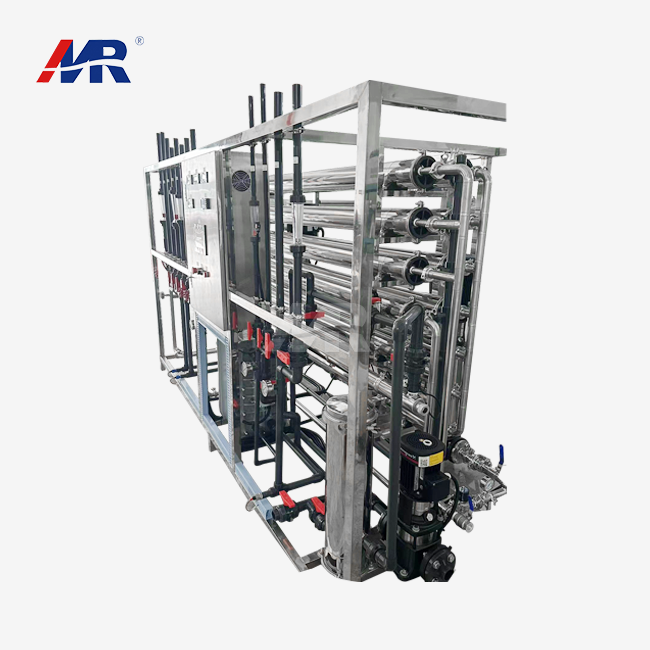 VIEW MOREedi water plant
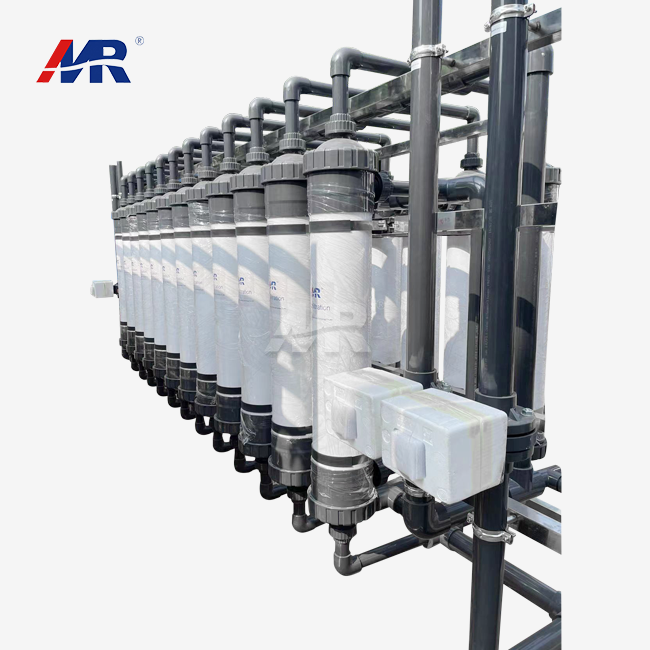 VIEW MOREindustrial ultrafiltration systems
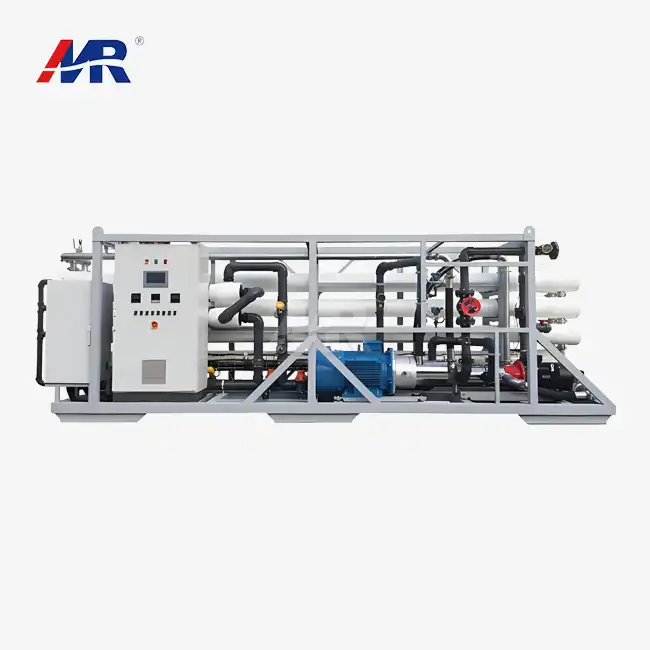 VIEW MORE15m3/hour seawater desalination system
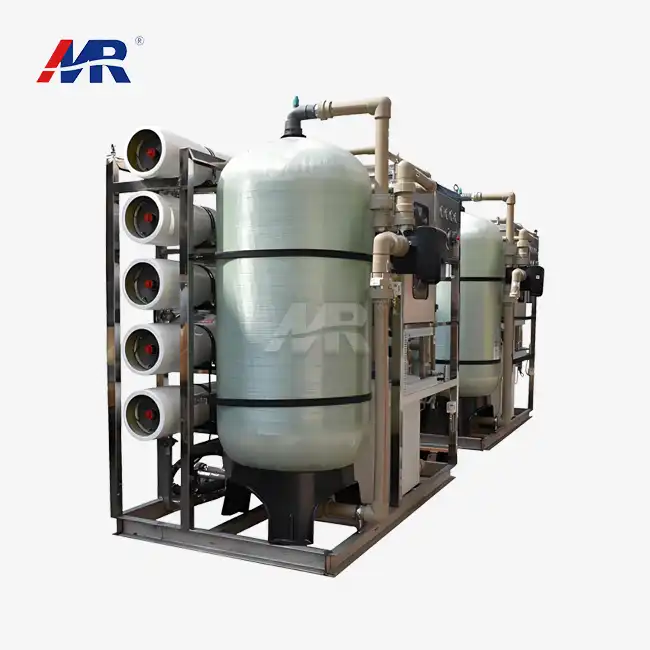 VIEW MORE8m3/hour seawater desalination equipment
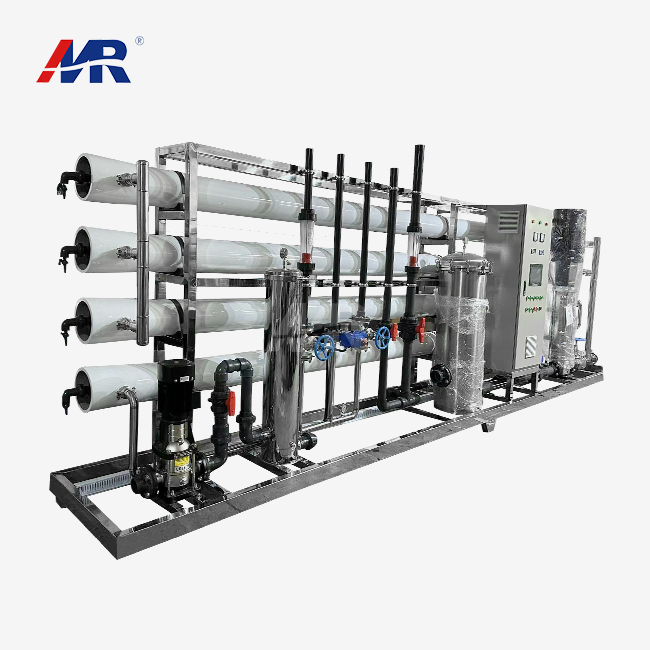 VIEW MOREreverse osmosis plant
 VIEW MORE5m3/hour seawater desalination equipment
