

_1745823981883.webp)

What to Look for in a Portable Desalination Device?
When evaluating a portable desalination device, focus on operational capacity, energy efficiency, membrane technology quality, and deployment flexibility. A robust system should deliver consistent freshwater output—typically ranging from 100 to 3,000 liters daily—while maintaining salt rejection rates above 99%. Pay attention to pretreatment capabilities, power source compatibility (solar, battery, or AC/DC), and automated controls that simplify operation in remote or industrial environments. Durability in harsh marine conditions, ease of maintenance, and compliance with international water quality standards are equally critical for ensuring long-term performance and minimizing total cost of ownership.
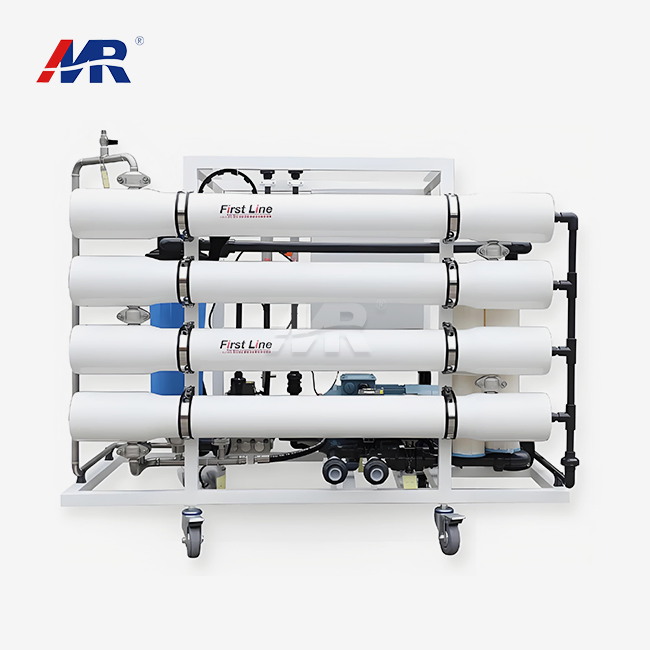
Understanding Portable Desalination Devices: Technology and Types
Modern compact water treatment systems are a big step forward from traditional centralized plants. They can be moved around easily and quickly, which helps with a wide range of practical issues. Through advanced filter and separation processes, these systems turn seawater or brackish water into drinkable water. This makes them very useful for marine operations, crisis response, rural industrial sites, and seaside facilities that don't have a lot of infrastructure.
Reverse Osmosis: The Core Technology
Reverse osmosis (RO) is still the most popular portable desalination device method. It uses semi-permeable filters to get rid of dissolved minerals, salts, and other impurities. High-quality RO systems use Thin Film Composite membranes that can reject more than 99.4% of salt, making water that meets the standards set by the World Health Organization for drinking water. To do the process, seawater is under pressure to overcome osmotic pressure. This usually needs between 55 and 70 bar for seawater applications. This forces only pure water molecules through the membrane while salts and other impurities are pushed back out. In more advanced units, Energy Recovery Devices take pressure from the concentrate stream, which cuts power use by up to 60% compared to older designs.
Alternative Technologies and Hybrid Systems
In addition to RO, some portable units have sun distillation built in for places that are very far away and don't always have access to power. These systems use the heat from the sun to evaporate water, leaving behind contaminants. However, they can only produce a lot less water. Manual pump-operated devices are useful in emergencies, but they don't have enough output for use in factories or groups. New hybrid configurations use ultrafiltration as a pretreatment step to get rid of suspended solids and organic matter before RO processing. This makes the membrane last longer by extending its lifespan.
Energy Source Variations
Operational adaptability is defined by the variety of the power supply. Solar-compatible models with DC 12V or 24V inputs can be used off-grid when paired with solar panels. However, battery buffering is needed to control the starting current of the pump. Battery-powered units are portable, but they need a way to be charged. Semi-permanent installations at beach resorts, research stations, or industrial camps can rely on AC-powered systems to work reliably. Knowing about your site's power infrastructure can help you choose the right technology and keep operations running smoothly.
Key Criteria to Evaluate Before Purchasing a Portable Desalination Device
To choose the best water treatment solution, you need to carefully look at the technical requirements, operational needs, and conditions at the site. Teams in charge of buying things should carefully look at each factor to make sure it fits with both current needs and long-term strategy goals. Selecting a high-quality portable desalination device demands an assessment of production metrics and system efficiency.
Production Capacity and Scalability
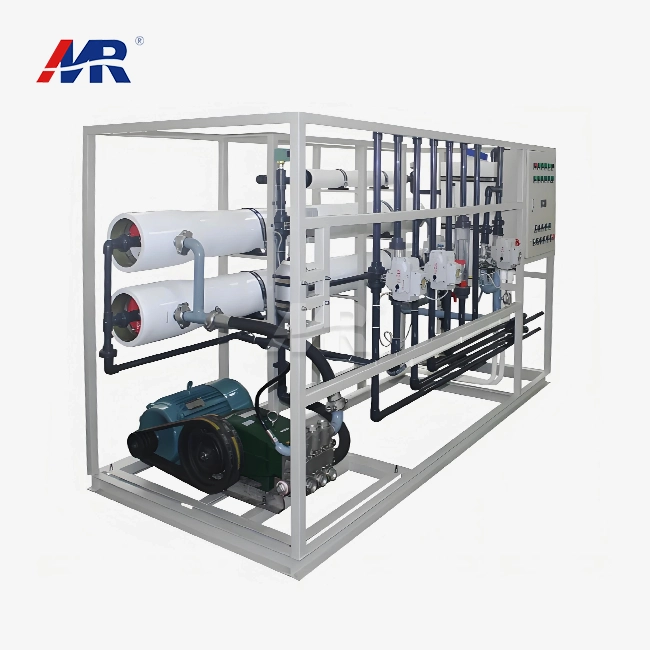
By matching system output to real demand, you can avoid both undersizing and spending too much on capital. Small industrial sites, offshore platforms, and beach resorts usually need between 2,000 and 5,000 liters of water every day. During times of crisis, emergency relief operations may need more water. Morui's 2-ton-per-hour machine, which makes about 48,000 liters of water every day, works well for medium-sized commercial uses. The unit's 40% recovery rate means that it can turn 5 tons of saltwater into 2 tons of freshwater. This is an important measure of efficiency for figuring out how much it costs to run and how to get rid of the brine. Before deciding on capacity specifications, buyers should figure out what the peak demand scenarios will be, including operations that happen at the same time.
Energy Efficiency and Operating Costs
The amount of power used has a direct effect on both the environment and the costs of running the business. Premium systems use only 4 to 5 kWh per cubic meter, which is a lot less than older methods that used 8 to 10 kWh/m³. This efficiency comes from energy recovery systems that reclaim hydraulic pressure and high-rejection screens that need less re-processing. When comparing systems, make sure to ask for documented energy performance data under different feedwater salinity conditions. When treating hypersaline sources, performance can drop a lot. To find out what the real costs of ownership are, multiply the daily output volume by the specific energy usage and the local power rates. This will give you the annual energy costs.
Pretreatment Systems and Water Quality Adaptability
Pretreatment that works well keeps expensive ro membranes from getting clogged and increases the time between service calls. Multimedia filtration gets rid of solids in the water, activated carbon filtration gets rid of chlorine and chemical compounds, and micron cartridge filtration (usually 5 microns) is the last step before high-pressure pumps. Morui's three-stage cleaning system can handle different types of feed water, which is important in places where turbidity changes with the seasons or where algae blooms happen. Check to see if the system has chemical dosing systems and automatic backwashing for preventing scale, which is especially important for source waters that are high in hardness or silica.
Control Systems and Operational Simplicity
PLC-based automation with touchscreen interfaces cuts down on the time and effort needed to train operators and reduces the chance of mistakes. Advanced control systems keep an eye on important factors like feed pressure, permeate flow rate, conductivity, and membrane differential pressure. They do this by giving real-time information about performance and warnings about needed maintenance. Look for systems that can be monitored from afar using cellular or satellite connections. This will allow Technical support and performance optimization to be done away from the site. Process flow diagrams and easy-to-use interfaces help non-expert users see at a glance what the state of the system is, which is very important for maritime applications or emergency deployments where technical knowledge may be restricted.
Physical Footprint and Installation Requirements
Portability includes both being able to move something and making it easy to set up. Designs that are containerized or mounted on skids make shipping easier using standard freight methods and allow for quick deployment without a lot of civil work. Small configurations that are 3–4 meters long can work in places with limited room, like ship decks or temporary aid camps. Check the weight limits to make sure they work with the lifting tools you have access to and the structure's load limits. Systems made to be easily installed usually come with pre-wired electrical connections, quick-connect water fittings, and base needs as little as a level concrete pad.
Comparing Top Portable Desalination Devices: Features, Pricing, and User Ratings
The global market for small filtration systems has grown a lot, and now companies in North America, Europe, and Asia all offer competitive options that are made to fit the needs of different types of businesses. Procurement teams can find the best value propositions by learning how the leading suppliers set their portable desalination devices apart.
Manufacturer Landscape and Innovation Trends
Leading suppliers put a lot of money into improving membrane technology and making the best use of energy. For military and marine oil uses, North American makers put a lot of emphasis on ruggedized construction. They often use multiple systems to make sure that their Products are reliable in mission-critical situations. European producers pay attention to eco-design principles, using materials that can be recycled and lowering the saltiness of brine by increasing recovery rates. Asian manufacturers, such as well-known Chinese water treatment experts, offer affordable options with a wide range of parts and strong networks for help after the sale. Morui has 14 branches and more than 500 employees, including 20 specialized engineers. It combines manufacturing scale with technical expertise by running its own membrane production facilities and equipment processing plants and selling well-known component brands like Shimge Water Pumps and Runxin Valves.
Price-Performance Analysis
When investing, you need to think about more than just the original buy price. You also need to think about installation, consumables, maintenance, and energy costs over the system's lifetime. Entry-level portable units that can be used on small boats or in disaster kits cost between $3,000 and $8,000, but they can only give 100 to 200 liters of water per day when operated by hand. Mid-range automated systems that can produce 1,000 to 2,000 liters of water per day cost between $15,000 and $35,000. They use less energy and have membranes that last longer. Industrial-scale portable plants like Morui's 2-ton-per-hour system cost between $80,000 and $150,000, but they offer better dependability, automation, and expert support, all of which are important for ongoing operations where the costs of downtime are much higher than the equipment savings.
Warranty Coverage and Service Commitments
Comprehensive warranty terms show that the manufacturer is sure the product will last. Premium providers give full system warranties that last for 24 months, with longer membrane warranties that cover performance loss. Guaranteed arrival times for spare parts, online troubleshooting help, and the ability to provide service in the field should all be part of service promises. Check to see if the seller has approved partners or regional service centers close to where you do business. Suppliers who offer intense operator training, thorough maintenance paperwork, and video-based online help are good for systems that are used in rural areas because they cut down on the need for expensive site visits.
Challenges and Environmental Considerations of Portable Desalination Devices
Even tho technology has improved, compact portable desalination devices still have problems with how they work and how they affect the environment, which means they need to be managed in a proactive way. When buyers understand these problems, they can take the right steps to fix them and set reasonable expectations for performance.
Operational Challenges and Maintenance Requirements
The biggest problem is membrane fouling, which happens when organic matter, mineral scale, or biological growth builds up on membrane surfaces and makes it harder for permeate flow and salt rejection to work as well as they should. Flushing with fresh water after each operation cycle keeps salt from crystallizing during idle times. High-turbidity source waters make the prefilter saturated faster, so the cartridge needs to be replaced more often. Set up clear maintenance procedures that include the types of cleaning chemicals, their concentrations, and the length of time they are in contact with the membrane. If everything works right, membranes should last between 3 and 5 years before they need to be replaced. However, harsh environments or poor pretreatment can cut their useful life to 18 to 24 months.
Environmental Impact and Sustainability Considerations
Managing brine release is bad for the environment, especially in coastal places that are cut off and don't get much tidal flushing. The concentrate stream, which has twice as much salt as the feed water and cleaning chemicals in it, needs to be thrown away carefully so that it doesn't hurt the ecosystem in one place. Some places require diffuser systems to speed up dilution or don't allow release during breeding seasons that are important for wildlife. Carbon footprints are affected by how much energy is used, so designs that use less energy and incorporate green power are better for the earth. Buyers who care about the environment should look for systems that use little specific energy and look into adding solar power to reduce their reliance on fossil fuels.
Comparison with Centralized Infrastructure
Large-scale plants that are designed tend to use 20–30% less energy per cubic meter than portable systems. This is because of economies of scale in pressure tank design and energy recovery. But they don't build permanent infrastructure or dig marine intake tunnels or long-distance brine outfall pipelines, which would damage the environment. Because they are modular, they can have their capacity increased in line with real demand growth, rather than adding too much capacity at the start. The general environmental balance often favors movable solutions, even tho they use more energy per unit. This is because they are better for short-term uses, crisis response, or places where fixed infrastructure is not cost-effective.
How to Make the Final Purchase Decision: A B2B Buyer's Checklist
Frameworks for systematic evaluation help procurement teams sort through complicated technical requirements and business concerns, eventually choosing the portable desalination device that works best in certain operating situations.
Application-Specific Requirements Alignment
Mismatches that cost a lot of money can be avoided by matching system features to use case details. Maritime uses need construction that doesn't rust using duplex stainless steel or marine-grade aluminum, mounting that doesn't shake, and gimbal-compensated sensors that work correctly even when the ship is moving. Rapid deployment is a top priority for emergency aid operations. This means that setup time is kept to a minimum, items are packed securely for air travel, and people with little technical training can operate them. Industrial sites that are far away can benefit from automated operations that need little control, cell phone connections for tracking from afar, and longer service intervals that make logistics easier.
Supplier Evaluation and Due Diligence
Check the manufacturer's credentials by doing your own study and looking at things like ISO 9001 quality management approval and CE marking for European markets. Ask for references of setups that have been used in similar situations, ideally with contact information so that you can give direct feedback on how well the system works and how quickly the seller responds. Check the supplier's financial stability and organizational size. Well-established companies with a wide range of products, like Morui's 14 branches, and integrated manufacturing capabilities show that they want to keep customers for a long time. Carefully read over the contract's terms to make sure you understand what the warranty covers, when spare parts are available, how long technical help takes to respond, and how much responsibility is limited.
Total Cost of Ownership Calculation
A full financial study looks at more than just capital expenditures; it also looks at all costs over the course of a product's life. Find out how much prefilter filters, membrane cleaning agents, and scale inhibitors cost each year. Usually, replacing the membrane costs 15-20% of the initial system cost, so you should know how much it will cost every three to five years. Estimate how much energy will cost based on the amount of production, the type of energy used, and the rates charged by local utilities. Take into account the need for repair workers, either through service contracts or internal hiring needs. Figure out how much operational risk costs when there is downtime, poor water quality, or not enough capacity during peak demand. This all-around view shows the real economic value, which often justifies a bigger original investment in high-end systems that are more reliable and efficient.
Negotiation Strategies and Procurement Optimization
When you sign a bulk buy deal for multiple sites, you can get big discounts, often 15 to 25 percent off the price of a single unit. Look into your financing choices, such as lease agreements that can help you keep your working cash while giving you operational freedom. Ask for performance guarantees that spell out the minimum output, maximum energy use, and water quality standards, along with penalties for not meeting them. To get the most out of your system's uptime, talk about training programs that cover operation, routine maintenance, and basic troubleshooting. Set up deals for the inventory of spare parts to make sure that important parts are always available for quick shipment, and that costly production breaks are kept to a minimum.
Conclusion
To choose the right small desalination system, you have to think about your organization's overall strategy along with technical requirements, operating needs, environmental concerns, and budgetary limits. Procurement teams that are good at what they do regularly check things like source qualifications, pretreatment strength, automation complexity, and alignment of production capacity. Understanding the problems that come with operations, like membrane fouling and salt management, lets you come up with effective ways to fix them and keep the system running well in the long term. Portable systems may have higher unit costs than centralized infrastructure, but their ability to be quickly and easily set up, as well as their ability to grow, make them very useful for maritime operations, emergency response, remote industrial facilities, and other places where permanent infrastructure is not an option. A full analysis of the total cost of ownership, which includes energy, consumables, maintenance, and operational risk, shows real value propositions that go beyond the initial purchase price.
FAQ
1. How often do membranes require replacement in portable desalination systems?
When used correctly, with good pretreatment and frequent freshwater cleaning, RO membranes usually last between 3 and 5 years before they stop working well and need to be replaced. Lifespan may be cut to 18 to 24 months if it is used in harsh conditions, doesn't get enough pretreatment, or doesn't get regular maintenance. Check performance with TDS meters and flow rate meters to see if efficiency is going down.
2. Can these systems operate continuously in remote locations?
Well-designed automated systems can run continuously with little control, as long as the power source stays stable and there are enough supplies on hand. Tracking performance and fixing problems can be done from afar using cellular or satellite connections for remote monitoring. Set up preventative maintenance plans and spare parts inventories to lower the risk of downtime in places where technical help is hard to get to.
3. What power requirements should buyers anticipate?
How much energy a system uses depends on how it is built and how salty the feedwater is. Modern systems that are efficient use 4 to 5 kWh per cubic meter that they make. A 2-ton-per-hour system like Morui's needs about 8–10 kW of connected power, which can come from a generator or the power grid. For steady operation, solar-powered versions need large photovoltaic arrays, usually with a capacity of 15-20 kW and battery backup.
Partner with Morui for Reliable Portable Desalination Device Solutions
Guangdong Morui Environmental Technology Co., Ltd. has a track record of success in water treatment engineering and offers full project support along with advanced membrane technology. Our small 2-ton-per-hour desalination system is very reliable thanks to its high-rejection RO membranes, three-stage pretreatment, and PLC-based automation. It's perfect for factories, seaside resorts, and remote operations that need a steady source of freshwater. With more than 500 employees, 20 expert engineers, 14 regional branches, and our own membrane production, we offer complete solutions for every portable desalination device, from supplying the equipment to installing it, starting it up, and providing ongoing technical support. As a well-known company that makes portable distillation devices, we know how important it is for systems to work properly and for water quality to be monitored in tough working conditions. Email our technical team at benson@guangdongmorui.com to talk about your unique needs, get full specs, or set up a system demonstration.
References
1. Elimelech, M., & Phillip, W. A. (2011). "The Future of Seawater Desalination: Energy, Technology, and the Environment." Science, 333(6043), 712-717.
2. Greenlee, L. F., Lawler, D. F., Freeman, B. D., Marrot, B., & Moulin, P. (2009). "Reverse Osmosis Desalination: Water Sources, Technology, and Today's Challenges." Water Research, 43(9), 2317-2348.
3. Attemann, S., & Höpner, T. (2008). "Environmental Impact and Impact Assessment of Seawater Desalination." Desalination, 220(1-3), 1-15.
4. Voutchkov, N. (2018). "Energy Use for Membrane Seawater Desalination – Current Status and Trends." Desalination, 431, 2-14.
5. World Health Organization. (2017). "Guidelines for Drinking-Water Quality: Fourth Edition Incorporating the First Addendum." Geneva: WHO Press.
6. Zhao, S., Zou, L., Tang, C. Y., & Mulcahy, D. (2012). "Recent Developments in Forward Osmosis: Opportunities and Challenges." Journal of Membrane Science, 396, 1-21.
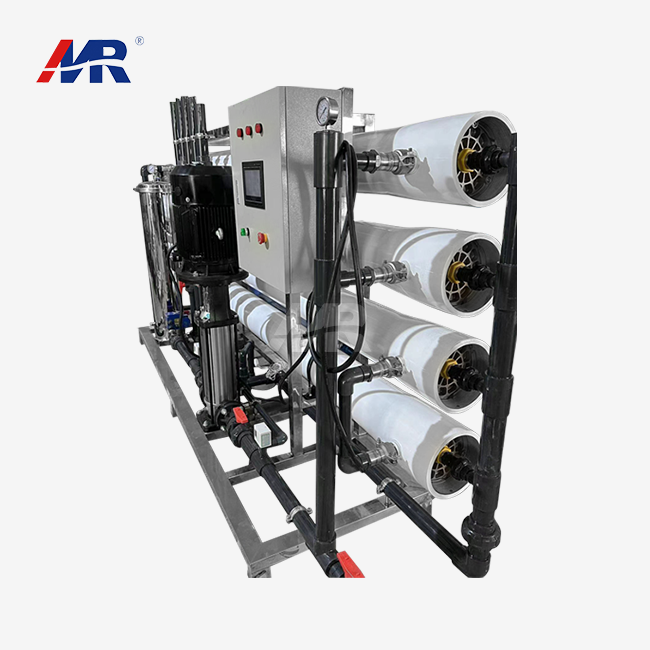 VIEW MOREunder counter reverse osmosis water system
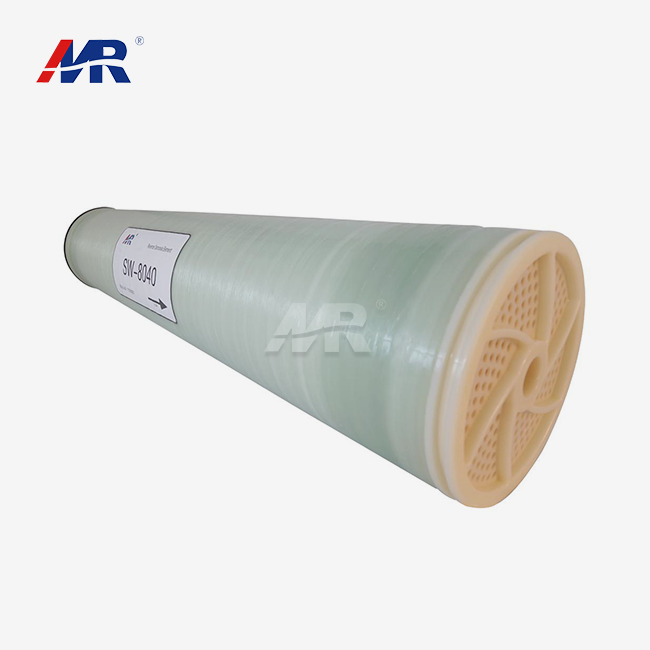 VIEW MOREreverse osmosis membranes
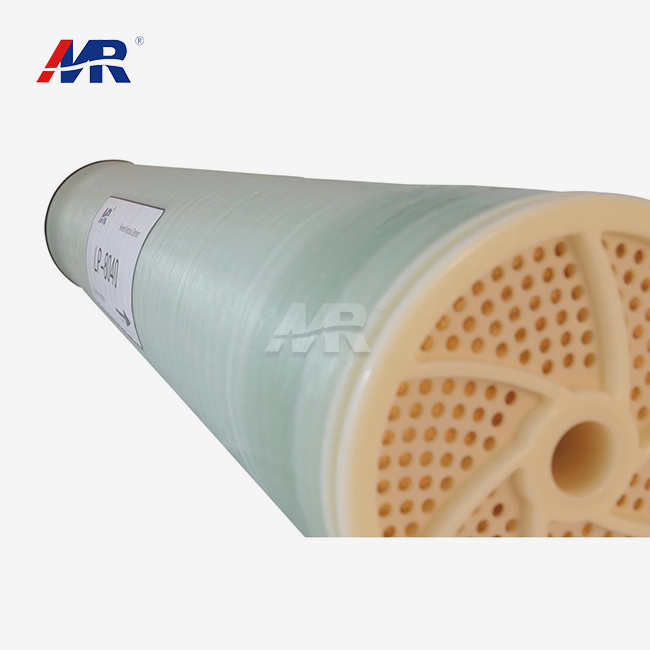 VIEW MOREmembrane used for reverse osmosis
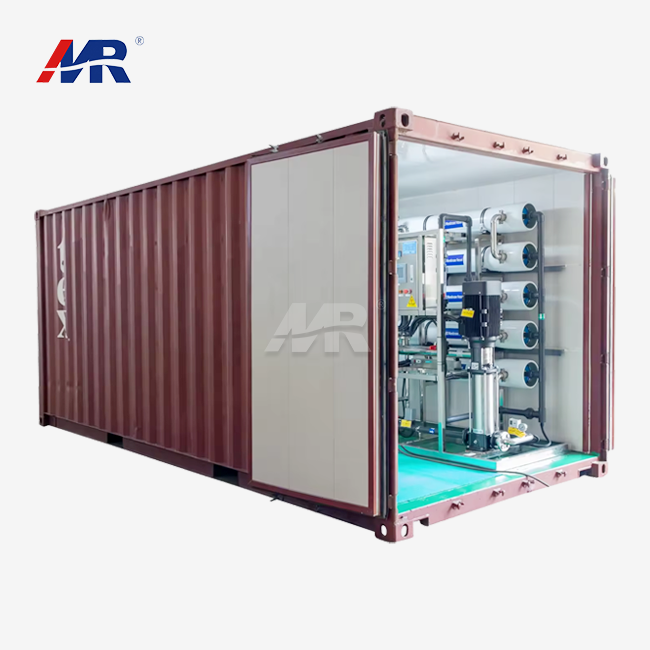 VIEW MOREmobile container reverse osmosis equipment
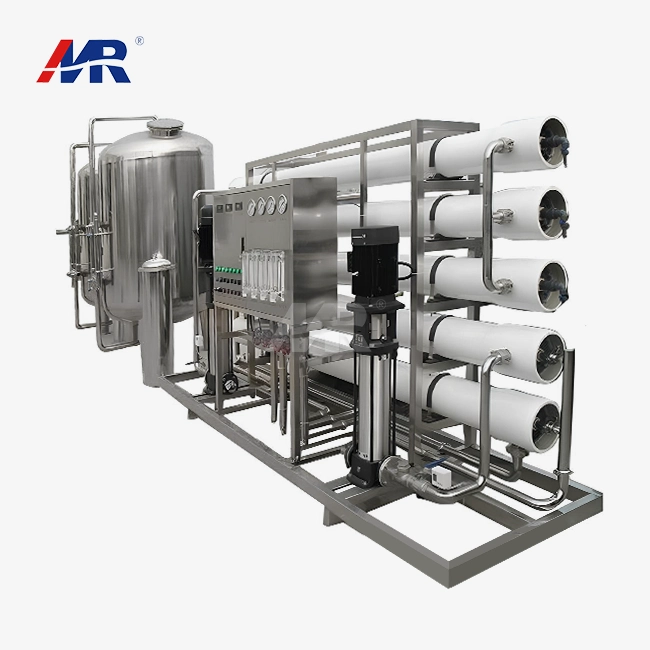 VIEW MOREbrackish water reverse osmosis
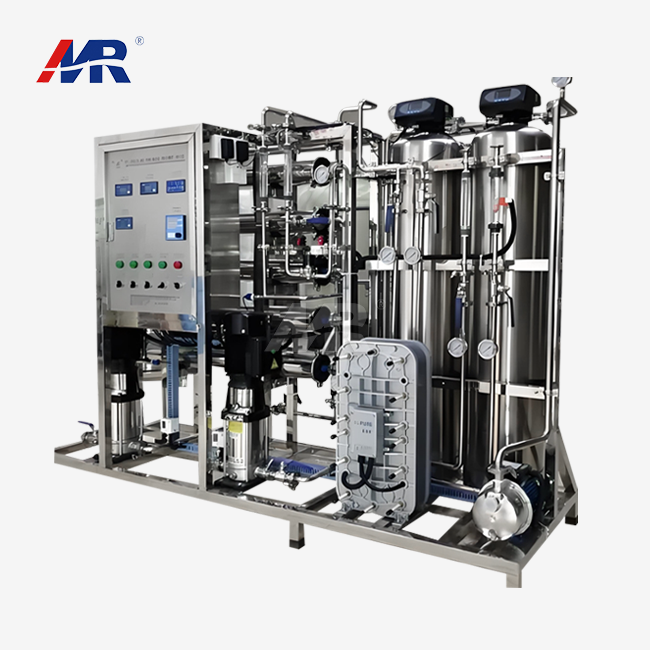 VIEW MOREEDI plant
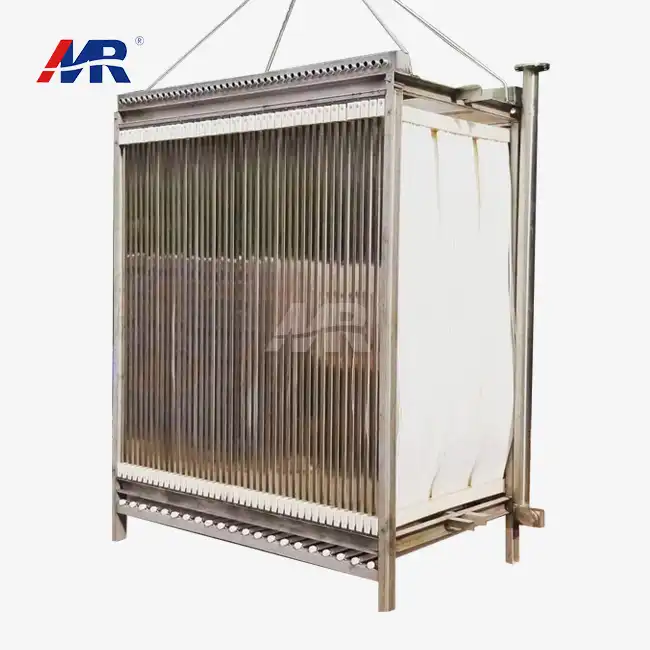 VIEW MOREmembrane bioreactor
 VIEW MOREseawater desalination pre-treatment
