_1745823981883.webp)

How Effective Is Reverse Osmosis Water Treatment?
Reverse osmosis water treatment stands as one of the most effective purification technologies available today, achieving rejection rates of 99.5% or higher for dissolved salts, heavy metals, bacteria, and organic contaminants. Through semi-permeable membrane technology operating under controlled pressure, these systems deliver consistent, high-purity water across industries—from pharmaceutical manufacturing requiring GMP-compliant water to power plants needing ultrapure boiler feedwater. With proven performance in removing total dissolved solids (TDS), pathogens, and chemical pollutants, RO technology addresses critical water quality challenges where conventional filtration methods fall short, making it an essential procurement consideration for businesses demanding reliable, scalable purification solutions.
Understanding Reverse Osmosis Water Treatment and Its Effectiveness
Core Principles Behind RO Technology
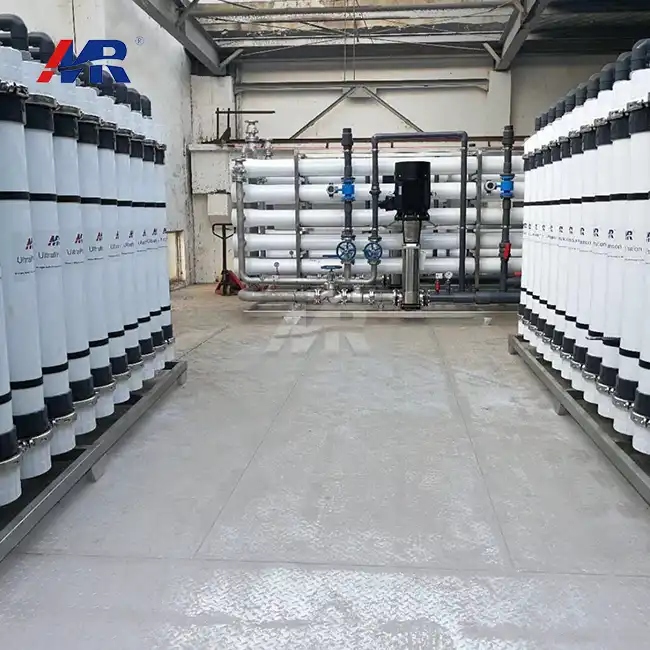
Reverse osmosis works by putting pressure on a thin-film composite (TFC) membrane that is higher than the natural osmotic pressure. This forces water molecules through the membrane while rejecting contaminants. The very small pores in the membrane (about 0.0001 microns) stop dissolved solids, heavy metals like lead and arsenic, nitrates, PFAS chemicals, and microbiological dangers. This physical separation method is very different from chemical treatment. It gives buying teams a way to get the best quality with the least amount of additives. Modern industrial RO systems use several membrane tanks set up in stages to improve recovery rates and keep the quality of the permeate constant even when the feedwater changes.
Key System Components and Their Functions
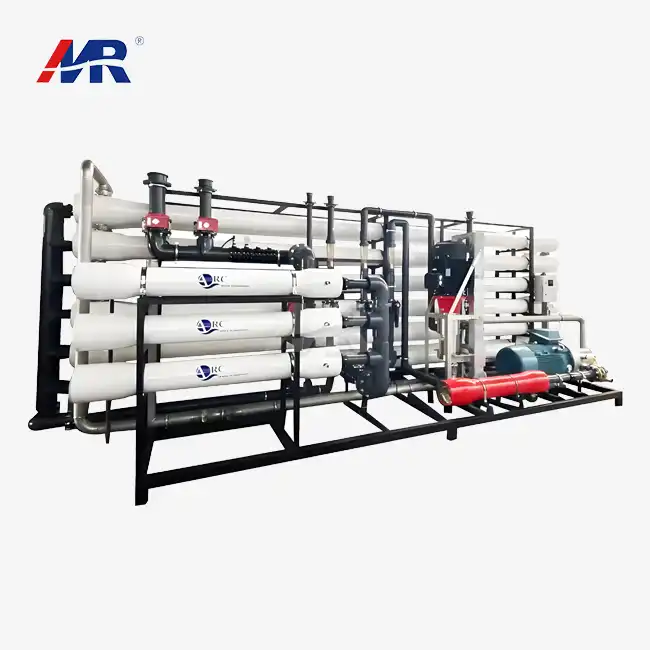
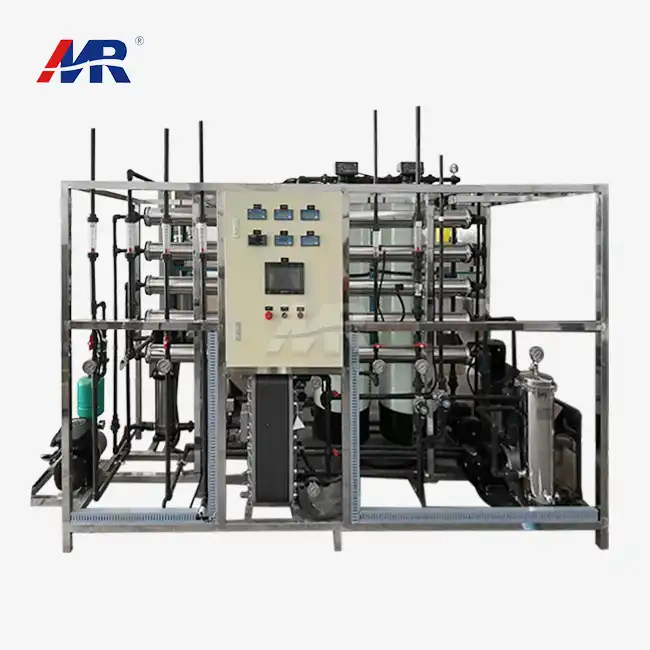
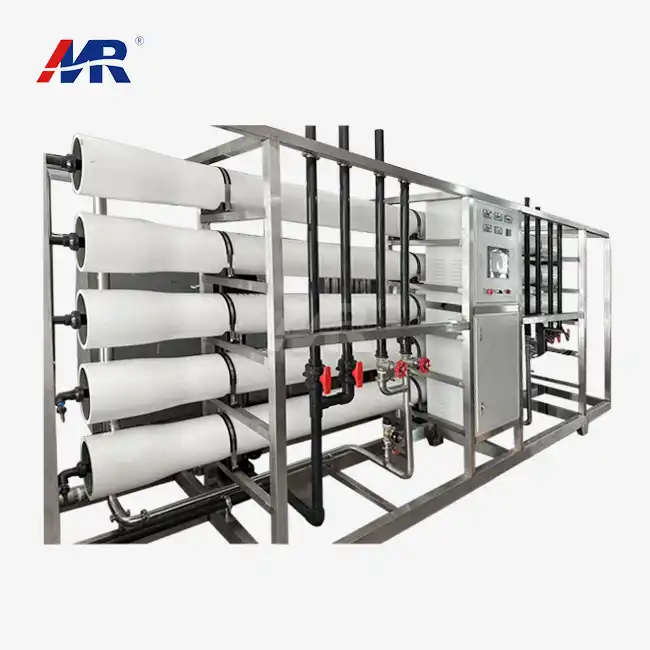
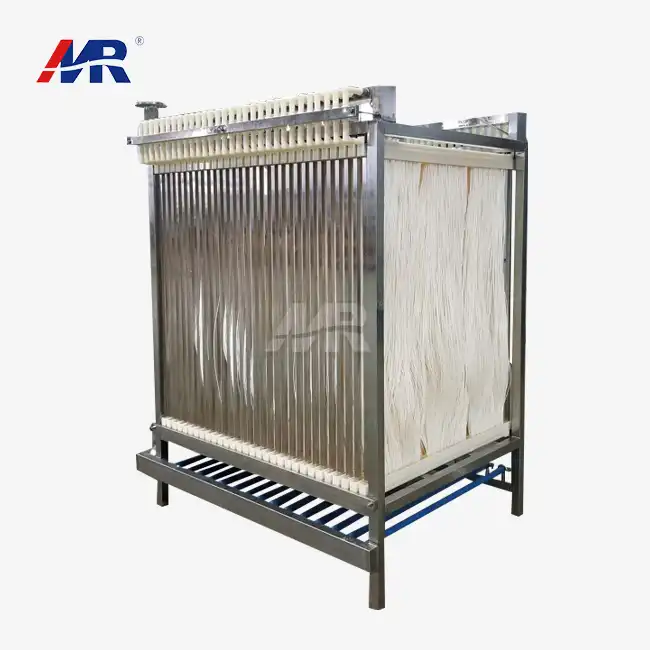
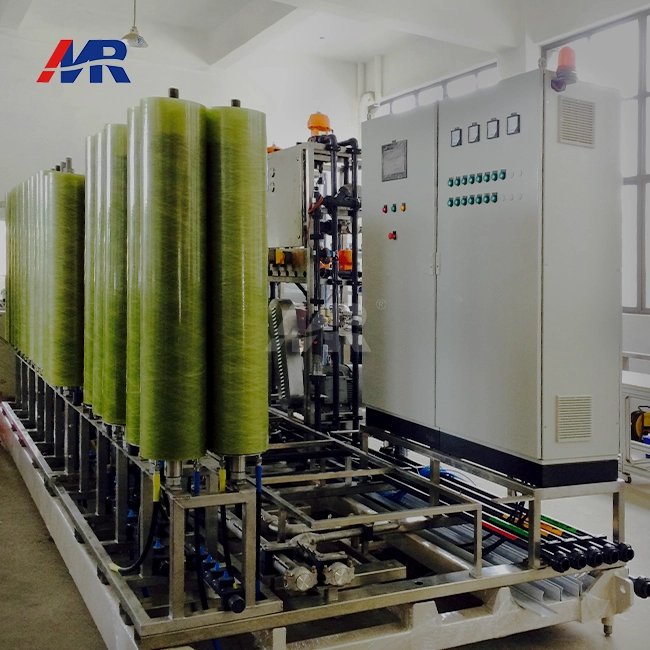
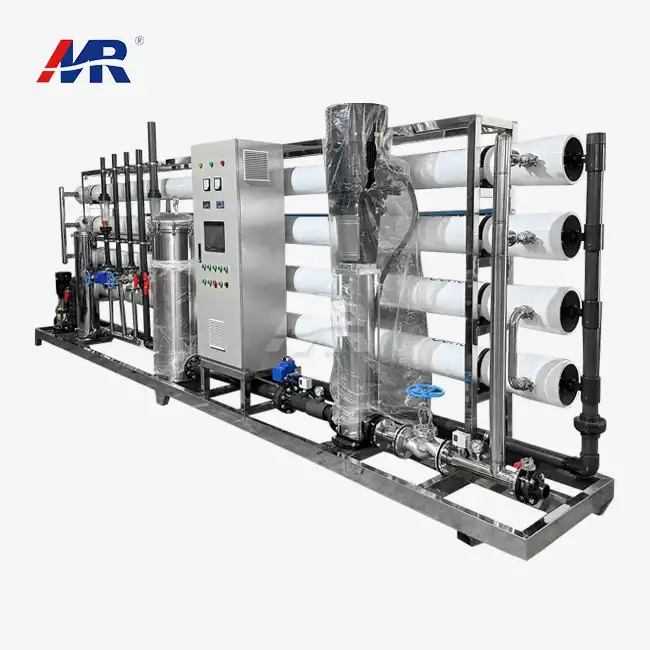
A full RO water treatment system is made up of several integrated parts that work together. Pre-filters get rid of chlorine and other particles that could hurt membranes, and high-pressure pumps create the 150–300 psi needed to overcome osmotic resistance. The membrane modules are the main part of the filtration process. Depending on the needs of the application, they hold spiral-wound or hollow-fiber elements. After the treatment, parts change the pH, add good minerals back in when needed, and sanitize the water completely with UV or ozone systems. Control panels with automated monitoring make sure that the best operating conditions are met by keeping track of conductivity, flow rates, and pressure differences to keep things running smoothly and let operators know when maintenance is needed before the system stops working well.
Comparing RO Effectiveness Against Alternative Technologies
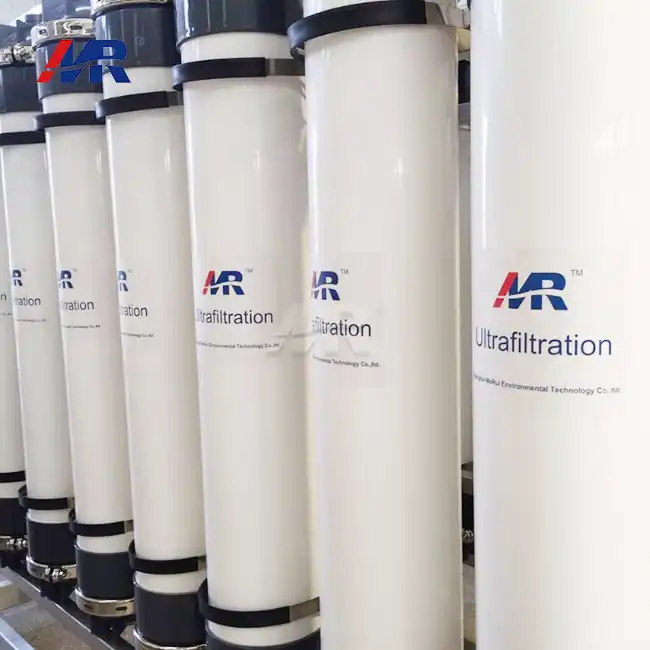
When comparing RO to other ways of cleaning, it shows that it is more flexible. Distillation gets about the same level of purity as RO, but it uses a lot more energy—about 10-15 kWh/m³ compared to 3-5 kWh/m³ for RO. UV treatment is very good at killing microbes, but it doesn't affect dissolved solids, so it needs to be used with other methods. An activated carbon filter can get rid of dissolved salts and organic chemicals, but it can't lower TDS or fix taste problems. Ultrafiltration removes microbes and suspended solids well, but it lets dissolved minerals through. This means it can be used for pretreatment but not for uses that need water that is low in minerals. RO has been widely used in the medicine, technology, food processing, and power generation industries because it can remove multiple types of contaminants in a single pass.
Benefits and Limitations of Reverse Osmosis Water Treatment
Strategic Advantages for Industrial Applications
Putting in place RO systems has clear practical and financial benefits that procurement leaders like. The technology works well on everything from small units that can handle 1,000 gallons per day (GPD) in small labs to huge installations that can handle 100,000 GPD or more in large water treatment plants or semiconductor factories. Businesses can adjust their systems to meet current needs while still having room to grow thanks to this flexibility. Less chemical use is good for environmental care because reverse osmosis water treatment gets rid of or greatly reduces the need for demineralization resins, renewal chemicals, and the dangerous waste streams that come with ion exchange systems.
Here are the core operational advantages procurement teams should prioritize:
- Consistent Output Quality: Automatic tracking keeps the permeate conductivity stable, even if the feedwater changes. This keeps downstream processes safe from contamination events that could ruin batches of products or damage delicate equipment.
- Compact Footprint: New membrane technology packs a lot of cleaning power into a small amount of space. This lowers the cost of building a new facility and makes it easier to make changes to an existing one, where floor space is highly valued.
- Proven Reliability: Systems that are properly maintained have membrane service lives of three to five years with predictable patterns of performance degradation. This lets you make accurate lifecycle budgets and reduces unplanned downtime that delays production schedules.
- Regulatory Compliance Support: RO systems meet strict standards, such as FDA rules for medicinal water, EPA drinking water guidelines, and industry-specific standards like ASTM Type I water for labs. This makes auditing easier and lowers the risk of noncompliance.
These skills directly lead to safe product quality, uninterrupted operations, and a solid return on investment in a wide range of settings.
Operational Considerations and System Limitations
Being clear about RO's limitations helps people make smart procurement decisions that balance strengths and weaknesses. Even though it uses less energy than distillation, it is still a big deal because high-pressure pumps are the main cost of operation. This means that electricity costs are a big part of figuring out the total cost of ownership. Recovery rates usually hit 60–75%, which means that 25–40% of the feedwater turns into concentrate that needs to be disposed of or recycled properly. Depending on local disposal rules and environmental concerns, this concentrate stream could make it harder to handle wastewater because it contains a lot of contaminants.
Fouling on the membrane is the main maintenance issue. Even after pre-treatment, over time suspended solids, biological growth, and mineral scaling make flux and salt rejection less effective. Cleaning methods that use acid, alkaline, or bacterial treatments improve performance but make operations more difficult and require more chemical handling. Some sources of feedwater are especially hard to deal with, like those that are high in silica, barium, or organic matter. These sources need better pretreatment or membrane replacement more often. When procurement teams look at these practical facts and application requirements, they need to decide whether ultrafiltration, nanofiltration, or a mix of the two is the best way to handle certain water quality profiles and business limits.
The Reverse Osmosis Water Treatment Process – A Closer Look
Multi-Stage Purification Workflow
Knowing the whole treatment process helps procurement workers understand how complicated the system is and what needs to be planned for upkeep. The process starts with a pre-treatment that is meant to keep the membranes intact. Multimedia filters get rid of particles as small as 5 to 10 microns, and activated carbon beds get rid of chlorine and organic compounds that would break down polyamide membrane materials otherwise. Calcium carbonate and other mineral precipitates don't make scale layers that block membrane pores when water softeners or antiscalant doses are used.
The high-pressure pump then raises the pretreated water to the operating pressure, which is usually between 150 and 300 psi for brackish water uses and up to 800 psi for desalinating seawater. This flow under pressure goes into membrane vessels, which are where separation happens. Water that has been cleaned (permeate) goes through the barrier, while concentrated reject water takes away the contaminants and sends it to drain or recycling systems. Concentrate is moved from the first vessels through later membrane arrays in multistage designs, which improves total recovery rates while keeping the right flow rate through each element.
Maintenance Protocols and Performance Optimization
Systematic care keeps the system working well and increases the service life of the membrane, which has a direct effect on the lifecycle costs. Key performance indicators, such as the rate of permeate flow, conductivity, and normalized pressure drop across membrane arrays, are tracked every day. By tracking these parameters over time, problems can be found before they become too big to handle. Pre-filter filters need to be replaced every three to six months, depending on the quality of the feedwater. Carbon beds need to be regenerated or replaced according to the manufacturer's instructions, which are based on chlorine exposure limits.
When to clean a membrane depends on the features of the feedwater and how quickly its performance decreases. Chemical cleaning is usually done at facilities when the standardized pressure drop goes 15% above baseline or when salt passage goes up significantly. During cleaning processes, certain solutions are pumped through membrane vessels. This breaks up built-up deposits without harming the membrane polymers. Routine sanitization stops biological fouling in systems that treat surface water or recycled streams that can get microbial contamination in between major cleanings.
A Midwest pharmaceutical factory kept track of how well their RO system worked for 36 months, using 350 ppm TDS municipal water to make USP-grade purified water. Their system, which had a two-stage RO setup and could handle 50,000 GPD, consistently rejected 98.5% of the feedwater while collecting 72% of it. The strong preparation design led to minimal scaling when the membrane was cleaned every three months, and the elements were inspected once a year. The average amount of energy used was 3.8 kWh/m³, and the membranes were replaced every 4 years. This operational stability made it possible to plan production accurately and confirm projected operating costs. This shows that good system design and maintenance lead to reliable long-term performance.
How to Choose the Best Reverse Osmosis Water Treatment System for Your Business
Defining Application Requirements and Specifications
A thorough needs review is the first step in choosing the right reverse osmosis water treatment solution. Figure out the daily and peak water needs while taking into account shift patterns, production schedules, and predictions for future growth. Complete lab tests should be used to check the quality of the feedwater to find out its TDS levels, pH, hardness, iron content, silica concentration, and microbe counts. Understanding these factors affects the preparation that is needed, the type of membrane that is used, and the expected healing rate. Also, be clear about the quality of the permeate that is needed. For example, electronics manufacturing might need conductivity of less than 1 µS/cm, while food processing might be fine with 10–50 µS/cm, based on the application.
System configuration is affected by things like available floor space, ceiling height for vertical vessels, electrical service capacity, and access to drains. Think about whether your process would work better with constant operation or batch production. Check to see if the higher original investment for automatic systems that can be monitored from afar is worth it compared to manual systems that need workers on-site. These practical factors have a big impact on equipment needs, even more so than water quality standards.
Critical Selection Criteria for Procurement Teams
Aside from basic specs like volume and purity, there are other things that affect long-term happiness and the total cost of ownership. Chemical tolerance, working pH range, and chlorine resistance are all affected by the type of membrane used, such as thin-film composite, cellulose acetate, or specialty high-rejection elements. The materials used to build vessels must be suitable for the installation site and meet industry standards such as 3-A Sanitary for food uses or ASME for pressure vessels. These materials can be fiberglass, stainless steel, or corrosion-resistant metals.
Control systems can be as simple as ones that are operated by hand or as complex as ones that are fully computerized and have programmable logic controllers, touchscreen displays, and tracking in the cloud. Advanced controls use variable frequency drives to get the most out of the energy they use, start cleaning processes automatically based on performance formulas, and generate the compliance paperwork that regulated businesses need. It is important to carefully look over the warranty coverage. Agreements that cover membranes, pumps, and instruments for two to three years give buyers peace of mind, while limited guarantees that don't cover refills put the risk on the buyers.
Credentials of suppliers have a big effect on the success of a project. Make sure that makers keep their ISO 9001 quality Certifications up to date, and look for suppliers that offer expert help for as long as the equipment lasts. Companies that offer "turnkey" services, such as site inspection, installation supervision, operator training, and regular maintenance programs, lower the risk of implementation and speed up the time it takes to start making money. Established suppliers with service networks in North America guarantee quick support, which lowers the cost of downtime.
Procurement Insights and Total Cost of Ownership for Reverse Osmosis Systems
Financial Analysis and Investment Planning
Knowing the full cost models lets you make accurate budgets and compare vendors. The initial capital expenditure includes buying equipment, paying for freight, labor for installation, electrical work, plumbing changes, and services for commissioning. Systems with 10,000 to 50,000 GPD usually cost between $50,000 and $200,000 to install, but this depends on how complicated they are and how the site is set up. Industrial systems that are bigger than $50,000 cost more, while small lab units start at less than $10,000.
Operating costs add up in a number of different ways. The cost of energy is based on how much power the pump uses, which is usually 3–5 kWh/m³ of permeate made. At $0.12/kWh electricity rates, this comes out to about $0.36 to $0.60 per thousand gallons. Every three to five years, the membrane needs to be replaced, which is a high recurring cost. Elements sets for medium-sized systems range in price from $5,000 to $15,000. For most setups, extra costs like prefilter filters, cleaning chemicals, and small part replacements add another $2,000 to $5,000 a year.
Worker needs change depending on how much technology there is. Systems that are run by hand need to be supervised, adjusted, and logged every day. Fully automated platforms, on the other hand, only need to be checked every week and maintained every three months, which greatly reduces the amount of work that needs to be done. When comparing offers, don't just look at the purchase price. Instead, figure out the 5-year total cost of ownership, which includes capital, energy, consumables, labor, and the expected membrane repair. This will help you find solutions that are truly cost-effective.
Supplier Evaluation and Contracting Best Practices
Tough seller screening keeps you safe from getting bad tools or bad customer service. Ask for specific references from clients who are using similar apps, and make sure that installations have been working well for at least two years. Check to see if the technical plans are full. Full entries include process flow diagrams, equipment specs, electrical and piping needs, dimensional drawings, and performance guarantees that list rejection rates and recovery percentages.
What kind of certification is needed depends on the application. The NSF/ANSI 61 certification shows that the materials meet the safety standards for drinking water. ASME stamps prove that a pressure tank was built correctly. Documentation from FDA compliance shows that it can be used for medical purposes. Check that sellers have these certifications instead of just accepting claims that sound like they do. When negotiating a contract, the parties should talk about delivery dates, payment terms that depend on reaching certain milestones, performance testing protocols, and how to make a warranty claim. Include plans for training operators, delivering documentation, and providing ongoing technical help to make sure the system works well in the long run.
Conclusion
Reverse osmosis water treatment provides tested, dependable purification that rejects 99.5% of contaminants in a variety of industrial and business uses. The technology is widely used in the pharmaceutical, electronics, power generation, and food processing industries because it can get rid of dissolved salts, heavy metals, organics, and microbiological threats in small, scalable systems. Careful planning is needed for practical factors like energy use and concentrate management. However, a well-designed system that is regularly maintained will give you reliable performance and a low total cost of ownership. Procurement professionals who carefully look at application requirements, supplier credentials, and total lifecycle costs can help their companies benefit from this mature, effective water purification technology that protects product quality, makes sure regulations are followed, and supports operational continuity.
FAQ
1. How often do RO membranes need replacement in industrial systems?
The membrane usually lasts between 3 and 5 years, but this depends on the quality of the feedwater, how it is used, and how often it is maintained. Systems that treat well-pretreated city water usually last 5 years or more. On the other hand, systems that treat difficult feedwater with a lot of fouling may need to be replaced every 2 to 3 years. Regularly checking on performance and keeping an eye on how normalized flux drops and salt flow increases lets replacements be planned ahead of time instead of waiting for problems to happen.
2. Can reverse osmosis systems handle hard water effectively?
RO filters are very good at getting rid of hardness minerals like calcium and magnesium, but they need to be properly treated first. Mineral scaling on membrane surfaces can be stopped by water softeners or antiscalant chemical treatments. This would otherwise lower performance and shorten the life of the element. With the right pretreatment, systems can safely handle hard water and produce soft, low-TDS permeate that can be used in sensitive situations.
3. What certifications should I verify when purchasing commercial RO equipment?
Some of the most important certifications are NSF/ANSI 61 for materials that come into contact with drinking water, ASME pressure vessel stamps for safety compliance, and ISO 9001 for quality management systems used by manufacturers. Industry-specific credentials, such as FDA compliance for pharmaceutical uses or 3-A Sanitary Standards for food processing, make sure that equipment follows the rules in that sector. Instead of taking verbal assurances during the procurement evaluation, ask for proof of these certifications.
Partner with Morui for Advanced Reverse Osmosis Water Treatment Solutions
As a trusted reverse osmosis water treatment provider for demanding industrial uses, Guangdong Morui Environmental Technology Co., Ltd. offers a wide range of water purification services through 14 regional branches and custom membrane making. Twenty qualified engineers on Our Team make custom systems with capacities ranging from 1,000 to 100,000 GPD. These systems use thin-film composite membranes that can reject 99.5% of the water and still collect up to 70% of it. We set up complete systems that include pre-treatment, high-pressure pumping, membrane filtration, and post-treatment. These systems come with one-stop commissioning services and Technical support for the long term. Our Products help companies in North America that work with pharmaceuticals, technology, food processing, and power generation. They combine proven performance with benefits in competitive buying. Visit or email benson@guangdongmorui.com to talk to our team about your unique water quality needs and get full technical proposals that are made to fit your business.
References
1. Greenlee, L.F., Lawler, D.F., Freeman, B.D., Marrot, B., & Moulin, P. (2009). Reverse osmosis desalination: Water sources, technology, and today's challenges. Water Research, 43(9), 2317-2348.
2. Fritzmann, C., Löwenberg, J., Wintgens, T., & Melin, T. (2007). State-of-the-art of reverse osmosis desalination. Desalination, 216(1-3), 1-76.
3. Wilf, M., & Bartels, C. (2005). Optimization of seawater RO systems design. Desalination, 173(1), 1-12.
4. Crittenden, J.C., Trussell, R.R., Hand, D.W., Howe, K.J., & Tchobanoglous, G. (2012). MWH's Water Treatment: Principles and Design (3rd ed.). John Wiley & Sons.
5. Baker, R.W. (2012). Membrane Technology and Applications (3rd ed.). John Wiley & Sons.
6. American Water Works Association. (2007). Reverse Osmosis and Nanofiltration (AWWA Manual M46, 2nd ed.). American Water Works Association.