_1745823981883.webp)

Best Reverse Osmosis Water Purifier: Features That Matter Most
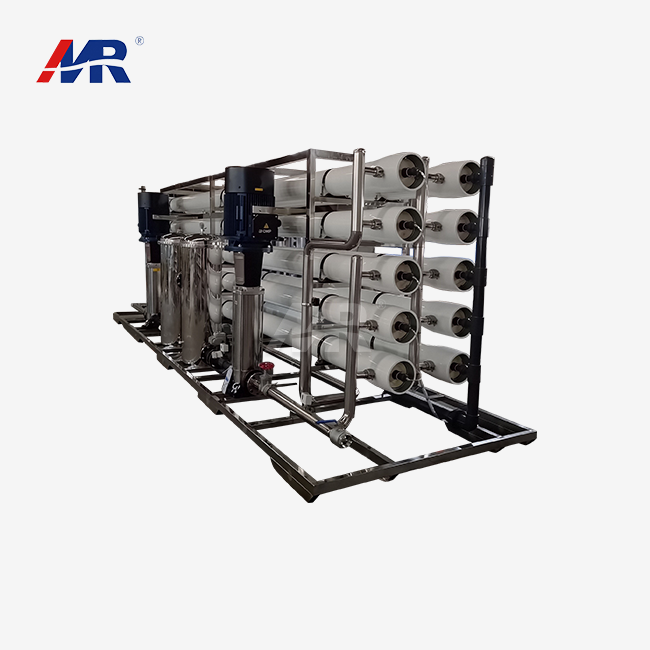
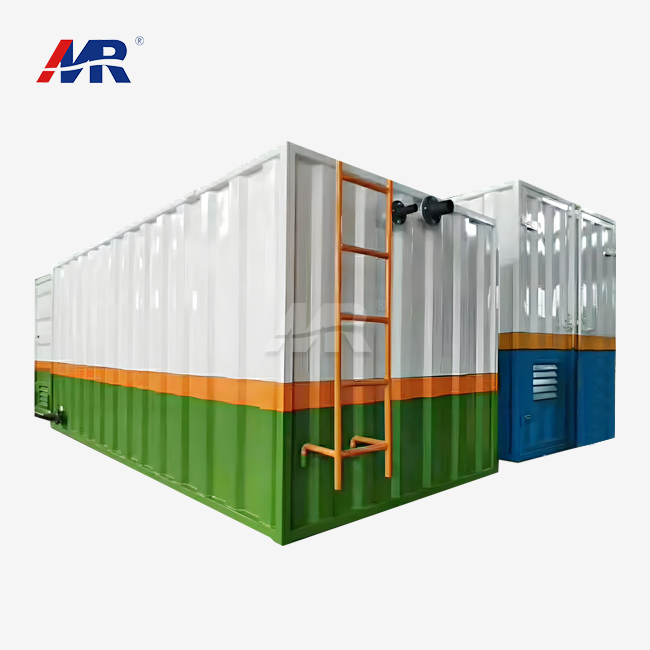
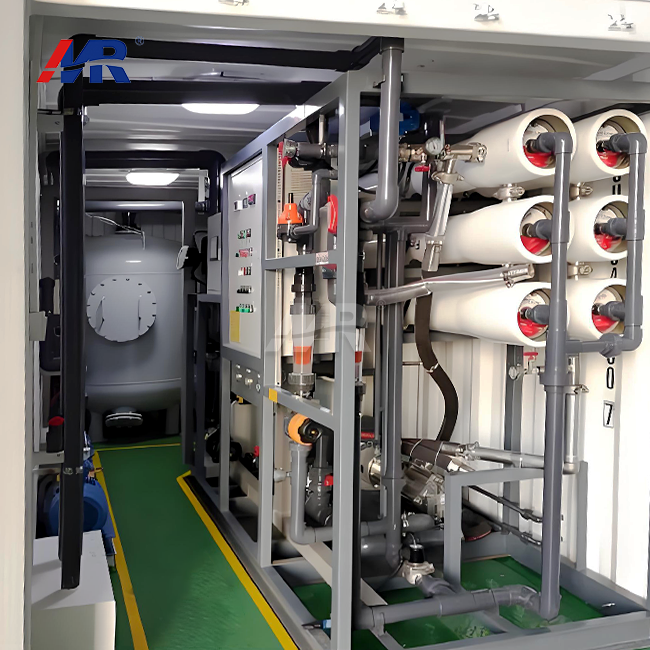
To properly choose the Best Reverse Osmosis Water Purification System, you need to understand the key technical parameters and operational factors that will directly affect the quality of the water, the efficiency of the production, and the long-term cost-effectiveness. High-end RO systems contain multi-stage filtration, including Thin Film Composite membranes with 97-99% pollutant rejection, built-in booster pumps for steady pressure, and ideal waste-water ratios that reduce resource usage while maintaining throughput. These solutions target industry-specific difficulties in pharmaceutical manufacturing, food processing, and electronics manufacturing where water purity directly impacts product quality and compliance.
Introduction
Reverse osmosis is the best way to purify industrial and commercial water for manufacturing, pharmaceutical, food and beverage, and municipal use. We have seen how the correct RO system can transform operations, minimising production downtime, extending equipment life, and ensuring product quality that meets strict regulatory requirements.
Price is not the only factor when choosing a reverse osmosis purifier. Plant managers, procurement specialists, and technical decision-makers must consider filtering capacity, membrane technology, maintenance, and total cost of ownership. This article covers the most significant B2B application qualities so you can make educated procurement selections that meet your organization's water quality goals and budget.
Understanding Reverse Osmosis Water Purification
How RO Technology Removes Contaminants
Reverse osmosis filters water on a molecular basis using semi-permeable membranes that remove dissolved solids, heavy metals, microorganisms, and chemical contaminants with rejection rates above 95%. Unlike carbon filtration's adsorption or distillation's high energy usage, RO systems force water under pressure through membranes, creating a physical barrier to contaminants as small as.0001 microns. This method eliminates salt, chloride, copper, chromium, lead, and organic contaminants that standard filtration procedures are not able to detect adequately.
The Multi-Stage Filtration Process
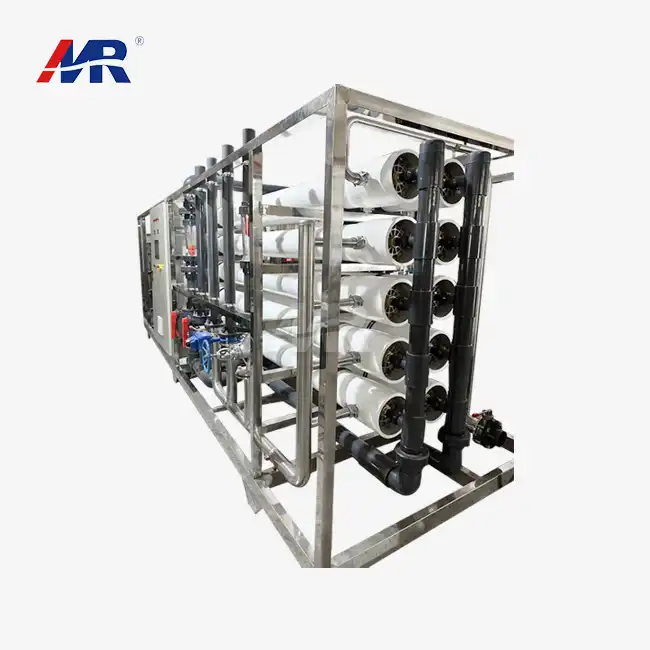
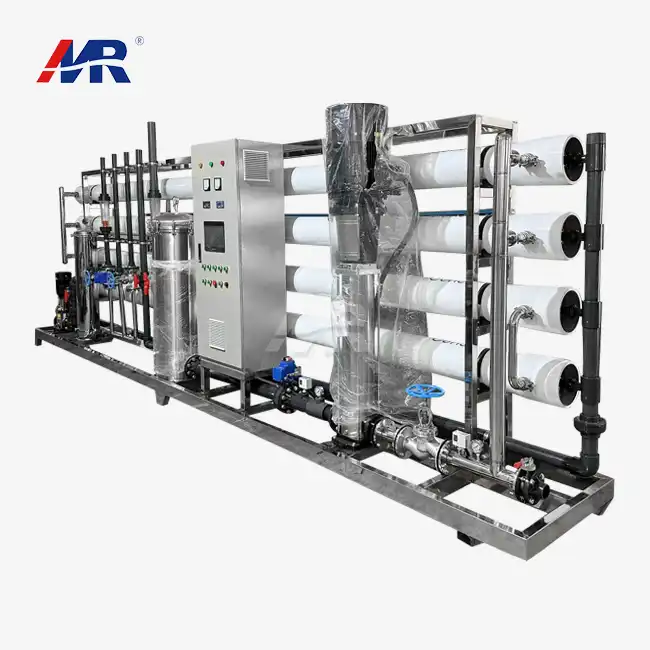
Commercial RO systems typically include 5-7 stages of filtration. Each phase is meant to eliminate various sorts of pollutants. Pre-filtration steps remove silt and chlorine that may harm ro membranes. Carbon blocks eliminate taste- and odour-causing organics. The major purification barrier is the RO membrane itself, followed by post-filtration polishing and optional UV sterilisation or remineralisation treatments. This multi-step process offers full water purification for applications from pharmaceutical-grade production to food processing operations.
Health and Quality Considerations
RO-treated water meets EPA and FDA standards for purified water for industrial usage. This process reduces the total dissolved solids to less than 50 ppm to provide water of neutral pH for industrial uses requiring strict control of mineral content. Modern systems now include remineralisation procedures that return vital minerals such as calcium and magnesium. This reduces concerns about long-term usage of demineralised water, while yet maintaining the high purity required in industrial applications.
Core Features to Look for in the Best Reverse Osmosis Water Purifier
Advanced Membrane Technology and Specifications
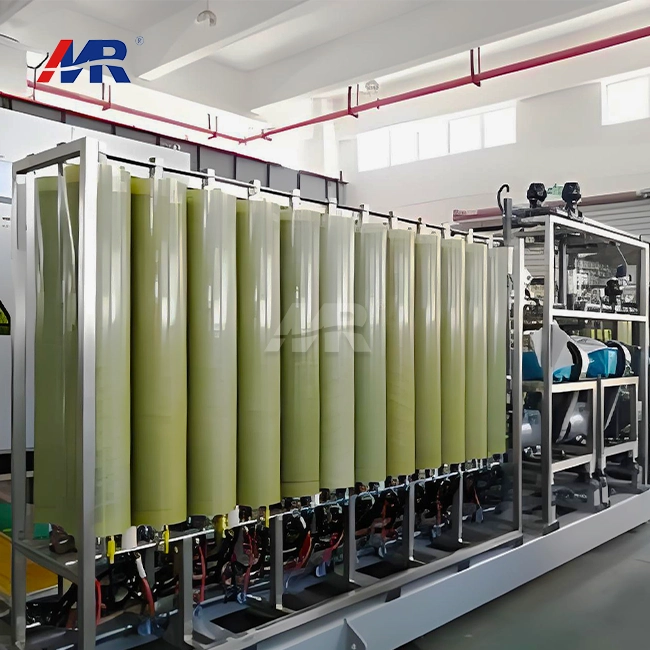
The membrane performance is the most important aspect of the effectiveness of best reverse osmosis water purification and the longevity of the commercial RO system. Thin Film Composite membranes, the industry standard, have better salt rejection and chemical resistance than cellulose acetate alternatives. So consider characteristics like permeate flow rate in gallons per day, operating pressure requirements generally 60 to 150 PSI, and temperature tolerance, which affects seasonal performance changes.
Good membranes will have a reasonably steady rejection rate for long periods of time, which means fewer replacements and less downtime. Industrial systems should inform you of the estimated life of the membrane in your water circumstances. Quality Products should last three to five years of trouble-free use before you have to replace them.
Production Capacity and Flow Rate Requirements
The appropriate match of the system capacity to the water demand in the company minimises underperformance and unnecessary capital expenditure. Commercial RO systems are offered in the range of 500 GPD, appropriate for small laboratories, to 50,000 GPD for huge industrial facilities. Estimate your daily water needs, and include peak demand, process water requirements, and spare capacity to provide for operational flexibility.
RO systems continuously create water and need storage tanks of sufficient capacity to meet use requirements. Variable frequency drive systems enable the production rate to be modified to meet the immediate demand, allowing for energy optimisation while still ensuring the availability of water during the peak operating hours.
Filtration Stages and Component Quality
Reverse osmosis water systems with appropriate component design and extensive water filtration are optimal. Sediment pre-filters catch particles down to 5 microns, dual carbon block filters remove chlorine and organic compounds, the RO membrane, and post-carbon polishing filters. UV sterilisers kill germs and viruses, making them essential for pharmaceutical and medical applications.
Maintenance efficiency and TCO depend on component availability. A tool-less filter housing, unambiguous replacement indications, and standard cartridge sizes save service time and increase consumable component options. Even in harsh industrial situations where water quality impacts manufacturing output, corrosion-resistant materials and sturdy construction enhance service life.
Energy Efficiency and Waste Water Ratios
Water recovery rates have significantly increased with modern RO technology. The best systems now have a 1:1 waste-to-filtered water ratio as opposed to systems of yore that had a 4:1 ratio. This efficiency immediately correlates to operational costs, with less water used and less water to be spent for wastewater treatment. In bigger systems, energy recovery devices reclaim pressure from concentrate streams, lowering the amount of pump energy required by as much as 30 to 60 percent in high-capacity installations.
Assess the systems for specific energy consumption (kWh/m3 of filtered water produced). Variable speed drives on pumps, high efficiency motors, and better membrane designs all contribute to reducing operating costs throughout the 15-20 year life span of the system. In addition to capital outlays, energy efficiency is another important option factor.
Comparing Top Reverse Osmosis Systems in 2026
Industrial-Grade System Features
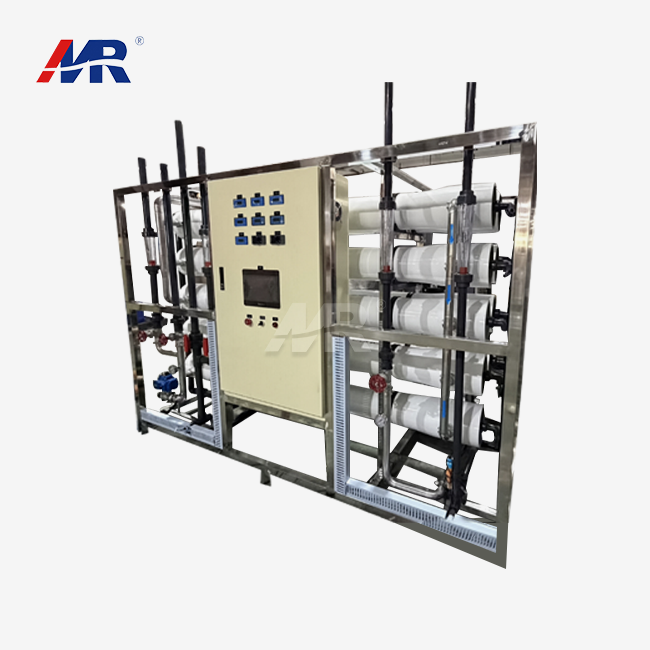
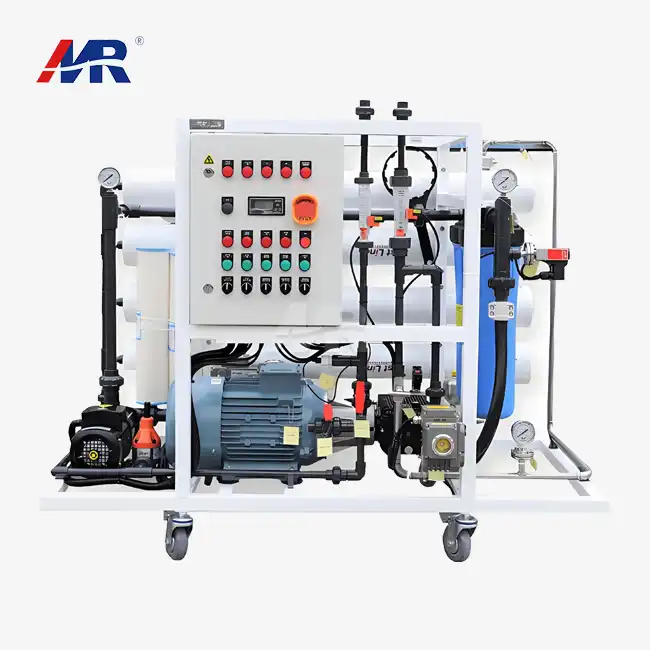
In 2024, top commercial RO systems include smart monitoring technology with real-time water quality sensors, automatic maintenance alarms, and remote diagnostics. These characteristics allow predictive maintenance scheduling to save downtime and prolong component life. Systems with integrated control panels offer flow rates, pressure readings, and conductivity measures for quality assurance documentation.
Manufacturers with extensive warranties usually trust their engineering. Find three-year membrane warranties and five-year system component warranties. Premium manufacturers provide technical assistance, replacement parts, and field service to ensure operational continuity.
Technology Comparison: RO Versus Alternative Purification Methods
While carbon filtration effectively removes chlorine and improves taste, it cannot eliminate dissolved minerals or salts critical for pharmaceutical and electronics manufacturing. UV sterilization addresses biological contaminants but leaves chemical pollutants untouched. Distillation produces high-purity water but requires substantial energy input and generates significant heat.
Reverse osmosis delivers comprehensive contaminant removal with moderate energy consumption, making it the preferred choice for applications requiring reliable water purity. The technology scales efficiently from laboratory benchtop units to municipal-scale installations, offering versatility across diverse industrial applications.
Evaluating Price-to-Performance Ratios
Commercial RO system pricing reflects capacity, automation level, and component quality rather than purification effectiveness alone. Entry-level systems starting around $3,000 suit small laboratories and light commercial applications, while industrial installations range from $15,000 to $500,000 depending on capacity and customization requirements.
Total cost analysis should incorporate membrane replacement expenses typically running $200-$2,000 annually, pre-filter changes, energy consumption, and potential wastewater disposal costs. Systems with higher initial investment often deliver lower per-gallon operating costs across their operational lifespan, making long-term cost projections essential for procurement decisions.
Making the Right Purchase Decision for Your Business
Defining Your Water Purification Requirements
The successful selection of the best reverse osmosis water RO systems starts with a detailed water quality examination to identify particular impurities that need to be removed. Municipal water supplies usually have chlorine, fluoride, and mild dissolved solids, but well water might have issues such as excessive iron, hardness minerals, and agricultural toxins. Knowing the composition of the source water may help in specifying suitable pre-treatment and membrane arrangements.
The regulatory compliance requirements in different businesses are vastly different. Pharmaceutical operations require purified water to meet USP or European Pharmacopoeia standards, and food processing plants require systems validated under FDA guidelines. The electronics manufacturing industry needs ultrapure water with resistivity >18 megohm-cm, which requires RO systems in conjunction with electrodeionization technology.
Industry-Specific Application Considerations
RO systems for food and beverage processors must be certified to NSF/ANSI 61 for materials in contact with potable water and have sanitary design elements that support CIP operations. Pharmaceutical applications need systems developed for validation with documented performance certification and materials compatibility documents. In power production facilities, high-capacity systems generating low-conductivity water are used to avoid boiler scale buildup and corrosion.
RO systems for water reuse are beneficial for chemical and electroplating businesses, reclaiming valuable process water and minimising environmental discharge needs. These applications often require specific pre-treatments for particular pollutants and membrane types capable of withstanding severe chemical conditions.
Supplier Evaluation and Procurement Channels
Collaborating with recognised RO system manufacturers or specialised distributors gives access to technical knowledge, a dependable supply of spare parts, and prompt service assistance. Evaluate providers on installed base references, industry expertise, and technical skills for bespoke applications. The companies that produce their own membranes and fabrication equipment have more design freedom and shorter delivery times than generic equipment providers.
We would appreciate your sending us full proposals containing process flow diagrams, equipment specs, installation requirements, and complete operational cost predictions. Good suppliers will guarantee performance, such as permeate quality, recovery, and energy consumption, under defined operating conditions, which is more than just a simple equipment warranty.
Practical Tips for Operation and Maintenance
Establishing Preventive Maintenance Schedules
Regular maintenance will ensure the RO unit is running at optimal performance and the life of the components is extended. Pre-filters for sediment should be changed every 3 to 6 months depending on the quality of the source water. Carbon filters generally have a life span of six to twelve months before their adsorption capacity is depleted. Membrane cleaning frequency depends on water chemistry and hours of operation and is frequently recommended on a weekly basis or when the differential pressure exceeds 15% over baseline values.
Monitoring of key performance indicators such as permeate flow rate, rejection rate (by conductivity), and pressure dips between membrane components enables early diagnosis of issues before production is impacted. Good service records including filter replacements, cleaning methods, and water quality test results can help you remain in compliance with standards and assist you in troubleshooting if you have performance difficulties.
Addressing Common Operational Challenges
Membrane fouling is the main source of performance restriction in RO systems due to mineral scaling, organic fouling, or biological growth. Examples of suitable pre-treatment that reduces fouling rates include water softening for sources high in hardness and chlorine removal to avoid membrane oxidation. Accumulated deposits are removed using authorised chemical cleaning formulas, restoring membrane function between replacement cycles.
Modern systems have capabilities that overcome the classic RO restrictions. Permeate pumps and atmospheric storage tanks relieve back-pressure that limits output rates. Remineralisation stages deal with problems of harsh water quality that might erode downstream piping. Generations ago, RO technology wasted a lot more water, but high-efficiency membranes and energy recovery devices have greatly reduced these waste ratios.
Professional Service and OEM Parts
Factory-trained professionals service systems regularly to verify they are operating at design specifications and to identify any growing faults that need remedial action. Annual thorough inspections should involve membrane performance testing, pressure vessel inspection, and control system calibration. Use of manufacturer-recommended replacement components instead of generic equivalents maintains warranty coverage and assures conformity with system design standards.
Conclusion
Choosing the best reverse osmosis water purification system involves technical factors, operational demands, and long-term expenditures. We use modern membrane technology in quality systems with considerable capacity and several filtering stages to purify water for various industrial applications. Understanding your water quality objectives, regulatory requirements, and production demands will help you make smart purchases that maximise performance and ROI. Working with skilled vendors that offer technical advice, reliable components, and fast service, your RO system will increase operational efficiency and product quality during its lifetime.
FAQ
1. Is RO water safe for long-term industrial use?
RO-purified water meets all regulatory standards for production applications across pharmaceutical, food, and electronics manufacturing. The water's neutral pH and low mineral content suit industrial processes requiring precise control over water chemistry. Applications involving human consumption may incorporate remineralization stages reintroducing essential minerals while maintaining purification effectiveness.
2. How does RO compare to distilled water for laboratory applications?
Both RO and distillation produce high-purity water suitable for laboratory use, though RO systems offer lower energy consumption and faster production rates. Modern RO systems combined with deionization produce Type I ultrapure water meeting stringent analytical laboratory requirements while delivering greater throughput than distillation equipment.
3. What are the total costs of commercial RO system ownership?
Beyond initial capital investment, ongoing costs include filter and membrane replacements averaging 10-15% of system price annually, energy consumption, and periodic professional servicing. Systems with higher efficiency ratings and durable components deliver lower per-gallon operating costs despite potentially higher purchase prices, making lifecycle cost analysis essential for procurement decisions.
Partner with Morui for Best Reverse Osmosis Water Solutions
Guangdong Morui Environmental Technology Co., Ltd. brings over a decade of water treatment expertise serving pharmaceutical, food processing, electronics, and municipal clients throughout North America. Our engineering team designs customized RO systems addressing your specific water quality challenges, production capacity requirements, and regulatory compliance needs. As both manufacturers and authorized distributors for premium component brands including Shimge Water Pumps and Runxin Valves, we deliver integrated solutions backed by comprehensive warranties and responsive Technical support.
Our best reverse osmosis water systems incorporate the latest membrane technology, energy-efficient components, and intelligent monitoring capabilities that optimize performance while reducing operational costs. Whether you require a compact laboratory system or a high-capacity industrial installation, our 20 experienced engineers provide turnkey solutions including installation, commissioning, and ongoing maintenance support. Contact Our Team at benson@guangdongmorui.com to discuss your water purification requirements and receive a detailed proposal tailored to your operational objectives.
References
1. Greenlee, L.F., Lawler, D.F., Freeman, B.D., Marrot, B., & Moulin, P. (2009). Reverse osmosis desalination: Water sources, technology, and today's challenges. Water Research, 43(9), 2317-2348.
2. World Health Organization. (2017). Guidelines for Drinking-water Quality: Fourth Edition Incorporating the First Addendum. Geneva: WHO Press.
3. American Water Works Association. (2020). Manual M46: Reverse Osmosis and Nanofiltration. Denver: AWWA Publications.
4. National Research Council. (2008). Desalination: A National Perspective. Washington, DC: The National Academies Press.
5. Fritzmann, C., Löwenberg, J., Wintgens, T., & Melin, T. (2007). State-of-the-art of reverse osmosis desalination. Desalination, 216(1-3), 1-76.
6. U.S. Environmental Protection Agency. (2019). Membrane Filtration Guidance Manual. EPA Document Number 815-R-06-009.