_1745823981883.webp)

Why Build an Ultra Filtration Plant for Drinking Water Projects?
An ultra filtration plant for drinking water projects provides revolutionary benefits for municipal, industrial, and commercial usage development. This state-of-the-art membrane technology removes suspended particles, bacteria, viruses, and colloids using semi-permeable membranes with a pore width of 0.01 to 0.1 microns to maintain a consistent water quality even if the source fluctuates. The filtration efficiency is >99.9%, and the energy consumption is relatively low (0.1-0.3 kWh/m3). These plants act as a physical barrier, unlike traditional filtration. Its modest footprint, low maintenance requirements, and reliable pathogen removal are critical parts of the infrastructure for communities and businesses committed to safe, sustainable water supplies.
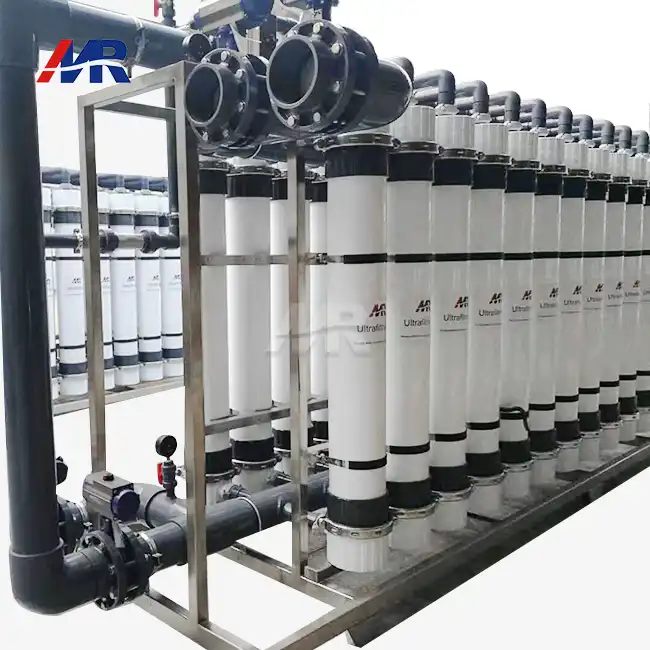
Understanding Ultra Filtration Plants in Drinking Water Projects
What Makes Membrane Filtration Technology Revolutionary
Membrane separation systems have revolutionised water treatment methods. The system works via pressure-driven mechanisms that push water through hollow fibre or flat sheet membranes, yet keep pollutants out. Physical separation provides a level of performance that chemical treatment may not guarantee, especially when changeable water quality from lakes, rivers, or groundwater sources must be treated.
Core Components That Drive Performance
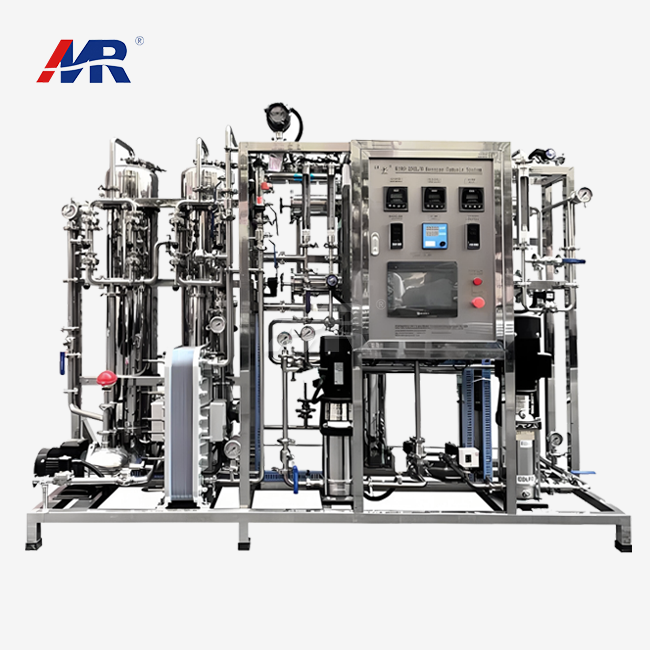
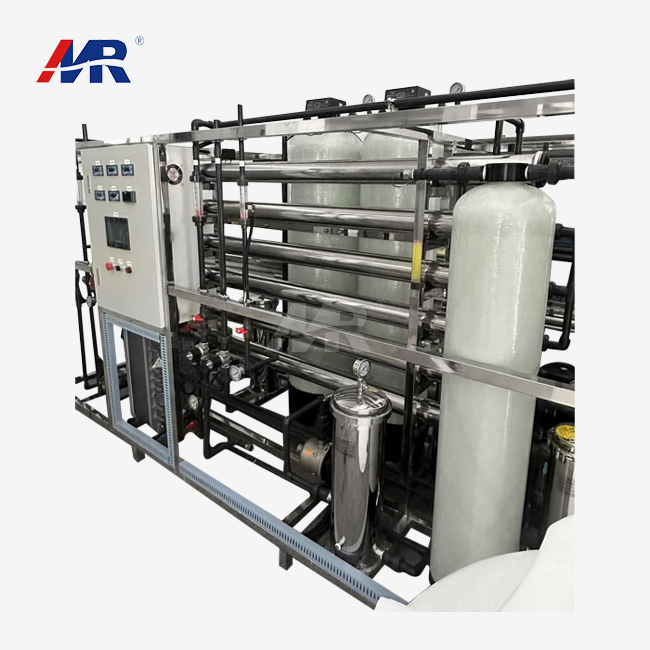
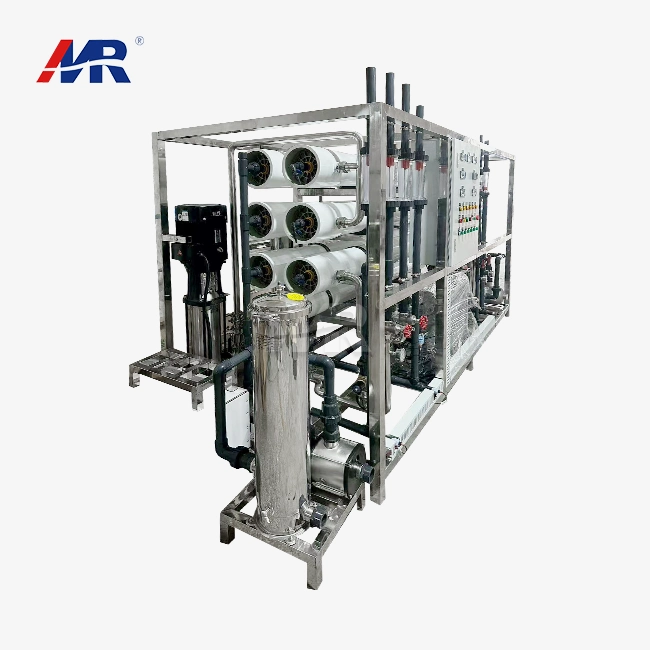
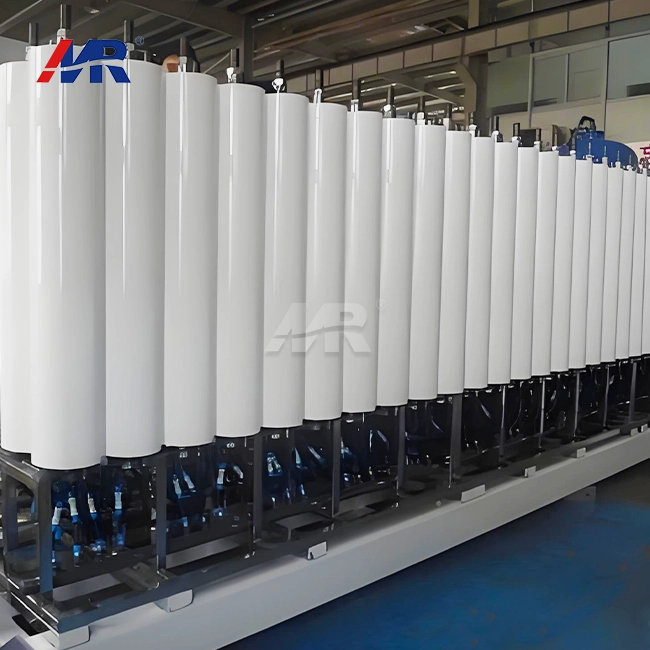
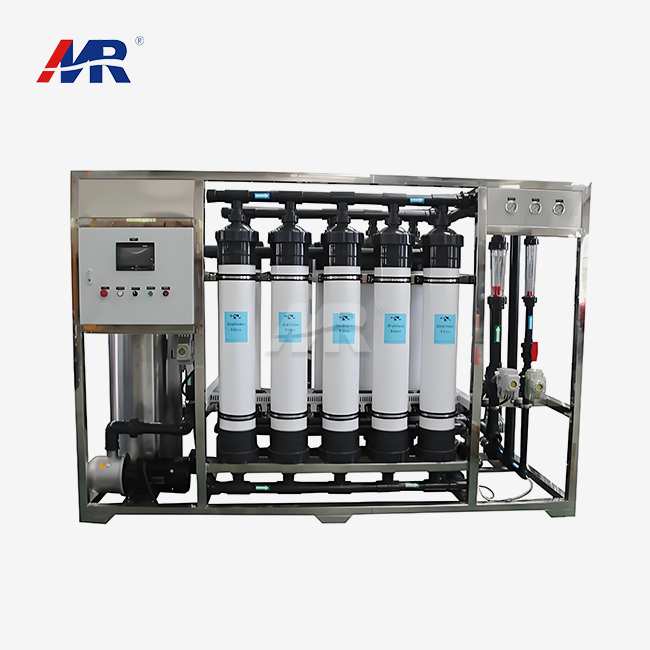
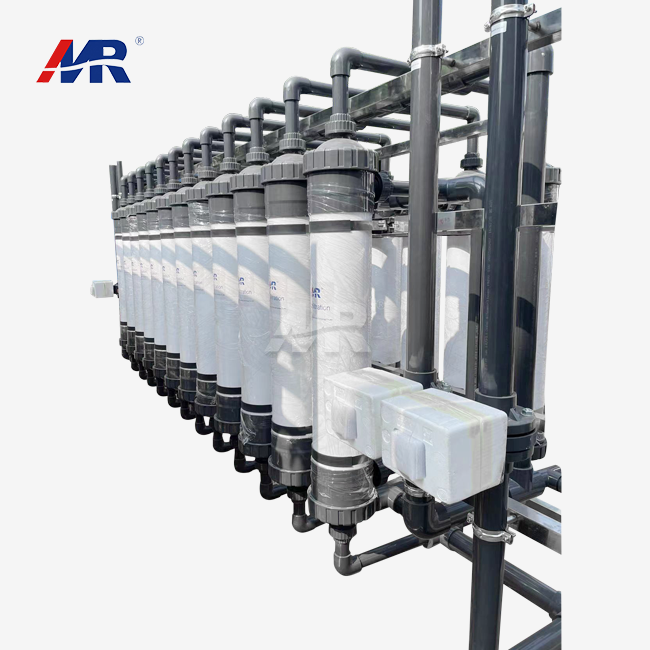
Modern membrane systems include numerous key components that operate together. The membrane modules are the core of the operation, with thousands of hollow fibres that give a huge amount of surface area in a very small space. The feed pumps keep the working pressure at 0.1-0.3 MPa. This is enough to push water through the pores of the membrane with little energy use. Pre-treatment systems remove bigger particles that might harm fragile membrane surfaces, thus prolonging equipment lifetime. Control systems monitor pressure differentials, flow rates, and water quality parameters, and automatically initiate backwashing cycles as required to ensure optimum filter operation.
How Membrane Barriers Protect Water Quality
The basis of the filtering mechanism is size exclusion principles. Water molecules and minerals in solution, important to health, readily move through membrane holes. Particles bigger than the pore size cannot pass through this barrier. This includes bacteria such as E. coli, protozoan cysts such as Cryptosporidium and Giardia, and suspended debris. This physical removal approach is consistent in performance and does not create the hazardous disinfection byProducts that may be associated with chlorine-based treatment. This device is especially useful in places where waterborne infections represent a considerable health risk to at-risk populations.
Why Choose Ultrafiltration Over Other Filtration Technologies?
Comparing Energy Efficiency Across Treatment Methods
Energy input varies widely for various purifying processes. Reverse osmosis systems generally consume 3-6 kWh per cubic metre. This is because they have to operate at high pressure to counteract osmotic pressure. Membrane bioreactors combine biological treatment and separation and have an energy consumption of 0.4–0.8 kWh/m3. Our membrane filtering systems are at the lower end of the range and offer complete removal of contaminants at a minimum operating cost. The efficiency gain is considerable when you deal with hundreds or thousands of cubic meters a day, with a direct influence on project viability and long-term sustainability.
Operational Simplicity That Reduces Labor Costs
Complex treatment systems need specific people and regular care. Traditional multi-barrier processes such as coagulation, flocculation, sedimentation, and sand filtering involve chemical dose modifications, sludge handling, and intensive monitoring. Ultra filtration plant technology streamlines operations a lot by automating cycles which need little interaction. Operators do regular inspections and occasional chemical cleaning, but it operates day-to-day autonomously. This simple solution is particularly advantageous for smaller communities and industrial plants that may not have professional water treatment experts accessible on an ongoing basis.
Preserving Beneficial Minerals While Removing Threats
Water quality is more than the eradication of pathogens. RO removes good minerals such as calcium and magnesium. This necessitates expensive processes to remineralise the water so it does not corrode the pipes and tastes good. Dissolved minerals are not taken away by membrane systems and stay in the water, which is most liked by the customers as it has the features of natural water. The selective permeability avoids the need for post-treatment mineral addition, simplifying procedures and lowering chemical usage in the treatment train.
Core Components and Process Flow of an Ultrafiltration Plant
Essential Infrastructure Elements
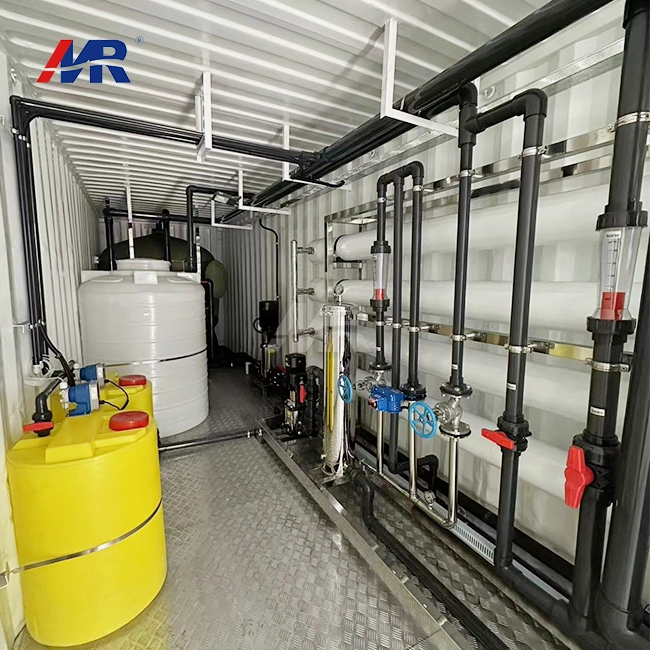
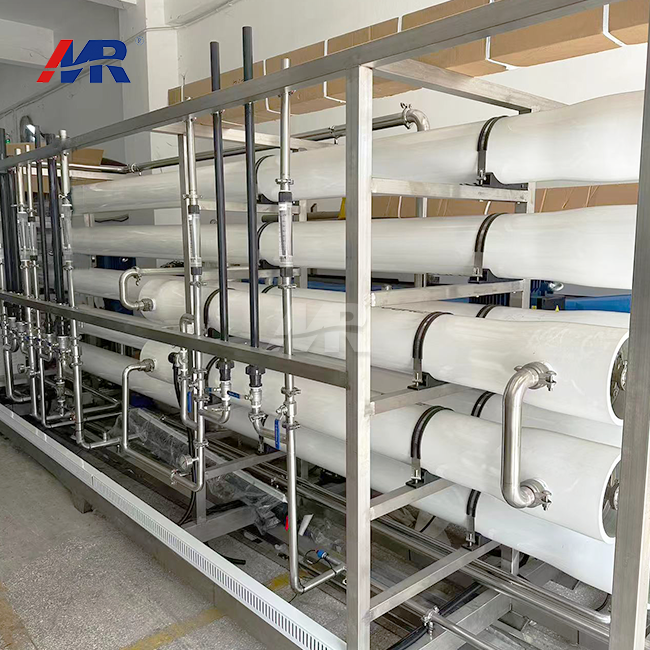
Every effective membrane installation comprises interconnected subsystems working cohesively. Intake structures draw raw water from source reservoirs, rivers, or wells. Pre-treatment modules remove debris through screens and may include multimedia filters when source water carries heavy sediment loads. The membrane arrays themselves occupy climate-controlled buildings protecting sensitive materials from temperature extremes. Backwash tanks collect and temporarily store flushing water used to clean membranes. Clean water storage provides a consistent supply during maintenance periods. Control panels centralize system management, displaying real-time performance data and enabling remote monitoring capabilities.
Step-by-Step Treatment Process
Understand the whole procedure to make safe drinking water from raw water:
- Pretreatment: Screening systems remove leaves, twigs, and large debris from raw water. Some installations use low-dose coagulant chemicals to optimise performance, but membrane technology often eliminates this. Water is pretreated and enters buffer tanks at steady pressure.
- Before membrane modules, pumps pressurise input streams with buffer tank water. Hollow fibre membrane walls let clean water into the collecting system, while concentrated contaminants remain. Depending on plant capacity, this continuous process processes 50–1000 cubic meters per hour.
- In the backwashing cycle, membrane surfaces gather rejected particles, increasing resistance and lowering flow. Waste streams get membrane material from automated backwashing. These 1-2-minute cycles every 30-60 minutes sustain performance without interruption.
- After backwashing, organic debris and mineral scaling need stronger chemical cleaning. Maintenance personnel pump specialist cleaning solutions via membrane modules every 1-3 months based on source water qualities. Maintaining membranes properly extends their lifespan beyond 5-7 years.
- Clean permeate may be disinfected with chlorine or UV after treatment to protect distribution systems. Water membrane-treated requires minimal post-processing; however, certain applications add pH or minerals.
These operational techniques easily transform variable source water into safe, consistent drinking water that meets tight regulatory requirements.
Quality Control and Monitoring Protocols
Treatment effectiveness must be preserved with constant vigilance. Turbidity meters are used to monitor particle levels in permeate streams and provide quick feedback on membrane integrity. Transmembrane pressure drops are monitored using pressure gauges to indicate when cleaning is required. Flow meters verify systems are running to design specifications. Pathogen eradication is shown successful by microbiological sampling, and the frequency of testing is dictated by regulatory requirements and risk assessment. This robust monitoring program detects possible problems early, and prevents excursions in water quality that might pose a threat to public health.
Procurement Considerations for Ultra Filtration Plants in Drinking Water Projects
Evaluating Technology Providers and Solutions
Choosing the right equipment partners for ultra filtration plant may make or break a project. And, reputable membrane manufacturers have documented track histories of installations across the globe that lend credibility to performance promises. Equipment that satisfies drinking water safety requirements is certified by organisations such as NSF International or IAPMO. If a service is available locally, you’ll get a fast response when you need technical help. Warranty periods for membrane replacement and significant component failures safeguard capital investments in the early years of operation.
Budget Planning and Return on Investment
Capital costs will vary depending on capacity needs, site circumstances, and desired features. Municipalities treating between 100 and 500 cubic meters per day might spend between $200,000 and $500,000, whereas bigger plants treating over 10,000 cubic meters per day could cost several million dollars. The operation costs include power, new membranes, cleaning chemicals, and labour. Quantify saved expenses of waterborne disease outbreaks, avoided distribution system maintenance due to cleaner water, and possible income gained from better service dependability. Thanks to operational savings and averted health expenditures, many installations are profitable in 7-10 years.
Maintenance Planning for Long-Term Success
Sustainable operations need proactive maintenance techniques. The single greatest recurrent expenditure is membrane replacement, usually every 5-7 years. Pump rebuilds are done every 3-5 years based on operational hours and water composition. Valve replacements, seal changes, and control system upgrades are additional expenditures throughout the life of the equipment. Having established ties with certified service providers before installation guarantees that expertise is accessible when required, eliminating lengthy downtime that might affect the dependability of the water supply.
Real-World Applications and Case Studies of Membrane Filtration
Municipal Water Treatment Success Stories
Membranes have changed the face of water security for communities throughout the globe. A coastal municipality with recurrent algae blooms was suffering taste and odour issues using traditional treatment. Membrane systems were installed, and customer complaints were reduced by 90% while fulfilling all pathogen elimination requirements. The automation decreased the number of operators needed on each shift from three to one, saving more than $150,000 a year. Another example is a tiny community that depends on groundwater with high iron and manganese. Membrane pretreatment before reverse osmosis polishing eliminated these elements, alleviating the staining problems that had plagued the distribution system for decades.
Industrial Integration Strategies
Membrane technology provides manufacturing operations with the continuous water quality they demand. A pharmaceutical factory making injectable products required water of United States Pharmacopoeia quality. They use a multi-barrier strategy starting with membrane pre-treatment to remove particles and germs before reverse osmosis and electrodeionization to generate the ultrapure water their operations need. This phased strategy avoids fouling of costly downstream equipment and maintains regulatory compliance. Similarly, a beverage business that processes fruit juices employs membrane concentration to remove water without heat damage, therefore retaining delicate flavours and nutritional value that would be destroyed by thermal evaporation.
Emerging Innovations Enhancing Effectiveness
The progress of membrane technology is driven by research and development. New membrane materials enable faster flow rates, treating more water in smaller footprints. Antifouling surface treatments provide less frequent cleaning and reduced operating expenses. Artificial intelligence-powered digital monitoring systems can detect maintenance requirements before performance starts to drop and avoid unexpected breakdowns. Hybrid techniques integrating membranes with improved oxidation or biological treatment are tackling growing pollutants such as pharmaceuticals and personal care products of concern to regulators and consumers. Such advances make membrane technology a flexible approach to tackle emerging water quality concerns.
Conclusion
Membrane filtration infrastructure of ultra filtration plant is an important investment in public health, operational efficiency, and environmental sustainability for drinking water projects. The system achieves >99.9% pathogen elimination at low energy consumption and needs far less operator attention than traditional multi-barrier treatment approaches. These systems range from municipal utilities serving thousands of homes to industrial sites requiring process-grade water and provide consistent performance for a broad range of needs. If water quality is the most important consideration, membrane plants are favoured because of their small footprint, simple maintenance requirements and proven dependability. Communities and organisations who use this technology are securing their water future amid growing issues with source water and increased demands for quality.
FAQ
1. How long do membranes last before replacement?
Membrane modules typically provide 5-7 years of reliable service when operated according to manufacturer guidelines and maintained through regular cleaning protocols. Lifespan depends heavily on source water characteristics, with high turbidity or aggressive chemical environments accelerating degradation. Proper pre-treatment and adherence to recommended operating pressures maximize membrane longevity, protecting capital investments and minimizing life-cycle costs.
2. What maintenance do these systems require?
Routine operations include daily visual inspections, weekly chemical inventory checks, and monthly performance data review. Automated backwashing occurs every 30-60 minutes without operator intervention. Chemical cleaning happens quarterly or as performance monitoring indicates necessity. Annual maintenance involves pump inspections, valve testing, and control system calibration. This straightforward schedule requires substantially less labor than conventional treatment plants managing chemical dosing and sludge handling operations.
3. Can membranes remove viruses and bacteria effectively?
The 0.01-0.1 micron pore size effectively blocks bacteria typically measuring 0.5-3 microns and many viruses exceeding 0.02 microns. Testing demonstrates log reduction values of 6-7 for bacteria and 4-5 for viruses, exceeding regulatory requirements for drinking water safety. This physical barrier provides consistent pathogen removal regardless of water temperature or chemistry variations that sometimes reduce chemical disinfection effectiveness.
Partner With a Trusted Ultra Filtration Plant Manufacturer
Guangdong Morui Environmental Technology Co., Ltd. brings over a decade of water treatment expertise to ultra filtration plant drinking water projects across municipal, industrial, and commercial sectors. Our membrane systems deliver flow rates from 50 to 1000 cubic meters per hour with filtration efficiency exceeding 99.9%, supported by our in-house membrane production facility and network of equipment processing plants. We provide comprehensive solutions including system design, equipment supply, on-site installation, commissioning, and ongoing Technical support through Our Team of 20 specialized engineers.
Our integrated approach combines proven membrane technology with complementary components from industry leaders like Shimge Water Pumps and Runxin Valves, ensuring reliable long-term performance. Whether you're upgrading aging infrastructure, expanding capacity, or building new treatment facilities, our technical team customizes solutions matching your specific water quality challenges and budget parameters. Contact our engineering specialists at benson@guangdongmorui.com to discuss your project requirements and receive detailed technical proposals.
References
1. American Water Works Association. (2020). Membrane Technology for Water Treatment: Design and Implementation Guidelines. Denver: AWWA Press.
2. Crittenden, J.C., Trussell, R.R., Hand, D.W., Howe, K.J., & Tchobanoglous, G. (2012). MWH's Water Treatment: Principles and Design (3rd ed.). Hoboken: John Wiley & Sons.
3. Jacangelo, J.G., & Trussell, R.R. (2018). "Ultrafiltration Applications in Drinking Water Treatment." Journal of Water Supply: Research and Technology—AQUA, 67(3), 215-229.
4. National Research Council. (2008). Desalination: A National Perspective. Washington, DC: The National Academies Press.
5. United States Environmental Protection Agency. (2021). Membrane Filtration Guidance Manual. Washington, DC: EPA Office of Water.
6. World Health Organization. (2017). Guidelines for Drinking-water Quality: Fourth Edition Incorporating the First Addendum. Geneva: WHO Press.