

_1745823981883.webp)

Best Reverse Osmosis Water Solutions for Home and Business Use
The best reverse osmosis water systems can remove a high percentage of contaminants by pushing water through semi-permeable membranes that eliminate as much as 99% of dissolved solids, heavy metals, pathogens, and chemical pollutants. Whether you run a pharmaceutical plant that requires ultrapure water in accordance with Good Manufacturing Practices or a restaurant that needs safe, potable water, selecting the right reverse osmosis solution ensures water quality that protects health, complies with regulations, and provides operational reliability for residential and commercial use.
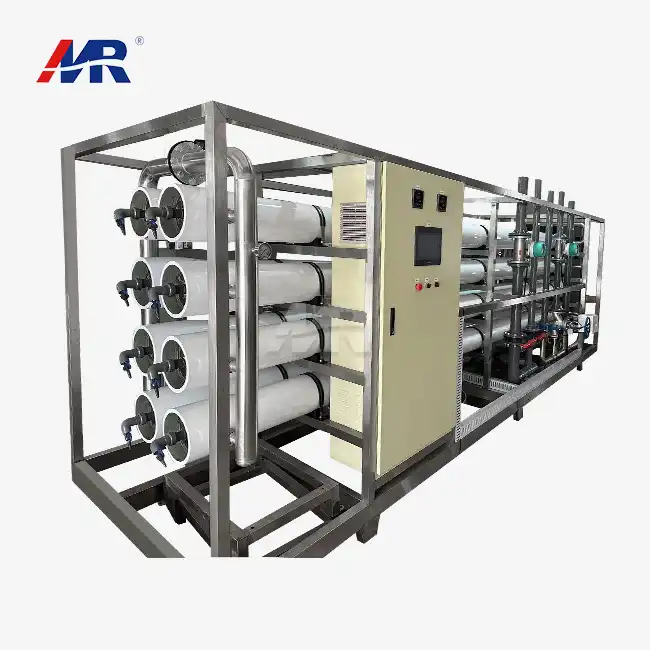
Understanding Reverse Osmosis Technology for Effective Water Filtration
Reverse osmosis is a complex water filtration method that solves the many different pollution problems affecting contemporary companies and consumers. Fundamentally, this method applies pressure to force water molecules through a semi-permeable membrane structure that excludes pollutants, from tiny microorganisms to dissolved salts.
How Reverse Osmosis Works in Commercial Settings
RO systems overcome natural osmotic pressure with hydraulic pressure to push feed water through membranes with pore sizes estimated in angstroms, small enough to block 97-99% of dissolved ions, organics, and particles. This process makes reverse osmosis water treatment highly effective for chlorine, fluoride, nitrates, arsenic, lead, and microbiological threats that compromise product quality in manufacturing environments. Such accuracy is useful for industrial applications, as keeping the water chemistry constant helps to minimise equipment scaling, product contamination and regulatory problems that interrupt operations.
Key Benefits Beyond Basic Filtration
The benefits of installing rugged RO systems extend well beyond just better-tasting water. Processors of food and beverage Products use the technology to kill germs and pesticides that can lead to product recalls. Multi-stage RO arrangements are used by pharmaceutical producers to create water for injectable products to USP requirements. Electronics fabricators use RO with electrodeionization (EDI) to provide the high-purity water they need to clean semiconductor wafers to sub-parts-per-billion purity standards. These Cases show how the choice of the right solution may have a direct influence on product quality, regulatory compliance, and brand protection.
Maintenance Requirements That Ensure Longevity
RO performance must be carefully managed via pre-filtration, membrane integrity, and post-treatment operations to ensure best performance. Pre-filters protect fragile membranes from fouling and oxidative damage by removing silt and chlorine. Differential pressure monitoring to plan membrane cleaning helps avoid flux drop that affects capacity. Post-treatment alternatives include UV sterilisation or remineralisation for particular end-use needs. Knowing these maintenance cycles enables procurement teams to estimate the total cost of ownership and plan preventative actions that minimise delays in production.
Comparing Leading Reverse Osmosis Systems for Home and Business Use in 2026
There are many RO technologies available on the market today for certain operating sizes and water quality problems. When reviewing these possibilities, consider how your plant’s contamination profile and production needs compare to system capabilities.
Industrial-Grade Systems Versus Residential Models
Commercial best reverse osmosis water equipment is different from residential units in flow capacity, pressure tolerance, and automation features. Industrial systems produce between 500 and 100,000 gallons per day and include parallel arrays of membranes, automatic cleaning cycles, and integrated monitoring that measures conductivity, pH, and flow rates in real time. These qualities enable continuous operation in bottling factories, dialysis clinics, and laboratory environments where the quality of water is a direct result of safety and compliance. Residential systems are designed for a small footprint and easy maintenance. They’re perfect for businesses, restaurants, and light commercial applications with modest daily use.
Technical Specifications That Define Performance
When considering reverse osmosis water purification systems, consider rejection rates, recovery ratios and energy usage. High-grade thin-film composite membranes may achieve 98% salt rejection and 50-75% recovery, which minimises the wastewater creation. Booster pumps also provide enough feed pressure even if the supply pressure varies, which is a must for well water applications or facilities with fluctuating municipal pressure. High-volume consumers, for whom power is a major cost, benefit from energy-efficient designs with variable frequency motors and pressure exchangers that minimise running costs.
Specialty Configurations for Unique Applications
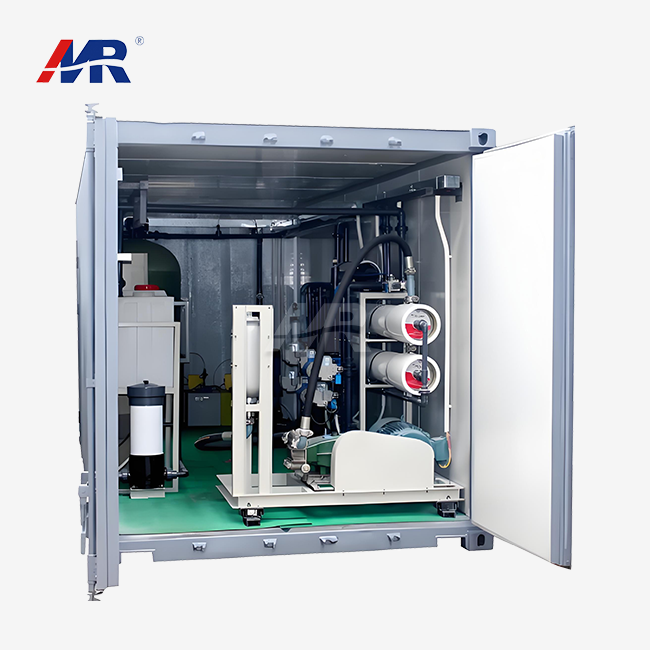
Custom RO designs are required for some industries to treat particular pollutants or for unique process needs. Well water systems have added pre-filtration to accommodate the increased quantities of iron, manganese, and hydrogen sulphide often found in private ground water sources. The seawater desalination plants use high-pressure membranes and specific materials resistant to the corrosive maritime environment. For mobile applications like disaster assistance or isolated building sites, there are compact skid-mounted systems. These specialised solutions show how smart engineering applies fundamental RO concepts to varied operating situations.
How to Choose the Optimal Reverse Osmosis System for Your Business Needs
To properly choose the right water treatment equipment, you need to systematically assess your facility’s operating factors, quality goals, and growth expectations. This assessment guarantees that your investment will continue to work reliably throughout the life of the service.
Assessing Your Water Source Characteristics
Perform a complete examination of the water, including physical, chemical, and microbiological characteristics. Testing should include total dissolved solids, hardness, iron, silica, chlorine, and signs of pathogens. This baseline data tells you what pollutants your RO system needs to remove and determines pre-treatment requirements. Many well water sources are mineral-rich and need water softeners or iron filters ahead of the ro membranes. Municipal supplies may require only sediment and carbon pre-filtration. Correct characterisation of the source water avoids undersizing equipment or choosing the wrong membrane chemistries that will degrade performance.
Calculating Capacity Requirements with Growth Margins
Take stock of all industrial processes, sanitation demands and staffing needs to determine daily water use. Add 20-30% capacity margin to allow for high demand times and future growth. Establish storage needs depending on system recovery time and production schedules. A pharmaceutical producer may require 8-hour batch production and immediate availability, which requires huge storage tanks and high-flow membranes. A coffee business may survive on lesser volume each day, but it requires a constant flow of supplies while it’s open. A system that matches capacity to actual use patterns avoids excessive equipment that wastes energy or undersized units that bottleneck operations.
Industry-Specific Compliance and Quality Standards
Different industries are governed by different regulatory systems for best reverse osmosis water quality. Water produced by healthcare institutions must fulfil AAMI requirements for haemodialysis or USP criteria for pharmaceutical manufacturing. Food processors are subject to FDA rules and HACCP procedures that mandate proven pathogen reduction. Electronics manufacturers want to meet ASTM Type I or II ultrapure water criteria. Grasping the required standards will assist you in ensuring your RO system design comprises the validation paperwork, testing methodologies, and quality assurance processes essential to satisfy auditors and safeguard public safety.
Procurement Strategies for Reverse Osmosis Equipment Acquisition
“Acquiring water treatment infrastructure is not simply a matter of comparing product specifications. Good procurement is a combination of technical criteria, commercial terms and supplier capability.
Evaluating Supplier Credentials and Support Infrastructure
Choose manufacturers with proven experience in your industrial sector. Review case studies of successful implementations in similar facilities. Check the availability of technical help, including response times for emergency service and stock of replacement parts. Ask the provider whether it offers installation, commissioning, and operator training services. Morui and other corporate players have expertise with multi-site industrial wastewater treatment, saltwater desalination and drinking water production, with the engineering team working in different regulatory settings to provide integrated solutions. That variety of capabilities minimises integration risk and speeds project deadlines.
Navigating Total Cost of Ownership Calculations
Initial equipment prices are simply one component of long-term expenses. Calculate yearly membrane replacement costs using manufacturer specifications and your water chemistry. Consider pre-filter cartridges, cleaning chemicals, and power use. Think about how much maintenance labour you need and if your staff has the capabilities or whether you need to have continuous service contracts. Check warranties on parts and labour and assurances of performance. In a full lifecycle cost analysis, the premium systems are often shown to be better value than budget options, although they demand a higher initial capital investment, due to their superior energy efficiency and longer membrane life.
Leveraging Volume Purchasing and Partnership Opportunities
If your organization has many locations or is planning gradual roll-outs, you may negotiate good pricing with volume guarantees. Buying in bulk cuts unit costs and having standard equipment makes training and replacement parts easier. Building preferred supplier relationships may provide extra value such as priority technical assistance, customised training programs, and collaborative process optimisation. Mid-sized firms have improved their whole production networks by working with vendors that provide turnkey solutions including design, installation, and performance monitoring throughout the lifespan of the equipment.
Maintenance Protocols That Maximize System Performance and Reliability
Disciplined maintenance techniques maintain water purity, increase equipment life, and minimise expensive unexpected downtime that affects production plans.
Establishing Preventive Maintenance Schedules
Develop comprehensive checklists for daily, weekly and monthly inspection duties. Monitor the intake pressure, permeate flow, conductivity and reject flow on a daily basis and compare to baseline trends. Weekly chores include checking fittings for leaks, checking the sanitiser levels, and assessing the quality of permeate. Monthly maintenance includes pre-filter replacements, membrane cleaning or replacement as required by pressure difference limits, and sanitisation activities. Record all work performed in maintenance logs for regulatory compliance and troubleshooting. Automated monitoring systems may warn operators of changes in performance before they become breakdowns needing an emergency response.
Optimizing Pre-Treatment and Post-Treatment Processes
Effective pre-treatment prevents fouling chemicals from reaching sensitive RO elements and increases the life of the membrane. Sediment filters take out anything bigger than 5 microns. Carbon filters remove chlorine, which may damage the polyamide membranes. Water softeners may help to decrease calcium and magnesium scaling. Alterations in the pre-treatment according to seasonal changes in water quality lead to steady membrane protection. Post-treatment solutions such as UV disinfection offer a layer of microbiological protection for important applications. Remineralisation filters replenish vital minerals for taste enhancement in drinking water applications. These complementary technologies build layered barriers to achieve total water quality control.
Implementing Sustainable Operating Practices
Modern RO systems have technologies that reduce environmental impact and operational expenses. High-efficiency membranes increase recovery ratios, generating less wastewater per gallon of product water. Large systems use energy recovery devices that take pressure from concentrate streams to reduce power usage by 30-60%. Various disposal technologies include neutralisation and resource recovery, turning waste streams into value-added by-products. These sustainability actions are helping to bring operations into compliance with environmental requirements and reduce utility costs, leading to operational and financial advantages that enhance corporate competitiveness.
Conclusion
Finding the right balance between technical performance, operational reality, and long-term support is the key to selecting the correct best reverse osmosis water systems. Whether it’s well water pollution, pharmaceutical purity requirements, or scaling food production, the proper RO system ensures consistent water quality that maintains product integrity and regulatory compliance. When you choose suppliers with a proven track record for full engineering support, quality components and prompt service, you help guarantee your investment operates efficiently throughout its operating life and adapts to your changing business demands.
FAQ
1. Does reverse osmosis effectively remove chlorine from water?
RO membranes can remove chlorine, but prolonged exposure degrades membrane materials and reduces lifespan. Best practice involves installing activated carbon pre-filters that eliminate chlorine before water reaches RO membranes, protecting equipment while ensuring comprehensive contaminant removal. This approach maintains system efficiency and prevents premature membrane replacement costs.
2. How often should I replace filters in commercial RO systems?
Replacement schedules depend on water quality and usage intensity. Sediment pre-filters typically require changing every 3-6 months, carbon filters every 6-12 months, and RO membranes every 2-3 years. Monitoring pressure differentials and permeate quality provides more accurate replacement timing than fixed schedules. Establishing baseline performance metrics enables condition-based maintenance that optimizes filter life without compromising water quality.
3. What distinguishes RO water from distilled water in industrial applications?
Both processes produce high-purity water, but reverse osmosis operates continuously at ambient temperatures while distillation requires boiling. RO systems deliver higher flow rates with lower energy consumption, making them more economical for large-volume users. Distillation effectively removes volatile organic compounds that may pass through RO membranes. Many laboratories use RO as primary treatment followed by distillation for ultimate purity in specialized analytical procedures.
Partner with Morui for Your Best Reverse Osmosis Water Solutions
Guangdong Morui Environmental Technology Co., Ltd. brings over a decade of water treatment expertise to clients across manufacturing, healthcare, food production, and municipal sectors. Our engineering team designs customized RO systems addressing complex contamination challenges while ensuring regulatory compliance and operational efficiency. With 14 branches, in-house membrane production capabilities, and partnerships with premium component suppliers including Shimge Water Pumps and Runxin Valves, we deliver best reverse osmosis water turnkey solutions from initial assessment through installation, commissioning, and ongoing support. Whether you need laboratory-scale ultrapure water equipment or industrial seawater desalination systems, our comprehensive capabilities as a leading reverse osmosis water supplier ensure your facility receives reliable, cost-effective water treatment infrastructure. Contact Our Team at benson@guangdongmorui.com to discuss your specific requirements and receive a detailed proposal tailored to your operational needs and budget parameters.
References
1. American Water Works Association. (2020). Reverse Osmosis and Nanofiltration: Manual of Water Supply Practices M46. Denver: AWWA Press.
2. Greenlee, L.F., Lawler, D.F., Freeman, B.D., Marrot, B., & Moulin, P. (2009). Reverse osmosis desalination: Water sources, technology, and today's challenges. Water Research, 43(9), 2317-2348.
3. National Sanitation Foundation International. (2021). NSF/ANSI Standard 58: Reverse Osmosis Drinking Water Treatment Systems. Ann Arbor: NSF International.
4. United States Pharmacopeia Convention. (2022). General Chapter <1231> Water for Pharmaceutical Purposes. USP 45-NF 40. Rockville: USP.
5. World Health Organization. (2017). Guidelines for Drinking-Water Quality: Fourth Edition Incorporating the First Addendum. Geneva: WHO Press.
6. Wilf, M., & Bartels, C. (2018). Optimization of Seawater RO Systems Design. Desalination, 173(1), 1-12.
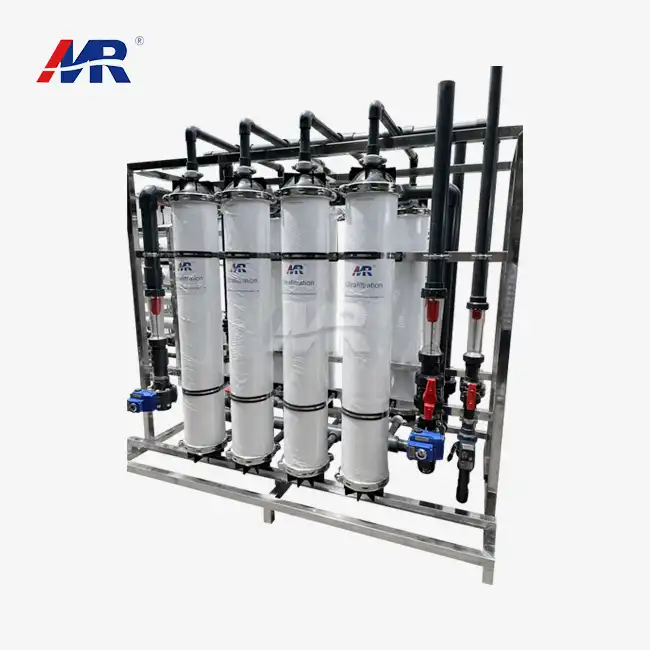 VIEW MORE15T/H ultrafiltration system
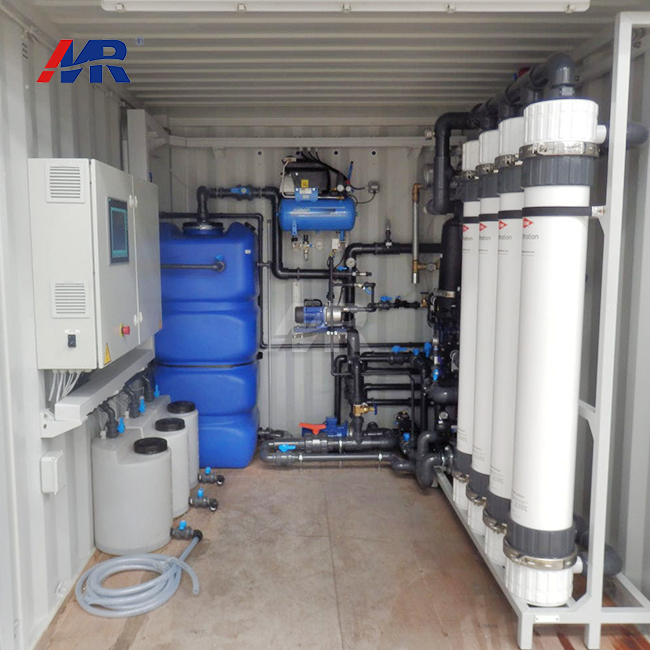 VIEW MOREcontainerized ultrafiltration equipment
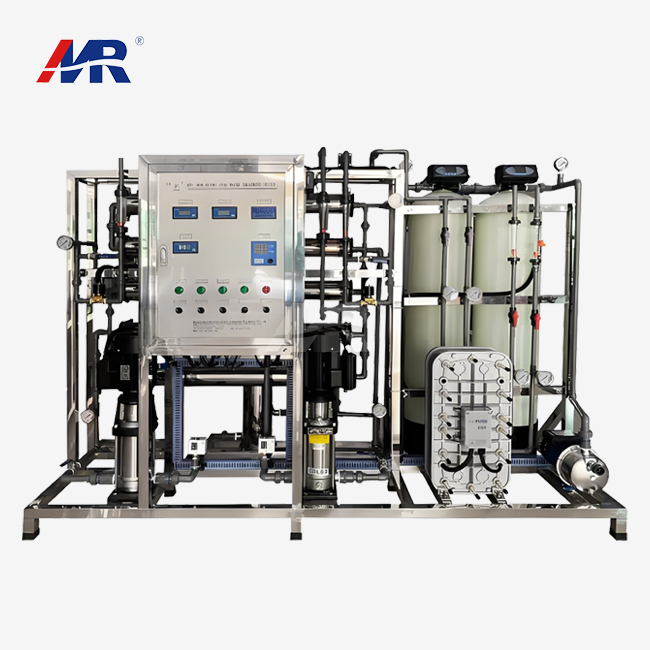 VIEW MORE500LPH EDI equipment
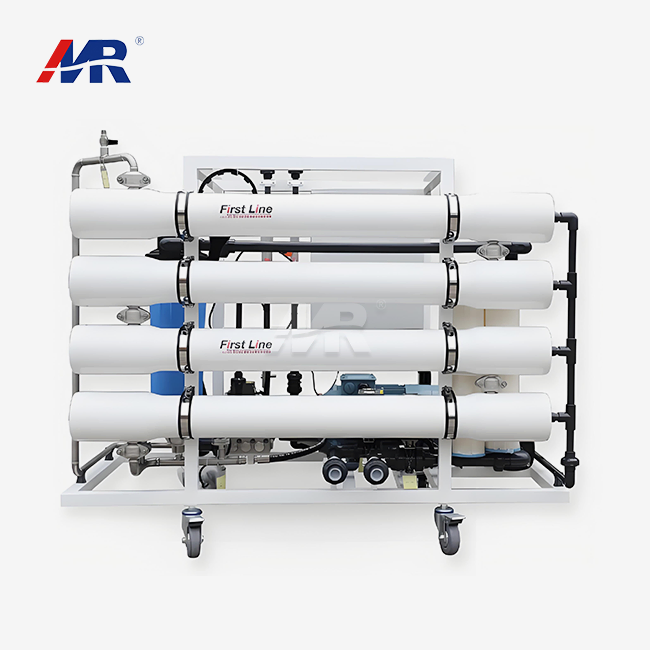 VIEW MOREseawater desalination system
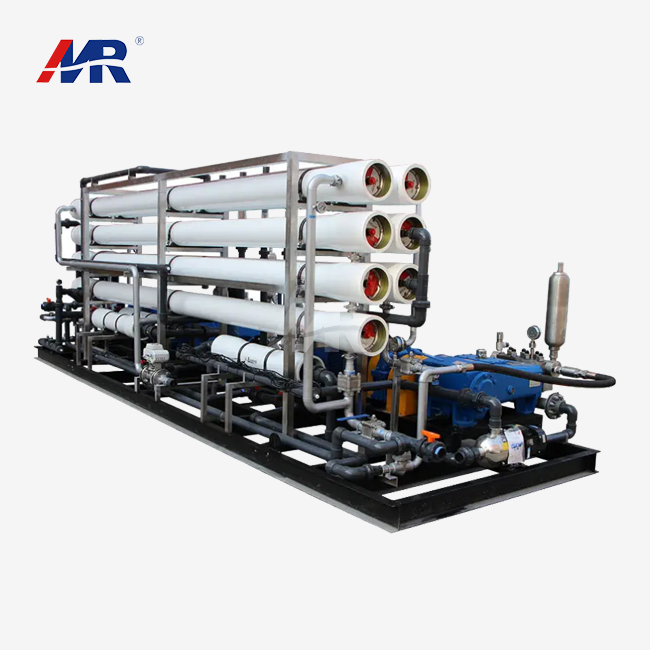 VIEW MOREseawater desalination machine
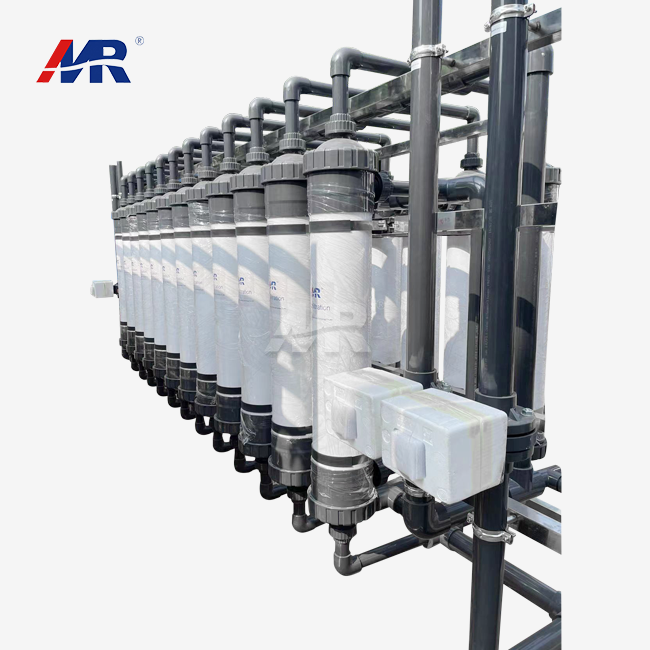 VIEW MOREindustrial ultrafiltration systems
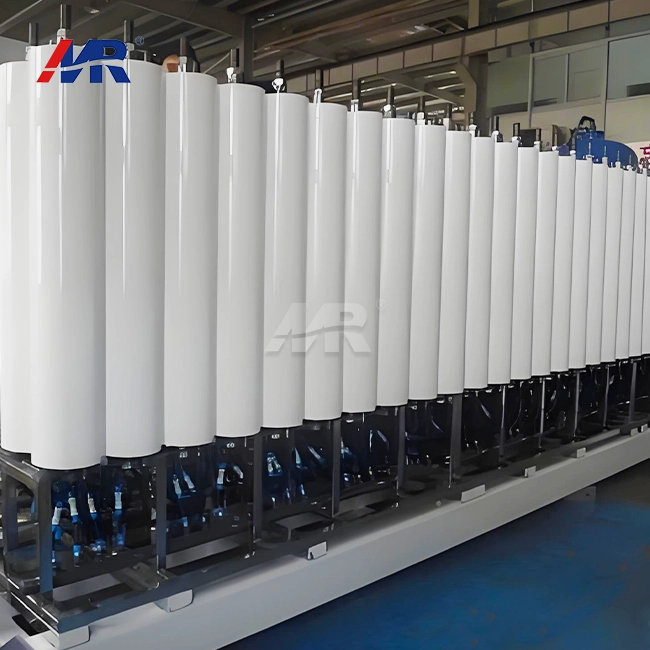 VIEW MORELandfill Leachate Treatment System
 VIEW MOREcontainerized UF+RO system
