_1745823981883.webp)

Wastewater Treatment System Types: Which One Fits Your Industry?
To choose the correct wastewater treatment system, you need to understand the particular features of the discharge from your industry and the legal requirements and operational limitations. Some of the specific issues faced by industrial facilities include high-strength organic loads in food processing and hazardous substances in pharmaceutical manufacture. Municipal facilities treat varied home sewage; agricultural operations treat nutrient-rich runoff. Modern treatment systems include aerobic and anaerobic biological processes, membrane bioreactors and enhanced oxidation, each with its own benefits. The choice should be based on a trade-off between treatment efficiency, footprint restrictions, energy consumption and overall ownership costs, and meet local discharge requirements and environmental objectives.
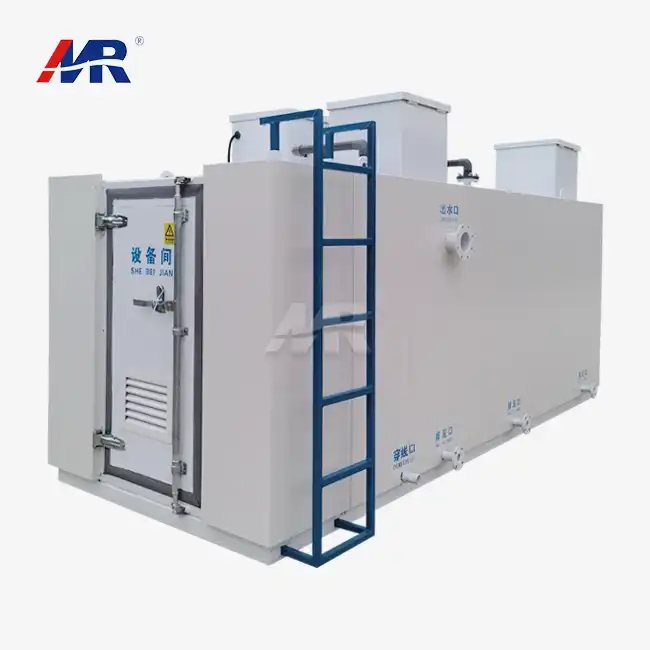
Understanding Wastewater Treatment Systems: Principles and Types
Today, many types of effluent streams generated by industrial and municipal activities need to be carefully managed prior to disposal or reuse. The heart of effective pollution management is picking the right technology to fit your waste characteristics and to fulfil ever-increasing environmental laws.
Core Treatment Principles
An effective system always depends on three basic processes acting sequentially or in combination. Suspended solids are eliminated by physical methods including screening, sedimentation and filtering. Chemical treatment adjusts the pH to neutral, precipitates dissolved metals or oxidises resistant pollutants. Biological approaches use microorganisms to break down organic contaminants and so transform them into harmless byProducts. We’ve seen facilities get the best outcomes when different techniques are combined depending on influent composition, and not just one way is used.
Aerobic vs. Anaerobic Systems
Aerobic treatment employs oxygen-dependent microorganisms to quickly break down organic waste and provide high-quality effluent for disposal to sensitive recipient waterways. These systems are best suited for food and beverage applications where BOD removal efficiency is most important. Anaerobic procedures do not need oxygen and are energy efficient for treating high-intensity waste streams such as brewery effluent or abattoir output. They produce biogas as a useful by-product, which reduces net energy expenses. The compromise is extended retention periods and associated odour control problems.
Membrane Technologies and Advanced Solutions
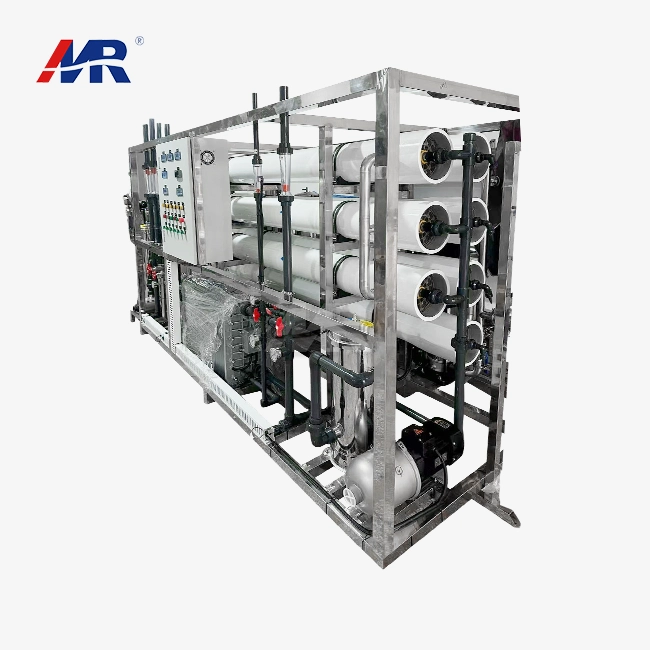
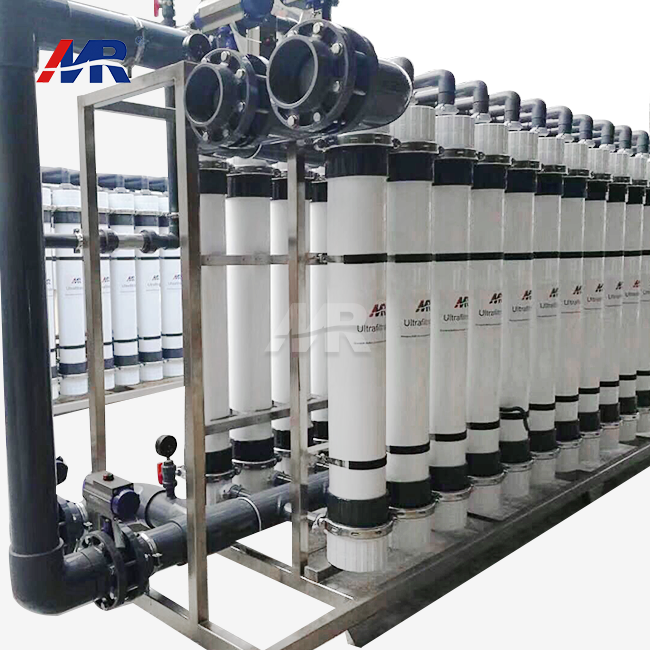
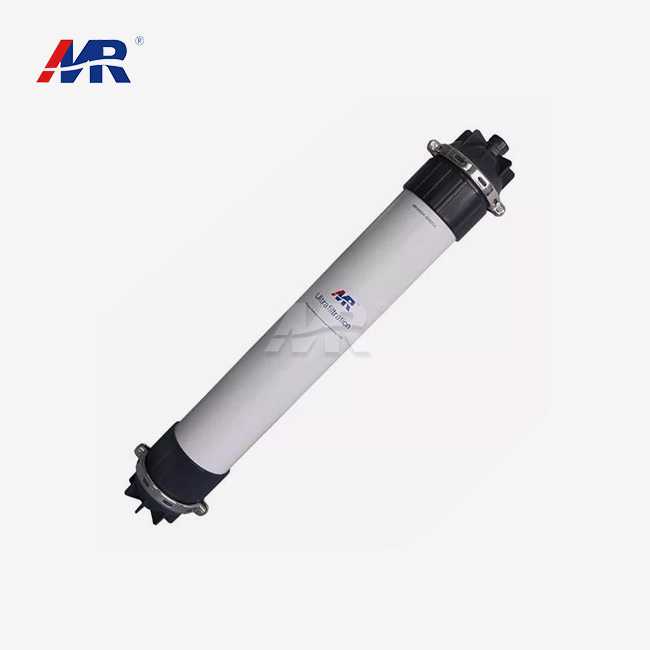
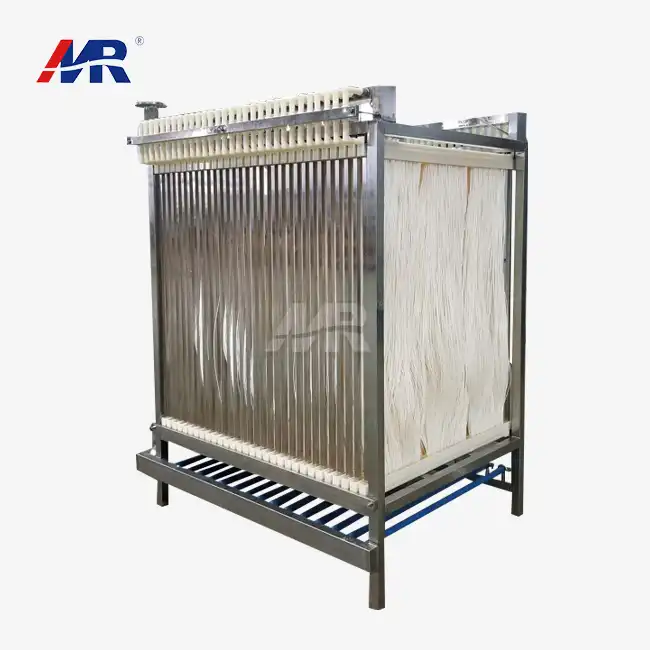
Membrane bioreactors (MBRs) are a combination of biological treatment and ultrafiltration that delivers superior clarity and pathogen elimination in a small footprint. Pharmaceutical industries and electronics facilities use these technologies to produce reused water with strict quality criteria. Advanced oxidation processes (AOPs) based on UV, ozone, and hydrogen peroxide are used to target persistent micropollutants that cannot be removed by conventional methods. Such methods are often used as polishing processes in chemical plants dealing with complicated synthesised chemicals.
Comparing Key Wastewater Treatment Types for Industry Applications
By understanding the operational differences across treatment methods, technical and financial decision-makers may better align capital expenditures with long-term performance objectives.
Efficiency and Cost Considerations
Conventional activated sludge wastewater treatment systems are proven reliable systems with minimal capital investment, treating roughly 50-10,000 m3/day with energy usage of the order of 0.5 kWh/m3. Being used so often, new parts are easy to get, and service experts are at hand in the area. Membrane systems are more expensive to install but may remove up to 99% of BOD, COD, and TSS, hence lowering discharge costs and permitting water reuse. Over a 15-year lifespan, the total cost of ownership of an energy-efficient design with automated controls may frequently be cheaper, despite the higher cost of the equipment.
Industry-Specific Performance Factors
Dye-laden effluents from textile operations may be treated using a combination of physicochemical treatment and specific oxidation. The expenses of chemical usage are justified by the accomplished colour removal and toxicity reduction. Municipal utilities with fluctuating household loads choose prolonged aeration or sequencing batch reactors that can absorb flow variations without loss of performance. Petrochemical facilities treating oilfield produced water are employing multi-stage systems with flotation, biological treatment, and tertiary filtration to meet saline environment discharge standards.
Emerging Technology Advantages
New developments overcome the shortcomings of conventional methods and enhance sustainability characteristics. Membrane bioreactor topologies decrease facility footprint by 40-60% compared to traditional secondary treatment, making them a good fit for urban settings with land restrictions. Electrochemical oxidation systems remove the need for chemical dosing, which appeals to facilities seeking green production Certifications. In addition, quality of treatment is maintained throughout production schedule changes, which are frequent in batch manufacturing settings. Moving bed biofilm reactors show consistent performance during load fluctuations.
How to Select the Right Wastewater Treatment System for Your Industry
Technical and procurement teams need standardised assessment criteria that convert operational needs into equipment specifications and characteristics for supplier selection.
Analyzing Your Wastewater Characteristics
Start by fully testing your discharge to characterise it. Document flow rates at peak production times, not averages, since undersized systems collapse under highest demand. Identify contamination concentrations for BOD, COD, TSS, nitrogen, phosphorus, heavy metals, and industry-specific chemicals. In pharmaceutical operations, trace antibiotics are the issue, while in electroplating shops, the emphasis is on hexavalent chromium and nickel. Seasonality matters – food processors have crop-driven spikes that need balancing capacity or scalable treatment trains.
Regulatory Compliance Framework
Though the federal Clean Water Act establishes minimum restrictions on discharges, state and local authorities often apply more stringent rules. Coastal facilities are subject to marine conservation rules. Inland plants in vulnerable watersheds are subject to nutrient caps to avoid eutrophication. Know your allowable discharge concentrations and monitoring frequencies. The consequences of non-compliance rise rapidly; therefore, having over-designed treatment capacity is a reasonable risk management decision. Some forward-thinking firms are aiming for reuse-grade effluent, future-proofing themselves against increasing rules and minimising the cost of freshwater input.
Matching Technology to Operational Demands
Anaerobic pretreatment and aerobic polishing may be beneficial for food and beverage businesses that produce high-strength organic waste, enabling the capture of the energy value of the waste while fulfilling discharge limits. For chemical producers working with hazardous or inhibitory substances, a strong physicochemical pretreatment is required to protect the biological stages against shock loading. Municipal utilities with rising populations require modular technologies to expand capacity without disruption to present operations. We’ve assisted customers in all of these industries to select equipment that works within their specific limits, but still allows some room for upgrades.
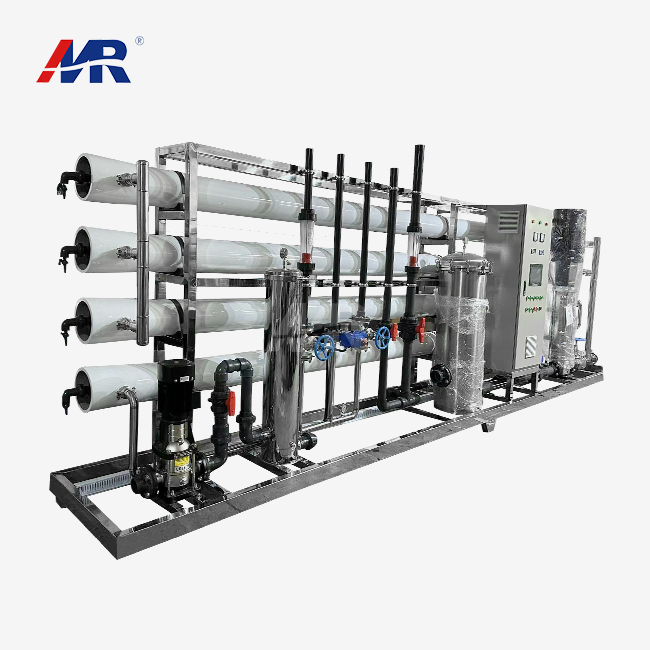
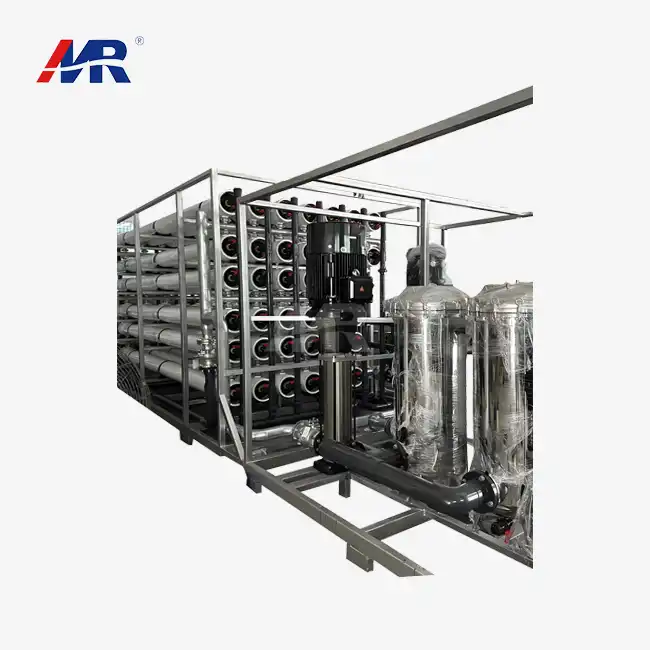
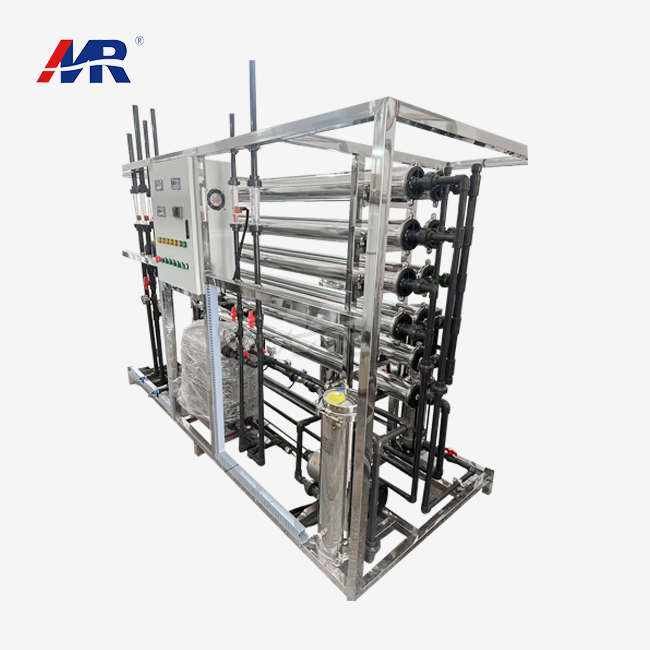
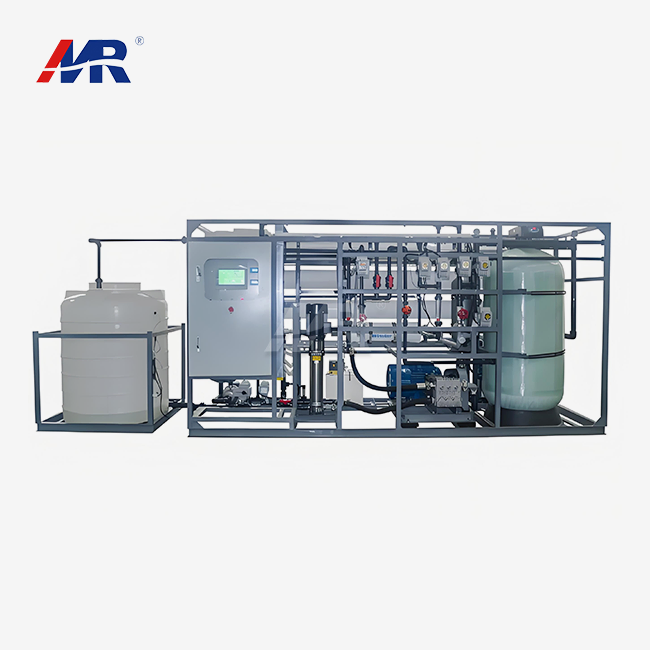
At Morui, we combine these factors into modular designs for the products we supply. We manage capacity from 50 to 10,000 m³/day with small systems that make optimal use of space. Automated controls with remote monitoring capabilities decrease labour needs and provide constant performance. These features respond to the real issues procurement managers talk about when they write specifications.
Evaluating Total Ownership Costs
Don’t only look at the purchase price to get the real economics. Energy usage has a direct impact on operational costs – our systems run at 0.3-0.5 kWh/m3 due to high-efficiency blowers and optimised aeration controls. Maintenance needs vary greatly across technology. Membrane systems require periodic cleaning and eventual replacement, whereas traditional clarifiers require desludging and occasional mechanical repairs. Staffing requirements are driven by the extent of automation and the complexity of the process. Evaluate payback times based on savings from discharge fees, water reuse, and compliance fines in addition to the equipment and running expenses.
Maintaining and Troubleshooting Wastewater Treatment Systems
To ensure reliable operation, preventative maintenance practices and fast reaction skills must be in place to address deviations in performance from design specifications.
Preventive Maintenance Best Practices
Regular inspections of wastewater treatment systems find the little things before they become expensive failures. Weekly inspections should confirm that the sensors that provide pH, dissolved oxygen, and turbidity values that drive automated operations are calibrated. Mechanical equipment such as pumps, blowers, and similar equipment should be checked monthly for odd vibration or overheating. Screens should be cleared, accumulated grit removed, and emergency back-up systems tested monthly. Quarterly activities consist of extensive biological evaluations. Microscopic analysis shows healthy populations of microorganisms and settleability tests reveal bulking or foaming tendencies. Annual overhauls are carried out to address worn components and to confirm instrumentation accuracy.
Common Challenges and Solutions
Poor settling, increased effluent turbidity, or odour complaints may indicate biological treatment disturbances. Usually, they are caused by toxic shock loads, nutrient deficits, or extremes of temperature. Influent fluctuations are handled by equalisation capacity, and appropriate nutrient (N and P ratios) dosage ensures microbiological health. Membrane fouling leads to an increase in trans-membrane pressure and a decrease in flow. Backwash frequency and chemical cleaning procedures may be optimised to improve membrane life. Mechanical breakdowns of pumps or blowers completely stop the treatment process. Stocking spare parts and having service contracts with equipment makers can reduce the length of downtime.
Partnering with Experienced Suppliers
Complex treatment systems should be commissioned by the manufacturer and need continuing technical assistance. Experienced experts test hydraulic profiles, calibrate instruments, and create baseline operating parameters during installation that serve as performance standards. Fast service prevents small difficulties from becoming operational crises. Morui’s team of 20 engineers offers installation, commissioning, and troubleshooting assistance, supported by 14 regional offices for fast response across the United States. Procurement teams are certain that their investment is safeguarded during the operating lifespan via this service architecture.
Procurement Guide: Purchasing and Investing in Wastewater Treatment Equipment
The equipment purchase strategy involves a trade-off between short-term financial restrictions and long-term operational goals and regulatory requirements.
Purchase Options and Financial Structures
An outright acquisition means total ownership and control and is best for established enterprises that have capital and technical personnel. Leasing deals decrease initial investment but provide flexibility to upgrade if rules change or output increases. Build-operate-transfer methods are attractive to facilities that lack the in-house expertise, since they pass operational responsibilities to specialised contractors. Evaluate these structures according to your firm’s financial health, risk tolerance and strategic goals. Mid-sized firms often want to do phased installations, where they install the core treatment components and provide room for extension as they plan for expansion.
Supplier Selection Criteria
Good manufacturers have third-party certifications and a record of how the product was installed to show they adhere to industry norms. Ask about case studies from comparable industries and production volumes, and verify performance claims by speaking with the references provided. Customisation capabilities are important as every facility has its own unique limits necessitating adjustments to equipment or specialised setups in processes. We have created solutions for urban areas with limited space, for harsh temperature conditions, and for uncommon waste compositions that could not be handled by typical packaging.
Guangdong Morui Environmental Technology is a complete service provider that covers more than equipment. We have vertically integrated membrane manufacturing facilities and equipment fabrication operations, which means that we have control over quality and supply chain dependability. With our process experience combined with top brands of components such as Shimge water pumps, Runxin valves, and Createc instruments, we have proven subsystem dependability. This strategy offers full treatment solutions from initial screening to sludge management, supported by one-stop installation and commissioning services that speed up the project timeframes.
Building Long-Term Partnerships
“Procurement is not simply about transactions; it is about continuous collaboration. Establish effective communication channels for technical assistance, availability of replacement parts, and advice on performance optimisation. Plan for upgrade pathways if quantities are put into production or rules become more stringent. Your original investment will support the future needs without a total replacement. There are vendors that provide remote monitoring services that can detect performance patterns and provide recommendations for preventative measures before drops in efficiency. These agreements turn equipment providers into strategic partners with an interest in your operational success.
Conclusion
The right wastewater treatment system technique depends on the particular waste profile, regulatory requirements, and operational restrictions. Aerobic systems enable quick organic removal, anaerobic processes give energy recovery, and membrane technologies provide reuse-grade effluent in small footprints. Successful implementations combine treatment efficiency with capital investment and operational expenses, while assuring compliance and scalability. With competent vendors that offer complete assistance from original design to long-term maintenance, you can preserve your investment and assure constant performance as your business develops.
FAQ
1. What differentiates membrane bioreactors from conventional activated sludge treatment?
MBR technology integrates biological treatment with ultrafiltration membranes, replacing secondary clarifiers and producing superior effluent quality suitable for direct reuse. The membrane barrier retains all suspended solids and most bacteria, achieving turbidity below 1 NTU. This configuration reduces facility footprint by 50-60% compared to conventional systems requiring large clarifiers. Energy consumption runs slightly higher due to membrane aeration requirements, but water reuse savings often offset this premium. Facilities targeting aggressive sustainability goals or operating under space constraints find MBR particularly advantageous.
2. How can facilities reduce energy consumption in biological treatment processes?
Energy optimization starts with efficient aeration, which accounts for 50-70% of treatment plant electricity use. Installing variable frequency drives on blowers paired with dissolved oxygen feedback controls prevents over-aeration while maintaining biological activity. Fine-bubble diffusers transfer oxygen more efficiently than coarse-bubble alternatives. Properly sized equalization tanks smooth flow variations, allowing biological reactors to operate at steady optimal rates rather than accommodating peaks. Some advanced systems recover energy from biogas generation in anaerobic stages or capture heat from exothermic biological reactions.
3. What maintenance intervals should operators expect with automated treatment systems?
Automated systems still require regular human oversight despite reduced labor intensity. Daily visual inspections verify normal operation and check for alarms or unusual conditions. Weekly tasks include sensor calibration checks and data log reviews. Monthly maintenance addresses mechanical equipment inspection, screen cleaning, and chemical inventory management. Quarterly biological assessments ensure microorganism health. Annual comprehensive overhauls service all rotating equipment and validate control system accuracy. Properly maintained systems achieve 20-30 year structural lifespans with electromechanical components lasting 5-10 years before replacement.
Contact Morui: Your Trusted Wastewater Treatment System Supplier
At Guangdong Morui Environmental Technology, we specialize in designing, manufacturing, and installing comprehensive treatment solutions for industrial, municipal, and commercial applications. Our modular systems handle 50-10,000 m³/day with up to 99% removal efficiency for BOD, COD, and TSS while consuming just 0.3-0.5 kWh/m³. With over 500 employees, 20 dedicated engineers, proprietary membrane production facilities, and 14 service branches, we deliver complete project support from initial consultation through ongoing maintenance. Whether you need equipment for food processing, pharmaceutical manufacturing, or municipal utilities, Our Team helps you specify and implement the optimal solution. Reach out to us at benson@guangdongmorui.com to discuss your specific requirements with experienced wastewater treatment system professionals.
References
1. Metcalf & Eddy, Inc. (2014). Wastewater Engineering: Treatment and Resource Recovery (5th ed.). McGraw-Hill Education.
2. United States Environmental Protection Agency. (2021). Clean Water Act Compliance Monitoring Strategy for Industrial Dischargers. EPA Office of Water.
3. Water Environment Federation. (2018). Design of Municipal Wastewater Treatment Plants (6th ed.). WEF Manual of Practice No. 8.
4. American Water Works Association. (2020). Industrial Wastewater Treatment Technologies and Applications. AWWA Research Foundation Report.
5. International Water Association. (2019). Membrane Bioreactors for Wastewater Treatment: Operational Experiences and Performance Assessment. IWA Publishing.
6. National Association of Clean Water Agencies. (2022). Total Cost of Ownership Analysis for Wastewater Treatment Technologies: A Decision Framework for Procurement Managers. NACWA White Paper Series.