

_1745823981883.webp)

Why a Containerized Water Treatment Plant Fits Remote Projects
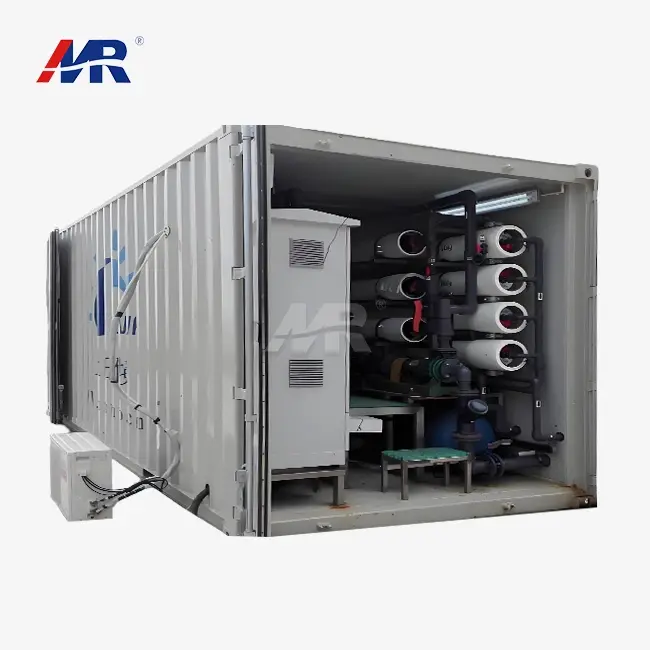
Remote industrial operations present unique water treatment challenges that demand innovative solutions. A containerized water treatment plant addresses these demands by delivering fully integrated, modular purification systems pre-assembled within standard ISO shipping containers. These plug-and-play units eliminate lengthy construction timelines, reduce labor costs in isolated areas, and overcome infrastructure limitations. By encapsulating multi-stage filtration technologies—including ultrafiltration, reverse osmosis, and membrane bioreactors—within ruggedized shells, these systems provide immediate access to clean water where traditional infrastructure proves geographically or economically unfeasible.
Understanding Containerized Water Treatment Plants
What Makes These Systems Unique?
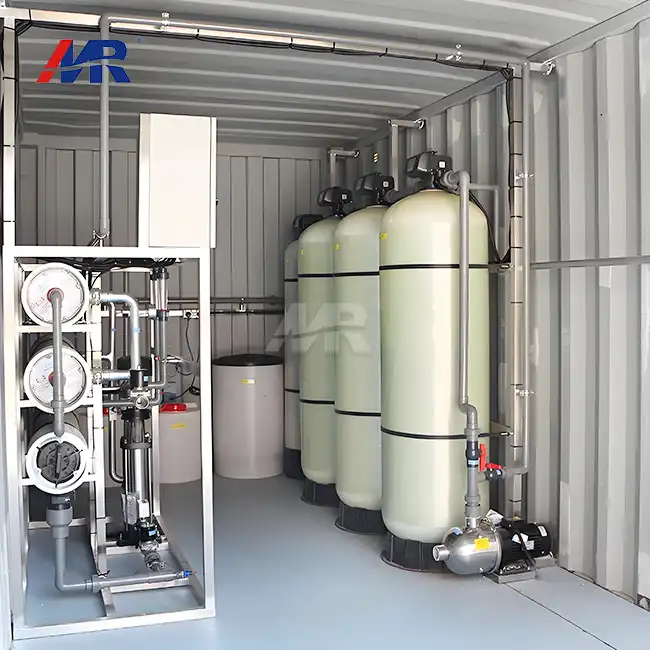
Mobile water cleaning units that are stored in shipping containers are a big change from the way water is usually treated. These self-contained systems are ready to use when they get to job sites, unlike standard facilities that need a lot of civil engineering. The standard 20-foot or 40-foot container size makes shipping by truck, train, or ship possible almost anywhere in the world. Inside, complex parts work together: pumps keep the pressure just right, multi-media filters get rid of suspended solids, membrane systems get rid of contaminants, and automatic control panels make sure everything runs smoothly without needing constant attention.
Core Components and Technology Integration
Modern modular water systems use tried-and-true technologies and take up little space. Ultrafiltration membranes with holes as small as 0.01 microns get rid of viruses and germs, and reverse osmosis modules lower the total dissolved solids to less than 10 parts per million. Electrodeionization (EDI) cleaning steps can make ultrapure water that meets the standards of the semiconductor industry. Chemical treatment methods keep the pH level at the right level and keep membranes from getting dirty, which extends their useful life. Built-in backwashing systems and CIP (Clean-In-Place) practices make maintenance tasks that usually need trained professionals easier to do by themselves.
Applications Across Remote Industries
Desalination machines turn salty rainwater into drinkable water for hundreds of workers in mining camps in Australia's Outback. Offshore oil rigs in the North Sea use seawater cleaning devices to make process water and meet the needs of the crew. Within 48 hours of a natural disaster, emergency response groups send these units to clean up surface water so that thousands of families who have been forced to leave their homes can drink it. They are used to recycle wastewater on construction sites in the Middle East. This cuts the need for freshwater by 70% while still following local discharge rules.
Why Containerized Plants Are Ideal for Remote Projects?
Overcoming Logistical and Infrastructure Barriers
Three important things that are often missing in remote areas are stable water sources, electrical facilities, and skilled technical labour. Portable treatment options get around these problems with smart design. Diesel engines, solar panels, or links to the power grid can all be used in hybrid power systems. Pre-programmed automation cuts down on the need for specialised workers, so general support staff can run day-to-day tasks after a short training period. When construction projects are finished or mining operations move to new extraction zones, whole systems move within days instead of giving up on long-term investments in infrastructure.
Rapid Deployment Advantages
It usually takes 18 to 36 months from planning to opening for traditional water treatment plants. This schedule includes getting permits, building the infrastructure, setting up the equipment, and integrating the whole system. Turnkey containerized water treatment plant systems, on the other hand, come tested and ready to connect from the factory. In our experience with humanitarian projects, the normal deployment is for a 40-foot unit that can produce 50 cubic meters of water per day to come on-site, connect to a source of water and power within 72 hours, and start delivering clean water after making some short changes to the water quality. This speed is very helpful when project deadlines are important for making money or when people need clean water right away for their health.
Scalability and Modular Expansion
Projects need different amounts of water at different stages of operation. Exploration mining only needs small amounts, but full production operations may need ten times as much. This variety is taken into account by modular filtration systems that can be set up in parallel. A pharmaceutical company in Puerto Rico started with one unit for pilot production and then added three more that were exactly the same as operations grew. This way, the water quality stayed the same on all production lines. This method spreads out the cost of capital over several stages of growth and includes backup units so that if one needs maintenance, the others can keep working without stopping production.
Energy Efficiency and Operational Cost Control
Energy prices are higher in remote areas, so economy is very important. When compared to systems from ten years ago, new membrane technologies use 30 to 40 percent less power. Instead of always running at full capacity, variable frequency drives change the speed of the pumps based on how much power is needed. In reverse osmosis systems, energy recovery devices take pressure from concentrate streams and reuse up to 60% of the energy that older designs throw away. When a petroleum plant in Kazakhstan switched from traditional equipment to containerized options, they saved more than $180,000 a year on energy costs and got their money back in 33 months.
Remote Monitoring and Predictive Maintenance
When IoT is added to SCADA systems, maintenance goes from being reactive to being proactive. Sensors constantly check the difference in pressure across the membrane, the quality of the water, and the flow rates. They send this information to central tracking centers via satellite or cell phone links. Our engineers look at performance trends from afar to spot problems before they become major. When trends of membrane fouling show up, we plan CIP cycles for planned downtimes instead of reacting to emergency shutdowns. This feature is especially useful at places that are several days' drive away—problems can be fixed by remote guidance instead of waiting for a technician to be sent there.
Comparing Containerized Water Treatment Plants with Traditional Solutions
Capital and Operational Cost Analysis
Small to medium-sized traditional facilities usually need a capital investment of $2 million to $5 million, with 40 to 50 percent of that amount going to civil construction. Building costs aren't needed for portable options, which cuts the original investment by 30 to 45 percent. Costs of running the business also favor modular approaches: automatic systems cut the number of workers needed from three full-time operators to one part-time expert. But the costs of replacing membranes are the same across all platforms; they usually make up 15 to 20 percent of the yearly running budget. The lower capital barrier is especially helpful for projects that last less than five years. Long-term operations may finally prefer traditional infrastructure, though.
Installation Timeline Comparisons
When you look at them side by side, the benefits of the building plan become clear. It takes at least 9 to 14 months to build a standard 100-cubic-meter-per-day plant, including preparing the site (2–3 months), laying the foundations (1-2 months), building the building (3–4 months), installing the equipment (2–3 months), and turning it on (1-2 months). A containerized water treatment plant that works the same way needs to be levelled on the site (1-2 weeks), connected to utilities (1-2 weeks), and then put into use (1 week). All of this takes a total of 3–5 weeks. This speeding up has a direct effect on the project's economics—mining companies that make $500,000 a day can't afford to wait a year to get the process water they need.
Mobility and Relocation Flexibility
When projects move, traditional infrastructure ends up being orphaned assets. A Nevada gold mine business spent $3.2 million on an on-site treatment plant, but the deposit was used up in just eight years. The building didn't have much resale value because it was in a rural area and had an integrated design. On the other hand, systems based on shipping containers keep their value by being reused. Another mining company used the same equipment at three different sites over the course of 12 years. This spread the cost of the purchase over several projects and allowed the equipment to be set up in ways that worked best with the water chemistry at each site.
Customization and Technology Options
Both methods allow for customisation, but they are implemented in very different ways. Usually, traditional plants react by changing their designs during the planning stages. Once the building starts, however, it costs a lot to make changes. Modular systems give you options by letting you choose which parts to use within standard structures. Need more flow rates? Along the membrane trains, add more. Need water that is very pure? EDI cleaning should be added. Having trouble with a lot of silica? Add specialised modules for pretreatment. These changes are made to tried-and-true container layouts, which lowers engineering risks while keeping the convenient portability and quick-release features that make these systems useful.
Procurement and Implementation Considerations
Evaluating Purchase Versus Rental Options
Purchase choices work best for long-term projects that will last more than five years and where conditions on the site stay stable. When you own something, you have full power over repair plans, upgrades to parts, and operating procedures. Customization solves water-chemistry problems that are unique to the site. On the other hand, rental deals are better for short-term projects (less than three years), pilot operations that test the site's viability, or Cases where protecting capital is important. Rental companies take care of repairs and the risk of technology becoming obsolete, but the monthly fees may finally be higher than the cost of buying.
Understanding Price Factors and Lead Times
The price of a system depends on its size, how advanced its technology is, and how much it can be customised. A simple 20-foot unit with ultrafiltration that can produce 10 cubic meters of water per day costs between $80,000 and $120,000. Advanced 40-foot versions that can make 100 cubic meters of water every day cost between $350,000 and $550,000. They come with RO, EDI, and automatic controls. High-pressure parts and materials that don't rust make seawater distillation units very expensive. Standard configurations usually ship within 8 to 12 weeks. However, highly customised systems that need to deal with unusual water chemistry or harsh environmental conditions could take 16 to 20 weeks, which includes factory acceptance testing.
Selecting the Right Supplier Partnership
In addition to the price of the equipment, other factors that are used to choose a supplier include the level of service they offer. Does the maker keep a stock of extra parts that you can get in your area of operation? Can they help you set up the equipment and train you to use it in your language? Do they offer performance promises that take into account the quality of your source water? What kinds of online monitoring tools are there for fixing problems without having to go to the site? A pharmaceutical business in Ireland chose a supplier because they could test systems to EU GMP standards and provide paperwork to support regulatory checks. This was something that cheaper options could not promise.
Installation and Commissioning Process
Structured rules are needed for execution to go well. Once the site is ready, the supports must be level and strong enough to hold the weight of a full containerized water treatment plant, which is usually between 15 and 25 tonnes. Connections to utilities include getting water from sources, releasing treated water, getting rid of concentrates, getting electricity, and setting up communications for monitoring from afar. Pre-commissioning inspections make sure that the equipment was delivered without any damage and that all of its parts work as expected. Starting up with source water lets you fine-tune the chemical doses, membrane flushing routines, and backwash processes. Routine procedures, basic troubleshooting, and emergency shutdown protocols are all covered in operator training. This process usually takes between two and four weeks, but it depends on how complicated the system is and how the site is set up.
Conclusion
Mobile cleaning systems are very useful for projects that need to be done in rural areas where regular infrastructure isn't possible. Their ability to be quickly deployed, operating freedom, and lower capital needs make them perfect for mining, energy, crisis response, and short-term industry activities that need to change quickly. Traditional facilities are better for long-term setups that stay in one place, but containerized options are better when speed, movement, and scalability are more important. Concerns about performance trade-offs have been addressed by the advanced automation, remote monitoring, and proven membrane reliability that are now available. As the need for remote projects grows around the world, these methods will become the best way to get safe water treatment to places that need it the most.
FAQ
1. How quickly can a containerized system be operational after delivery?
Standard units usually start working 72 to 96 hours after they get to the site, as long as the basic infrastructure is already there. In this schedule, the container will be placed, the source water intake and outlet lines will be connected, an electricity supply will be set up, the system will be filled, and the water quality will be adjusted for the first time. If the setup is more complicated or the water chemistry is difficult, commissioning could take up to two weeks.
2. Can these systems handle varying water quality conditions?
Modern mobile treatment systems are very good at adapting to different conditions of the source water. When the right technologies are used together, they can clean brackish groundwater, surface water with a lot of turbidity, seawater, and industrial wastewater. But in harsh situations, you might need to use a different preparation or membrane choice. Giving a thorough source water analysis during procurement makes sure that the system is set up correctly for your use.
3. What happens when equipment requires major repairs in isolated locations?
With remote diagnostics, many problems can be fixed without having to be fixed in person. When fixes need to be done on-site, flexible design lets parts be replaced instead of the whole system being serviced. Critical extra parts that are kept on-site or at regional hubs allow for quick reaction. Most warranties cover emergency service, though reaction times to very remote areas may be several days longer based on how easy they are to reach.
Partner with Morui for Your Remote Water Treatment Needs
Guangdong Morui Environmental Technology Co., Ltd. has a lot of experience working on water problems in remote projects for mining, energy, industry, and emergency response. Our portable water purification systems use tried-and-true RO, UF, and EDI technologies inside tough containers made for harsh environments like the Arctic and the desert. We offer complete turnkey solutions that include system design, equipment supply, installation supervision, user training, and ongoing Technical support. We have 14 branches, 20 specialized engineers, and our own membrane manufacturing plant. Our Team creates solutions that are exactly what you need, whether you need a small 10-cubic-meter daily unit for research camps or a 200-cubic-meter system for full-scale production operations. We keep relationships with top component sources like Shimge pumps and Runxin valves to make sure that your system will always work and that parts will be available when you need them. Looking for a trustworthy company that makes containerized water treatment plants and knows how to meet the needs of remote operations? Send an email to benson@guangdongmorui.com to talk about the details of your project, get a personalised estimate, and find out why users all over the world trust Morui for their mission-critical water treatment solutions.
References
1. American Water Works Association. (2021). "Mobile Water Treatment Systems: Design and Deployment Best Practices." AWWA Technical Manual Series, Denver, Colorado.
2. International Desalination Association. (2022). "Containerized Desalination Technologies for Remote and Emergency Applications. " IDA Research Report, Topsfield, Massachusetts.
3. Mining Engineering Journal. (2020). "Water Management Strategies in Remote Mining Operations: A Comparative Analysis." Society for Mining, Metallurgy & Exploration, Vol. 72, Issue 4, pp. 45-58.
4. World Health Organization. (2019). "Portable Water Treatment Solutions for Emergency Response: Technical Guidelines." WHO Press, Geneva, Switzerland.
5. Journal of Membrane Science. (2023). "Performance Optimization of Mobile Reverse Osmosis Systems in Variable Quality Source Waters." Elsevier Publishing, Vol. 681, pp. 121-137.
6. Environmental Protection Agency. (2020). "Decentralized Water Treatment Technologies: Regulatory Compliance and Best Management Practices." EPA Technical Resource Document, Washington, D.C.
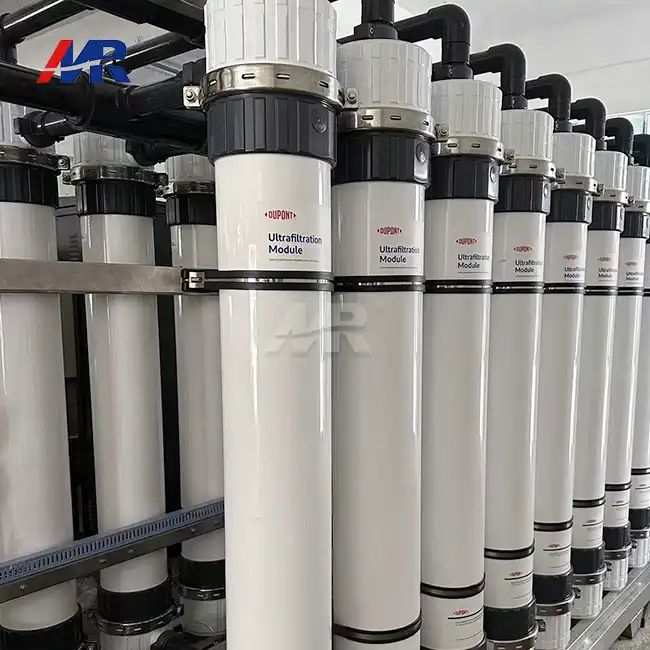 VIEW MORE100T/H ultrafiltration equipment
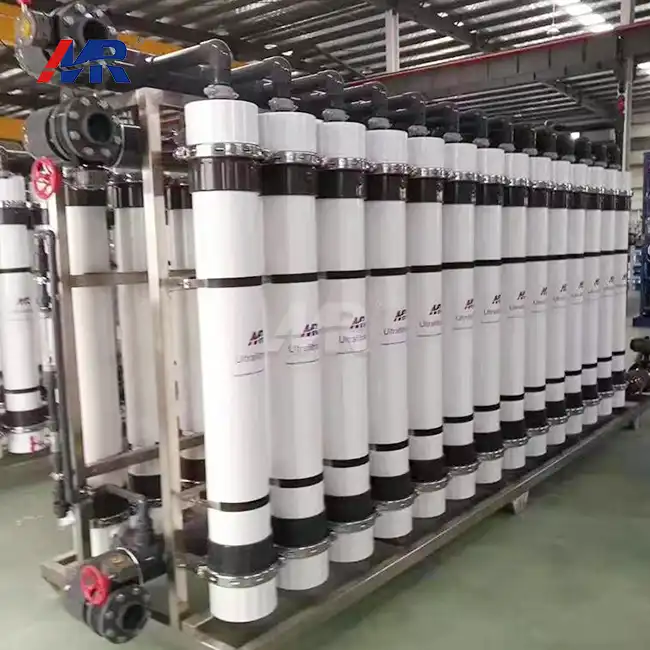 VIEW MORE70m3/hour ultrafiltration plant
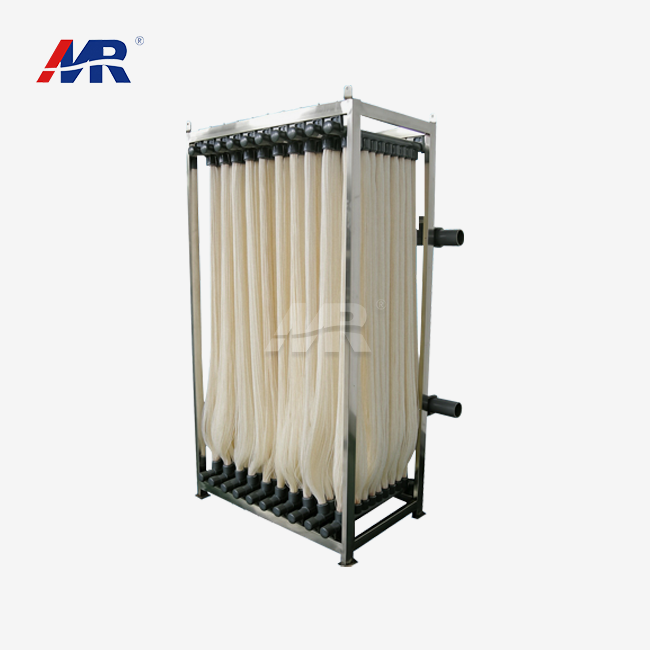 VIEW MOREbiological reactor wastewater treatment
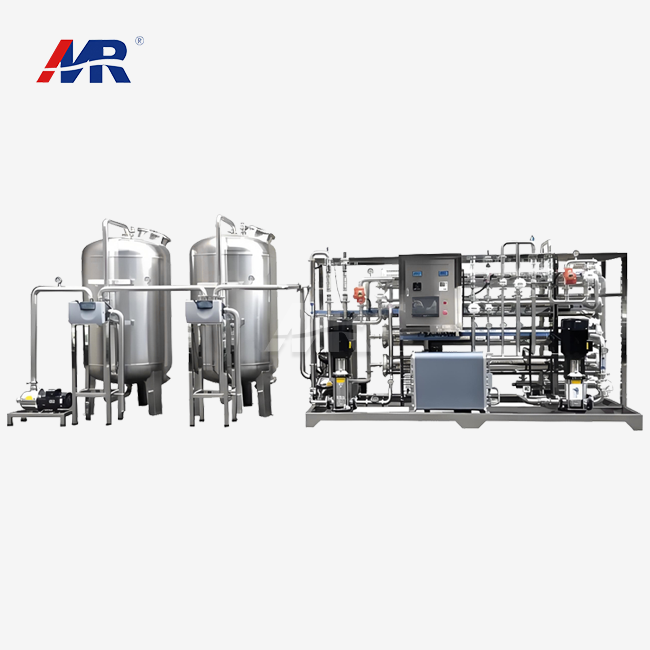 VIEW MORE2000LPH EDI system
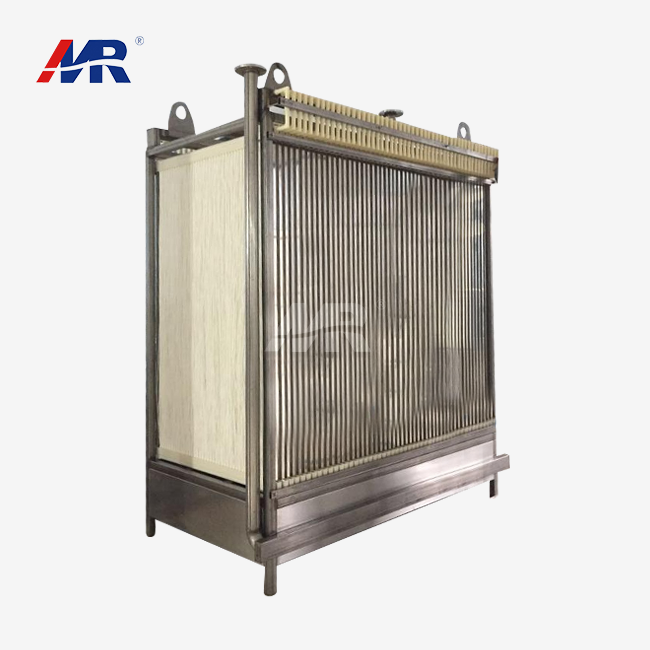 VIEW MOREmembrane bioreactor mbr
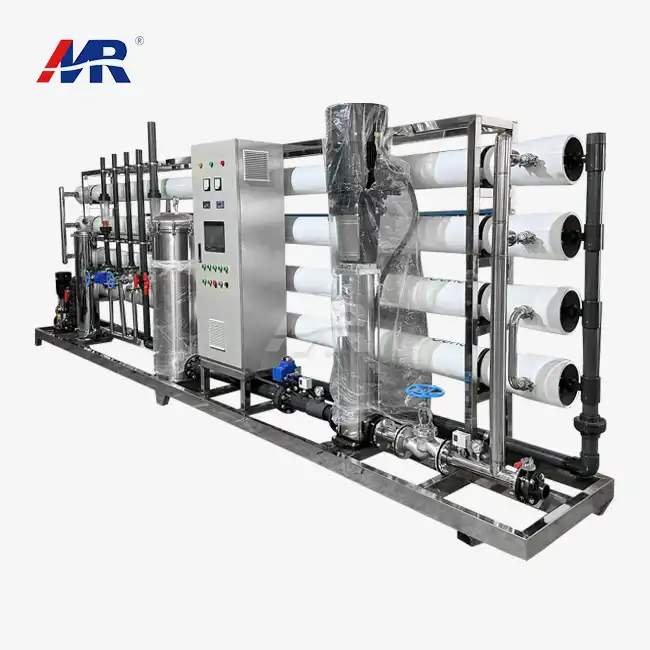 VIEW MORE500m3/day reverse osmosis RO plant
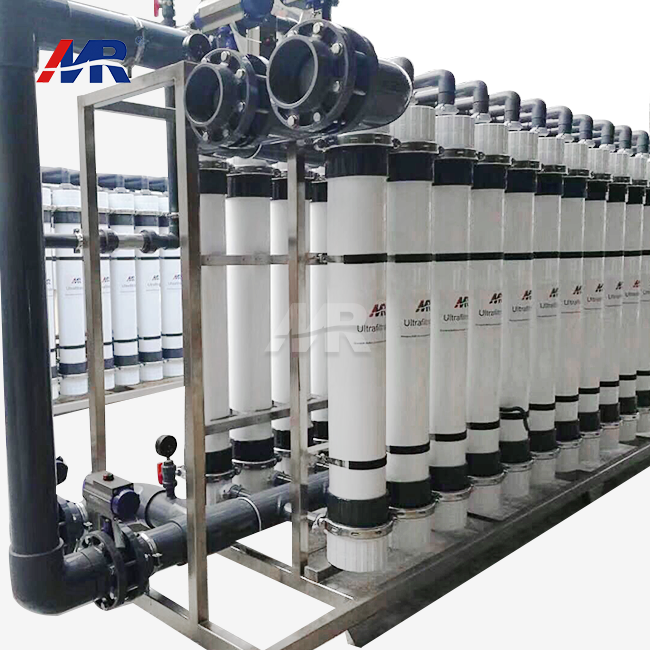 VIEW MOREultrafiltration water system
 VIEW MOREcontainer type 3m3/hour RO equipment
