_1745823981883.webp)

How Does a Water and Wastewater Treatment Plant Design Improve Efficiency?
Efficient water and wastewater treatment plant design directly impacts operational costs, regulatory compliance, and environmental outcomes. A well-engineered facility integrates advanced membrane filtration, automated controls, and optimized process sequencing to maximize contaminant removal while minimizing energy consumption and footprint. Modern designs leverage modular systems, real-time monitoring, and biological treatment innovations that achieve up to 99.9% treatment efficiency. This approach reduces energy use to as low as 0.5-1.5 kWh/m³ while occupying 30-50% less space than conventional infrastructure, delivering measurable performance gains for industrial and municipal applications.
Understanding the Key Challenges in Water and Wastewater Treatment Plant Efficiency
Many water and wastewater treatment plants that are already open have problems that are caused by old equipment and ways of doing things. These restrictions put a lot of stress on the environment and the economy, which lowers productivity and lowers the government's standing.
Excessive Energy Consumption Drains Operational Budgets
One of the highest ongoing costs for treatment processes is energy. Most of the time, traditional aeration and pumping systems use 40 to 60 percent of the facility's total power. Plants that were built decades ago don't have variable frequency drives, ways to recover energy, or hydraulic patterns that are optimised. This leads to monthly utility bills that are hard on budgets, especially for small to medium-sized businesses and public utilities that are trying to make ends meet. The impact can add up over the course of a fiscal year and take money away from upkeep and upgrades that are needed.
Ineffective Sludge Handling Creates Disposal Challenges
Bad sludge management lowers the overall output of the plant and raises the cost of removal. When biological treatment steps don't do the right math for retention time or mixing intensity, sludge builds up quickly. When handling sludge in different ways, it can be hard for facilities in the food and beverage industry or that make medicines to meet GMP standards. Not having the right dewatering equipment can cause more waste to be moved and more fees to be paid for tipping, and not properly stabilising can make it more likely that environmental rules will not be followed, which can lead to fines from the government.
Aging Infrastructure and Lack of Automation Elevate Risk
Outdated tools and control systems that are operated by hand make operations less predictable. Facilities that depend on manually adjusting valves and taking random grab samples on a regular basis can't react quickly to changes in the quality of the influent. In places like chemical processing plants or electroplating shops where discharge factors change during production cycles, this is very important. Without real-time data and automated dosing controls, operators risk breaking the rules, having unplanned downtime, and not being able to treat the same way every time, which hurts both environmental protection goals and product quality.
Core Principles Behind Efficient Water and Wastewater Treatment Plant Design
By focusing on hydraulic optimisation, process integration, and control precision, strategic design choices can completely change how well a plant works. The use of modern engineering concepts has led to measurable changes in the quality of effluent, the amount of energy used, and the environmental impact.
Advanced Treatment Steps and Optimized Process Sequencing
Facilities that work well in a water and wastewater treatment plant set up the stages of treatment to match the profiles of specific contaminants. During primary clearing, solids that settle and moving materials are separated by gravity. This lowers the biological loading further downstream by 25–40%. Microorganisms break down liquid organic matter and minerals in aerobic and anoxic biological processes used in secondary treatment. In tertiary treatment, membrane filtration, especially MBR technology, is used to get rid of particles as small as 0.1 microns. This makes sure that the effluent passes strict standards for release or reuse.
The process starts with preliminary cleaning, which includes screening and grit removal to keep tools further down the line safe. The water then goes through main clarifiers, where the solids settle, and then it goes through biological tanks that work with controlled oxygen levels. mbr membrane filtration makes it very clear to tell the difference between treated water and biomass. Pathogens that are still present are killed by UV or chlorination disinfection before discharge. At the same time, methods for treating and getting rid of sludge turn biosolids into stable materials that can be used on land or processed further.
This method of sequencing works really well in pharmaceutical production, where producing ultrapure water needs regular input quality, and in food processing plants where organic loading changes a lot during the day's production plans.
Integration of Automation and Smart Controls
Automated systems change how well treatments work and how quickly operations can respond. Based on constant sensor input, programmable logic controllers control where the valves are placed, how the pumps work, and how much chemical is added. SCADA platforms collect information from pH meters, turbidity sensors, flow meters, dissolved oxygen probes, and more to keep all treatment zones in the best possible condition. This real-time tracking finds changes in the process within minutes instead of hours, which stops disturbances that lower the quality of the waste.
By keeping track of runtime, shaking patterns, and performance trends, smart controls make it possible to plan repairs in advance. Facilities with IoT-enabled instruments can change treatment parameters from afar, so there is less need for constant supervision on-site. This feature comes in very handy for small to medium-sized businesses that run more than one production site. Having centralised control makes things more consistent without hiring more people.
Energy Optimization and Sustainable Design Practices
Design that is energy-efficient cuts down on running costs and supports environmental goals. Aeration blowers with variable frequency drives change the flow of air to fit the need for biological oxygen instead of running at a set rate. This saves 20–35% of the energy that would have been used. Flow between treatment steps that is caused by gravity gets rid of the need for pumping. Heat exchangers use the heat from effluent streams to warm up incoming water or help keep the digester's temperature stable.
Recycling water inside the building makes even better use of resources. Using treated wastewater for cooling tower make-up, garden watering, or non-contact process uses lowers the amount of freshwater that needs to be taken in. Biogas is made when anaerobic processes break down sludge effectively. This biogas can be used to offset the natural gas used by boilers or cogeneration systems. Putting these practices together makes circular flows of resources that are in line with business sustainable reporting standards. This is becoming more and more important to people in the electronics manufacturing and automotive industries.
Comparing Traditional vs. Advanced Water and Wastewater Treatment Design Approaches
Knowing the difference in success between old and new systems makes it easier to decide where to spend and how much money you can expect to make. This comparison helps with buying choices by giving a number to the practical differences.
Conventional Methods and Their Operational Constraints
Older facilities mostly use traditional activated sludge systems, which aren't very efficient or scalable. Large aeration ponds with long hydraulic holding times are needed for these systems, which means they need a lot of land. When chemicals are dosed by hand, the effectiveness of coagulation and flocculation can vary. The operator's skill in changing the sludge blanket levels and return activated sludge ratios has a big impact on how well the clarifier works. In businesses that need treatment methods to be proven, like biotechnology and medical device production, this manual involvement leads to inconsistency.
The energy output stays high because fixed-speed fans keep running no matter how much oxygen is needed. During wet weather or production spikes, clarifier overflow rates limit the amount of water that can be treated. This leads to bypasses or discharge that is only partially treated. Mechanical equipment like chain-and-flight collectors and surface skimmers needs to be adjusted and replaced with worn parts more often, which raises the maintenance requirements.
Emerging Technologies That Improve Control and Throughput
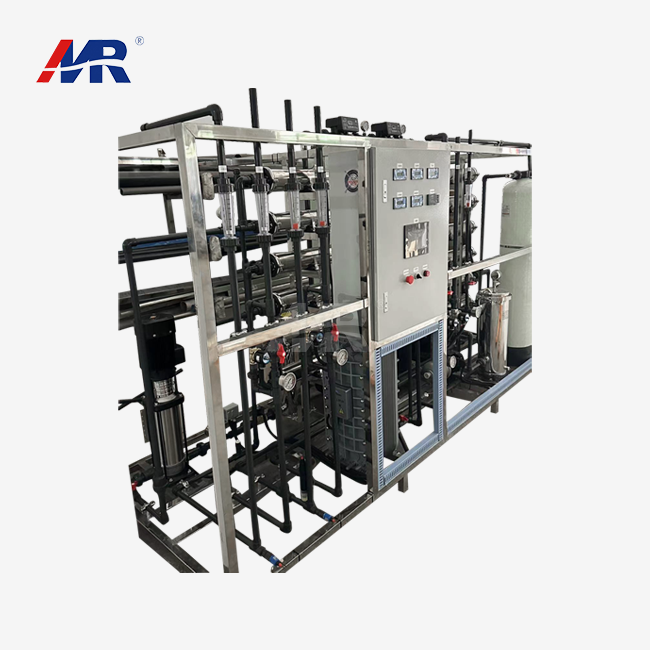
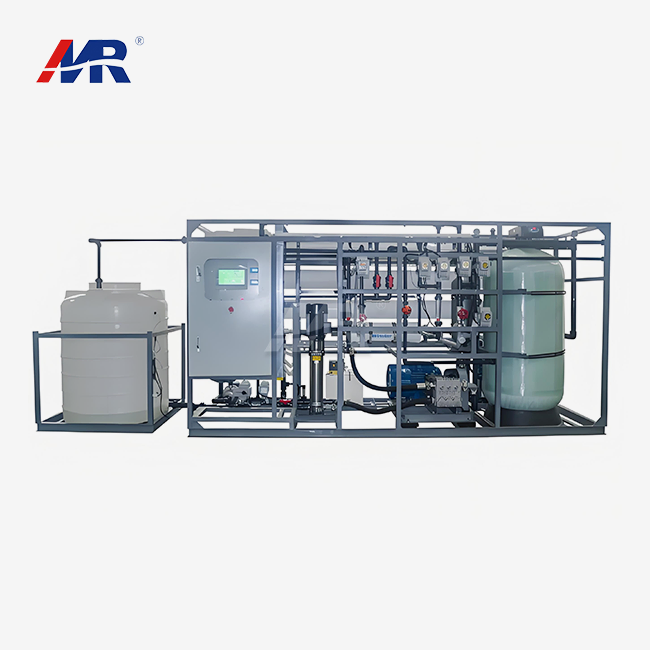
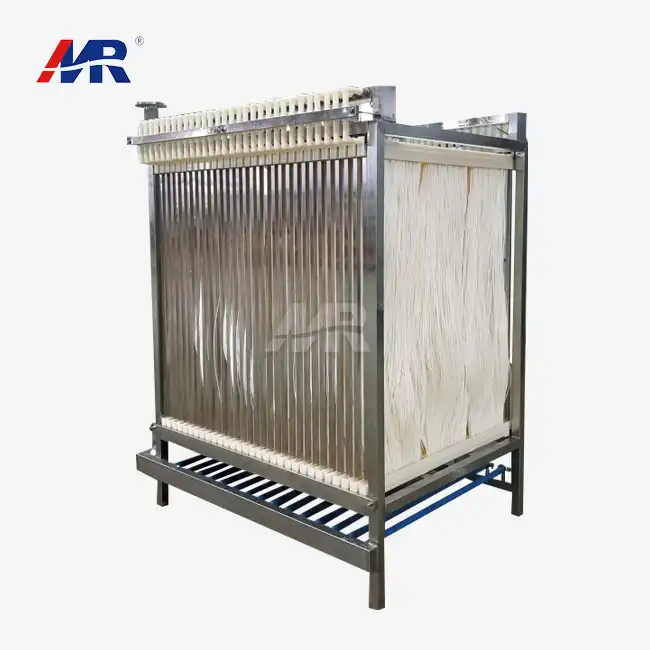
Biological treatment and physical separation are combined in membrane bioreactor systems within a water and wastewater treatment plant, which use submerged or external membrane modules. This setup gets rid of the need for clarifiers while making clear sewage that can't be achieved by settling alone. MBR designs take up 50–70% less space than similar conventional plants. This makes them perfect for expanding facilities that can't get more land.
High-strength industrial wastewater from brewers, dairy processors, and rendering plants is treated by anaerobic digestion and membrane filtering. When compared to aerobic treatment, these systems make biogas that can be used again while lowering the amount of sludge made by 60–80%. Precision chemical dosing with peristaltic metering pumps and automated controllers keeps pH, alkalinity, and nutrient ratios at their best with little help from an operator.
New contaminants, like medicines and personal care Products, that normal biological systems can't fully break down can be dealt with by advanced oxidation methods that use UV light and hydrogen peroxide. This is very important for hospitals and research labs that dump wastewater that contains trace compounds that are harmful to the environment.
Performance Comparison: Membrane Filtration vs. Activated Sludge
Membrane systems always provide reusable effluent with turbidity below 0.5 NTU, and bacteria counts below detection. Activated sludge effluent needs polishing due to its 5–15 NTU microbial load. The initial expenditure for membrane systems is 30 to 40% higher than standard designs, but they require less running manpower and space, lowering civil building costs.
Operational complexity differs. Membrane systems need regular cleaning and module replacement every 7–10 years. However, activated sludge plants require continual clarifier maintenance and sludge waste modifications. Compared to basin blowers, membrane aeration uses about the same energy. When flow rates are low, membrane systems turn down better.
Choice between aerobic and anaerobic cleansing depends on wastewater type and location. Aerobic systems perform best with BOD 200–800 mg/L and reduced temperature sensitivity. This makes them good for electronics and drugs. Industrial wastewater with BOD >1,500 mg/L works well in anaerobic systems. They recover energy and reduce sludge disposal costs, which is crucial for food and chemical firms.
How Selecting the Right Equipment and Suppliers Enhances Plant Efficiency
Long-term dependability and performance stability are directly affected by the quality of the equipment and the relationships with suppliers. Decisions about strategic sourcing affect the initial investment, the amount of maintenance needed, and the operational flexibility.
Critical Components for Streamlined Operations
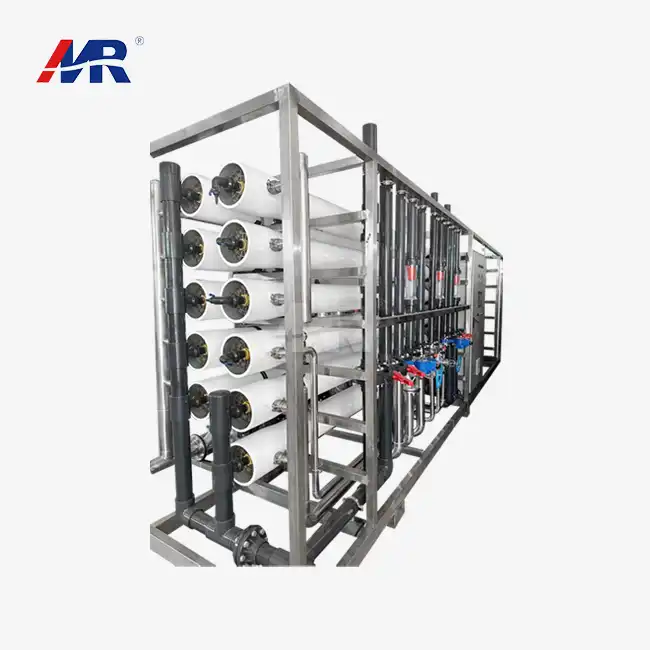
A lot of different types of equipment are needed for facilities to work well. High-efficiency pumps with magnetic drives or vertical turbine designs require less upkeep and give you precise control over the flow. The main part of the treatment is the membrane system. Hollow fibre and flat sheet designs offer various cleaning properties and packing densities. Automated valves with pneumatic or electric actuators can be controlled from a distance and can respond quickly to changes in the process. Chemical dose units with two redundant heads make sure that coagulants, polymers, and disinfectants are always delivered so that treatments don't stop.
Accuracy of the instruments is also very important. Modern optical dissolved oxygen monitors get rid of the need to maintain electrolytes and give faster responses. Ultrasonic level transmitters let you measure without touching anything, and they don't get scaled or clogged up as other devices do in industrial settings. These parts work perfectly with control platforms to keep treatment factors within very small ranges, which is important for businesses that are regulated.
Importance of Trusted Suppliers and Turnkey Solutions
Older suppliers can provide experienced advice, spare parts, and a track record of strong performance, reducing project risk. Evoqua sells membrane devices for public and private use. In addition to rental equipment, Veolia offers running and repair services. Xylem develops wastewater pumping systems with rust-resistant materials and seals.
Turnkey projects speed commissioning and simplify coordination. Working with one vendor for design, manufacturing, installation, and startup testing eliminates issues. This strategy is ideal for small factories and public utilities that are just starting to upgrade their infrastructure without engineers.
Spare part logistics affects operations greatly for a water and wastewater treatment plant. Suppliers with regional distribution centers can provide new parts quickly when equipment breaks down. Standardised parts across product lines reduce inventory and increase growth compatibility. These factors are crucial for remote sites like offshore bases or farms in dry areas where supply chain issues might cause significant downtime.
Cost Considerations and Lifecycle Budgeting
A thorough financial plan includes more than just the original capital expenditure. It also includes installation, training, and ongoing upkeep. Buying equipment usually takes up 40 to 50 percent of the total cost of a job. The other 30 to 50 percent goes to civil works, electricity systems, and instrumentation. Modular designs cut down on the amount of civil work needed and the costs that come with it. This is especially helpful when adding on to existing buildings that don't have a lot of room.
Leasing deals give businesses that would rather pay for operations than make capital investments more financial freedom. Performance-based contracts link the goals of suppliers to the results of treatments. This spreads risk and makes sure the system works well. Lifecycle planning should include how often the membranes need to be replaced, how much energy is used at expected utility rates, how much chemical is used based on the features of the influent, and how often the equipment needs to be fixed. This complete look at money matters lets you properly contrast different technologies and suppliers, which helps you make smart buying choices that are in line with your company's goals.
Conclusion
Using membrane technology, automating processes, and saving energy in a smart way can completely change how much it costs to run a water and wastewater treatment plant and how well it meets environmental standards. Facilities that follow these rules get rid of contaminants better, leave smaller footprints, and have lower lifecycle costs than regular infrastructure. Choosing the right equipment, working with the right suppliers, and being strict with operations will decide whether these design benefits lead to long-term performance gains. Modern treatment methods that match technical skills with legal requirements and financial goals are good for businesses in the industrial, municipal, energy, and agricultural sectors. Strategic investments in tried-and-true technologies and thorough repair plans build strong infrastructure that supports long-term production and environmental care.
Frequently Asked Questions
1. What are the typical process steps in water and wastewater treatment?
The treatment process includes preliminary screening and grit removal, primary clarification to settle the solids, secondary biological treatment with either aerobic or anoxic processes, tertiary membrane filtration to remove particles, disinfection to get rid of pathogens, and stabilisation and disposal of the sludge. Each stage targets a different type of contamination, and the order of the stages is chosen based on the characteristics of the inputs and the requirements for the discharge.
2. How do automated control systems impact plant efficiency?
Automation keeps treatment conditions at their best by using constant sensor input and real-time parameter changes. This gets rid of the delays and mistakes that come with manual intervention. This accuracy cuts chemical use by 15–25%, improves the regularity of effluent, makes predictive maintenance possible, and lets the system be operated from afar, which cuts down on worker needs while increasing reliability across changes in production and flow.
3. What criteria matter most when selecting treatment equipment suppliers?
Before making a purchase decision, you should look at how well the product has worked in similar situations in the past, how easy it is to get spare parts and how long the lead times are, how stable the company is financially so that parts will always be available, and whether the product can be delivered fully assembled, from design to commissioning. Compatibility with existing infrastructure, energy efficiency ratings, and total cost of ownership calculations that include maintenance needs are some of the other decision factors that help with strategic sourcing goals.
Engineered Solutions From Guangdong Morui Environmental Technology
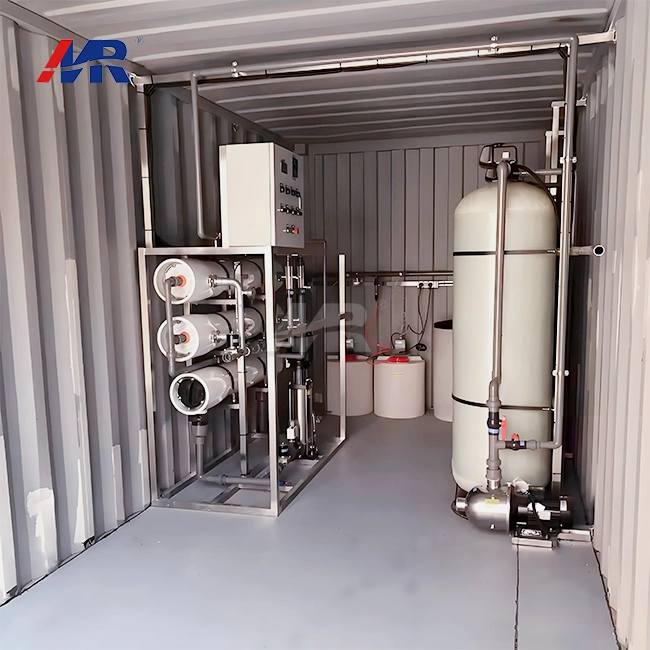
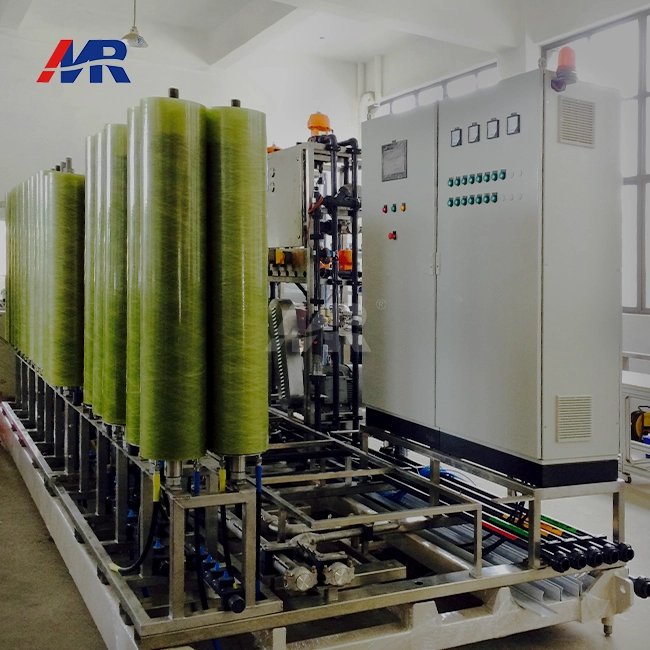
Guangdong Morui Environmental Technology provides complete water and wastewater treatment plant solutions for businesses and towns with many issues. Our systems utilise modern membrane filtration and biological processes to treat water at 99.9% efficiency with 0.5 to 1.5 kWh/m³. Over 500 dedicated employees work at our 14 facilities to produce water and wastewater treatment plants. Our services include design, completion, and support.
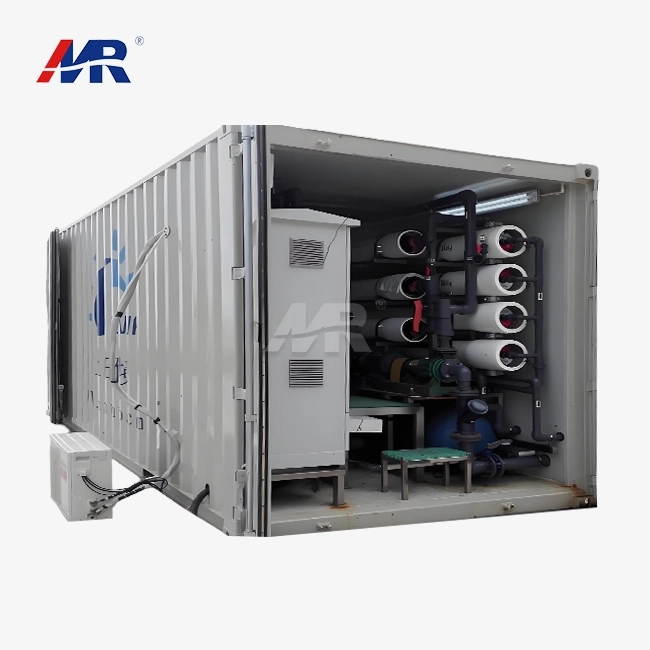
We offer modular equipment that can handle outputs of 50 to 10,000 m³/day and can be easily expanded for increased production. Building on limited-growth land is ideal because the tiny footprint requires roughly 30–50% less space than standard systems. Remote monitoring allows one person to monitor several sites from a central location, reducing operational staff while maintaining treatment performance. Our systems are useful for organisations that need reliable, low-cost treatment equipment since they are efficient, energy-efficient, and flexible.
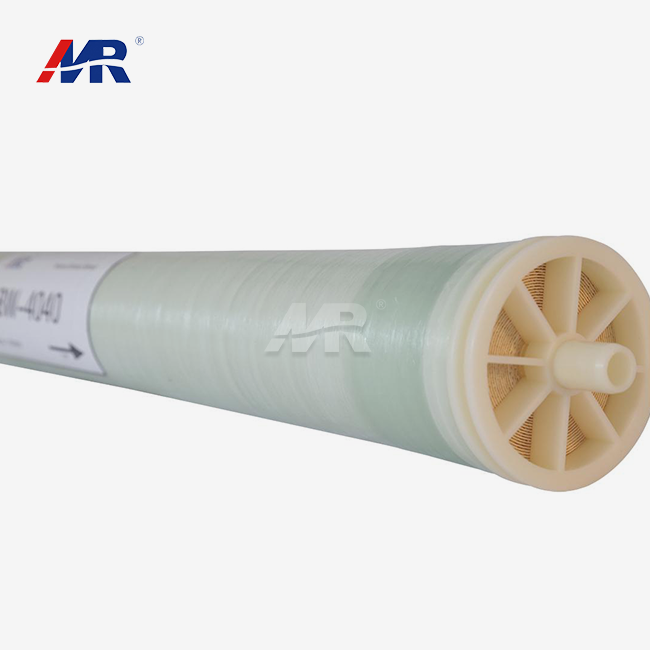
We manufacture membranes in-house and cooperate with leading component suppliers including Shimge Water Pumps, Runxin Valves, and Createc Instruments. Vertical integration ensures quality control throughout the supply chain and timely availability of spare parts, reducing downtime. Twenty engineering specialists work for us and have experience in chemicals, electronics, food and drinks, and public services. Whether it's ultrapure semiconductor water or farm wastewater with high strength, we can adjust our solutions to the pollutants and discharge criteria.
Morui's technical team is helpful for companies that are looking at water and wastewater treatment plant suppliers. Contact benson@guangdongmorui.com to talk about the specific problems your facility is facing and learn more about how our tried-and-true systems can help you improve performance, make sure you're following the rules, and lower your total cost of ownership, all of which will make you more competitive in global markets.
References
1. Metcalf & Eddy, Inc. (2014). Wastewater Engineering: Treatment and Resource Recovery (5th Edition). McGraw-Hill Education, New York.
2. Water Environment Federation (2018). Design of Municipal Wastewater Treatment Plants: MOP 8 (6th Edition). WEF Press, Alexandria, Virginia.
3. Crittenden, J.C., Trussell, R.R., Hand, D.W., Howe, K.J., & Tchobanoglous, G. (2012). MWH's Water Treatment: Principles and Design (3rd Edition). John Wiley & Sons, Hoboken, New Jersey.
4. Judd, S. & Judd, C. (2011). The MBR Book: Principles and Applications of Membrane Bioreactors for Water and Wastewater Treatment (2nd Edition). Butterworth-Heinemann, Oxford.
5. United States Environmental Protection Agency (2021). Emerging Technologies for Wastewater Treatment and In-Plant Wet Weather Management. EPA Report 832-R-12-011, Office of Wastewater Management, Washington, DC.
6. Von Sperling, M. (2007). Activated Sludge and Aerobic Biofilm Reactors: Biological Wastewater Treatment Series Volume 5. IWA Publishing, London.