_1745823981883.webp)

Industrial Reverse Osmosis System vs. Commercial RO Systems
When evaluating water purification options for your facility, understanding whether an industrial reverse osmosis system or a commercial unit fits your operational needs determines both your water quality outcomes and long-term financial efficiency. An industrial reverse osmosis system employs high-pressure pumps and semi-permeable membranes to eliminate up to 99.8% of dissolved contaminants, including salts, bacteria, and organic compounds, making it indispensable for heavy-duty manufacturing environments. Commercial systems, meanwhile, address moderate purification demands with simplified configurations suited for lighter applications. Choosing between these technologies requires careful assessment of production volume, regulatory compliance mandates, and integration complexity within existing infrastructure.
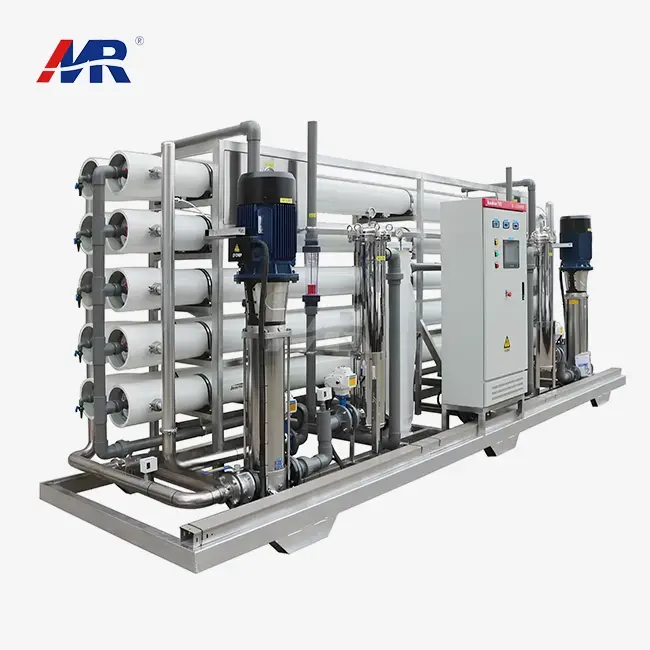
Understanding Industrial Reverse Osmosis Systems and Commercial RO Systems
Knowing the difference between commercial and industrial reverse osmosis systems.
What Defines an Industrial Reverse Osmosis System?
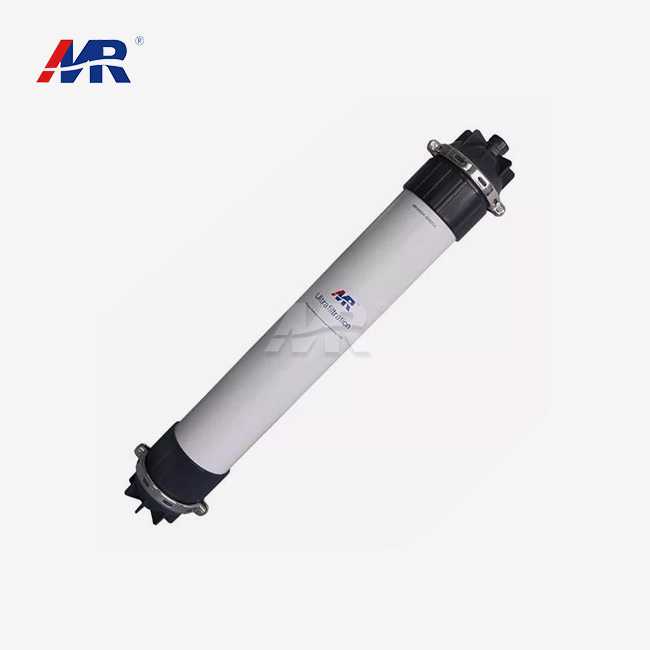
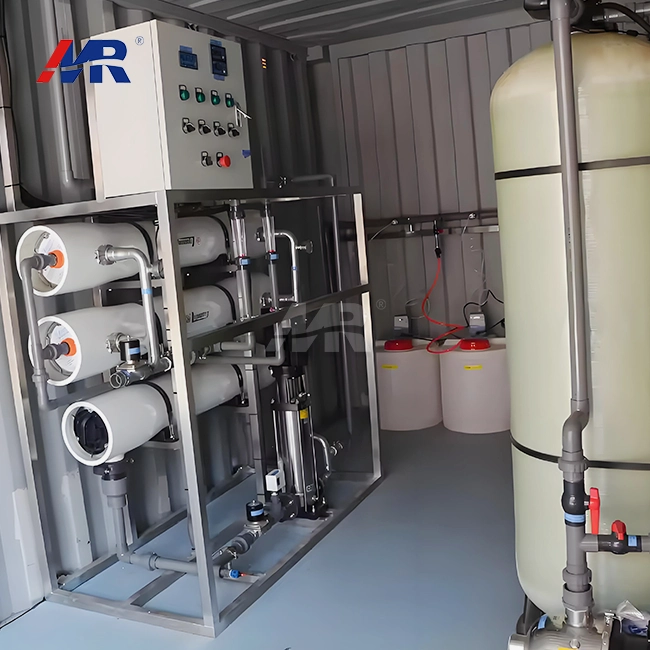
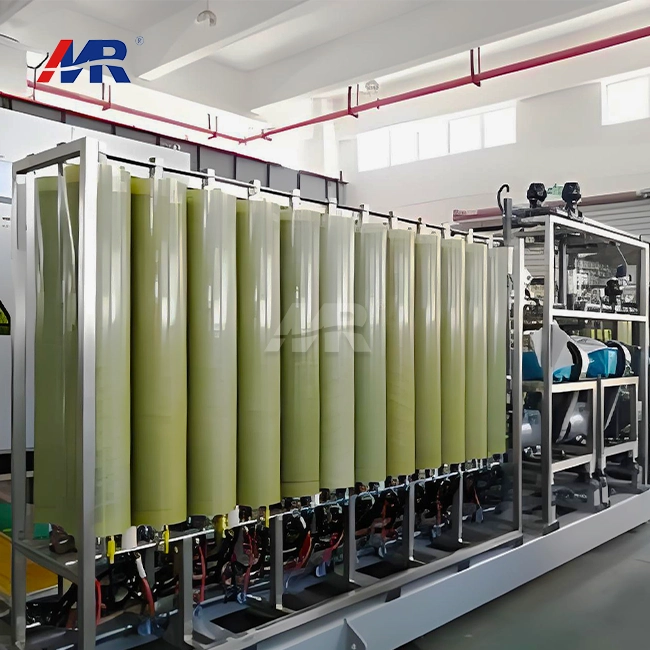
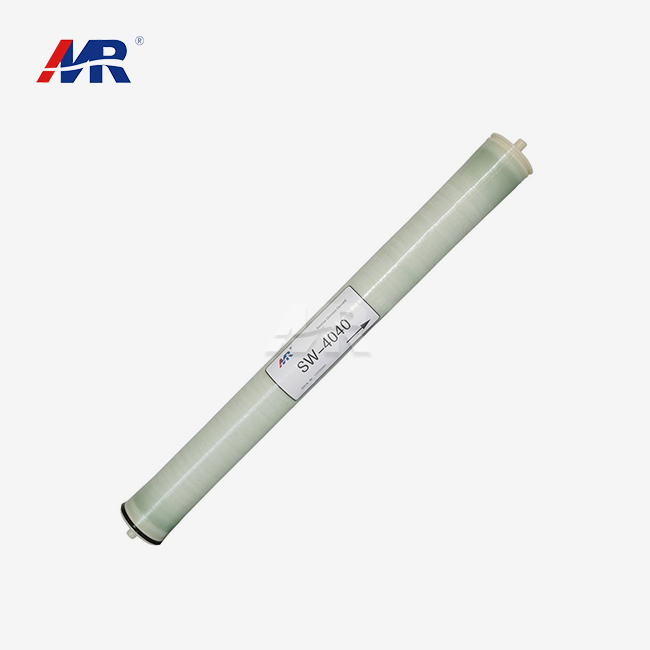
An industrial reverse osmosis system is a high-tech separation method based on membranes that is made for large-scale, continuous water treatment operations. With thin-film composite membranes that can handle 150 to 300 PSI of pressure, these devices can process anywhere from 1,000 to several million gallons of water every day. They are designed to work 24 hours a day, seven days a week, and they have high-tech pre-treatment modules like multimedia filters, activated carbon units, and anti-scalant dose systems to keep the membranes from getting clogged up and breaking down too quickly. Pharmaceutical, electronics, and food processing industries count on these systems to keep water clean to strict standards that are needed for product quality and to follow the rules.
Commercial RO Systems: Scope and Applications
Businesses that need modest water treatment but don't need the complexity of industrial-grade equipment can use commercial RO systems. These units can be used in restaurants, office buildings, small food service businesses, and retail settings because they can produce between 50 and 500 gallons per day on average. Their simpler design means they are easier to install and require less maintenance. They still clean water by getting rid of chlorine, sediments, and other common contaminants. The configuration of the membrane tends to use standard parts, which makes replacement easy and available from general suppliers instead of specialized technicians.
Core Technical Differences
There is more than one difference between industrial and business reverse osmosis systems besides just capability. Industrial units use complex control systems with multiple stages. Programmable logic controllers keep an eye on pressure differences, conductivity levels, and flow rates in real time, making automatic changes or sending out alerts as needed. They can handle difficult feedwater conditions like saltwater that needs special high-rejection filters, brackish water, and water with a total dissolved solids (TDS) level above 10,000 ppm. For commercial systems, the parameters are smaller. They process municipal water sources with TDS levels usually below 1,000 ppm and use easier mechanical controls instead of automated tracking platforms.
Comparative Analysis: Industrial RO Systems vs. Commercial RO Systems
Industrial RO systems and commercial RO systems side by side.
Production Capacity and Scalability
The most obvious difference between these system groups is the amount of production. Our industrial reverse osmosis system can give up to 500 cubic meters per day, which is about 132,000 gallons. This is enough to meet the needs of medium to big manufacturing plants. This amount of water can support continuous production lines in places that bottle drinks, compound medicines, and make electricity and need boiler feedwater. Commercial units rarely hold more than 2,000 gallons per day. They are used in places like break rooms, labs, and hospitality settings where demand changes throughout the day instead of keeping output steady.
When an operation grows, scalability issues become very important. As output rises, modular growth in industrial systems lets facilities add membrane arrays or parallel treatment trains without having to replace the core infrastructure. When demand exceeds capacity, commercial units usually need to have their entire systems replaced. This makes capital expenditures difficult for businesses that want to grow.
Energy Consumption and Operating Efficiency
Because different types of systems use different amounts of energy and have different efficiency methods, their operating costs are very different. Industrial reverse osmosis systems use pressure exchanges or turbine systems to recover energy from the concentration stream. This lowers the total amount of power used by 30% to 60% in high-pressure processes like desalination of seawater. Variable frequency drives make the best use of the pump's power based on the current demand, so energy isn't wasted when the flow needs are low.
Commercial systems don't have these advanced ways to save energy; instead, they use pumps with set speeds and steady pressure. Even tho they use less energy overall because they are smaller, the cost per gallon they make is often higher than industrial systems when the same utilization rates are used. Industrial technology has better operating economics, even tho it costs more at first. This is found in facilities that process large amounts of data.
Water Quality Standards and Regulatory Compliance
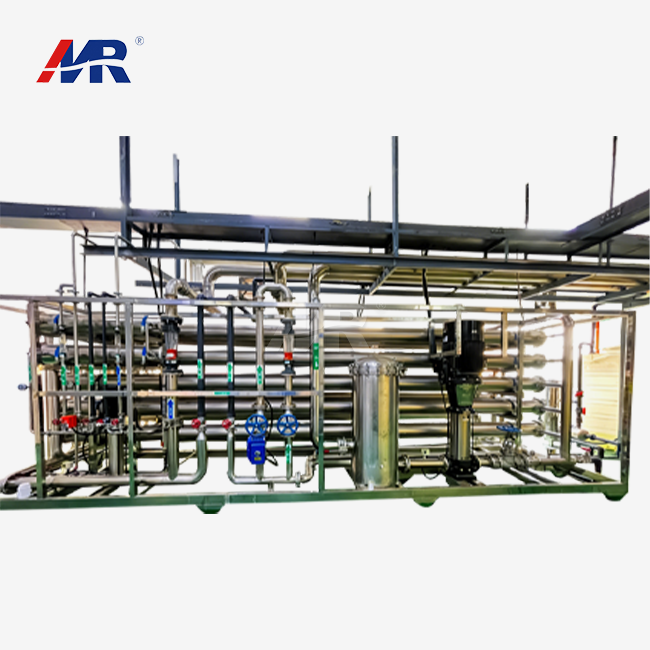
In regulated businesses, the need for pure water is the clearest way to tell these Products apart. Pharmaceutical and biotechnology facilities must make water that meets US Pharmacopeia standards. These standards say that the water must have a conductivity of less than 1.1 microsiemens per centimeter and a bacterial count of less than 10 CFU per 100 milliliters. Our 5-stage industrial reverse osmosis system meets these strict requirements by filtering in a certain order: activated carbon treatment, membrane separation, post-carbon cleaning, and ultraviolet decontamination, if desired. Up to 99% of pollutants are removed by the system, such as heavy metals, chlorine, and bacteria. This makes sure that FDA, EPA, and GMP rules are followed.
Commercial systems can clean things well enough for everyday use and food service, but they can't always meet the strict requirements of pharmaceuticals. Because they don't use advanced monitoring or have simpler membrane technology, the quality of the output varies. This means they can't be used in critical process applications where water purity directly affects the integrity of the product.
Maintenance Requirements and Operational Complexity
The level of technical difficulty of each system category is reflected in its maintenance protocols. Clean-In-Place (CIP) procedures must be done on a regular basis in industrial units. These procedures are usually needed when normalized permeate flow drops by 10% or salt passage rises above what is accepted. For example, citric acid is used to remove carbonate scale and sodium hydroxide is used to remove organic fouling. These cleaning processes use specialized chemical formulas that are given through automated dosing systems. In well-kept systems with the right pre-treatment, membrane replacements happen every three to five years, which is a big lifetime value even tho it requires special service.
When it comes to commercial systems, maintenance is easier. Cartridge filters are changed every six to twelve months, and membranes are changed once a year or every other year, depending on the quality of the feedwater. Replacement parts for service techs are much cheaper than industrial-grade ones, and they don't need as much specialized training. This makes care cheaper, but it also means that repairs have to be done more often and the equipment doesn't last as long overall.
Procurement Guidance: Choosing Between Industrial and Commercial RO Systems
Help with Buying: Picking Between Industrial and Commercial RO Systems.
Assessing Your Operational Requirements
To choose the right reverse osmosis technology, you must first carefully look at your production needs and water quality needs. Figure out how much water you use every day during peak activities, and then add 20% to account for growth and repair downtime. To find out what kind of pre-treatment is needed and how to choose the right membrane, test the feedwater in the lab to see how much TDS, hardness, silica, and organic matter it contains.
Regulatory requirements often determine the choice of system, even when volume is taken into account. Under HACCP rules, places that make food, medical devices, or injectable drugs must use industrial-grade systems whose performance has been proven and for which there is a lot of documentation. Operations that work with less regulated applications have more freedom to choose a system based on a cost-benefit analysis.
Calculating Total Cost of Ownership
The total cost of ownership includes more than just the purchase price. It also includes installation costs, ongoing maintenance, consumables, energy use, and replacement parts over the life of the equipment. Industrial systems cost more up front—anywhere from $50,000 to several million dollars, based on size and configuration—but they save money in the long run because they use less energy and parts last longer.
Commercial units offer easy entry points with prices starting at around $5,000 to $25,000 for full installs, which makes them appealing to buyers on a budget. However, higher energy costs per gallon, the need to change membranes more often, and the inability to expand often lead to higher total costs over five to ten years of operation. Instead of just focusing on acquisition costs, procurement teams should make full financial models that include all of these factors.
Partnering with Experienced Manufacturers
Working with well-known companies that make industrial reverse osmosis systems gives you access to technical know-how, dependable supply lines, and quick help throughout the lifecycle of your equipment. Guangdong Morui Environmental Technology Co., Ltd. has been specializing in water treatment for more than 14 years and runs its own factories that make membranes and factories that process equipment. Twenty engineers work together to make solutions that are specifically made for commercial uses. These solutions include pre-treatment, membrane arrays, and post-treatment technologies.
When dealing with complicated water problems, the abilities of the manufacturer are very important. With more than 14 branches in different areas, we can quickly send help to your location for installation, commissioning, and troubleshooting. We work together with top part sources like Shimge Water Pumps, Runxin Valves, and Createc Instruments to make sure that the new parts we use are original and that they meet performance standards.
Maximizing Efficiency and Maintenance of Industrial RO Systems
Implementing Proactive Maintenance Protocols
To make industrial reverse osmosis systems last longer, they need to be maintained in a way that is based on performance data instead of random plans. Every day, check the standardized permeate flow rates and figure out the temperature-corrected numbers to find signs of membrane fouling that are happening slowly before they have a big effect on production. Keep an eye on the difference in pressure between the membrane housings and know that increases of more than 15% mean that cleaning is about to happen or that there might be a technical problem that needs to be looked into.
How well chemicals clean depends on how well the type of fouling is identified. Biological fouling can be cleaned and sanitized with alkaline products, but inorganic scaling needs acidic solutions that are specifically formulated for the precipitates. Our systems have sample ports that allow workers to take membrane autopsy specimens and look at the deposits under a microscope or with chemical analysis to find the best cleaning methods and stop the problem from happening again.
Energy Optimization Strategies
Cutting down on energy use saves operational funds and helps environmental efforts. Variable frequency drives change the speed of the pump based on the demand for permeate. This gets rid of the energy waste that comes with using throttling valves in constant-pressure operation. In high-pressure situations, energy recovery devices take 25% to 40% of the energy that comes in from concentrate streams, which greatly lowers the net power that is needed.
The temperature of the water has a big effect on how well the system works and how much energy it uses. Since viscosity goes down with temperature, feedwater at 77°F (25°C) needs less pressure to reach the goal flow rate than colder sources. Facilities that have access to waste heat can pre-warm feedwater in a cost-effective way, which increases permeate production rates by 2% to 3% for every degree Fahrenheit within the 40°F to 100°F range set by our system parameters.
Continuous Quality Monitoring and Compliance
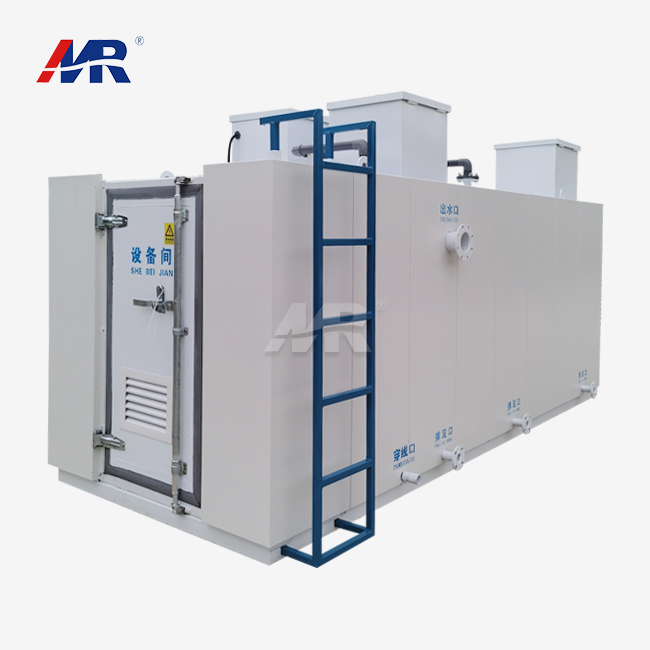
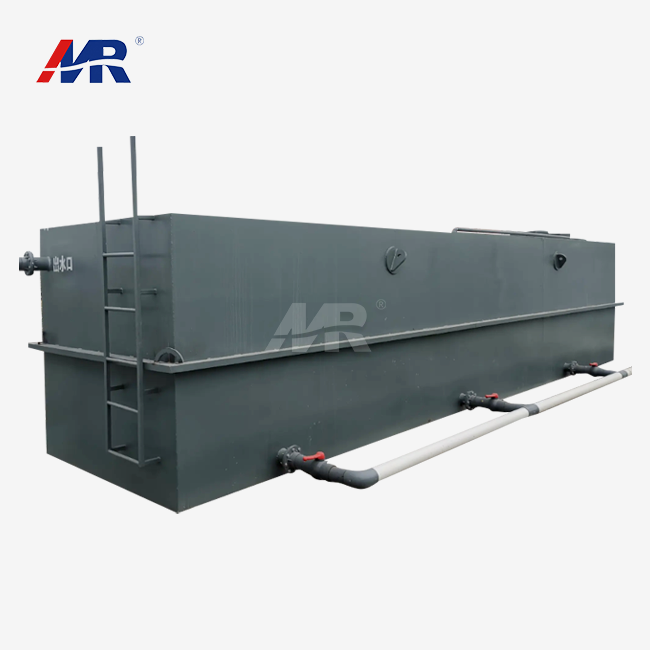
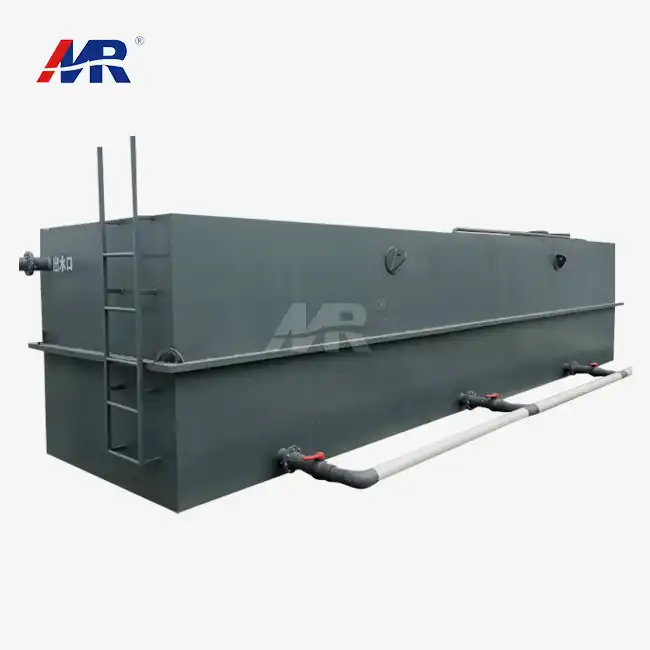
Real-time tracking of water quality stops costly production problems and legal violations. Our industrial reverse osmosis system is 4 meters long, 1.5 meters wide, and 1.8 meters high. It has built-in conductivity sensors, pH meters, and oxidation-reduction potential monitors that send constant data streams to control systems. When parameters move out of acceptable ranges, automated shutdown protocols go into action to protect the integrity of the product and processes that come after them.
In controlled businesses, how documentation is done is very important. Keep detailed logs of daily production amounts, water quality readings, upkeep tasks, and any problems that arise in the operation. These records show that the rules were followed during checks and provide past data that lets maintenance plans predict problems before they happen, which cuts down on unplanned downtime.
Case Studies and Practical Applications: Industrial RO in Action
Pharmaceutical Manufacturing: Meeting USP Standards
A medium-sized drug company in the Midwest needed clean water that met the standards of the US Pharmacopeia for covering tablets and making solutions. Their old business method led to inconsistent quality, which led to batch rejections and close regulatory inspection. When the facility switched to an industrial reverse osmosis system with our 5-stage filtration configuration and 200-cubic-meter storage capacity, the conductivity readings stayed below 0.8 microsiemens per centimeter. Starting with sediment filtration, moving on to activated carbon treatment, membrane separation, and ending with post-carbon polishing—the multi-stage workflow eliminated quality variability while cutting water costs by 40% compared to buying pharmaceutical-grade water from outside suppliers.
Food and Beverage: Ensuring Product Consistency
A local company that makes drinks had trouble with inconsistent flavors that were caused by yearly changes in the makeup of city water. Commercial filtration wasn't good enough to get rid of the minerals that were dissolved and changing the flavor chemistry. When our industrial system with flexible remineralization was put into use, the water's makeup stayed stable all year. When the operating pressure was between 150 and 300 PSI, it processed feedwater with TDS levels ranging from 400 to 800 ppm effectively, regularly making permeate below 50 ppm. By making this change, the company was able to reach more people without giving up the signature taste that made their brand famous.
Seawater Desalination: Coastal Manufacturing Solution
A factory on a barrier island had trouble getting fresh water because it was hard to get and the costs of trucking water in were going up. Our experts created a special industrial reverse osmosis system with high-rejection filters and parts that don't rust. This system can handle seawater with TDS levels above 35,000 ppm. According to the installation, it now makes 500 cubic meters of water every day at 60% less cost than before. Integrated energy recovery technology reduces the amount of power needed for high-pressure seawater applications. This makes the system profitable to run for a long time.
Integration with Existing Infrastructure
A factory that makes electronics needed ultrapure water to clean semiconductor wafers, but they kept the softening and filtering equipment they already had. We didn't replace working pre-treatment systems; instead, we made an industrial reverse osmosis array that fits right in after their present setup. The flexible layout helped them keep their initial investment while getting the sub-microsiemen conductivity needed to keep mistakes from happening during precision manufacturing processes. This mixed method shows how industrial systems can change to different working conditions without needing to replace all of their equipment.
Conclusion
To tell the difference between industrial reverse osmosis systems and commercial units, you need to know your facility's long-term operating costs, water quality standards, and capacity needs. Industrial systems work best in environments with a lot of activity that need to meet strict purity standards and follow rules. They provide better lifecycle value by using less energy and parts lasting longer. The operational benefits of industrial equipment are outweighed by the benefits of commercial systems in situations with moderate demand where they are easier to use and require less initial investment. When making procurement choices, people need to weigh the current budget limitations against the total cost of ownership, regulatory responsibilities, and the need for scalability. Partnering with experienced manufacturers gives you access to the technical knowledge, customization options, and reliable support you need to get the most out of your system throughout its entire operational lifecycle.
FAQ
1. What distinguishes single-pass from double-pass industrial reverse osmosis system configurations?
Single-pass systems only pass feedwater through membrane arrays once, getting rid of 95% to 98% of contaminants, which is good enough for most commercial uses. In double-pass configurations, the permeate from the first stage is fed into a secondary membrane array to make ultrapure water with a conductivity below 0.1 microsiemens per centimeter. This is needed to make semiconductors and pharmaceutical injectables. While the extra pass does raise the cost of capital and operation, it is necessary when ultra-low dissolved solids are needed.
2. How does water temperature affect reverse osmosis performance?
Temperature has a direct effect on how permeable a membrane is and how thick water is. Cold feedwater below 50°F makes the viscosity higher, which means that higher working pressure is needed to keep production rates at goal levels while also posing the risk of incomplete contaminant rejection. On the other hand, temps above 100°F can break down barrier materials and let more salt through. Our system works between 40°F and 100°F, which keeps these factors in balance. For best performance, it works between 68°F and 77°F, when viscosity and membrane properties are most aligned.
3. What is the difference between single-pass and double-pass industrial reverse osmosis system configurations?
Silica is hard to work with because it forms a permanent scale on membrane surfaces when amounts are too high. Systems can easily process high-silica feedwater after pre-treatment with anti-scalant chemicals or pH adjustments to keep the solubility of silica. Our engineering team looks at the make-up of the feedwater to come up with the best pre-treatment protocols. These protocols protect the membranes while still reaching the goal recovery rates and avoiding costly fouling.
Connect with Morui for Your Industrial Reverse Osmosis System
Guangdong Morui Environmental Technology Co., Ltd. is ready to design water treatment systems that meet all of your specific business needs. As a well-known provider of industrial reverse osmosis systems with our own facilities for making membranes and a staff of more than 500 dedicated professionals, we offer turnkey installations that come with full commissioning services and ongoing Technical support. Through multiple stages of filtering, our systems get rid of up to 99% of contaminants. This makes the water reliable and legal for use in pharmaceutical, food processing, electronics, and industrial settings. You can email our expert team at benson@guangdongmorui.com to talk about your problems with water quality, your needs for volume, and your needs for integration.
References
1. American Water Works Association. (2021). Reverse Osmosis and Nanofiltration: Manual of Water Supply Practices M46. Denver: AWWA Press.
2. Crittenden, J.C., Trussell, R.R., Hand, D.W., Howe, K.J., & Tchobanoglous, G. (2012). MWH's Water Treatment: Principles and Design (3rd ed.). Hoboken: John Wiley & Sons.
3. Greenlee, L.F., Lawler, D.F., Freeman, B.D., Marrot, B., & Moulin, P. (2009). Reverse osmosis desalination: Water sources, technology, and today's challenges. Water Research, 43(9), 2317-2348.
4. United States Pharmacopeia. (2020). General Chapter <1231> Water for Pharmaceutical Purposes. Rockville: United States Pharmacopeial Convention.
5. Wilf, M., & Bartels, C. (2005). Optimization of seawater RO systems design. Desalination, 173(1), 1-12.
6. World Health Organization. (2017). Guidelines for Drinking-water Quality: Fourth Edition Incorporating the First Addendum. Geneva: WHO Press.