

_1745823981883.webp)

SWRO Membrane Design for High-Efficiency Desalination
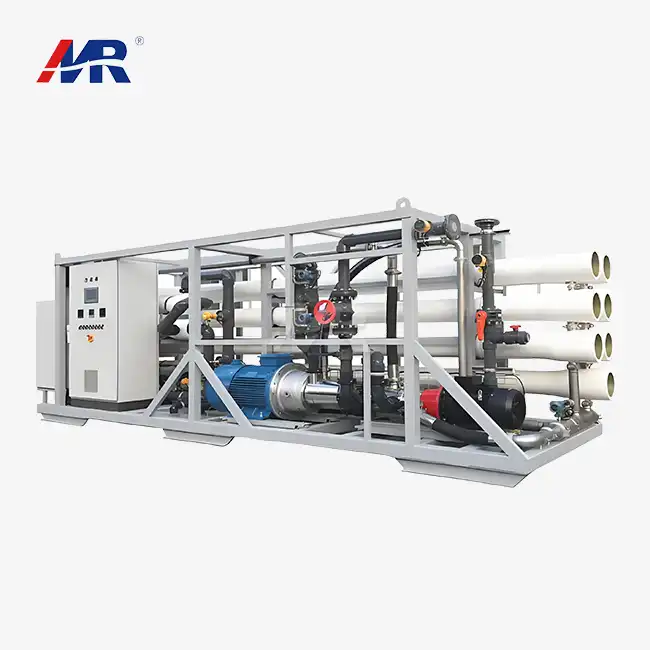
Modern desalination relies heavily on advanced seawater reverse osmosis technology to deliver freshwater for industrial, municipal, and remote applications. High-efficiency membrane/8040-seawater-reverse-osmosis-membrane">SWro membrane design incorporates selective thin-film composite structures that separate dissolved salts and contaminants from seawater through semi-permeable barriers. These membranes achieve exceptional salt rejection rates—often exceeding 99.8%—while minimizing energy consumption, making them essential components for cost-effective, sustainable desalination operations across diverse sectors globally.
Understanding SWRO Membrane Technology and Performance
Core Function and Structural Composition
Salts, minerals, and other impurities are filtered out of seawater using reverse osmosis filters, which let only water molecules pass through. The SWRO membrane is made up of three layers: a polyester support web for strength, a polysulfone microporous interlayer for structure, and a selective polyamide barrier that executes the separation process. Each standard 8-inch element has about 400 to 440 square feet of active surface area. This layered architecture strikes a good balance between durability and permeability, allowing the system to keep working even when pressures reach 1,200 psi (83 bar).
The polyamide top layer controls how well selectivity and rejection work. Its tiny pores keep water molecules out but let hydrated sodium and chloride ions pass through. Reverse osmosis is different from simple filtration because the semi-permeable property makes it a pressure-driven process that concentrates salts in the reject stream while making high-purity permeate that can be used for drinking, industrial processes, or irrigation.
Working Principles and Comparisons with Brackish Water Systems
In order for reverse osmosis to work, hydraulic pressure greater than the osmotic pressure of seawater must be applied. This pressure is usually between 1,000 and 1,200 psi. This force pushes water molecules through the barrier against their natural osmotic gradient, separating the freshwater from the solids that are dissolved in it. However, brackish water reverse osmosis (BWRO) membranes work at much lower pressures—200 to 400 psi—than seawater membranes because the total dissolved solids (TDS) in brackish feedwater are usually between 1,000 and 10,000 ppm, compared to seawater's 35,000 ppm.
SWRO membranes are very chemically stable and can handle pH levels from 2 to 11. This means they can handle harsh cleaning methods that are needed to get rid of biofouling and organic matter buildup that is common in marine environments. While BWRO membranes work fine for use in inland areas, they aren't built to last in the harsh conditions and high pressures that come with desalinating seawater.
Critical Performance Metrics
Professionals in procurement must judge membranes based on success factors that can be measured. The salt rejection rate tells you how much of the dissolved solids were removed. Premium elements get a 99.8% nominal rejection rate. Specific flux, which is measured in gallons per square foot per day (GFD), shows how productive something is under normal test conditions. For ocean uses, this is usually between 15 and 25 GFD.
The amount of energy used has a direct effect on operational costs. Modern designs use better feed gap shapes that lower the pressure drop across the element, which lowers the energy needed for pumping. The membrane's life depends on how well it resists fouling and how well it can handle chemicals. Depending on the quality of the feedwater and how well it is maintained, it can last anywhere from three to seven years. Another important metric is high boron rejection, which is needed for agricultural water standards because boron is found naturally in seawater and needs to be lowered to below 0.5 ppm for use in irrigation.
Design Principles for High-Efficiency SWRO Membranes
Identifying Performance Bottlenecks
Fouling is still the main problem that keeps SWRO membranes from working well over time. Biofouling, which is caused by bacterial growth, organic fouling from humic substances, and colloidal fouling from particulate matter, all slow down the flow of permeate and raise the feed pressure needs. Scaling happens when salts that don't dissolve completely, like calcium carbonate or barium sulfate, build up on the surfaces of membranes and stop water from moving through.
Limitations on operational pressure also make things less efficient. Higher pressures can make more permeate, but they also speed up membrane packing and mechanical breakdown, which shortens the life of the system. To find the best balance between productivity and durability, you need to carefully design something that can handle pressure without going beyond the limits of the material or causing telescoping, which is a failure mode in which the layers of the membrane separate under stress.
Innovations in Membrane Materials and Structures
Recent progress in thin-film composite technology has led to changes on the surface that make it less likely to get fouled. Hydrophilic coatings make it harder for organic molecules and microorganisms to stick to surfaces. This means that cleaning cycles can be longer and flux levels can stay the same. Charged surfaces push away colloidal particles through electrostatic forces, blocking one path for fouling.
Advanced interfacial polymerization techniques are now used by manufacturers to make selective layers that are less than 200 nanometers thick and let the most water through without letting too much salt through. These smaller walls lower hydraulic resistance, which lets more fluid flow at the same pressure. Also, strengthened fiberglass outer shells and end caps that fit together better make the structure more mechanically robust. This is especially important for naval and offshore systems that are subject to vibration and motion.
Strategies to Improve Salt Rejection and Reduce Energy Use
The arrangement of modules has a big effect on economy. Spiral-wound elements rule industrial uses due to their high packing density and ease of maintenance. Optimized gap fabrics inside these elements increase turbulence and lower concentration polarization. Concentration polarization is when rejected salts build up near the membrane surface, raising the local osmotic pressure and lowering the net moving force.
Energy recovery devices (ERDs) capture hydraulic energy from the high-pressure concentrate stream, recycling up to 95% of this energy to pressurize incoming feedwater. When you combine efficient membranes with ERDs, the specific energy used drops from 4 to 6 kWh per cubic meter to less than 3 kWh. This directly lowers running costs and the carbon footprint. Pre-treatment optimization—including ultrafiltration or dissolved air flotation—removes foulants before they reach reverse osmosis elements, extending membrane life and maintaining design flux rates.
Maintenance, Cleaning, and Longevity Tips for SWRO Membranes
Effective Cleaning Protocols
Specific foulants must be targeted by chemical cleaning methods. Acidic solutions break down mineral scales, while alkaline cleaners with surfactants and chelating agents get rid of organic matter and biofouling well. For 30 to 60 minutes, a hot cleaning solution (95 to 104°F) is pumped through the SWRO membrane system as part of a normal cleaning operation. This is followed by a thorough rinse. How often you clean depends on how much the normalized flux drops. Many operators start cleaning when the flux drops by 10-15%, or the pressure rises to match.
Some physical cleaning methods are forward washing and osmotic shock. In osmotic shock, membranes are soaked in low-salinity water to break down the cells of bacteria that are connected. These methods work well with chemical cleaning because they offer softer upkeep that keeps membranes strong between harsh chemical treatments.
Routine Maintenance Practices
Keeping an eye on the rates of salt rejection and leakage gives you early warning when the membrane is breaking down. By keeping daily records of normalized permeate flow, feed pressure, and conductivity, operators can spot patterns before they become very bad. If the permeate conductivity goes up quickly, it means that the membrane is damaged or the seal has failed, which needs to be looked into right away.
Pre-treatment systems work right when the quality of the feed water (turbidity, silt density index (SDI), and microbe counts) is checked on a regular basis. Keeping the SDI below 3.0 and the turbidity below 0.5 NTU keeps membranes from getting permanently fouled. During normal maintenance, operators should also check the integrity of O-rings and seals because skipping lowers the quality of the permeate and salt rejection.
Assessing Membrane Degradation and Timing Replacements
Membrane autopsy, which is the lab study of used parts, shows what kind of fouling there is and how bad it is, which helps make changes to the pre-treatment or cleaning methods. Replace if the flux drops more than 20% and can't be fixed, if the permeate conductivity stays above specs, or if there is physical damage like delamination or bending.
Proactive replacement strategies keep operations running smoothly while also cutting costs. By replacing parts before they fail catastrophically, unplanned downtime and the possible contamination of processes further down the line can be avoided. Rotating elements between places in multi-stage groups is one way that fleet managers try to get the most out of their systems while still letting each element age at its own pace.
Comparing SWRO Membrane Solutions for Informed Procurement
Application Fit and Cost Structures
SWRO membranes are good for uses that need to consistently make freshwater from high-salinity sources. These include desalination plants that process millions of gallons of water every day, oil platforms that need small, high-productivity systems, and island resorts that need to be sure they always have water. BWRO membranes serve inland industrial facilities and agricultural operations treating lower-salinity groundwater or surface water.
The first-time costs for SWRO elements vary from $800 to $1,500 each, based on the specifications and the number of elements ordered. Operating costs—dominated by energy consumption, cleaning chemicals, and replacement frequency—vary with feedwater quality and system design. To properly compare Products, you need to use energy efficiency, maintenance needs, and expected service life in your total cost of ownership figures.
Leading Global Membrane Manufacturers
It is known that Toray membranes, especially their TM series made for seawater use, can reject a lot of salt and are built to last. Dow (now DuPont) sells FilmTec membranes that are highly resistant to fouling and have low differential pressure, which means they use less energy. Hydranautics, which is part of the Nitto Group, makes CPA and SWC series elements that work best with difficult feedwaters that are likely to biofoul.
LG Chem has created its own thin-film composite technology that focuses on high boron rejection and uniform performance across a range of temperatures. Koch Membrane Systems makes parts for uses that use a lot of energy, with features that keep pressure drop to a minimum. Performance data from third-party tests consistently shows that these manufacturers can reject between 99.6% and 99.85% of salt with specific flux rates ranging from 16 to 23 GFD in standard conditions.
Procurement Variables and Supplier Considerations
Volume discounts become significant for large-scale projects; orders exceeding 100 elements often receive 10-15% reductions. Lead times range from four to twelve weeks, based on how much can be made and how much customization is needed. The warranty usually lasts between three and five years, as long as the product is used correctly and cleaned according to the manufacturer's instructions.
Quality of after-sales service sets providers apart. Full expert support, such as start-up setup, performance troubleshooting, and membrane autopsy services, adds a lot of value on top of the product itself. OEM supply arrangements let system integrators private-label membranes or get better pricing and inventory allocation, which are important factors for companies like Morui that are working on many projects at once in the industrial and municipal sectors.
Optimizing Procurement Decisions for SWRO Membranes
Defining Project-Specific Criteria
The TDS, temperature, pH, and contaminant measurements of the water determine which SWRO membrane should be used. When seawater is below 59°F, it slows down the flow of permeate by about 3% per degree Fahrenheit. This means that larger membrane arrays are needed or production rates must be lowered. System size is based on how much capacity is needed; for example, a 1 MGD plant needs between 160 and 200 elements, depending on the recovery rate and flux design.
When deciding between initial investment and lifetime costs, operational goals come into play. High-efficiency membranes and energy recovery are best for projects that want to use as little energy as possible. On the other hand, systems that want to minimize capital costs may have to deal with higher running costs. Drinking water standards and environmental runoff limits are two examples of regulations that make it harder to control permeate quality and concentrates.
Key Evaluation Parameters
Both salt rejection and flux production are parts of membrane efficiency. Higher efficiency reduces the number of elements required, lowering capital and maintenance costs. Total replacement costs are estimated by the expected lifespan. A membrane that lasts seven years is a better deal than one that needs to be replaced every three years, even if it costs more at first.
The trustworthiness of the supplier should be carefully evaluated. Alternatives that haven't been tried before are riskier than well-known brands that have a history of success in similar situations. Certifications, like NSF/ANSI 61 for drinking water contact and ISO 9001 for quality control, make sure that factory standards are being met. Case studies and references from clients show performance in the real world under conditions similar to the planned project.
Supplier Screening and Bulk Order Management
Request technical datasheets that list the amount of salt that can be rejected, the flux rates, and the working limits for your feedwater. Sample testing, or running pilot tests with real feedwater, gets rid of doubt and backs up what the maker says. Talk about payment plans, delivery goals, and performance guarantees when you negotiate the terms of a big order.
When you have a lot of orders, logistics coordination is very important. Freight costs are cut by combining containers; a 40-foot container can hold between 60 and 80 items, depending on how they are packed. Proper storing conditions, such as controlling temperature and humidity, should be taken into account when setting up warehouses so that membranes don't break down before they are installed. Setting up long-term supply agreements with preferred vendors protects against changes in prices and gives priority to certain vendors during supply chain disruptions.
Conclusion
High-efficiency SWRO membranes are the most important part of modern desalination. They provide stable freshwater by improving materials science and engineering. When procurement experts know about membrane performance measures, new design innovations, and maintenance needs, they can make choices that are in line with the technical and financial goals of the project. Comparative studies of top manufacturers and careful assessments of suppliers' abilities guarantee a successful launch of the system. These insights can help organizations in urban, industrial, and rural settings improve their water security over time while also lowering their total cost of ownership and making their operations more reliable.
FAQ
1. What is the typical lifespan of commercial SWRO membranes?
Commercial reverse osmosis membranes for seawater usually work well for three to seven years, but this depends on the quality of the feedwater, how well the membranes are maintained, and how well the pre-treatment works. Conditions that are harsh and have a lot of fouling potential may shorten the lifespan. On the other hand, systems that are well-managed and cleaned regularly can last at least seven years before they need to be replaced because they are no longer cost-effective.
2. How often should cleaning be performed?
Normalized performance data determines how often to clean. When standardized permeate flow drops by 10-15% or feed pressure rises to the same level, operators usually start cleaning. This could happen once a month in places with a lot of fouling or every three months in systems that are well controlled. Regular monitoring lets you make cleaning plans based on data that balance the cost of care with keeping the system running well.
3. What factors influence salt rejection rates?
How much salt is rejected depends on how well the membrane works, the temperature, the working pressure, and the makeup of the feedwater. Higher pressures usually make rejection better, but higher temperatures can slightly lower it because salt is more permeable at higher temperatures. Damage to the membrane, bad system design, or broken seals can all lead to rejection degradation. When installed correctly, operated according to the manufacturer's instructions, and regularly checked, the rejection performance stays at its best.
Partner with Morui for Reliable SWRO Membrane Solutions
Guangdong Morui Environmental Technology Co., Ltd. offers complete systems for desalinating seawater. It has 14 offices, 500 employees, and 20 experienced engineers who are committed to providing the best water treatment services. As a reliable SWRO membrane supplier, we run our own factories to make membranes and equipment, so we can keep an eye on quality throughout the whole process. Our turnkey services include choosing the right equipment, installing it, getting it up and running, and providing ongoing Technical support that is tailored to your needs for capacity and water quality. We offer competitive pricing and dependable logistics for municipal, industrial, and offshore uses, and we're happy to take bulk orders and work with original equipment manufacturers (OEMs). Email Our Team at benson@guangdongmorui.com to talk about your desalination project needs, get detailed specs, or set up a meeting.
References
1. Fritzmann, C., Löwenberg, J., Wintgens, T., & Melin, T. (2007). State-of-the-art of reverse osmosis desalination. Desalination, 216(1-3), 1-76.
2. Greenlee, L. F., Lawler, D. F., Freeman, B. D., Marrot, B., & Moulin, P. (2009). Reverse osmosis desalination: Water sources, technology, and today's challenges. Water Research, 43(9), 2317-2348.
3. Elimelech, M., & Phillip, W. A. (2011). The future of seawater desalination: Energy, technology, and the environment. Science, 333(6043), 712-717.
4. Qasim, M., Badrelzaman, M., Darwish, N. N., Darwish, N. A., & Hilal, N. (2019). Reverse osmosis desalination: A state-of-the-art review. Desalination, 459, 59-104.
5. Lee, K. P., Arnot, T. C., & Mattia, D. (2011). A review of reverse osmosis membrane materials for desalination—Development to date and future potential. Journal of Membrane Science, 370(1-2), 1-22.
6. Guillen, G., & Hoek, E. M. V. (2009). Modeling the impacts of feed spacer geometry on reverse osmosis and nanofiltration processes. Chemical Engineering Journal, 149(1-3), 221-231.
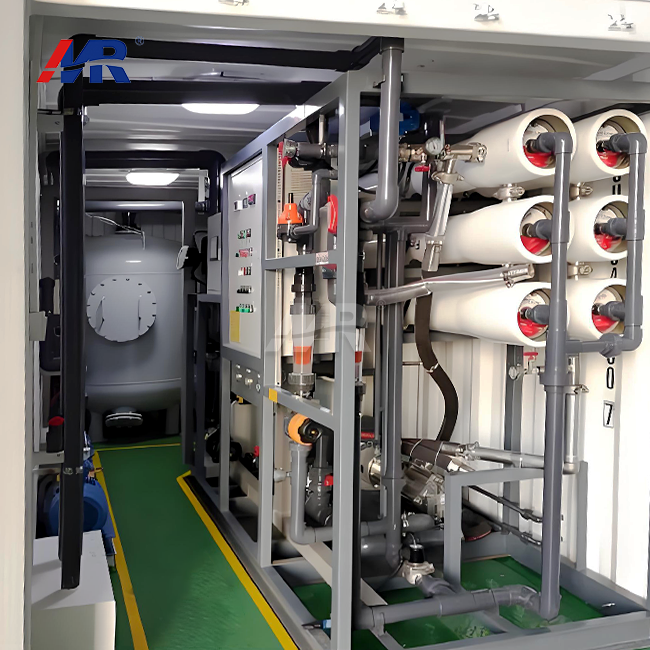 VIEW MOREcontainerized RO equipment
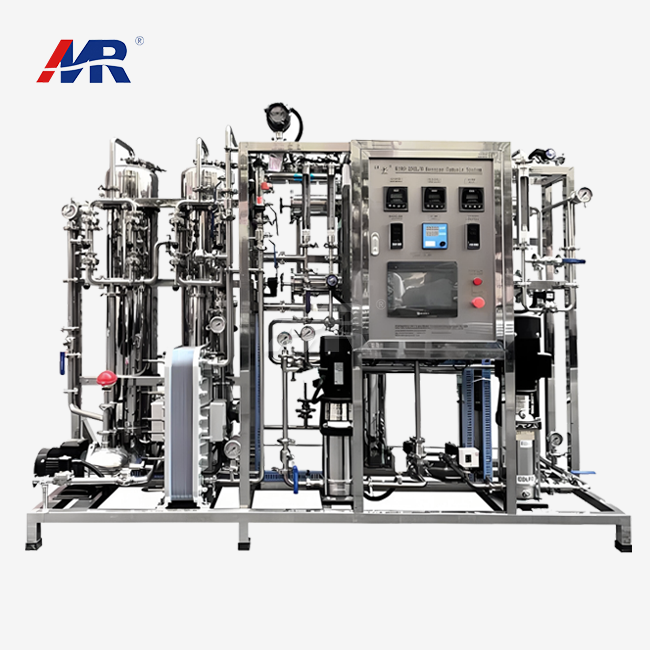 VIEW MORE1000LPH EDI plant
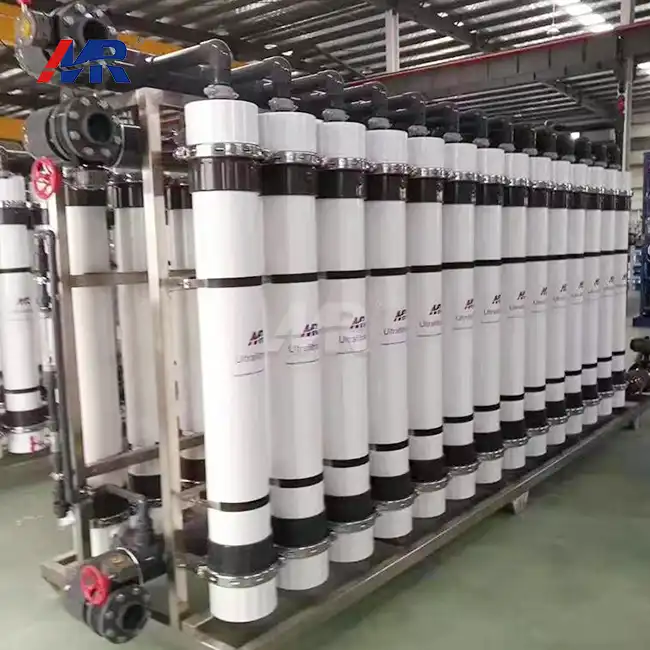 VIEW MORE70m3/hour ultrafiltration plant
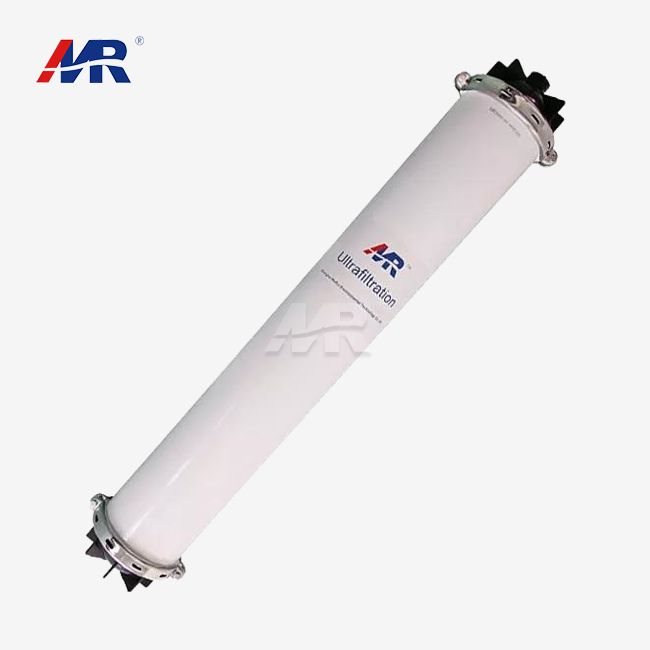 VIEW MOREultrafiltration membranes for water treatment
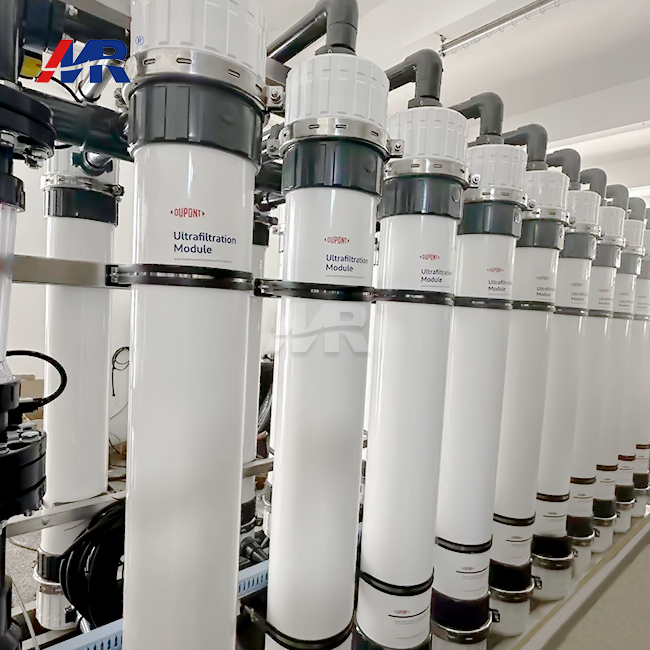 VIEW MOREultrafiltration water treatment system
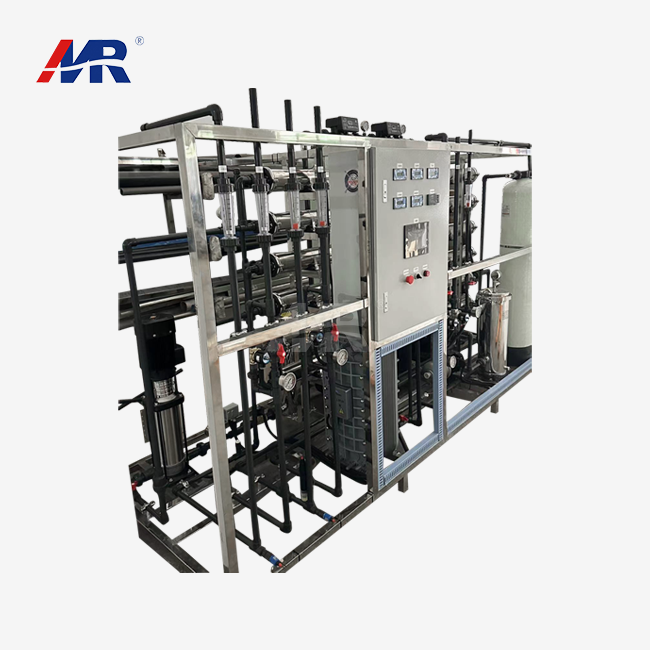 VIEW MOREedi water treatment system
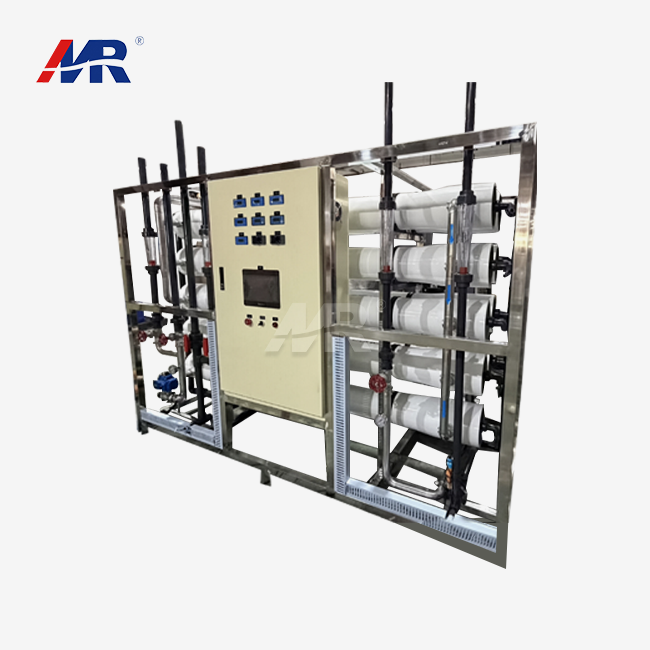 VIEW MORE8 stage reverse osmosis system
 VIEW MORE100T/H ultrafiltration equipment
