_1745823981883.webp)

Seawater Reverse Osmosis vs. Thermal Desalination: Which Wins?
When evaluating desalination solutions for your facility, seawater reverse osmosis emerges as the clear frontrunner for most industrial applications. This membrane-based technology combines energy efficiency, lower operational costs, and compact scalability that thermal methods simply cannot match. While thermal desalination has its niche in specific large-scale or energy-abundant environments, modern SWRO systems deliver superior return on investment, environmental performance, and adaptability across diverse industries—from pharmaceutical manufacturing to coastal resorts.
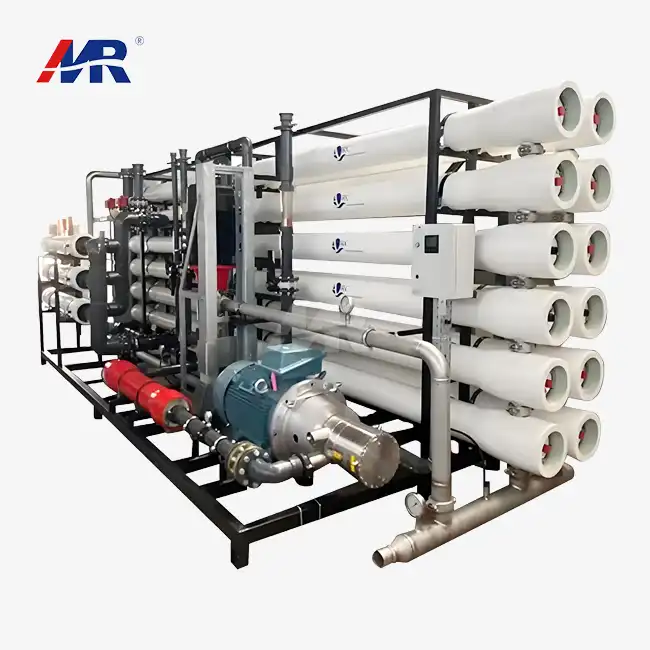
Understanding Seawater Reverse Osmosis and Thermal Desalination Technologies
Learn about thermal desalination and seawater reverse osmosis for seawater. Before you can choose the right desalination technology, you need to know how each system works and what that means for your purchase decision.
How Seawater Reverse Osmosis Functions
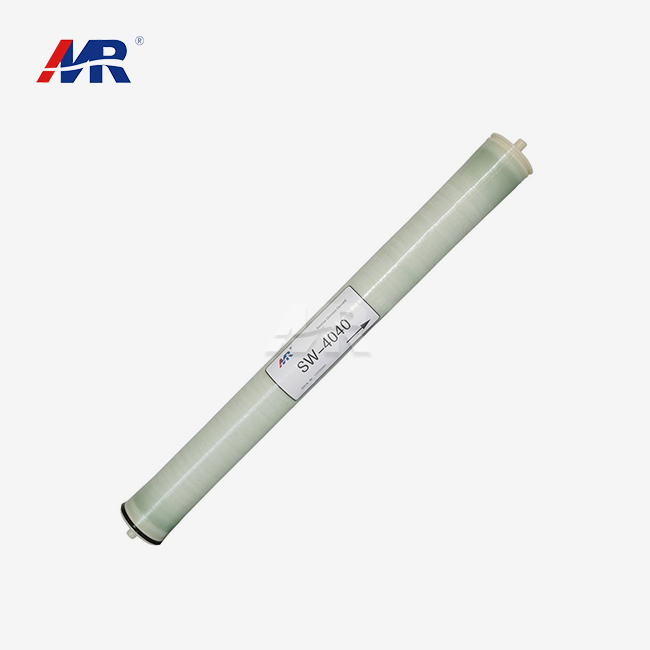
Seawater reverse osmosis uses filters that let some things through but not others to sort dissolved salts and other impurities from ocean water. At pressures ranging from 55 to 80 bar, the process pushes feedwater through special Thin-Film Composite membranes. This gets rid of more than 99% of the salts, minerals, and bacteria that are dissolved in the water. The system is made up of several connected parts: taking in and pumping seawater, preparation with activated carbon and multimedia filtration, high-pressure pumping, membrane separation, post-treatment with remineralization, and storing fresh water. This process makes sure that the water quality stays the same while keeping operations running smoothly. Energy recovery devices in modern SWRO plants take hydraulic energy from the brine stream, which cuts the total amount of electricity used by up to 60%.
Thermal Desalination Methods Explained
Thermal desalination uses the process of evaporation to turn salt water into fresh water. In Multi-Stage Flash distillation, seawater is heated to make steam. The steam then condenses into clean water in several rooms. Multi-Effect Distillation uses a series of vessels that work at lower pressures, which lets water evaporate at lower temperatures. These ways work best in places with a lot of leftover heat or cheap energy sources, like oil-rich areas or power plants. But thermal systems need a lot of equipment, like heaters, heat exchanges, and large networks of pipes. The technology is strong enough to handle high-salinity feedwater and extreme temperatures, but it often requires more money and is harder to run than membrane systems are.
Key Components That Differentiate Technologies
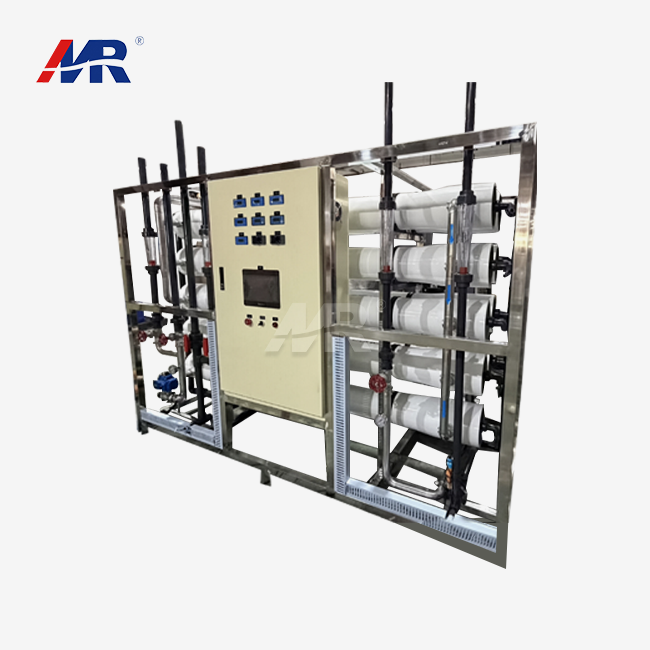
Understanding the differences between components helps buying specialists figure out how much upkeep will cost and how long the product will last. High-rejection membranes, PLC-based automation with touchscreen interfaces, and modular filtration units that make replacement and scaling easier are all used in SWRO systems. Materials that don't rust, methods that stop scale from building up, and heat control tools are all important for thermal plants. Because membrane systems are mechanically simple, they have fewer moving parts, need less upkeep, and are easy for operational staff to learn how to use.
Comparative Analysis of SWRO and Thermal Desalination
A look at how SWRO and thermal desalination compare. To support capital expenditure and predict long-term success across a number of operational factors, decision-makers need hard facts.
Energy Consumption and Efficiency Metrics
The most expensive part of distillation is the energy used. Modern seawater reverse osmosis systems use about 4 to 5 kWh for every cubic meter of fresh water they make, while thermal methods need 10 to 25 kWh/m³, depending on how they are set up. This big difference is due to improvements in membrane technology and the addition of energy return. A 2-ton-per-hour SWRO plant that runs for 8,000 hours a year uses between 64,000 and 80,000 kWh, while an equal heating capacity uses between 160,000 and 400 000 kWh. This will save millions of dollars in energy costs over ten years, especially in places where power costs more than $0.10 per kWh.
Cost-Effectiveness and ROI Analysis
The cost of installing SWRO systems has slowly gone down, and small plants can now be bought for 30–40% less than they did ten years ago. A small 2-ton-per-hour unit usually costs between $50,000 and $80,000 to install, while similar heating systems start at $150,000 because they need more complicated equipment. Operating costs are better for membrane technology because it uses less energy and chemicals and is easier to maintain. When you look at the total cost of ownership over 15 years, SWRO systems usually pay for themselves in 3–5 years, while thermal plants need 7–10 years, based on the price of energy.
Water Quality and Recovery Rates
With the right pretreatment, SWRO technology can recover up to 40–50% of the feedwater. This means that half of the feedwater turns into product water and the other half leaves as concentrated brine. In some configurations, thermal systems can recover a little more energy, but they use a lot more energy. Membrane systems make water with total dissolved solids below 500 ppm, which is higher than what is needed for most industrial uses, such as making drugs, technology, and food. This meets World Health Organization standards and goes beyond what is needed for most industrial uses.
Environmental Impact and Sustainability
As companies commit to environmental goals, carbon footprint research plays a bigger role in their buying choices. Thermal ways give off 4 to 8 kg CO₂/m³, while SWRO systems give off 1.5 to 2.5 kg CO₂ per cubic meter of water they make. Managing brine is hard for both technologies, but membrane systems make less concentrated outflow, which is better for the environment. Advanced SWRO plants use diffuser systems and tracking procedures to keep marine life from being too upset. This helps seaside facilities meet regulatory requirements.
Market Availability and Procurement Considerations for B2B Clients
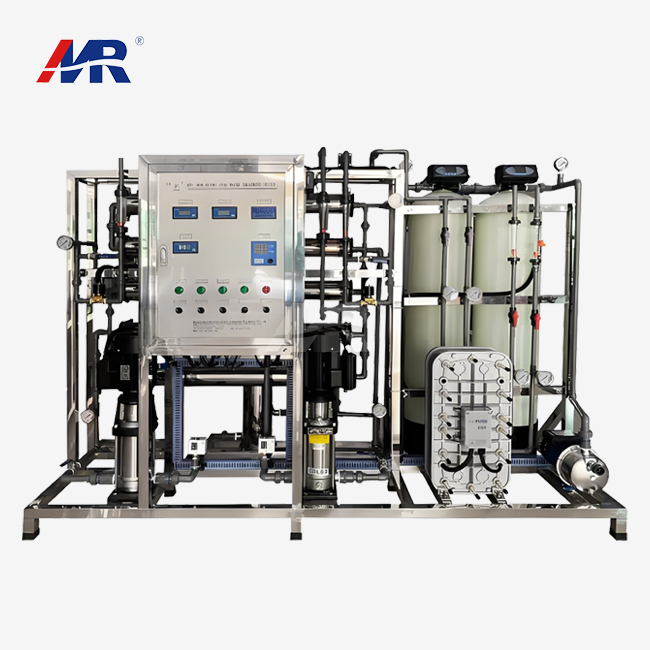
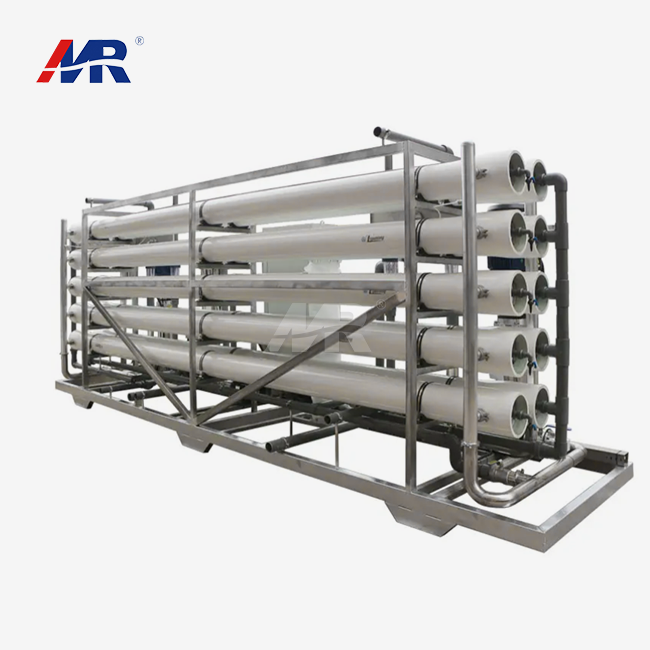
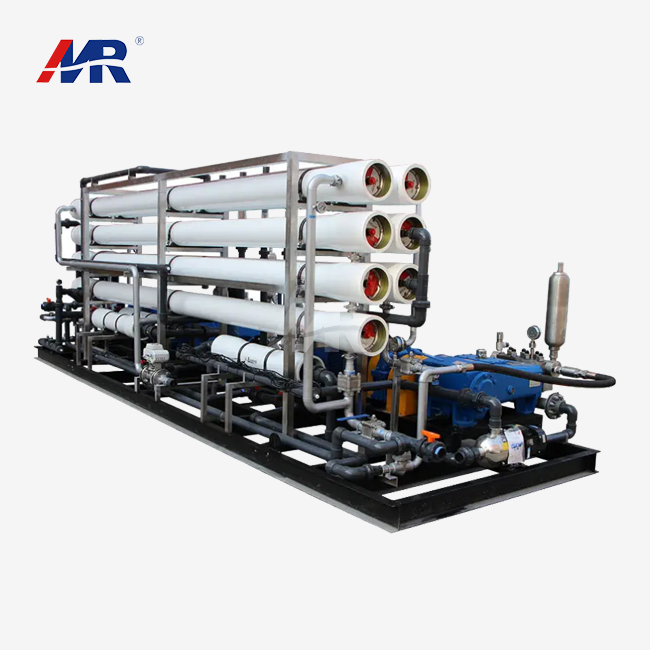
To traverse the supplier market, you must know which suppliers provide creative ideas and which offer outmoded technology with little advice. Next-generation water treatment company Guangdong Morui Environmental Technology Co., Ltd. makes membranes and integrates systems. It has 500 employees, 14 offices, and 20 engineers. Their services include equipment design, installation, and start-up. Vertical integration offers quality control and timely technical help that separate enterprises can't. This compact, PLC-automated 2-ton-per-hour Morui seawater reverse osmosis unit fulfils numerous water quality standards. Purchasing experts should evaluate suppliers' strengths. Production and part procurement are dependable with scale manufacturing. Factory output < 50 units/year hinders component standardisation. Tech support infrastructure matters. Regional service networks quickly fix operational difficulties, decreasing downtime. Custom systems adjust salt, temperature, and output without rebuilding. Good vendors price transparently. Bids should include equipment price, installation, setup, training, and guarantee terms. Modular solutions allow organisations to meet demand without overbuilding.
Operational Maintenance and Technical Support Insights
Insights into operational maintenance and Technical support. Long-term system performance depends a lot on how well maintenance plans are followed and how committed the manufacturer is to providing ongoing support for the entire lifecycle of the equipment.
SWRO Maintenance Requirements
Seawater reverse osmosis systems need to be checked on a regular basis, but their maintenance is pretty easy. Depending on the quality of the feedwater, pretreatment filters need to be replaced every three to six months. Membranes, on the other hand, usually last three to seven years if they are cleaned properly. Automated Clean-In-Place processes get rid of biofouling, mineral scaling, and organic matter buildup while keeping flux rates and salt rejection performance high. Chemical dosing systems need to be calibrated every month, and high-pressure pumps need to be inspected once a year. The PLC-based control system keeps track of operational parameters, which lets maintenance plan ahead and stop problems before they happen.
Thermal System Maintenance Demands
Because scale forms on heat transfer surfaces and metals rust in hot places, thermal plants need more frequent maintenance. Descaling boilers should be done once a week, and inspecting and cleaning heat exchangers should be done once a month. Without regular upkeep, thermal efficiency drops quickly, which means more energy is used and less output. Thermal systems need specialized technicians because they are so complicated, but general technical staff can do SWRO maintenance after getting some basic training.
Technical Support and Training Programs
Morui offers thorough training that covers how to use the system, do regular maintenance, fix problems, and what to do in an emergency. During on-site commissioning, operating teams are shown how to use the tools by doing it themselves. Engineers can figure out problems and give advice without having to visit the site in person, which cuts down on downtime. Pilot testing services help organizations make sure that the system works with real feedwater before deploying it on a large scale. This lowers the risk of implementing the system.
Strategic Decision-Making: Which Technology Wins for Your Business?
How to Make a Strategic Choice: Which Technology Will Help Your Business? To match distillation technology with an organization's goals, more than just comparing costs needs to be carefully considered.
Matching Technology to Application Needs
Compact seawater reverse osmosis systems that are easy to set up and run with little staff are very helpful for small industrial facilities, coastal resorts, and remote island communities. A 2-ton-per-hour unit that makes 16,000 liters of water every day is enough for hotels with 200 to 300 guests, factories that need some process water, or towns with 500 to 800 people. The small size makes it easier to move to hard-to-reach places, and the tablet display makes it easier for people to use without having to be trained.
Risk Assessment and Lifecycle Considerations
Membrane technology doesn't have a high risk of becoming obsolete because updates only require changing parts of membrane systems. As carbon rules get stricter and energy prices go up, thermal plants face a greater risk of having assets that are stuck in one place. Lending institutions are choosing projects with lower carbon intensity and proven sustainability credentials more and more when deciding which ones to lend money to.
Real-World Implementation Insights
Puerto Rico's pharmaceutical companies moved from steam to SWRO systems, which cut the cost of making water by 55% and made the systems more reliable. A Maldivian resort group put containerized SWRO units in all 12 of their properties. The water quality stayed the same, and the running costs were 40% lower than with their old thermal systems. Offshore platform managers like small membrane systems because thermal setups are too heavy and take up too much room.
Conclusion
Seawater reverse osmosis technology clearly wins for most business and industry uses because it uses less energy, has a lower total cost of ownership, can be scaled up or down quickly, and has less of an effect on the environment. Thermal desalination is still useful in some large-scale or energy-rich situations, but modern membrane systems offer the performance, dependability, and cost savings that procurement leaders need. Companies that want to reliably produce fresh water should focus on SWRO technology from companies that offer full support, tried-and-true tools, and real technical knowledge.
FAQ
1. What makes energy recovery essential in membrane desalination systems?
Energy Recovery Devices take hydraulic energy from the high-pressure brine stream and use it to increase the pressure of water coming in. This process cuts the amount of power used by up to 60%, which lowers costs and has a positive effect on the earth. Modern pressure exchangers can move heat more efficiently than 95% of the time, which makes them essential for business SWRO systems.
2. How does feedwater temperature affect system performance?
Higher temperatures make membranes more permeable, which increases the flow of water but may make salt rejection less effective. Temperatures between 15°C and 30°C are best for SWRO devices. Temperatures above 35°C can damage membranes, and water below 10°C lowers their ability to work. Operators change the settings on the high-pressure pumps to account for changes in temperature, which keeps the quality of the product constant.
3. Can membrane systems effectively remove Boron from seawater?
Standard seawater reverse osmosis gets rid of about 50–70% of Boron because it is found in saltwater as boric acid, which is not charged. To meet drinking water standards, a second-pass RO stage with a pH change to 10–11 is often needed. This changes Boron to charged borate ions that membranes can better reject. This configuration makes removal more effective than 90% of the time.
4. What operational lifespan should we expect from system components?
If you treat and clean them the right way, high-rejection membranes should last between 3 and 7 years. Every 20,000 to 30,000 hours of use, high-pressure pumps need to be serviced. Depending on the quality of the feedwater, pretreatment filters need to be changed every three to six months. With regular testing, PLC control systems and instruments usually keep working well for 10 to 15 years.
Partner with Morui for Advanced SWRO Solutions
Guangdong Morui Environmental Technology Co., Ltd. sells tested seawater reverse osmosis systems that are backed by excellent production and a full support network. Our small 2-ton-per-hour SWRO plant has high-rejection screens, PLC-based automation, and uses only 4-5 kWh/m³ of energy. It is easy to move and can be used for a wide range of tasks. We offer full solutions, from the initial assessment to installation, commissioning, and ongoing technical support. We have 14 area branches, make membranes in-house, and have 20 expert engineers. Get in touch with us at benson@guangdongmorui.com to talk about your unique water treatment needs and find out why top companies choose Morui as their seawater reverse osmosis provider.
References
1. Greenlee, Lauren F., et al. "Reverse Osmosis Desalination: Water Sources, Technology, and Today's Challenges." Water Research, Vol. 43, No. 9, 2009, pp. 2317-2348.
2. Ghaffour, Noreddine, et al. "Technical Review and Evaluation of the Economics of Water Desalination: Current and Future Challenges for Better Water Supply Sustainability." Desalination, Vol. 309, 2013, pp. 197-207.
3. Elimelech, Menachem, and William A. Phillip. "The Future of Seawater Desalination: Energy, Technology, and the Environment." Science, Vol. 333, No. 6043, 2011, pp. 712-717.
4. Miller, James E. "Review of Water Resources and Desalination Technologies." Sandia National Laboratories Report, SAND-2003-0800, 2003.
5. Voutchkov, Nikolay. "Energy Use for Membrane Seawater Desalination – Current Status and Trends." Desalination, Vol. 431, 2018, pp. 2-14.
6. Lattemann, Sabine, and Thomas Höpner. "Environmental Impact and Impact Assessment of Seawater Desalination." Desalination, Vol. 220, No. 1-3, 2008, pp. 1-15.