

_1745823981883.webp)

Reverse Osmosis Water Treatment for Industrial Applications
Reverse osmosis water treatment represents a cornerstone technology in modern industrial operations, utilizing semi-permeable membranes to remove up to 99.5% of dissolved solids, contaminants, and impurities from water sources. This advanced filtration method addresses critical challenges including heavy metal contamination, elevated total dissolved solids (TDS) levels, and inconsistent feedwater quality that threaten production standards. Industries from pharmaceutical manufacturing to semiconductor fabrication depend on RO systems to deliver consistent, high-purity water that meets rigorous operational requirements while maintaining cost-effective and sustainable processes.
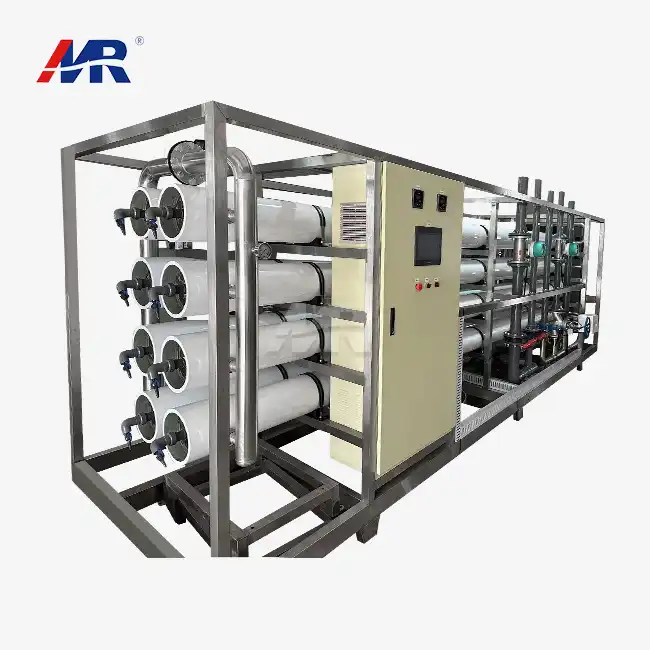
Understanding Reverse Osmosis Water Treatment for Industry
Industrial membrane filtration systems use a complex, multi-stage process to turn raw water into water that can be used in production. Using hydraulic pressure between 10 and 16 bar, the technology pushes water molecules through tiny membrane holes. This successfully separates pure permeate streams from concentrated reject streams.
The Multi-Stage Purification Process
Pre-treatment is the first step in properly cleaning industrial water. First, raw water goes through silt filters and activated carbon beds, which get rid of particles, chlorine, and organic molecules that could harm membranes further down the line. To get the best Silt Density Index (SDI) values below 3.0, this phase usually includes multimedia filtration, water softening, and cartridge filtration.
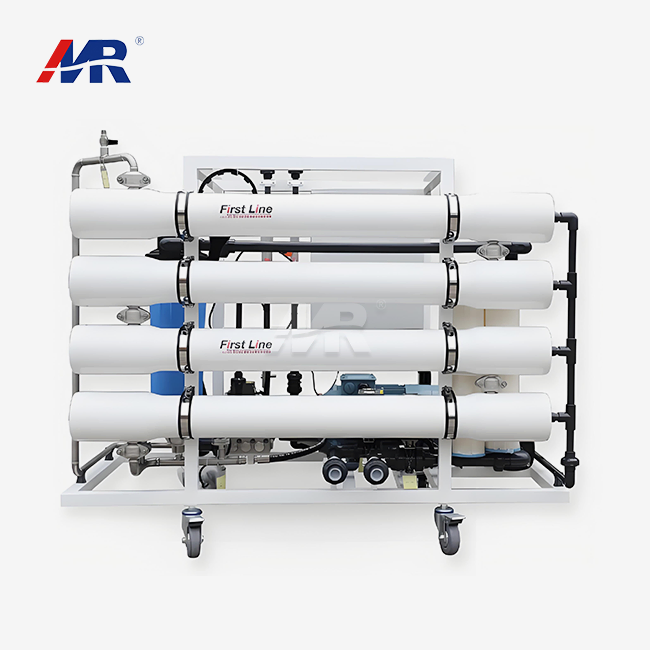
The membrane assembly is where the system's heart is. High-pressure pumps work against osmotic pressure to clean the water. The energy used by modern industrial units stays between 1.5 and 2.5 kWh per cubic meter, and they can reject 99.5% of dissolved salts, germs, and pyrogens. After the treatment, steps that change the pH levels and add helpful minerals as needed make sure that the end product meets the standards for the application.
Industry-Specific Applications and Benefits
It is important for pharmaceutical and biotechnology companies to have these systems in order to make water that meets USP standards for injection-grade uses. Because the technology can get rid of endotoxins and microorganisms, it is a must-have for GMP-compliant production environments.
Food and drink companies use industrial purification tools to make sure the safety and stability of their Products. Stable water quality is important for companies that make bottled water, dairy products, and drinks because it keeps the flavors the same and the products last longer. Minerals, organic molecules, and microbiological contaminants need to be removed to protect both the purity of the product and the health of the user.
For making electronics and semiconductors, you need ultrapure water with a resistivity higher than 18 megohm-cm. When RO and electrodeionization (EDI) systems work together, they can achieve the high levels of purity needed for chip cleaning and photolithography, where even small amounts of contaminants can lead to expensive flaws.
Power plants use these systems to clean the boiler feedwater in both thermal and nuclear plants. The technology makes equipment last longer and use heat more efficiently by getting rid of dissolved solids that cause scaling and corrosion. Studies show that treating the water correctly can cut the cost of boiler upkeep by 30 to 40 percent while also making the energy flow more efficient.
Advantages Over Alternative Methods
When it comes to energy use, membrane-based cleaning is much better than heat distillation. Distillation usually needs 15 to 20 kWh per cubic meter, but modern RO systems only need 1.5 to 2.5 kWh per cubic meter, which is more than 80% less energy. This economy directly leads to lower operating costs and a smaller impact on the environment.
Modern membrane arrays work all the time without strong acids or alkalis, unlike ion exchange systems that need to be regenerated chemically. This feature gets rid of the need to handle dangerous chemicals and lowers the impact on the environment, which is in line with sustainability goals and legal requirements.
Challenges and Maintenance of Industrial RO Systems
To make membrane-based cleaning reliable over the long term, you need to solve a number of practical problems that can lower performance and raise lifecycle costs in reverse osmosis water treatment. When procurement teams and building managers understand these problems, they can come up with strategic strategies that keep systems running as long as possible.
Common Operational Challenges
Membrane fouling is the main problem that industry systems have to deal with. On membrane surfaces, organic matter, biological growth, colloidal particles, and mineral scaling build up, which slows flow and makes rejection less effective. This happens when the production of filtrate drops, differential pressure rises, and water quality gets worse. According to research, up to 70% of premature membrane failures in industrial settings are caused by poor pre-treatment.
It scales when the feedwater has too much calcium carbonate, calcium sulfate, barium sulfate, or silica for the system to be able to dissolve it properly. As the amount of water recovered goes up, these chemicals build up in the reject stream and stick to membrane surfaces, making hard layers that are impossible to clean with normal methods.
Biological fouling happens when microorganisms stick to membrane surfaces and form biofilms to protect themselves. These bacterial communities eat organic materials and make extracellular polymeric substances that form coating layers on membranes, making cleaning more difficult.
Preventative Maintenance Best Practices
Structured maintenance plans can increase the membrane's life from the usual 3–5 years to 7–10 years in ideal conditions. Monitoring normalized permeate flow, salt rejection rates, and pressure drop across membrane elements on a regular basis can help find problems early on, before they affect production.
Optimizing pre-treatment is the best way to keep problems from happening. Fouling can be kept to a minimum by maintaining good filtration, making sure there is enough coagulation and flocculation, and keeping biological activity in check by chlorination or UV treatment. Pre-treatment systems work within their design parameters by keeping an eye on SDI, turbidity, and free chlorine residual all the time.
Chemical cleaning methods should be based on what the maker says and be compatible with the type of foulant being cleaned. Acidic cleaners break down mineral scales, while alkaline cleaners get rid of organic fouling and biofilms. Setting cleaning prompts based on performance signs instead of set schedules improves membrane health while reducing chemical use.
Dosing an antiscalant stops mineral precipitation by stopping crystals from growing and forming. Modern antiscalants work well at low doses (2–5 ppm) and stay stable across pH ranges from 3 to 11. They control scale in feedwater with TDS levels up to 10,000 mg/L at a low cost.
Operational Limitations and Considerations
How much energy is used depends on how salty the feedwater is and how fast it needs to be recovered. High-salinity sources, like salty groundwater or industrial wastewater streams, need more hydraulic pressure, which raises the cost of operation and power needs. In bigger setups, energy recovery devices can get back 20–40% of the energy that was put in, making the whole system more efficient.
Elimination of concentrates is hard for the environment and for the rules that govern it. Reject streams have a lot of contaminants that need to be handled properly. Deep well injection, evaporation ponds, or zero liquid discharge systems are all possible ways to get rid of wastewater. Different places and uses have different rules about how to get rid of concentrates, so it's important to plan for compliance when designing the system.
Comparing Reverse Osmosis with Other Industrial Water Treatment Technologies
To choose the right cleaning technology, you need to carefully consider your treatment goals, the nature of the water, your quality needs, and your budget. Depending on the specifics of the application, each method has its own benefits.
Technology Comparison Matrix
Through adsorption processes, carbon filtration is very good at getting rid of chlorine, volatile chemical compounds, and taste and odor compounds. This technology works well as a first step in the cleaning process, but it can't get rid of dissolved salts or bacteria. Activated carbon beds need to be replaced or regenerated every so often. How long they last depends on how much organic matter is in them and how fast it flows.
Microbes' DNA is broken by UV-C radiation at 254 nanometers, which is how ultraviolet purification disinfects without using chemicals. UV systems kill bacteria, viruses, and protozoa very well, but they can't get rid of dissolved solids, organic compounds, or particles. UV purification works with membrane filtration to add another layer of protection against microbial contamination in situations where clean water is needed.
Ion exchange softens water by getting rid of the calcium and magnesium ions that make water hard. This stops scale from forming in equipment further down the line. For renewal, this technology needs salt, and it makes trash brine that needs to be thrown away. Softening fixes some problems with the chemistry of water, but it doesn't clean it completely as filter systems do.
By turning water molecules into steam and back again, contaminants are left behind during distillation. Thermal distillation makes high-quality products, but it's not cost-effective for large-scale industrial use because it uses a lot of energy and makes things slowly. The process of distillation is still useful for certain lab tasks that need total cleanliness.
System Configuration Considerations
Tank-based designs use pressurized holding tanks to hold treated water during times of low demand. This lets the flow rate be flexible and lowers the number of times the pump has to work. These systems work well in places where demand changes over time, but they need more floor space and need to have their tanks maintained on a regular basis.
Tankless designs give water on demand without storing it. This reduces the system's footprint and gets rid of the sources of contamination that come with storage tanks in reverse osmosis water treatment. These setups work well for ongoing processes, but they need pumps and filters that are big enough to handle peak demand, which could make the initial cost of the system higher.
Hybrid methods use membrane technology along with other processes that work well together to get rid of certain contaminants or improve clarity. RO-edi systems make ultrapure water for making semiconductors, and RO-UV combinations make sure that pharmaceuticals are chemically and microbiologically pure. Understanding how different technologies work together lets you design the best system for meeting difficult water quality goals.
Selecting and Procuring Industrial Reverse Osmosis Systems
To get the right membrane purification equipment, you need to carefully look at the technical specs, operational needs, and vendor capabilities. For decades, decisions about what to buy have affected the quality of production, the cost of operations, and the difficulty of maintenance. This is why it is important to do a thorough assessment.
Critical Selection Criteria
The main feature is the system capacity, which is usually given in gallons per day (GPD) or cubic meters per hour. Correct size takes into account times of high demand, changes in the seasons, and planned building growth. Systems that are too small limit the amount of work that can be done, while systems that are too big raise the cost of capital and lower the efficiency of operations by lowering the recovery rates.
The recovery rate tells you how much of the feedwater was turned into permeate. Most industrial systems get between 60 and 75% recovery. Higher recovery cuts down on water waste and the cost of getting rid of concentrates, but it also makes scaling and membrane fouling more likely. Finding the best recovery rates for the chemistry of the feedwater is the key to balancing operational efficiency with membrane longevity.
Energy efficiency changes a lot between system designs and makers. When compared to older designs, modern high-efficiency pumps, energy recovery devices, and improved membrane arrangements can cut power use by 20 to 40 percent. Since energy costs usually make up 40 to 50 percent of running costs, making things more efficient saves a lot of money over the life of the product.
How much space is needed depends on the size, configuration, and extra equipment of the system. Compact modular designs that include pre-treatment and controls reduce the footprint, which is helpful for places that don't have a lot of floor space. By knowing the space limitations during the buying process, you can avoid having to make expensive changes to the building during installation.
Vendor Evaluation and Brand Considerations
Reputable manufacturers offer a wide range of support services, such as help with system design, supervision during installation, training for operators, and quick Technical support. These services have a big effect on how well the system works and how well it runs, especially during the commissioning and early operating stages.
Different sellers offer very different warranty terms. Manufacturers who offer full warranties on membranes, pumps, controls, and pressure tanks for 2 to 5 years show that they are confident in the quality of their products. To avoid disagreements, warranty terms should make it clear what is covered, what isn't covered, and how to file a claim.
Dependability and maintenance needs are directly related to the quality of the parts. Systems that use well-known brands for important parts like high-quality pumps, dependable valves, and tried-and-true membrane elements show that they care about long-term performance over cutting costs at first.
Cost Analysis and Procurement Strategies
Capital spending includes buying equipment, setting it up, making changes to the building, and launching it. The difficulty of installation depends on the size of the system and how it needs to be integrated. This can make equipment costs rise by 15 to 30 percent. Detailed project scoping during procurement keeps costs from going over budget and delays from happening.
Energy, consumables (like filters, membranes, and chemicals), upkeep work, and getting rid of waste are all examples of operating costs. A more accurate way to compare costs is to look at the total cost of ownership over the projected system life, which is usually between 15 and 20 years. Lifecycle costs are often cheaper for systems that cost more up front but are more efficient and reliable over time.
When you buy in bulk and make long-term deals with dependable manufacturers, you can get price breaks of 10 to 25 percent, based on how much you order and how committed you are to the relationship. Partnering up with well-known providers guarantees access to parts, consistent quality, and top-notch expert support, all of which become more important as systems age.
Optimizing Industrial RO System Performance for Long-Term Success
Maintaining peak performance throughout a system's lifetime requires constant tracking, proactive optimization, and the ability to change to changing operating needs. Structured performance management programs help companies get 20 to 30 percent more uptime and 15 to 25 percent lower operating costs than reactive maintenance methods.
Performance Monitoring and Optimization
Setting baseline performance metrics during commissioning gives ongoing evaluations a place to start. Normalized permeate flow, salt passage, differential pressure, and specific energy consumption are some of the most important performance indicators. Tracking these factors shows slow degradation before it affects production, which lets actions be taken in time.
Modern automated control systems can watch and record data in real time, which helps with tactics for planned repairs. Advanced installations use remote monitoring so that technical experts can find problems and suggest fixes without having to visit the site. This cuts down on response time and downtime.
Process optimization methods find ways to make things more efficient. By changing the operating pressure, cleaning methods, and pre-treatment processes based on performance data, it is possible to get 5–10% more water back while also making the membrane last longer. Water cleaning processes can benefit from continuous improvement methods that are based on lean manufacturing.
Emerging Technologies and Future Trends
Nanocomposite structures and surface modifications added to new membrane materials promise higher flux rates, better fouling resistance, and better selectivity. These next-generation membranes may increase water recovery by 10–15% while lowering energy use, but they are still not widely available and are still not very cheap.
Smart water management tools use Internet of Things sensors, cloud data, and machine learning algorithms to automatically make the system work better. Early users say that these digital tools can predict when repairs will need to be done, change running parameters to make them more efficient, and give actionable insights that lower operating costs by 10–20%.
Sustainability issues are becoming more and more important in system design and operation. Zero liquid discharge configurations get rid of concentrate trash, solar-powered systems for remote sites, and circular economy methods get useful minerals back from concentrate streams. These are some of the new ideas that are coming up that combine environmental responsibility with water treatment.
Environmental discharge limits and standards for water quality are still being tightened by regulations. Keeping up with changes in regulations by designing systems that can be easily changed to meet new needs saves capital investments and keeps expensive retrofits from having to be done. By working with industry groups and governing bodies, you can find out about new standards early on.
Conclusion
Industrial membrane purification technology provides the clean water that is needed for modern manufacturing in many areas through reverse osmosis water treatment. Procurement pros and facility managers can choose and run equipment that meets production needs while keeping lifetime costs as low as possible by understanding system principles, operating challenges, and optimization strategies. The technology is the best choice for many uses, from making medicines to making electricity, because it uses little energy, takes up little space, and has been proven to work. As membrane materials get better and digital tracking tools get better, the technology will continue to have more performance and cost benefits, making it even more important for treating water in factories.
FAQ
1. How often should industrial RO membranes be replaced?
When to replace the membranes depends on the quality of the feedwater, how the system is being used, and how it is being maintained. The membrane should last between 5 and 7 years in well-maintained systems that have been properly pre-treated, but in tough situations, it may need to be replaced every 3 to 4 years. The most accurate replacement signs are those that are based on monitoring normalized performance parameters instead of sticking to set plans. Gradual drops in salt rejection below 90% or permeate flow reductions above 15%, even after chemical cleaning, show membrane breakdown that needs to be replaced.
2. Can reverse osmosis systems handle high TDS feedwater?
Modern industrial systems can clean feedwater with TDS levels as high as 10,000 mg/L, which means they can be used for brackish groundwater, industrial process water, and sources that are only slightly polluted. To keep scaling from happening, higher salinity levels need higher operating pressure and may slow down recovery rates. Feedwater with more than 10,000 mg/L usually needs pre-treatment like nanofiltration or multistage membrane setups to get to the purity level that is needed without spending a lot of money.
3. What advantages does RO offer over distillation for industrial water treatment?
Thermal distillation uses 80–85% more energy than membrane-based cleaning, which cuts down on costs and damage to the environment by a large amount. The technology works continuously at room temperature without changing phases. This lets small devices make more things with less space. Also, membrane systems have lower start-up costs for capacities above 1,000 GPD and need less skilled operator knowledge, which makes them easier to use in a wider range of commercial settings.
Partner with Morui for Advanced Industrial Water Purification Solutions
Guangdong Morui Environmental Technology Co., Ltd. is a complete manufacturer of reverse osmosis water treatment systems. Their engineered systems combine cutting-edge membrane technology with a track record of reliable operation. Our industrial equipment rejects 99.5% of the stuff it comes across while using only 1.5 to 2.5 kWh of energy per cubic meter. This cuts your costs and your impact on the environment. Our solutions are perfectly tailored to your production needs because they can handle capacities ranging from 1,000 to 100,000 GPD, have recovery rates of up to 75%, and are built in a way that allows for future growth.
Morui not only has high-quality equipment but also offers full project support, including system design, installation supervision, commissioning, and operator training, all backed by a team of 20 specialized engineers. Our 14 regional branches and 500 committed professionals make sure that you can get service and parts quickly and easily throughout the duration of your system. You can email our technical team at benson@guangdongmorui.com to talk about your water quality problems and get a proposal that fits your specific needs.
References
1. Greenlee, L.F., Lawler, D.F., Freeman, B.D., Marrot, B., and Moulin, P. (2009). "Reverse Osmosis Desalination: Water Sources, Technology, and Today's Challenges." Water Research, 43(9), 2317-2348.
2. Fritzmann, C., Löwenberg, J., Wintgens, T., and Melin, T. (2007). "State-of-the-Art of Reverse Osmosis Desalination." Desalination, 216(1-3), 1-76.
3. Wilf, M. and Bartels, C. (2005). "Optimization of Seawater RO Systems Design." Desalination, 173(1), 1-12.
4. American Water Works Association (AWWA). (2021). "M46 Reverse Osmosis and Nanofiltration." Manual of Water Supply Practices, Second Edition.
5. Crittenden, J.C., Trussell, R.R., Hand, D.W., Howe, K.J., and Tchobanoglous, G. (2012). "MWH's Water Treatment: Principles and Design." Third Edition, John Wiley & Sons, Hoboken, New Jersey.
6. Peñate, B. and García-Rodríguez, L. (2012). "Current Trends and Future Prospects in the Design of Seawater Reverse Osmosis Desalination Technology." Desalination, 284, 1-8.
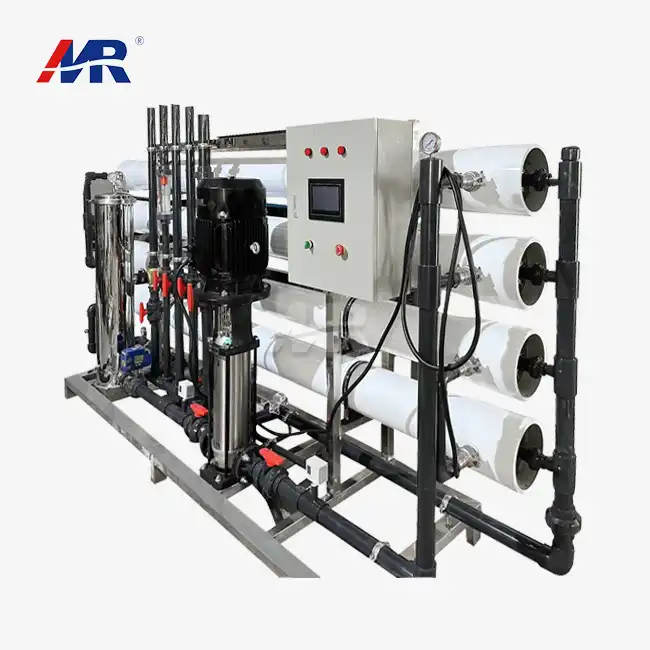 VIEW MORE12m3/hour reverse osmosis BWRO system
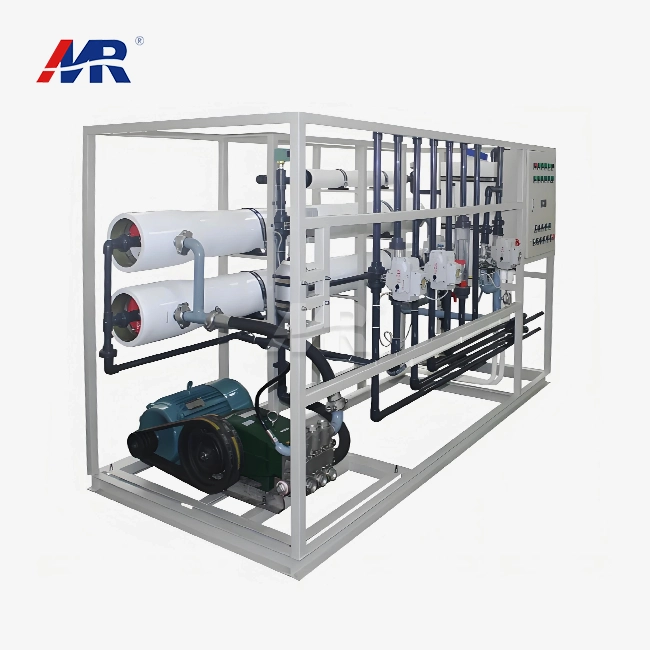 VIEW MOREseawater desalination pre-treatment
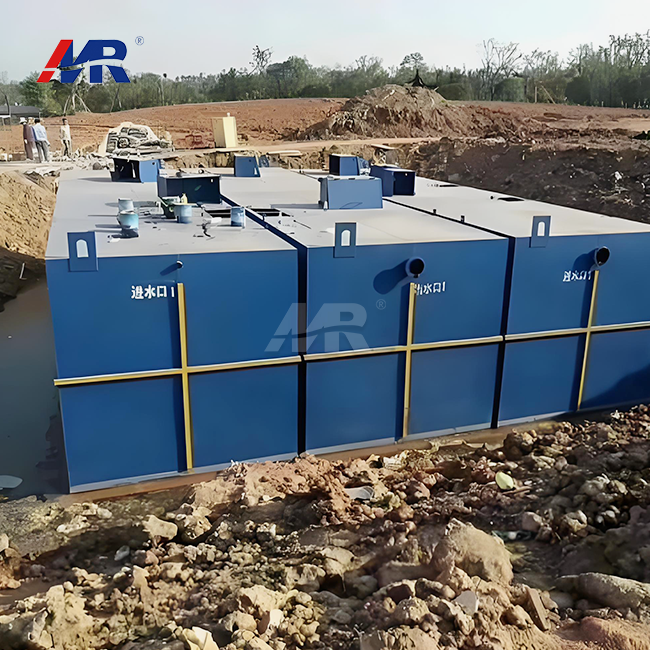 VIEW MOREwastewater treatment plant units
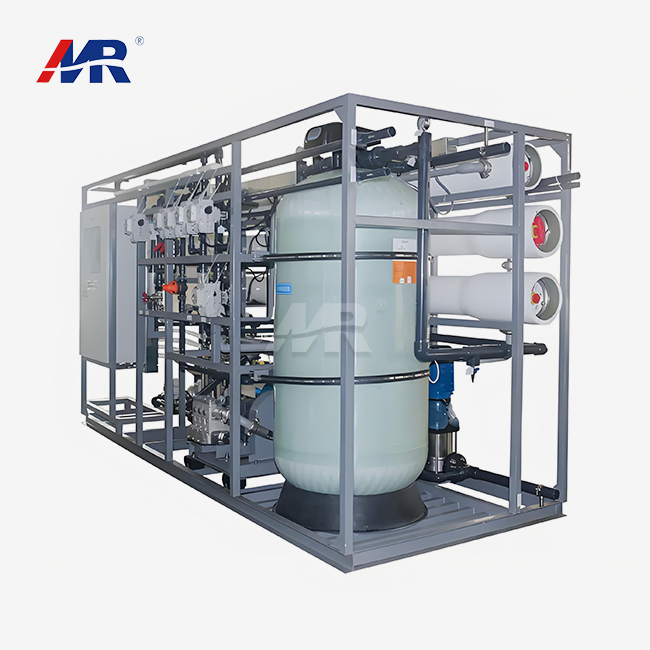 VIEW MOREswro desalination plant
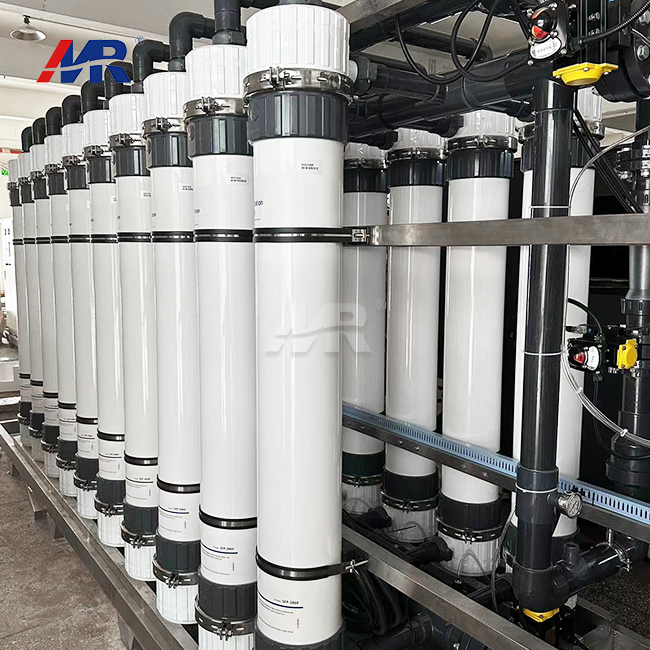 VIEW MOREwater ultrafiltration system
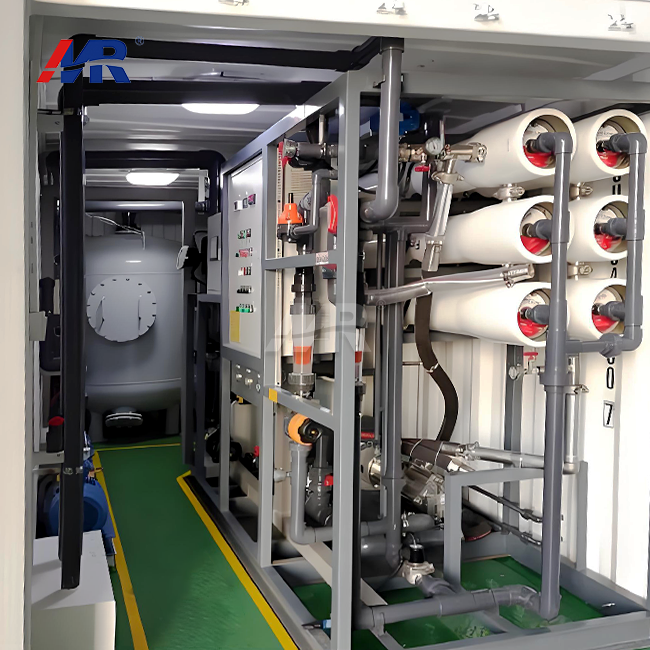 VIEW MOREcontainerized RO equipment
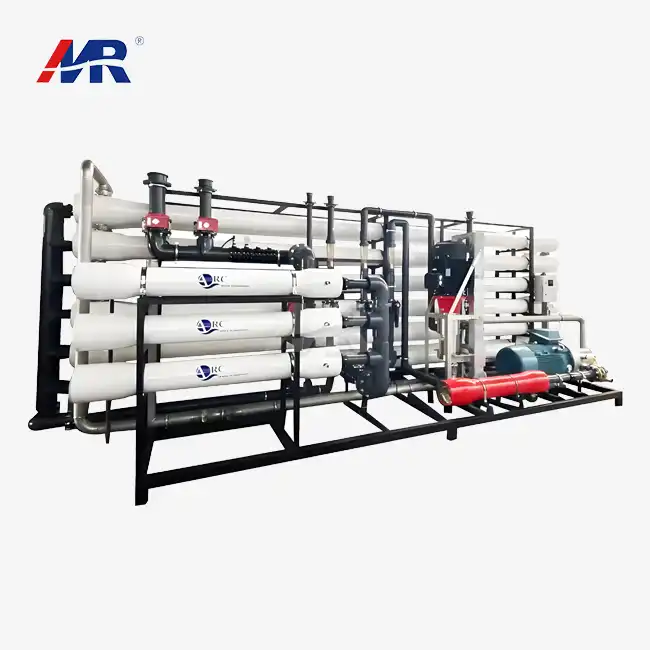 VIEW MORE25m3/hour seawater desalination plant
 VIEW MOREseawater desalination system
